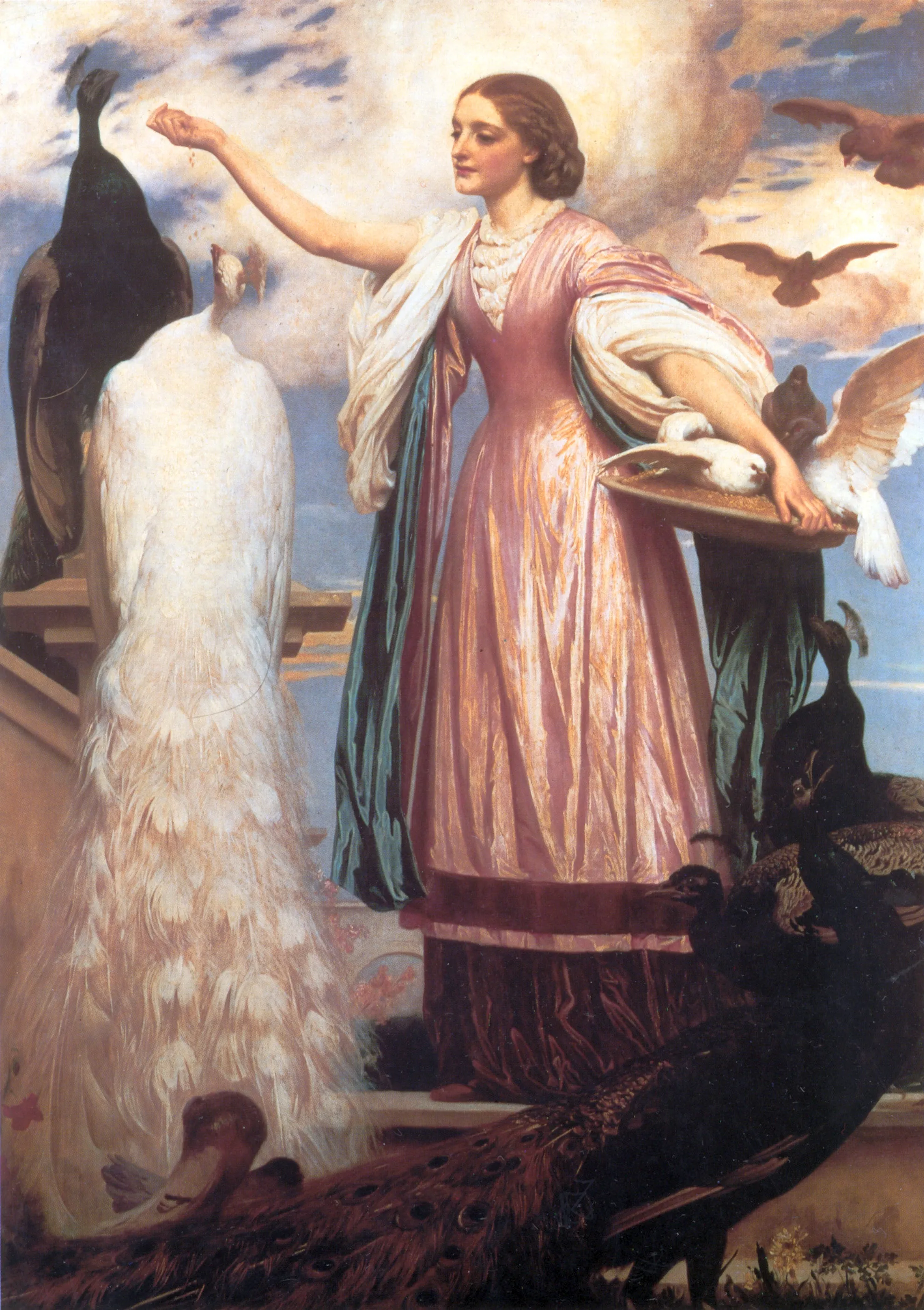
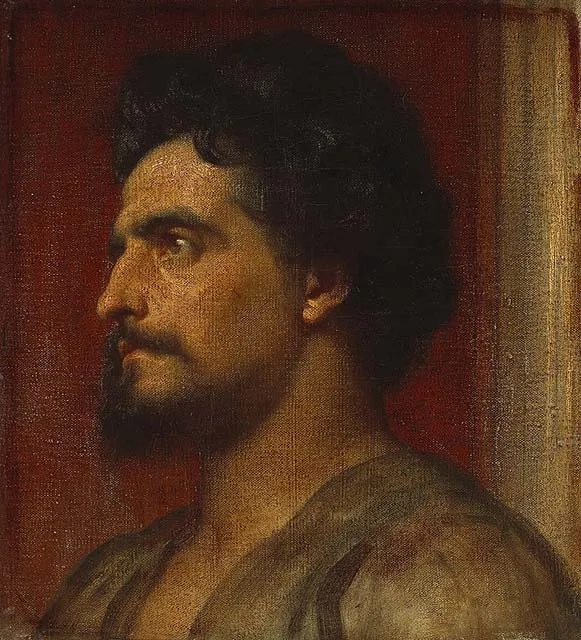
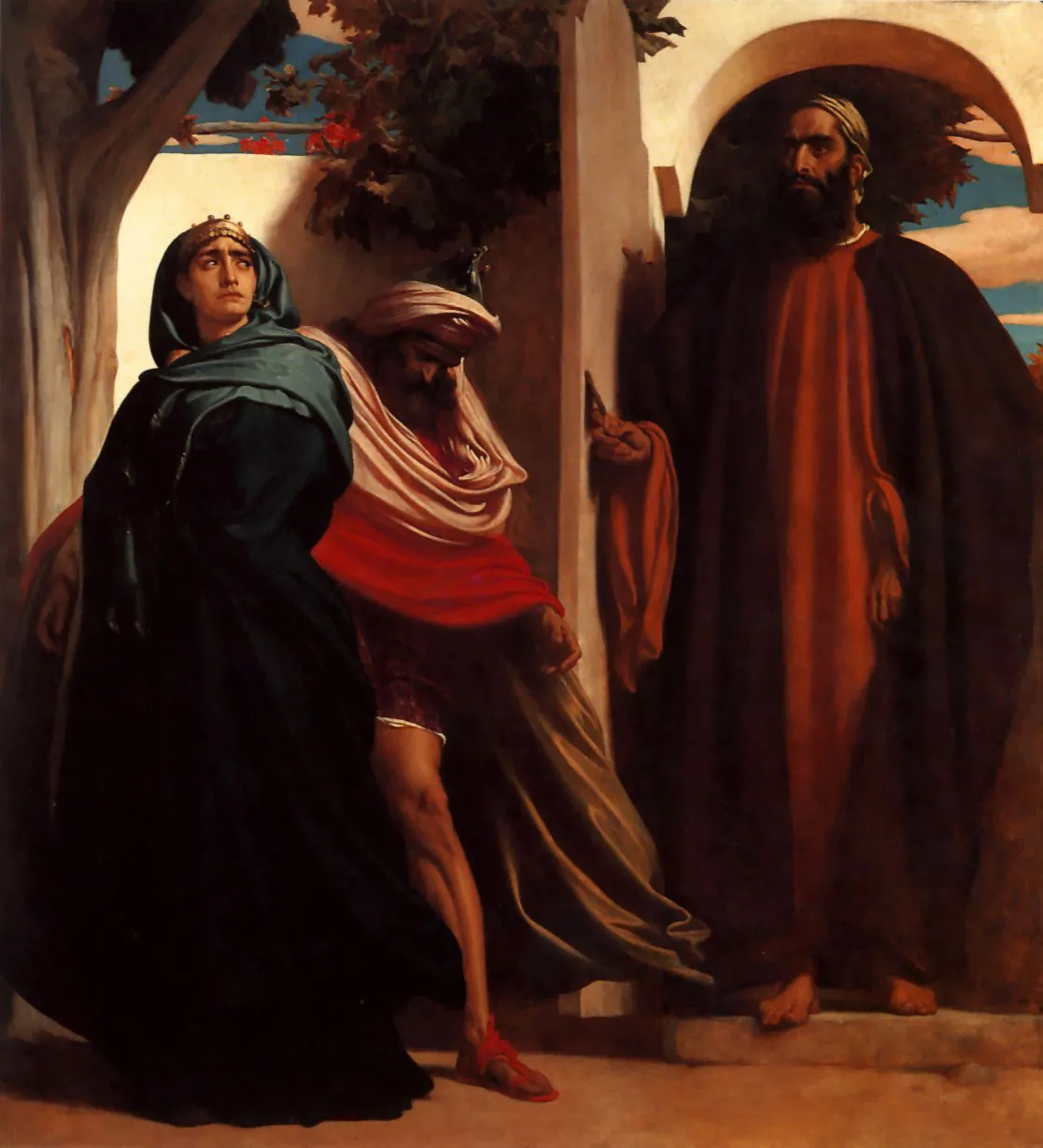
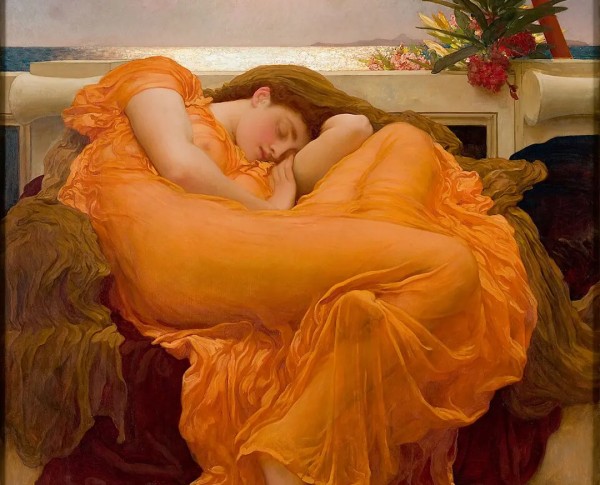
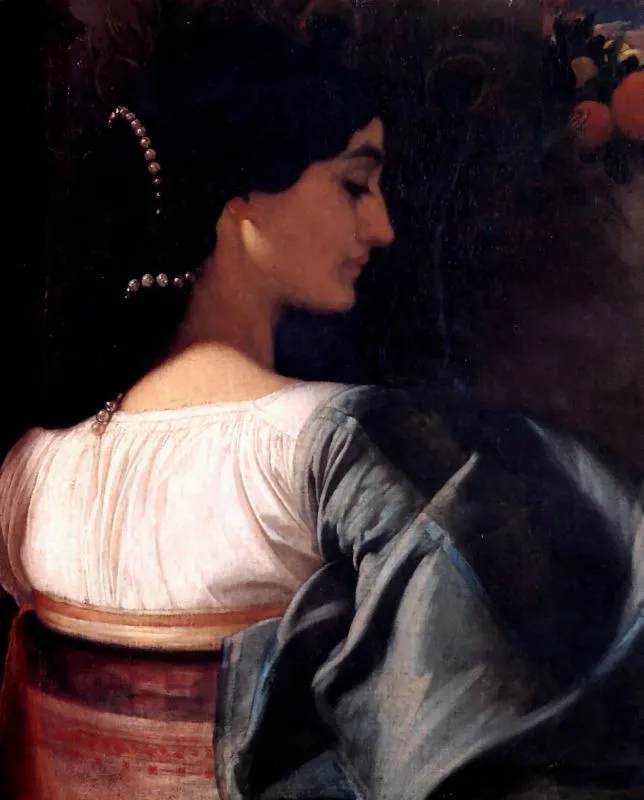
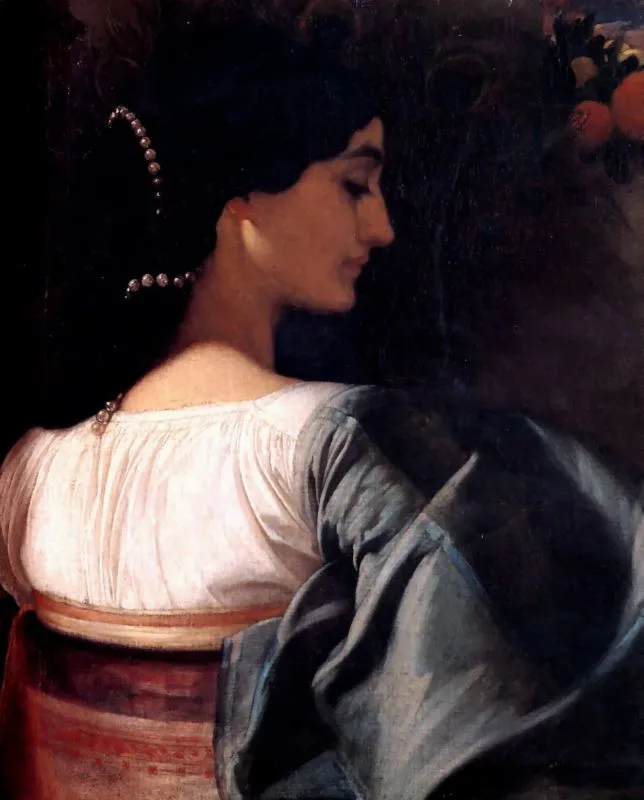
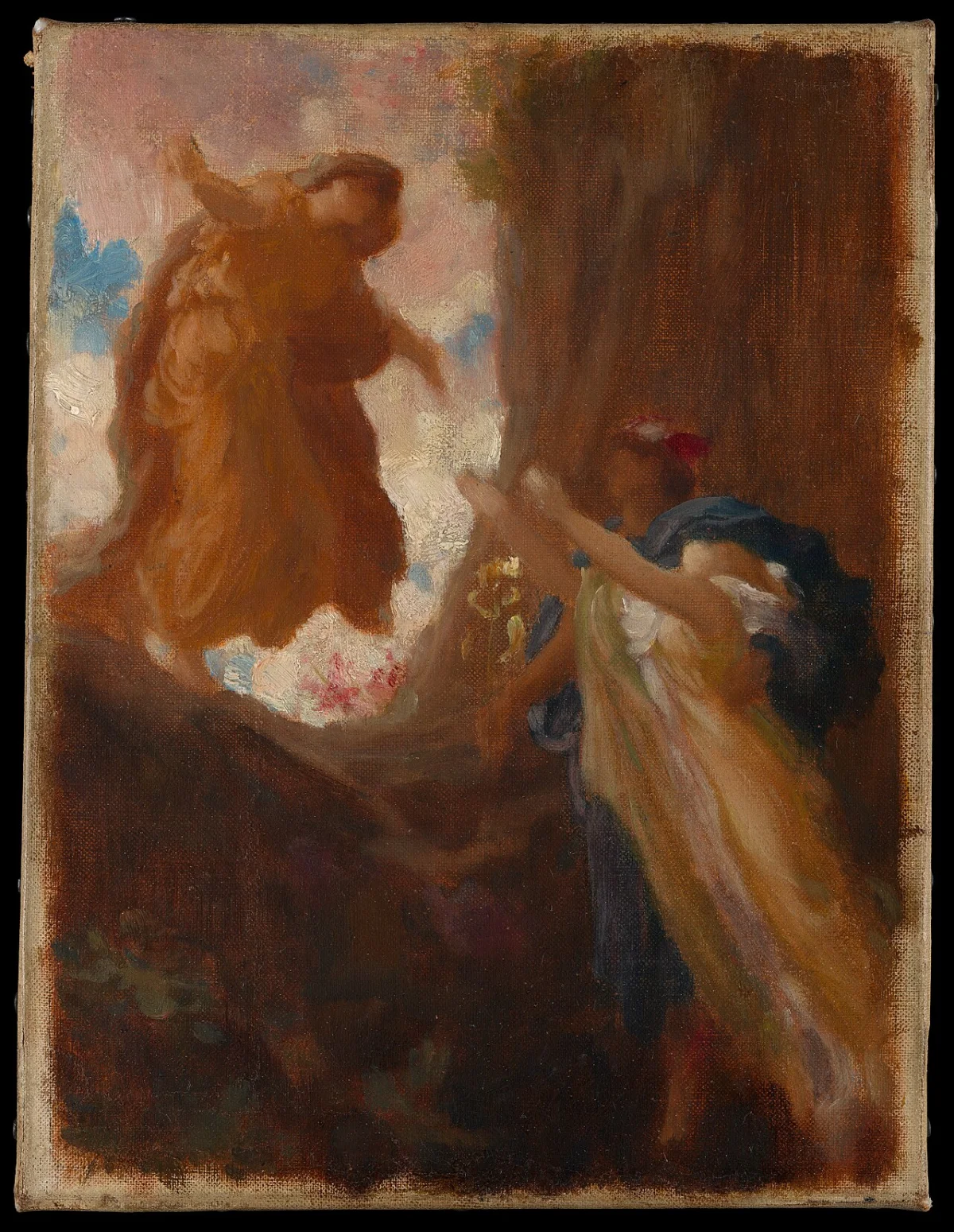
Lord Frederick Leighton's technique in "An Italian Lady" showcases his exceptional skill with oil on canvas. Every detail, from the delicate folds of the sitter's attire to the subtle play of light on her features, demonstrates the precision characteristic of Academic Classicism. Collectors who appreciate meticulous artistry often explore related masterpieces like "A Roman Lady" and "The Return of Persephone," both of which highlight the enduring appeal of Leighton's oil on canvas works.
Within "An Italian Lady," Leighton weaves a narrative of grace and dignity, employing the symbolic language of Academic Classicism. The subject's serene expression and refined posture invite viewers to ponder her story. This hand-painted oil painting resonates with others such as "The Reconciliation of the Montagues and Capulets" and "Actaea, the Nymph of the Shore," offering collectors and admirers a glimpse into the deeper meanings behind each fine art painting for sale.
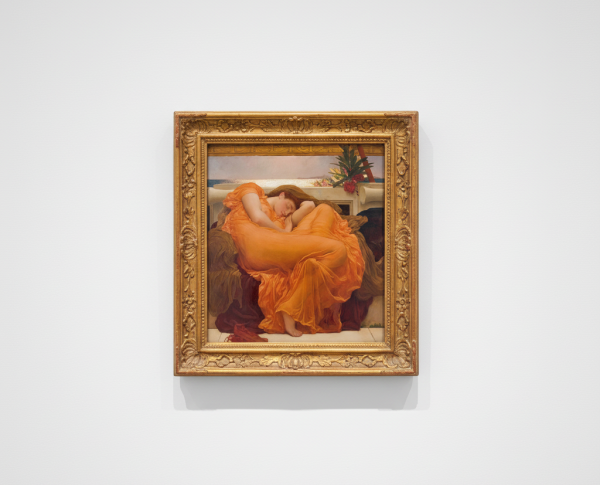
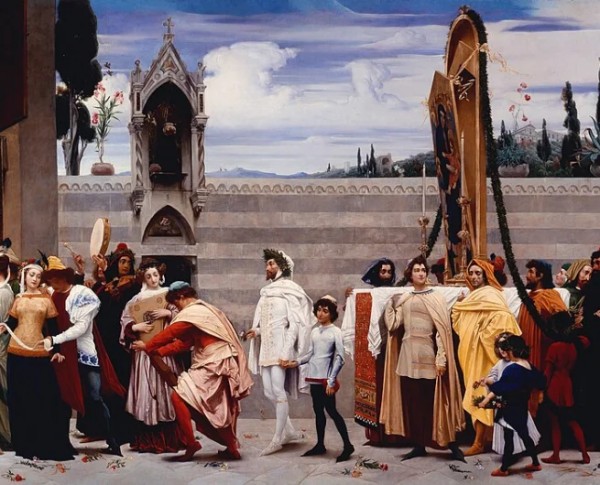
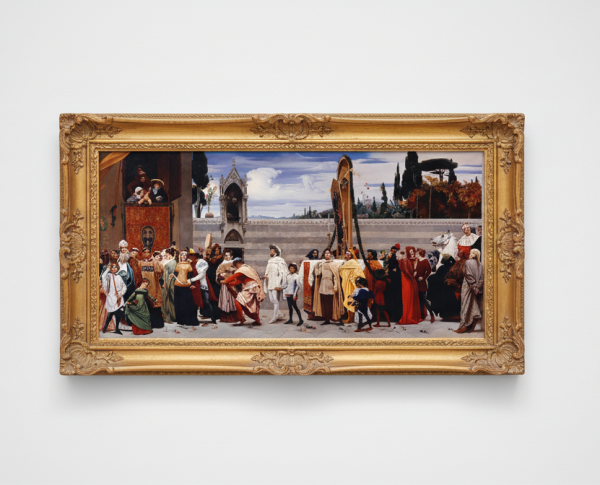
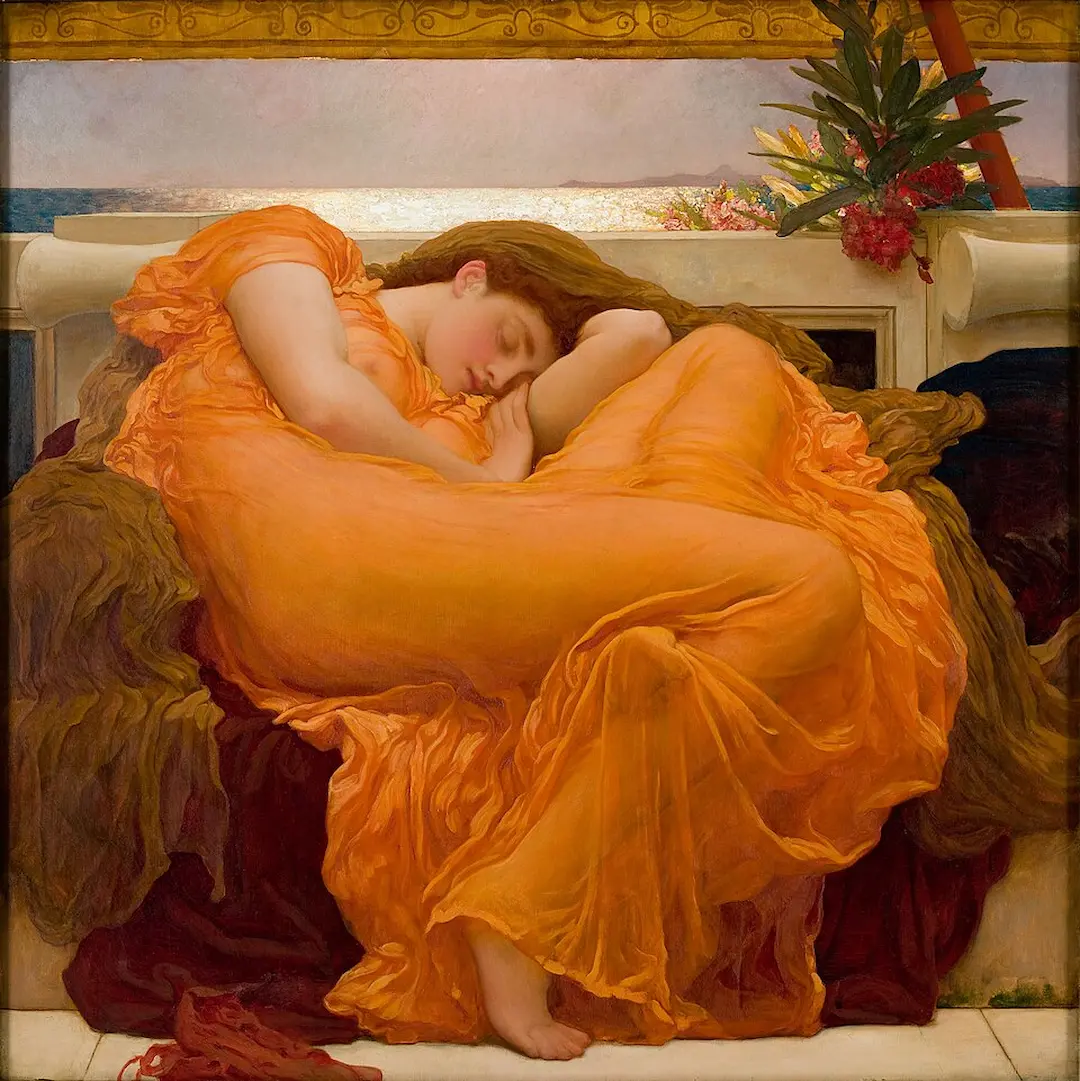
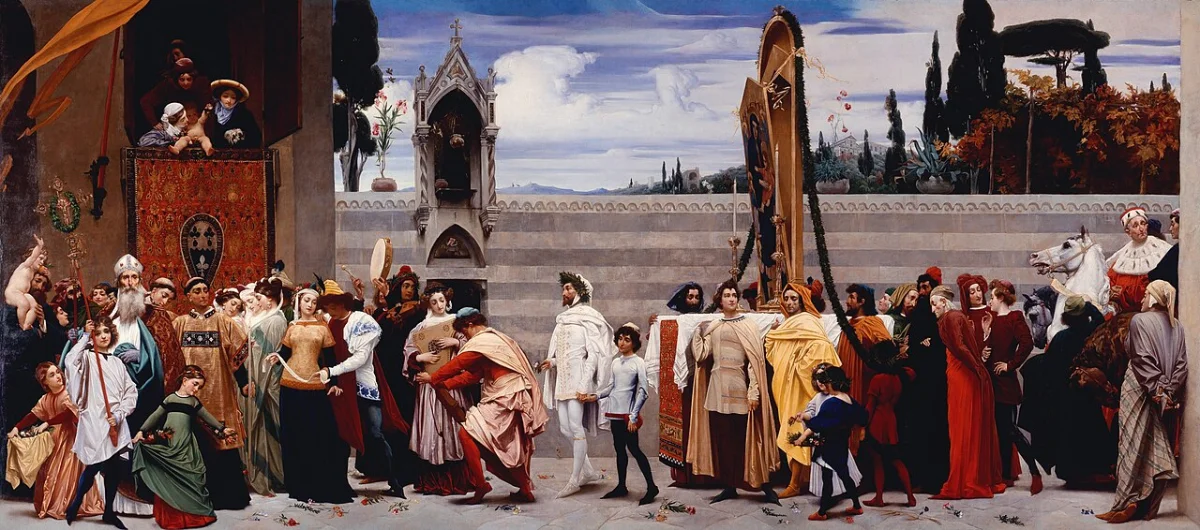
Owning "An Italian Lady" by Lord Frederick Leighton means possessing a remarkable fine art painting for sale that exemplifies Academic Classicism. Its timeless beauty and historical significance make it a coveted addition to any collection. Art lovers drawn to Leighton's legacy often seek out related works like "Flaming June" or "Cimabue's Celebrated Madonna," ensuring that the allure of his hand-painted oil paintings continues to inspire collectors worldwide.
When Art Meets History
"An Italian Lady" by Lord Frederick Leighton stands as a remarkable example of Academic Classicism, a movement celebrated for its precision and elegance. This hand-painted oil painting captures the timeless beauty and grace of its subject, reflecting the cultural richness of 19th-century Italy. Leighton's mastery is evident, much like in related works such as "A Portrait of Amelina Dufaud" and "L'innocence (Innocence)," which also showcase the refined artistry of their era.
Techniques That Speak
Lord Frederick Leighton’s expertise in oil on canvas is apparent in every detail of "An Italian Lady." The delicate rendering of textures and subtle play of light highlight the technical brilliance characteristic of Academic Classicism. This painting shares its meticulous approach with masterpieces like "Nymphes et Satyre (Nymphs and Satyr)" and "The Slave Market," where the use of oil on canvas brings each subject to vibrant life, emphasizing the movement’s commitment to realism and beauty.
Emotions on Display
"An Italian Lady" transcends mere portraiture, inviting viewers to connect with the sitter’s quiet dignity and introspective gaze. Through this fine art painting for sale, Lord Frederick Leighton communicates a profound sense of serenity and poise, similar to the emotional depth found in works like "L'innocence (Innocence)" and "A Portrait of Amelina Dufaud." The Academic Classicism movement is renowned for evoking emotion through refined technique and composition.
Coveted by Collectors
Collectors and art enthusiasts highly prize "An Italian Lady" for its historical significance and exquisite artistry. As a hand-painted oil painting by Lord Frederick Leighton, it embodies the ideals of Academic Classicism and stands alongside other sought-after works such as "The Slave Market" and "Nymphes et Satyre (Nymphs and Satyr)." The painting’s enduring appeal makes it a distinguished fine art painting for sale in galleries and private collections worldwide.
Related Academic Classicism Hand-Painted Oil Paintings by Other Artists
Other Famous Academic Classicism Artists:
Frequently Asked Questions About An Italian Lady
What is the historical context of "An Italian Lady"?
"An Italian Lady" was painted by Lord Frederick Leighton in the late 19th century, a period characterized by the Pre-Raphaelite movement and a fascination with classical themes and aesthetics. This painting reflects the Victorian era's interest in Italian culture and its romanticized view of women.
What artistic techniques did Leighton use in this painting?
Leighton employed a combination of rich color palettes, intricate detailing, and a focus on naturalistic representation. The use of light and shadow enhances the three-dimensional quality of the figure, while the flowing drapery showcases his skill in depicting fabric.
What does the figure in "An Italian Lady" represent?
The figure embodies the idealized beauty and grace associated with Italian women of the time. She represents not only femininity but also the cultural and artistic ideals of the Renaissance, which influenced Leighton's work.
How does "An Italian Lady" reflect the themes of the Aesthetic Movement?
The painting exemplifies the Aesthetic Movement's principle that art should be appreciated for its beauty and emotional resonance rather than its moral or narrative content. Leighton's focus on the beauty of the subject and the harmonious composition aligns with this philosophy.
What symbolism can be found in the painting?
The use of rich colors and the subject's attire may symbolize wealth and sophistication, while the serene expression of the lady conveys a sense of tranquility and introspection, suggesting deeper emotional and psychological themes.
What influences can be seen in Leighton's portrayal of the female figure?
Leighton's portrayal of the female figure is influenced by classical art, particularly the works of Renaissance masters. His depiction emphasizes idealized beauty and elegance, drawing on historical references to create a timeless representation of womanhood.
How does the composition of "An Italian Lady" contribute to its overall impact?
The composition is carefully arranged to draw the viewer's eye to the figure, utilizing negative space effectively. The balance between the subject and the background enhances the painting's aesthetic appeal, creating a sense of harmony and focus.
What role does color play in "An Italian Lady"?
Color plays a pivotal role in conveying mood and emotion in "An Italian Lady." The warm tones evoke a sense of intimacy and warmth, while the contrast between light and shadow adds depth and dimension to the figure, enhancing its lifelike quality.
In what ways does "An Italian Lady" reflect Leighton's artistic philosophy?
Leighton's artistic philosophy emphasized the importance of beauty, craftsmanship, and the emotional power of art. "An Italian Lady" encapsulates these ideals through its meticulous detail, harmonious composition, and the evocative portrayal of its subject.
How has "An Italian Lady" been received by art critics and historians?























_GFM_Painting_(1).webp)


 100% Hand-Painted: Finished in 3-6 Weeks

.png)















_(1).webp)