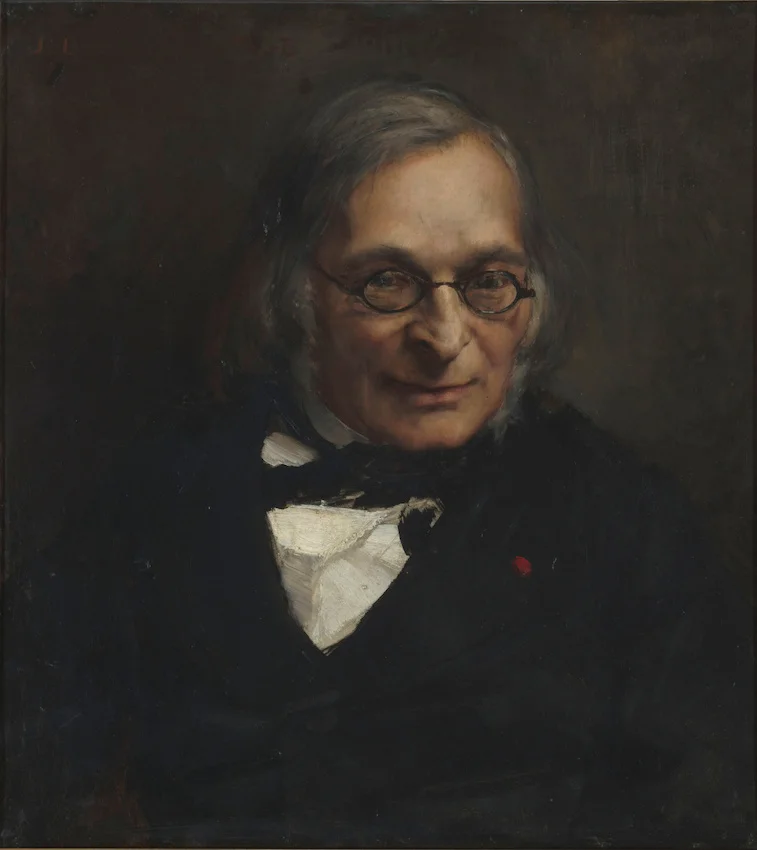
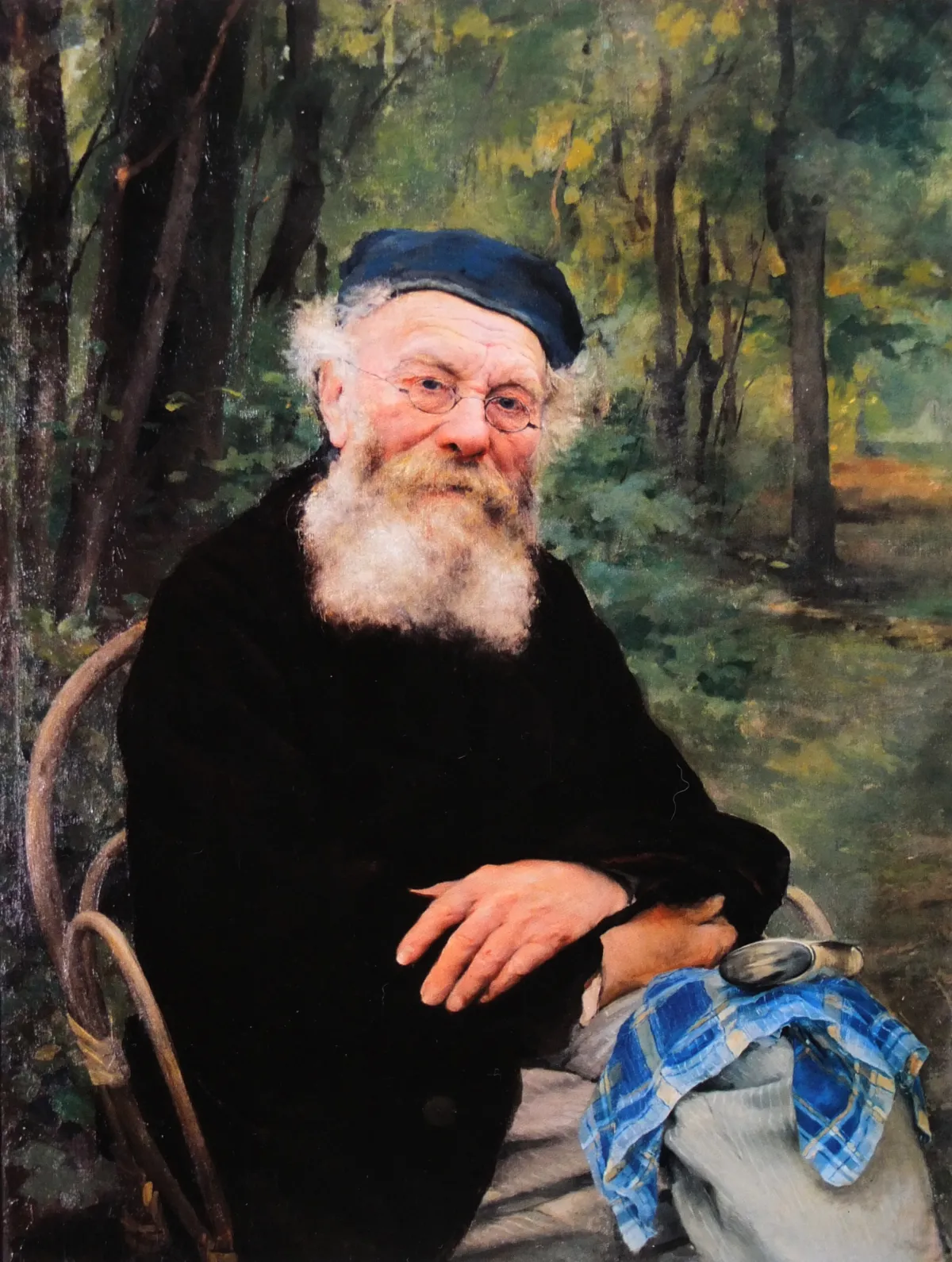
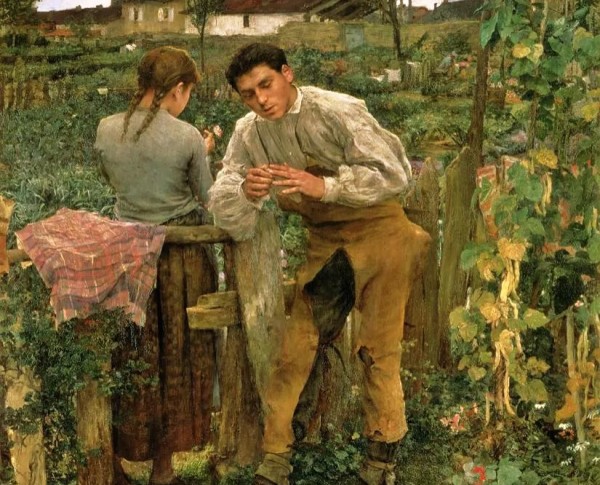
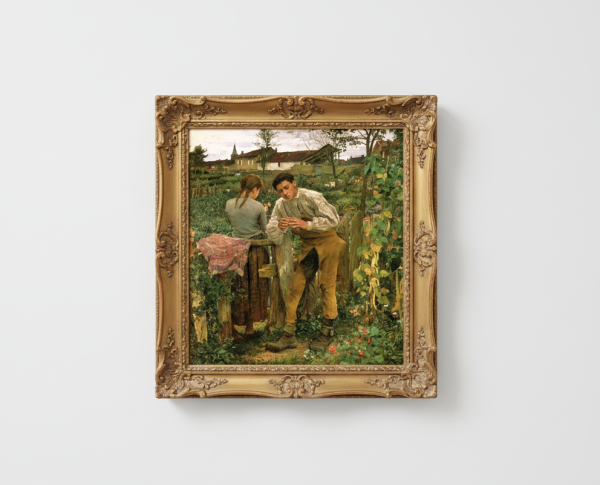
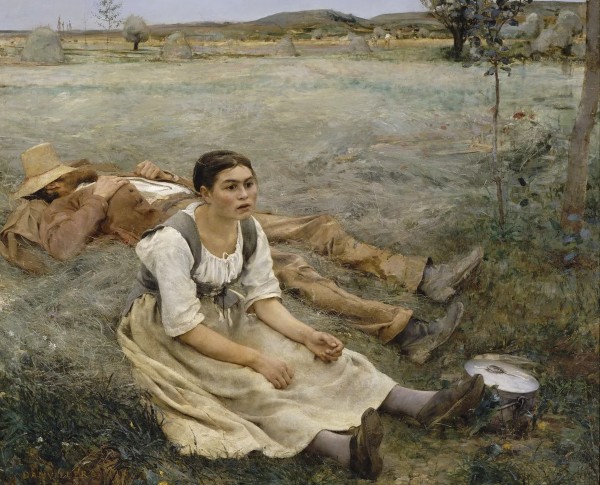
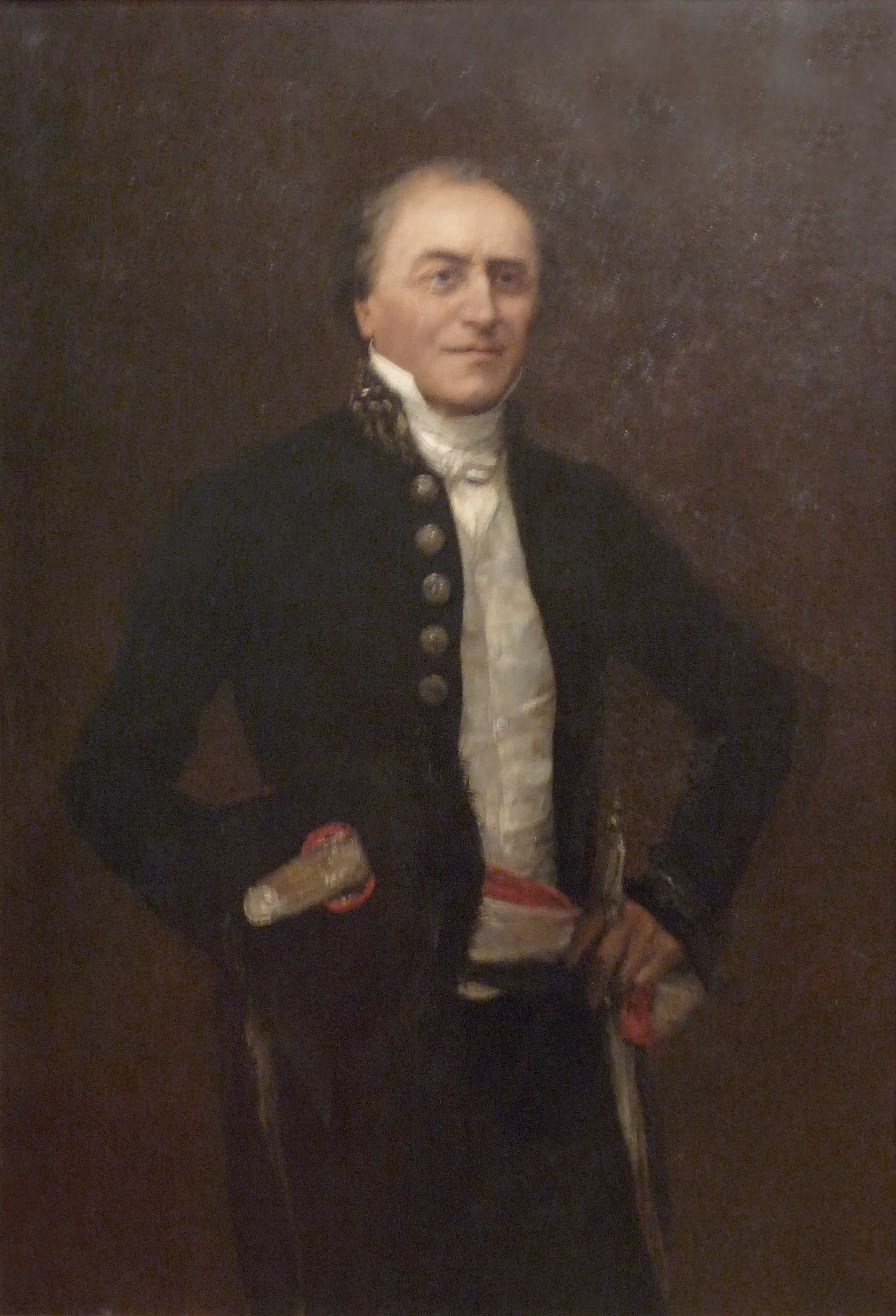
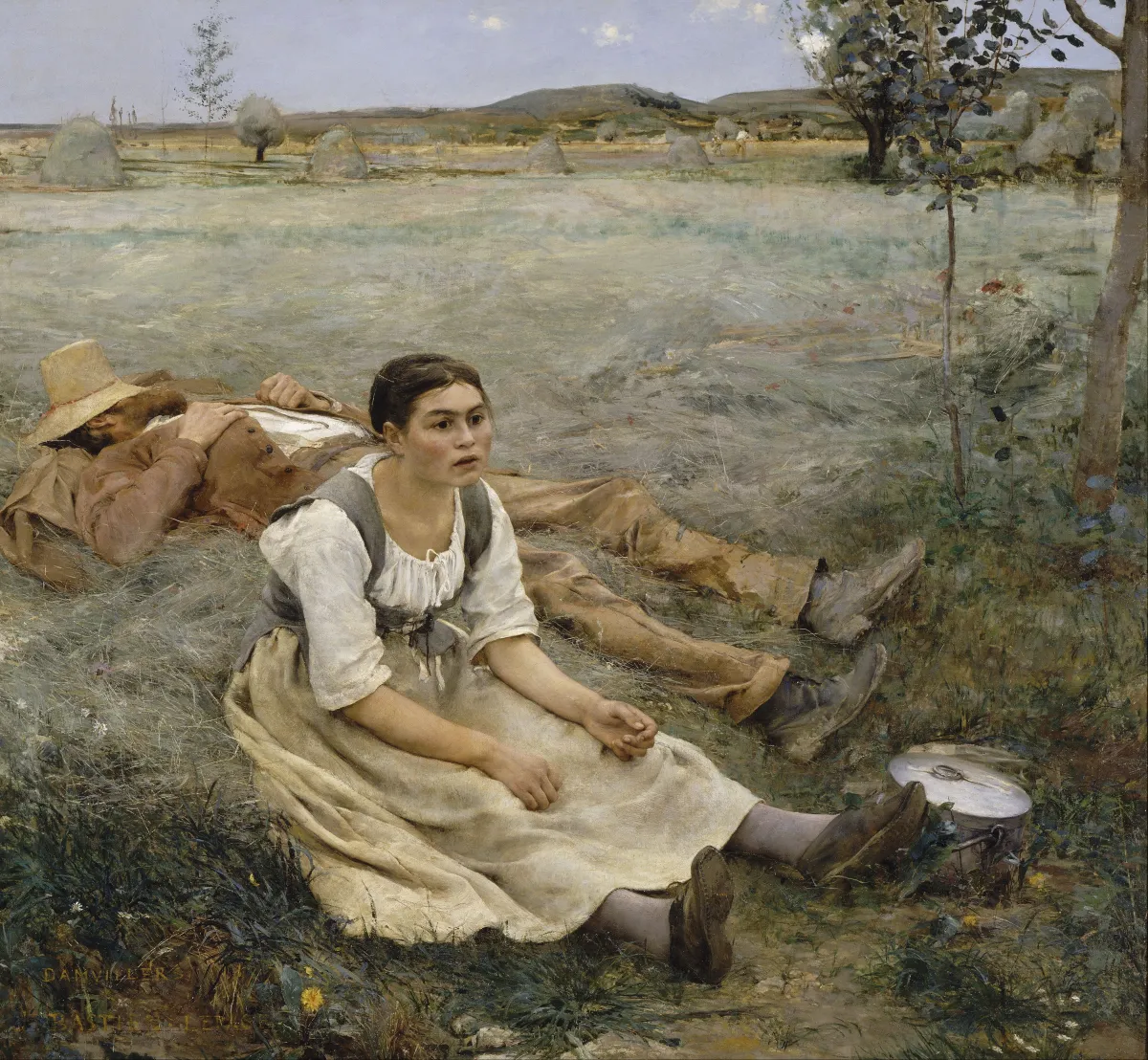
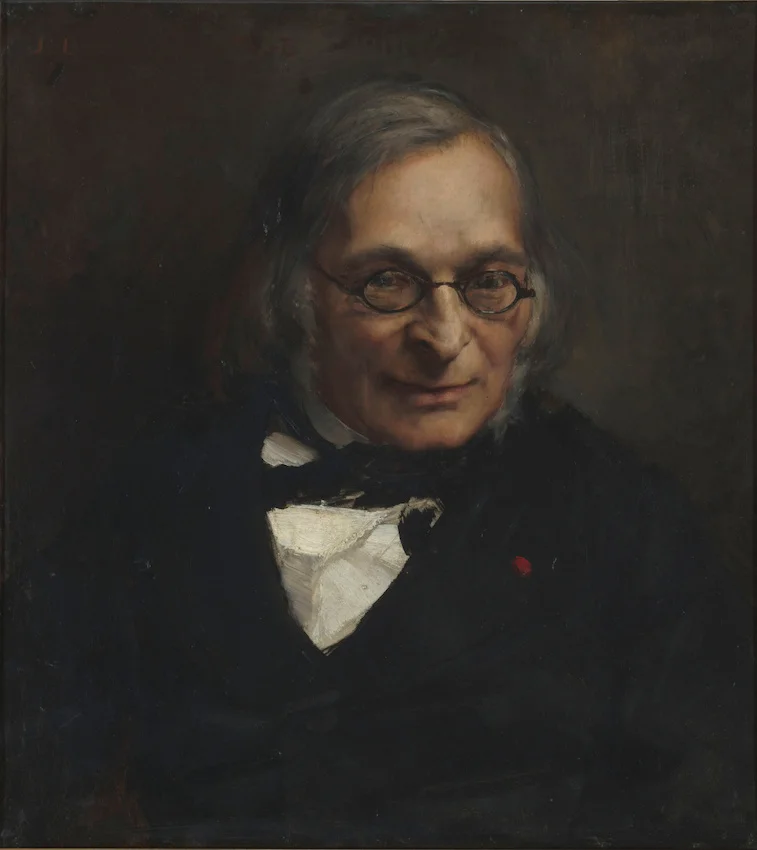
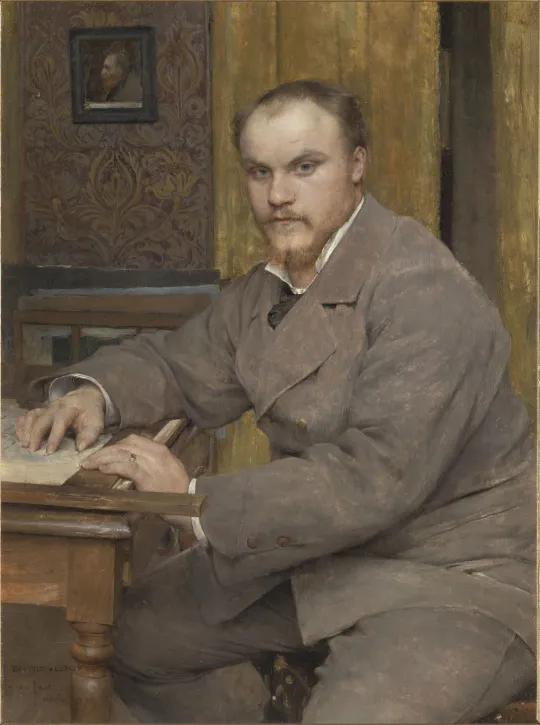
Jules Bastien Lepage’s technique in "Portrait of Paulin Gillon" showcases his exceptional skill with oil on canvas. His attention to detail and nuanced brushwork embody the Naturalism style, bringing the subject to life with remarkable realism. Lepage’s other masterworks like "Émile Bastien-Lepage" and "Resting country people" also exhibit his command of the medium, making each oil on canvas piece a testament to his enduring artistic legacy in the world of fine art.
Within "Portrait of Paulin Gillon," Jules Bastien Lepage weaves subtle narratives and symbolic elements, hallmarks of the Naturalism movement. The sitter’s composed demeanor and lifelike representation suggest stories beyond the visible, inviting viewers to ponder the painting’s deeper meanings. Collectors often seek related pieces such as "Pochade of the pastry painter" and "Andre Theuriet" for their evocative storytelling, adding to the allure of owning a hand-painted oil painting from this influential period.
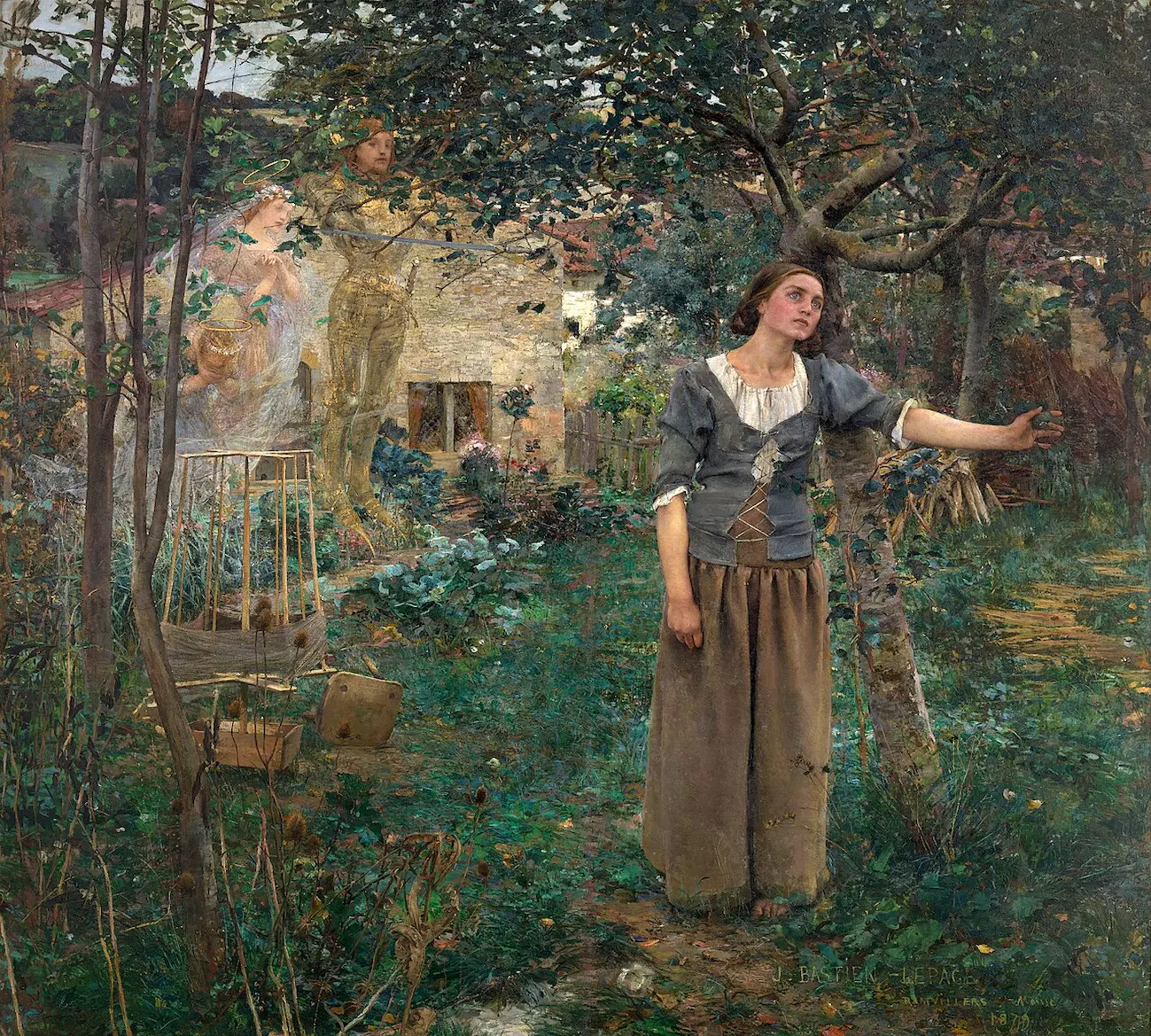
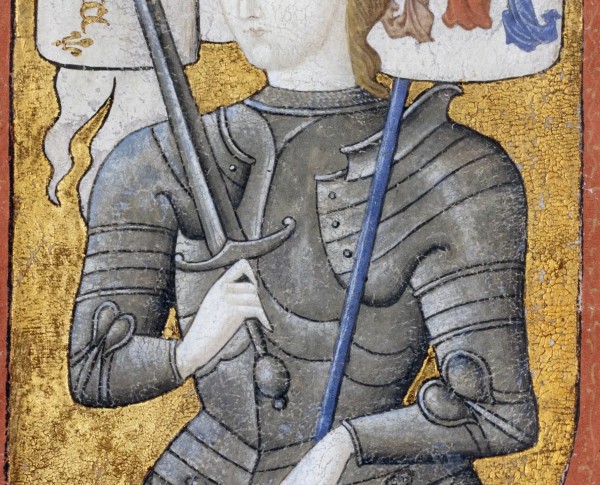
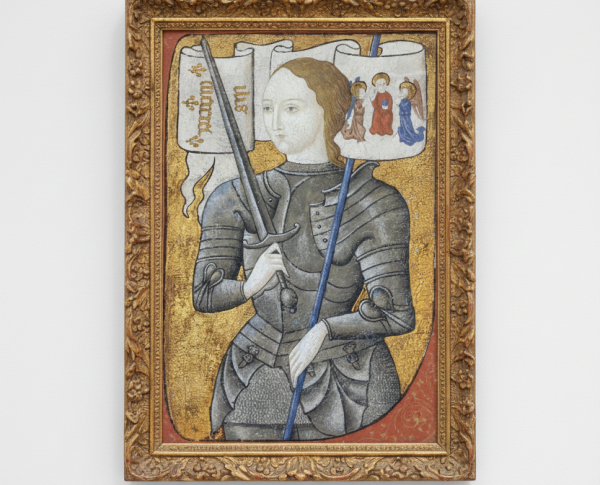
For art enthusiasts, "Portrait of Paulin Gillon" remains a prized fine art painting for sale, celebrated for its authenticity and historical significance. Jules Bastien Lepage’s works, including "Joan Of Arc" and "Resting country people," are renowned within the Naturalism movement and highly desirable among collectors. Investing in such masterpieces ensures a connection to the artist’s vision and a lasting legacy, making each acquisition a true collector’s treasure.
When Art Meets History
"Portrait of Paulin Gillon" by Jules Bastien Lepage stands as an enduring testament to the Naturalism movement, capturing a unique moment in 19th-century art history. This hand-painted oil painting reflects Lepage’s commitment to realism, much like his other works such as "Ptarmigan Calling in the Snow" and "Dormice." Through this portrait, viewers are transported back to a time when fine art painting for sale was evolving, bridging the gap between tradition and modernity.
Techniques That Speak
Jules Bastien Lepage's mastery shines through his use of oil on canvas, a medium that allows for delicate transitions and lifelike textures. In "Portrait of Paulin Gillon," every brushstroke reveals his meticulous attention to detail, echoing the same skill found in "Common Eider Ducks" and "King of the roost." The artist’s technique is a hallmark of the Naturalism movement, making this fine art painting for sale a prime example of nineteenth-century innovation.
Emotions on Display
The emotional depth in "Portrait of Paulin Gillon" is palpable, a signature of Jules Bastien Lepage’s approach within the Naturalism movement. This hand-painted oil painting captures subtle expressions and nuanced moods, inviting viewers to connect with the sitter’s inner world. Much like "Danger aloft – Ptarmigan," Lepage’s portraits evoke empathy and contemplation, making each fine art painting for sale a window into the human soul.
Coveted by Collectors
Collectors around the world prize "Portrait of Paulin Gillon" for its authenticity and historical significance. As an exquisite oil on canvas by Jules Bastien Lepage, the painting is highly sought after, alongside related works such as "Dormice." The Naturalism movement’s influence and the artist’s reputation make this fine art painting for sale a valuable addition to any collection, cherished for both its artistic merit and cultural legacy.
Related Naturalism Hand-Painted Oil Paintings by Other Artists
Other Famous Naturalism Artists:
Frequently Asked Questions About Portrait of Paulin Gillon
What is the historical context of "Portrait of Paulin Gillon"?
"Portrait of Paulin Gillon" was created in 1880 by Jules Bastien Lepage, a prominent French painter known for his naturalistic style. This period in art was marked by a shift towards realism, reflecting the social changes and the influence of Impressionism in France.
Who is Paulin Gillon and what is his significance?
Paulin Gillon was a close friend of Jules Bastien Lepage and a notable figure in the Parisian art scene. His portrayal in this painting highlights the importance of personal relationships in the artist's life and work, as well as the social circles of the time.
What artistic techniques did Jules Bastien Lepage employ in this painting?
Bastien Lepage utilized a combination of naturalism and realism, employing meticulous attention to detail and a vibrant color palette. His technique involved layering paint to create depth and texture, which was innovative for his time.
What symbolism can be found in "Portrait of Paulin Gillon"?
The painting symbolizes the bond between artist and subject, reflecting themes of friendship and loyalty. Gillon's relaxed posture and contemplative expression suggest introspection and the complexity of human emotion.
How does this painting reflect the artistic movements of the late 19th century?
This work exemplifies the transition from academic art to more personal and expressive forms. It incorporates elements of Impressionism, particularly in the use of light and color, while maintaining a focus on realism and character.
What is the significance of the setting in "Portrait of Paulin Gillon"?
The setting, though not overtly detailed, serves to enhance the subject's character and mood. It reflects the intimate atmosphere of the artist's studio, suggesting a personal connection between Gillon and Lepage.
How does the composition of the painting contribute to its impact?
The composition is carefully balanced, with Gillon positioned centrally, drawing the viewer's focus. The use of soft, natural light emphasizes his features and creates a sense of warmth and approachability.
What influence did "Portrait of Paulin Gillon" have on future artists?
This painting influenced future generations of artists by demonstrating the power of personal narrative in portraiture. It encouraged a more intimate approach to subject matter, paving the way for modern portrait techniques.
What materials were used in the creation of "Portrait of Paulin Gillon"?
Bastien Lepage primarily used oil on canvas, a medium that allowed for rich color and detail. The choice of materials reflects the artistic standards of the time and the artist's commitment to quality craftsmanship.
In what ways does this painting exemplify Jules Bastien Lepage's overall artistic philosophy?
This painting exemplifies Lepage's belief in capturing the essence of his subjects through realism and emotional depth. His focus on the individuality of Gillon reflects his broader philosophy of portraying humanity with honesty and sensitivity.























_GFM_Painting_(1).webp)


 100% Hand-Painted: Finished in 3-6 Weeks

.png)















_(1).webp)