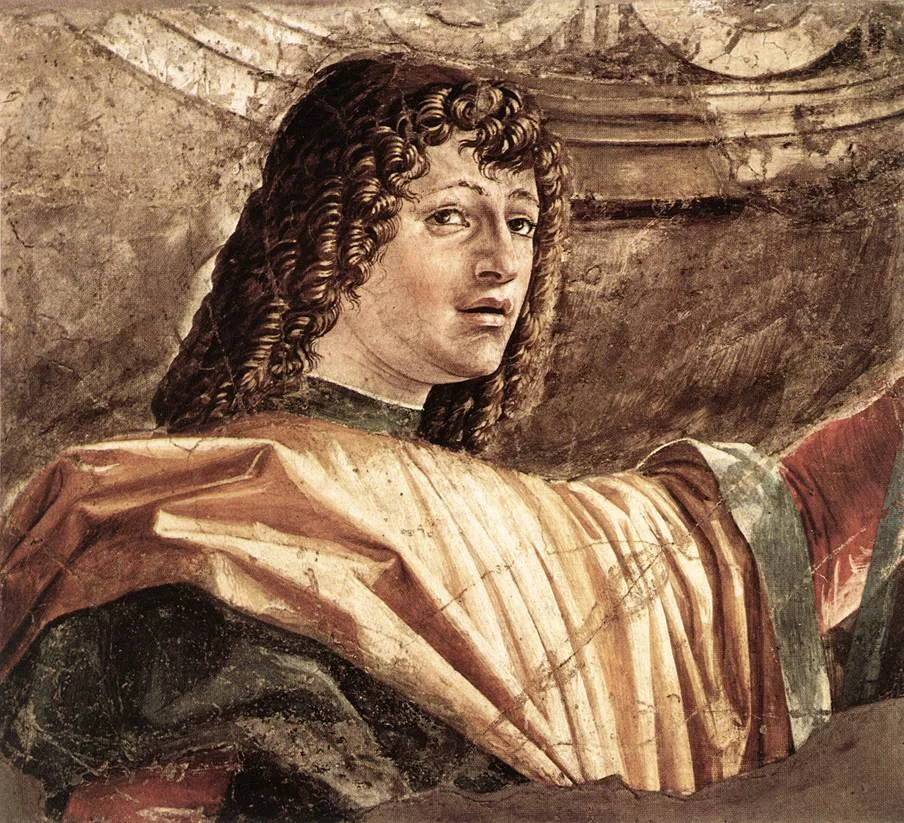
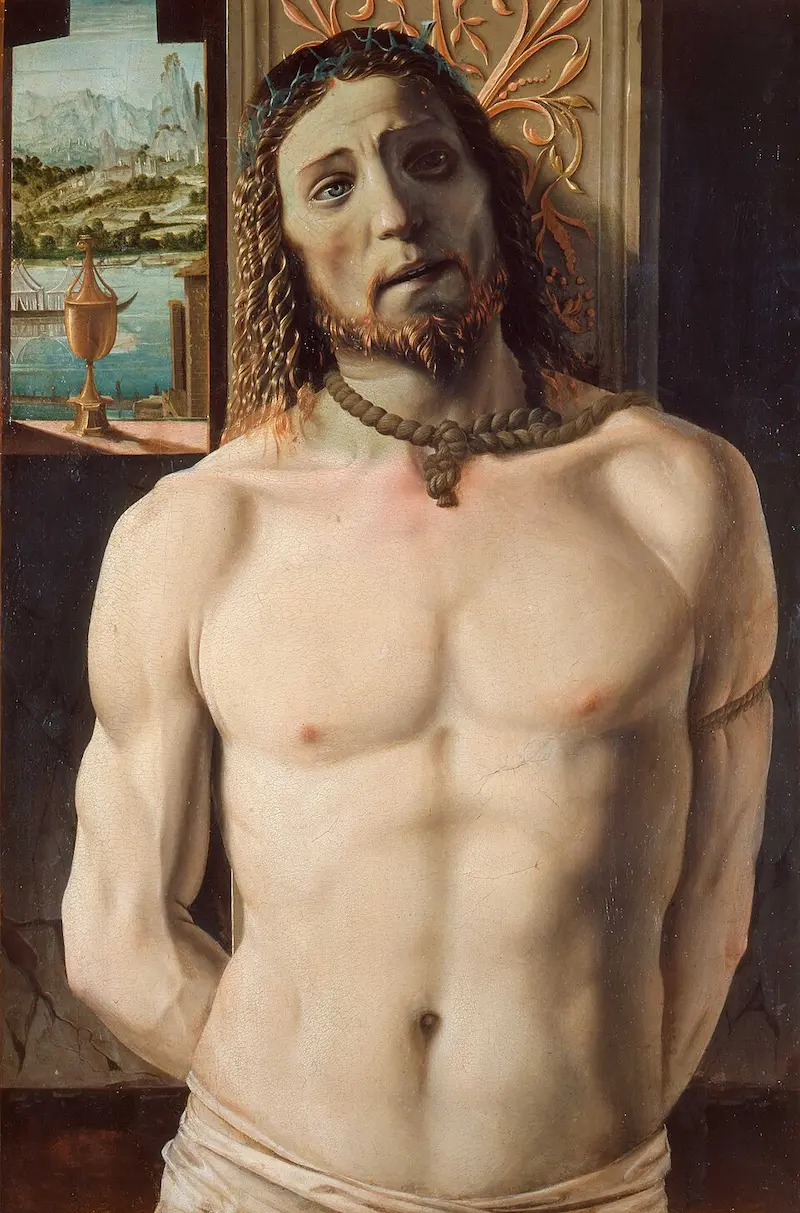
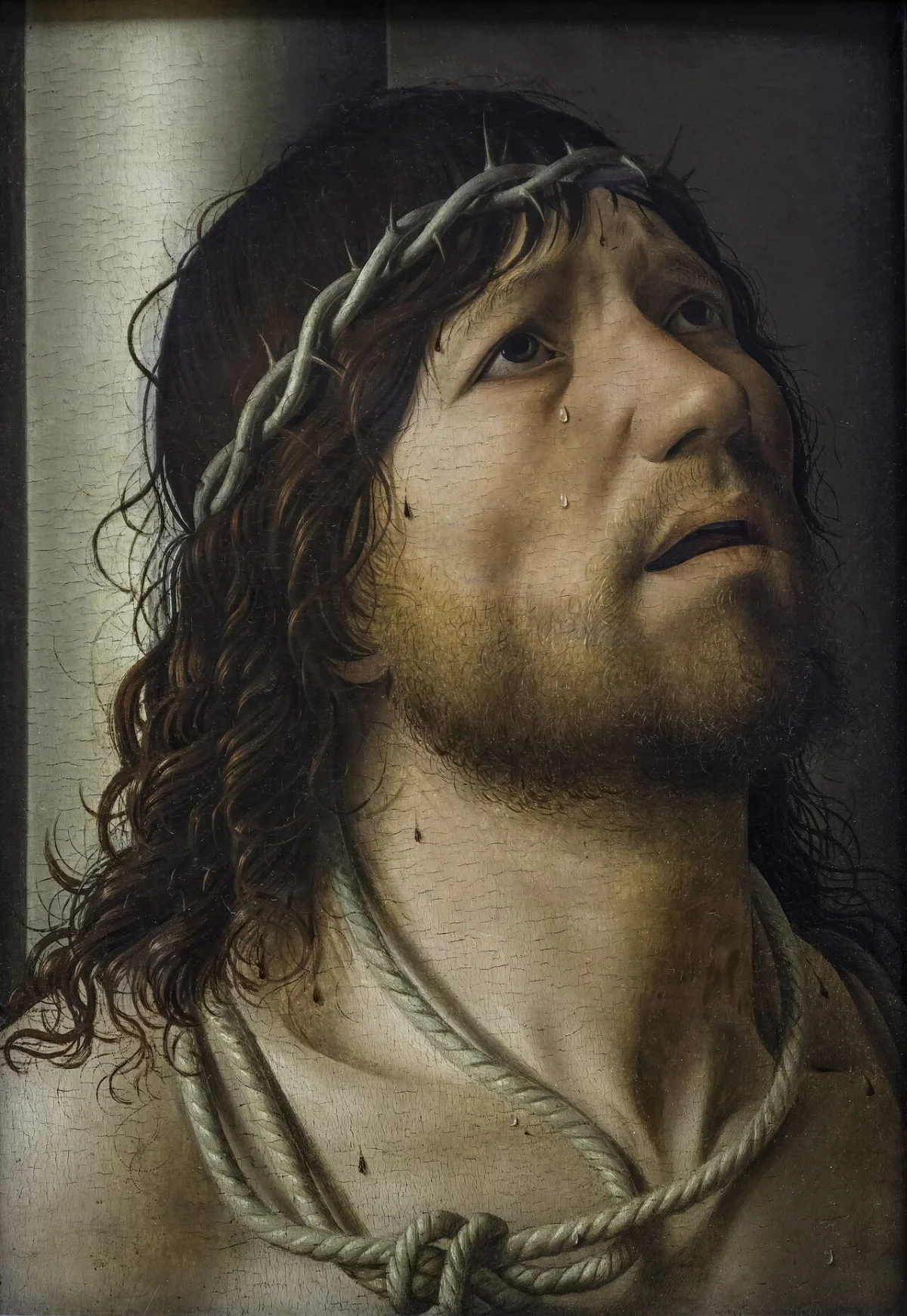
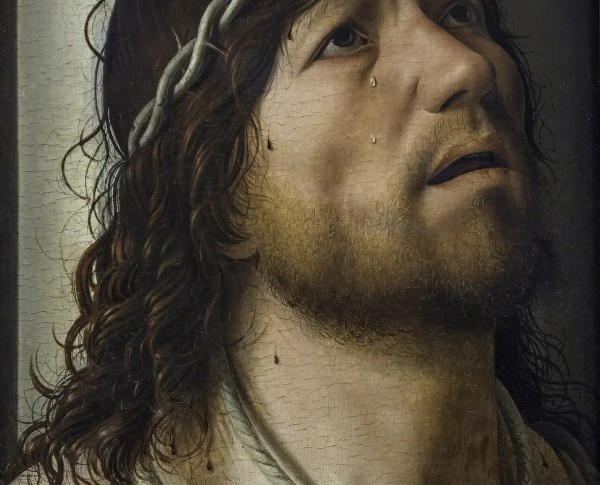
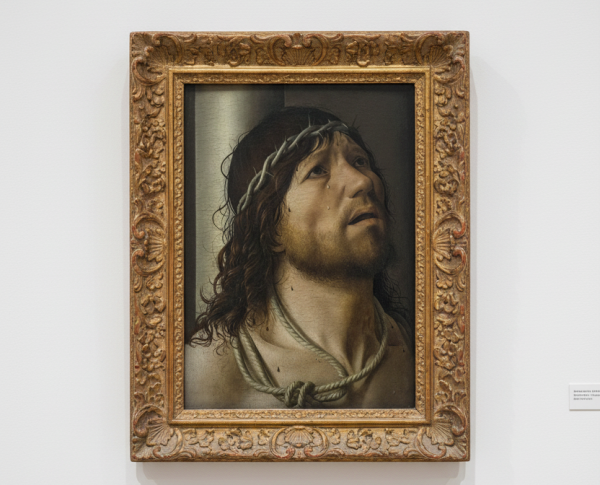
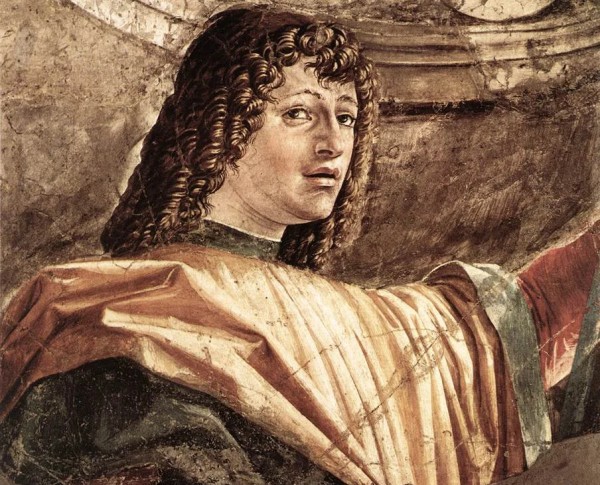
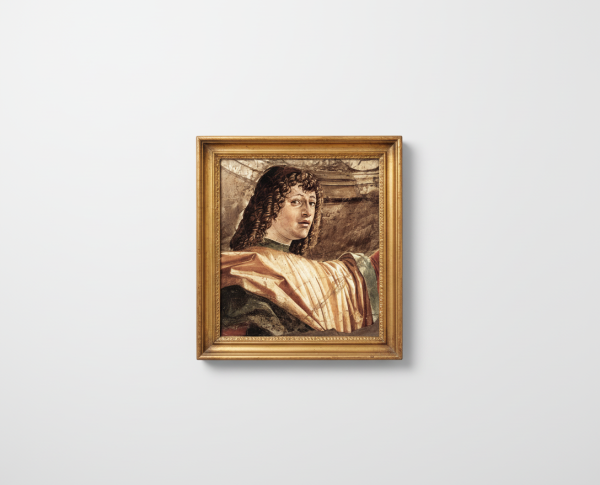
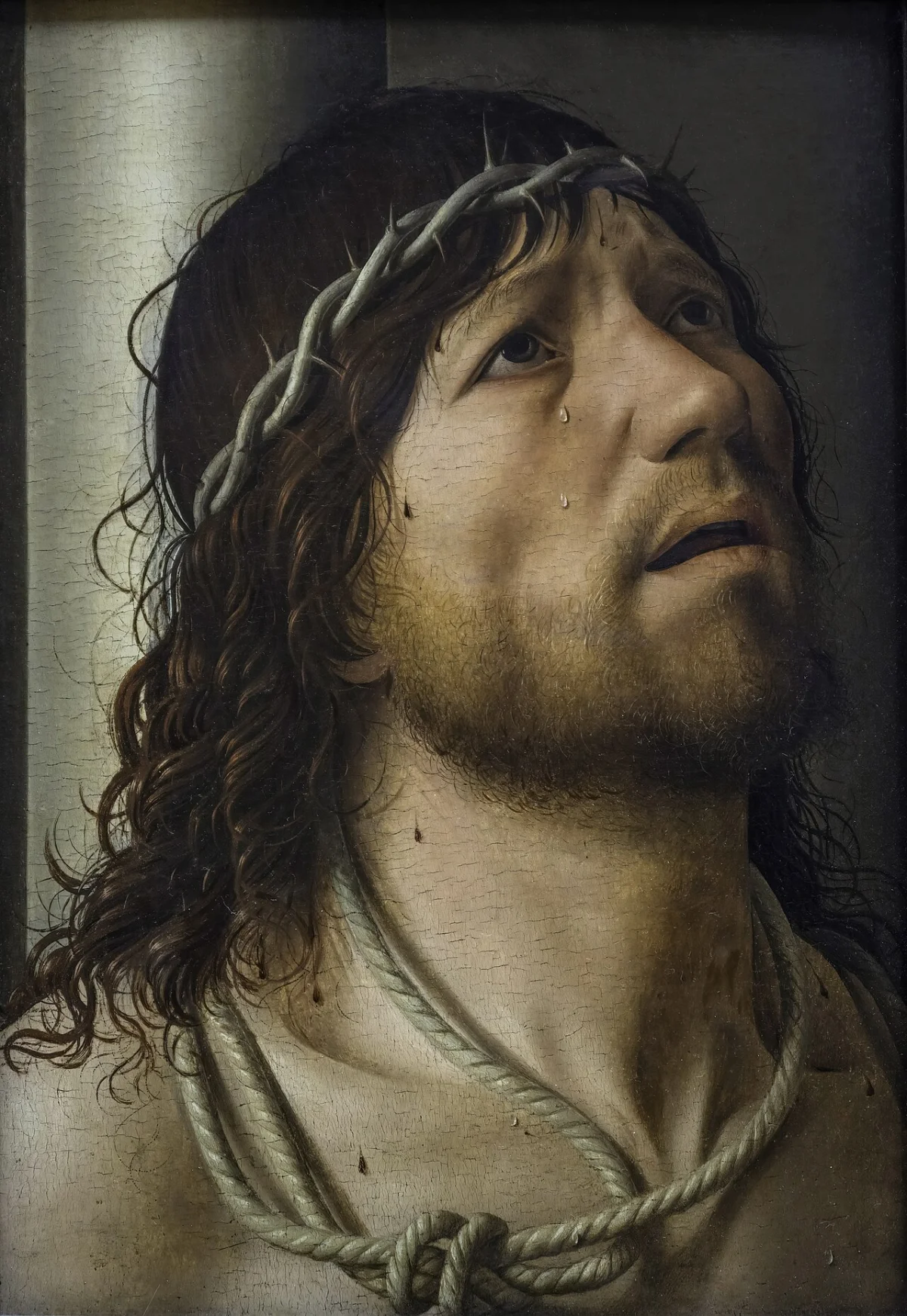
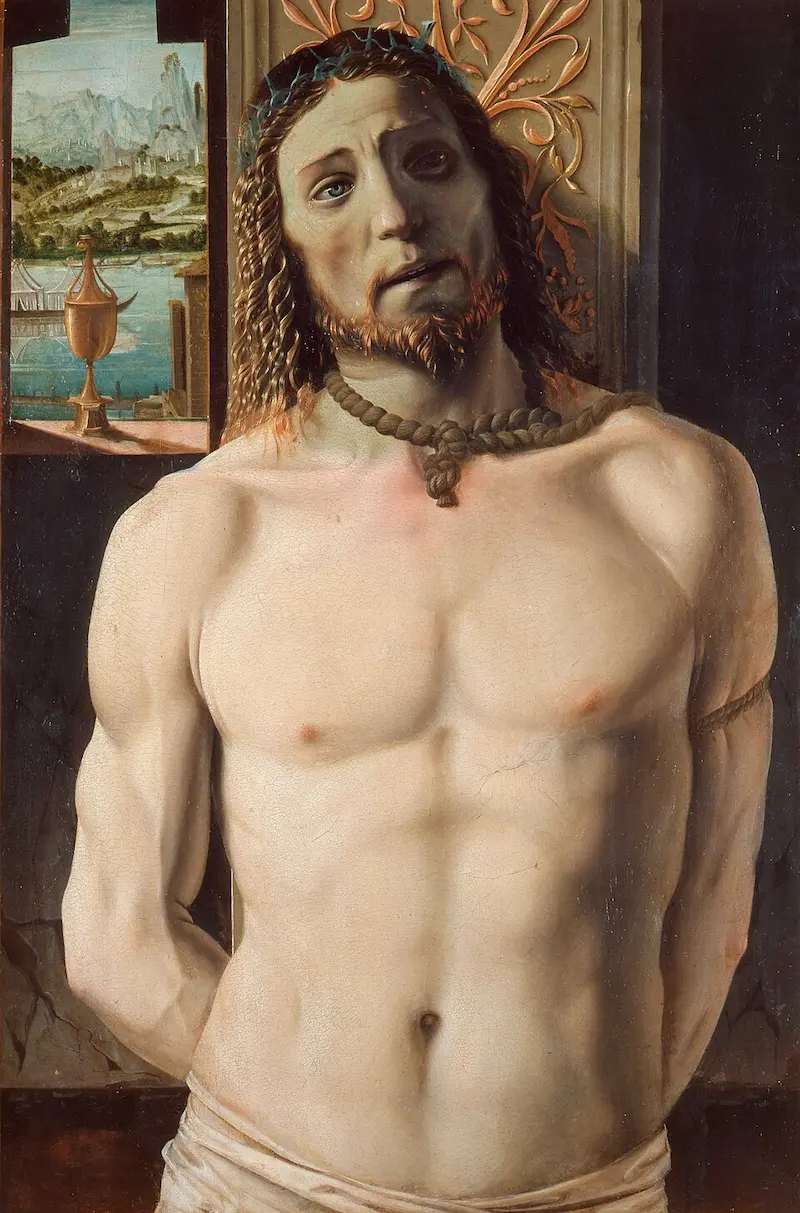
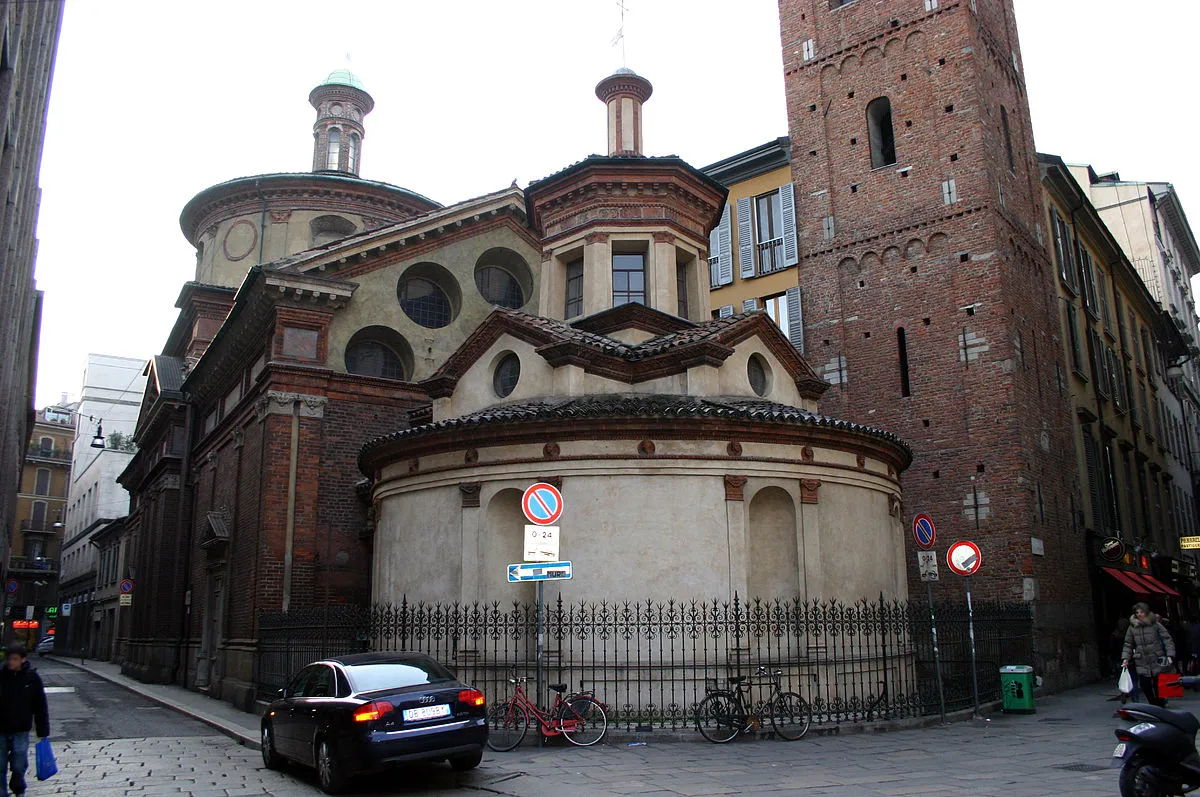
Bramante’s Santa Maria delle Grazie exemplifies the meticulous technique and harmonious composition characteristic of oil on canvas during the High Renaissance. Each detail, from the subtle interplay of light to the grand architectural forms, showcases Bramante’s genius. This artwork, much like "Basilica of Sant'Ambrogio - Bramante's arcades" and "Christ at the Column (Bramante)", is a testament to his mastery. Owning such a piece is like holding a fragment of Renaissance history.
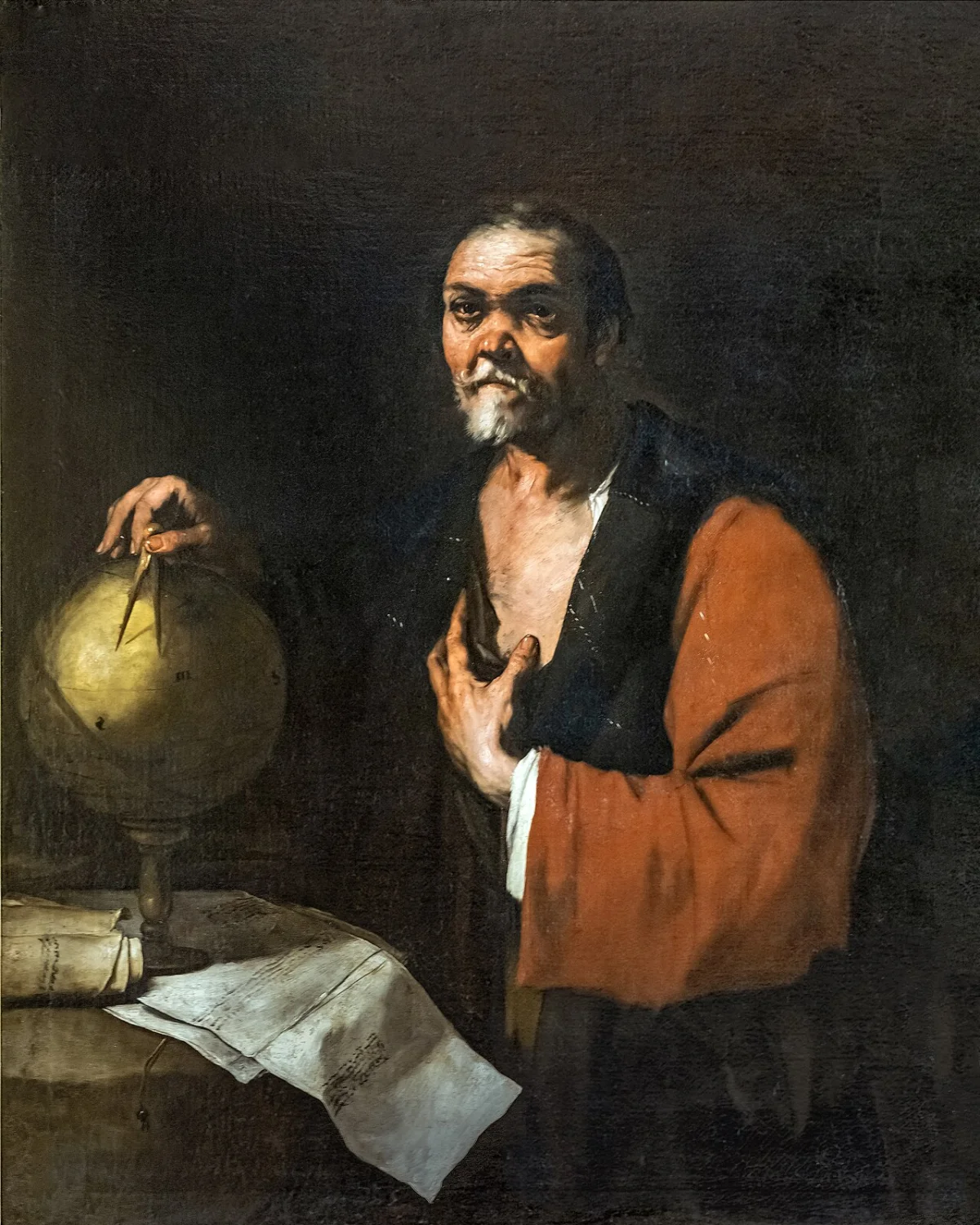
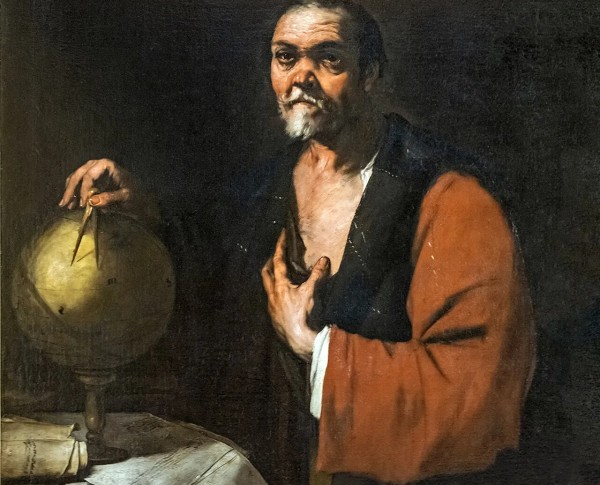
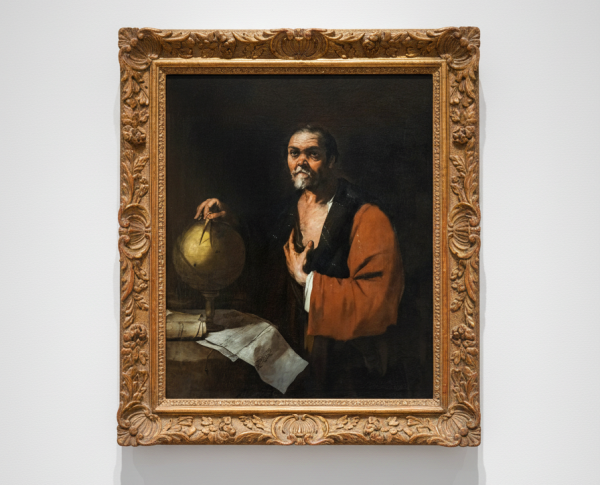
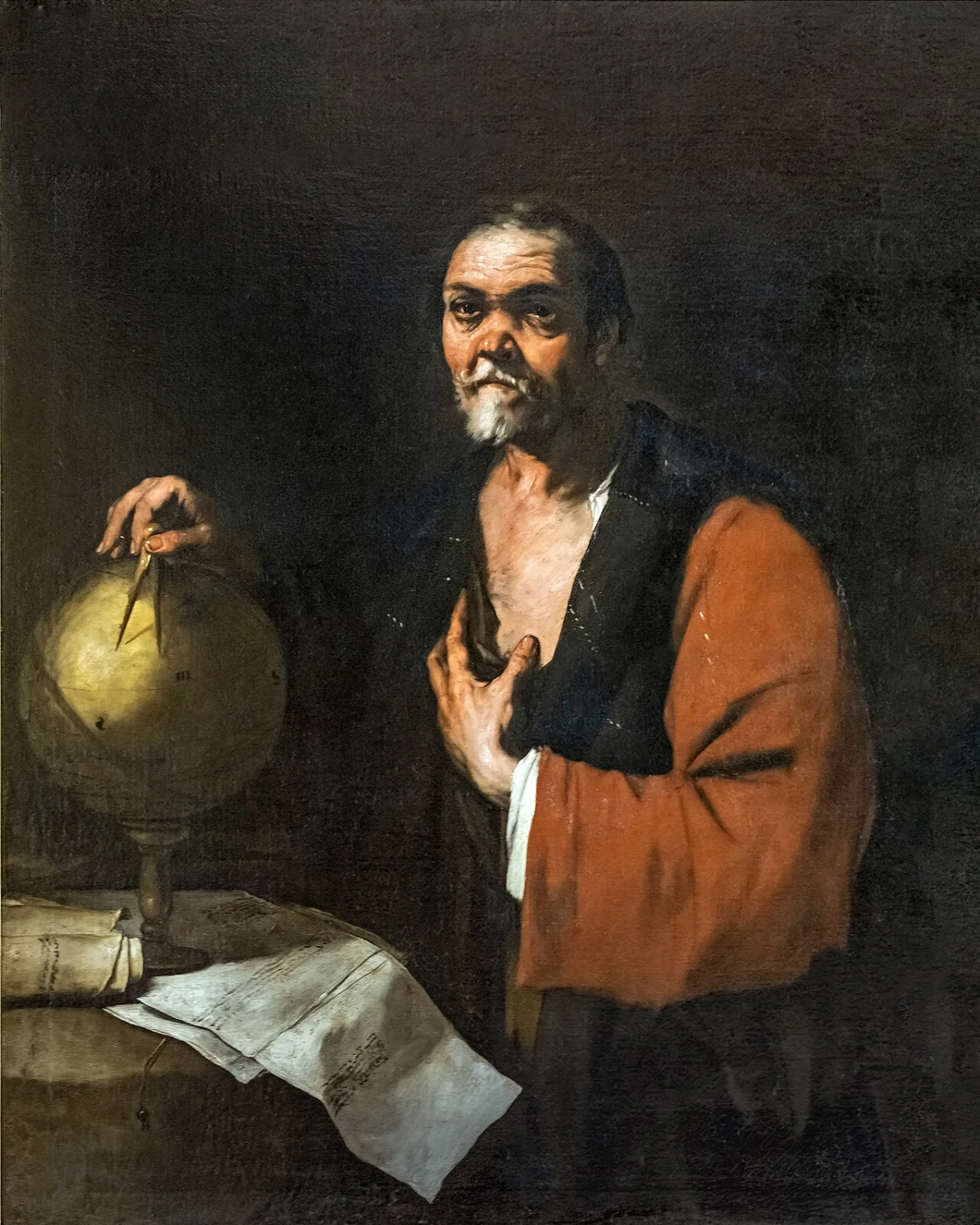
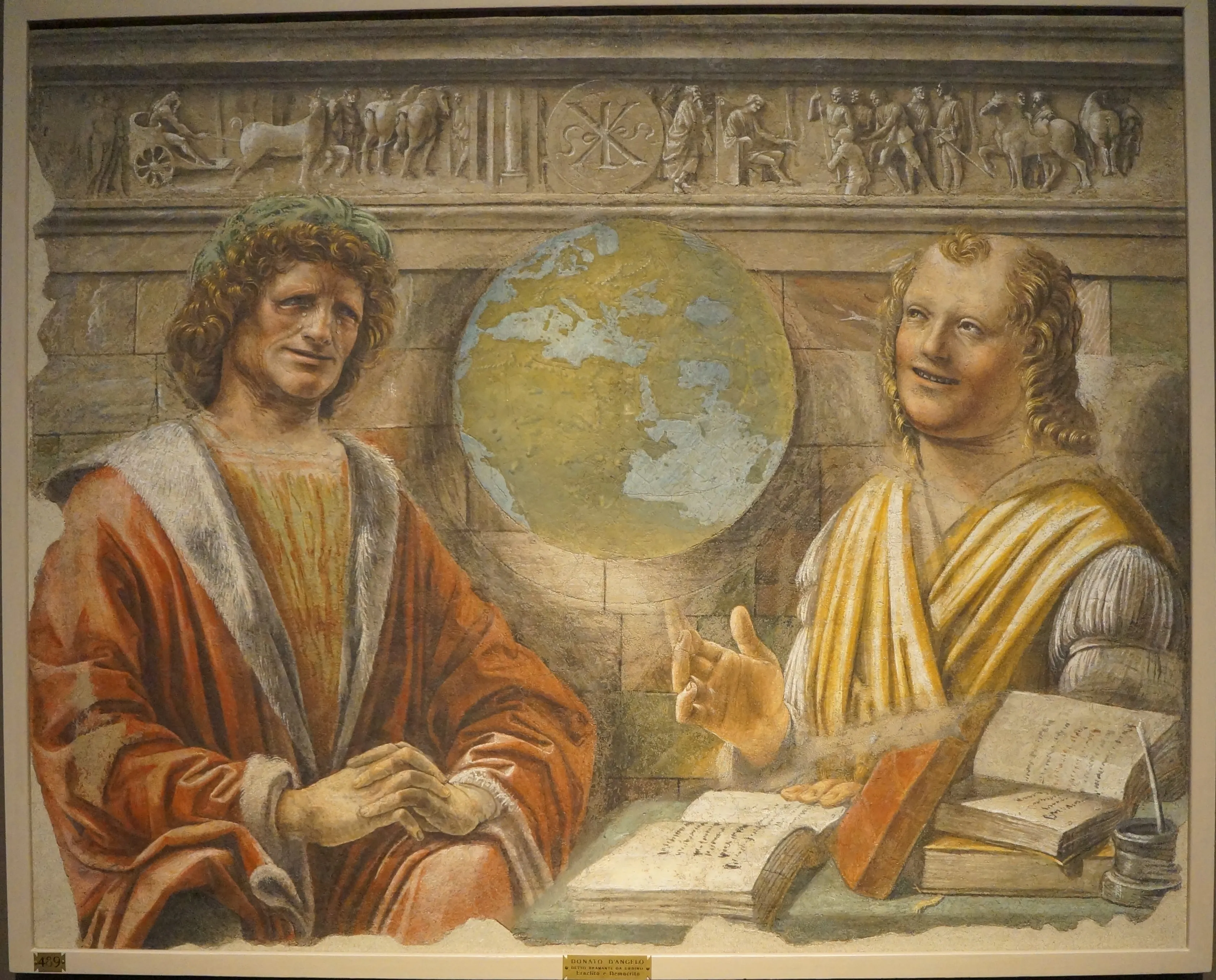
Within Santa Maria delle Grazie, Milan, Bramante weaves layers of narrative and symbolism, making this fine art painting for sale a captivating study for art lovers. The structure’s design hints at spiritual ideals and the harmonious order sought during the High Renaissance. Much like "Crying Heraclitus and Laughing Democritus" or "St. Christopher with the Infant Jesus", this work invites reflection on deeper meanings, enriching any collection or scholarly pursuit.
Santa Maria delle Grazie, Milan by Donato Bramante is more than a historic landmark—it is a hand-painted oil painting that embodies the pinnacle of Renaissance artistry. Collectors seeking a fine art painting for sale will find immense value in this masterpiece, especially when paired with related works like "Santa Maria presso San Satiro - Bramante false apse" or "Basilica of Sant'Ambrogio - Bramante's arcades". This painting remains a crown jewel for any serious art connoisseur.
When Art Meets History
Santa Maria delle Grazie, Milan, masterfully crafted by Donato Bramante, stands as a testament to the High Renaissance movement. This iconic hand-painted oil painting captures the architectural and spiritual essence of its era, echoing the grandeur found in related masterpieces such as The Last Supper 1498 and Creation of Adam 1510. Bramante’s vision for Santa Maria delle Grazie merges artistry with rich historical context, creating a piece cherished by art lovers and historians alike.
Techniques That Speak
Donato Bramante’s Santa Maria delle Grazie, Milan, showcases the sophisticated oil on canvas techniques characteristic of the High Renaissance. The artist’s mastery is evident in his use of perspective, light, and architectural detail, reminiscent of works like St George and the Dragon and Woman's Head. Bramante’s approach elevates the painting, offering a vivid and immersive experience that highlights the technical prowess of Renaissance masters and their enduring influence on the world of fine art.
Emotions on Display
Santa Maria delle Grazie, Milan, evokes a profound sense of awe and reverence, capturing the emotional depth typical of High Renaissance masterpieces. Donato Bramante channels the same expressive power found in paintings like St. Proculus and The Last Supper 1498, inviting viewers to connect with the spiritual and historical significance of the scene. This fine art painting for sale not only appeals visually but also stirs the soul, making it a timeless treasure for collectors and admirers.
Coveted by Collectors
Collectors worldwide seek out Santa Maria delle Grazie, Milan, recognizing Donato Bramante’s contribution to the High Renaissance movement. This hand-painted oil painting is highly prized, standing alongside renowned works such as Creation of Adam 1510 and St George and the Dragon. Its intricate details and historical resonance make it a centerpiece in any collection, ensuring its lasting value and appeal among those who cherish museum-quality masterpieces and the legacy of Renaissance art.
Related High Renaissance Hand-Painted Oil Paintings by Other Artists
Other Famous High Renaissance Artists:
Frequently Asked Questions About Santa Maria delle Grazie, Milan
Who is the artist of Santa Maria delle Grazie?
The artist of Santa Maria delle Grazie is Donato Bramante, a prominent architect of the High Renaissance.
What is the historical significance of Santa Maria delle Grazie?
Santa Maria delle Grazie is historically significant as it houses Leonardo da Vinci's famous mural, "The Last Supper," and is a UNESCO World Heritage site.
When was Santa Maria delle Grazie constructed?
The construction of Santa Maria delle Grazie began in 1492 and was completed in 1497, showcasing the transition from Gothic to Renaissance architecture.
What architectural style is Santa Maria delle Grazie?
Santa Maria delle Grazie is primarily designed in the Renaissance architectural style, characterized by its harmonious proportions and classical elements.
What are the main symbolic elements found in Santa Maria delle Grazie?
The main symbolic elements include the use of light and space to create a sense of divine presence, reflecting the Renaissance belief in the connection between the earthly and the heavenly.
How does Santa Maria delle Grazie reflect Renaissance ideals?
Santa Maria delle Grazie reflects Renaissance ideals through its emphasis on symmetry, proportion, and the incorporation of classical motifs, representing a revival of ancient Roman architecture.
What role did Santa Maria delle Grazie play in the community?
Santa Maria delle Grazie served as a significant religious and cultural center in Milan, providing a space for worship, art, and community gatherings throughout its history.
What artistic techniques were used in the construction of Santa Maria delle Grazie?
Artistic techniques used in the construction of Santa Maria delle Grazie include the use of brick and stone masonry, intricate frescoes, and the innovative use of light through large windows.
Why is Santa Maria delle Grazie considered a masterpiece of Renaissance architecture?
Santa Maria delle Grazie is considered a masterpiece of Renaissance architecture due to its innovative design, harmonious proportions, and the integration of art and architecture, exemplifying the ideals of the period.
What impact did Santa Maria delle Grazie have on future architectural designs?
Santa Maria delle Grazie influenced future architectural designs by setting a standard for Renaissance churches, inspiring architects to incorporate similar elements of symmetry and classical references in their works.























_GFM_Painting_(1).webp)


 100% Hand-Painted: Finished in 3-6 Weeks

.png)















_(1).webp)