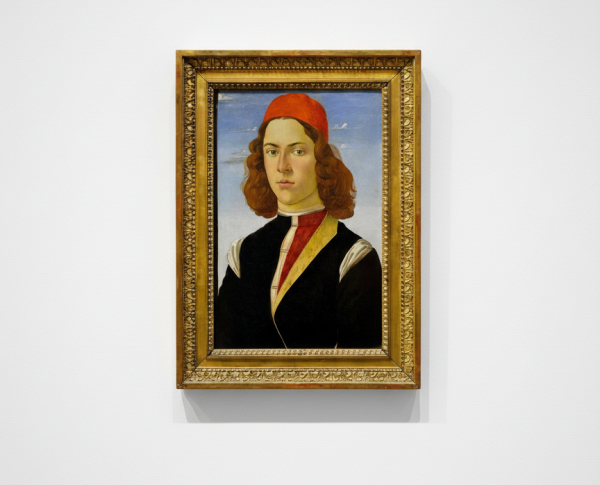
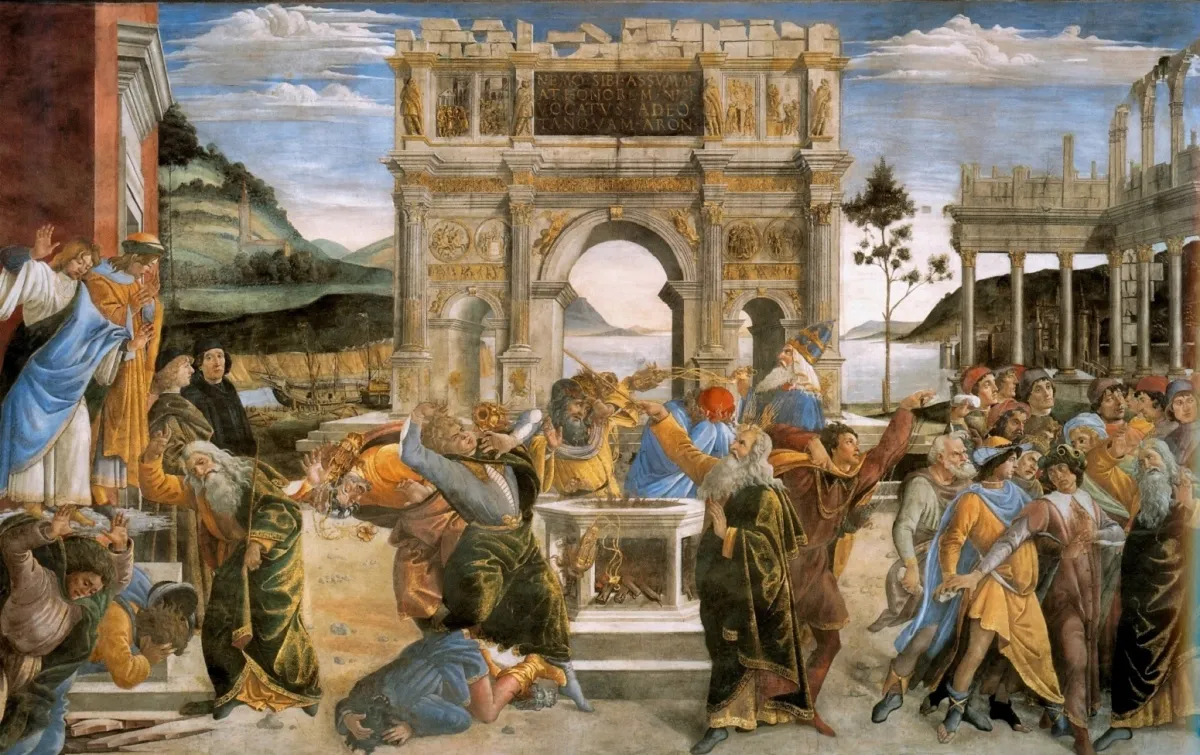
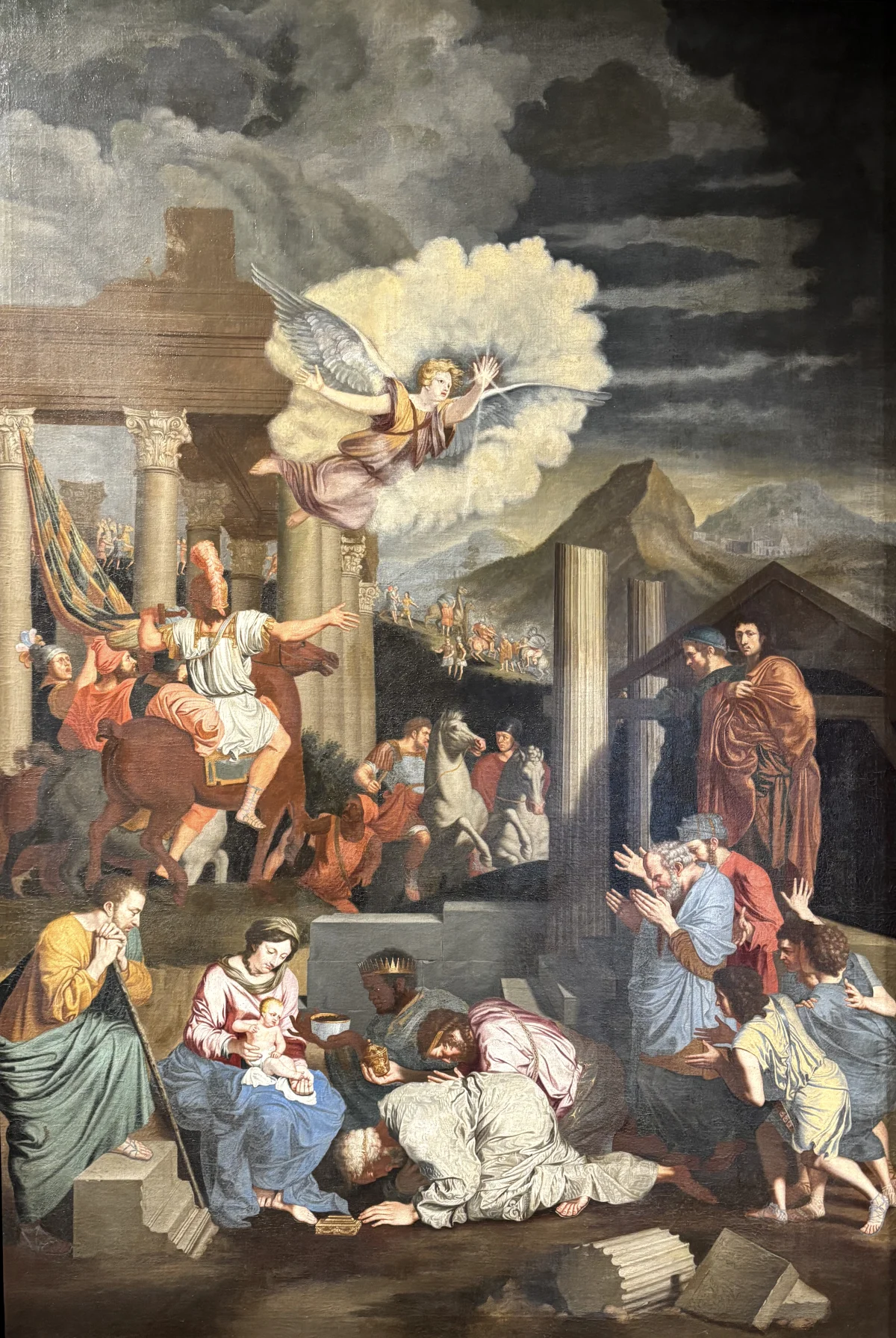
"Punishment of the Rebels" stands as a testament to Alessandro Filipepi, better known as Sandro Botticelli, and his profound influence on the Early Renaissance movement. This hand-painted oil painting not only exemplifies Botticelli’s mastery but also captures the era’s passion for storytelling through art. Collectors and enthusiasts alike admire Botticelli’s works, often seeking related products such as "The Annunciation" or "Adoration of the Magi" to complement their appreciation of his legacy.
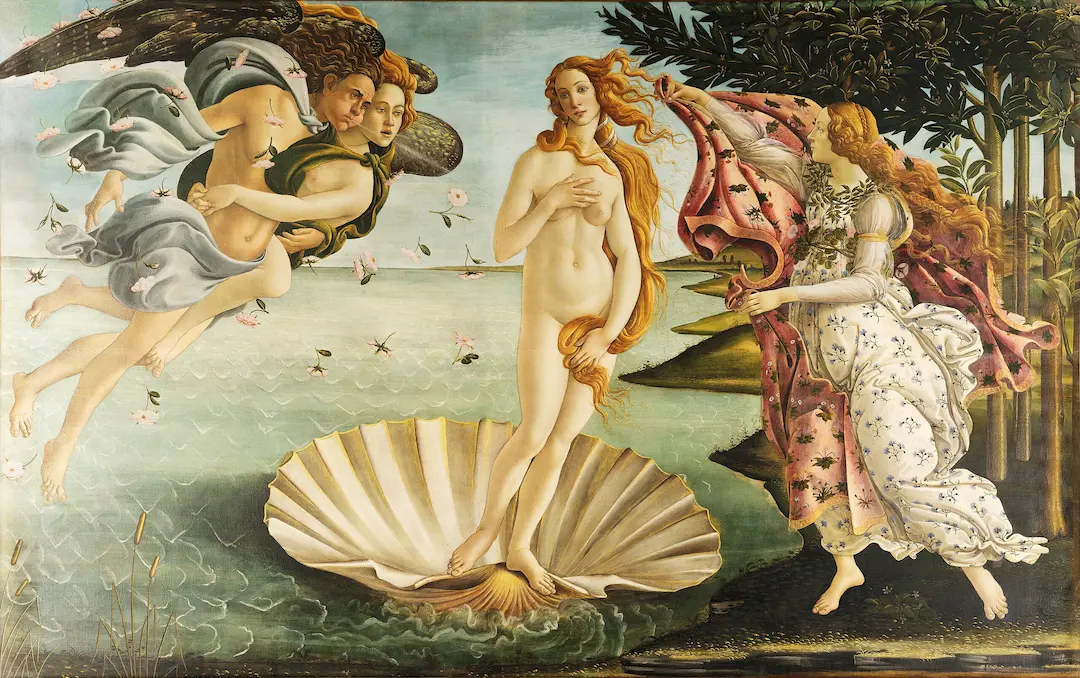
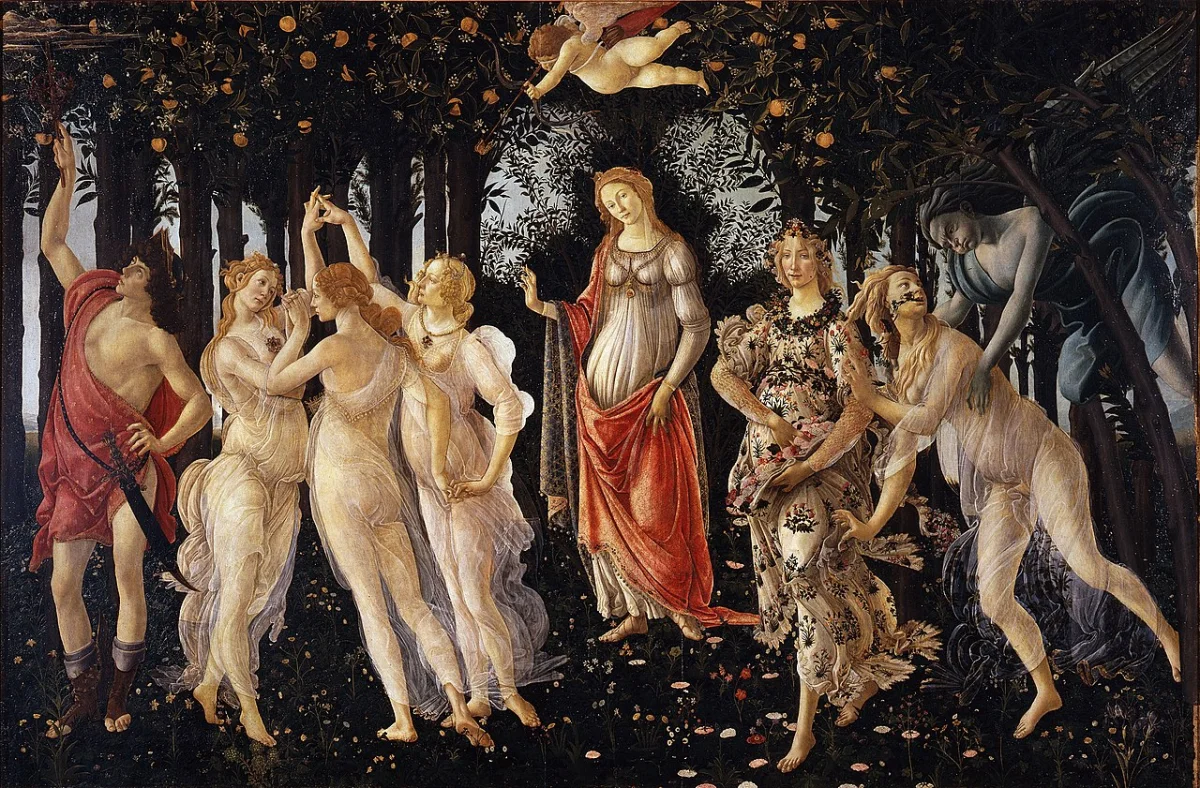
Botticelli’s "Punishment of the Rebels" demonstrates exquisite technique, with each brushstroke bringing depth and emotion to the scene. Rendered as an oil on canvas, the painting showcases the artist’s ability to blend color and light—hallmarks of the Early Renaissance. Art lovers often compare this masterpiece to his other celebrated works, such as "Birth of Venus (La Nascita di Venere)" and "Madonna in Glory with Seraphim", when searching for iconic oil paintings.
Every detail in "Punishment of the Rebels" is carefully crafted, with symbolic elements woven into the composition. This fine art painting for sale captures themes of justice and divine intervention, inviting viewers to interpret its narrative. Botticelli’s storytelling prowess is also evident in related masterpieces like "Virgin and child with two angels" and "Madonna of the Rosegarden", making his portfolio a favorite among those who appreciate Renaissance symbolism.
When Art Meets History
"Punishment of the Rebels" by Alessandro Filipepi, widely known as Sandro Botticelli, stands as an iconic example of the Early Renaissance movement. This hand-painted oil painting captures a pivotal biblical narrative, reflecting the era’s fascination with morality and divine justice. Botticelli’s mastery is also evident in related works such as "St John the Baptist Preaching" and "Saint Anthony Abbot and Saint Bernardino da Siena," each offering a glimpse into the social and religious climate of his time.
Techniques That Speak
Botticelli’s use of oil on canvas in "Punishment of the Rebels" demonstrates his exceptional command of Renaissance techniques. The artist skillfully blends delicate color transitions and intricate details, hallmarks of Early Renaissance craftsmanship. Such technical brilliance is also visible in his "St Jerome and a Donor" and "Triptych of St Sebastian." Collectors and art lovers appreciate how Botticelli’s meticulous approach elevates each oil on canvas piece to a true masterpiece of the period.
Emotions on Display
In "Punishment of the Rebels," Botticelli communicates deep emotional resonance through expressive faces and dynamic compositions. The tension and drama of the scene are heightened by his careful rendering, making this fine art painting for sale a coveted piece for those seeking impactful storytelling. Similar emotional intensity is found in "The Madonna of Mercy," where Botticelli channels compassion and solemnity, hallmark traits of the Early Renaissance’s narrative depth.
Coveted by Collectors
Collectors worldwide seek Botticelli’s works, and "Punishment of the Rebels" is no exception. As a fine art painting for sale, it exemplifies the value placed on Early Renaissance masterpieces. Alongside renowned paintings like "St Jerome and a Donor" and "Triptych of St Sebastian," Botticelli’s creations are highly prized for their historical significance, technical excellence, and enduring allure, making them essential additions to any distinguished collection.
Related Early Renaissance Hand-Painted Oil Paintings by Other Artists
Other Famous Early Renaissance Artists:
Frequently Asked Questions About Punishment of the Rebels
What historical event does "Punishment of the Rebels" depict?
"Punishment of the Rebels" illustrates a scene from Dante Alighieri's "Divine Comedy," specifically from the "Inferno," where the punishment of the rebellious souls is portrayed in a dramatic and vivid manner.
Who was the artist behind "Punishment of the Rebels"?
The painting was created by Alessandro Filipepi, more commonly known as Sandro Botticelli, a prominent Italian painter of the Early Renaissance period.
What artistic techniques did Botticelli use in this painting?
Botticelli employed tempera on panel, utilizing a combination of linear perspective and vibrant color palettes to create depth and emotional intensity in the scene.
What are the main themes represented in "Punishment of the Rebels"?
The painting explores themes of justice, retribution, and moral consequence, reflecting the Renaissance belief in the importance of virtue and the consequences of vice.
How does Botticelli's style contribute to the painting's impact?
Botticelli's distinctive style, characterized by graceful lines and ethereal figures, enhances the emotional weight of the scene, inviting viewers to reflect on the moral implications of the depicted punishment.
What symbolic elements can be found in "Punishment of the Rebels"?
The painting is rich in symbolism, with figures representing various vices and virtues, and the setting itself serving as a metaphor for the consequences of rebellion against divine order.
In what context was "Punishment of the Rebels" created?
This artwork was produced during the Early Renaissance, a period marked by a renewed interest in classical philosophy and literature, which heavily influenced Botticelli's thematic choices.
What influence did "Punishment of the Rebels" have on later artists?
The painting's dramatic narrative and emotional depth influenced subsequent generations of artists, inspiring them to explore similar themes of morality and human experience in their own works.
Where can "Punishment of the Rebels" be viewed today?
The painting is housed in a prominent art collection, allowing visitors to appreciate Botticelli's masterful execution and the historical significance of the work.
What is the significance of the title "Punishment of the Rebels"?
The title reflects the central theme of the painting, emphasizing the consequences faced by those who defy divine authority, a concept deeply rooted in both religious and moral philosophy of the time.























_GFM_Painting_(1).webp)


 100% Hand-Painted: Finished in 3-6 Weeks

.png)












.webp)



_(1).webp)