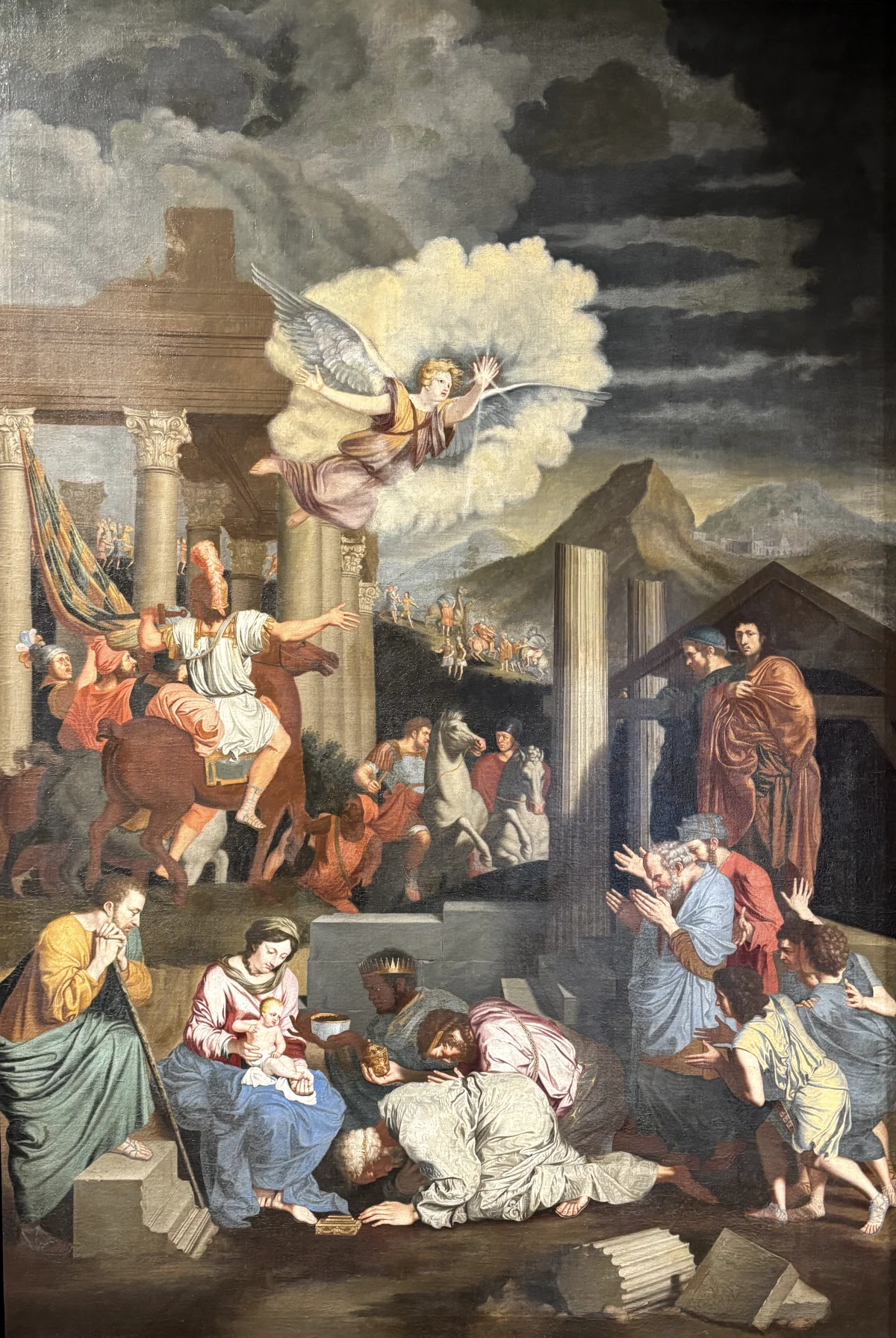
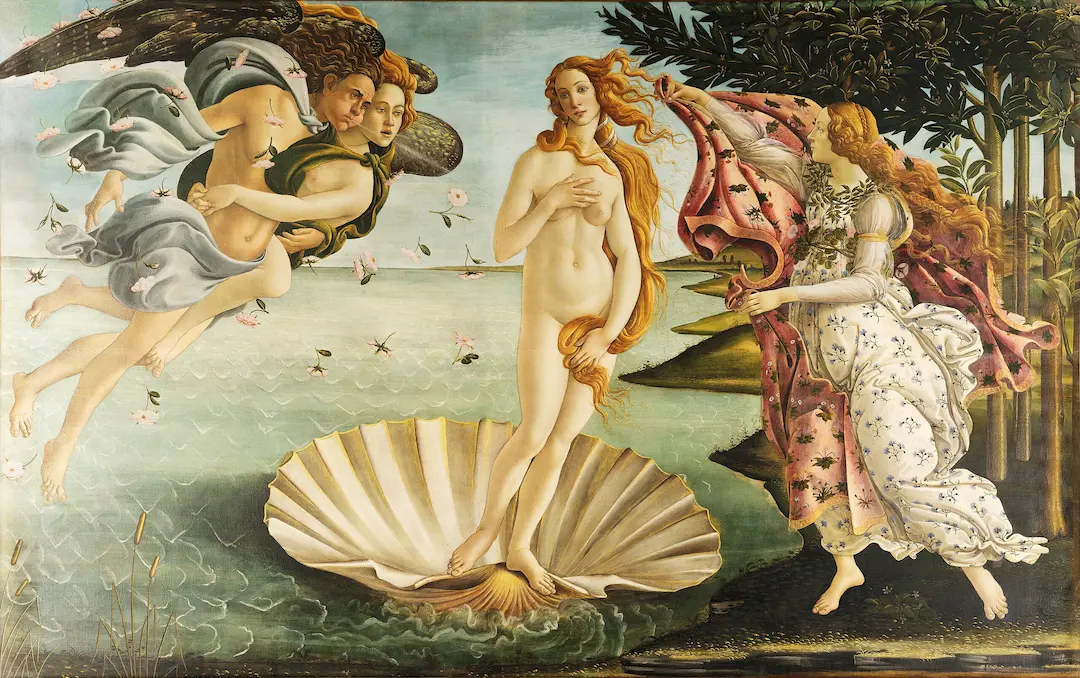
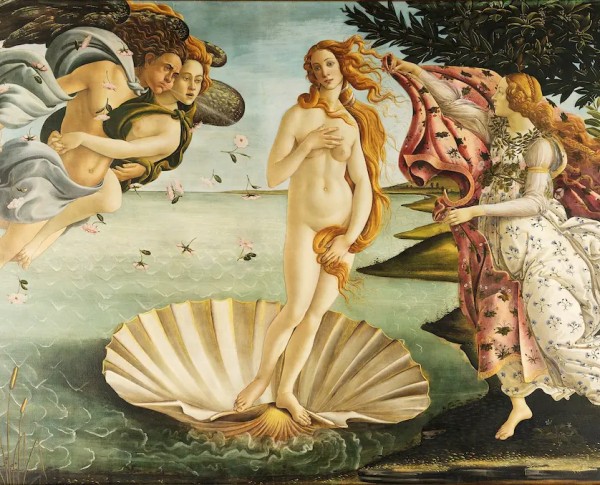
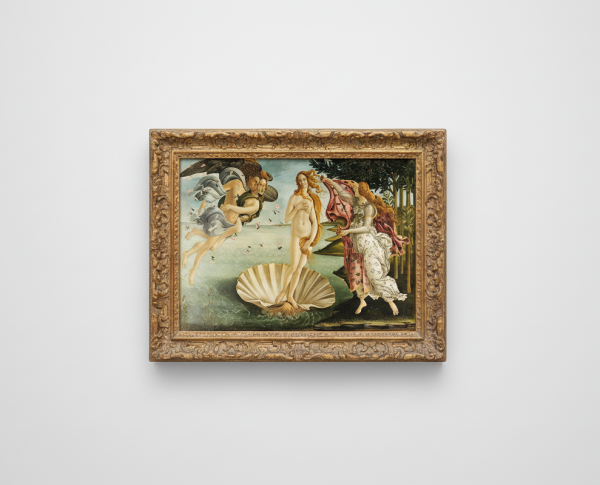
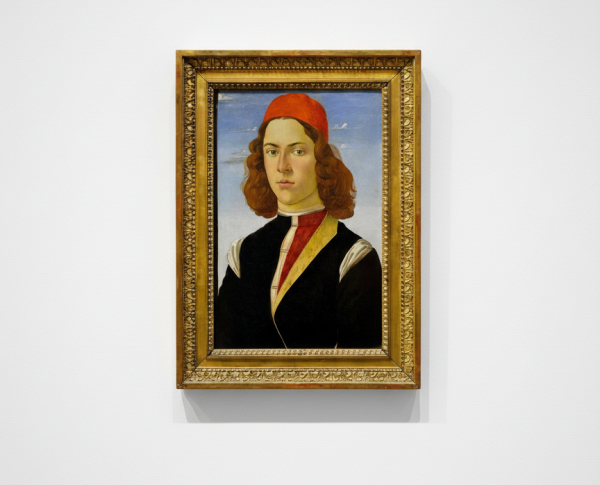
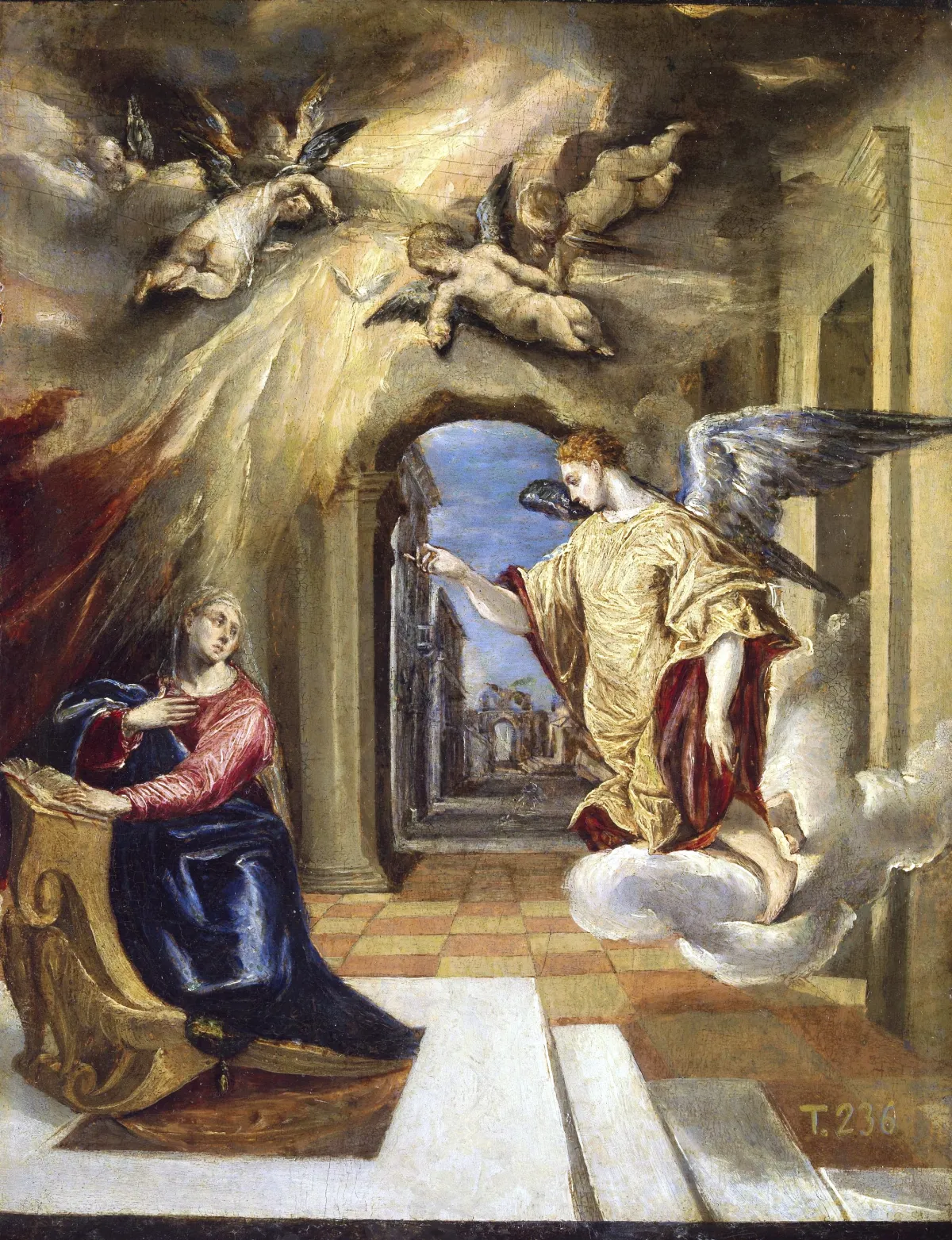
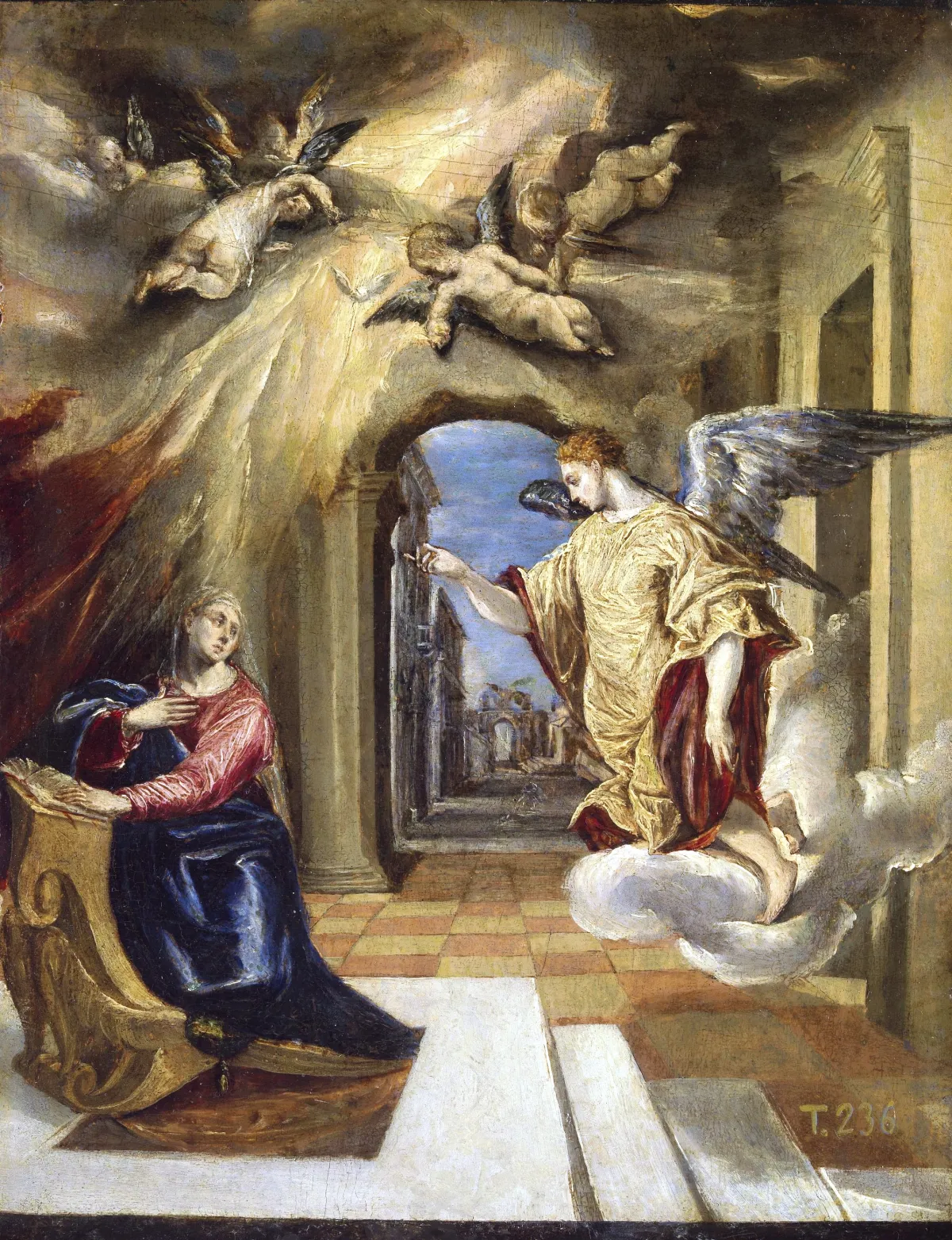
"The Annunciation" by Alessandro Filipepi, better known as Sandro Botticelli, stands as a remarkable example of the Early Renaissance movement. This hand-painted oil painting captures the moment of divine encounter with exquisite detail and emotion. Botticelli’s mastery remains influential among art enthusiasts and collectors. For those seeking to expand their collection, related masterpieces such as "Fortitude" and "Madonna of the Rosegarden" offer additional insight into the artist’s creative journey and the era’s artistic innovations.
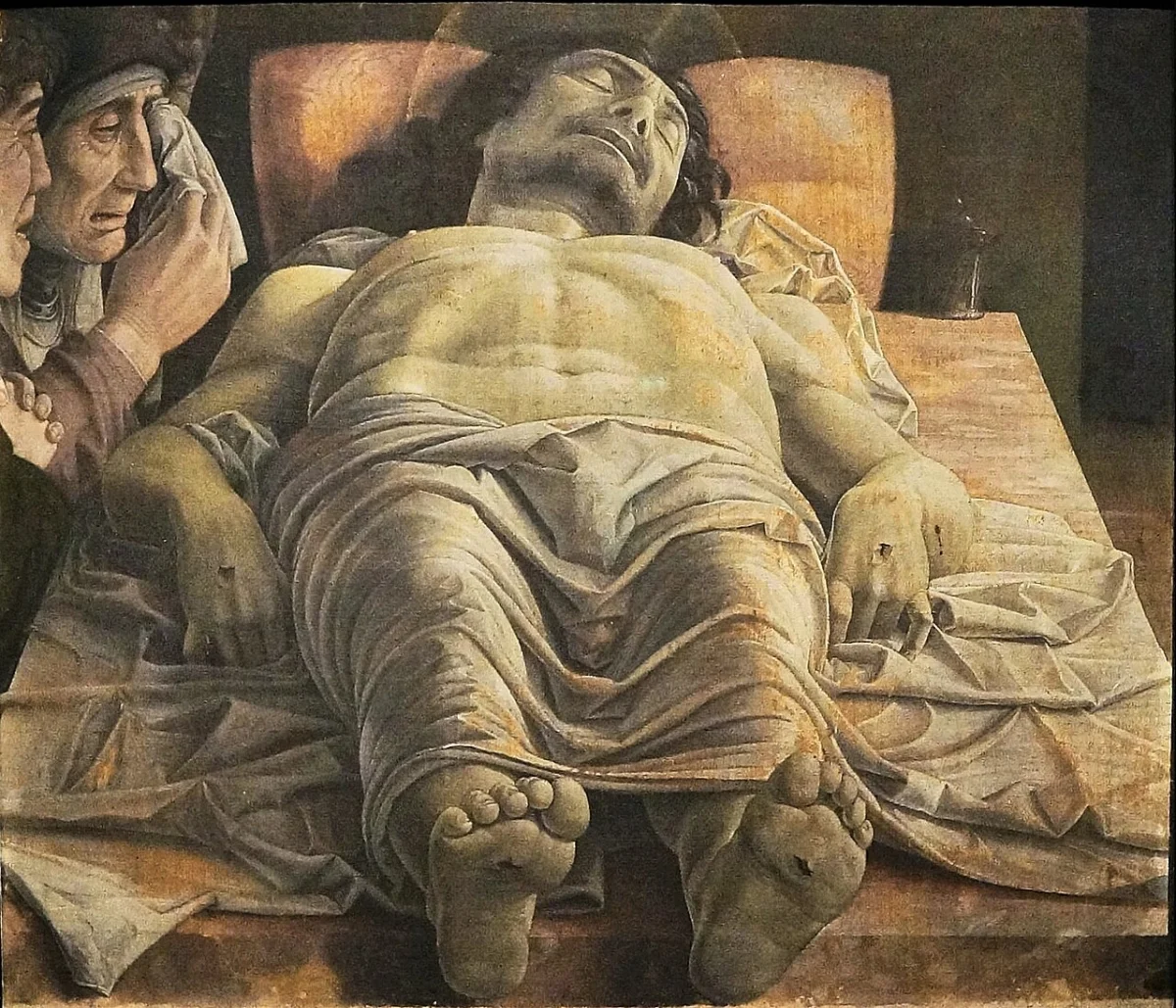
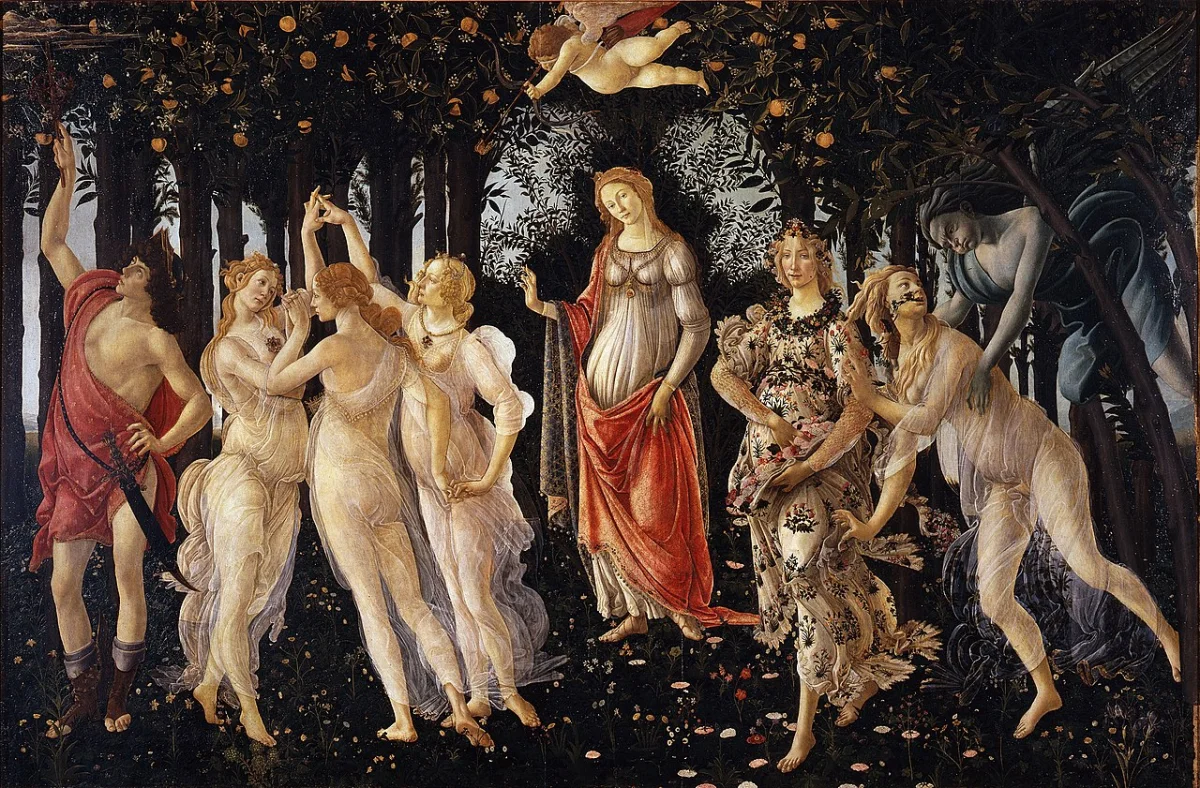
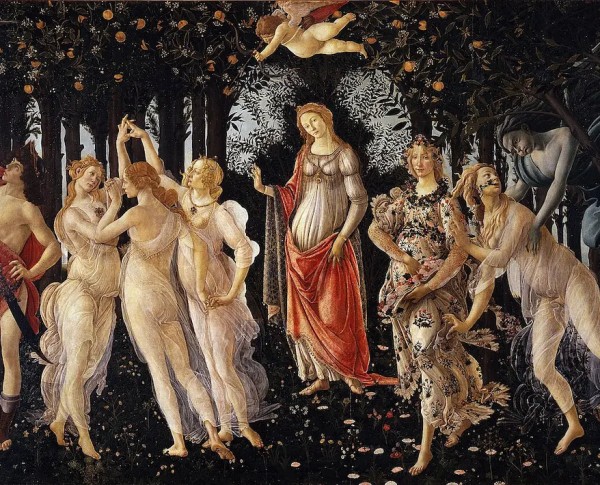
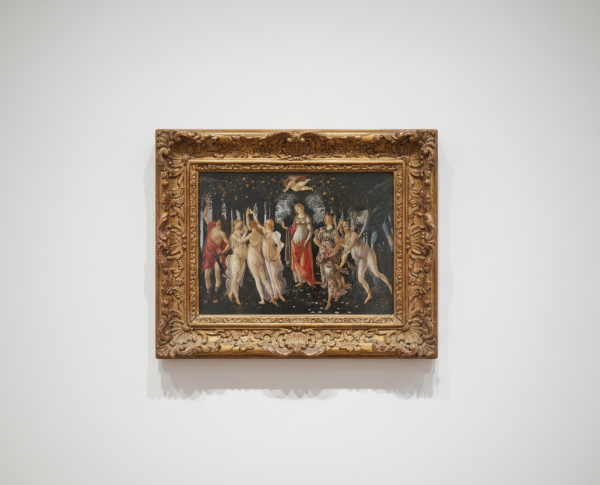
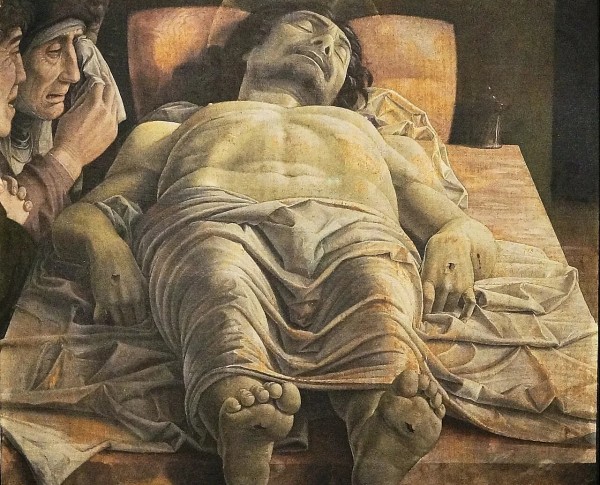
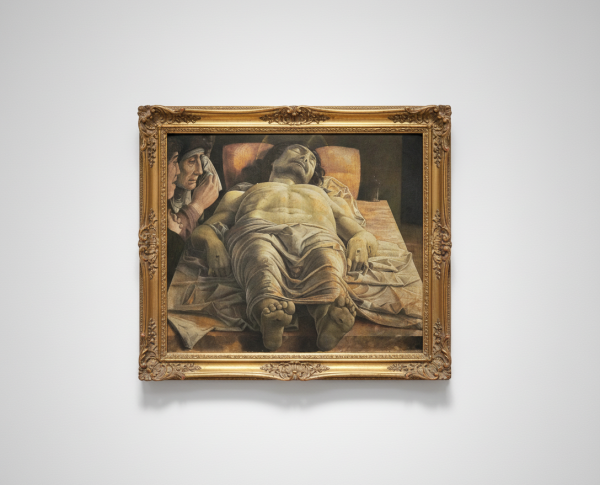
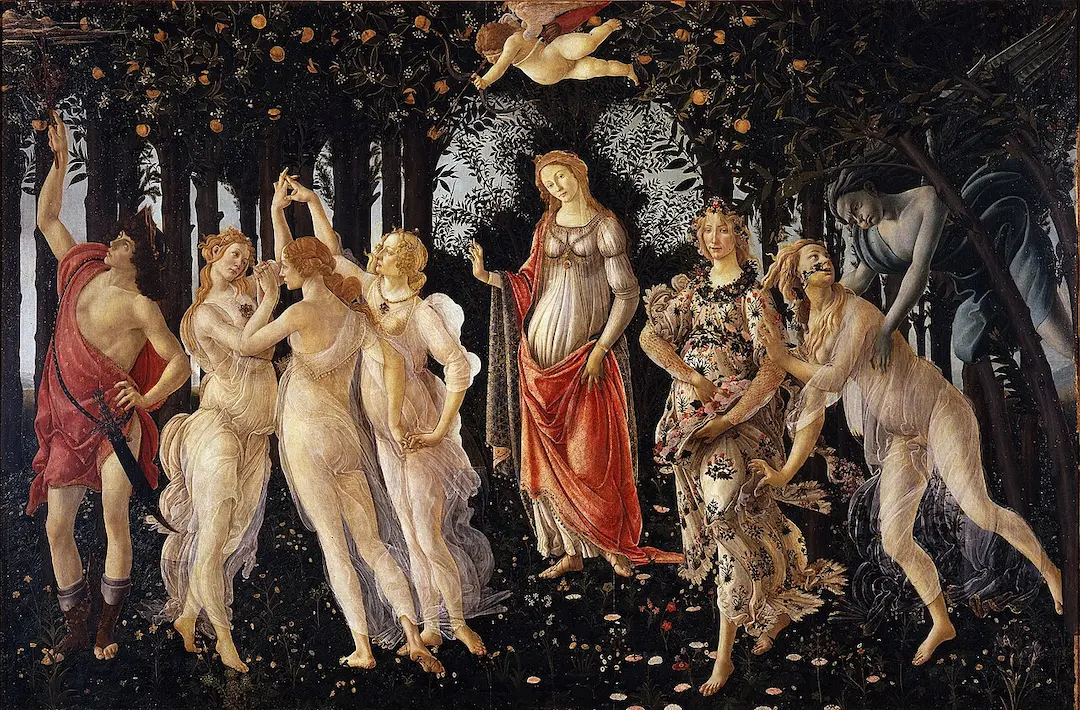
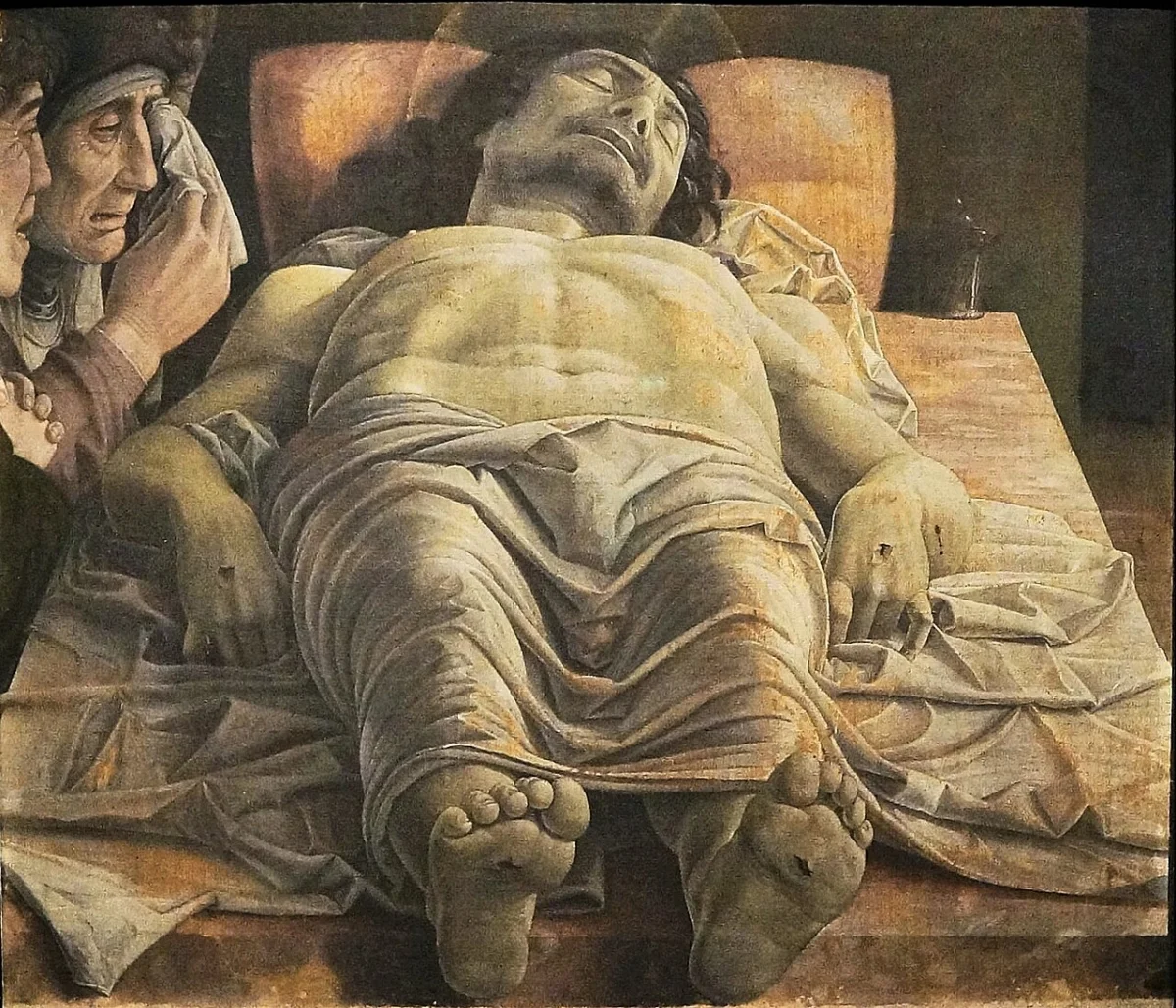
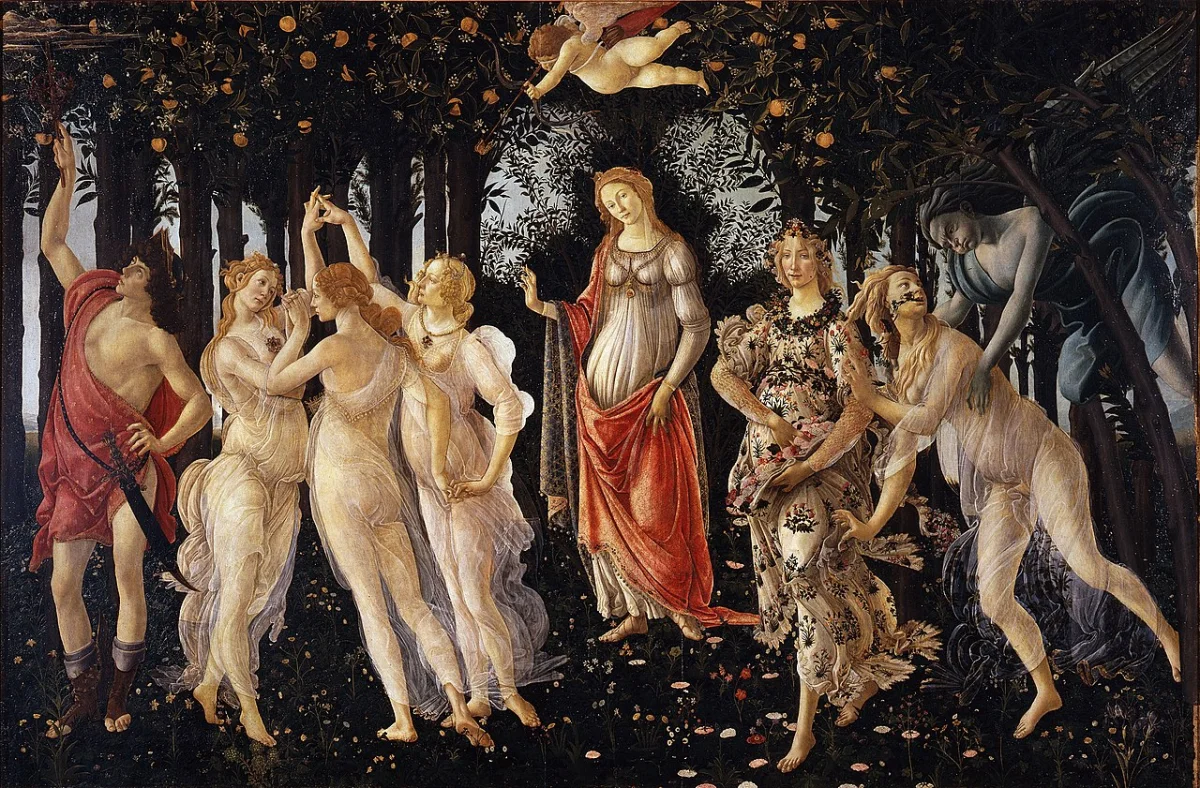
Botticelli’s "The Annunciation" is celebrated for its delicate composition and refined technique, exemplifying the artist’s expertise with oil on canvas. The interplay of light and shadow, coupled with the graceful figures, demonstrates Botticelli’s profound understanding of Renaissance ideals. Collectors and admirers of fine art will appreciate the meticulous craftsmanship, which is also evident in works like "Lamentation over the Dead Christ" and "Allegory Of Spring La Primavera," both remarkable pieces from the same period.
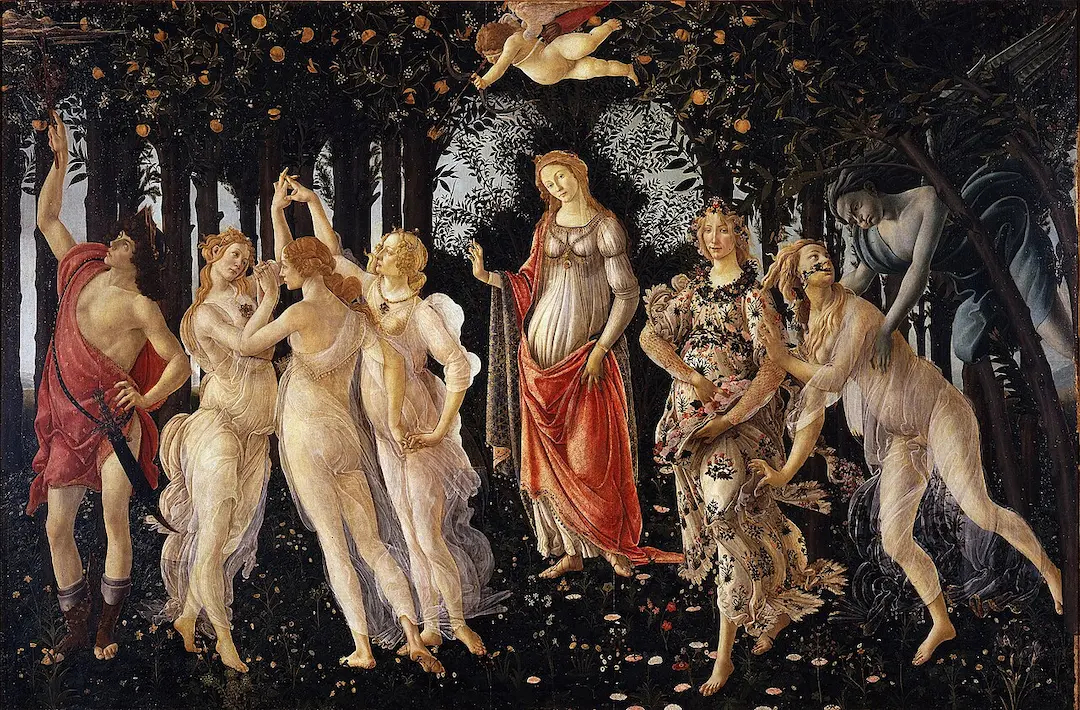
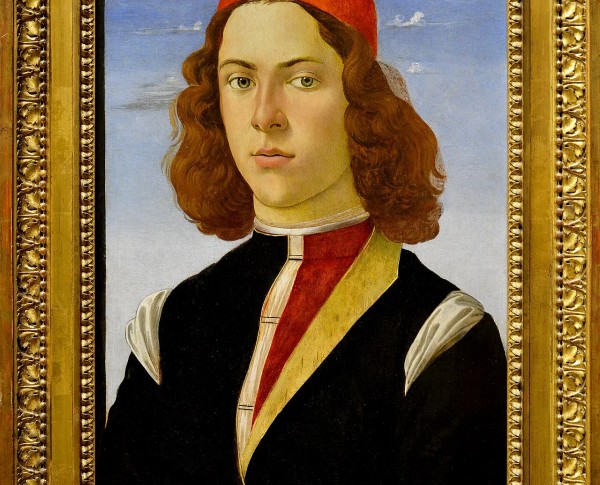
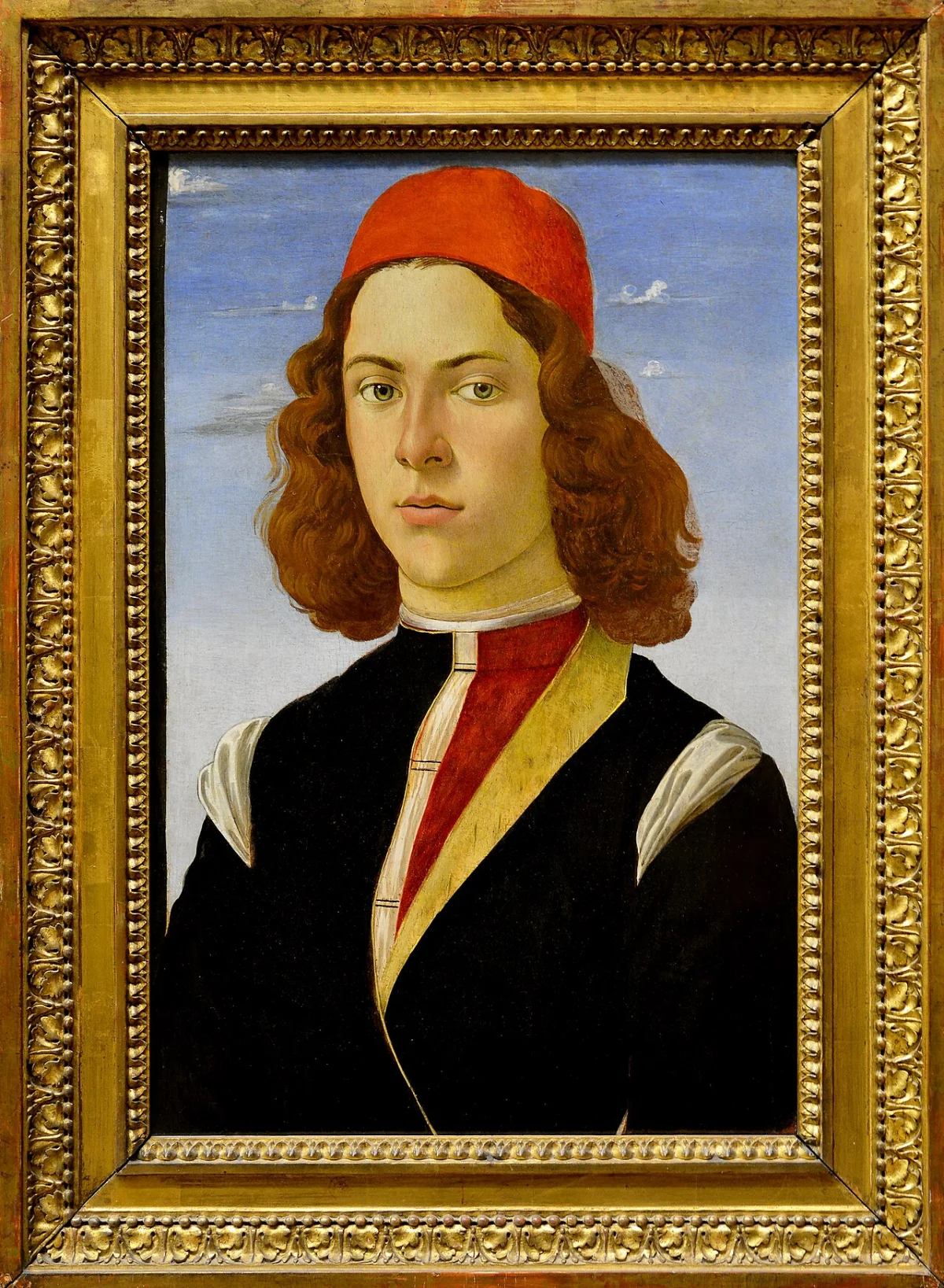
Every element in Botticelli’s "The Annunciation" conveys symbolic meaning, making this fine art painting for sale a thought-provoking addition to any collection. The interaction between the angel and Mary is rendered with spiritual depth, embodying themes of grace and divine intervention. Similar narrative richness can be found in related works such as "Portrait of a Young Man" and "Primavera," which also belong to the celebrated Early Renaissance movement and showcase Botticelli’s storytelling prowess.
Owning a hand-painted oil painting like Botticelli’s "The Annunciation" is a testament to one’s appreciation for Early Renaissance art. This masterpiece, along with related products like "Allegory Of Spring La Primavera" and "Madonna of the Rosegarden," represents an investment in cultural heritage and artistic excellence. Each piece offers a glimpse into Botticelli’s genius, making them highly sought-after among collectors searching for a fine art painting for sale that transcends time.
When Art Meets History
"The Annunciation" by Alessandro Filipepi, widely known as Sandro Botticelli, stands as a masterpiece of the Early Renaissance movement. Painted with meticulous care, this hand-painted oil painting captures a pivotal biblical moment, echoing the era’s fascination with religious themes. Botticelli’s work, alongside related paintings such as "St John the Baptist Preaching" and "The Agony in the Garden," reflects the profound connection between art and historical context during the Renaissance period.
Techniques That Speak
Botticelli’s "The Annunciation" showcases his exceptional skill with oil on canvas, a technique that allowed for delicate shading and vibrant color contrasts. The artist’s mastery is evident in the intricate details and harmonious composition, hallmarks of the Early Renaissance. Similar techniques can be observed in his other works like "Epigrafi e Statue" and "The Penance of St Jerome," where Botticelli’s brushwork brings depth and realism to each fine art painting for sale.
Emotions on Display
"The Annunciation" captures a tender exchange between the Angel Gabriel and the Virgin Mary, exemplifying Botticelli’s talent for conveying emotion through art. The gentle gestures and expressive faces evoke awe and humility, central to the Early Renaissance style. As in "John the Evangelist" and "the Apostle Peter," Botticelli’s ability to evoke powerful emotional responses is a defining feature of his hand-painted oil paintings, captivating viewers across centuries.
Coveted by Collectors
Botticelli’s "The Annunciation" is highly sought after among art enthusiasts and collectors, prized for its exquisite execution and historic significance. Its status as a fine art painting for sale makes it a centerpiece in any distinguished collection. Works from the Early Renaissance, such as "The Agony in the Garden" and "St John the Baptist Preaching," further enhance Botticelli’s reputation, making his oil on canvas masterpieces enduring symbols of artistic achievement.
Related Early Renaissance Hand-Painted Oil Paintings by Other Artists
Other Famous Early Renaissance Artists:
Frequently Asked Questions About The Annunciation
What is the historical context of "The Annunciation"?
"The Annunciation," painted by Sandro Botticelli in the late 15th century, reflects the Renaissance's renewed interest in classical themes and humanism. This period marked a significant shift in artistic expression, emphasizing naturalism and the beauty of the human form.
What are the main themes depicted in "The Annunciation"?
The primary theme of "The Annunciation" is the announcement by the Angel Gabriel to the Virgin Mary that she will conceive the Son of God. This moment is pivotal in Christian theology, symbolizing divine intervention and the incarnation of Christ.
What artistic techniques did Botticelli use in "The Annunciation"?
Botticelli employed linear perspective and a delicate color palette to create depth and harmony in "The Annunciation." His use of light and shadow enhances the three-dimensionality of the figures, while intricate details in the drapery showcase his skill in rendering fabric.
What symbolism is present in "The Annunciation"?
The painting is rich in symbolism; the white lily held by the Angel Gabriel represents purity and the Virgin Mary's chastity. The enclosed garden in the background symbolizes her virginity, while the light emanating from Gabriel signifies divine presence.
How does Botticelli's style influence the portrayal of figures in "The Annunciation"?
Botticelli's figures are characterized by their elongated forms and graceful postures, which convey a sense of elegance and spirituality. This stylistic choice enhances the ethereal quality of the scene, aligning with the painting's religious significance.
What role does color play in "The Annunciation"?
Color in "The Annunciation" is used to evoke emotion and highlight the divine nature of the event. The soft pastels create a serene atmosphere, while the contrasting hues of the angel's robes and Mary's attire draw attention to their significance in the narrative.
How does "The Annunciation" compare to other works of the same theme?
Compared to other depictions of the Annunciation, Botticelli's interpretation stands out for its lyrical quality and emotional depth. While many artists focused on dramatic elements, Botticelli emphasizes the intimate moment between the angel and Mary, inviting viewers into a contemplative experience.
What is the significance of the setting in "The Annunciation"?
The setting of "The Annunciation" is carefully constructed to enhance the narrative. The architectural elements suggest a sacred space, while the natural surroundings symbolize the connection between the divine and the earthly realm, reinforcing the painting's spiritual themes.
Who commissioned "The Annunciation" and where is it housed?
What impact did "The Annunciation" have on later artists?
Botticelli's "The Annunciation" has influenced numerous artists in subsequent generations, particularly in its approach to composition and the portrayal of religious themes. His integration of beauty and spirituality has inspired a lasting legacy in Western art, encouraging artists to explore similar motifs.























_GFM_Painting_(1).webp)


 100% Hand-Painted: Finished in 3-6 Weeks

.png)












.webp)



_(1).webp)