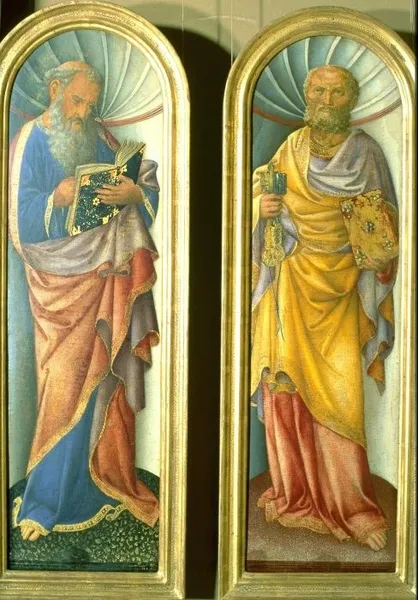
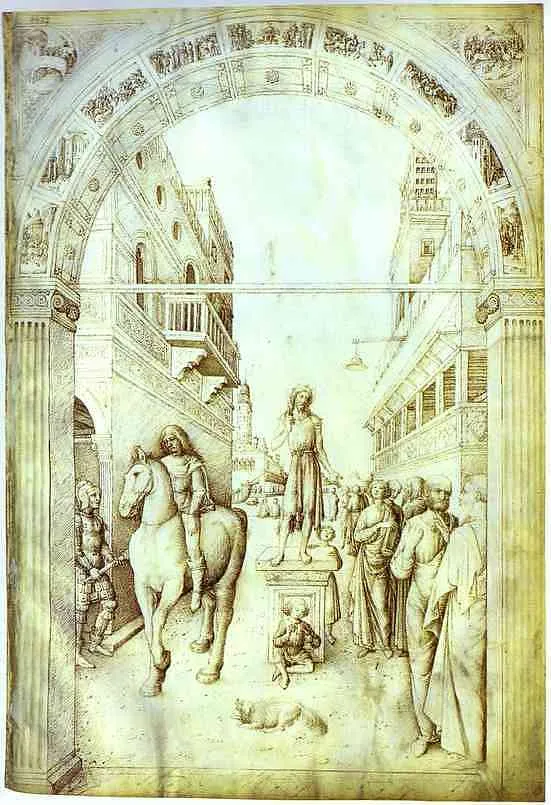
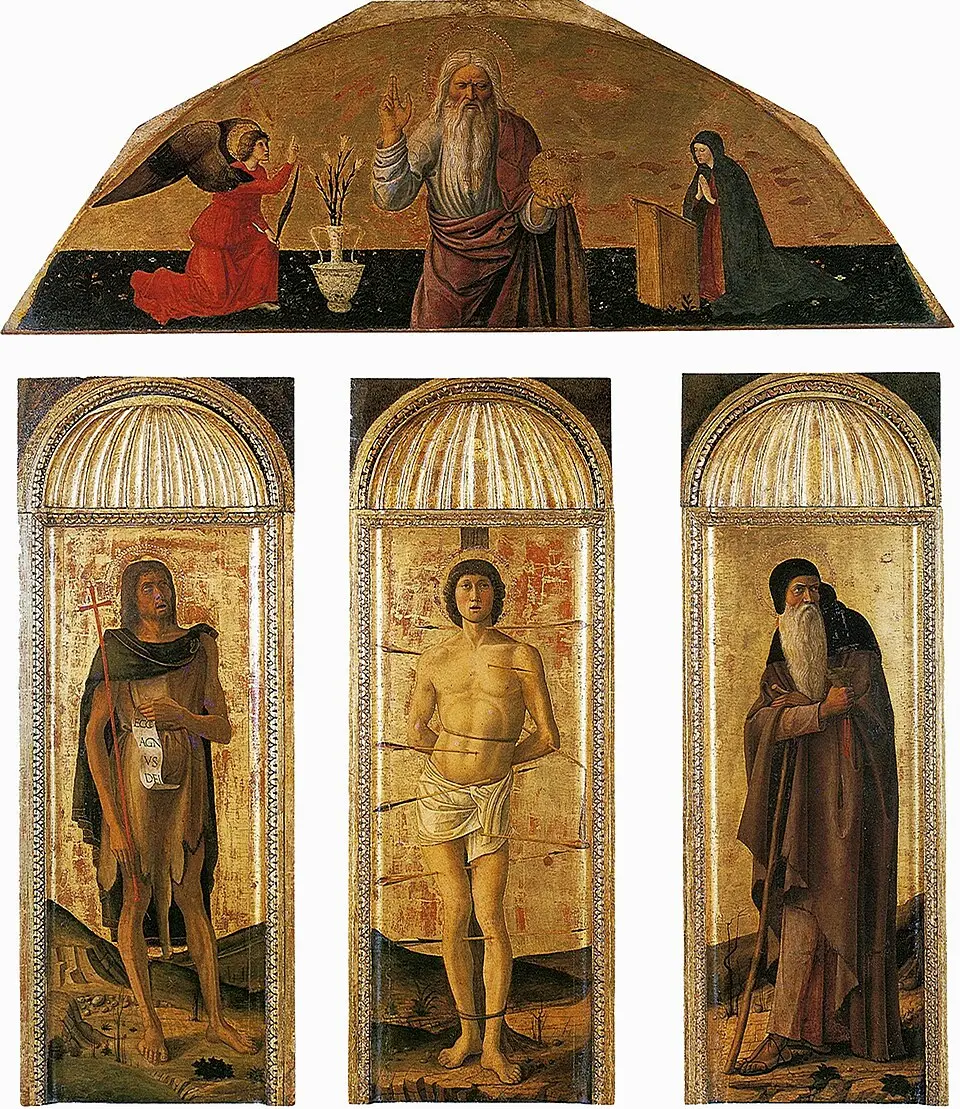
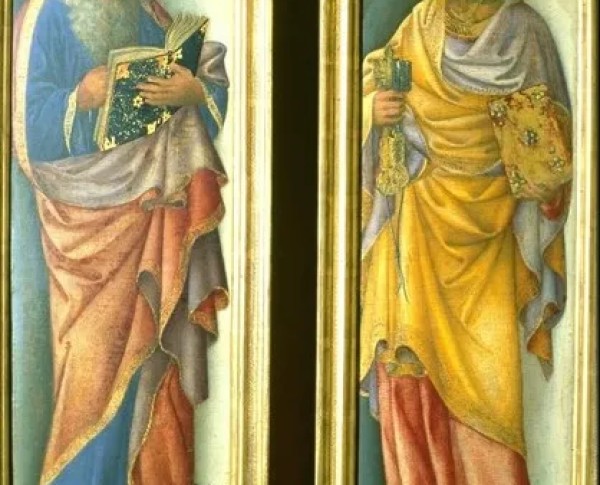
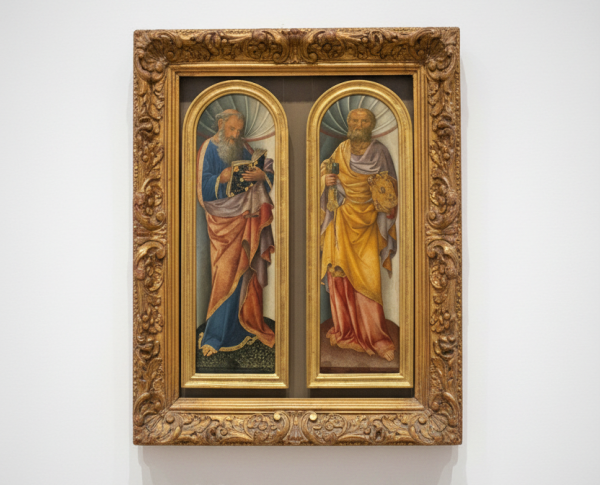
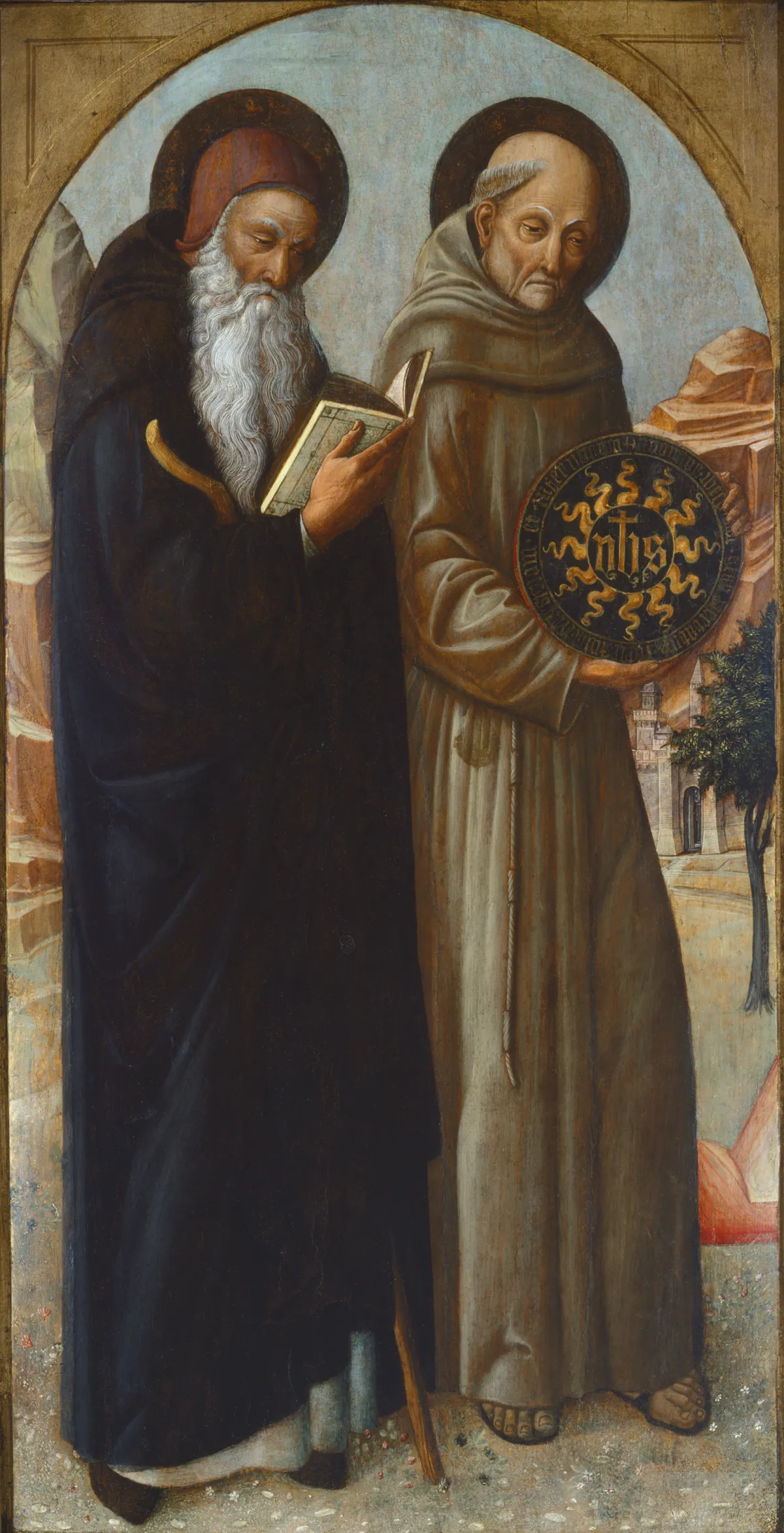
Bellini’s meticulous technique in "Saint Anthony Abbot and Saint Bernardino of Siena" exemplifies the delicate balance of color, composition, and emotion found in an oil on canvas. The artist’s skilled brushwork and attention to detail are hallmarks of the Early Renaissance movement. Art enthusiasts seeking similar masterpieces will find "Triptych of St Sebastian" and "St John the Baptist Preaching" to be equally captivating examples of Bellini’s refined artistry and mastery over the medium.
The narrative depth of "Saint Anthony Abbot and Saint Bernardino of Siena" reveals Jacopo Bellini’s talent for weaving spiritual symbolism within his fine art painting for sale. Each figure and attribute is carefully chosen, reflecting the saints’ virtues and significance within the Early Renaissance context. For those drawn to meaningful iconography, related works such as "Epigrafi e Statue" and "Saint Anthony Abbot and Saint Bernardino da Siena" offer further exploration into Bellini’s symbolic storytelling.
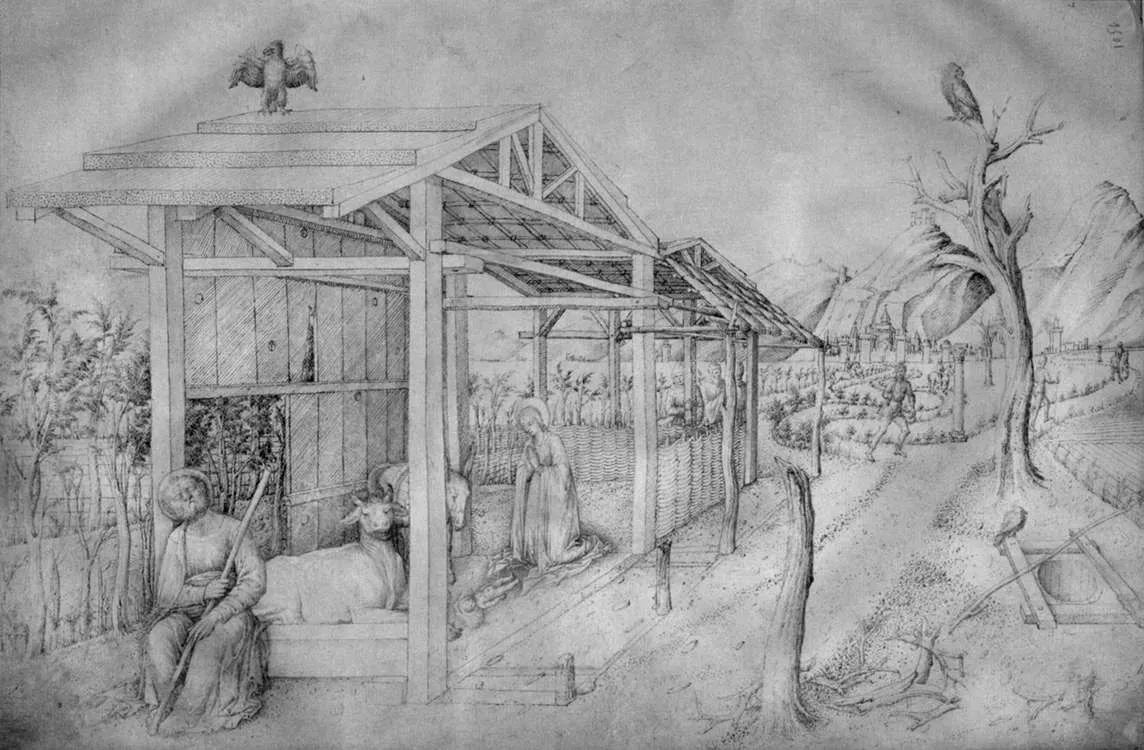
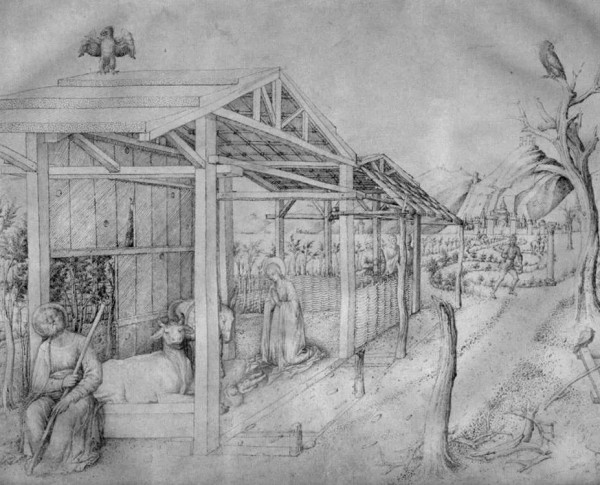
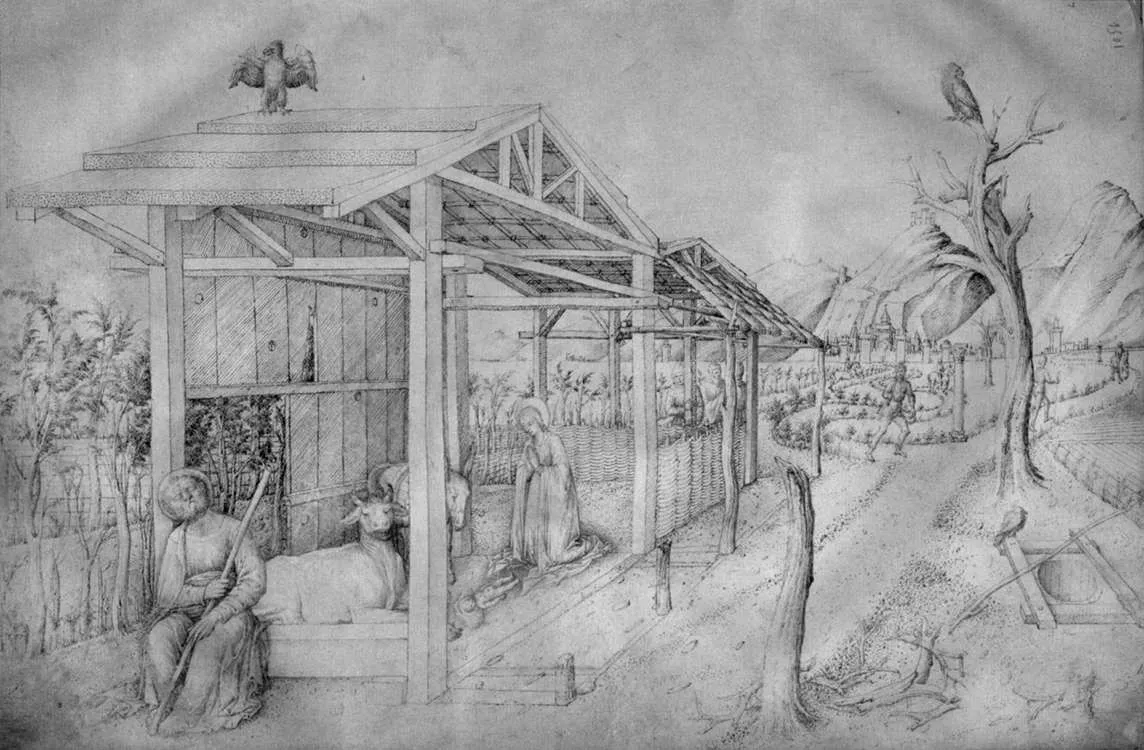
For collectors, "Saint Anthony Abbot and Saint Bernardino of Siena" by Jacopo Bellini is more than just a hand-painted oil painting—it is a testament to the enduring appeal of Early Renaissance art. This masterpiece, along with related products like "Nativity" and "Triptych of St Sebastian," makes for an exceptional addition to any collection. The painting’s historical significance and artistic brilliance continue to make it a sought-after treasure among connoisseurs of fine art.
When Art Meets History
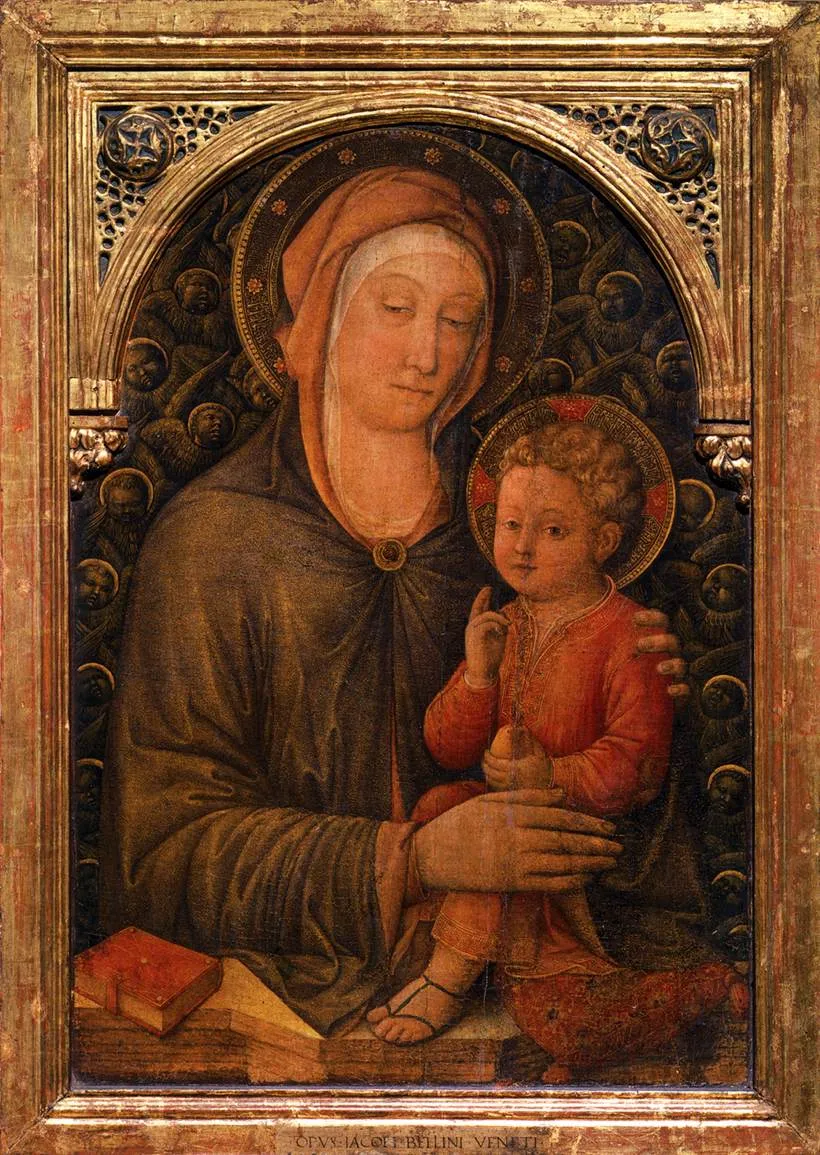
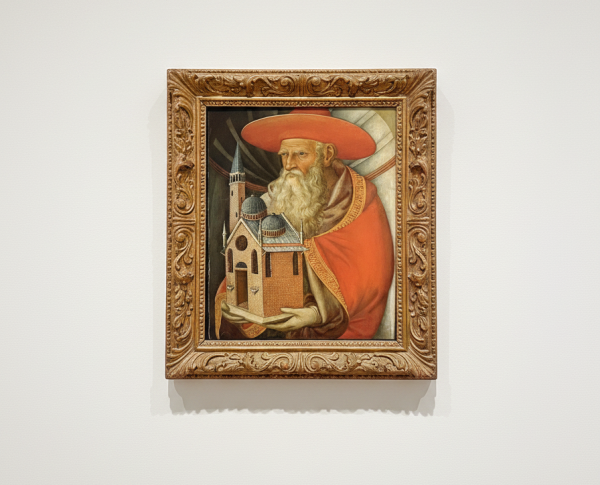
"Saint Anthony Abbot and Saint Bernardino of Siena" by Jacopo Bellini stands as a remarkable hand-painted oil painting from the Early Renaissance movement. Created by the renowned Venetian artist, this work bridges religious devotion and artistic innovation. Bellini’s depiction of the two saints reflects the spiritual fervor of the time and connects to his other masterpieces, such as "The Penance of St Jerome" and "Madonna and Child with Six Saints," illustrating the evolution of religious themes in fine art.
Techniques That Speak
Jacopo Bellini’s mastery is evident in the delicate use of oil on canvas, a technique that marked the Early Renaissance's shift toward realism and depth. His attention to detail in "Saint Anthony Abbot and Saint Bernardino of Siena" showcases gentle gradations of light and shadow. Similar refined brushwork can be seen in his related paintings "Saint Augustine" and "Lamentation over the Dead Christ," where the artist’s technique brings biblical narratives to vivid life.
Emotions on Display
In this fine art painting for sale, Bellini captures the serene devotion of Saint Anthony Abbot and the compassionate presence of Saint Bernardino of Siena. The figures’ expressive gestures and gentle facial features evoke deep empathy and contemplation. This emotional resonance is a hallmark of Bellini’s Early Renaissance style, also apparent in "The Madonna of Mercy." Each character in his works invites viewers to experience the intimate spiritual connections depicted on canvas.
Coveted by Collectors
"Saint Anthony Abbot and Saint Bernardino of Siena" is highly sought after by collectors of Early Renaissance masterpieces. As a hand-painted oil painting, it exemplifies Jacopo Bellini’s influential role in the development of Venetian art. Alongside related works like "Saint Augustine" and "Lamentation over the Dead Christ," this painting remains a centerpiece in collections, admired for its historical significance and the artist’s pioneering approach to narrative and technique.
Related Early Renaissance Hand-Painted Oil Paintings by Other Artists
Other Famous Early Renaissance Artists:
Frequently Asked Questions About Saint Anthony Abbot and Saint Bernardino of Siena
What is the historical significance of the painting "Saint Anthony Abbot and Saint Bernardino of Siena"?
This painting reflects the religious fervor of the early Renaissance period in Italy, showcasing the importance of saints in Catholic devotion and the role of art in conveying spiritual narratives.
Who were Saint Anthony Abbot and Saint Bernardino of Siena?
Saint Anthony Abbot is known as the patron saint of animals and the poor, while Saint Bernardino of Siena was a prominent Franciscan preacher and is recognized for his efforts to reform the Church during the 15th century.
What artistic techniques did Jacopo Bellini employ in this painting?
Jacopo Bellini utilized techniques such as chiaroscuro to create depth and dimension, as well as linear perspective to guide the viewer's eye towards the central figures, enhancing the narrative quality of the work.
What symbols are present in the painting, and what do they represent?
Common symbols include the book held by Saint Bernardino, representing knowledge and faith, and the pig associated with Saint Anthony, symbolizing his connection to the care of animals and the poor.
How does this painting reflect the cultural context of its time?
The painting embodies the spiritual revival of the early Renaissance, where art was increasingly used as a means of religious expression and education, reflecting the societal values of devotion and piety.
What influences can be seen in Jacopo Bellini's style in this work?
Bellini's style shows the influence of Byzantine traditions blended with emerging Renaissance techniques, evident in the detailed facial expressions and the realistic portrayal of the saints' garments.
In what ways does this painting contribute to our understanding of Jacopo Bellini's oeuvre?
This work exemplifies Bellini's ability to merge narrative depth with technical skill, marking him as a pivotal figure in the transition from Gothic to Renaissance art, influencing future generations of artists.
What is the significance of the composition in "Saint Anthony Abbot and Saint Bernardino of Siena"?
The composition is carefully arranged to highlight the interaction between the two saints, creating a sense of harmony and balance that reflects their spiritual connection and shared mission in the Church.
How has this painting been received by art historians?
Art historians regard this painting as a crucial example of early Renaissance religious art, noting its innovative use of space and form, as well as its role in the broader narrative of Italian art history.
What materials and techniques were likely used in the creation of this painting?
Jacopo Bellini likely used oil on panel, a common medium of the time, allowing for rich color and detail, along with tempera for finer details, which was typical of his artistic practice.






















_GFM_Painting_(1).webp)



 100% Hand-Painted: Finished in 3-6 Weeks

.png)















_(1).webp)