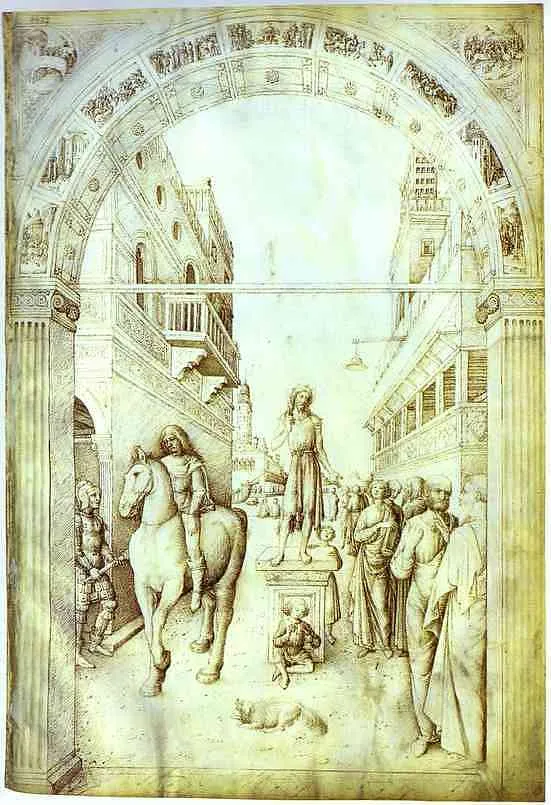
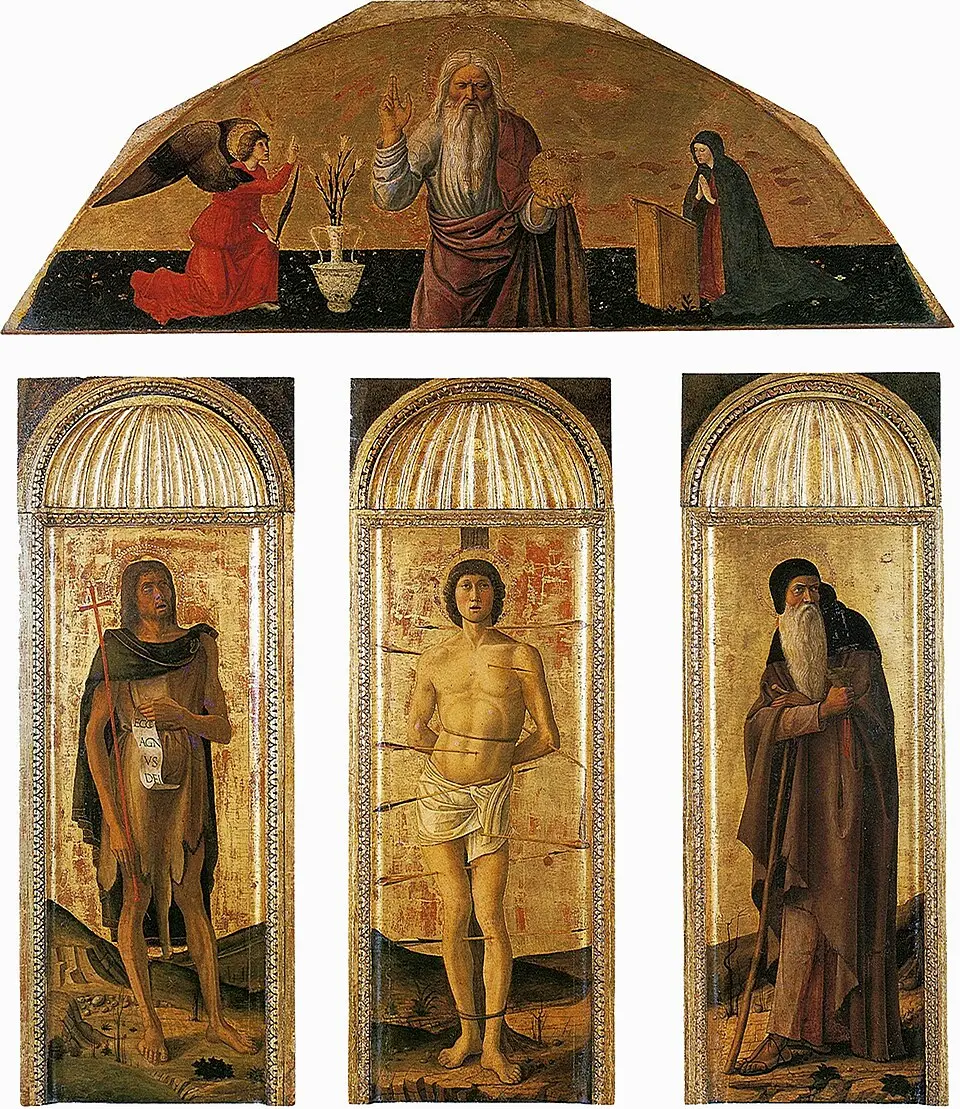
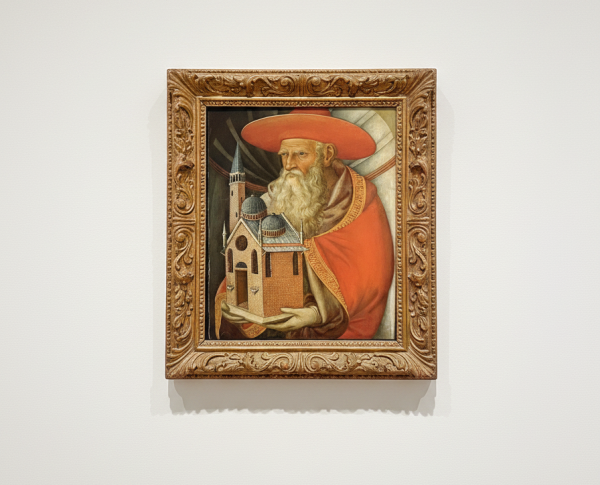
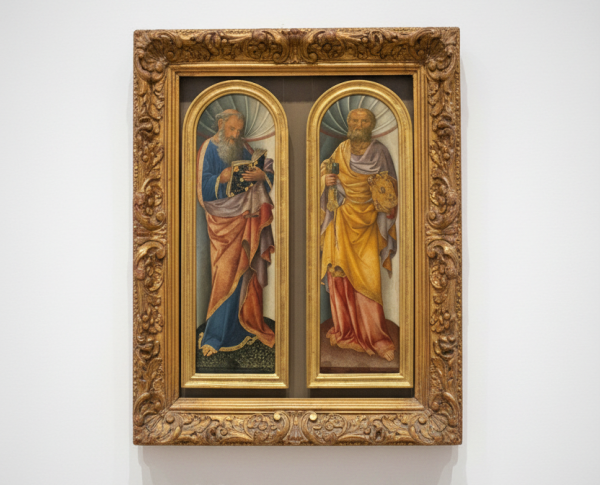
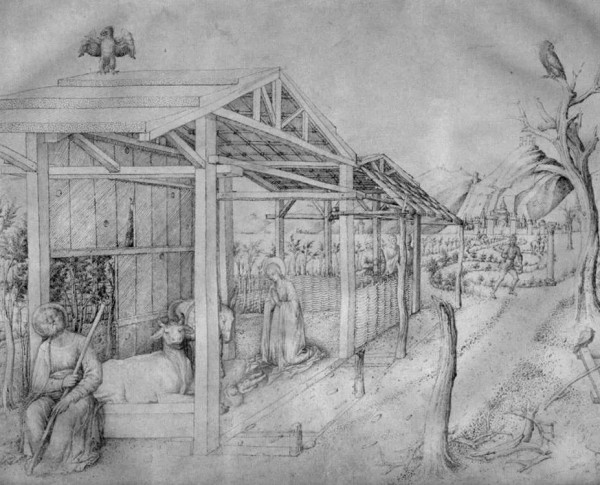
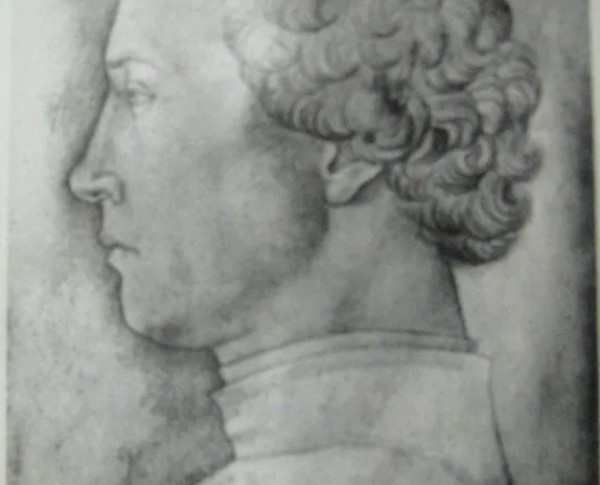
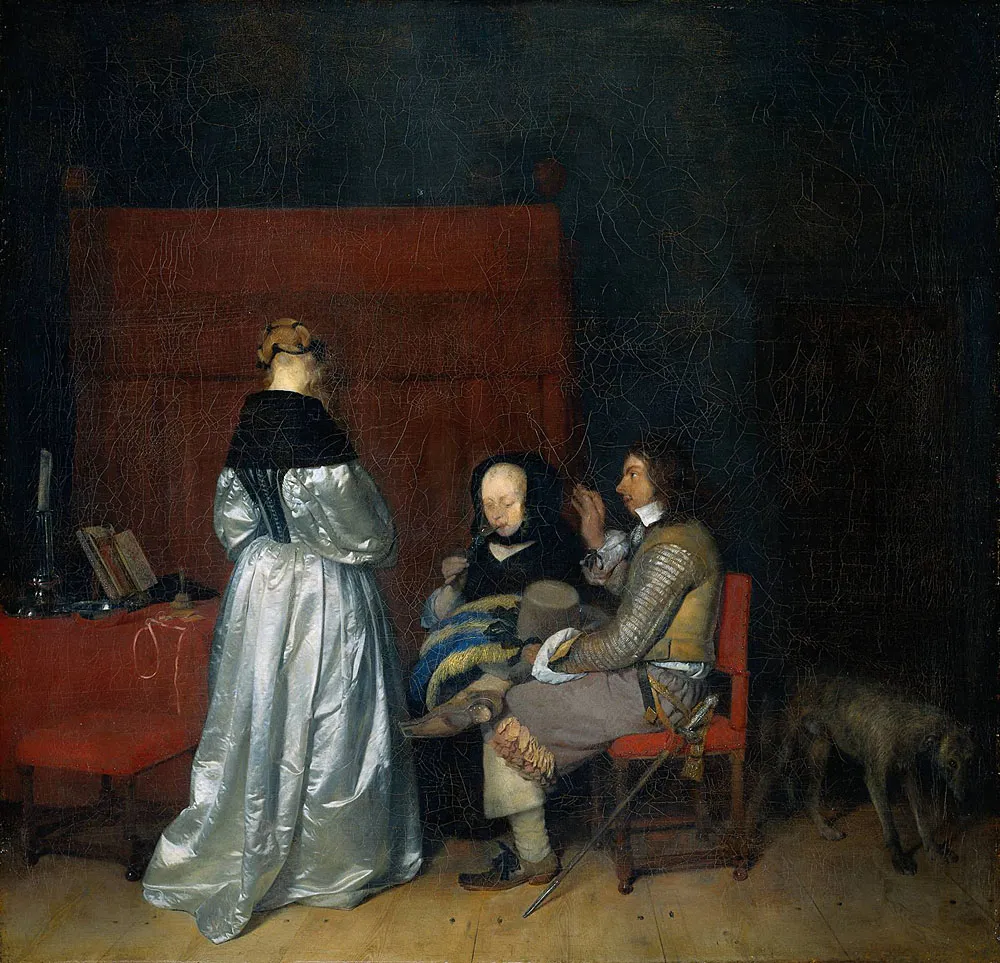
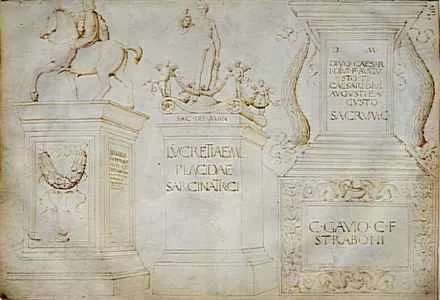
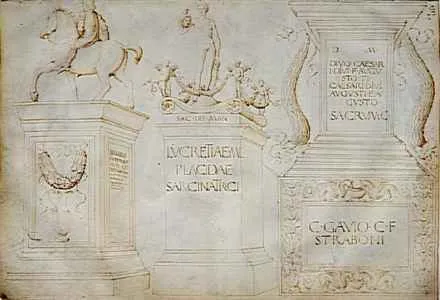
Jacopo Bellini’s "Epigrafi e Statue" showcases the remarkable skill and precision characteristic of oil on canvas masterpieces from the Early Renaissance. Each brushstroke demonstrates Bellini’s command over light, perspective, and form, creating a mesmerizing visual narrative. The painting’s intricate details echo those found in other fine works such as "Profile of a man" and "Presentation of the Virgin at the Temple," establishing Bellini as a master of his craft.
Within "Epigrafi e Statue," Jacopo Bellini weaves a tapestry of stories and symbols that reflect the intellectual curiosity of the Early Renaissance. This fine art painting for sale invites viewers to decipher ancient inscriptions and statues, much like those seen in "Saint Jerome" and "St John the Baptist Preaching." The artwork’s layered meanings offer endless intrigue, making it a centerpiece for any collection inspired by historical and allegorical themes.
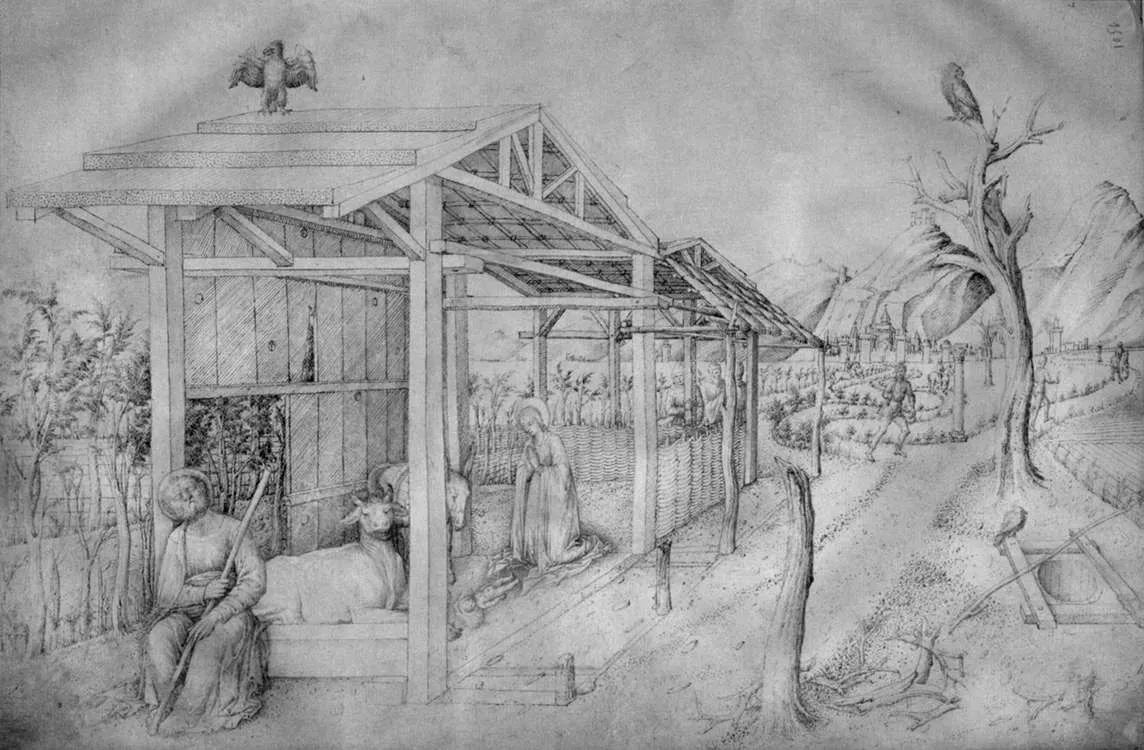
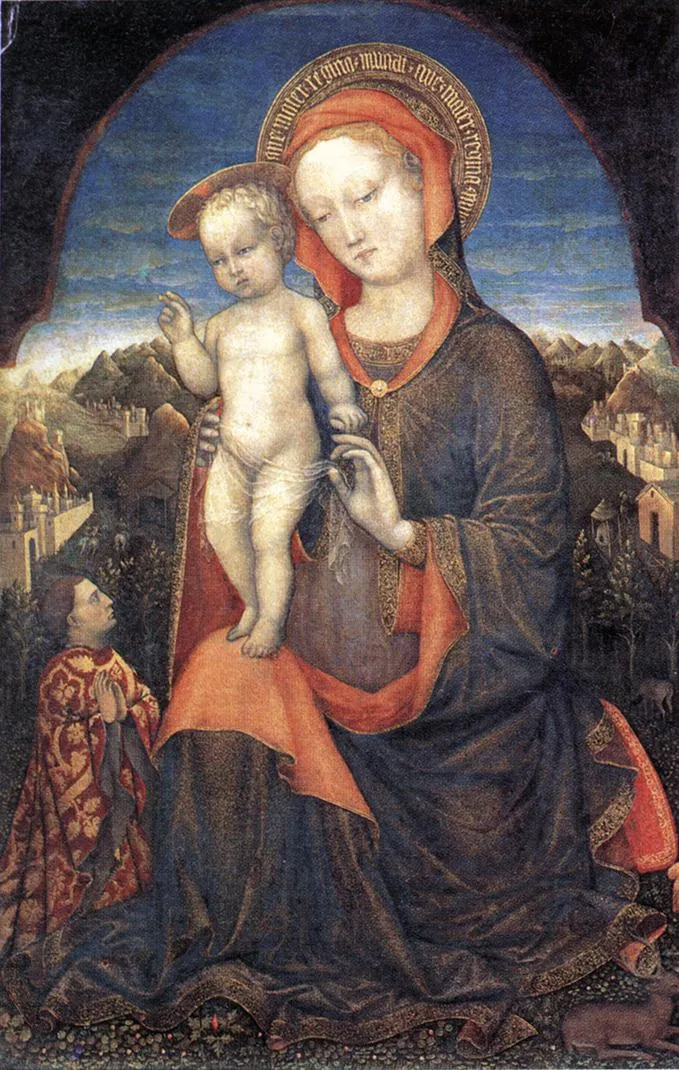
For collectors of Early Renaissance art, "Epigrafi e Statue" by Jacopo Bellini is an exceptional hand-painted oil painting that embodies the sophistication of the period. Its connections to related products—such as "The Madonna of Humility adored by Leonello d'Este" and "Nativity"—amplify its value and appeal. Owning this piece means possessing a slice of art history, perfect for those seeking a distinguished and meaningful addition to their collection.
When Art Meets History
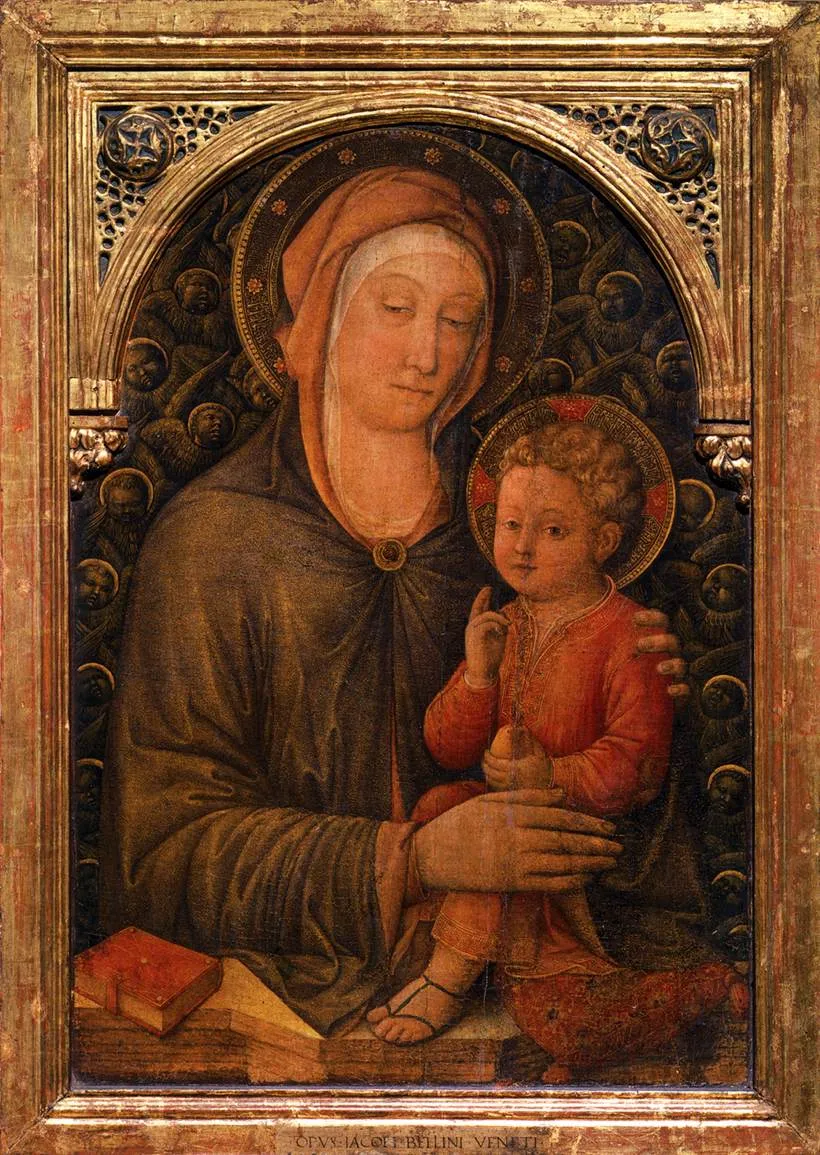
"Epigrafi e Statue" by Jacopo Bellini stands as a remarkable example of Early Renaissance creativity, seamlessly blending historical motifs with artistic mastery. This hand-painted oil painting captures the essence of the era, reflecting the renewed interest in classical antiquity. Bellini, known for works like "Madonna with two angels" and "Madonna and Child," skillfully integrates ancient inscriptions and statues, making this piece a compelling intersection of art and history within the context of the Early Renaissance movement.
Techniques That Speak
Jacopo Bellini’s "Epigrafi e Statue" showcases his expertise in oil on canvas, a technique that defines many masterpieces of the Early Renaissance. The artist’s precise brushwork and attention to detail bring depth and realism, reminiscent of his other works such as "Virgin and child with two angels." The interplay of light and shadow in this painting highlights Bellini’s technical prowess, making it a standout oil on canvas creation from this influential period in art history.
Emotions on Display
"Epigrafi e Statue" by Jacopo Bellini evokes a profound sense of reverence and curiosity, hallmarks of Early Renaissance expression. The emotional depth in this fine art painting for sale is evident in the thoughtful poses and serene faces of the figures, akin to those seen in "Madonna and Child with Six Saints." Bellini’s ability to infuse his subjects with subtle emotion makes this work a captivating addition to any collection of Early Renaissance art.
Coveted by Collectors
Collectors are drawn to Jacopo Bellini’s "Epigrafi e Statue" for its historical significance and artistic mastery, reflecting the best of the Early Renaissance. As a hand-painted oil painting, it stands alongside notable works like "Madonna of the Rosegarden," appealing to those who appreciate both beauty and provenance. The painting’s unique blend of classical themes and Renaissance innovation ensures its status as a highly sought-after piece among fine art enthusiasts and collectors alike.
Related Early Renaissance Hand-Painted Oil Paintings by Other Artists
Other Famous Early Renaissance Artists:
Frequently Asked Questions About Epigrafi e Statue
What is the historical context of "Epigrafi e Statue"?
"Epigrafi e Statue" was created during the early Renaissance, a period marked by a revival of classical antiquity and humanistic ideals. Jacopo Bellini, a prominent figure of this era, sought to blend traditional Gothic elements with the emerging techniques of perspective and naturalism.
What artistic techniques are employed in "Epigrafi e Statue"?
The painting showcases Bellini's mastery of chiaroscuro, which enhances the three-dimensionality of the figures. Additionally, the use of linear perspective guides the viewer's eye towards the focal point, creating a sense of depth and realism.
What do the inscriptions in "Epigrafi e Statue" signify?
The inscriptions, or epigrapha, serve as a bridge between the viewer and the depicted figures, often conveying moral or philosophical messages. They reflect the Renaissance interest in literature and classical texts, emphasizing the importance of knowledge and wisdom.
Who are the figures depicted in "Epigrafi e Statue"?
The figures in the painting are likely inspired by classical sculptures, representing idealized forms of beauty and virtue. They may symbolize various philosophical concepts, reflecting the Renaissance fascination with ancient mythology and humanism.
How does "Epigrafi e Statue" reflect Renaissance ideals?
The painting embodies Renaissance ideals through its focus on human emotion, individualism, and the revival of classical themes. Bellini's work emphasizes the importance of humanity and the natural world, aligning with the period's philosophical explorations.
What role does symbolism play in "Epigrafi e Statue"?
Symbolism is central to "Epigrafi e Statue," as each element is meticulously chosen to convey deeper meanings. The figures, inscriptions, and their arrangement reflect moral lessons, virtues, and the pursuit of knowledge, inviting viewers to contemplate their significance.
How does Jacopo Bellini's style influence later artists?
Jacopo Bellini's innovative techniques and emphasis on realism laid the groundwork for future Renaissance artists. His approach to composition and use of color influenced contemporaries and successors, including his sons, Gentile and Giovanni Bellini, and other masters like Titian.
What materials were used in the creation of "Epigrafi e Statue"?
Bellini typically worked with tempera on wood panels during this period. The use of vibrant pigments and meticulous layering techniques contributed to the painting's luminous quality and intricate details.
What is the significance of the setting in "Epigrafi e Statue"?
The setting often reflects an idealized space that enhances the narrative of the figures. It serves to contextualize the characters within a harmonious environment, reinforcing the themes of beauty and enlightenment prevalent in Renaissance art.
How does "Epigrafi e Statue" compare to other works by Jacopo Bellini?






















_GFM_Painting_(1).webp)


 100% Hand-Painted: Finished in 3-6 Weeks

.png)















_(1).webp)