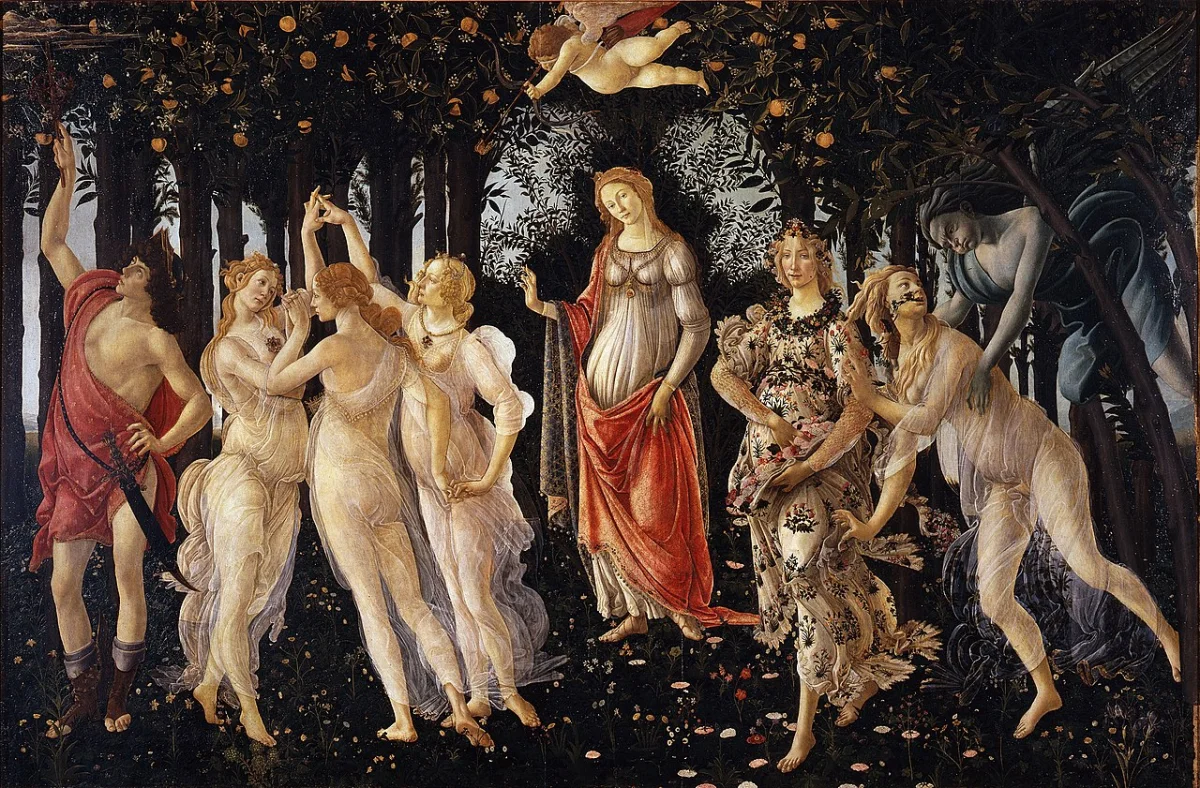
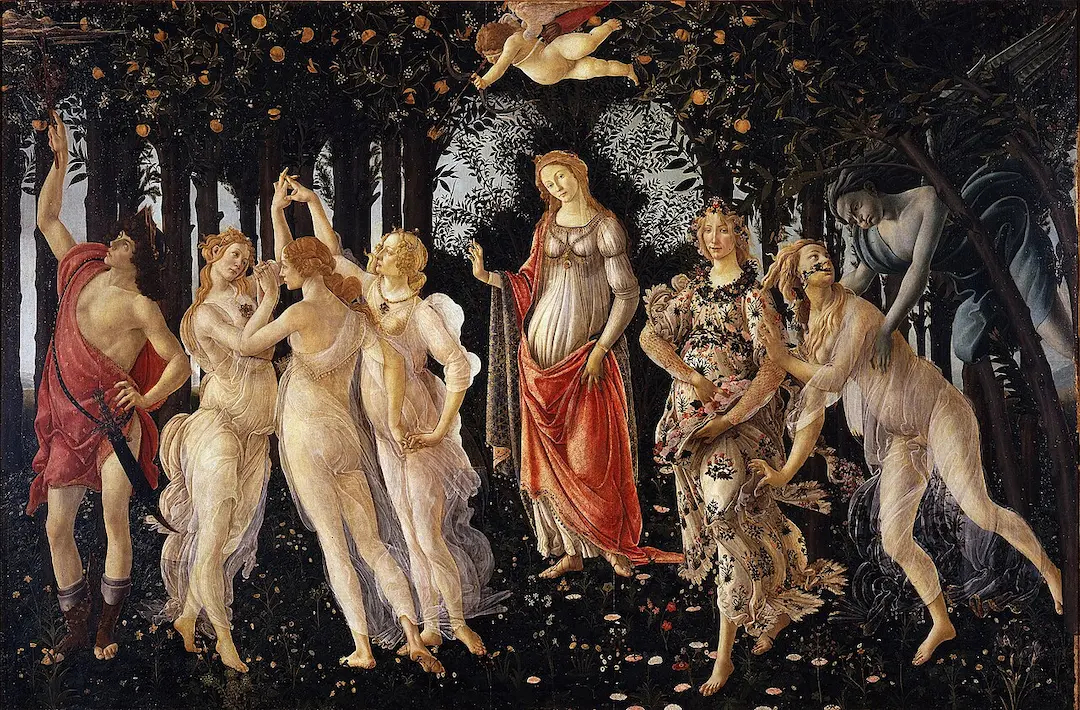
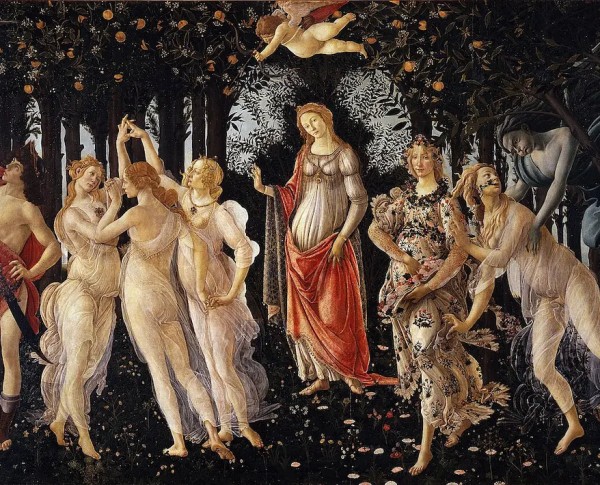
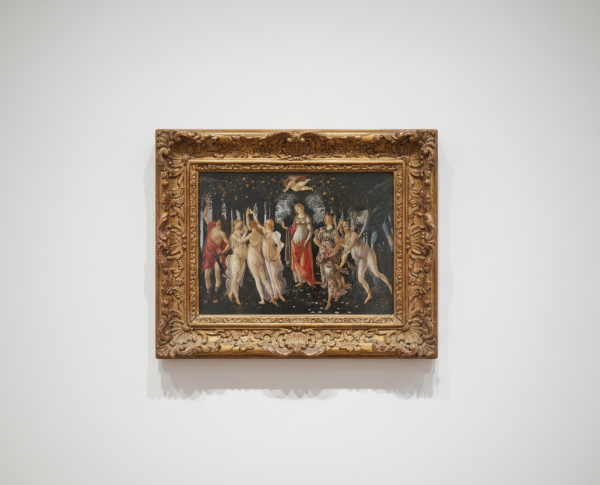
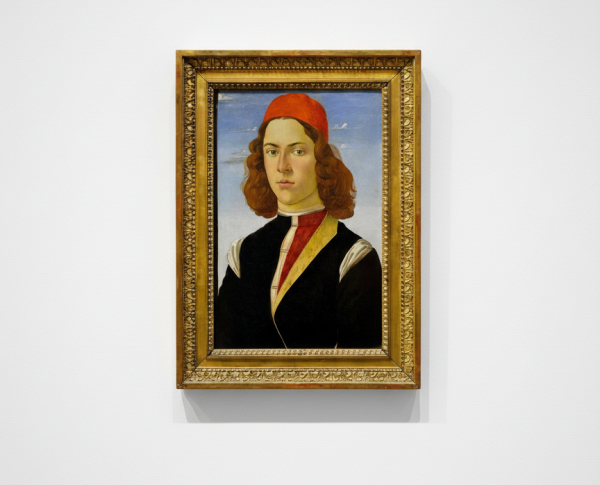
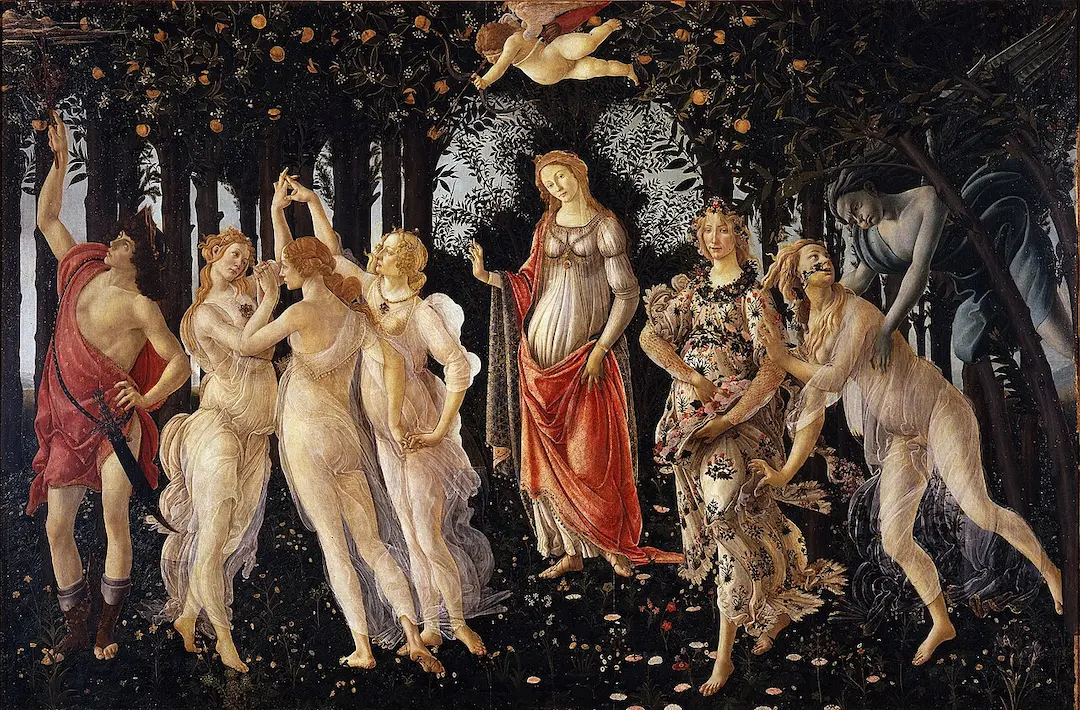
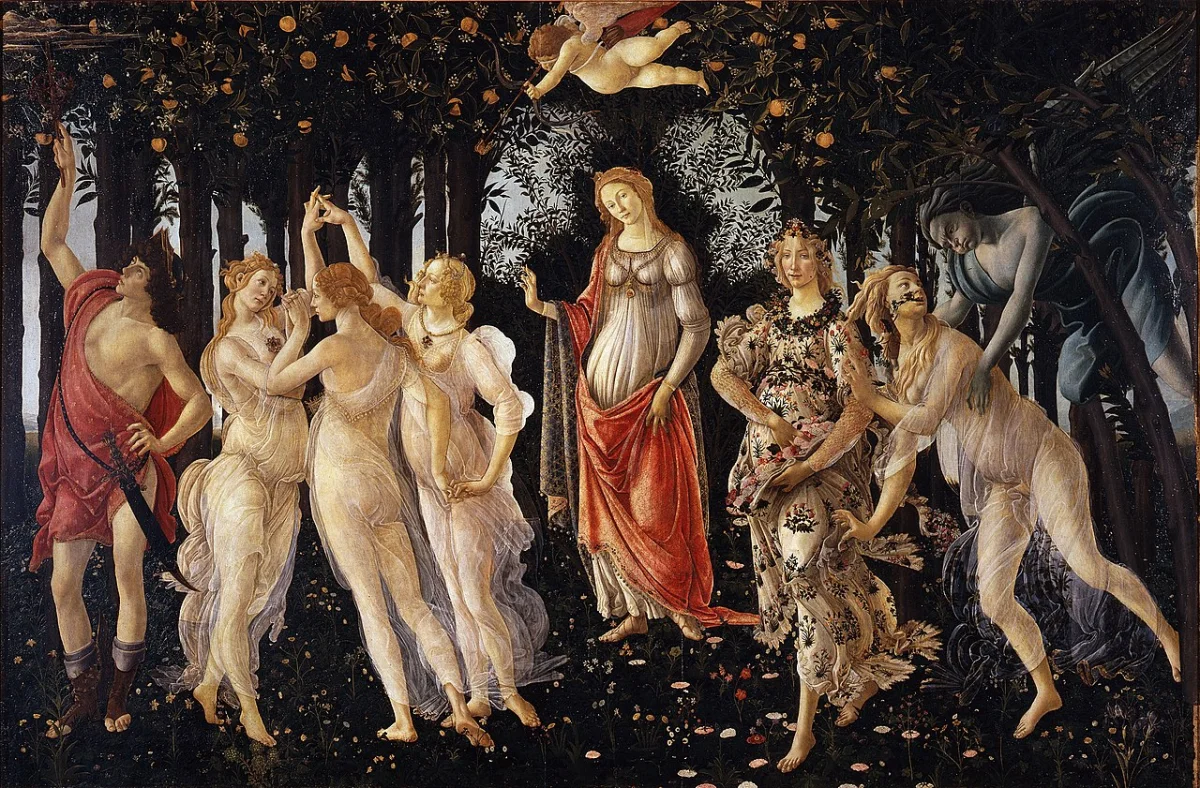
Saint Augustine by Alessandro Filipepi, better known as Sandro Botticelli, stands as a testament to the Early Renaissance movement. This hand-painted oil painting captures the intellectual depth and spiritual devotion of its subject, reflecting Botticelli’s mastery. Much like his celebrated works such as Primavera and Madonna and Child with Six Saints, this piece is cherished among art lovers and collectors. Discover the enduring influence of Botticelli's artistry within every brushstroke of this iconic painting.
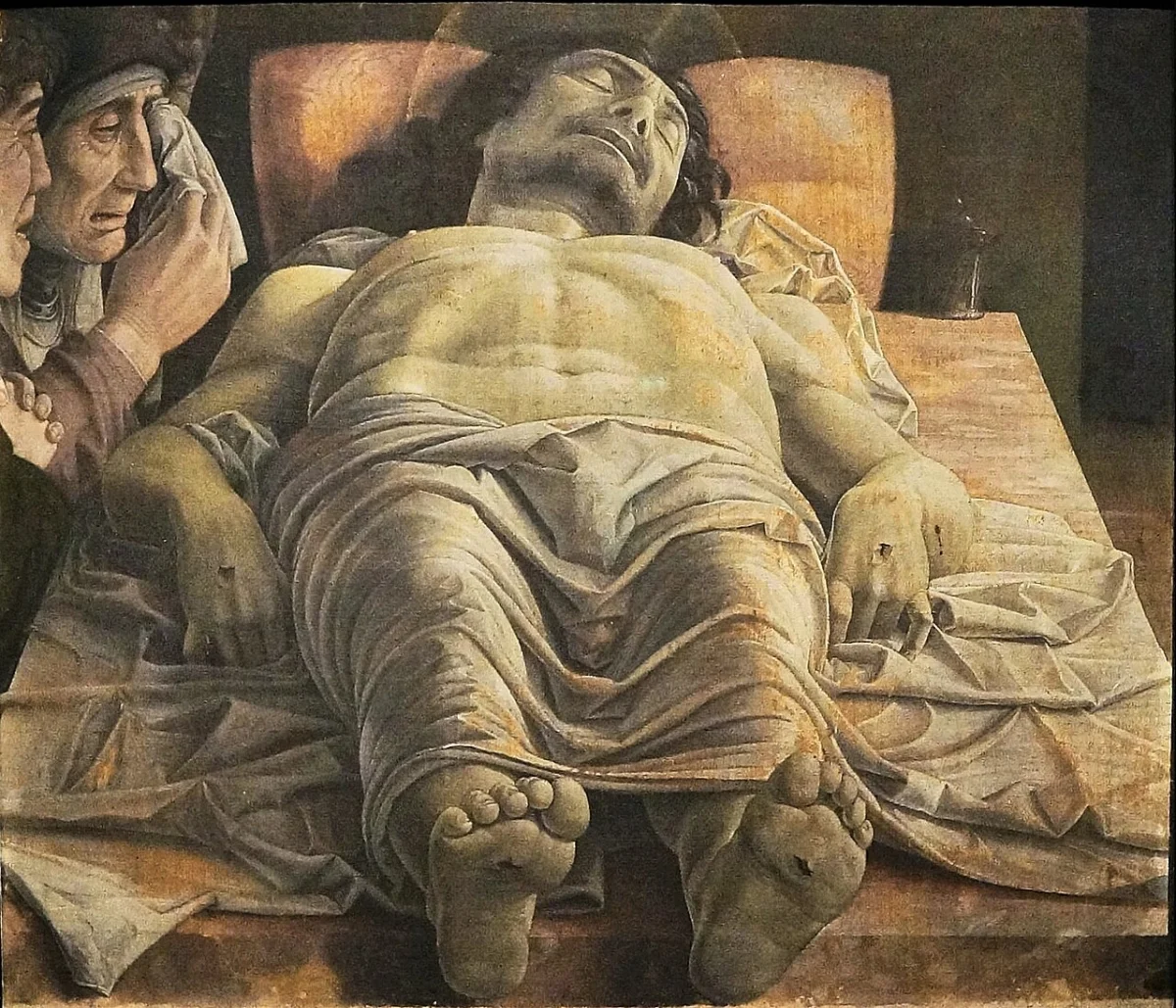
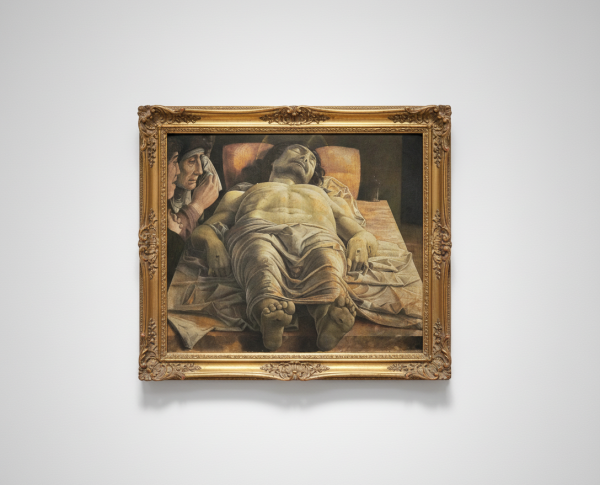
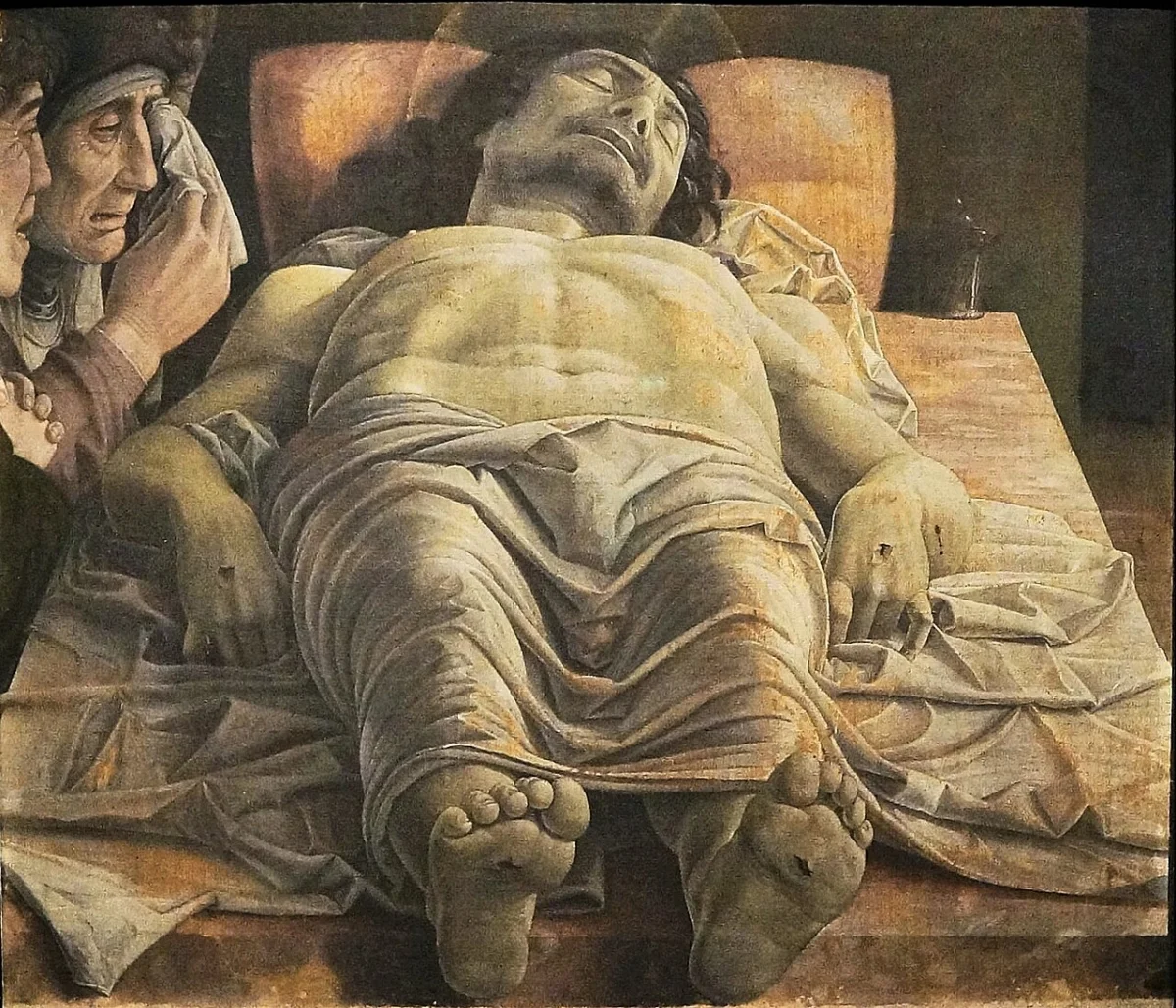
With its delicate use of oil on canvas, Botticelli’s Saint Augustine exemplifies the refined techniques that defined the Early Renaissance. The artist’s attention to detail and subtle handling of light create a deeply expressive portrait. Collectors seeking an exquisite oil on canvas work will appreciate how this piece complements other masterpieces like Lamentation over the Dead Christ and The Annunciation, both hallmark achievements of Botticelli’s illustrious career.
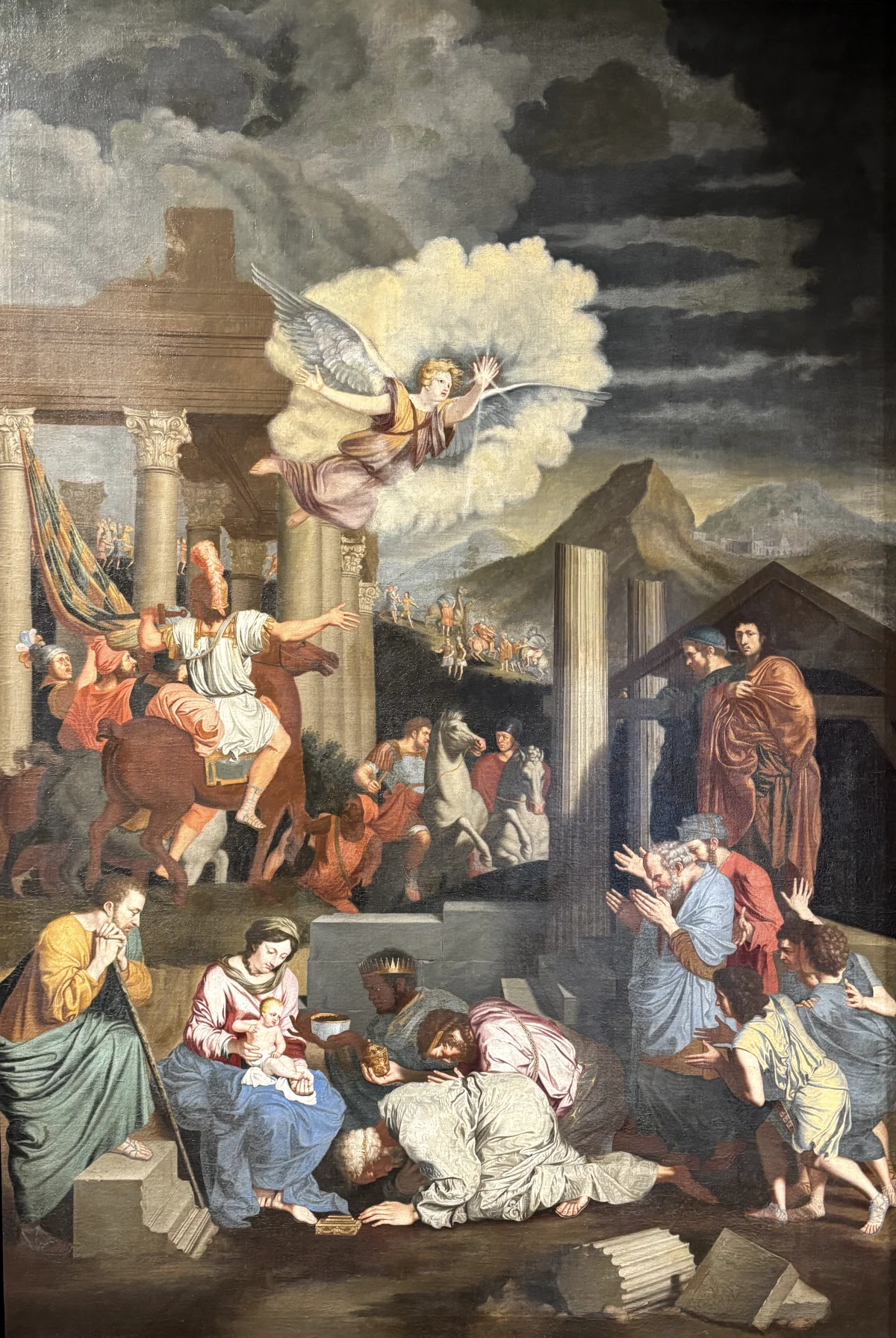
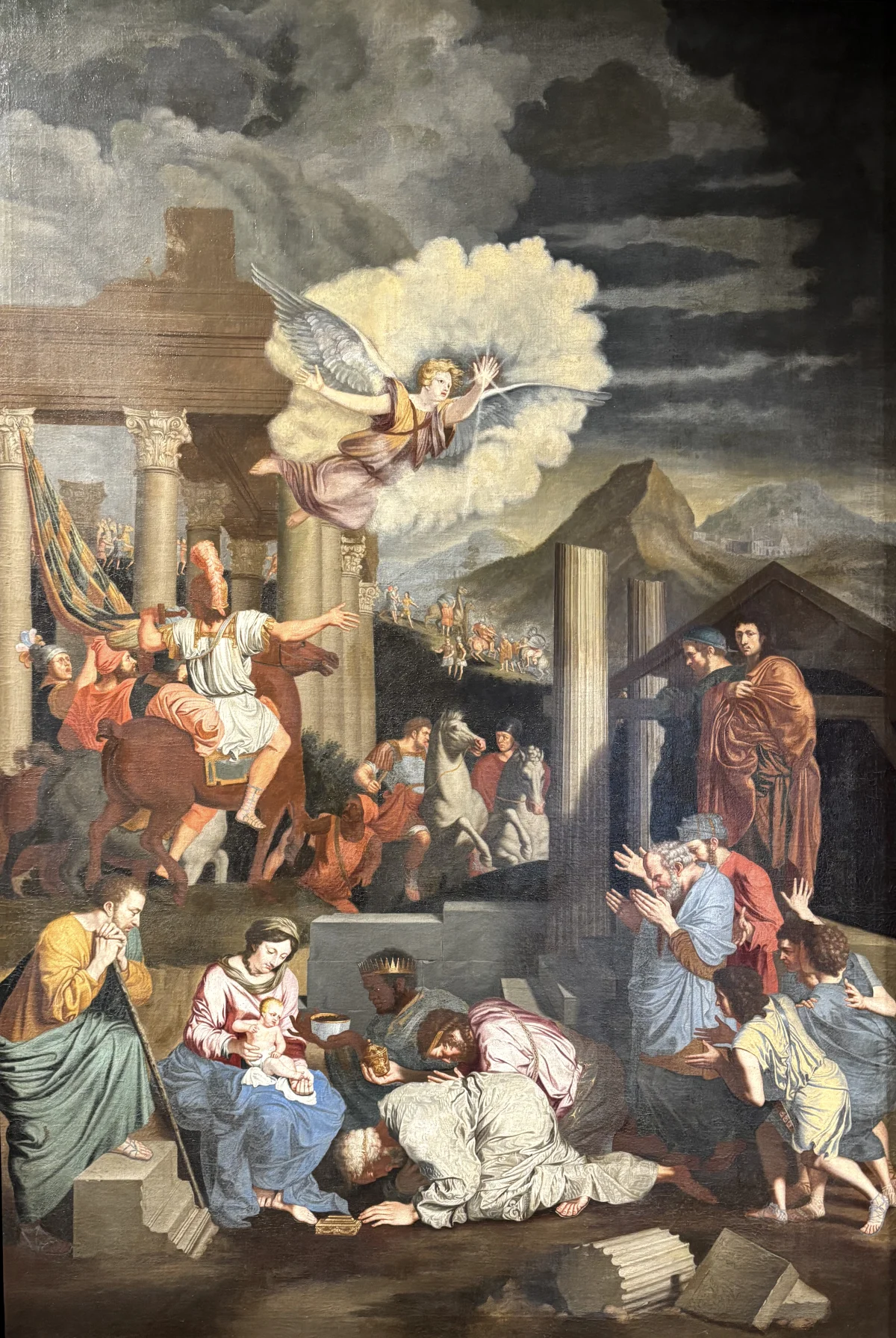
Saint Augustine is not just a fine art painting for sale; it is a narrative woven with rich symbolism and historical context. Botticelli’s composition reveals the saint’s scholarly nature through subtle iconography, echoing the storytelling seen in works like Adoration of the Magi and Madonna of the Rosegarden. This fine art painting for sale invites viewers to delve into the spiritual and philosophical themes that shaped the Early Renaissance era.
When Art Meets History
Saint Augustine by Alessandro Filipepi, better known as Sandro Botticelli, is a prime example of the Early Renaissance movement. This hand-painted oil painting captures a moment of spiritual reflection, bridging the worlds of faith and intellect. Botticelli’s work, including related paintings like Saint Jerome and The Flagellation of Christ, often features iconic religious figures. In the context of the Renaissance, Saint Augustine stands as a testament to the era’s merging of humanism and divine inspiration.
Techniques That Speak
Botticelli’s mastery of oil on canvas is evident in the delicate brushwork and luminous colors of Saint Augustine. The artist’s attention to detail and nuanced layering techniques bring depth and realism to the figure, characteristic of the Early Renaissance movement. Similar methods are observed in related works such as Sigismondo Malatesta and Album del Louvre. Botticelli’s innovative approach to oil on canvas sets his paintings apart, making them enduring masterpieces in the history of European art.
Emotions on Display
The emotional depth in Botticelli’s Saint Augustine is unmistakable, as the saint’s contemplative gaze evokes a sense of longing and introspection. This fine art painting for sale not only captures the intellectual pursuits of its subject but also the inner spiritual turmoil faced by many Renaissance thinkers. Botticelli’s ability to convey emotion is similarly present in St Jerome and a Donor, inviting viewers to connect with the profound humanity in each of his creations.
Coveted by Collectors
Saint Augustine remains highly sought after among collectors of Early Renaissance art, with its historical significance and artistic mastery. As a hand-painted oil painting, it embodies the craftsmanship and innovation of Sandro Botticelli, whose works are perennial favorites in galleries and private collections. The demand for pieces like Saint Augustine and related paintings such as Album del Louvre and Saint Jerome highlights the enduring allure of Renaissance masterpieces in the world of fine art.
Related Early Renaissance Hand-Painted Oil Paintings by Other Artists
Other Famous Early Renaissance Artists:
Frequently Asked Questions About Saint Augustine
Who is the artist of "Saint Augustine"?
The painting "Saint Augustine" was created by Alessandro Filipepi, commonly known as Sandro Botticelli, a prominent Italian painter of the Early Renaissance.
What is the historical significance of "Saint Augustine"?
"Saint Augustine" reflects the Renaissance's revival of classical themes and humanist ideals, showcasing the era's interest in individual figures and their spiritual journeys.
What are the main themes depicted in "Saint Augustine"?
The painting explores themes of contemplation, divine inspiration, and the struggle between earthly desires and spiritual enlightenment, central to Saint Augustine's life and writings.
What symbols are present in "Saint Augustine"?
Key symbols include the book, representing knowledge and scripture, and the heart, symbolizing Augustine's passion for God and the inner turmoil he experienced before his conversion.
In what year was "Saint Augustine" painted?
"Saint Augustine" is believed to have been painted in the late 15th century, around 1480, during Botticelli's most productive period.
What artistic techniques did Botticelli use in "Saint Augustine"?
Botticelli employed tempera on panel, utilizing linear perspective, delicate lines, and a soft color palette to create a sense of depth and emotional resonance.
How does "Saint Augustine" compare to other works by Botticelli?
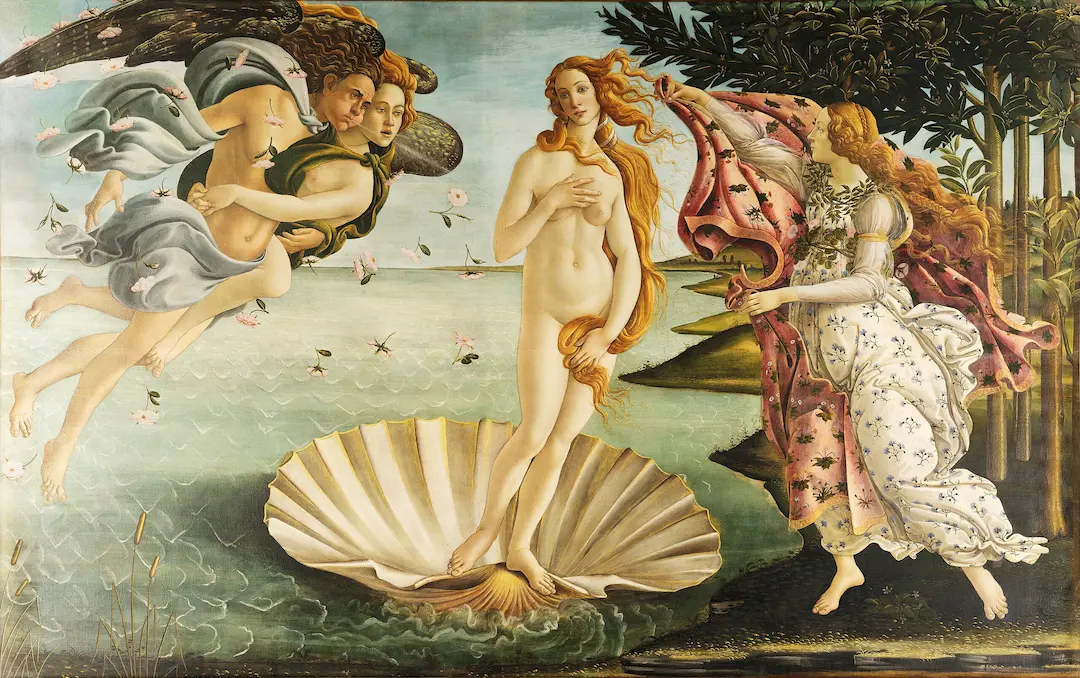
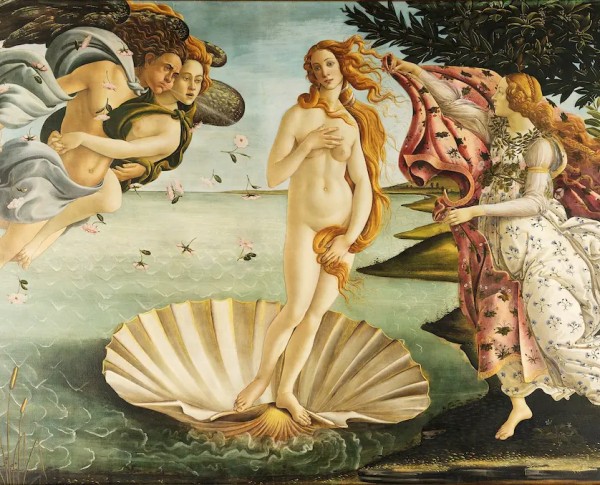
Compared to other works by Botticelli, such as "The Birth of Venus," "Saint Augustine" emphasizes a more introspective and spiritual approach, focusing on the inner life of the subject.
What influence did "Saint Augustine" have on later artists?
The painting influenced later artists by exemplifying the integration of classical themes with Christian iconography, inspiring subsequent generations to explore similar spiritual narratives in their works.
Where is "Saint Augustine" currently housed?
"Saint Augustine" is part of the collection at the Museo di San Marco in Florence, Italy, where it continues to be studied and admired for its artistic and historical significance.
What was the cultural context during the time "Saint Augustine" was created?
The painting was created during the Italian Renaissance, a period marked by a flourishing of arts, literature, and philosophy, characterized by a renewed interest in classical antiquity and humanism.























_GFM_Painting_(1).webp)



 100% Hand-Painted: Finished in 3-6 Weeks


.png)












.webp)




_(1).webp)