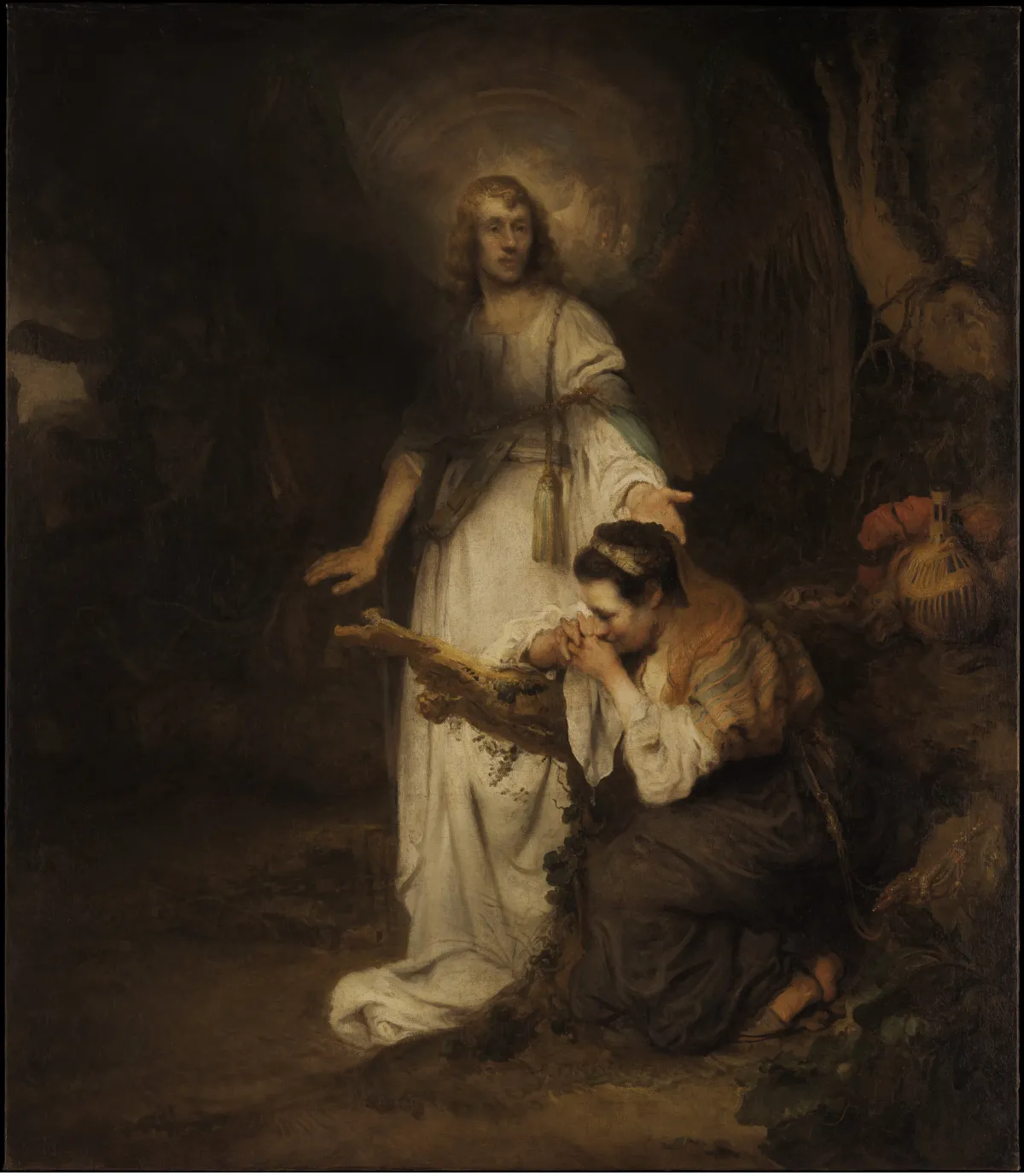
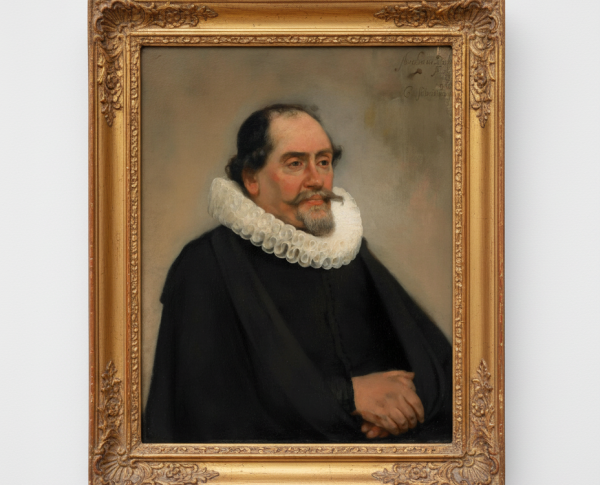
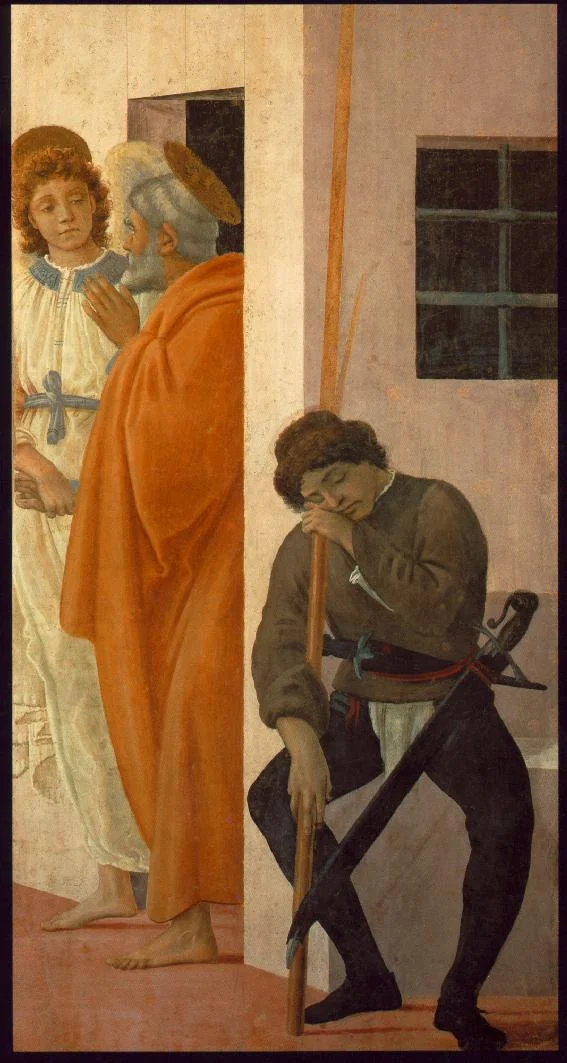
Carel Fabritius demonstrates unparalleled skill in this oil on canvas, blending light, shadow, and detail to create a vivid narrative scene. The Dutch Golden Age movement is renowned for such technical mastery, and Fabritius’s brushwork brings Saint Peter’s liberation to life. This painting, along with related works like "Hagar and the Angel" and "A Slaughtered Ox," showcases the movement’s signature realism and intricate composition, making it a prized example of oil on canvas artistry.
"Saint Peter Being Freed from Prison" is rich in symbolism, depicting the miraculous escape of Saint Peter with poignant emotion. Fabritius weaves narrative and iconography seamlessly, inviting viewers to reflect on themes of faith and deliverance. As a fine art painting for sale, it appeals to those drawn to storytelling through art. Collectors often seek similar works, including "Hera Hiding During The Battle Of The Gods And Giants" and "Mercury and Aglauros," for their symbolic depth.
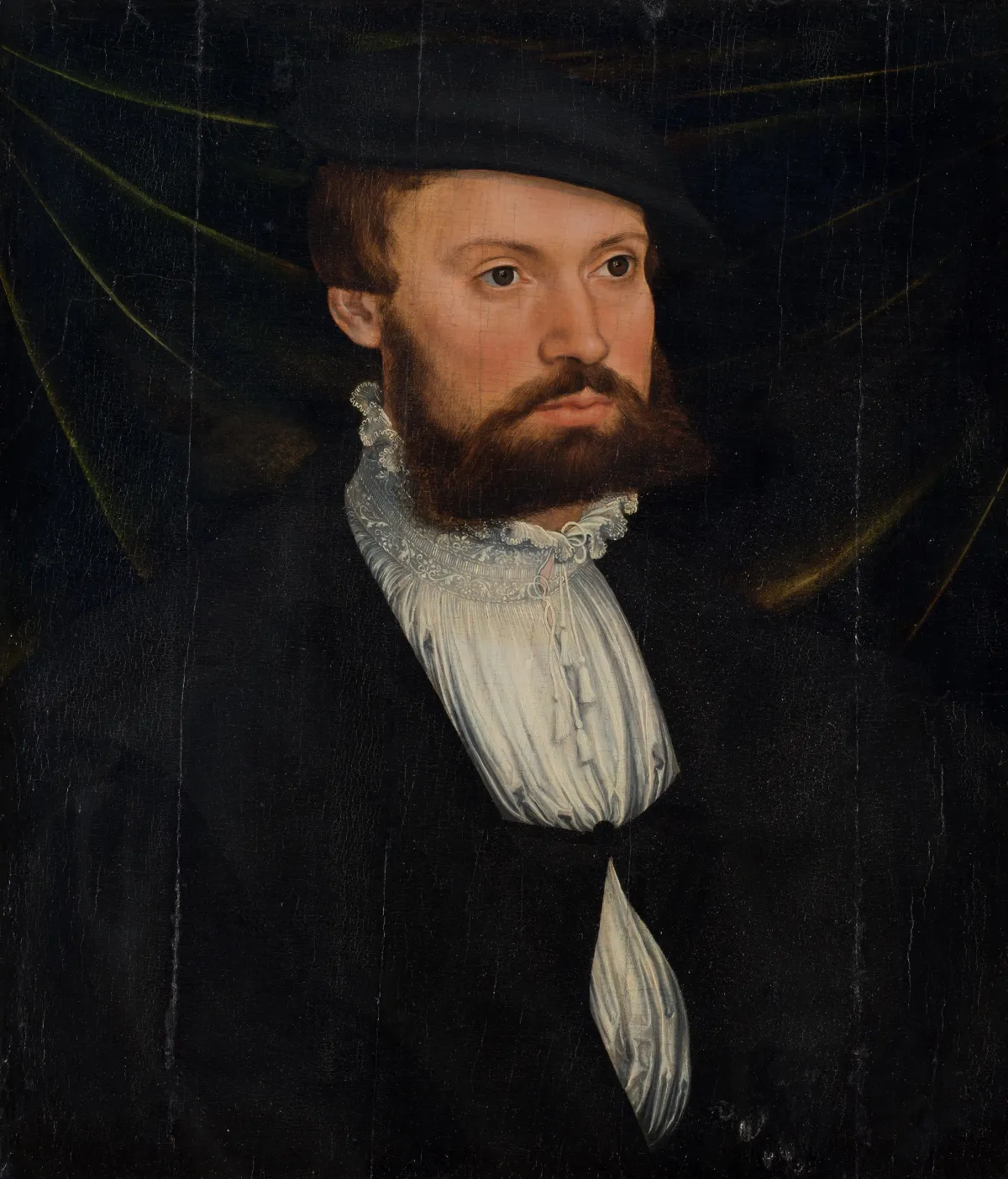
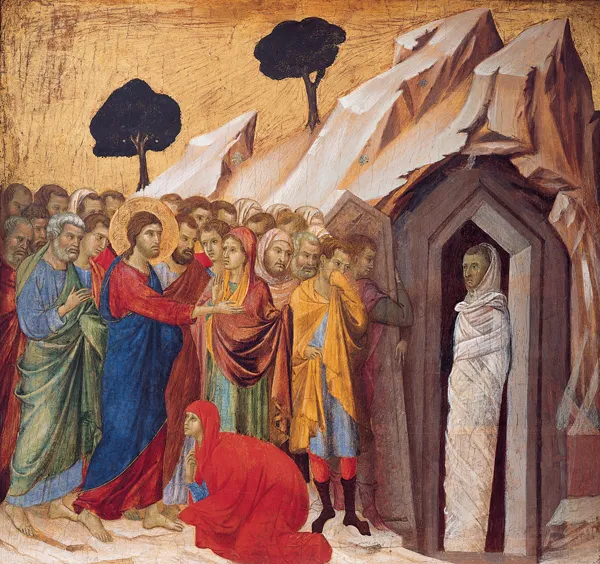
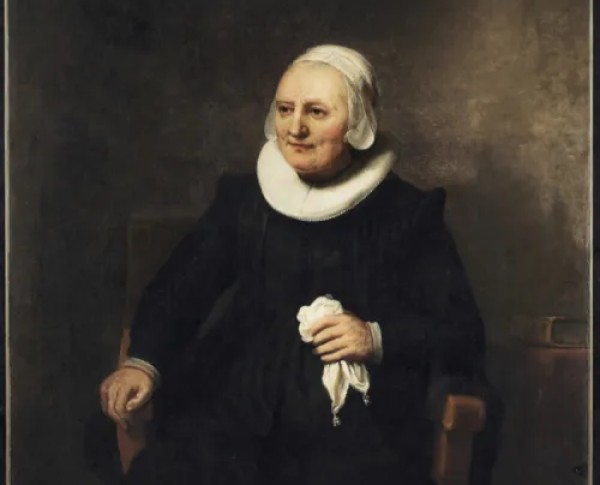
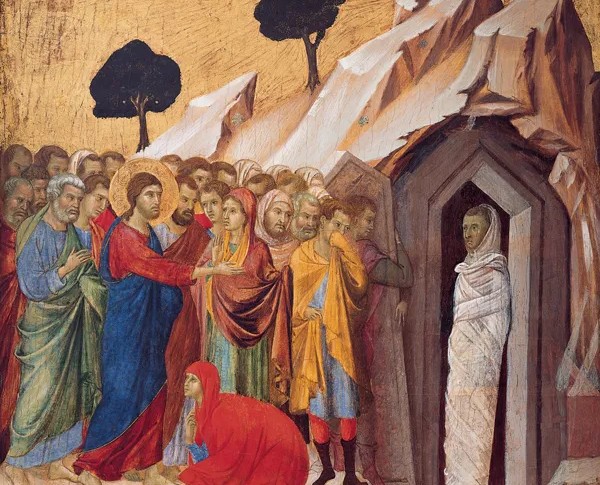
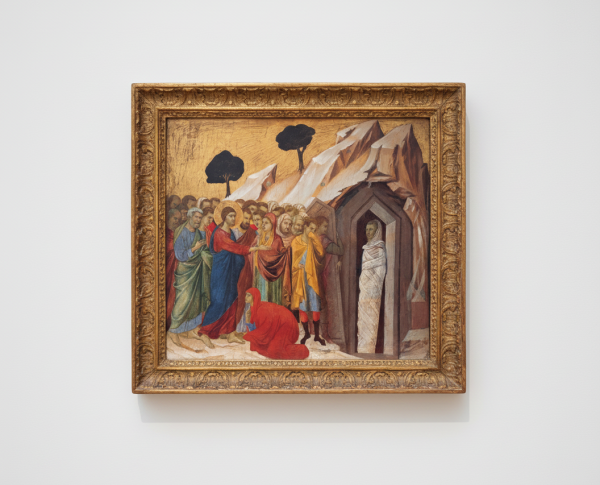
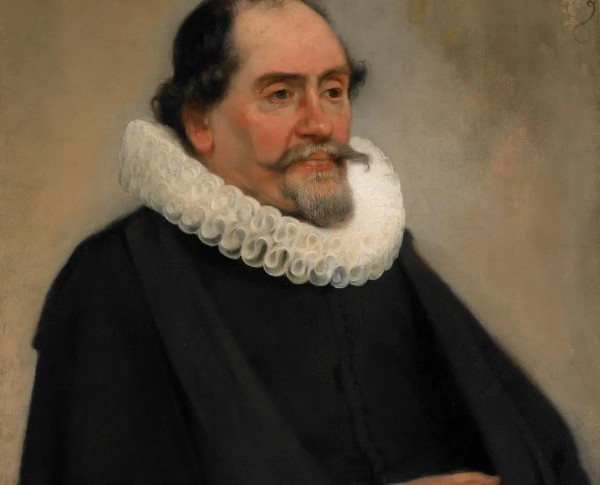
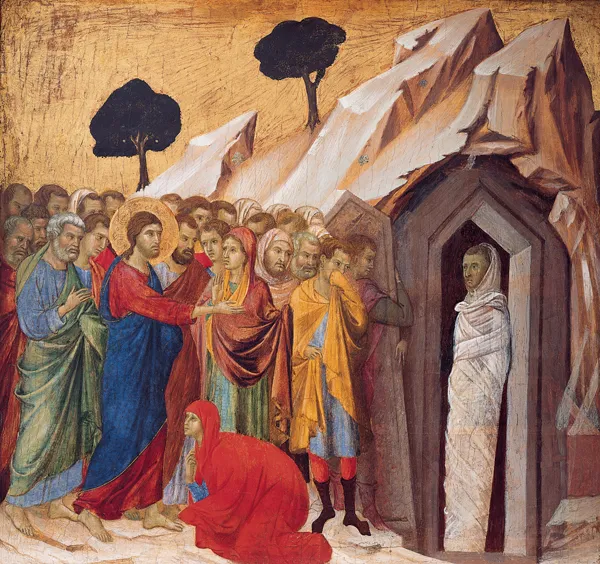
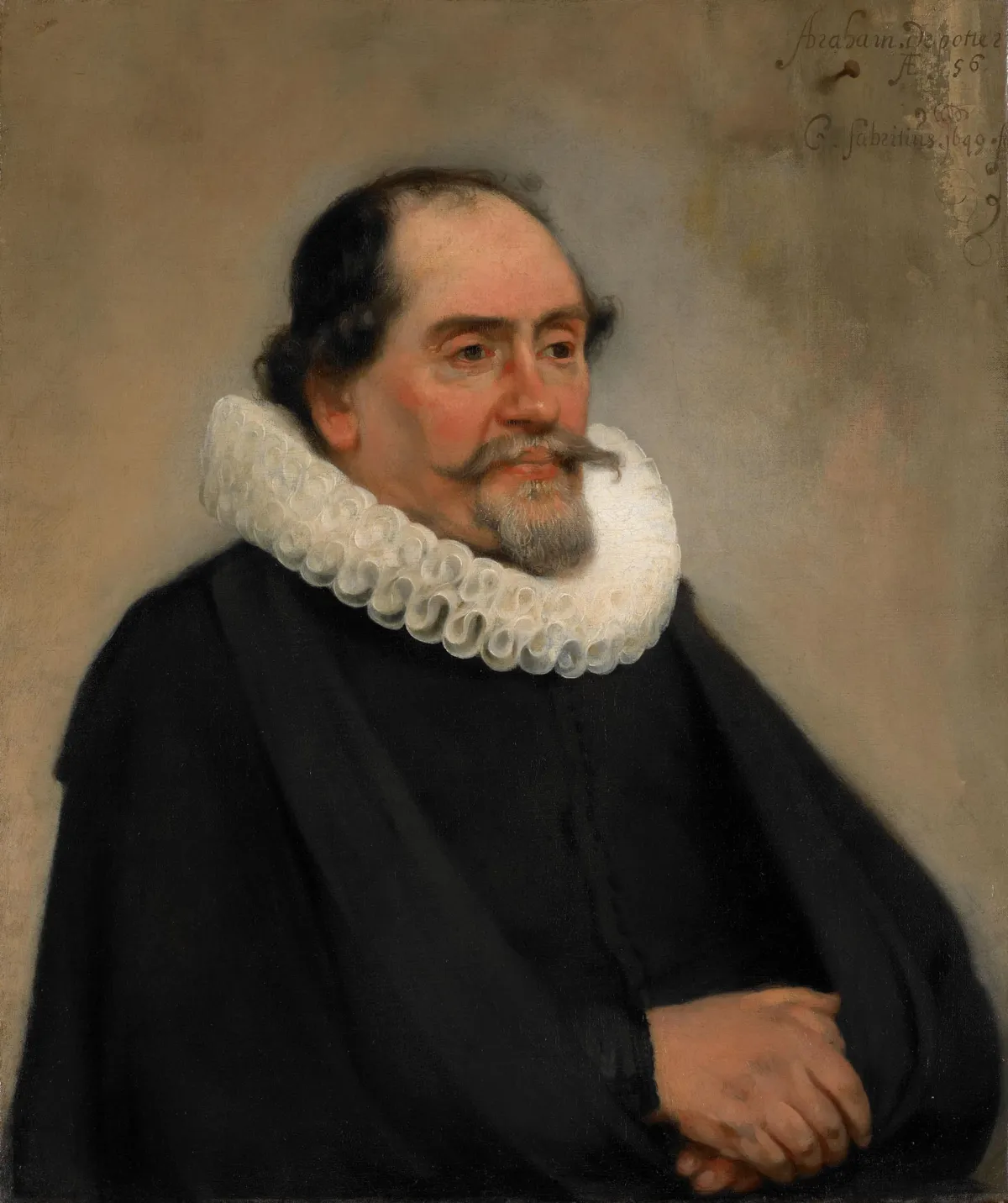
This masterwork by Carel Fabritius is highly coveted among collectors of Dutch Golden Age art. As a hand-painted oil painting, it offers both historical value and aesthetic allure. Its connection to other celebrated pieces such as "The Raising of Lazarus" and "Portrait of a Bearded Man" enhances its appeal. For those looking to invest in a fine art painting for sale, "Saint Peter Being Freed from Prison" represents a rare opportunity to own a piece of art history.
When Art Meets History
"Saint Peter Being Freed from Prison" by Carel Fabritius stands as a remarkable example of the Dutch Golden Age. This period was renowned for its masterful hand-painted oil paintings that captured moments of biblical and historical significance. Fabritius, a pupil of Rembrandt, drew inspiration from his contemporaries, as seen in works like "Philosopher in Meditation 1632" and "The Return of the Prodigal Son c. 1669," blending history and artistry to create enduring masterpieces.
Techniques That Speak
Carel Fabritius’s use of oil on canvas in "Saint Peter Being Freed from Prison" showcases his innovative approach to light and perspective. The Dutch Golden Age movement emphasized technical precision, and Fabritius’s brushwork and composition exemplify this tradition. Similar attention to technique can be found in related paintings such as "Woman with a Pearl Necklace" and "Girl with a Pearl Earring c. 1665," where the play of light and shadow brings subjects to life.
Emotions on Display
In "Saint Peter Being Freed from Prison," Fabritius captures the intense emotional drama of the biblical story through expressive faces and dynamic gestures. The hand-painted oil painting technique allows for subtle nuances in emotion, mirroring the evocative storytelling seen in works like "Balaam's Ass." The Dutch Golden Age artists excelled at conveying deep feeling, making each fine art painting for sale from this era a window into the soul of its subjects.
Coveted by Collectors
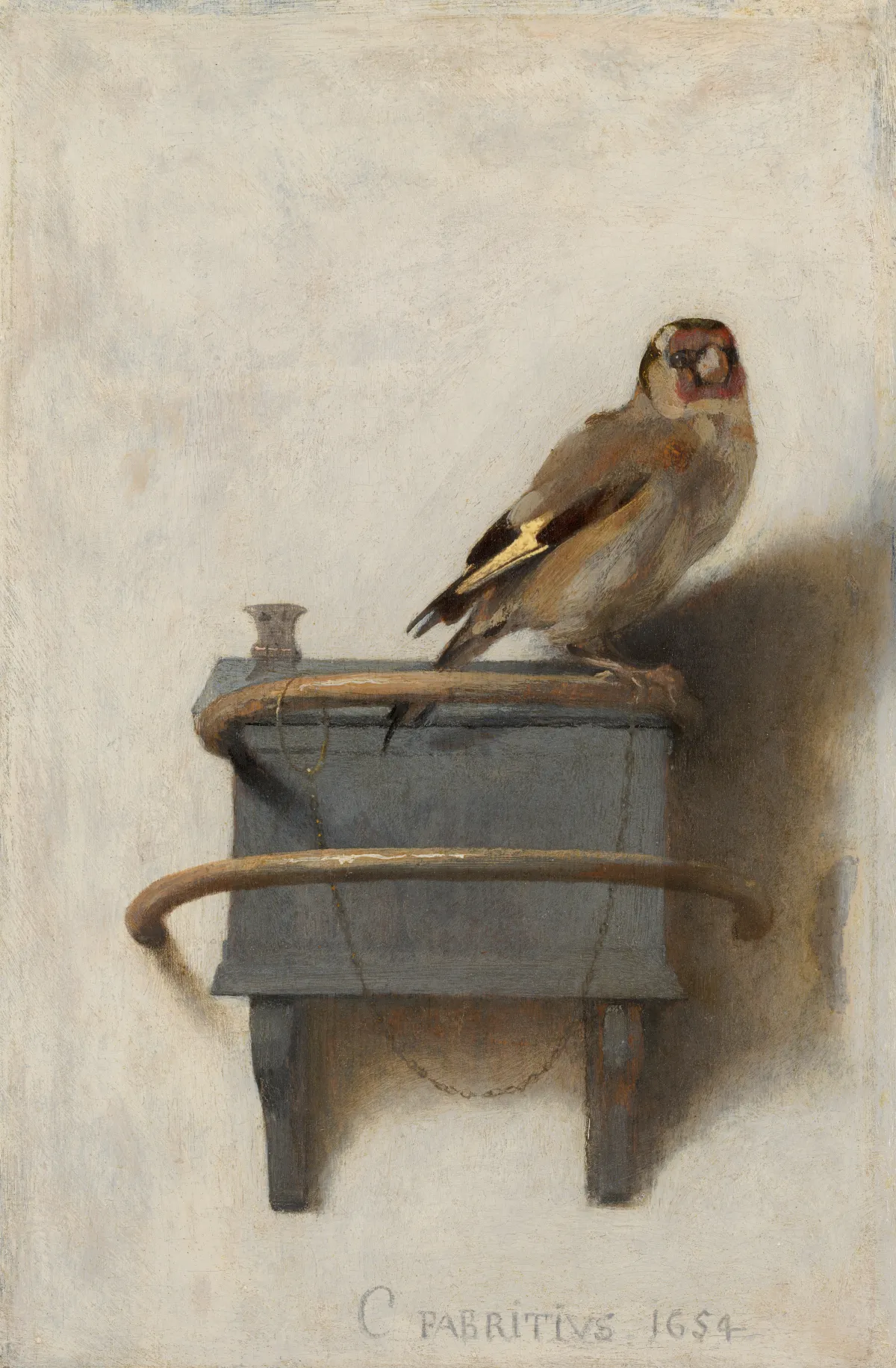
Art collectors and museums seek out masterpieces like "Saint Peter Being Freed from Prison" for their historical significance and technical brilliance. As an oil on canvas work by Carel Fabritius, it represents the pinnacle of Dutch Golden Age artistry. Collectors often pursue related paintings such as "Philosopher in Meditation 1632" and "Girl with a Pearl Earring c. 1665," recognizing the lasting value and beauty of these fine art paintings for sale.
Related Dutch Golden Age Hand-Painted Oil Paintings by Other Artists
Other Famous Dutch Golden Age Artists:
Frequently Asked Questions About Saint Peter Being Freed from Prison
What is the historical context of "Saint Peter Being Freed from Prison"?
This painting, created by Carel Fabritius in the 17th century, reflects the Baroque period's emphasis on dramatic narratives and emotional depth, capturing a biblical moment from the Acts of the Apostles, where Saint Peter is miraculously freed from prison by an angel.
What artistic techniques did Carel Fabritius employ in this painting?
Fabritius utilized chiaroscuro to create a strong contrast between light and shadow, enhancing the three-dimensionality of the figures. His use of color is also notable, with a palette that emphasizes the emotional gravity of the scene.
What is the significance of the angel in the painting?
The angel represents divine intervention and guidance, symbolizing hope and liberation. This figure serves as a reminder of faith and the belief in miraculous occurrences, which was a prevalent theme in religious art of the time.
How does Fabritius portray Saint Peter in this artwork?
Saint Peter is depicted with a look of astonishment and relief, capturing the moment of his awakening to freedom. His expression conveys a mix of surprise and gratitude, emphasizing the transformative power of faith.
What role does light play in "Saint Peter Being Freed from Prison"?
Light serves as a symbolic element in the painting, illuminating Saint Peter and the angel while casting shadows on the prison surroundings. This use of light not only highlights the central figures but also signifies enlightenment and divine presence.
What are the symbolic elements present in the painting?
Key symbolic elements include the chains that represent bondage and the open door symbolizing freedom. These elements work together to convey themes of liberation, faith, and the triumph of the spirit over adversity.
How does this painting reflect the influence of the Dutch Golden Age?
The painting exemplifies the Dutch Golden Age's focus on realism and narrative depth. Fabritius, as a pupil of Rembrandt, incorporates meticulous detail and emotional resonance, characteristic of the period's artistic achievements.
What is the significance of the setting in the painting?
The prison setting serves as a stark contrast to the theme of liberation. It emphasizes the dire circumstances from which Saint Peter is freed, enhancing the dramatic tension and the miraculous nature of the event depicted.
What impact did Carel Fabritius have on subsequent artists?
Fabritius's innovative use of light and composition influenced later artists, particularly in the realm of genre painting and narrative scenes. His ability to convey emotion through realism set a precedent for future generations of painters.
Where can I view "Saint Peter Being Freed from Prison" today?
The painting is housed in the Mauritshuis museum in The Hague, Netherlands, where it is part of a collection that showcases the masterpieces of Dutch art from the Golden Age.






















_GFM_Painting_(1).webp)


 100% Hand-Painted: Finished in 3-6 Weeks

.png)















_(1).webp)