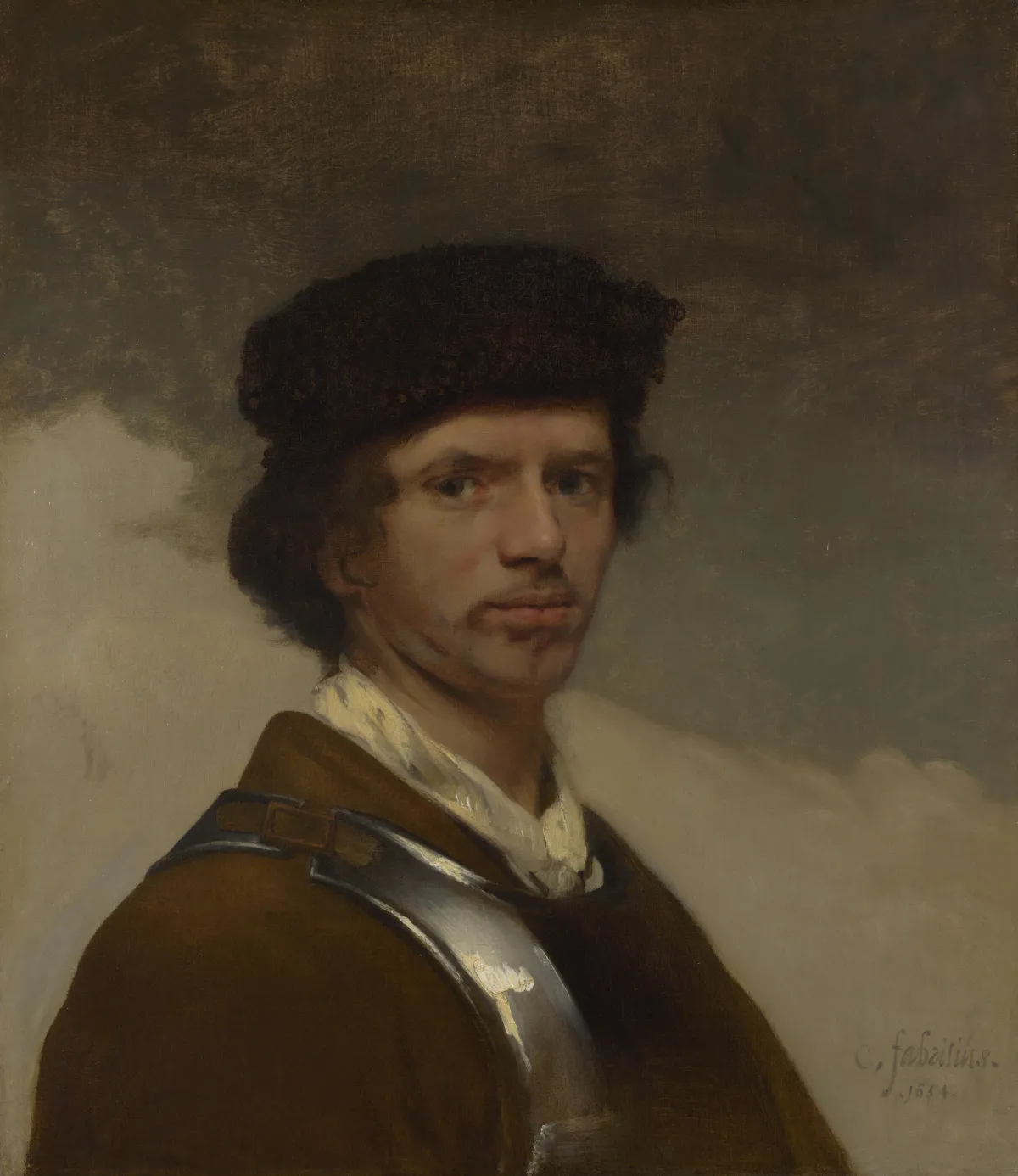
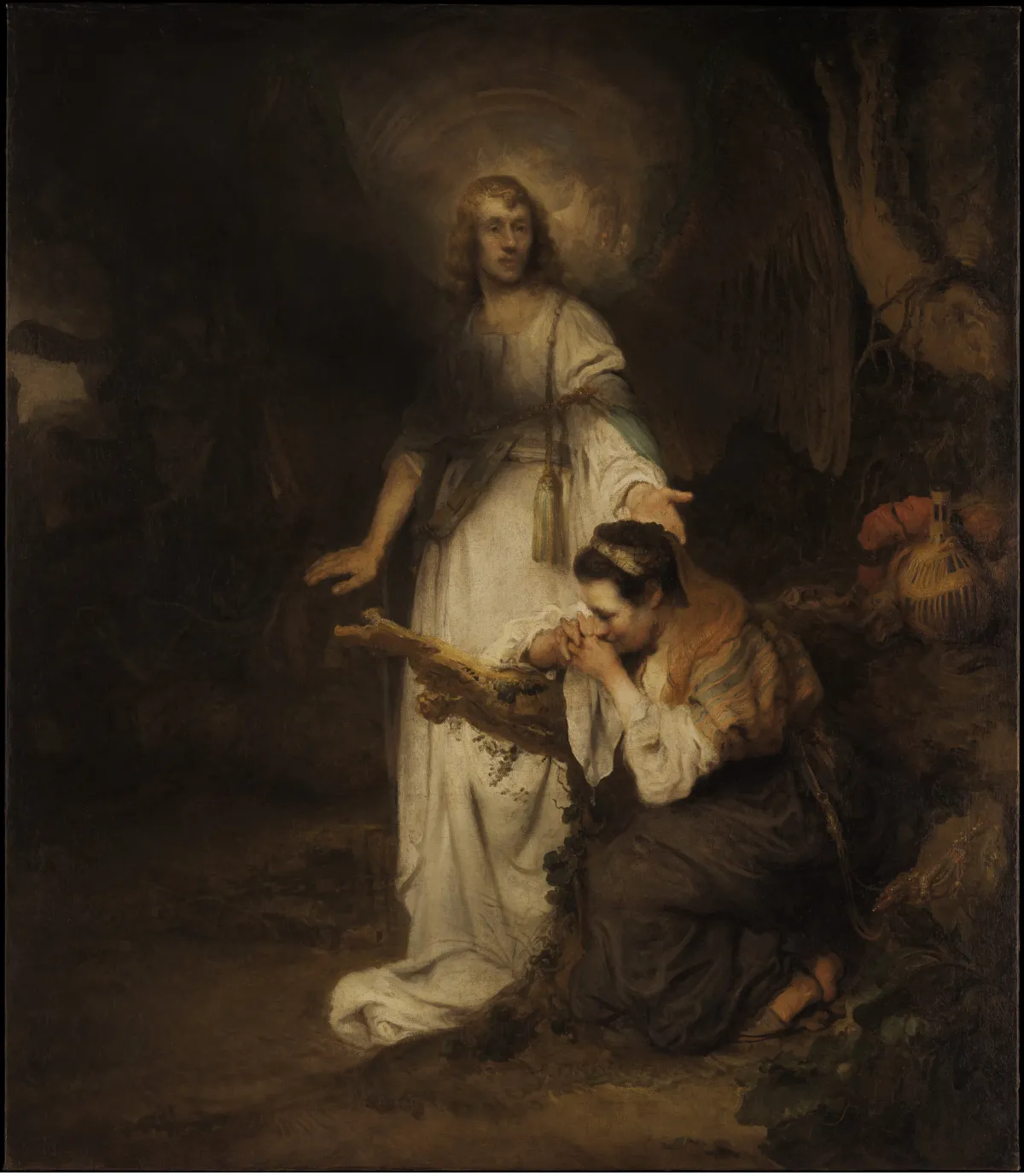
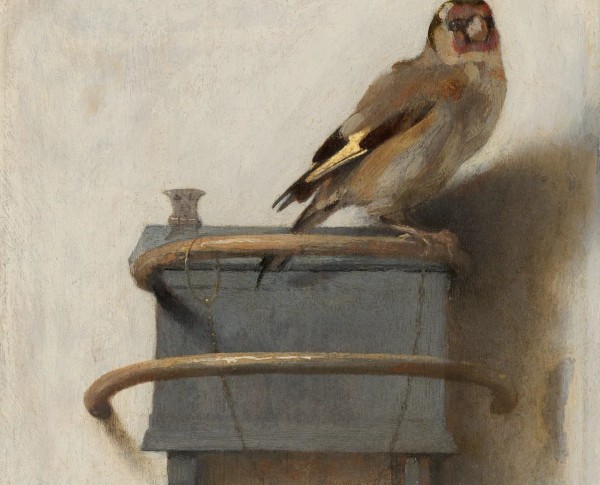
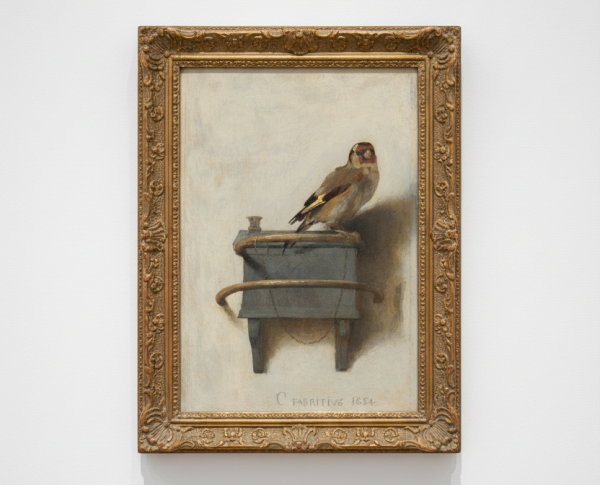
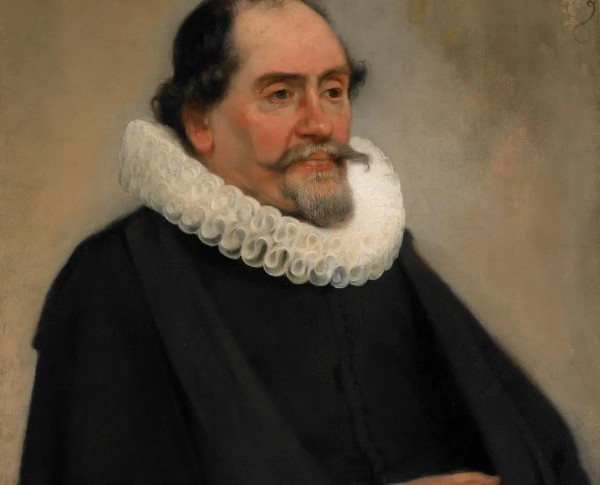
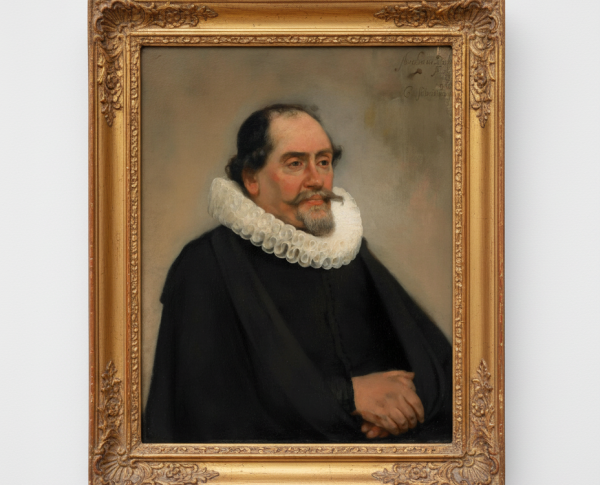
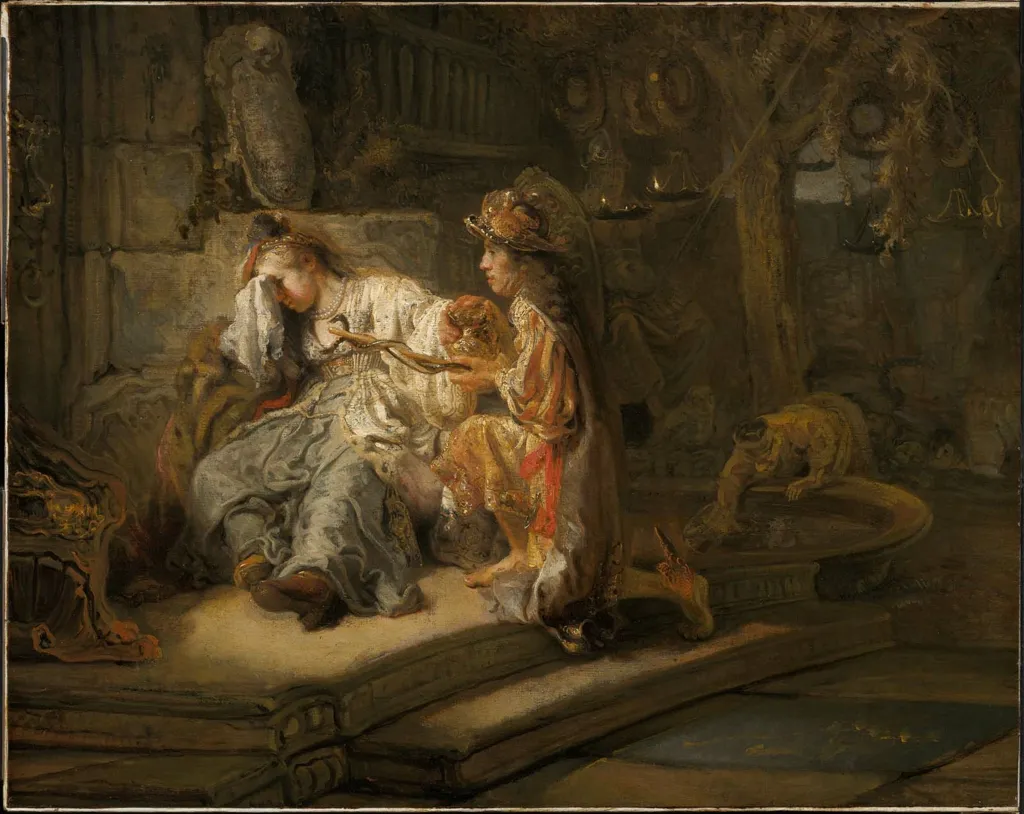
The "Mercury and Aglauros" oil on canvas reveals Fabritius’s exceptional technique and attention to detail. His brushwork captures the subtle interplay of light and shadow, a hallmark of Dutch Golden Age artistry. The painting’s composition demonstrates his command over perspective and depth, inviting the viewer into the mythological scene. Similar sophistication can be found in Fabritius’s "Young Man in a Fur Cap" and "Hagar and the Angel," both exemplary oil on canvas works.
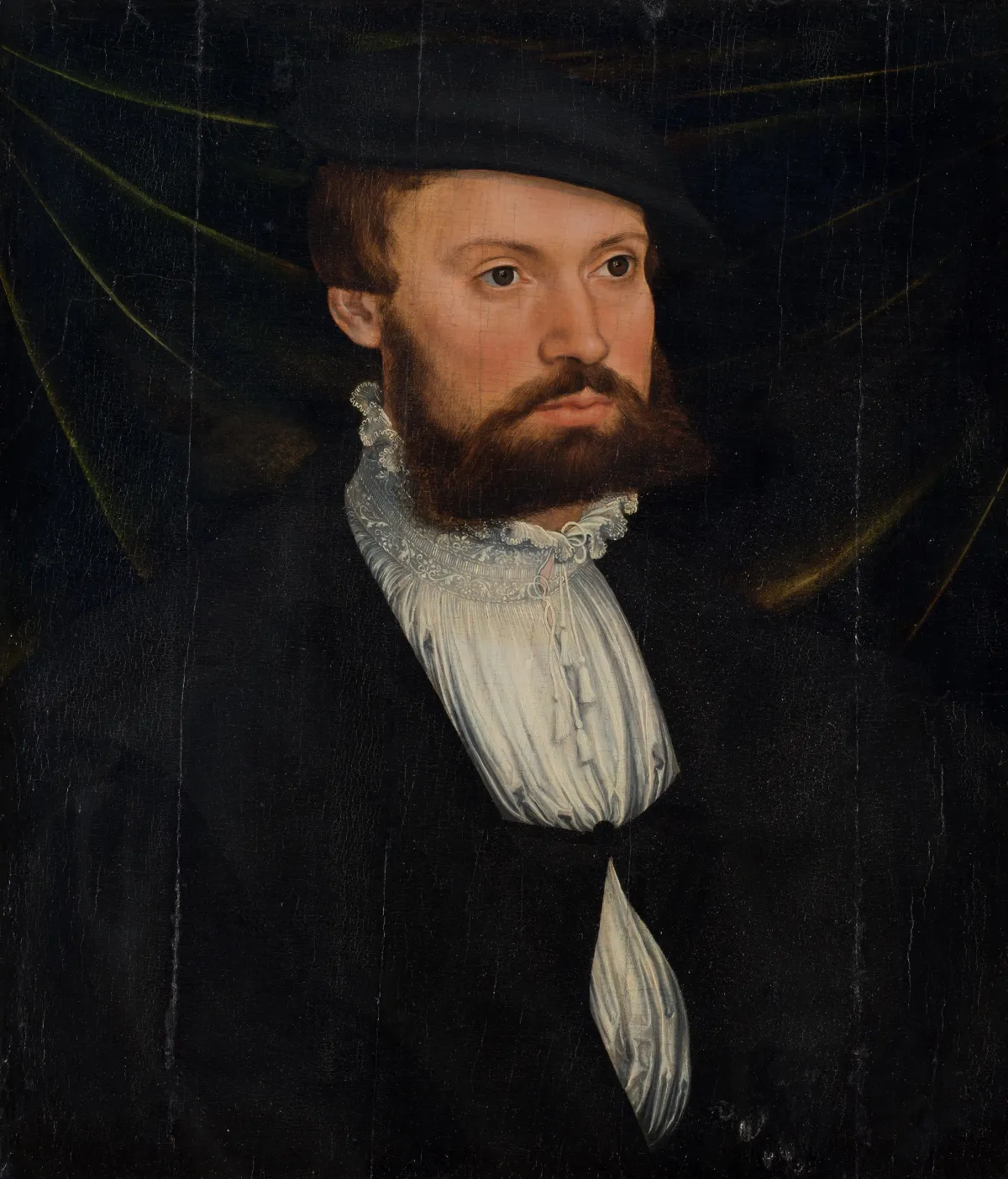
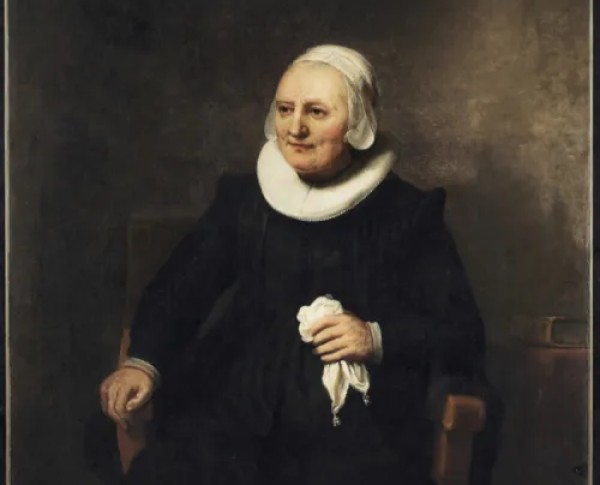
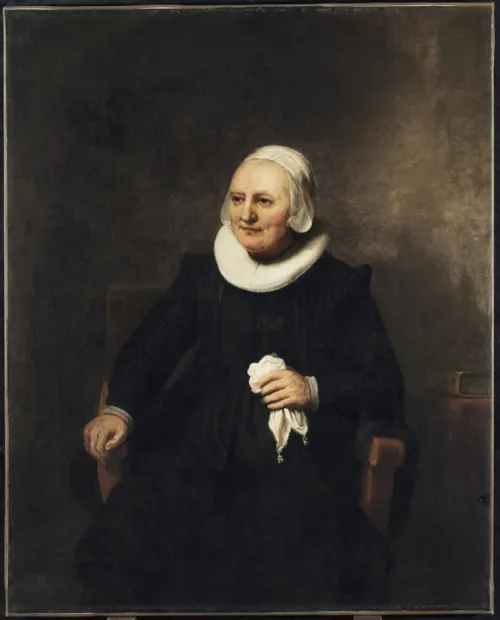
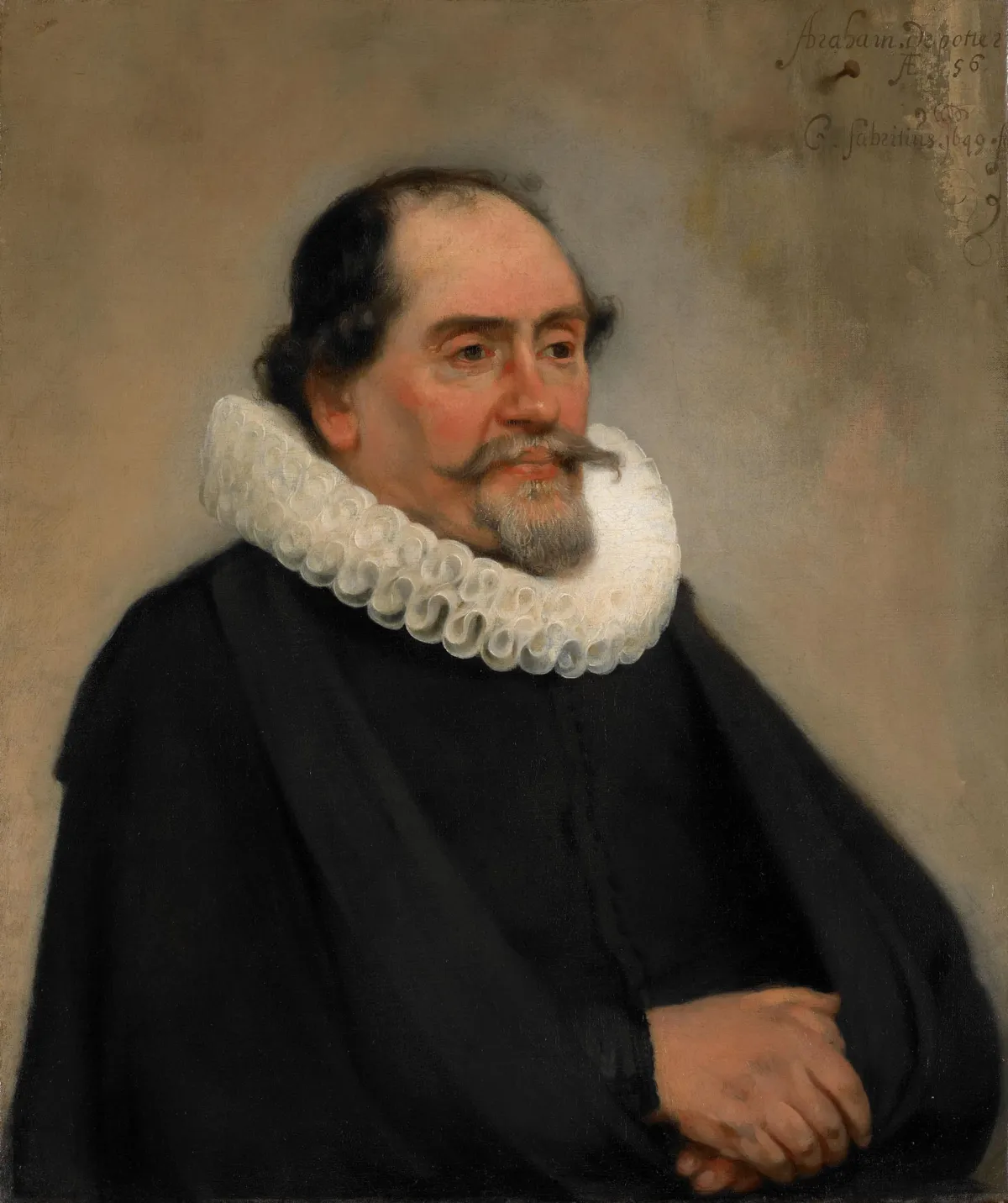
"Mercury and Aglauros" is rich in allegorical meaning, drawing on classical mythology to explore themes of jealousy and transformation. Fabritius’s fine art painting for sale offers viewers a narrative layered with symbolism, from Mercury’s cunning to Aglauros’s tragic fate. The Dutch Golden Age movement often featured such storytelling, and this painting aligns with that tradition. Other symbolic works by Fabritius include "Portrait of Abraham de Potter" and "Portrait of a young student."
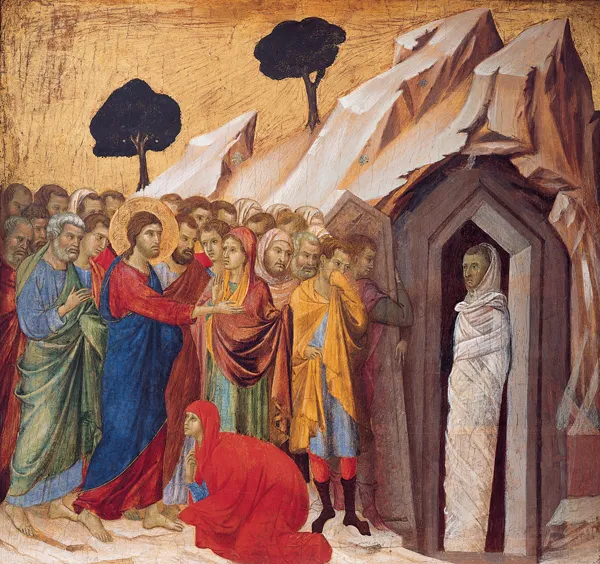
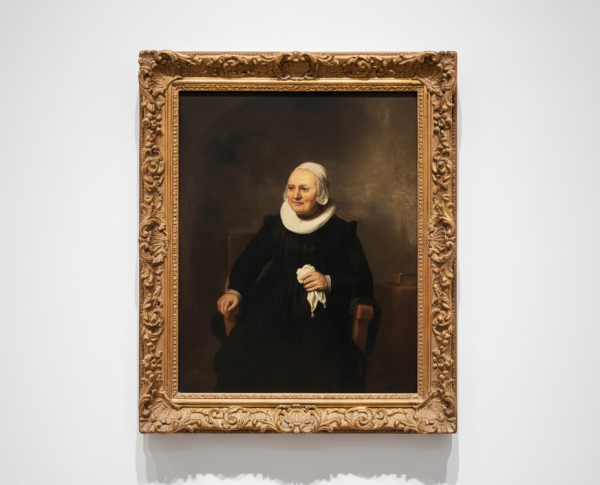
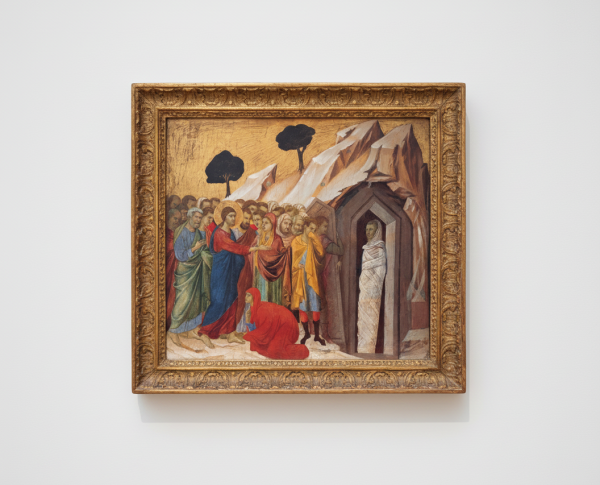
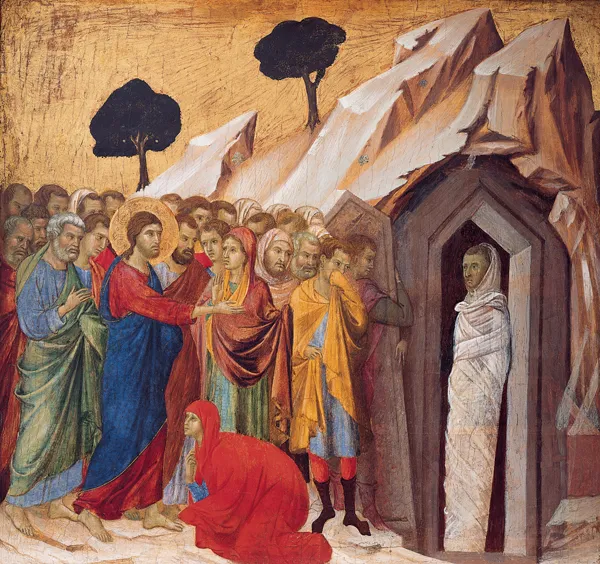
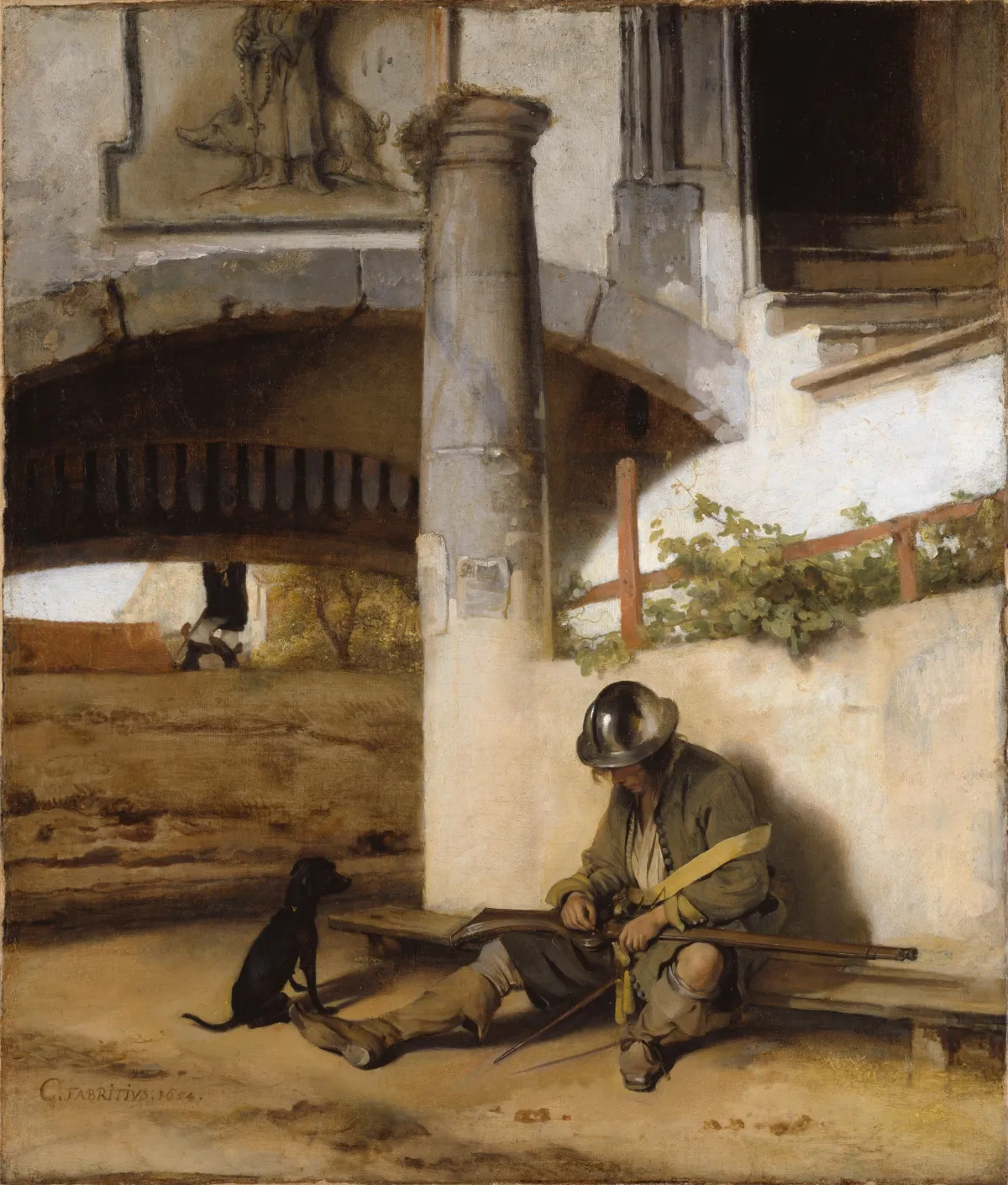
Owning a piece like "Mercury and Aglauros" means possessing a significant chapter of Dutch Golden Age history. This hand-painted oil painting is highly sought after by collectors for its rarity and artistry. Fabritius’s works, including related products such as "The Raising of Lazarus" and "The Sentry," are prized additions to any collection. Investing in such masterpieces ensures a lasting legacy and a connection to the golden era of fine art painting for sale.
When Art Meets History
"Mercury and Aglauros" by Carel Fabritius stands as a remarkable example from the Dutch Golden Age. This hand-painted oil painting captures a mythological moment with the finesse characteristic of Fabritius. The era boasted other masterpieces like "The Procuress" and "The Astronomer c. 1668," reflecting the period’s fascination with narrative and symbolism. As part of the Dutch Golden Age movement, this work bridges history and legend, making it a centerpiece for any collection of classic art.
Techniques That Speak
Carel Fabritius’s mastery is evident in his use of oil on canvas, a medium favored by Dutch Golden Age artists. The painting showcases refined brushwork and dramatic lighting, echoing techniques seen in related works such as "The Love Letter" and "The Little Street." Fabritius’s attention to detail and depth brings the mythological figures to life, while his innovative composition techniques set "Mercury and Aglauros" apart as a testament to the movement’s technical brilliance.
Emotions on Display
In "Mercury and Aglauros," Carel Fabritius conveys intense emotion through subtle gestures and expressions, a hallmark of fine art painting for sale from the Dutch Golden Age. The characters’ interactions evoke themes of desire and consequence, drawing viewers into the narrative. Similar emotional depth can be found in related paintings like "The Astronomer" and "The Procuress," further illustrating the era’s focus on psychological complexity and storytelling within visual art.
Coveted by Collectors
As a notable piece by Carel Fabritius, "Mercury and Aglauros" remains highly sought after among collectors of Dutch Golden Age works. Its historical significance and artistic excellence make it a prized oil on canvas, comparable to masterpieces such as "The Love Letter" and "The Little Street." Collectors value these paintings for their craftsmanship and the rich stories they encapsulate, ensuring their enduring appeal in the world of fine art.
Related Dutch Golden Age Hand-Painted Oil Paintings by Other Artists
Other Famous Dutch Golden Age Artists:
Frequently Asked Questions About Mercury and Aglauros
What is the historical context of "Mercury and Aglauros"?
"Mercury and Aglauros" was painted by Carel Fabritius in the mid-17th century, a period marked by the Dutch Golden Age, which saw significant advancements in art, science, and culture. This painting reflects the era's interest in mythology and allegory.
Who was Carel Fabritius and what is his significance in art history?
Carel Fabritius was a Dutch painter and a student of Rembrandt, known for his innovative use of light and color. His works, including "Mercury and Aglauros," showcase his unique style that bridges the gap between the Baroque and the emerging Dutch realism.
What mythological story does "Mercury and Aglauros" depict?
The painting illustrates the myth of Mercury, the messenger god, and Aglauros, a mortal woman. The narrative revolves around themes of love, jealousy, and transformation, highlighting the complexities of human emotions in relation to divine intervention.
What artistic techniques did Fabritius employ in this painting?
Fabritius utilized chiaroscuro to create depth and dimension, along with a vibrant color palette that enhances the emotional intensity of the scene. His attention to detail and innovative brushwork contribute to the painting's dynamic composition.
What is the significance of the figures in the painting?
The figures of Mercury and Aglauros symbolize the intersection of the divine and the mortal. Mercury represents communication and transition, while Aglauros embodies human vulnerability and the consequences of jealousy, reflecting the moral lessons inherent in mythology.
How does "Mercury and Aglauros" reflect the themes of the Dutch Golden Age?
The painting encapsulates the Dutch Golden Age's fascination with classical themes and human emotion. It showcases the era's artistic mastery while also engaging with philosophical and moral questions prevalent in society at the time.
What role does light play in "Mercury and Aglauros"?
Light serves as a crucial element in the painting, guiding the viewer's eye and emphasizing the emotional states of the characters. Fabritius's manipulation of light creates a sense of realism and enhances the narrative tension between the figures.
What are the symbolic elements present in the painting?
Symbolism in "Mercury and Aglauros" includes Mercury's caduceus, representing communication and negotiation, and Aglauros's posture, which conveys her emotional turmoil. These elements enrich the narrative and invite deeper interpretation of the characters' motivations.
How does the composition of the painting affect its interpretation?
The composition, with its dynamic arrangement of figures and use of space, creates a sense of movement and tension. This arrangement encourages viewers to engage with the emotional undercurrents of the scene, prompting reflection on the themes of love and jealousy.
What impact did "Mercury and Aglauros" have on subsequent artists?
The painting influenced later artists by demonstrating the power of mythological themes and emotional depth in visual storytelling. Fabritius's innovative techniques and narrative approach paved the way for future explorations of similar subjects in art.






















_GFM_Painting_(1).webp)


 100% Hand-Painted: Finished in 3-6 Weeks

.png)















_(1).webp)