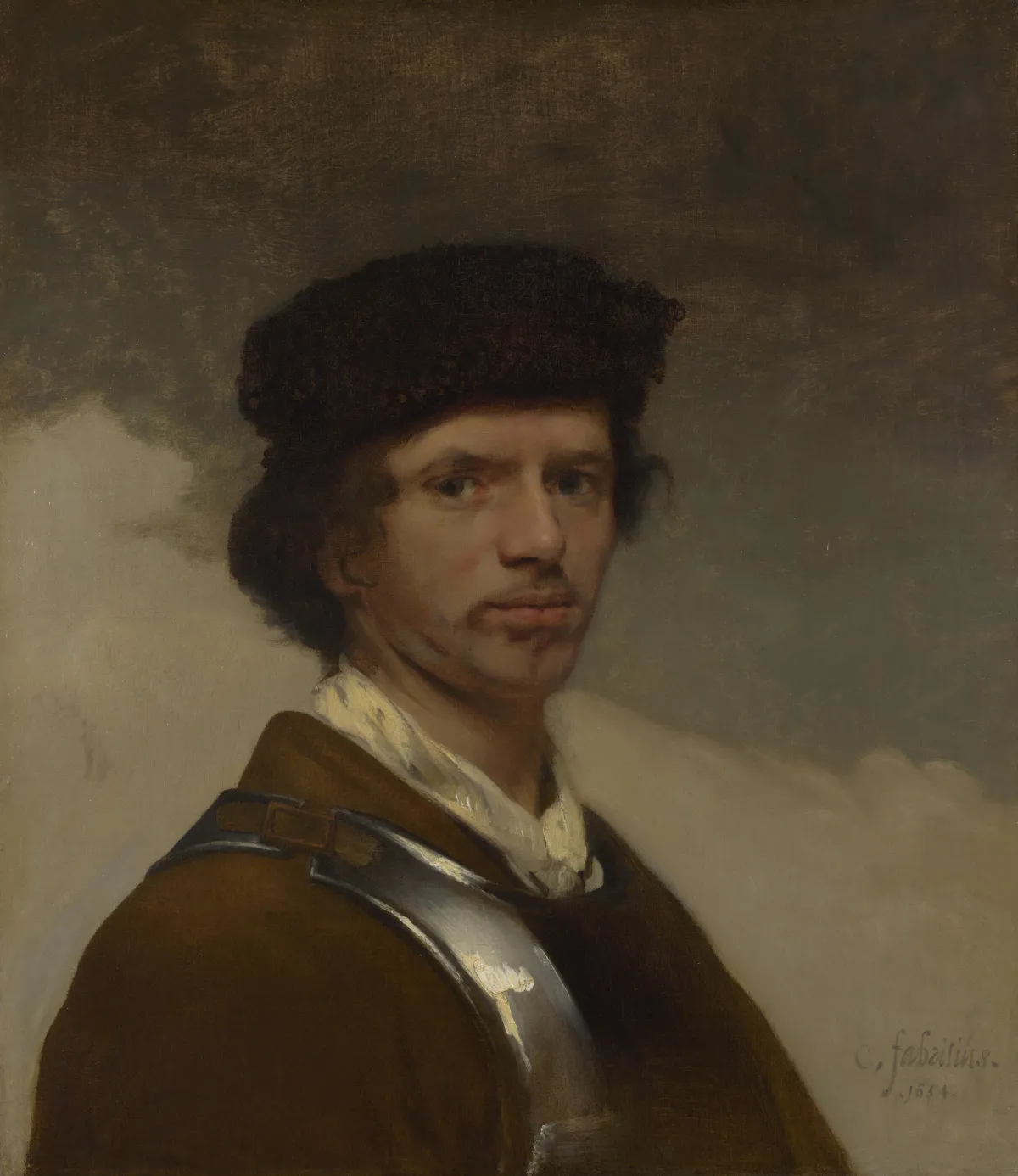
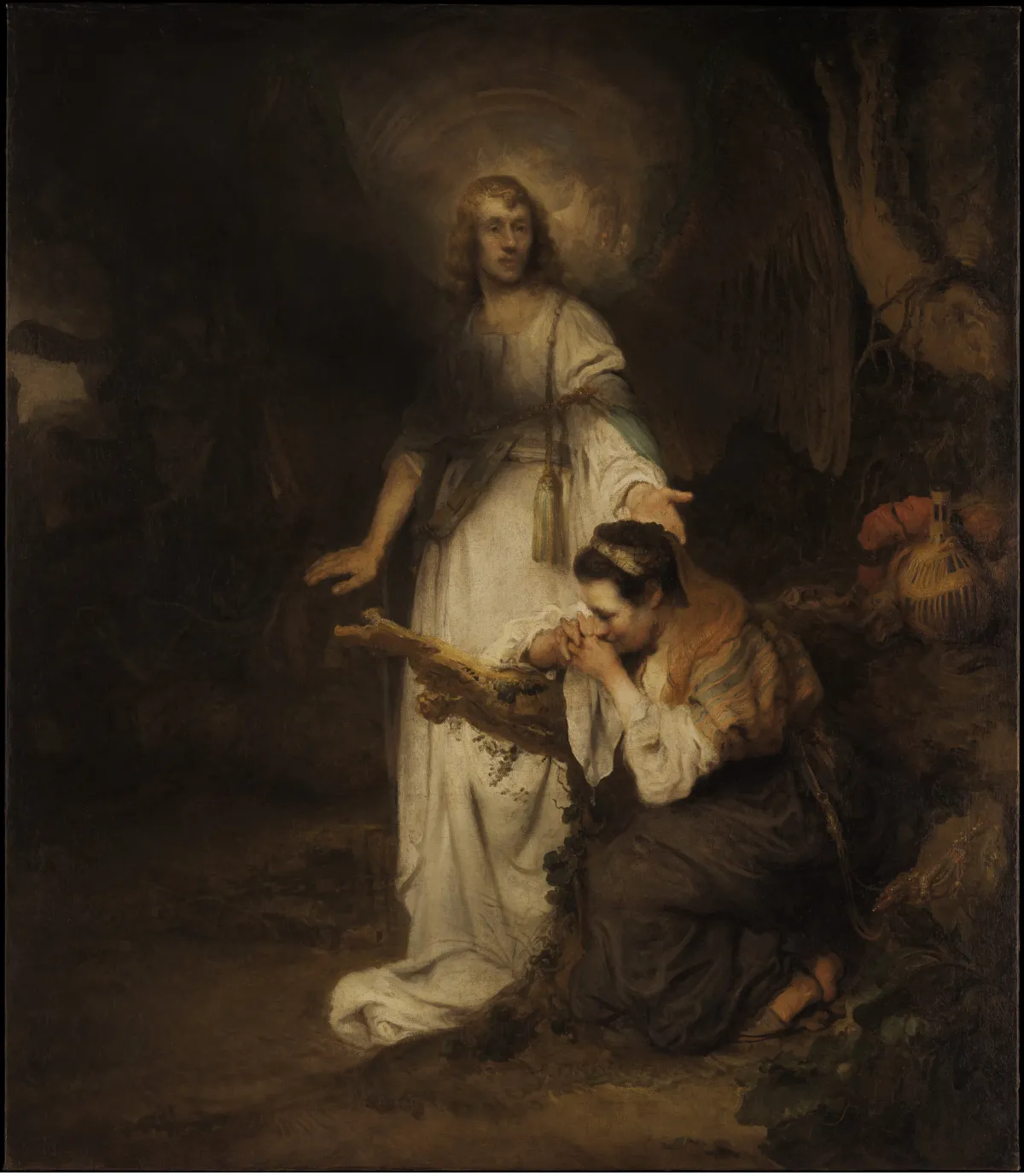
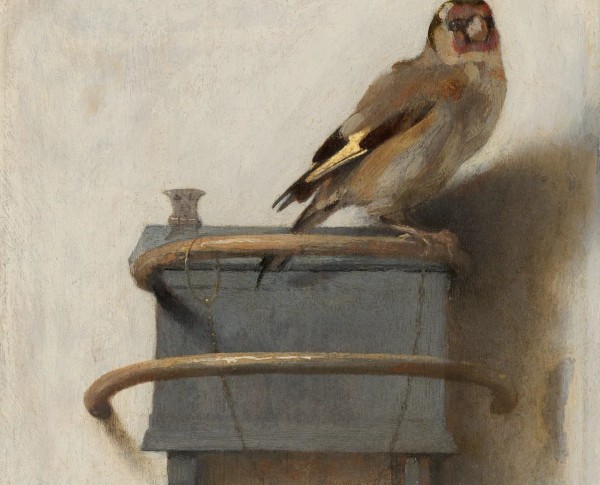
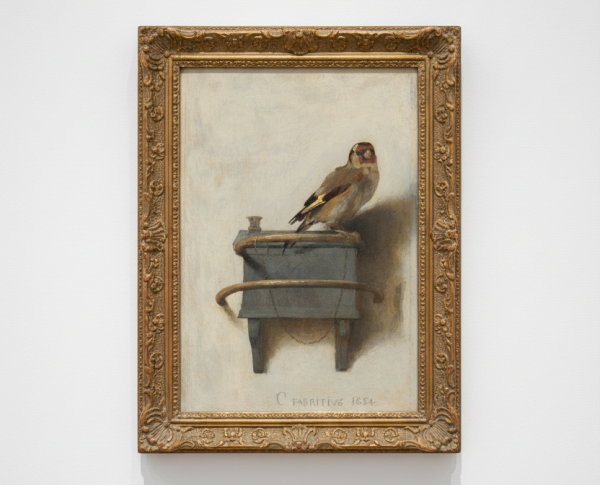
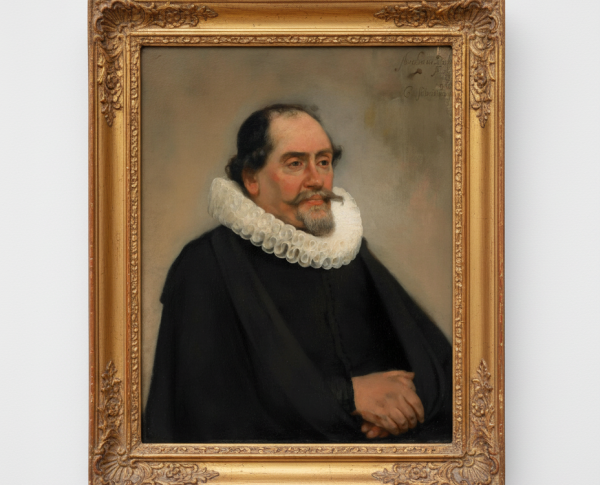
Fabritius’s expertise shines through each detail in this oil on canvas, displaying his mastery of light, texture, and expressive character. The painting’s subtle color palette and intricate brushwork are hallmarks of Dutch Golden Age technique, making it a standout among works like "Head of an Old Man" and "Young Man in a Fur Cap." If you admire classic technique, this oil on canvas offers an unparalleled viewing experience for any fine art connoisseur.
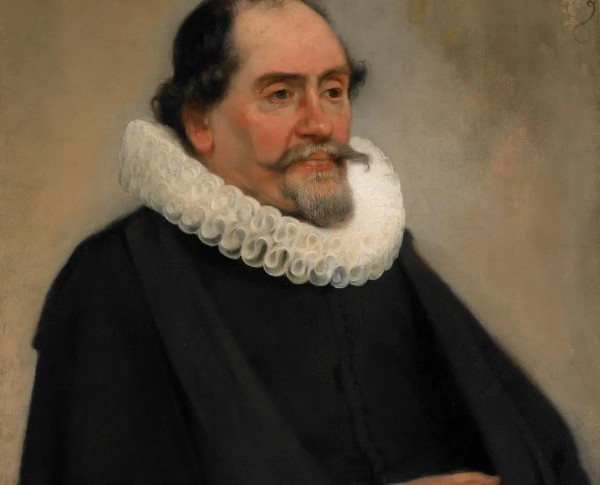
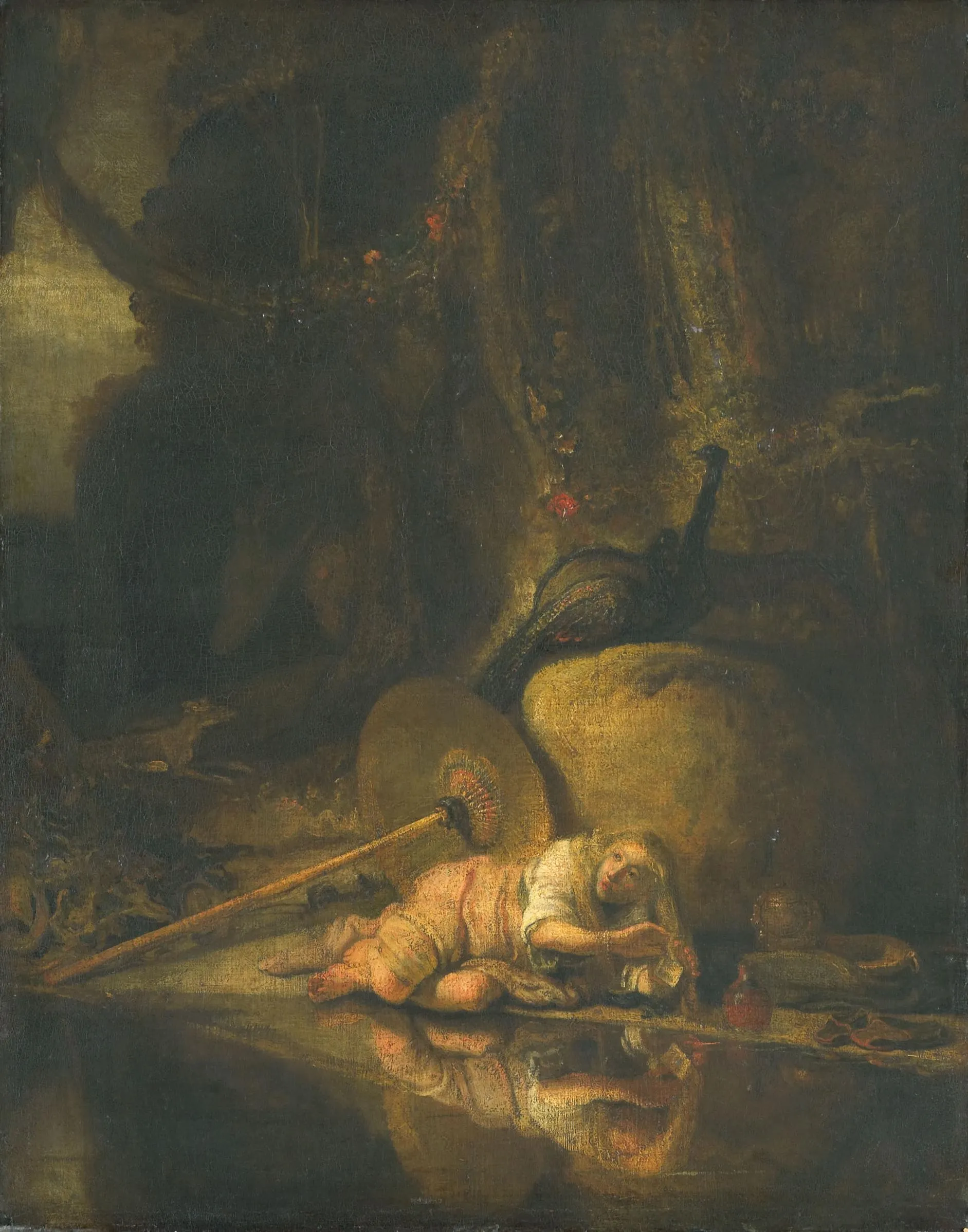
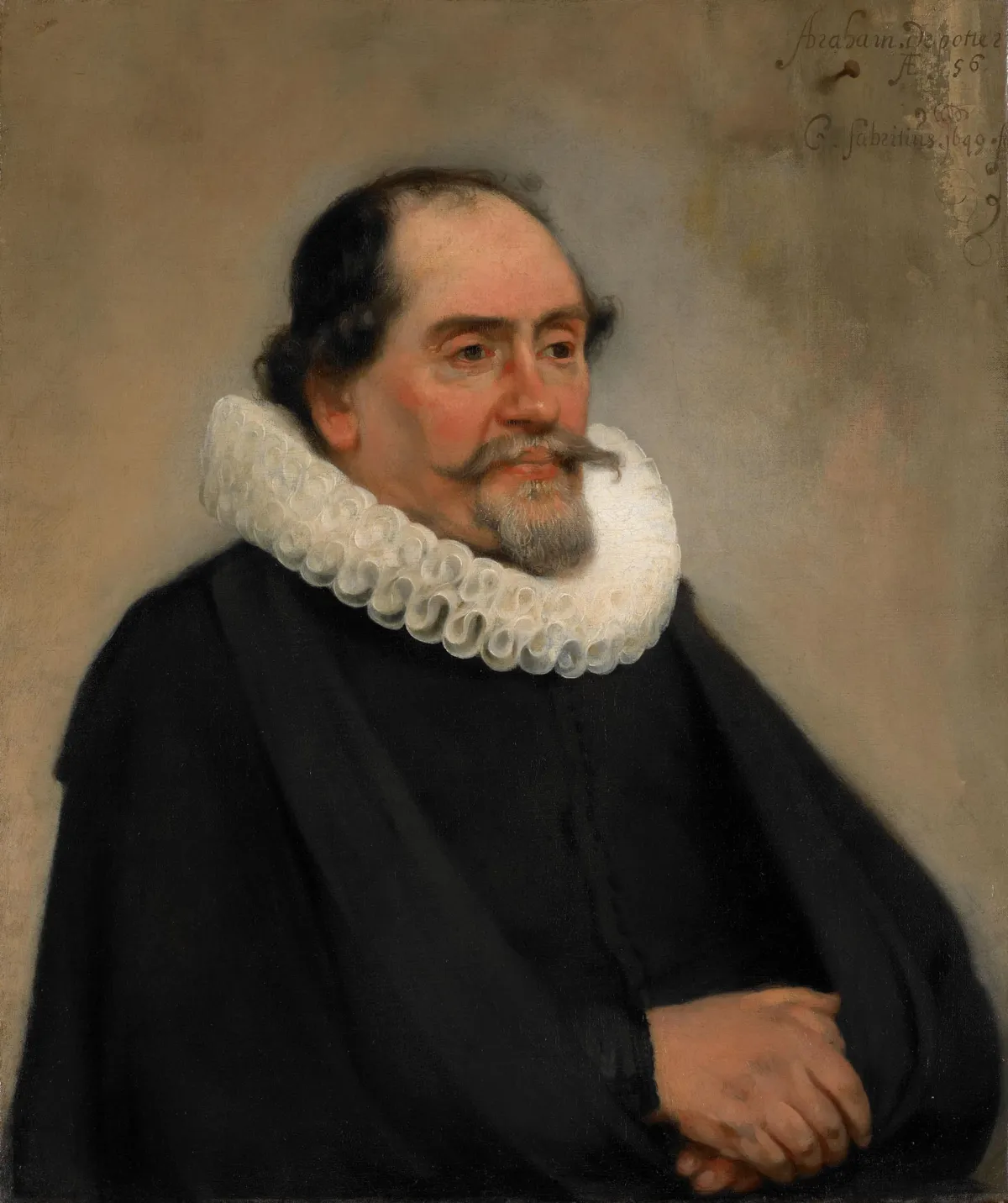
"Hera Hiding During The Battle Of The Gods And Giants" weaves mythological narrative with symbolic elements, a signature of Carel Fabritius’s storytelling. The goddess’s concealed presence amidst chaos hints at themes of power and vulnerability. This fine art painting for sale invites comparison with other narrative-rich works such as "Abraham De Potter" and "Hera hiding during the battle between the gods and the giants," capturing the imagination of art lovers and collectors alike.
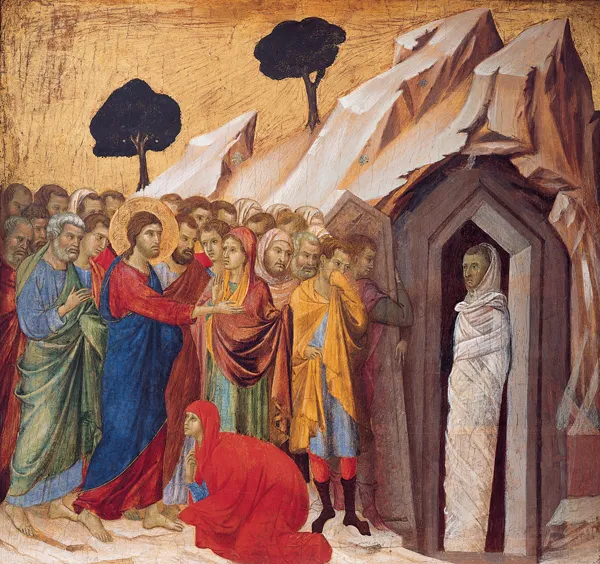
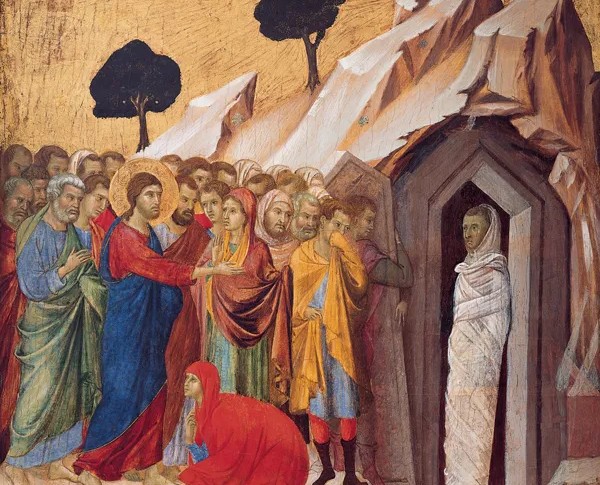
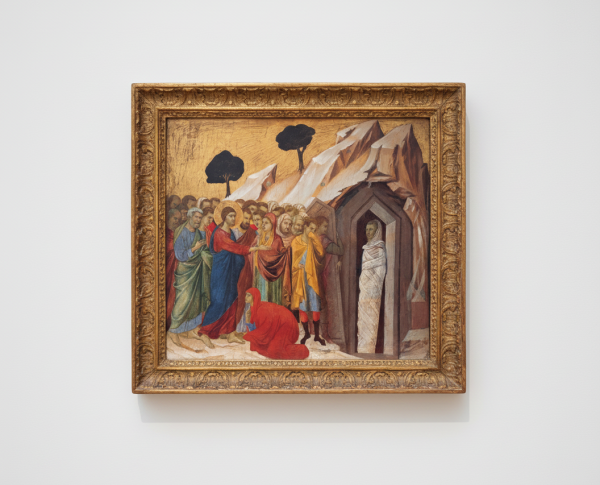
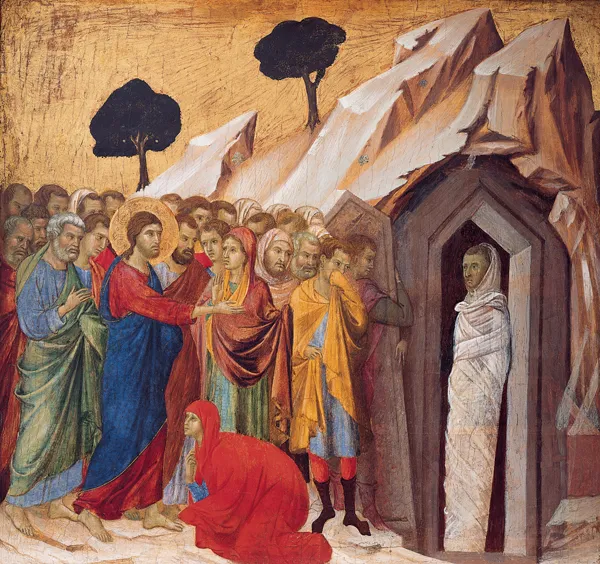
Owning a fine art painting for sale from the Dutch Golden Age, especially by Carel Fabritius, is a rare opportunity. "Hera Hiding During The Battle Of The Gods And Giants" enriches any collection with its historical significance and artistic brilliance. Consider pairing it with related masterpieces—like "Young Man in a Fur Cap" or "The Raising of Lazarus"—to create a distinguished gallery that celebrates the genius of this era’s oil on canvas works.
When Art Meets History
Carel Fabritius’ masterpiece, "Hera Hiding During The Battle Of The Gods And Giants," captures a dramatic mythological moment within the Dutch Golden Age movement. This hand-painted oil painting immerses viewers in a pivotal scene from ancient lore, blending historical narrative with artistic innovation. Fabritius, renowned for his storytelling through art, shares thematic ties with related works like "The Astronomer c. 1668" and "Saint Praxedis," making this piece a testament to the era’s fascination with myth and legend.
Techniques That Speak
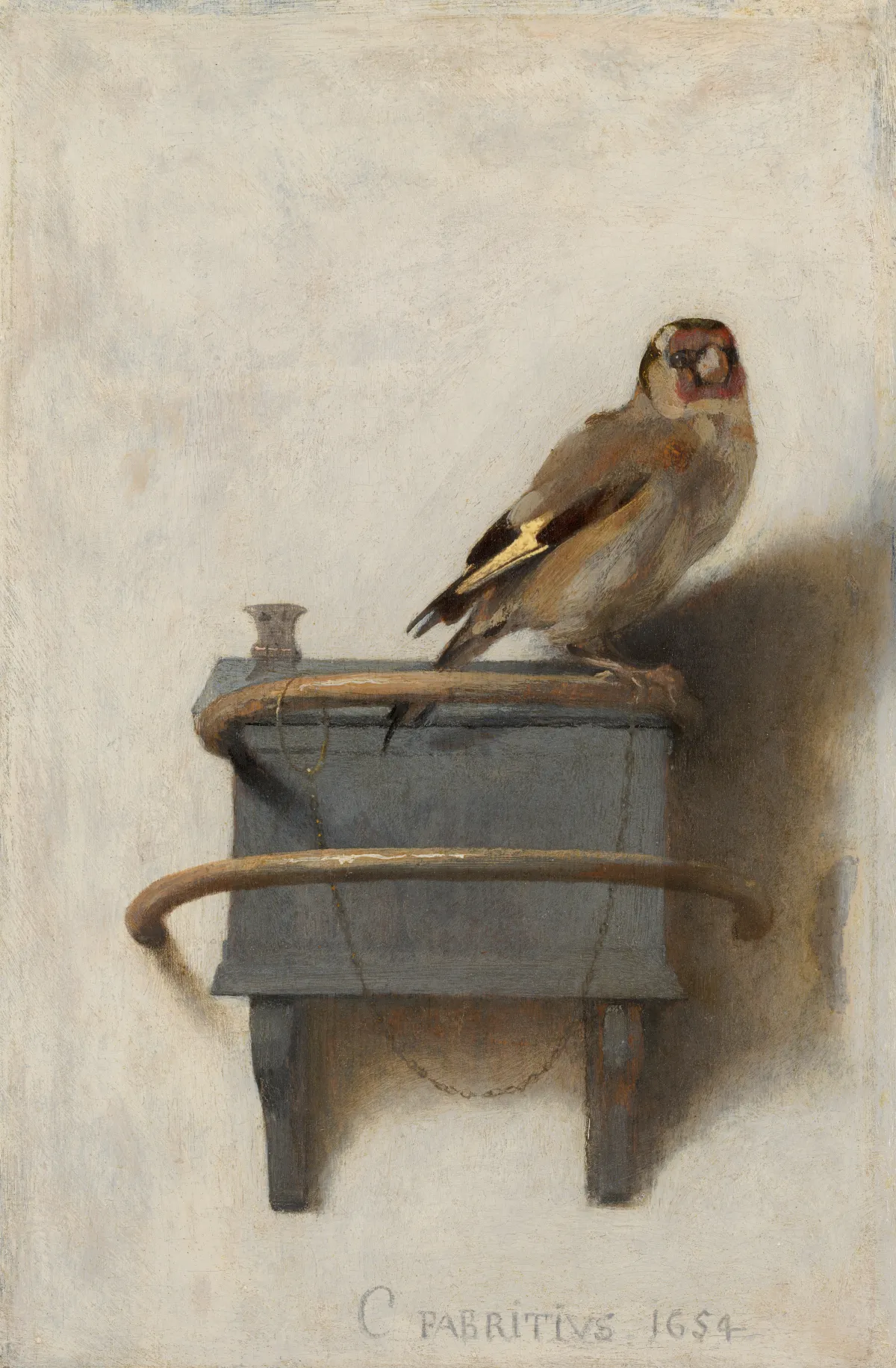
Employing the refined methods of the Dutch Golden Age, Carel Fabritius uses oil on canvas to create luminous textures and nuanced lighting in "Hera Hiding During The Battle Of The Gods And Giants." His delicate brushwork and mastery of chiaroscuro bring depth and realism to the mythic scene. Similar technical brilliance can be found in "The Wine Glass" and "The Little Street," illustrating how Fabritius and his contemporaries elevated the craft of oil painting to new heights.
Emotions on Display
In "Hera Hiding During The Battle Of The Gods And Giants," Fabritius conveys Hera’s anxiety and vulnerability with remarkable sensitivity. The viewer is drawn into the goddess’s turmoil, echoing the emotional intensity found in works like "Christ In The Storm On The Sea Of Galilee." This fine art painting for sale stands out for its ability to evoke empathy, demonstrating Fabritius’s skill in translating complex emotions onto the canvas, a hallmark of the Dutch Golden Age movement.
Coveted by Collectors
As a distinguished example of Dutch Golden Age artistry, "Hera Hiding During The Battle Of The Gods And Giants" by Carel Fabritius is highly sought after by collectors worldwide. Its historical significance and artistic excellence make it a prized acquisition, much like "The Astronomer c. 1668" and "Saint Praxedis." Collectors appreciate the unique narrative and technical mastery embodied in this oil on canvas, ensuring its lasting value among fine art painting for sale.
Related Dutch Golden Age Hand-Painted Oil Paintings by Other Artists
Other Famous Dutch Golden Age Artists:
Frequently Asked Questions About Hera Hiding During The Battle Of The Gods And Giants
What historical context influenced Carel Fabritius in creating this painting?
Carel Fabritius was influenced by the Baroque period, which emphasized dramatic narratives and emotional intensity. The painting reflects the tumultuous themes of mythology prevalent in 17th-century Dutch art, particularly the conflict between gods and giants.
What is the significance of Hera's portrayal in this artwork?
Hera, the queen of the gods, is depicted in a moment of vulnerability, symbolizing the complexities of power and femininity. Her hiding during the battle suggests themes of protection and the duality of strength and fragility in female figures within mythology.
How does Fabritius use color to convey emotion in this painting?
Fabritius employs a muted color palette with strategic highlights to evoke a sense of tension and drama. The contrast between light and shadow enhances the emotional weight of the scene, drawing attention to Hera's expression and the chaos of the battle.
What artistic techniques did Carel Fabritius utilize in this painting?
Fabritius is known for his innovative use of light and shadow, often referred to as chiaroscuro. In this painting, he skillfully blends these techniques to create depth and realism, enhancing the three-dimensionality of the figures and the intensity of the scene.
What symbolic meanings are associated with the battle between gods and giants?
The battle represents the eternal struggle between order and chaos, with the gods symbolizing civilization and the giants embodying primal forces. This theme reflects broader philosophical questions about power, morality, and the human condition.
In what ways does this painting reflect the influence of other artists of the time?
Fabritius was influenced by Rembrandt and other Dutch masters, particularly in his use of light and emotional depth. The dramatic composition and mythological subject matter also align with the trends of his contemporaries, showcasing the shared artistic language of the period.
What role does mythology play in the interpretation of this painting?
Mythology serves as a rich narrative framework that allows viewers to explore themes of heroism, conflict, and divine intervention. Hera's hiding can be interpreted as a commentary on the complexities of divine relationships and the human experience of fear and courage.
How does the composition of the painting affect its overall impact?
The composition is carefully structured to draw the viewer's eye toward Hera, creating a focal point amidst the chaos of battle. This arrangement not only emphasizes her emotional state but also enhances the dramatic tension of the scene, making it more engaging.
What is the significance of the title "Hera Hiding During The Battle Of The Gods And Giants"?
The title encapsulates the central theme of the painting, highlighting Hera's moment of retreat in the face of conflict. It invites viewers to consider the implications of her actions and the broader narrative of divine struggles, thus deepening the interpretative layers of the work.
How does this painting contribute to our understanding of 17th-century Dutch art?
This painting exemplifies the fusion of mythological themes with the technical mastery characteristic of 17th-century Dutch art. It reflects the era's fascination with storytelling through visual means, showcasing how artists like Fabritius navigated complex narratives while innovating in their artistic techniques.






















_GFM_Painting_(1).webp)


 100% Hand-Painted: Finished in 3-6 Weeks

.png)















_(1).webp)