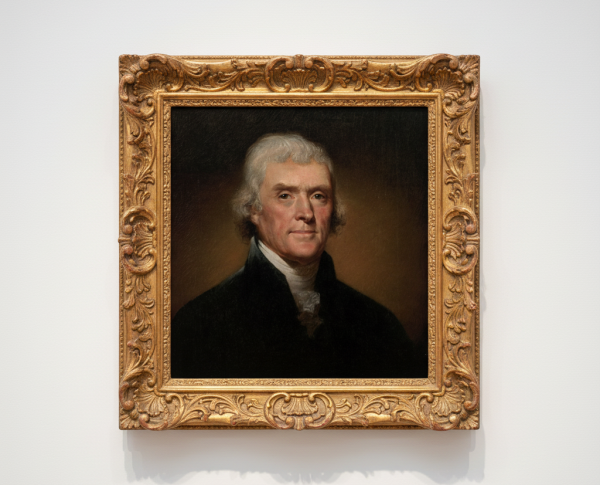
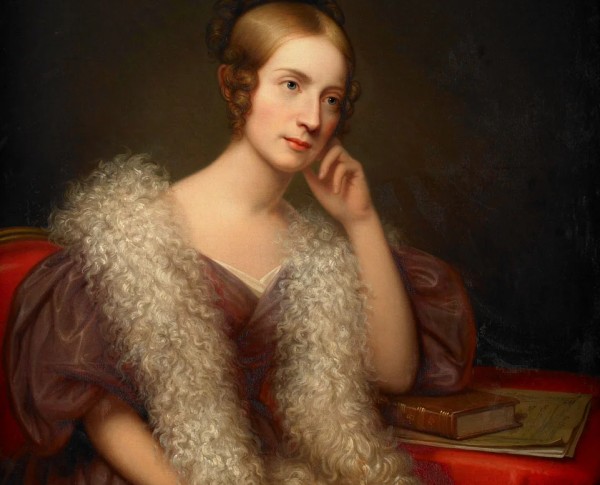
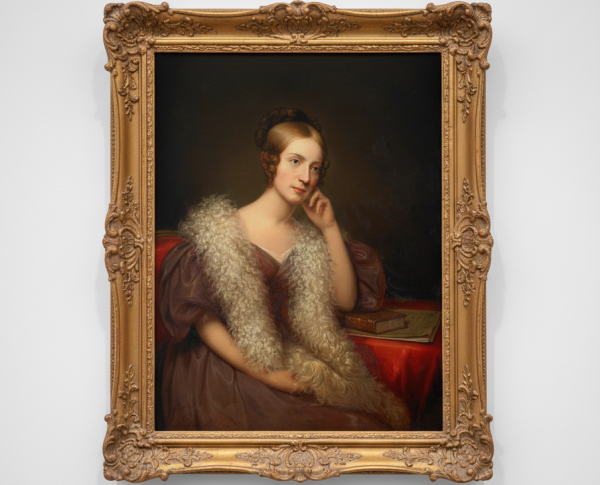
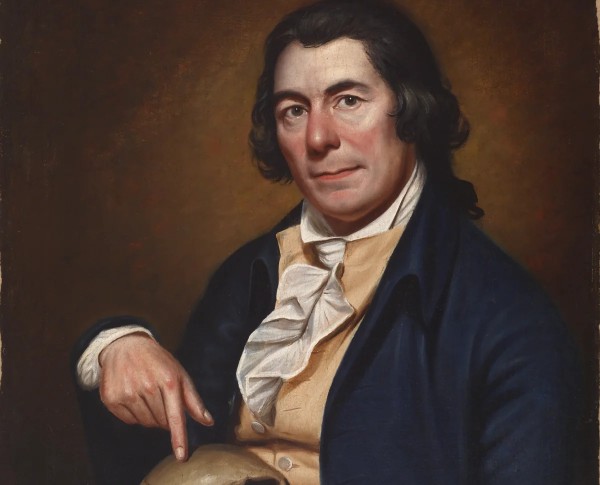
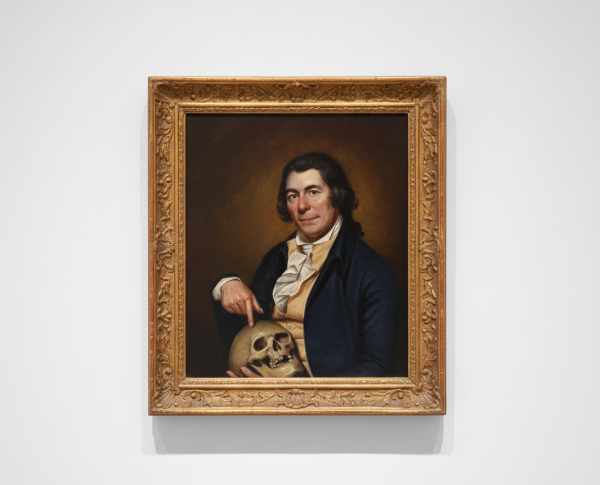
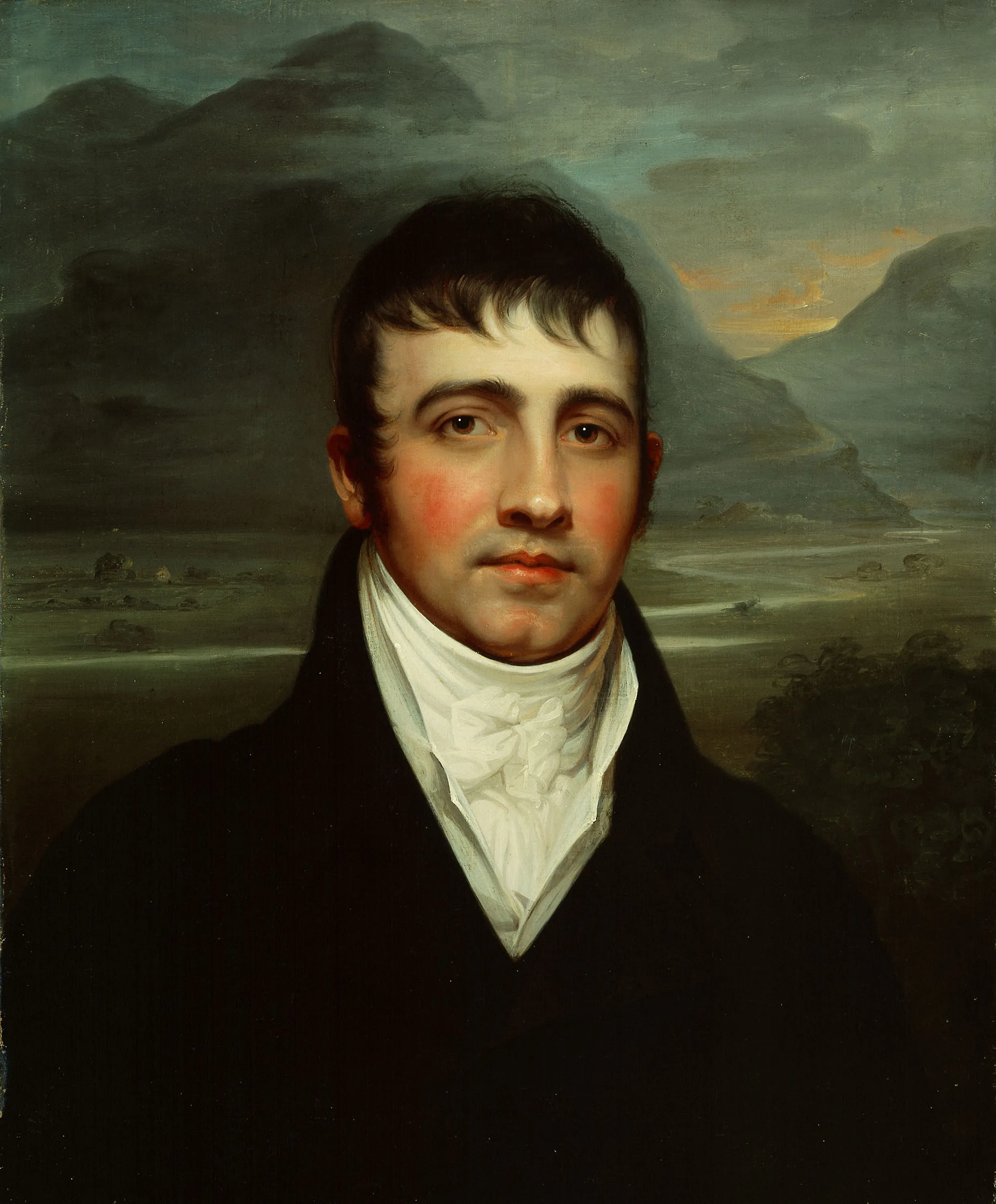
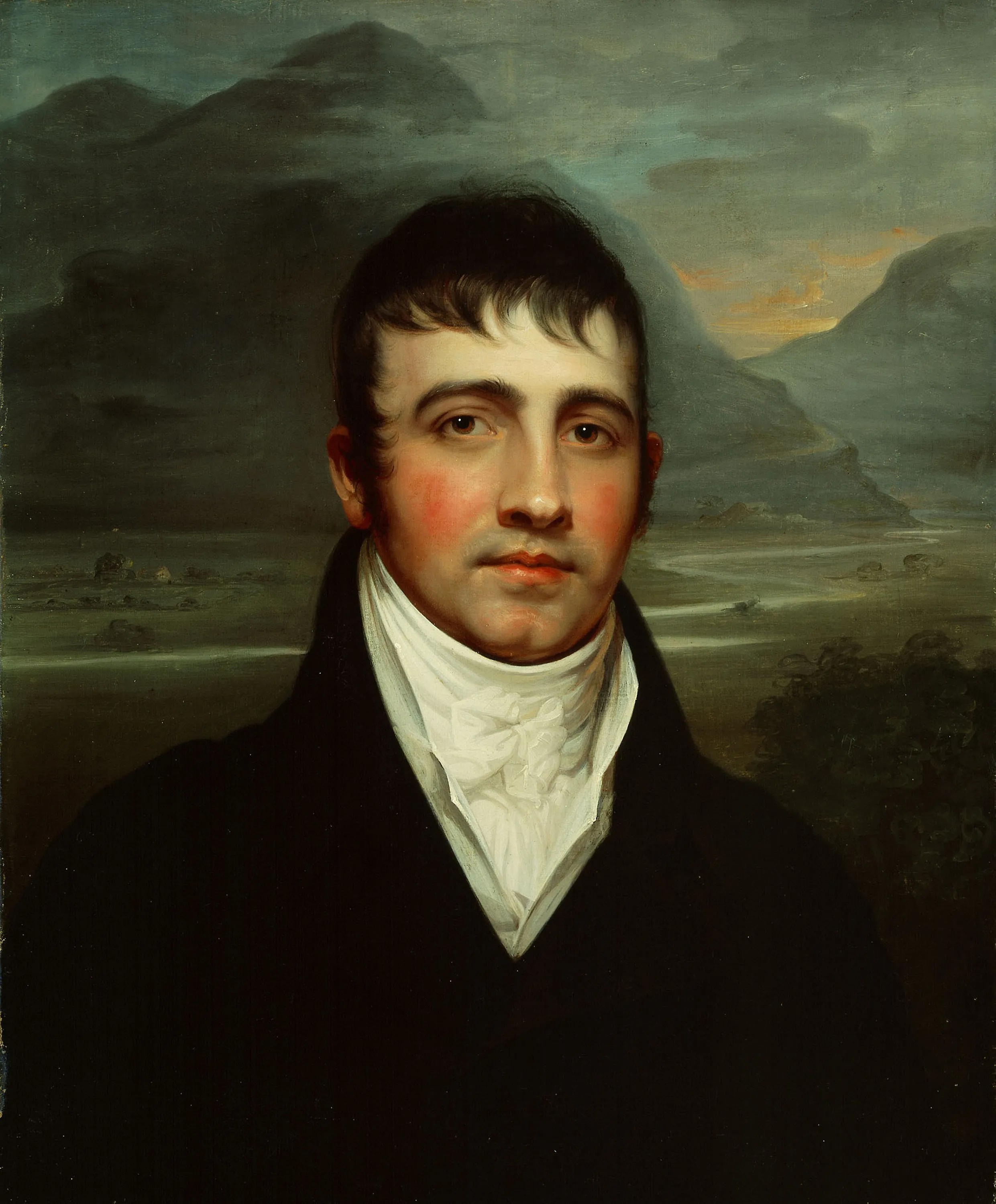
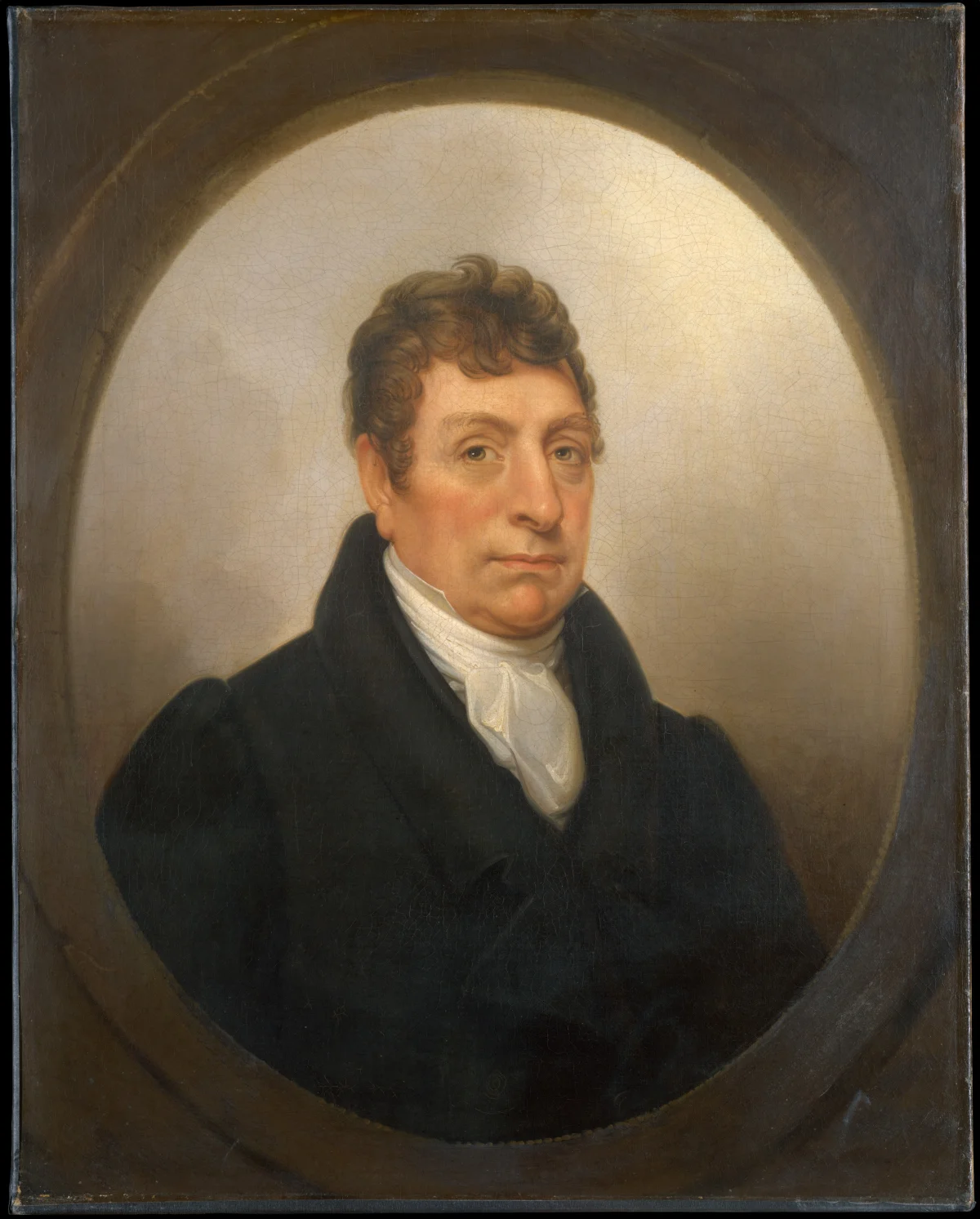
Rembrandt Peale’s expert technique is evident in every detail of "Samuel Fisher Bradford." The oil on canvas medium allows for intricate textures and lifelike depth, characteristic of the Neo-Classical movement’s pursuit of realism and harmony. This work shares its distinguished style with related pieces like Caroline Louisa Pratt Bartlett and Portrait of Thomas Jefferson, making it an essential addition for collectors who value technical skill and historical significance in oil on canvas portraits.
Every element in "Samuel Fisher Bradford" tells a story, from the sitter’s composed expression to the subtle background details. Rembrandt Peale infuses symbolic meaning into his hand-painted oil painting, reflecting the intellectual pursuits and social standing of Bradford. The Neo-Classical movement’s influence is clear in the painting’s balanced composition. Collectors interested in fine art painting for sale will find similar narrative richness in works such as Portrait of Dr. Meer and The Marquis de Lafayette.
Owning "Samuel Fisher Bradford" by Rembrandt Peale is a privilege for any art enthusiast, especially those passionate about Neo-Classical portraiture. This oil on canvas masterpiece not only exemplifies Peale’s artistry but also complements collections that include Portrait En Buste De Trois-quart À La Mode Du Début Du Xixeme Siècle and The Marquis de Lafayette. For those seeking a fine art painting for sale, this work represents a blend of historical importance and timeless beauty.
When Art Meets History
"Samuel Fisher Bradford" by Rembrandt Peale stands as a testament to the Neo-Classical movement's reverence for historical narratives and refined portraiture. This hand-painted oil painting captures not only the likeness of its subject but also the era's intellectual spirit. Peale, renowned for works like "Anton, König von Sachsen" and "Robert Watson, 1746 - . Adventurer," masterfully blends historical gravitas with artistic finesse, offering viewers a glimpse into the genteel society of early America through his celebrated brushwork.
Techniques That Speak
Rembrandt Peale’s "Samuel Fisher Bradford" employs the traditional oil on canvas technique, a hallmark of Neo-Classical artistry. Peale's meticulous attention to detail, use of chiaroscuro, and subtle color palette create a lifelike presence that draws the viewer in. These methods, also evident in "Still-Life 1810" and "The Park at Mortefontaine," reflect Peale’s mastery in rendering texture and depth, making this portrait a brilliant example of technical prowess in the fine arts.
Emotions on Display
In this evocative portrait, Rembrandt Peale conveys a sense of dignity and introspection characteristic of the Neo-Classical movement. The sitter’s composed expression and poised posture evoke a quiet strength, reminiscent of the emotional resonance found in "Clyties of the Mist." This fine art painting for sale channels both personal sentiment and universal ideals, inviting viewers to connect with the humanity and intellect of Samuel Fisher Bradford through Peale’s sensitive interpretation.
Coveted by Collectors
"Samuel Fisher Bradford" by Rembrandt Peale is highly prized among collectors seeking significant Neo-Classical works. As with related paintings such as "Still-Life 1810" and "Anton, König von Sachsen," its provenance and artistry elevate its desirability. This hand-painted oil painting is not only a celebration of historical portraiture but also a distinguished addition to any collection of fine art, exemplifying the timeless appeal and investment value of Peale’s celebrated oeuvre.
Related Neo-Classical Hand-Painted Oil Paintings by Other Artists
Other Famous Neo-Classical Artists:
Frequently Asked Questions About Samuel Fisher Bradford
Who is the artist of "Samuel Fisher Bradford"?
The painting "Samuel Fisher Bradford" was created by the renowned American artist Rembrandt Peale, known for his portraits and contributions to American art in the 19th century.
What is the historical significance of "Samuel Fisher Bradford"?
This painting is significant as it captures the likeness of Samuel Fisher Bradford, a prominent figure in early American history, showcasing the importance of portraiture in documenting influential individuals of the time.
What artistic techniques did Rembrandt Peale use in this painting?
Peale employed techniques such as chiaroscuro to create depth and dimension, as well as meticulous attention to detail in the textures of clothing and skin, which are hallmarks of his portrait style.
What does the composition of the painting convey?
The composition of "Samuel Fisher Bradford" is carefully arranged to highlight the subject's stature and character, utilizing a balanced layout that draws the viewer's eye to Bradford's expression and attire.
What symbolism can be found in "Samuel Fisher Bradford"?
The painting may incorporate symbolic elements such as the choice of clothing and background, which reflect Bradford's social status and the values of the time, emphasizing themes of respectability and leadership.
In what year was "Samuel Fisher Bradford" painted?
"Samuel Fisher Bradford" was painted in 1825, a period during which Peale was actively contributing to the American art scene and exploring themes of identity and representation.
How does "Samuel Fisher Bradford" reflect the artistic trends of its time?
The painting reflects the neoclassical and romantic artistic trends of the early 19th century, characterized by a focus on realism, emotional depth, and the celebration of individualism in portraiture.
What materials were used in the creation of "Samuel Fisher Bradford"?
Rembrandt Peale typically used oil paints on canvas for his portraits, allowing for rich color and texture that enhance the lifelike quality of the subject.
Where is "Samuel Fisher Bradford" currently housed?
The painting is currently housed in a prominent art collection, where it is preserved as an important example of American portraiture and the work of Rembrandt Peale.
What impact did Rembrandt Peale have on American art?
Rembrandt Peale had a significant impact on American art by establishing a high standard for portrait painting and influencing future generations of artists through his techniques and emphasis on individual expression.























_GFM_Painting_(1).webp)


 100% Hand-Painted: Finished in 3-6 Weeks

.png)

















_(1).webp)