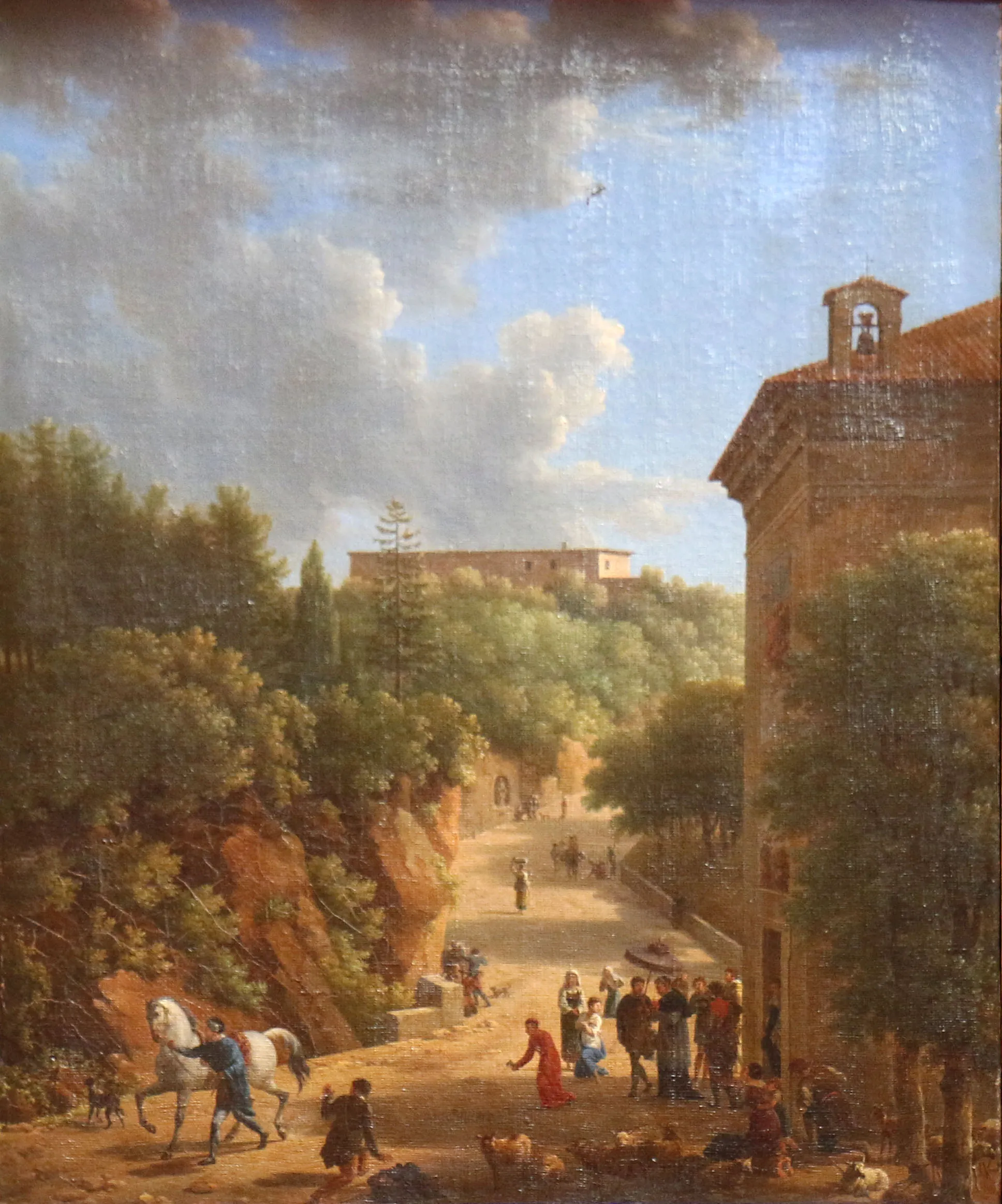
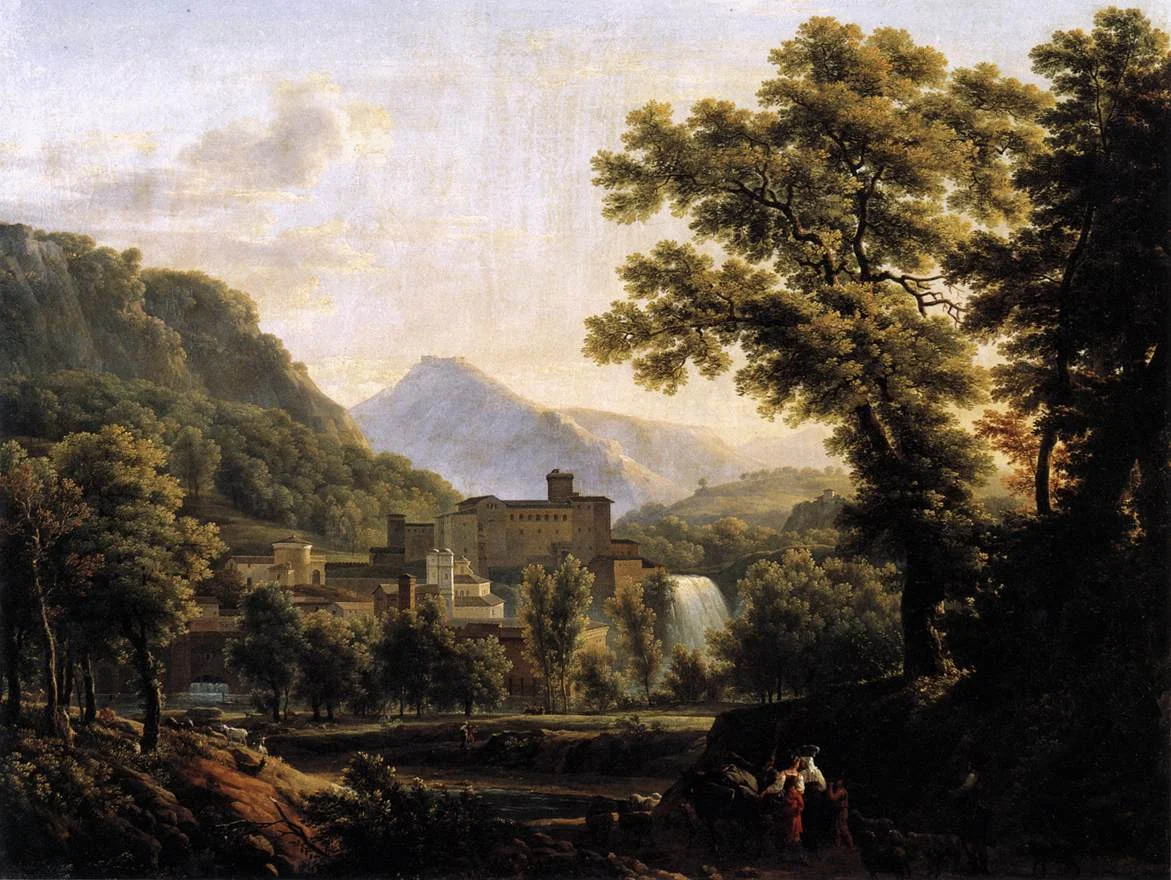
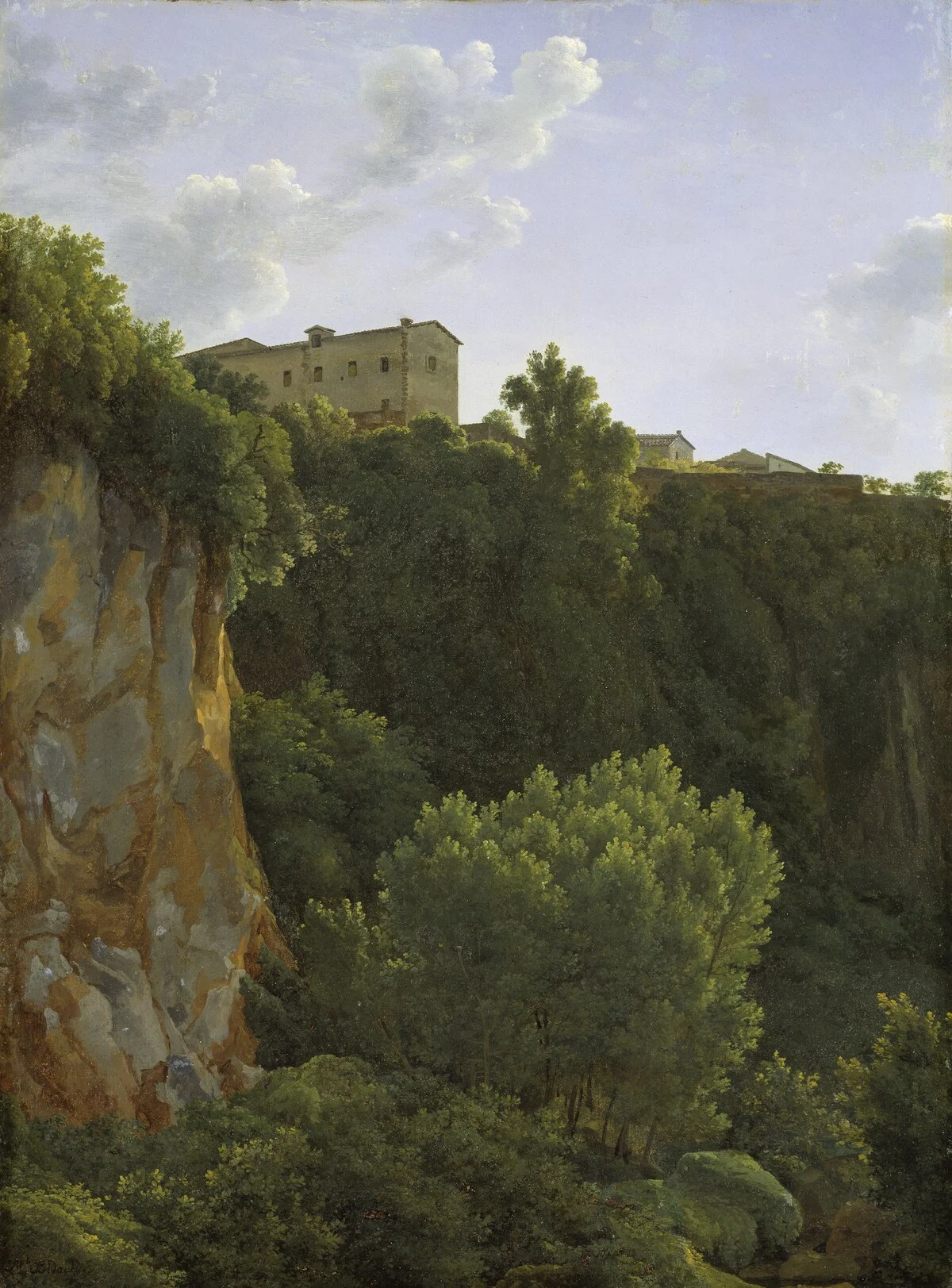
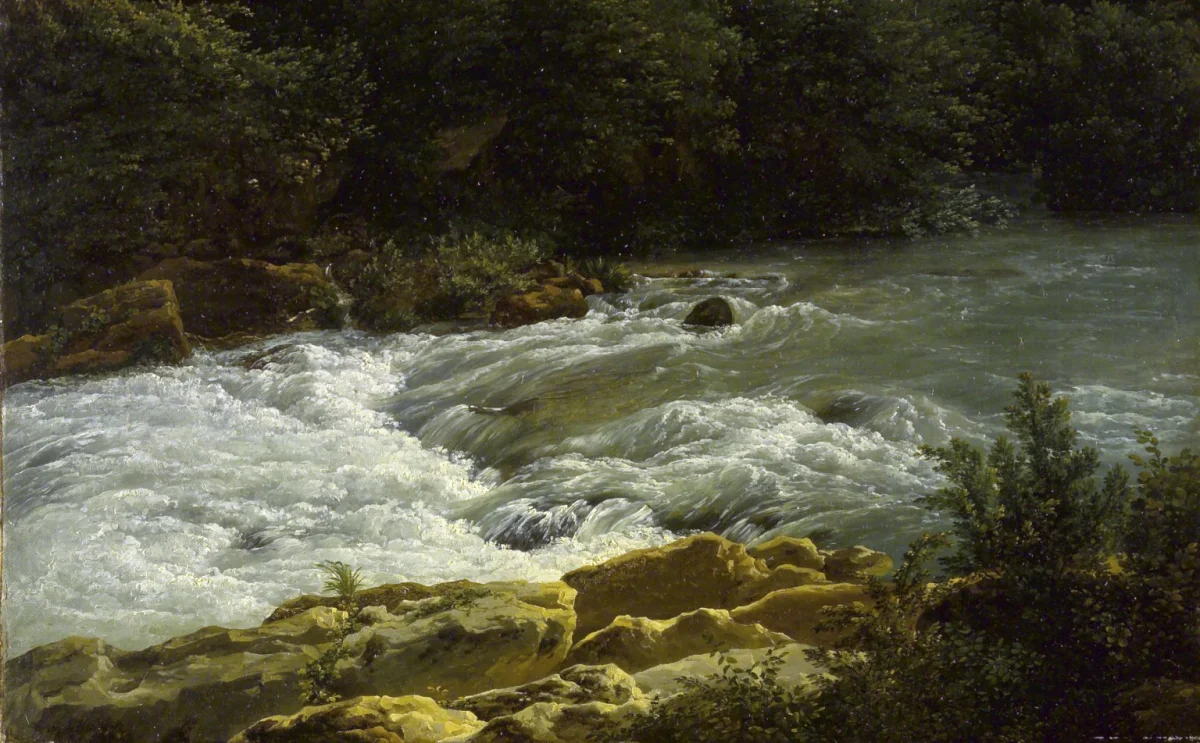
Jean-Joseph-Xavier Bidauld’s meticulous technique is evident in every detail of "Scène De La Vie Italienne, Le Saint-sacrement Porté Aux Malades." Executed in oil on canvas, the painting reveals Bidauld’s command of light, composition, and emotion, hallmarks of the Neo-Classical movement. The artist’s skillful brushwork brings the scene to life, making it a must-see for admirers of fine art. Discover similar artistry in "Gorge at Cività Castellana" and "A Southern River Landscape."
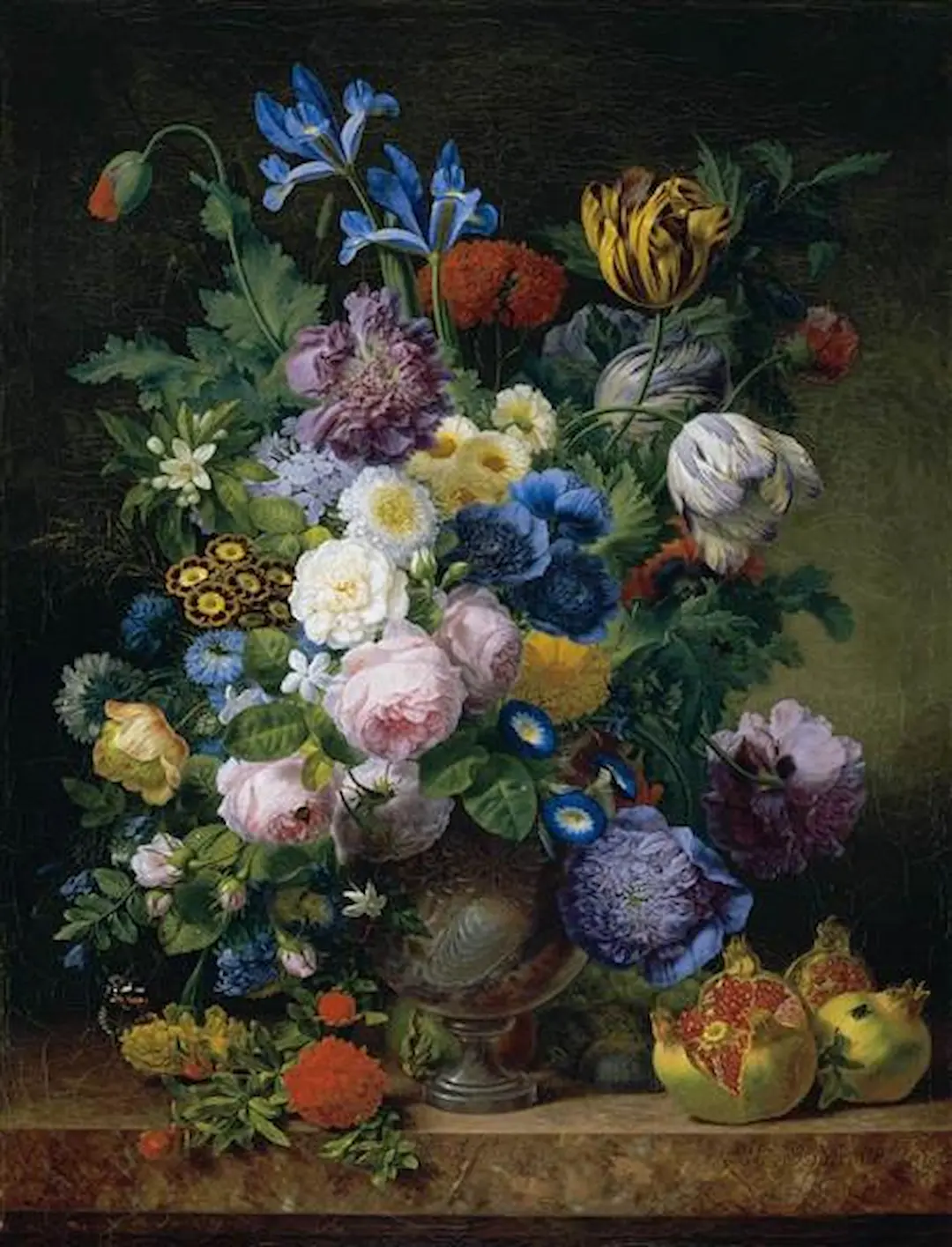
This fine art painting for sale captures a poignant moment of Italian tradition, where the sacred is woven into everyday life. Jean-Joseph-Xavier Bidauld infuses "Scène De La Vie Italienne, Le Saint-sacrement Porté Aux Malades" with symbolic depth, echoing Neo-Classical ideals of virtue and community. The painting’s narrative richness resonates with those who value storytelling in art. Explore more evocative scenes in works like "Still-Life 1810" and "The Park in Mortefontaine."
For collectors seeking a distinguished addition to their collection, this hand-painted oil painting by Jean-Joseph-Xavier Bidauld is an exceptional choice. As a representative work of the Neo-Classical movement, "Scène De La Vie Italienne, Le Saint-sacrement Porté Aux Malades" offers both historical significance and aesthetic beauty. Pair it with related masterpieces such as "The Park at Mortefontaine" or "A Southern River Landscape" to create a curated selection of fine Neo-Classical art.
When Art Meets History
"Scène De La Vie Italienne, Le Saint-sacrement Porté Aux Malades" by Jean-Joseph-Xavier Bidauld captures a poignant moment in Neo-Classical art. This hand-painted oil painting beautifully reflects the era’s fascination with classical themes and historical narratives. Bidauld, known for his meticulous approach, draws inspiration from significant events, much like related paintings such as "Calypso's Isle" and "Surrender of Lord Cornwallis." His work continues to resonate with those who appreciate the intersection of art and history.
Techniques That Speak
Bidauld’s mastery of oil on canvas is evident in the intricate details and harmonious composition of this piece. In "Scène De La Vie Italienne, Le Saint-sacrement Porté Aux Malades," he employs delicate brushwork and a balanced palette, hallmarks of the Neo-Classical movement. Similar technical finesse can be found in works like "Lament for Icarus" and "Portrait of Prince Albert of Saxony as a boy," showcasing the enduring appeal of expertly crafted oil on canvas artworks.
Emotions on Display
The emotional depth in this fine art painting for sale is unmistakable. Jean-Joseph-Xavier Bidauld conveys solemnity and reverence, inviting viewers to connect with the scene’s spiritual significance. As with "Robert Watson, 1746 – Adventurer," the artist’s sensitivity to human emotion elevates the narrative. Collectors and art enthusiasts alike are drawn to such works, where every brushstroke reveals a story and every figure expresses genuine feeling.
Coveted by Collectors
As a noteworthy example of Neo-Classical artistry, "Scène De La Vie Italienne, Le Saint-sacrement Porté Aux Malades" remains a fine art painting for sale that appeals to discerning collectors. Jean-Joseph-Xavier Bidauld’s legacy endures through pieces like this and related paintings such as "Calypso's Isle." The timeless allure and exceptional craftsmanship ensure that such masterpieces are highly sought after in today’s art market.
Related Neo-Classical Hand-Painted Oil Paintings by Other Artists
Other Famous Neo-Classical Artists:
Frequently Asked Questions About Scène De La Vie Italienne, Le Saint-sacrement Porté Aux Malades
What is the historical context of "Scène De La Vie Italienne, Le Saint-sacrement Porté Aux Malades"?
This painting by Jean-Joseph-Xavier Bidauld reflects the cultural and religious practices of 18th-century Italy, particularly the significance of the Eucharist in Catholic traditions during that period.
Who was Jean-Joseph-Xavier Bidauld and what is his significance in art history?
Jean-Joseph-Xavier Bidauld was a prominent French painter known for his landscapes and historical scenes. His work often bridges the gap between classicism and romanticism, making him a notable figure in the transition of artistic styles during his time.
What artistic techniques did Bidauld employ in this painting?
Bidauld utilized a combination of chiaroscuro and detailed brushwork to create depth and emotion in "Scène De La Vie Italienne." His use of light and shadow enhances the spiritual atmosphere of the scene.
What are the main themes represented in the painting?
The painting explores themes of faith, compassion, and the sacredness of the Eucharist. It captures the act of bringing the sacrament to the sick, highlighting the importance of community and care in religious practices.
How does the composition of the painting contribute to its meaning?
The composition is carefully arranged to draw the viewer's eye toward the central act of communion, emphasizing the solemnity and reverence of the moment. The figures are positioned to create a sense of movement and interaction, enhancing the narrative quality of the scene.
What symbols are present in the painting, and what do they represent?
Key symbols include the Eucharistic host, which represents the body of Christ, and the figures of the clergy and laity, symbolizing the connection between the church and the community. These elements underscore the painting's spiritual message.
In what ways does this painting reflect the social dynamics of its time?
The painting illustrates the social dynamics of 18th-century Italy, where the church played a central role in daily life. It reflects the relationship between the clergy and the community, emphasizing the importance of pastoral care and spiritual guidance.
What influence did "Scène De La Vie Italienne" have on later artists?
This work influenced later artists by showcasing the integration of religious themes with everyday life, encouraging subsequent generations to explore similar narratives in their own contexts, blending spirituality with realism.
How does this painting compare to other works by Bidauld?
Compared to Bidauld's other works, "Scène De La Vie Italienne" stands out for its focus on religious subject matter, whereas many of his other pieces emphasize landscapes or mythological themes, showcasing his versatility as an artist.
What is the significance of the title "Le Saint-sacrement Porté Aux Malades"?
The title translates to "The Blessed Sacrament Brought to the Sick," highlighting the central action of the painting. It underscores the sacramental nature of the Eucharist and its role in providing comfort and hope to the ill.























_GFM_Painting_(1).webp)


 100% Hand-Painted: Finished in 3-6 Weeks

.png)

















_(1).webp)