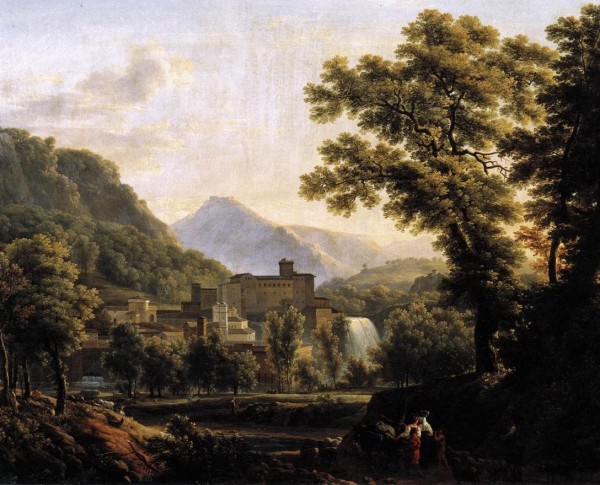
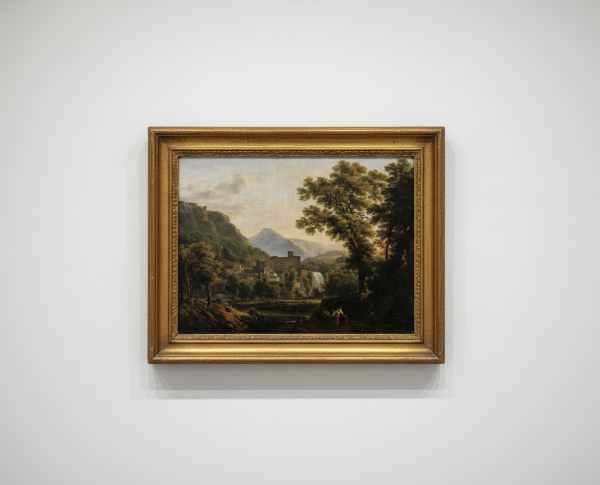
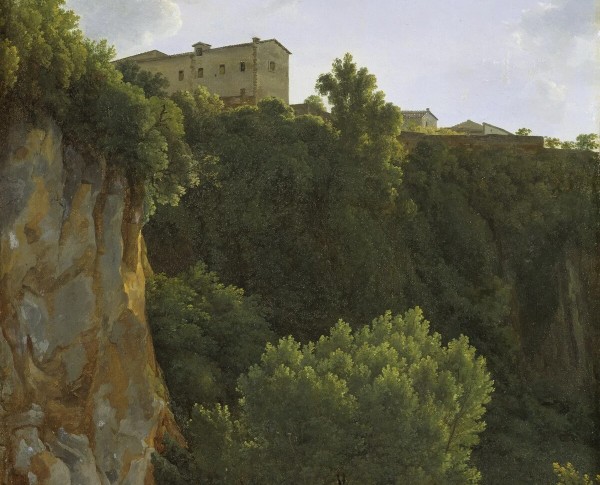
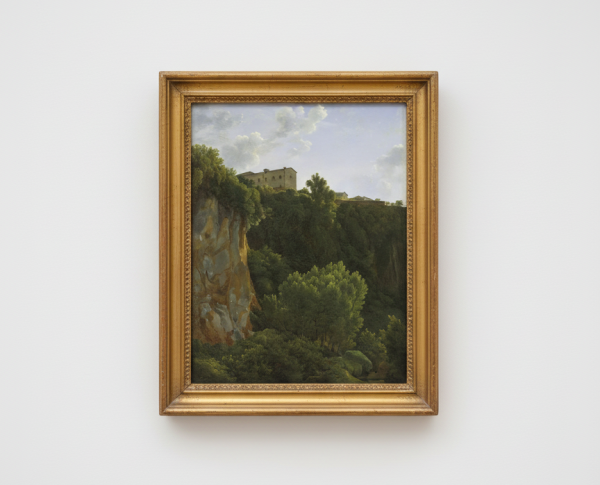
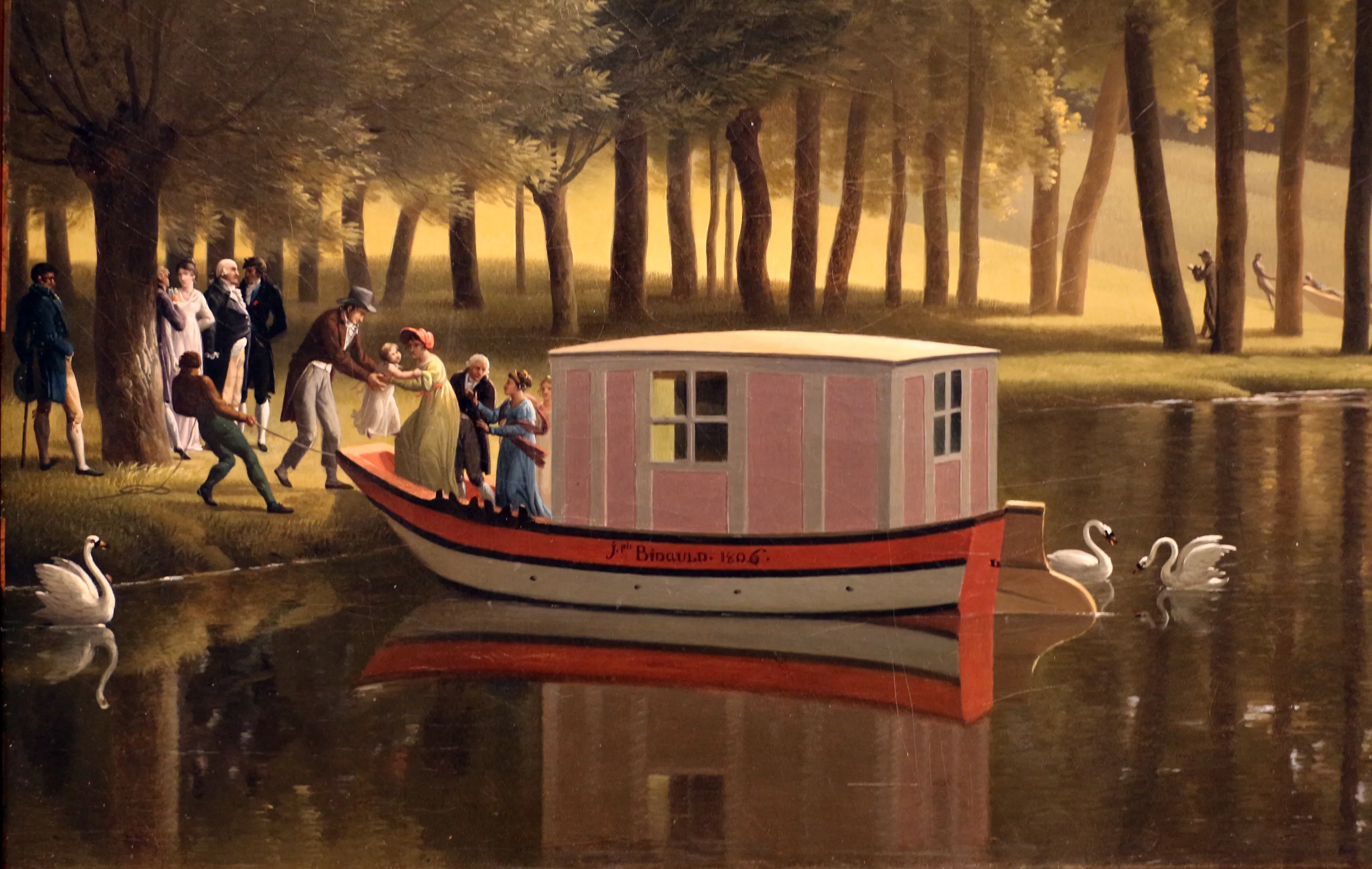
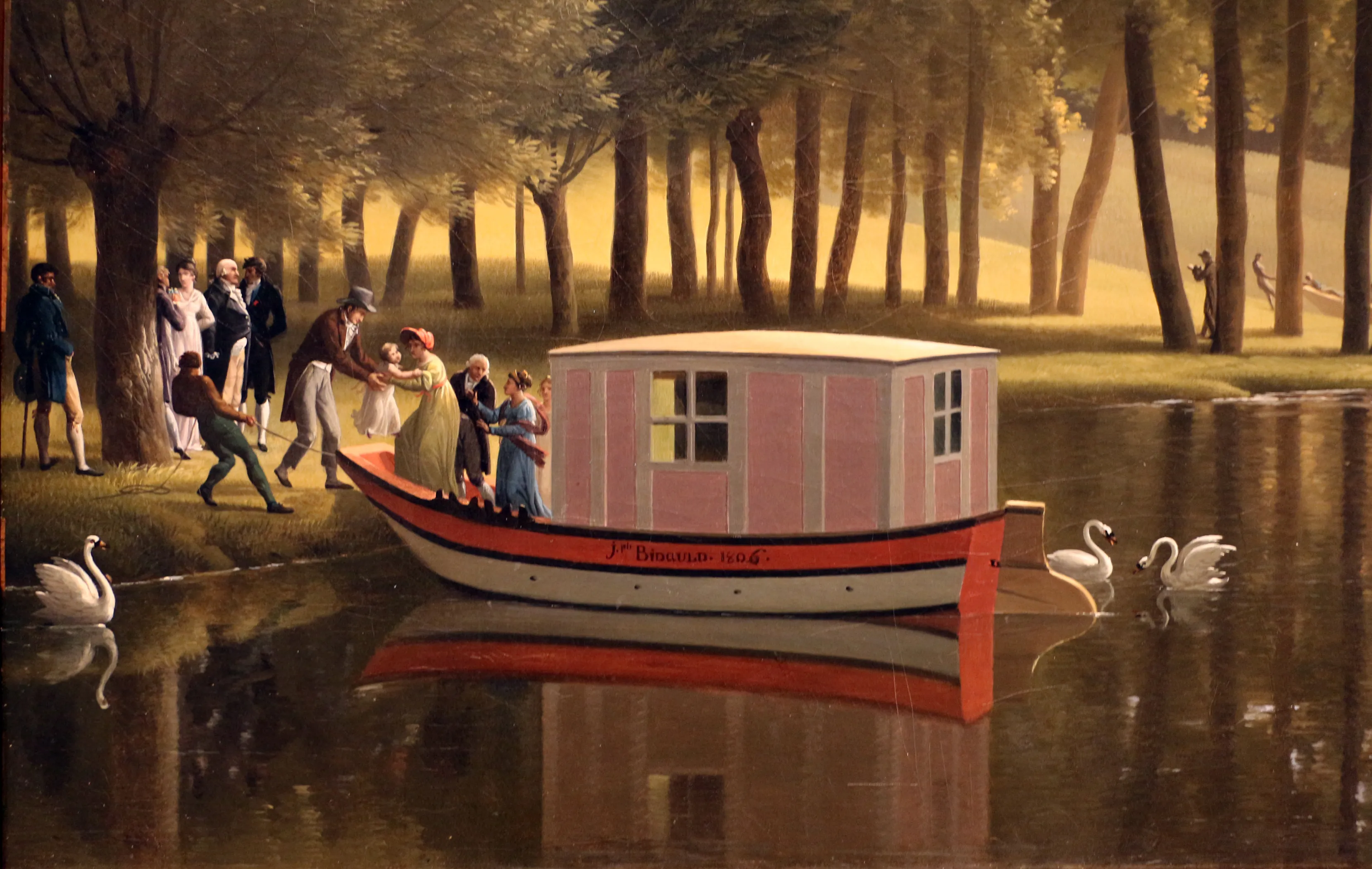
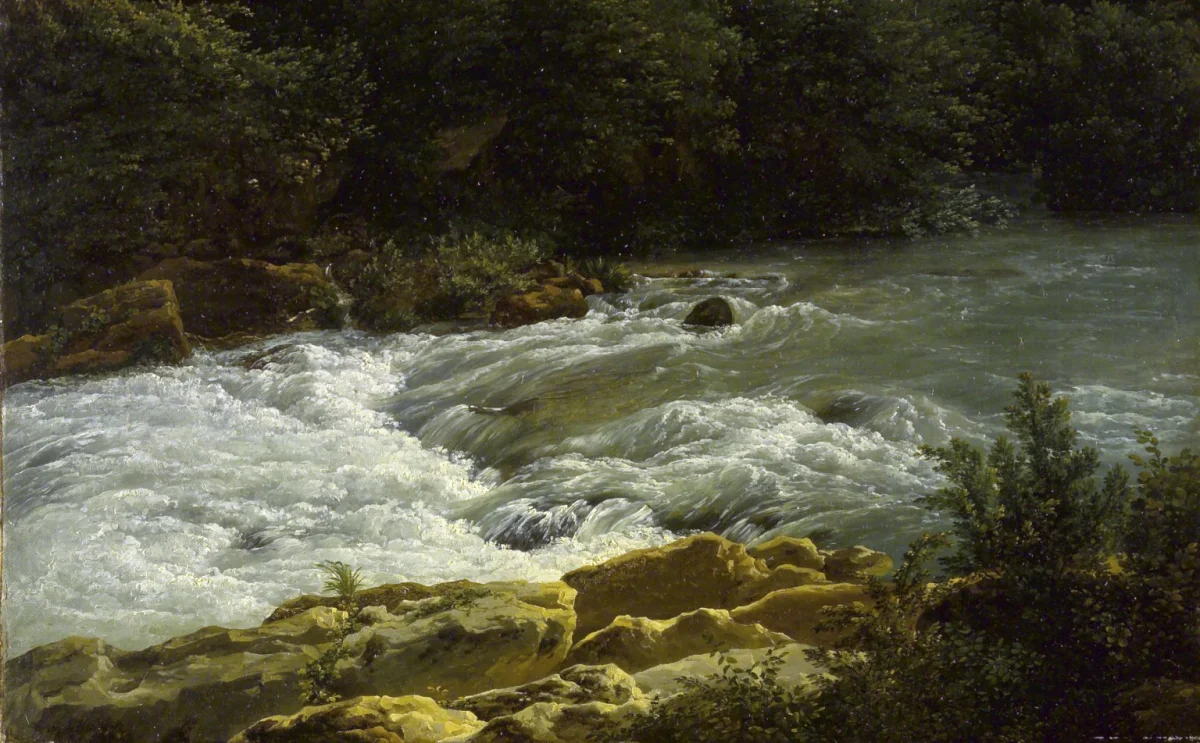
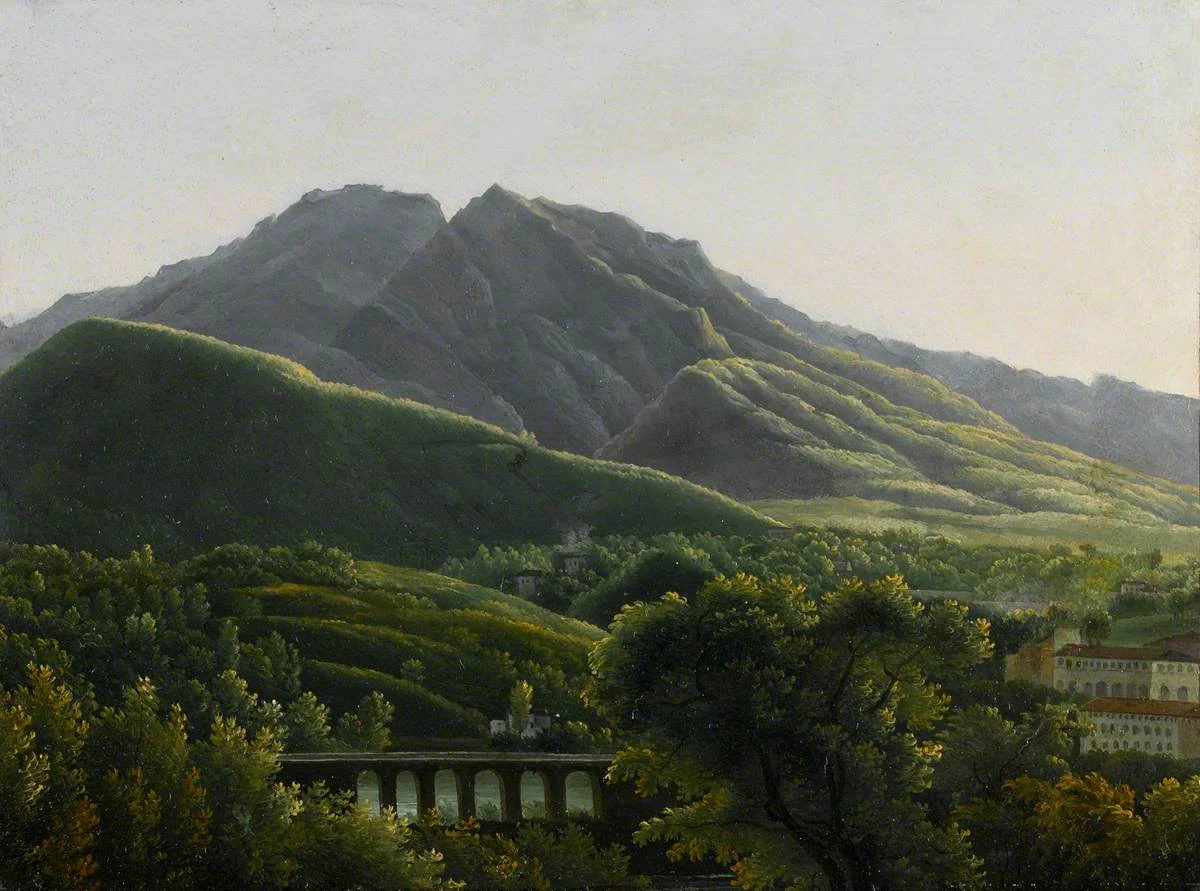
Bidauld’s expertise is evident in every detail of "The park in Mortefontaine," where the oil on canvas technique brings depth and luminosity to the scenery. Drawing from the Neo-Classical movement’s ideals, the artist employs precise brushwork and balanced composition. Similar to "Running Stream at San Cosimato" and "The Augustus Bridge over the River Nera, near the City of Narni, Italy," this painting exemplifies Bidauld’s unrivaled skill, making it a highlight for those who appreciate classic landscape artistry.
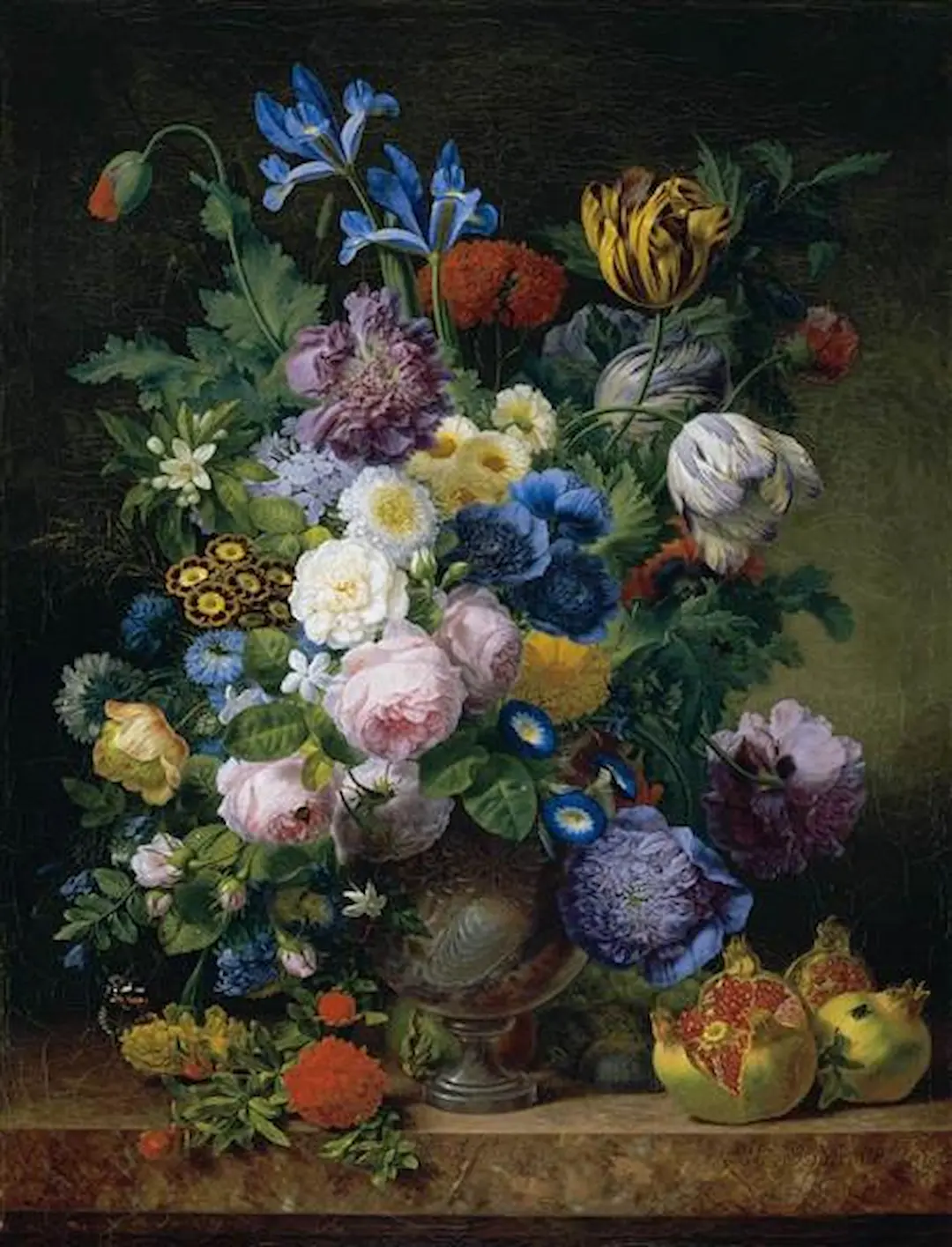
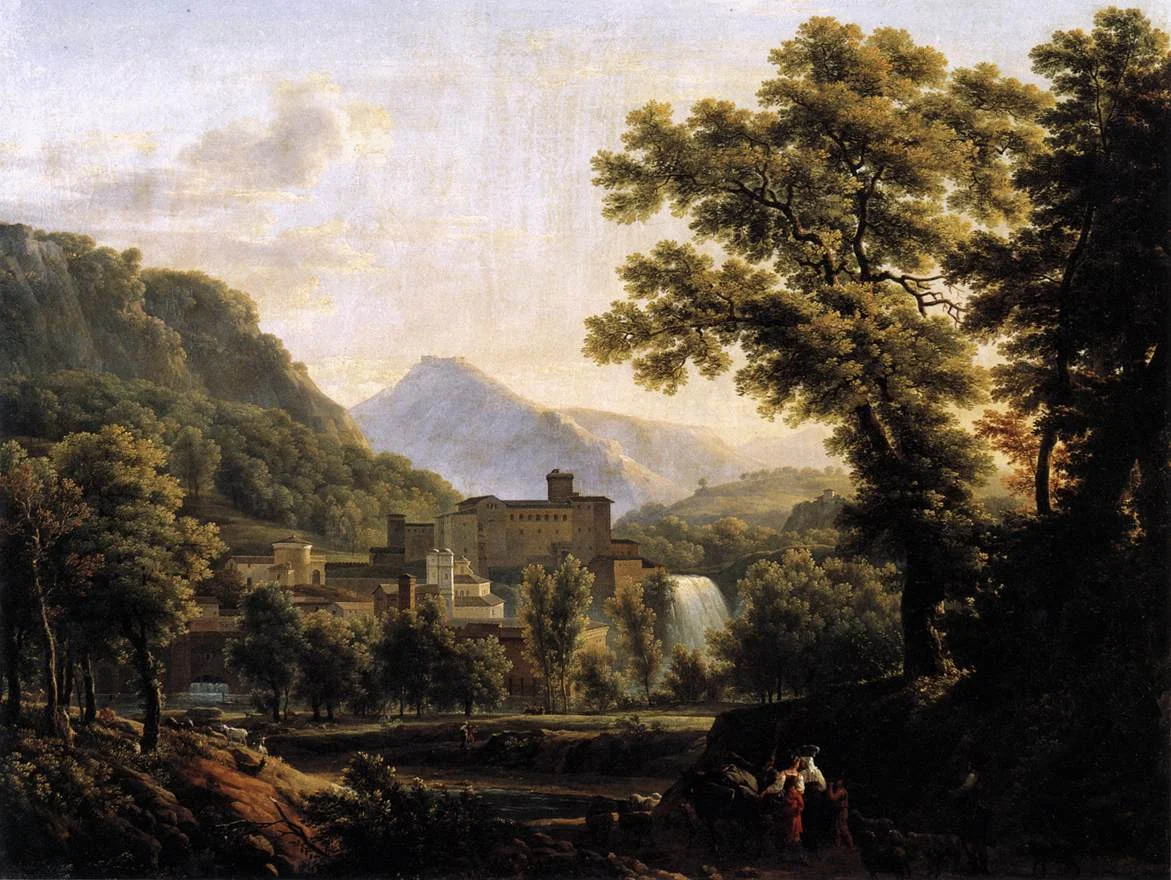
"The park in Mortefontaine" by Jean-Joseph-Xavier Bidauld invites viewers to explore its serene pathways and reflective waters, emblematic of peace and contemplation. As a fine art painting for sale, it resonates with the Neo-Classical movement’s reverence for nature and order. Alongside works like "Still-Life 1810" and "View of the Waterfalls at Tivoli," this painting weaves narratives of tranquility and timelessness, making it a meaningful addition to any art lover’s collection.
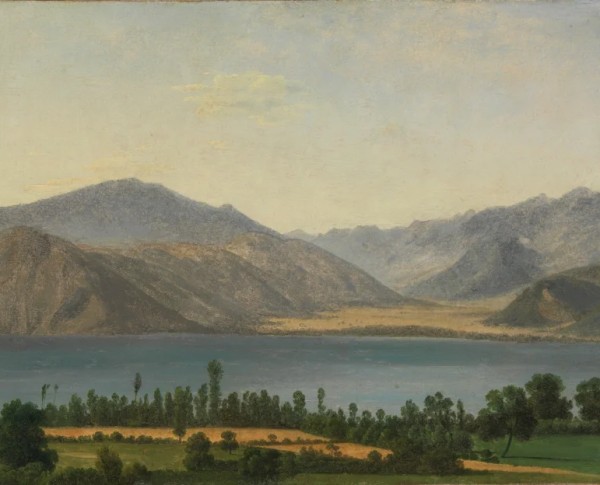
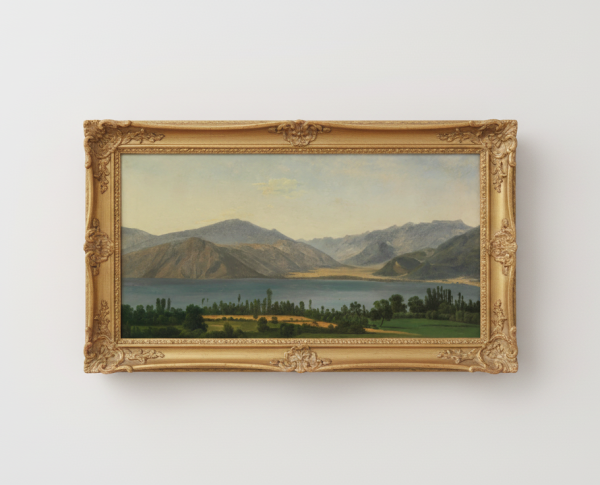
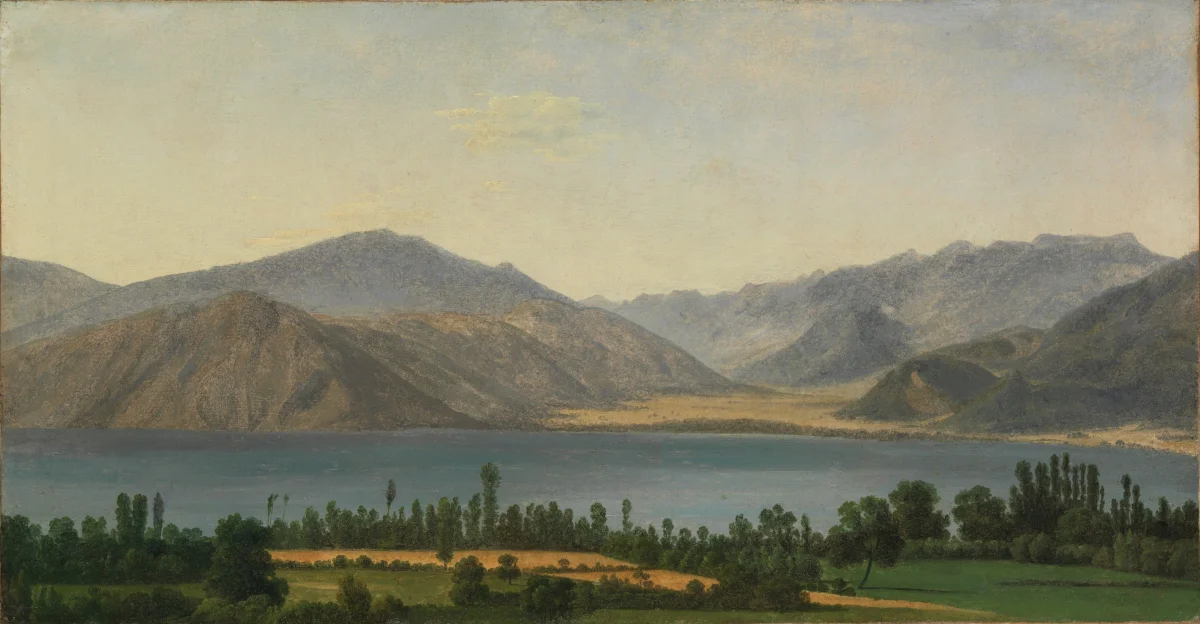
For discerning collectors, "The park in Mortefontaine" offers more than visual delight—it’s a hand-painted oil painting that connects them to the heart of Neo-Classical artistry. Jean-Joseph-Xavier Bidauld’s work stands proudly among related masterpieces, such as "Lake Fucino and the Abruzzi Mountains" and "View of the Isle of Sora." This painting is a rare opportunity for those seeking an authentic fine art painting for sale, destined to elevate any sophisticated art collection.
When Art Meets History
"The Park in Mortefontaine" by Jean-Joseph-Xavier Bidauld stands as a remarkable example of the Neo-Classical movement, capturing the serene beauty of early nineteenth-century France. This hand-painted oil painting immerses viewers in a tranquil landscape, echoing the era’s reverence for classical ideals. Bidauld’s work sits comfortably alongside related masterpieces like "Bildnis Des Dresdner Professors Karl Förster" and "Portrait of Thomas Jefferson," reflecting the period’s artistic dedication and historical significance in every brushstroke.
Techniques That Speak
Jean-Joseph-Xavier Bidauld’s mastery is evident in his use of oil on canvas, a technique that allows for luminous color and delicate detail in "The Park in Mortefontaine." His Neo-Classical style emphasizes clarity and harmony, much like what’s seen in "Lament for Icarus" and "Martha Washington." The careful composition and controlled palette highlight Bidauld’s technical prowess, revealing the timeless beauty and discipline characteristic of fine art from this influential movement.
Emotions on Display
"The Park in Mortefontaine" invites viewers to experience the calm and contemplative mood that Jean-Joseph-Xavier Bidauld so skillfully conveys. This fine art painting for sale captures not just a landscape, but a sense of peace and reflection emblematic of Neo-Classical ideals. Like "Robert Watson, 1746 -" and "Adventurer," Bidauld’s work evokes deep emotion, encouraging us to pause and appreciate the enduring tranquility found in nature and art alike.
Coveted by Collectors
Collectors and enthusiasts highly prize "The Park in Mortefontaine" for its historical value and exquisite artistry. This hand-painted oil painting by Jean-Joseph-Xavier Bidauld, a prominent Neo-Classical artist, remains a sought-after piece in the art world. Alongside related works such as "Martha Washington" and "Portrait of Thomas Jefferson," it exemplifies the allure of classical landscapes and continues to captivate those searching for distinguished pieces of fine art painting for sale.
Related Neo-Classical Hand-Painted Oil Paintings by Other Artists
Other Famous Neo-Classical Artists:
Frequently Asked Questions About The park in Mortefontaine
What is the historical significance of "The park in Mortefontaine"?
"The park in Mortefontaine," painted by Jean-Joseph-Xavier Bidauld in the late 18th century, is significant as it reflects the Romantic movement's emphasis on nature and emotion, showcasing the transition from neoclassical ideals to a more personal and expressive style in art.
What artistic techniques did Bidauld employ in this painting?
Bidauld utilized a combination of soft brushwork and a harmonious color palette to create a serene atmosphere, effectively capturing the interplay of light and shadow in the natural landscape.
What themes are explored in "The park in Mortefontaine"?
The painting explores themes of tranquility, the beauty of nature, and the relationship between humans and their environment, inviting viewers to reflect on the peaceful coexistence within the natural world.
How does "The park in Mortefontaine" reflect the Romantic movement?
This work embodies the Romantic movement through its emphasis on emotional depth, the sublime beauty of nature, and the portrayal of idyllic landscapes that evoke a sense of wonder and introspection.
What symbolism can be found in the elements of the painting?
The lush greenery and serene water in "The park in Mortefontaine" symbolize peace and harmony, while the presence of figures in the landscape suggests a connection between humanity and the natural world, highlighting the importance of nature in human experience.
In what ways does Bidauld's background influence this artwork?
Bidauld's training in the classical tradition and his exposure to the emerging Romantic ideals influenced his ability to blend technical skill with emotional expression, resulting in a painting that is both aesthetically pleasing and deeply evocative.
What is the significance of the location depicted in the painting?
The park in Mortefontaine, located near Paris, was a popular retreat for artists and intellectuals of the time, symbolizing an escape from urban life and a return to nature, which was a central theme in Romantic art.
How does "The park in Mortefontaine" compare to other works by Bidauld?
Compared to other works by Bidauld, "The park in Mortefontaine" showcases a more pronounced focus on landscape and natural beauty, reflecting his evolution as an artist and his growing fascination with the Romantic ideals of nature.
What impact did "The park in Mortefontaine" have on later artists?
The painting has influenced later artists by exemplifying the Romantic approach to landscape painting, encouraging subsequent generations to explore emotional depth and personal connection to nature in their own works.
What can viewers learn from "The park in Mortefontaine" about 18th-century art?
Viewers can learn about the shift in 18th-century art from strict neoclassical forms to a more expressive and individualistic approach, highlighting the growing appreciation for nature and emotional resonance in artistic expression.























_GFM_Painting_(1).webp)


 100% Hand-Painted: Finished in 3-6 Weeks

.png)















_(1).webp)