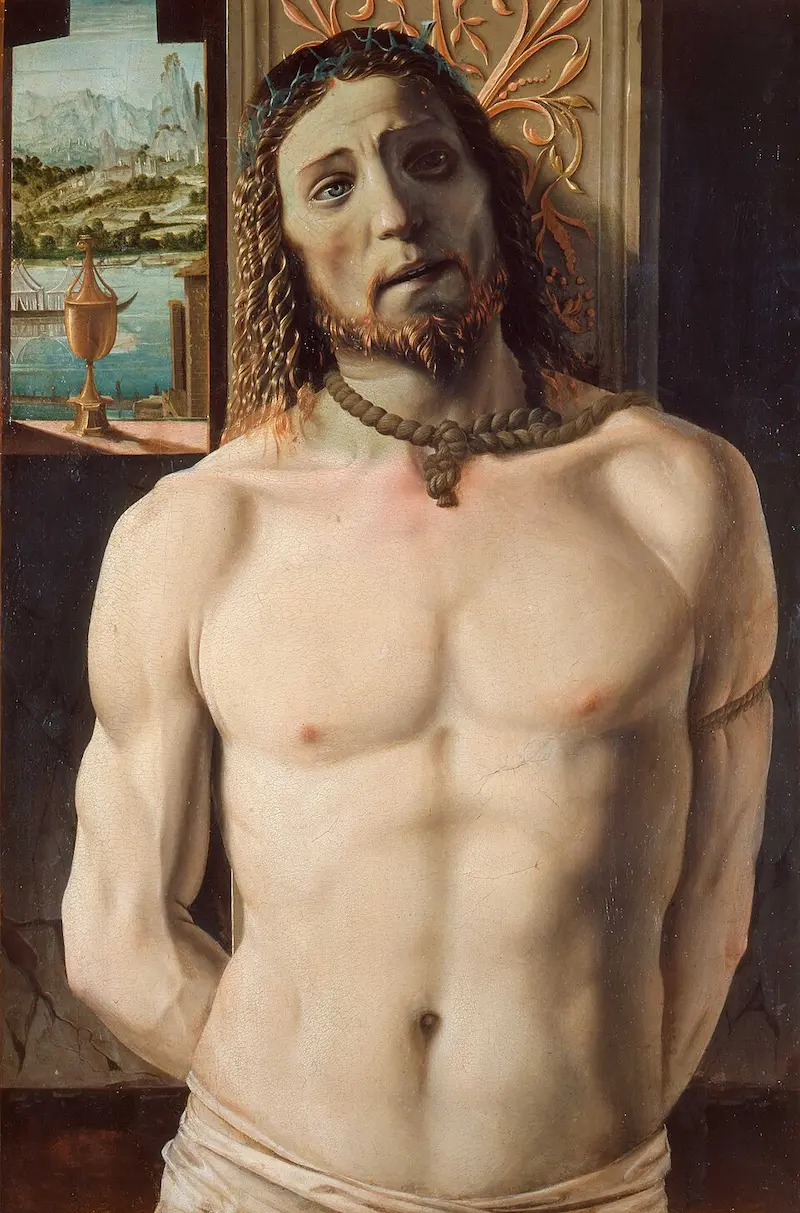
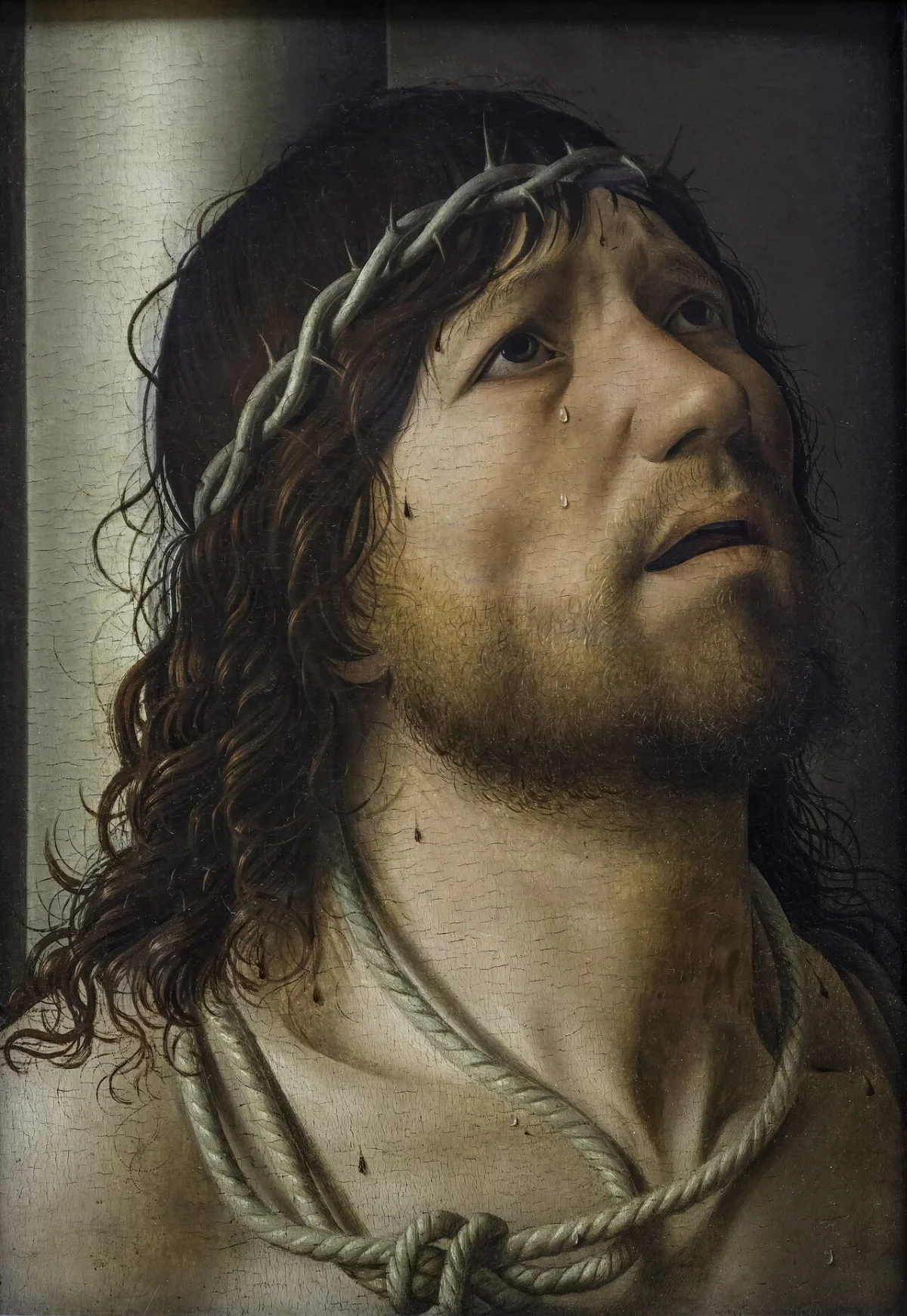
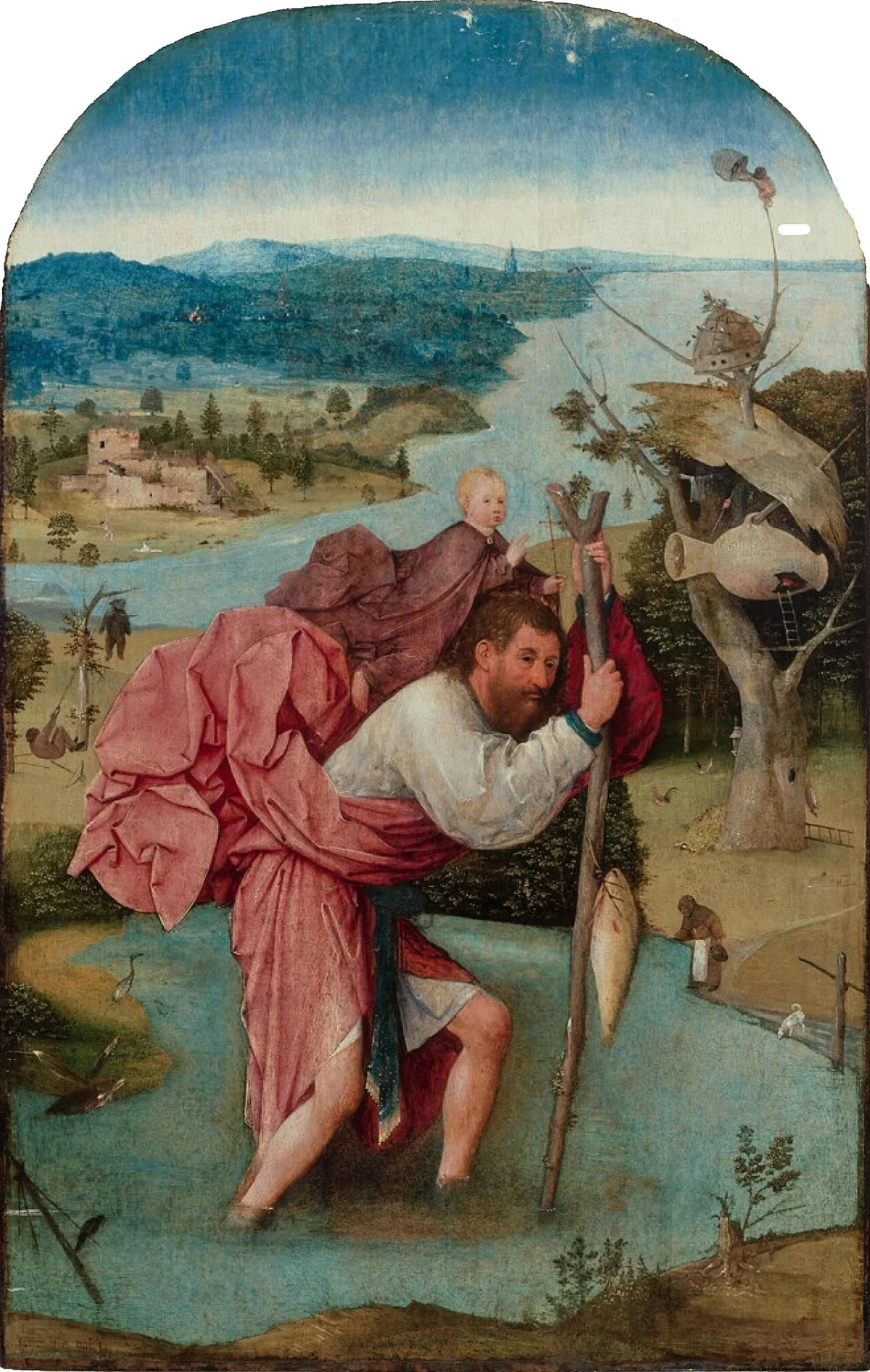
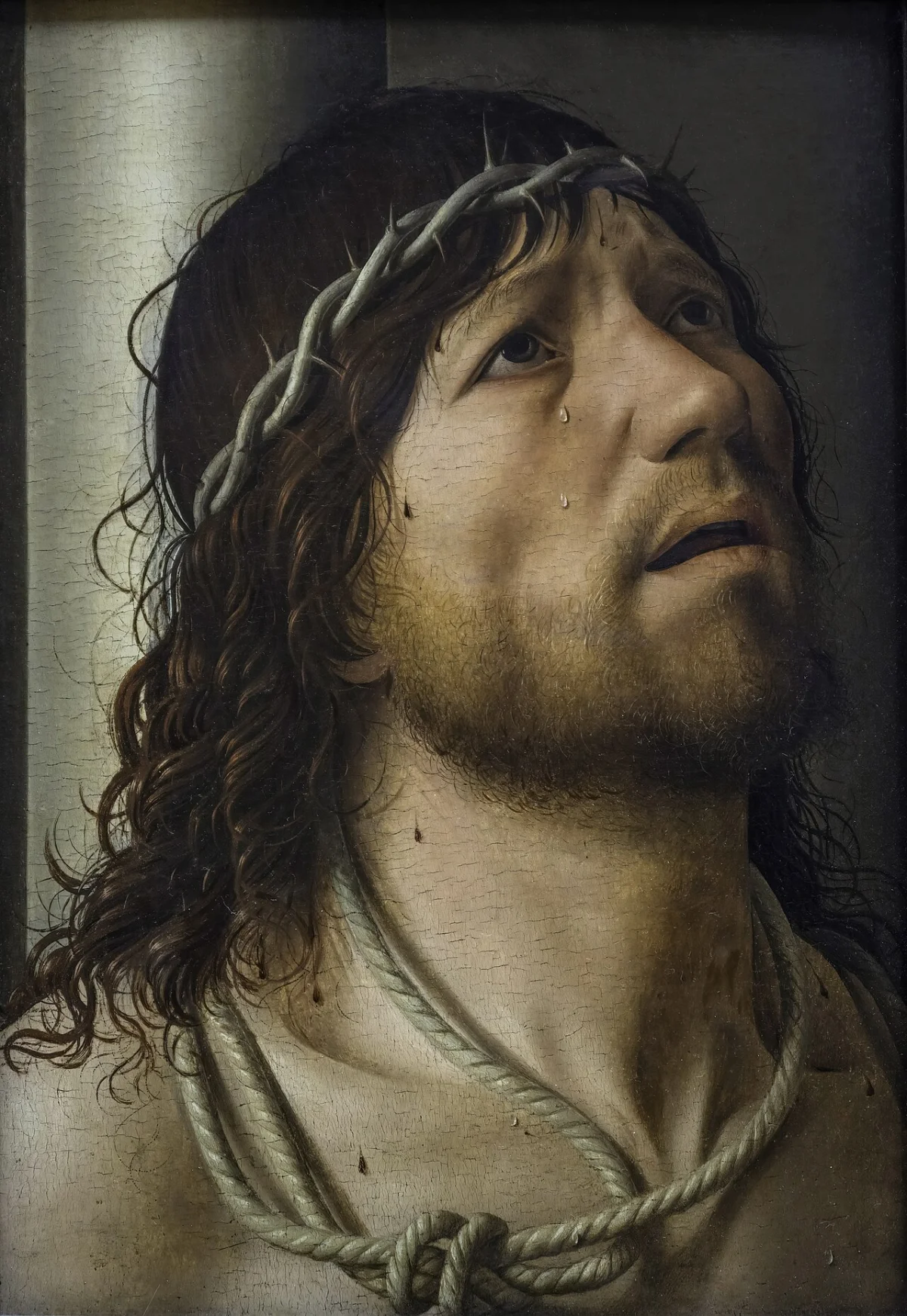
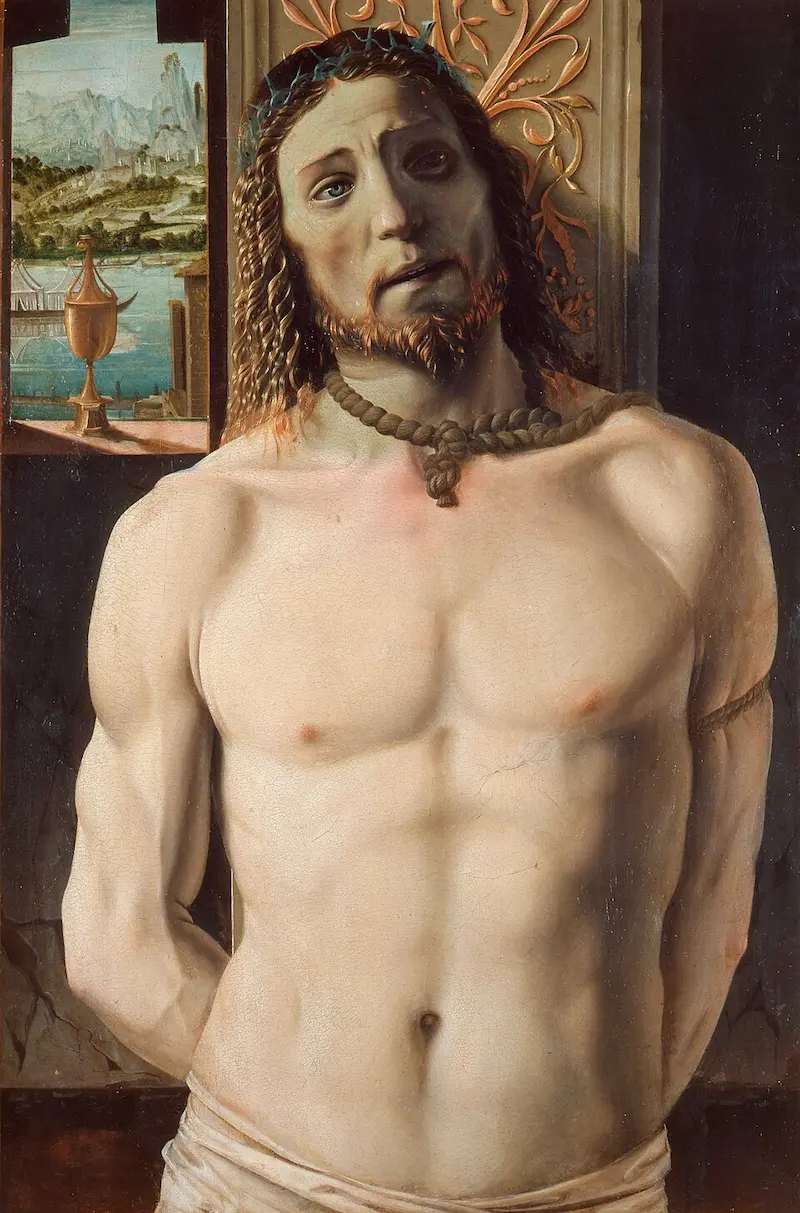
Bramante’s exceptional technique is evident in every detail of "St. Christopher with the Infant Jesus," crafted meticulously as an oil on canvas. The artist’s use of light and shadow highlights the figures’ humanity and divinity, a hallmark of the High Renaissance. Art admirers who value this level of skill may also be interested in related masterpieces like "Christ at the Column" or "Man with a Halbard" for their collections.
Within "St. Christopher with the Infant Jesus," Bramante weaves a narrative rich in symbolism, reflecting the spiritual journeys typical of the High Renaissance. The fine art painting for sale invites viewers to explore themes of protection and guidance, much like those found in "Man with a Mace" and "Aramato." Through thoughtful composition, Bramante ensures that each symbol resonates with timeless meaning, making the painting a profound visual story.
For collectors, "St. Christopher with the Infant Jesus" by Donato Bramante represents a rare opportunity to own a hand-painted oil painting from a master of the High Renaissance. The work’s historical significance and artistic brilliance place it alongside sought-after pieces like "Uomo dall'alabarda" and "Aramato." Investing in such a fine art painting for sale is not only an aesthetic choice but also a celebration of Renaissance artistry and legacy.
When Art Meets History
"St. Christopher with the Infant Jesus" by Donato Bramante stands as a testament to the High Renaissance movement, capturing both spiritual reverence and artistic mastery. This hand-painted oil painting reflects the era’s fascination with humanism and religious symbolism. Bramante, renowned for his architectural genius, brings life to this sacred scene. Similar to masterpieces like "Mona Lisa (La Gioconda) c. 1503-05" and "Portrait of Cecilia Gallerani (Lady with an Ermine) 1483-90," this work bridges history and artistry seamlessly.
Techniques That Speak
Bramante’s skillful use of oil on canvas shines in "St. Christopher with the Infant Jesus." The artist employs delicate brushwork and vibrant color palettes characteristic of the High Renaissance, adding depth and luminosity to every detail. His technique mirrors that of other renowned works such as "St George and the Dragon" and the "Study of hands," where light and shadow interplay to evoke realism. This painting is a true showcase of innovative oil on canvas mastery.
Emotions on Display
Emotion radiates from Bramante’s "St. Christopher with the Infant Jesus," drawing viewers into a world of devotion and protection. The gentle expressions and dynamic poses evoke a sense of awe, reminiscent of the emotional depth found in High Renaissance masterpieces like "St. Proculus." As a fine art painting for sale, it offers collectors and enthusiasts alike a chance to connect with the profound spiritual and human emotions Bramante so expertly conveys.
Coveted by Collectors
Collectors worldwide seek out "St. Christopher with the Infant Jesus" for its rarity and historical significance. As a hand-painted oil painting by Donato Bramante, it stands alongside icons like "Mona Lisa" and "Study of hands" in desirability. The High Renaissance movement produced some of history’s most treasured works, and this piece remains a fine art painting for sale that embodies the era’s artistic brilliance, making it a prized addition to any collection.
Related High Renaissance Hand-Painted Oil Paintings by Other Artists
Other Famous High Renaissance Artists:
Frequently Asked Questions About St. Christopher with the Infant Jesus
What is the historical significance of "St. Christopher with the Infant Jesus"?
This painting reflects the veneration of St. Christopher, a popular saint in Christian tradition known for his role as a protector of travelers. It showcases the blend of religious devotion and artistic expression during the Renaissance period.
Who was Donato Bramante and what is his contribution to art?
Donato Bramante was an influential Italian architect and painter of the High Renaissance. He is best known for his role in the development of Renaissance architecture and for his work on St. Peter's Basilica in Vatican City.
What artistic techniques are employed in this painting?
Bramante utilized chiaroscuro to create depth and volume, along with a balanced composition that draws the viewer's eye to the central figures of St. Christopher and the Infant Jesus.
What symbolism is present in "St. Christopher with the Infant Jesus"?
The painting symbolizes the protection and guidance offered by St. Christopher, who is depicted carrying the Christ child across a river, representing the journey of faith and the passage to salvation.
How does the painting reflect the values of the Renaissance period?
The work embodies the Renaissance ideals of humanism, emphasizing the importance of individual figures and their narratives, as well as a renewed interest in classical themes and naturalism in art.
What materials were used in the creation of this painting?
The painting was likely created using oil on canvas, a common medium during the Renaissance that allowed for greater detail and a richer color palette.
In what context was "St. Christopher with the Infant Jesus" created?
This artwork was created during a time of significant religious fervor and artistic innovation in Italy, where artists sought to convey spiritual themes through increasingly sophisticated techniques.
What is the significance of St. Christopher in Christian iconography?
St. Christopher is often depicted as a giant who carries travelers safely across dangerous waters, symbolizing faith and the belief that divine protection is always present during life's journeys.
How has "St. Christopher with the Infant Jesus" influenced later artists?
This painting has served as an inspiration for subsequent generations of artists who sought to explore themes of faith and protection, often referencing the imagery of St. Christopher in their own works.
Where can I view "St. Christopher with the Infant Jesus" today?
The painting is part of a collection in a prominent art gallery, where it is displayed alongside other significant works from the Renaissance period, allowing visitors to appreciate its historical context and artistic merit.






















_GFM_Painting_(1).webp)


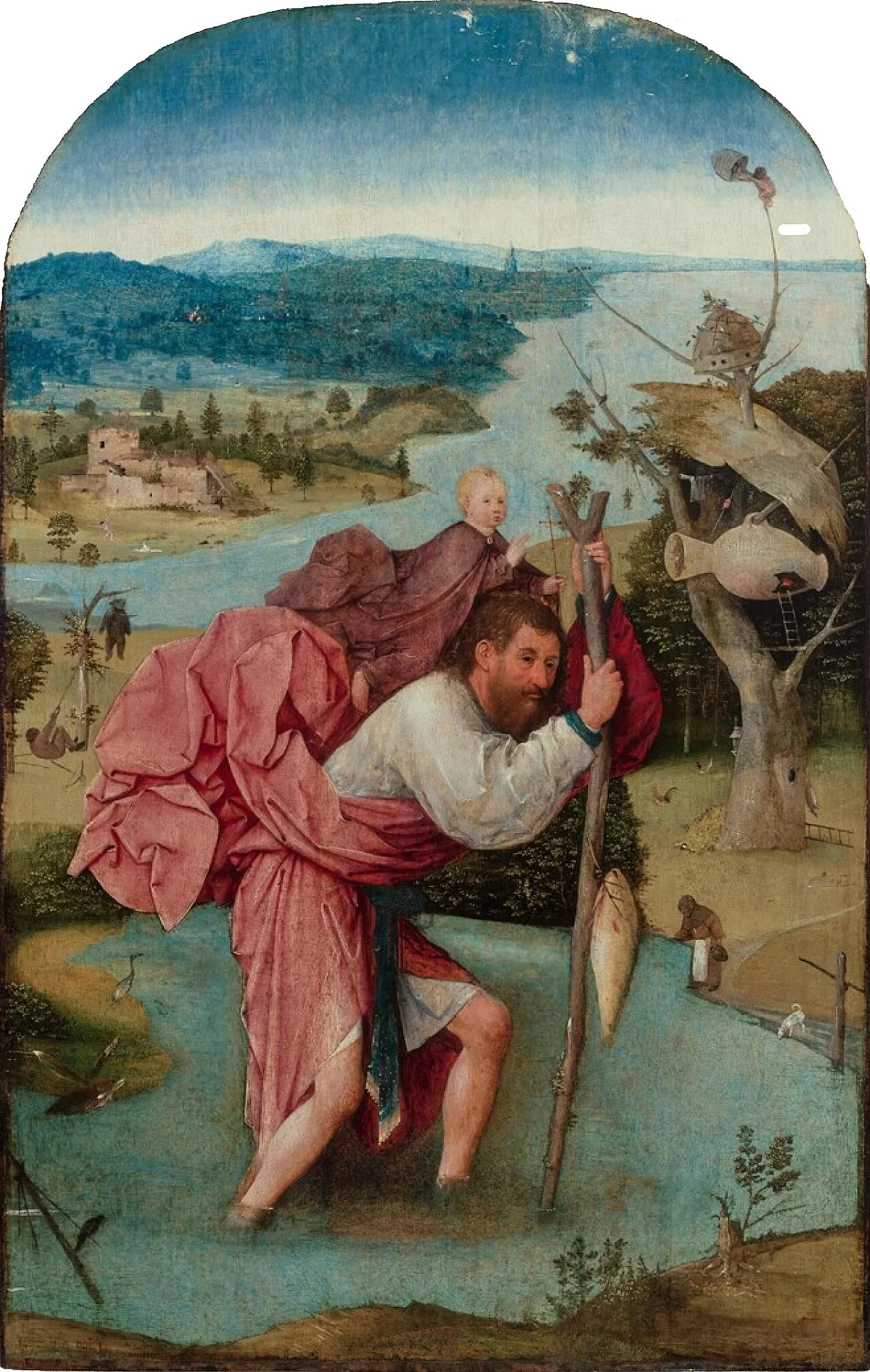
 100% Hand-Painted: Finished in 3-6 Weeks

.png)















_(1).webp)