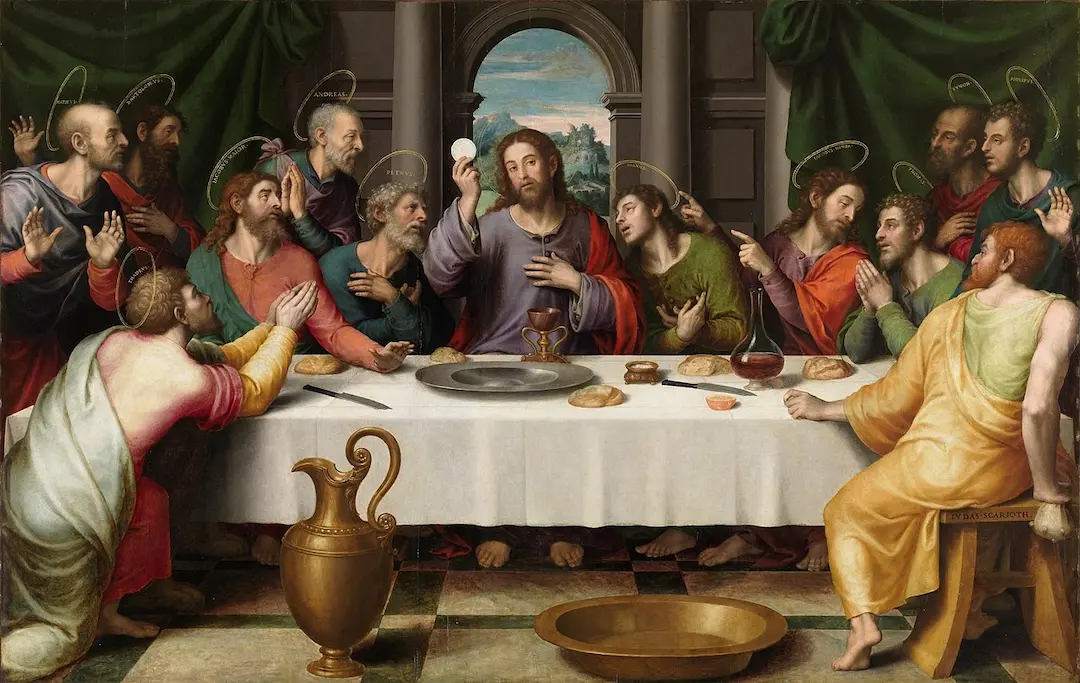
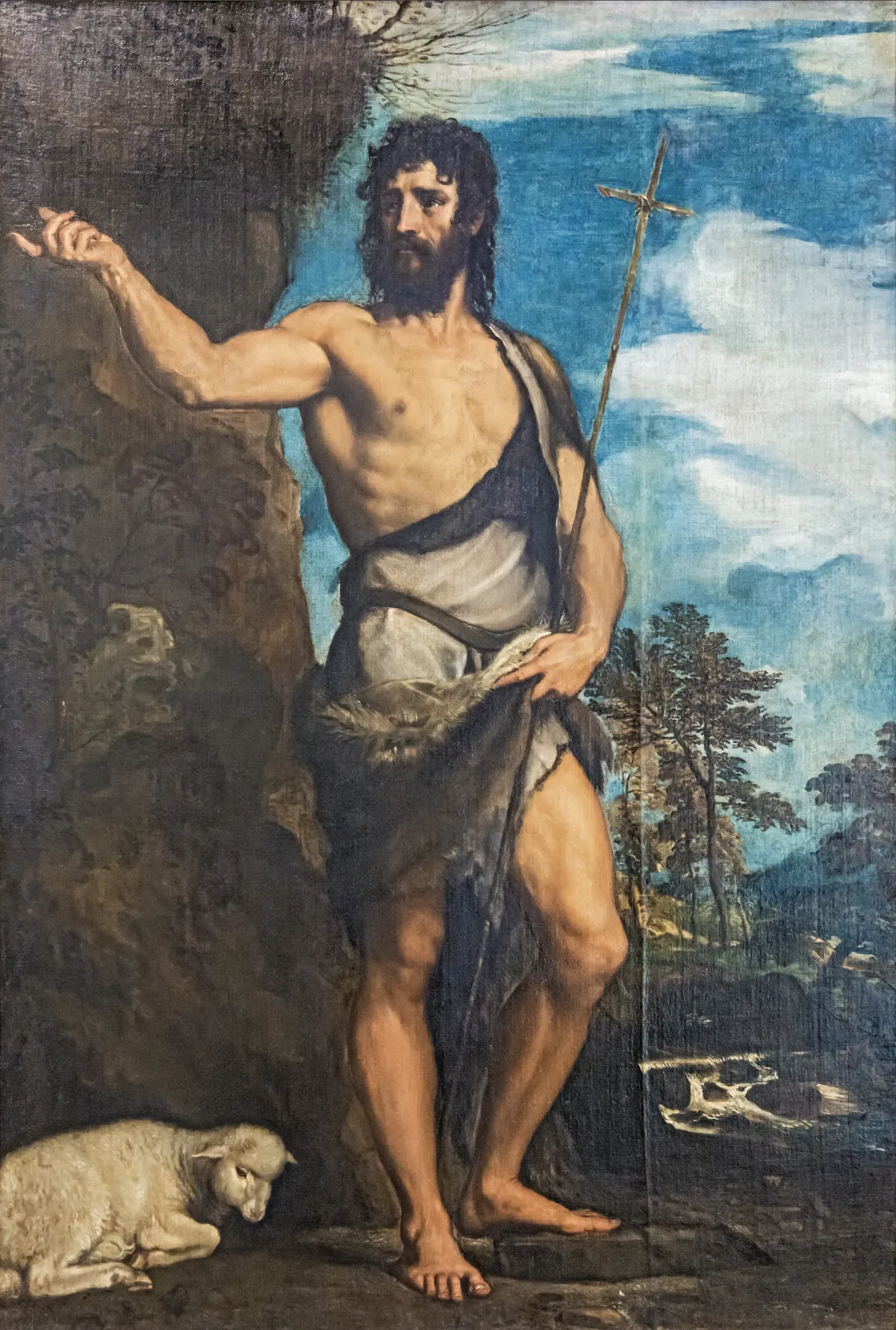
"St John the Baptist" by Vicente Juan Juan de Juanes, also known as Masip (Macip), stands as a luminous testament to the Spanish Renaissance. This hand-painted oil painting exemplifies the spiritual depth and technical brilliance of its era. As one explores Juanes’s artistry, works like "Retrato De Un Caballero Santiaguista" and "The Last Supper (2) 1560s" provide further insight into the master’s enduring influence on religious art and the broader Renaissance movement in Spain.
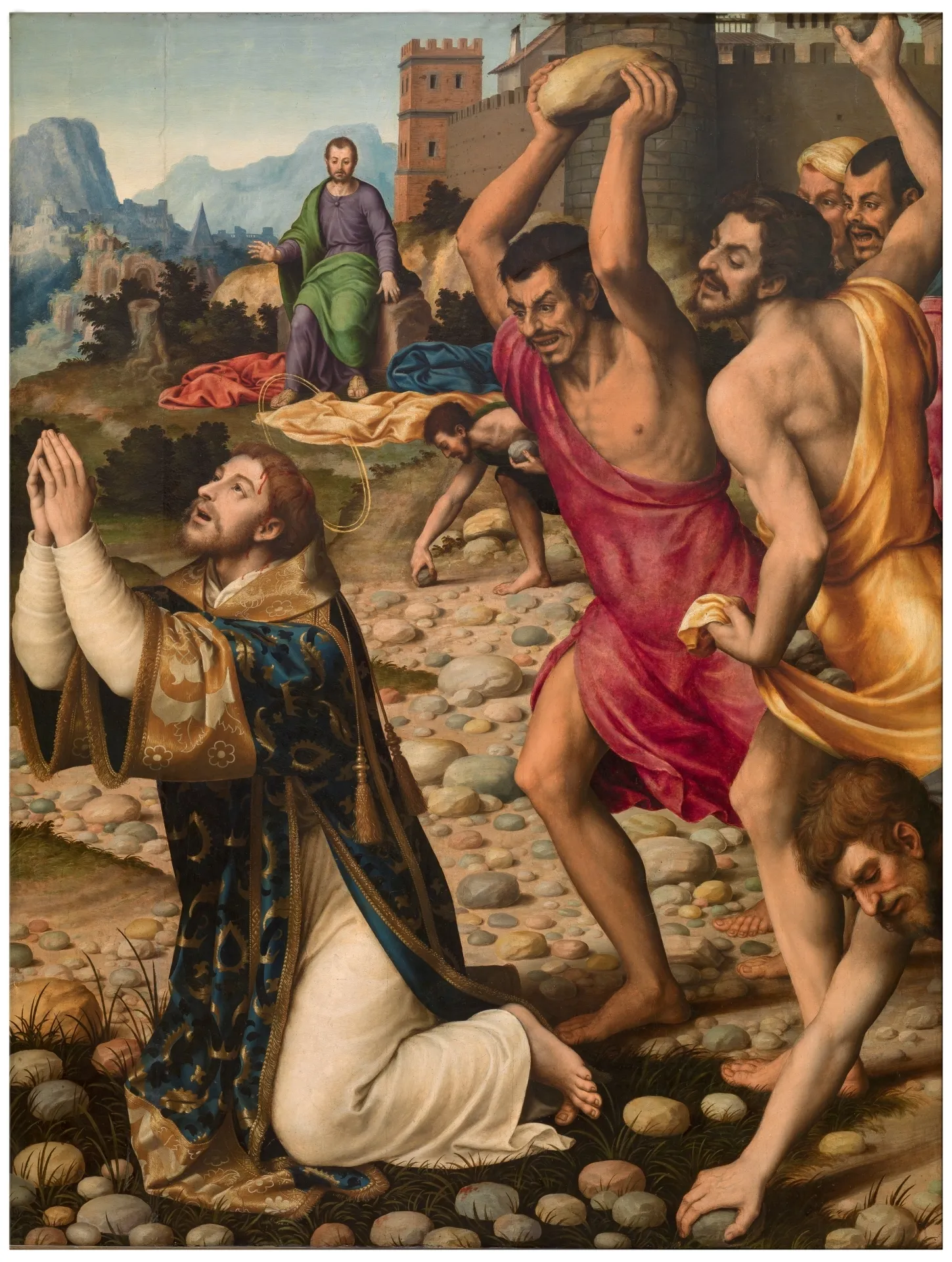
Vicente Juan Juan de Juanes’s "St John the Baptist" showcases exquisite oil on canvas technique, a hallmark of the Spanish Renaissance. Every brushstroke reflects the artist’s devotion to realism and spiritual narrative. This painting, alongside masterpieces like "Entierro De San Esteban" and "Saint Bruno," demonstrates Juanes’s ability to capture divine presence, making his works indispensable to collectors and enthusiasts of oil on canvas artistry from this influential period.
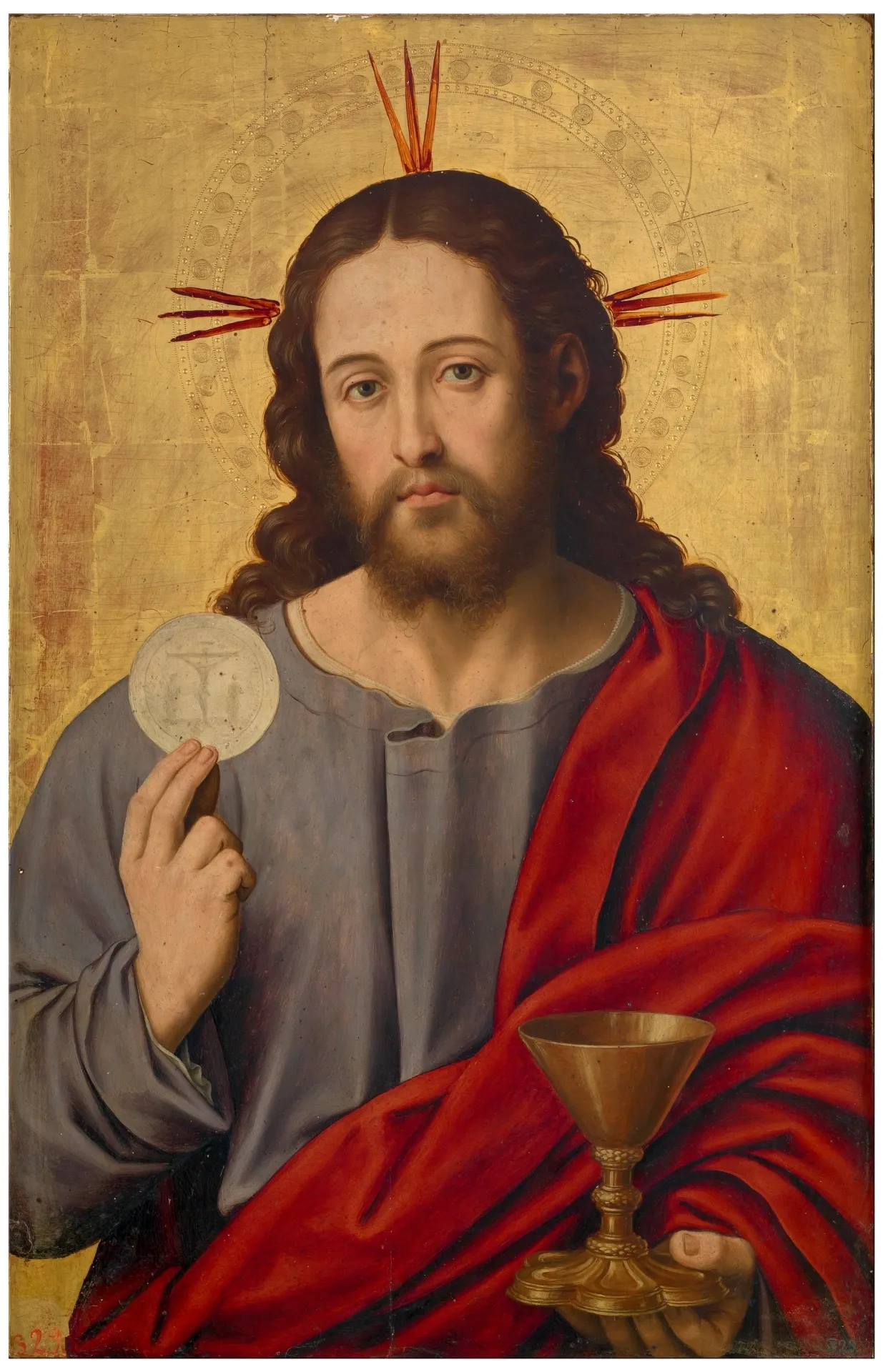
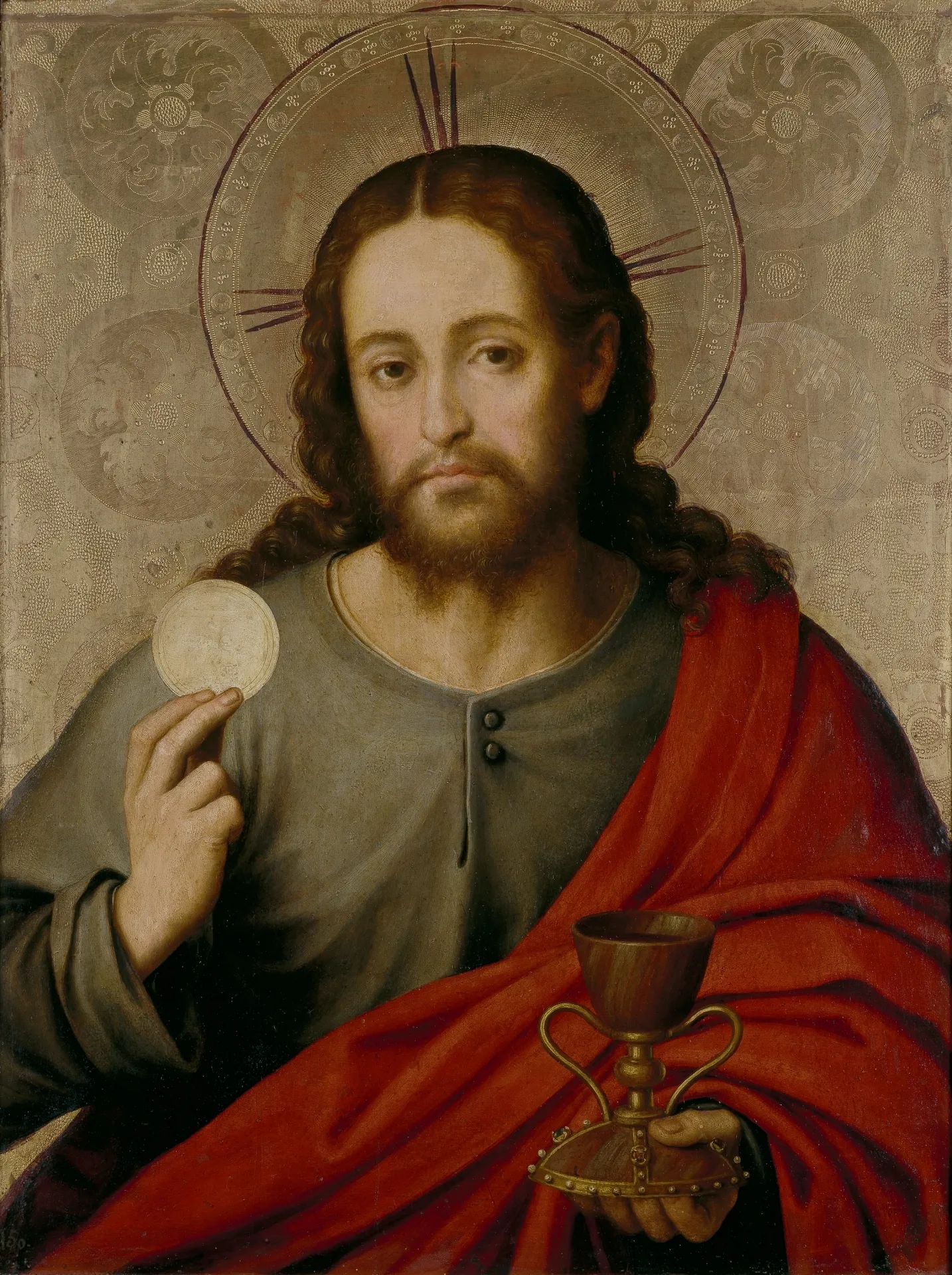
In "St John the Baptist," symbolic elements and narrative depth define the essence of this fine art painting for sale. Vicente Juan Juan de Juanes skillfully weaves biblical themes, inviting viewers to contemplate faith and redemption—motifs prevalent throughout the Spanish Renaissance. Collectors often pair this piece with works such as "La Virgen, Sedente" or "El Salvador Con La Eucaristia," enhancing their appreciation of Juanes’s symbolic storytelling and the movement’s rich iconography.
Owning "St John the Baptist" by Vicente Juan Juan de Juanes means possessing a remarkable hand-painted oil painting that embodies the Spanish Renaissance. Its historical significance and visual allure make it a prized addition to any collection. Collectors seeking to complement this masterpiece may consider related works like "Saint Bruno" or "The Last Supper (2) 1560s," each offering unique insights into Juanes’s artistry and the era’s devotion to fine art painting for sale.
When Art Meets History
"St John the Baptist" by Vicente Juan Juan de Juanes, also known as Macip, stands as a remarkable example of the Spanish Renaissance movement. This hand-painted oil painting captures the religious fervor and artistic innovation of 16th-century Spain. As with other works by Juanes, such as his depictions of saints and biblical scenes, this painting reflects the era's devotion and mastery. The Spanish Renaissance period saw artists like Juanes elevate religious art to new heights, blending history and creativity.
Techniques That Speak
Vicente Juan Juan de Juanes employed masterful oil on canvas techniques to bring "St John the Baptist" to life. His meticulous brushwork, vibrant color palette, and intricate attention to detail are hallmarks of the Spanish Renaissance. The artist's ability to create depth and texture using oil on canvas set his works apart from his contemporaries. This painting exemplifies the technical excellence that made Juanes a key figure in Spanish religious art, inspiring generations of painters.
Emotions on Display
In "St John the Baptist," Juanes conveys profound emotion through the saint's serene expression and thoughtful pose. The hand-painted oil painting draws viewers into a moment of spiritual reflection, embodying the essence of Spanish Renaissance religious art. Juanes’s sensitive portrayal of his subjects, as seen in this and other works, evokes empathy and reverence. The emotional depth in this painting demonstrates why his art continues to resonate with admirers centuries later.
Coveted by Collectors
"St John the Baptist" remains a fine art painting for sale that appeals to collectors and enthusiasts of Spanish Renaissance masterpieces. Vicente Juan Juan de Juanes's works are highly sought after due to their historical significance and artistic quality. Collectors value paintings like this not only for their beauty but also for their place in art history. Acquiring such a piece means owning a tangible connection to the Spanish Renaissance and Juanes’s enduring legacy.
Frequently Asked Questions About St John the Baptist
Who is the artist of "St John the Baptist"?
The painting "St John the Baptist" was created by Vicente Juan Juan de Juanes, also known as Masip or Macip, a prominent Spanish painter of the Renaissance period.
What is the historical context of "St John the Baptist"?
What are the key artistic techniques used in this painting?
Vicente Juan Juan de Juanes employed techniques such as chiaroscuro to create depth and volume, as well as meticulous attention to detail in the depiction of textures and fabrics, characteristic of the Spanish Renaissance style.
What is the significance of St John the Baptist in Christian art?
St John the Baptist is a pivotal figure in Christianity, often symbolizing repentance and the preparation for the coming of Christ. His portrayal in art serves to inspire faith and reflection among viewers.
What symbols are present in "St John the Baptist"?
The painting typically includes symbols such as the lamb, representing Christ, and the cross, signifying John's role in heralding Jesus' mission. These elements enhance the spiritual narrative of the artwork.
How does "St John the Baptist" reflect the style of the Spanish Renaissance?
The painting embodies the Spanish Renaissance style through its use of vibrant colors, dramatic expressions, and a strong emphasis on religious themes, showcasing the fusion of Gothic and Renaissance influences in Spanish art.
What emotions does "St John the Baptist" evoke in viewers?
The artwork elicits a sense of reverence and contemplation, inviting viewers to reflect on the themes of faith, sacrifice, and the prophetic role of St John the Baptist in the Christian tradition.
What is the significance of the composition in "St John the Baptist"?
The composition is carefully arranged to draw the viewer's eye toward St John, often placed in a dynamic pose that conveys movement and emotion, reinforcing his importance as a central figure in the narrative.
How has "St John the Baptist" influenced later artists?
This painting has served as an inspiration for subsequent generations of artists, who have drawn upon its thematic depth and stylistic elements in their own representations of biblical figures and religious subjects.
Where can I view "St John the Baptist"?
"St John the Baptist" is housed in [insert museum name], where it is part of the collection of significant works from the Spanish Renaissance, allowing visitors to appreciate its historical and artistic value.























_GFM_Painting_(1).webp)


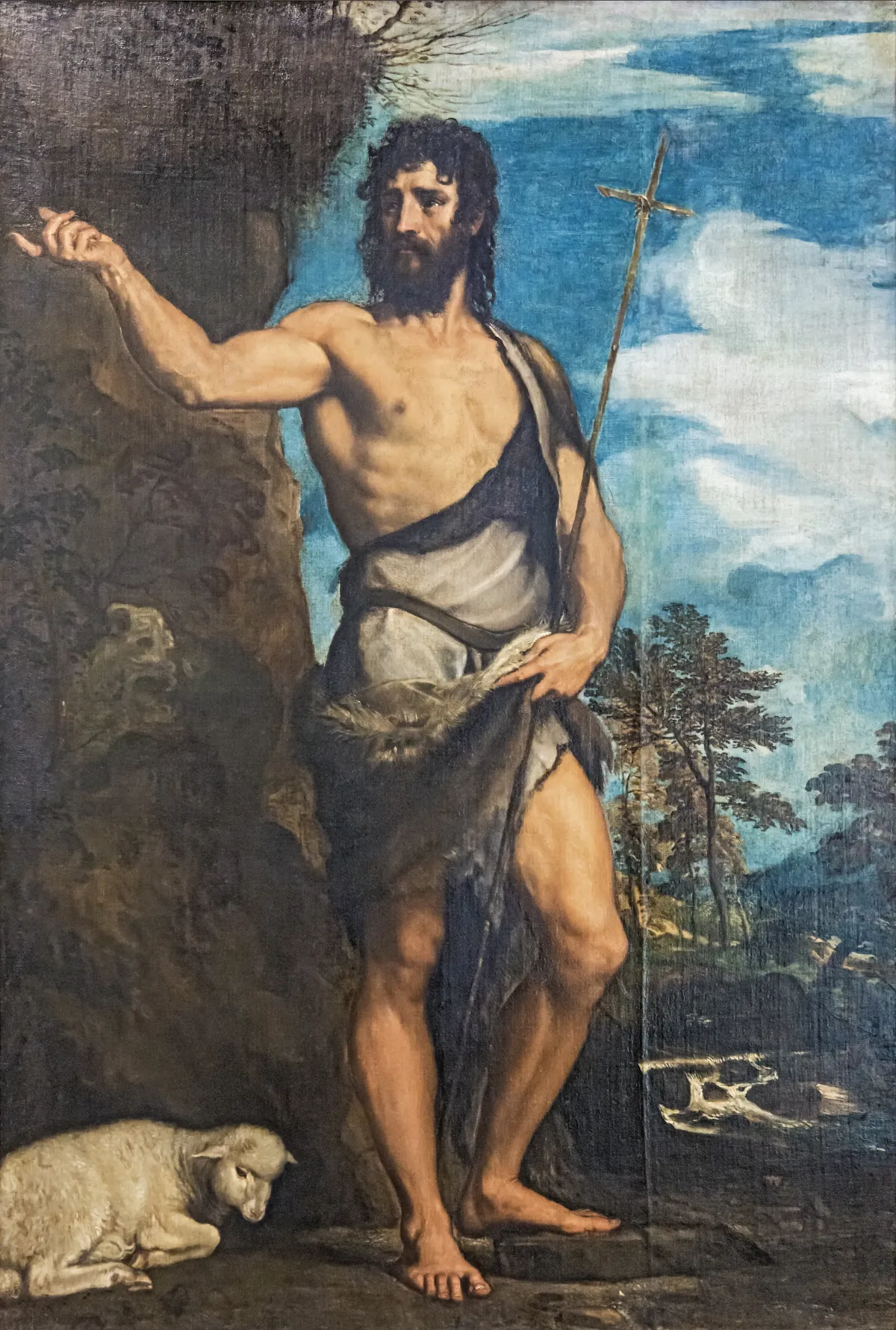
 100% Hand-Painted: Finished in 3-6 Weeks

.png)












_1560s.webp)



_(1).webp)