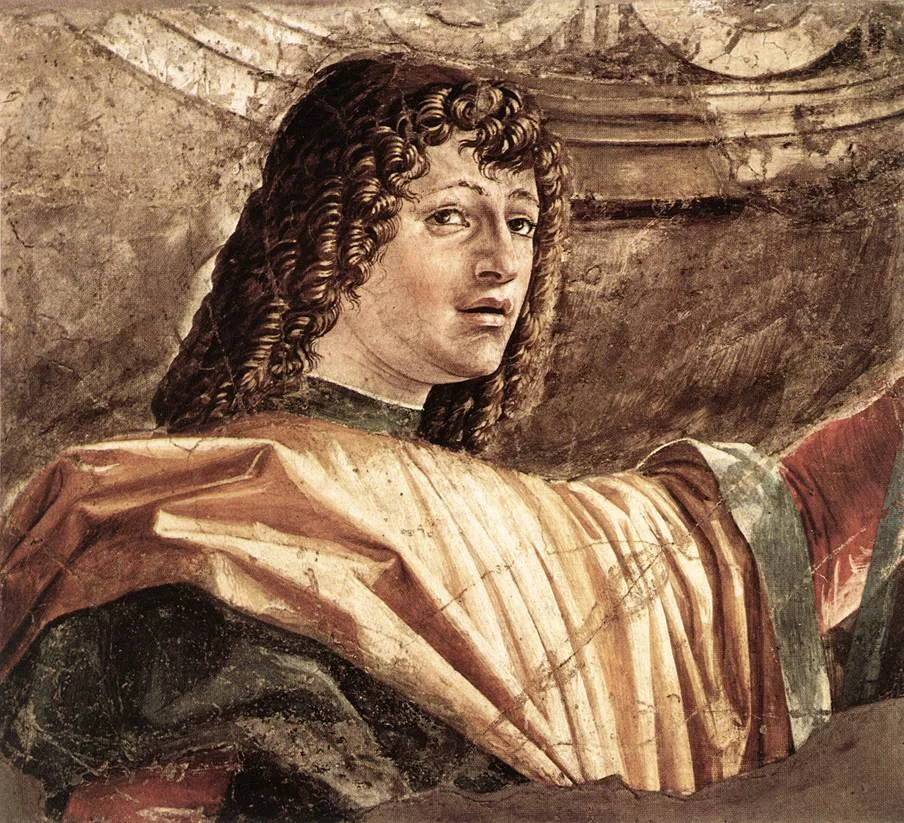
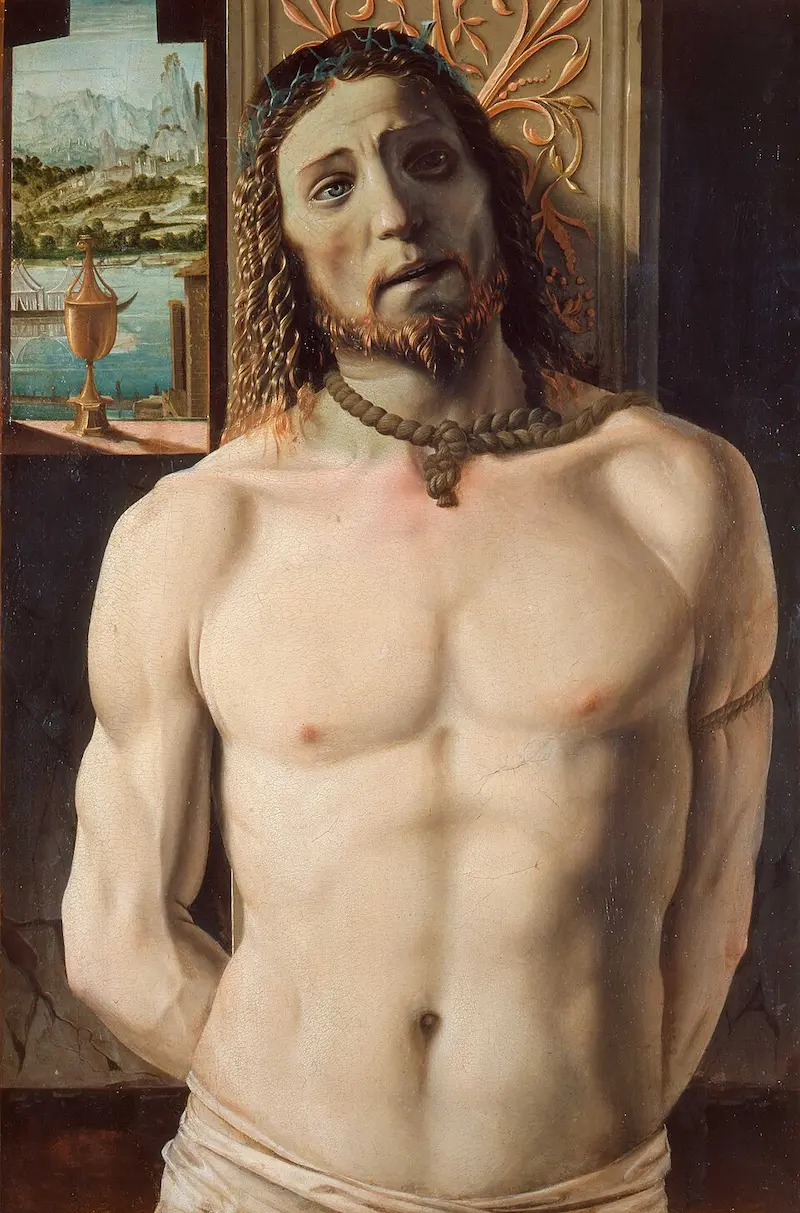
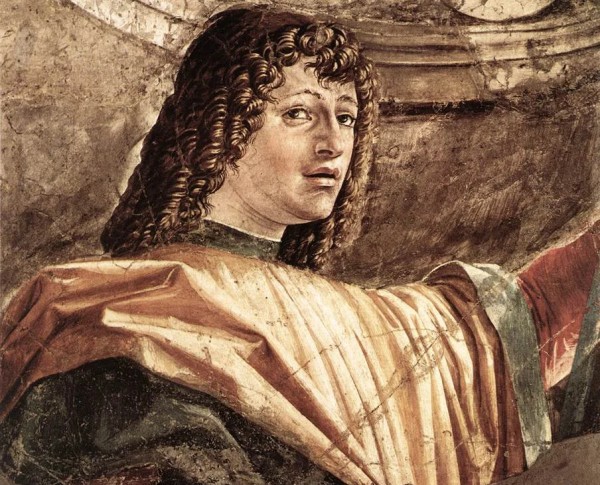
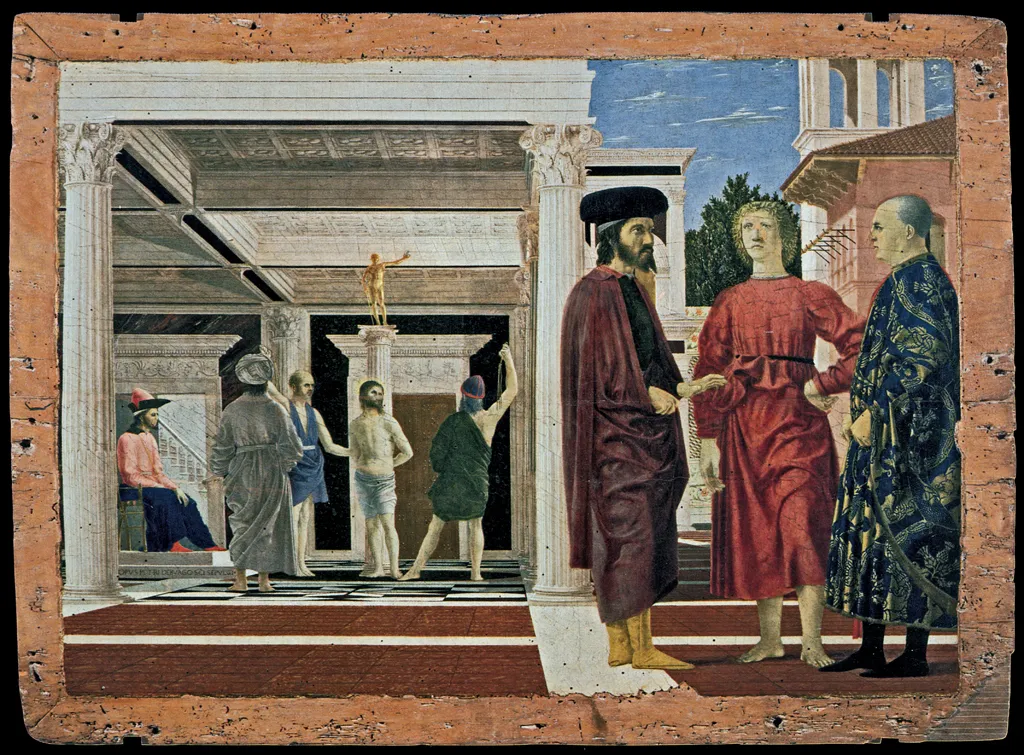
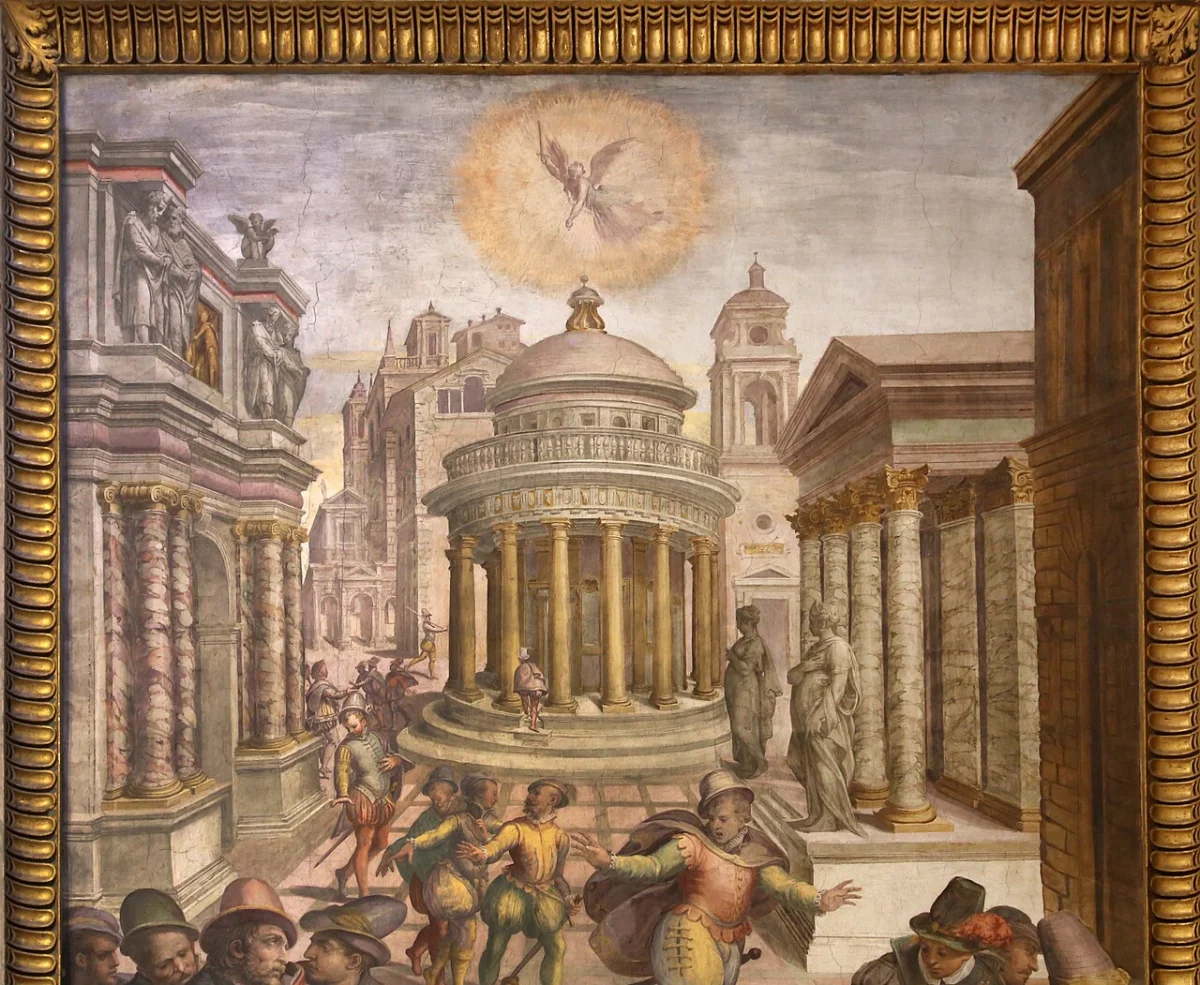
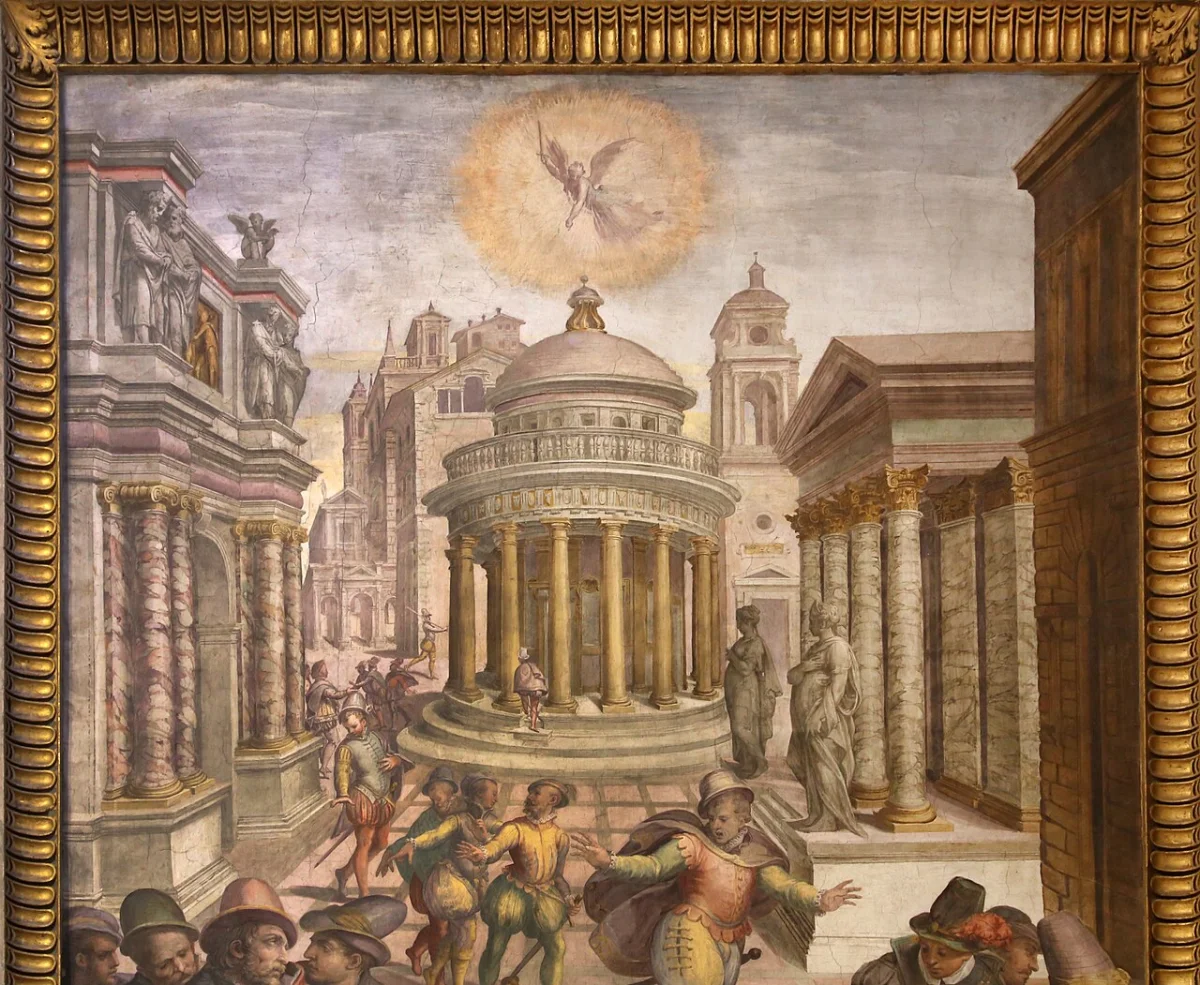
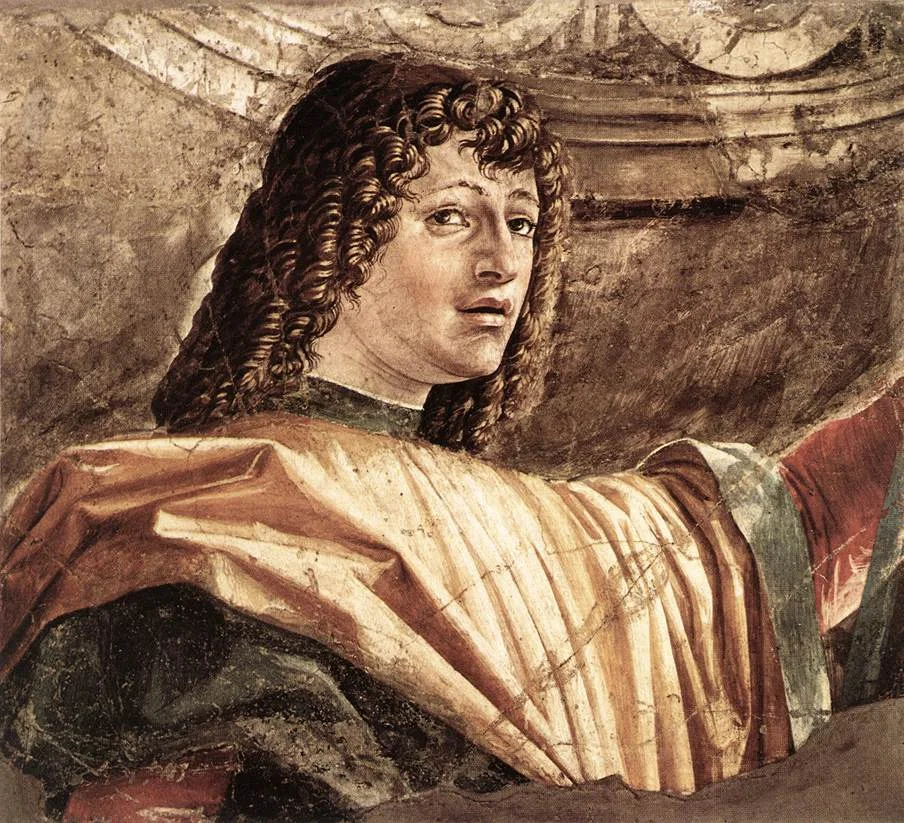
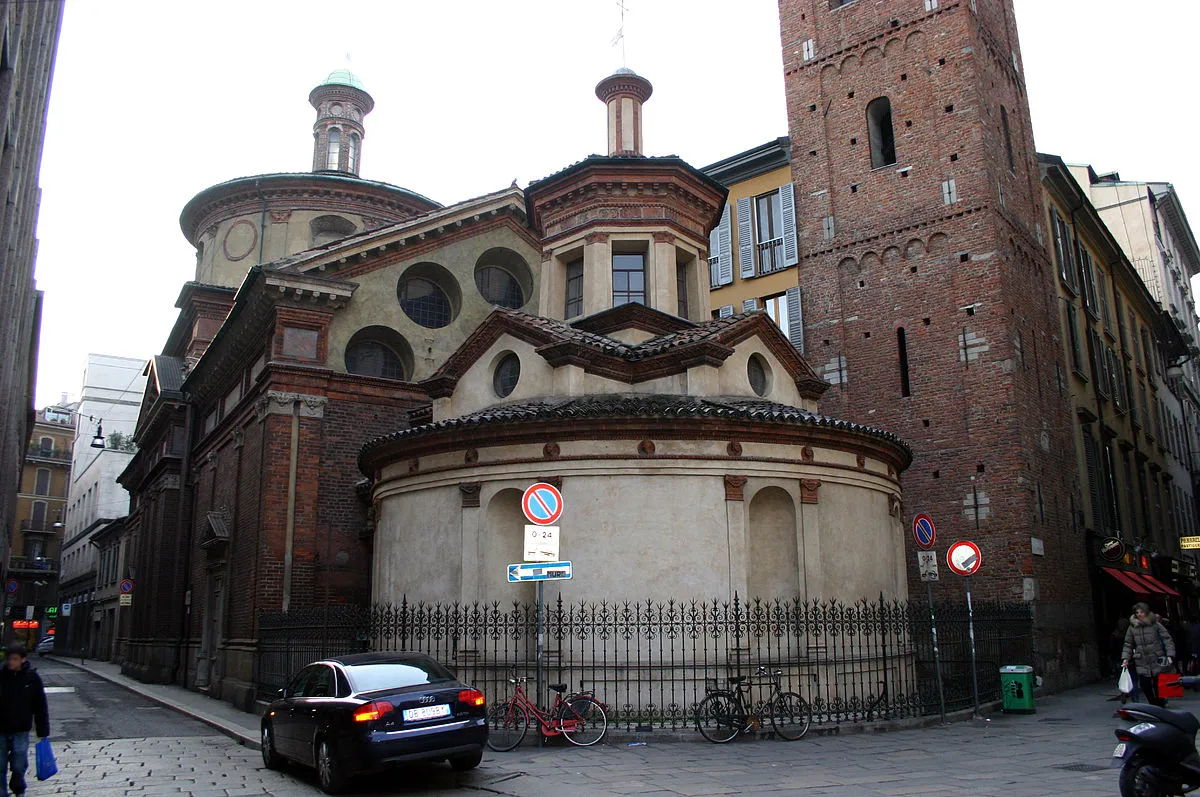
Donato Bramante’s "Tempietto del Bramante" exhibits remarkable technique using oil on canvas, showcasing the harmonious blend of perspective, proportion, and detail that defined the High Renaissance. Every brushstroke reveals Bramante’s architectural precision and mastery over light and shadow. This painting pairs beautifully with other fine works such as "Uomo dall'alabarda" and "Poet Laureate with Red Hat," both reflecting the era’s dedication to technical and artistic excellence.
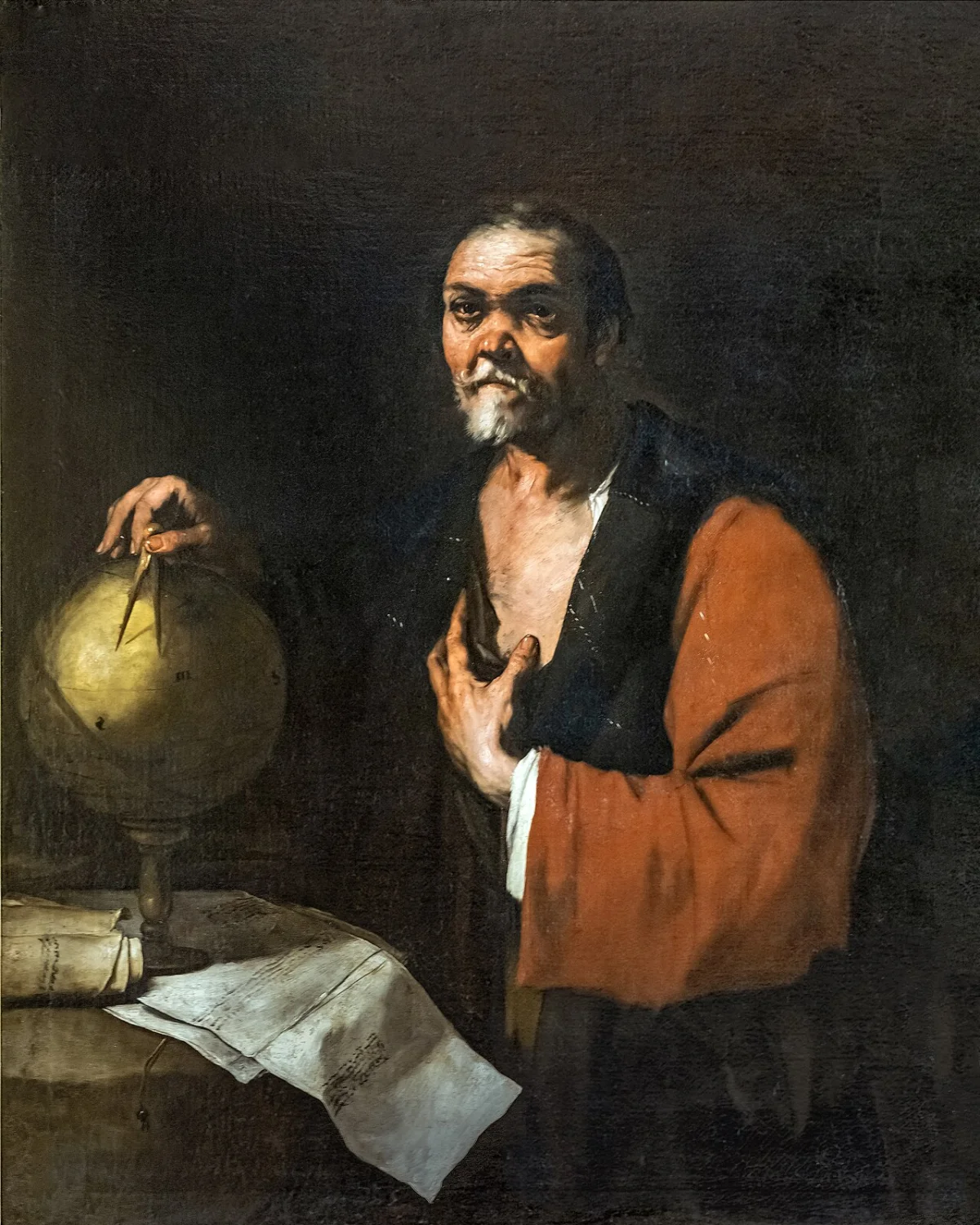
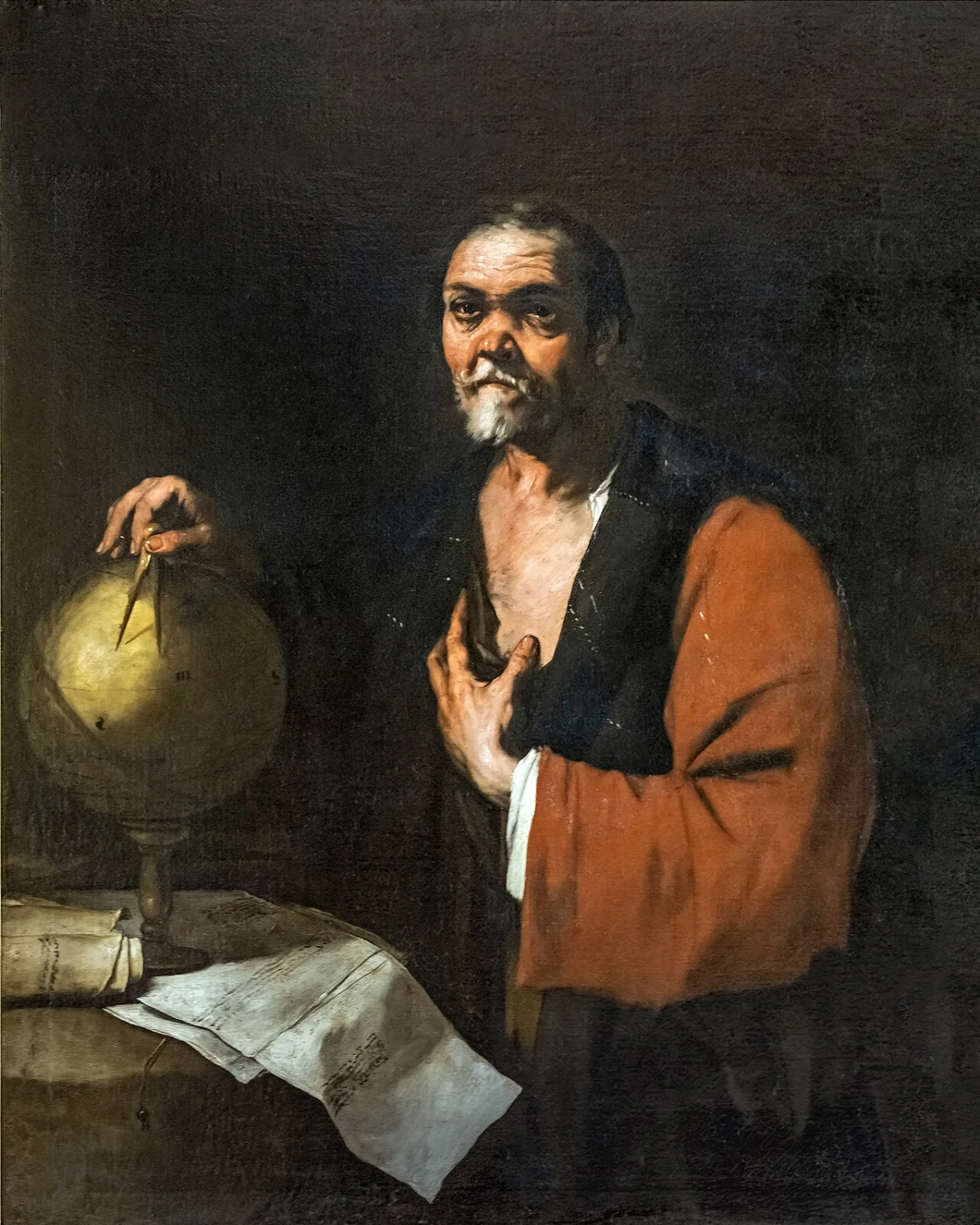
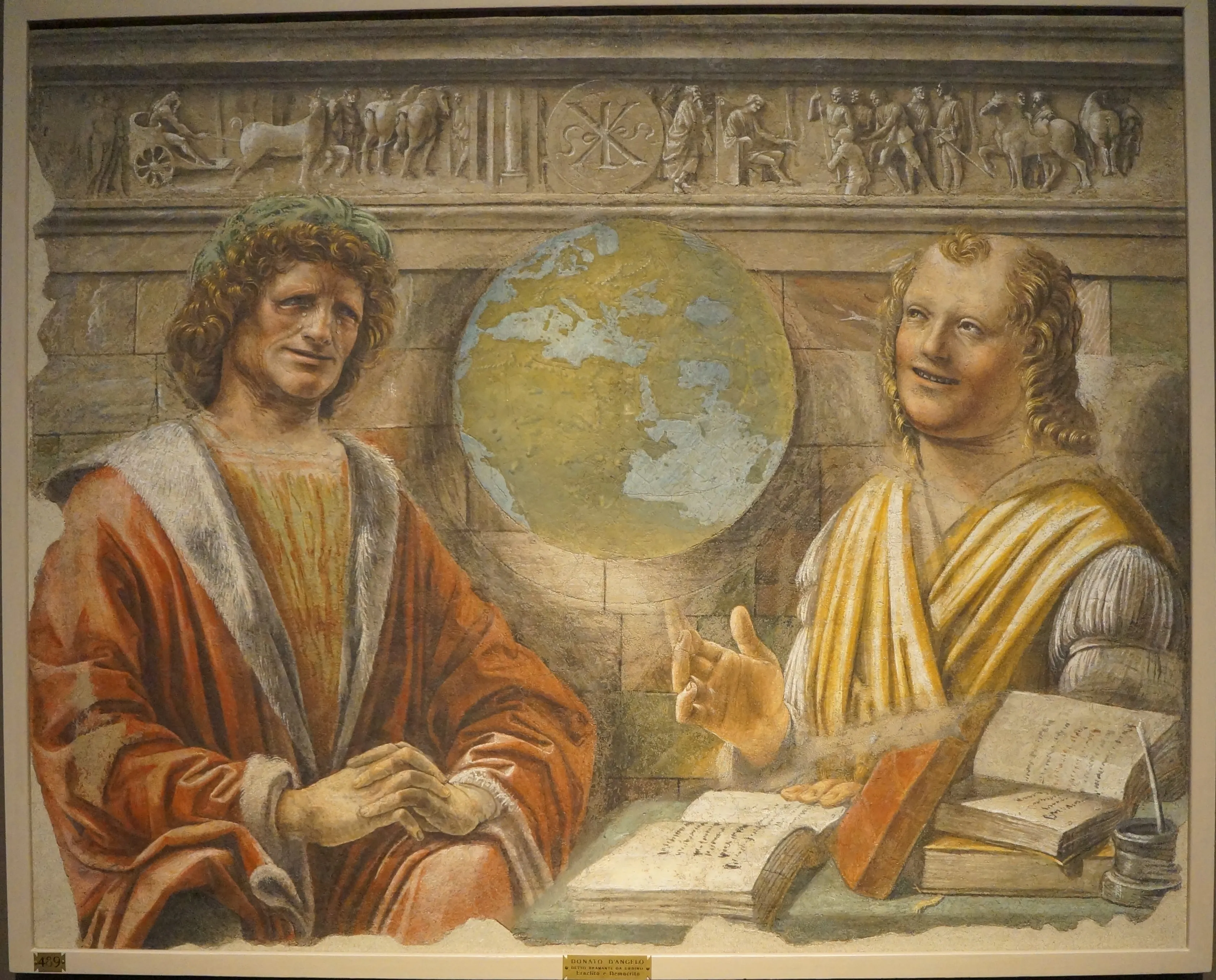
The "Tempietto del Bramante" is more than a fine art painting for sale—it is a narrative in stone and pigment. Bramante’s depiction of this iconic structure symbolizes humanism and the revival of classical ideals central to the High Renaissance movement. Collectors intrigued by symbolism and storytelling may also appreciate "Palazzo Torlonia - general design" and "Crying Heraclitus and Laughing Democritus" for their rich historical and cultural references.
Owning the "Tempietto del Bramante" hand-painted oil painting by Donato Bramante means possessing a piece of High Renaissance history. This masterpiece elevates any collection and serves as a focal point of artistic achievement. Pairing it with other related products, such as "Heraclitus and Democritus" or "Man with a Mace," allows collectors to build a curated selection of works that celebrate the era’s unparalleled creativity and vision.
When Art Meets History
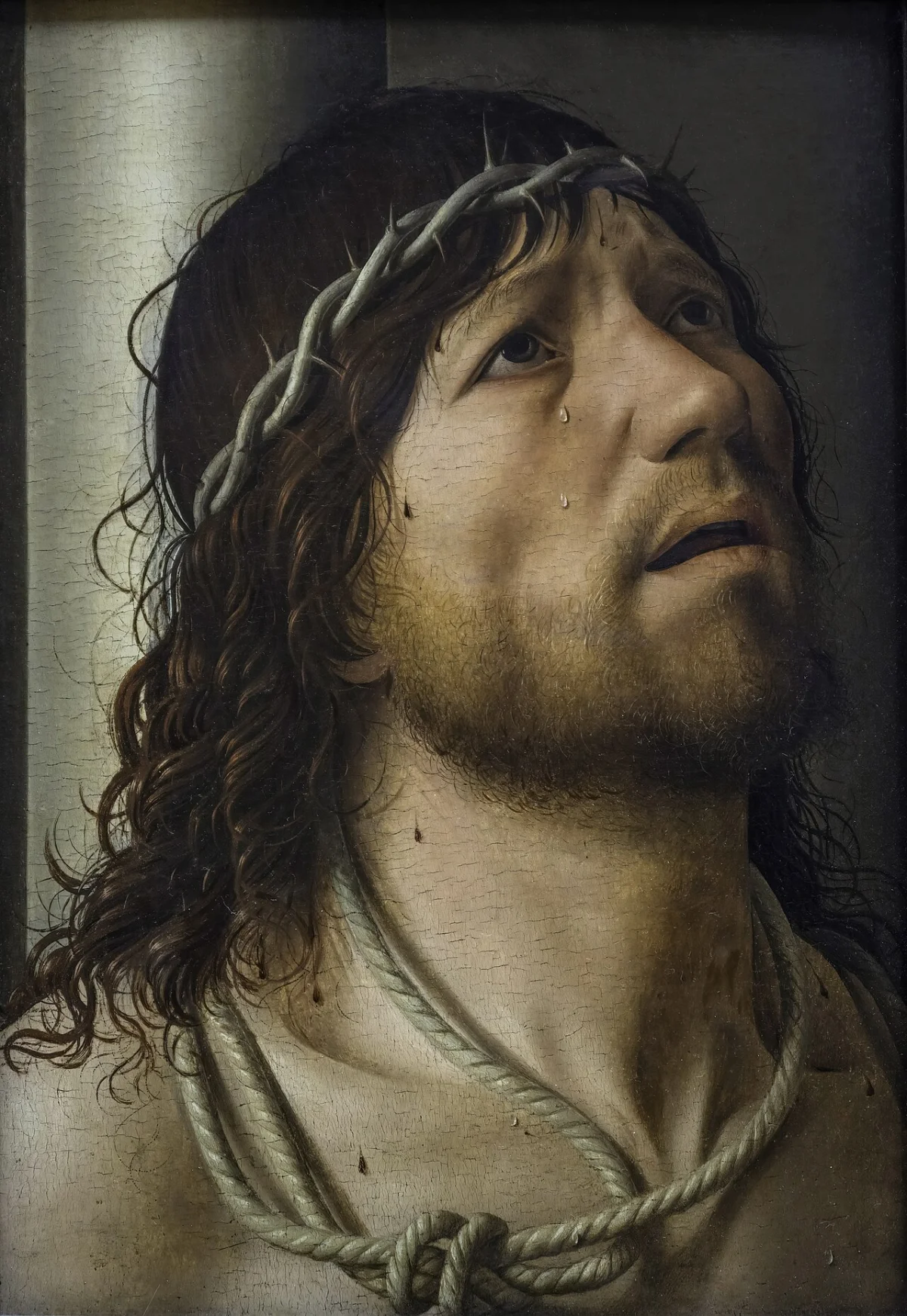
Donato Bramante’s "Tempietto del Bramante" stands as a hallmark of the High Renaissance, blending architectural mastery with artistic vision. This hand-painted oil painting captures the era’s fascination with classical forms and harmonious proportions. Bramante, renowned for works like "The Study of Drapery of a Seated Figure" and "Angel with Candlestick," demonstrates his innovative approach in this masterpiece. Collectors and historians alike admire this piece for its ability to encapsulate a pivotal moment in art history.
Techniques That Speak
The "Tempietto del Bramante" showcases Bramante’s exceptional skill with oil on canvas, a medium favored during the High Renaissance for its versatility and depth. The painting’s intricate detailing and subtle play of light echo techniques seen in "Saint Michael And The Dragon" and "Sleeve Study for the Annunciation." Bramante’s use of perspective and shading reflects his background in architecture, resulting in a visually stunning composition that remains influential among fine art connoisseurs.
Emotions on Display
In this fine art painting for sale, Bramante conveys a sense of tranquility and spiritual elevation, hallmarks of the High Renaissance movement. The "Tempietto del Bramante" invites viewers to reflect on the harmony between human creation and divine inspiration, much like "The Creation of the Sun, Moon and Planets." The artist’s delicate brushwork and balanced composition evoke both awe and serenity, making it a cherished addition to any collection seeking emotional resonance.
Coveted by Collectors
Collectors eagerly seek the "Tempietto del Bramante" for its historical significance and exquisite execution in hand-painted oil painting. Donato Bramante’s legacy, alongside related works such as "Angel with Candlestick" and "Saint Michael And The Dragon," ensures that this masterpiece remains a prized possession. The High Renaissance movement’s emphasis on ideal beauty and proportion is perfectly embodied here, making this painting a valuable and timeless investment for art enthusiasts worldwide.
Related High Renaissance Hand-Painted Oil Paintings by Other Artists
Other Famous High Renaissance Artists:
Frequently Asked Questions About Tempietto del Bramante
What is the historical significance of the Tempietto del Bramante?
The Tempietto del Bramante, completed in 1502, is considered a pivotal work in the development of Renaissance architecture. It marks the beginning of the High Renaissance style and reflects the revival of classical forms and principles in architecture.
Who commissioned the Tempietto del Bramante and why?
The Tempietto was commissioned by King Ferdinand II of Aragon and Queen Isabella I of Castile to commemorate the martyrdom of Saint Peter, believed to have occurred at this site. This reflects the intertwining of religious devotion and royal patronage during the Renaissance.
What architectural elements are prominent in the Tempietto del Bramante?
The Tempietto features a circular plan, a domed roof, and classical columns, embodying the principles of symmetry and proportion. Its design draws heavily from ancient Roman architecture, particularly the Pantheon, showcasing Bramante's mastery of classical forms.
How does the Tempietto del Bramante reflect Renaissance ideals?
The Tempietto exemplifies Renaissance ideals through its harmonious proportions, use of classical motifs, and emphasis on humanism. It symbolizes the revival of ancient Greek and Roman culture, emphasizing beauty, order, and the divine.
What symbolic meanings are associated with the Tempietto del Bramante?
The Tempietto symbolizes the intersection of heaven and earth, reflecting the Christian belief in the divine. Its circular form represents eternity and the divine nature of God, while the use of classical elements signifies a return to the ideals of ancient wisdom.
In what ways did the Tempietto influence later architectural designs?
The Tempietto has influenced numerous architectural designs throughout history, particularly in the Baroque period. Its emphasis on symmetry and classical elements can be seen in various churches and public buildings, establishing a template for future architects.
What materials were used in the construction of the Tempietto del Bramante?
The Tempietto is primarily constructed of travertine, a type of limestone that was commonly used in Roman architecture. This choice of material not only enhances its aesthetic appeal but also connects it to the ancient structures of Rome.
How does the location of the Tempietto contribute to its historical context?
Situated in the courtyard of San Pietro in Montorio in Rome, the Tempietto's location is significant as it is believed to be the site of Saint Peter's martyrdom. This connection enhances its religious importance and reinforces its role as a pilgrimage destination.
What artistic techniques did Bramante employ in the design of the Tempietto?
Bramante utilized techniques such as axial alignment, careful proportioning, and the interplay of light and shadow to create a sense of depth and grandeur. These techniques contribute to the overall aesthetic harmony and visual impact of the structure.
What role does the Tempietto play in the broader context of Renaissance art and architecture?
The Tempietto serves as a seminal example of Renaissance architecture, bridging the gap between Gothic and Renaissance styles. It embodies the cultural shift towards humanism and the revival of classical antiquity, influencing both contemporary and future artistic movements.























_GFM_Painting_(1).webp)


 100% Hand-Painted: Finished in 3-6 Weeks

.png)















_(1).webp)