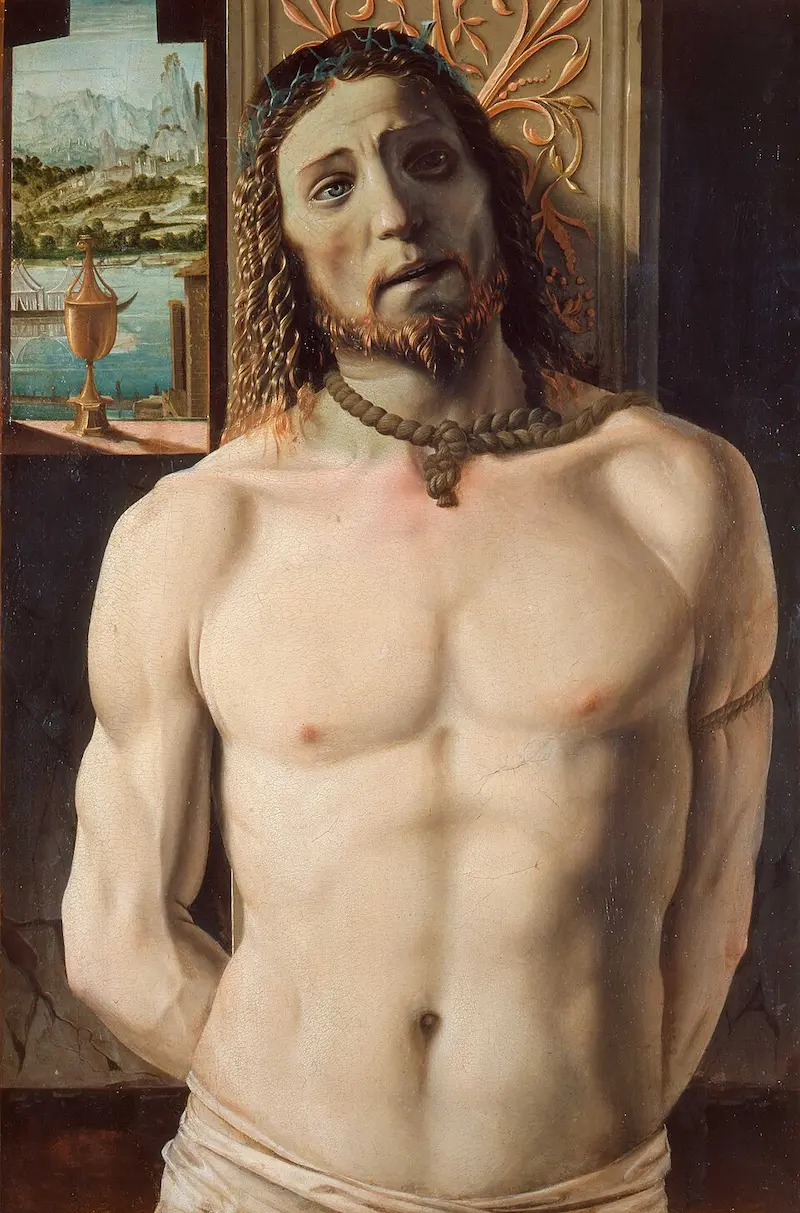
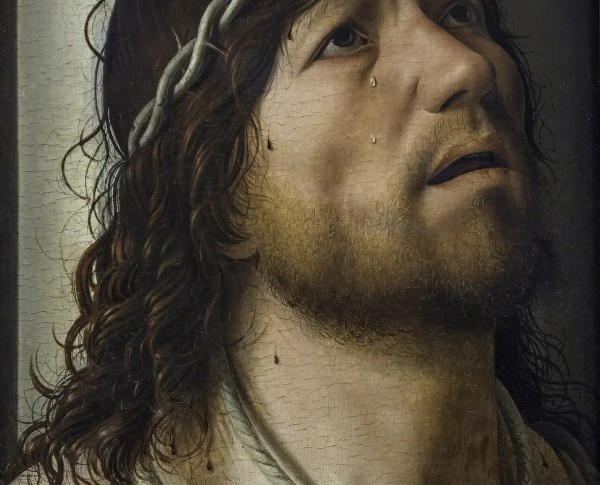
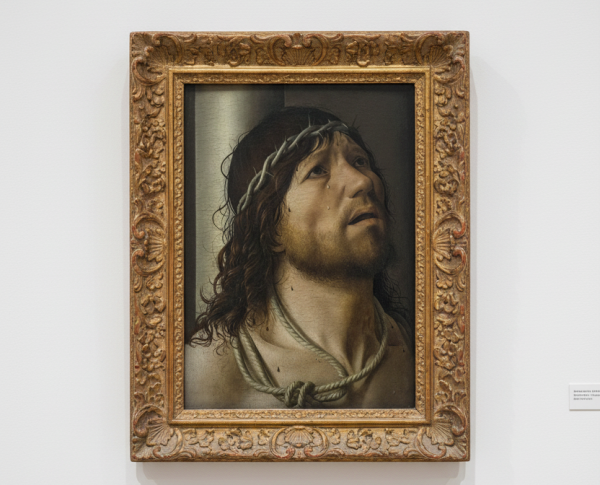
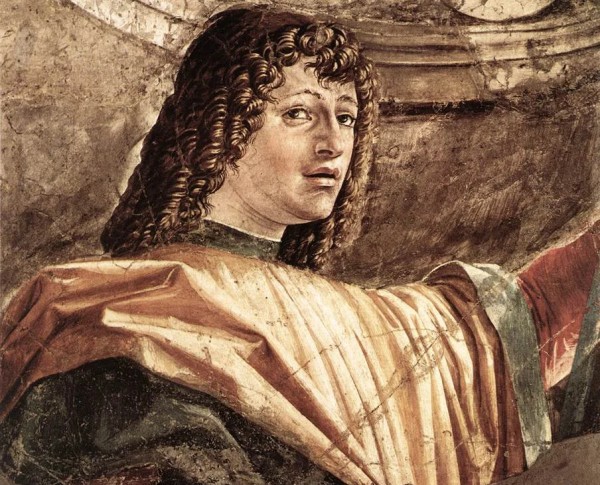
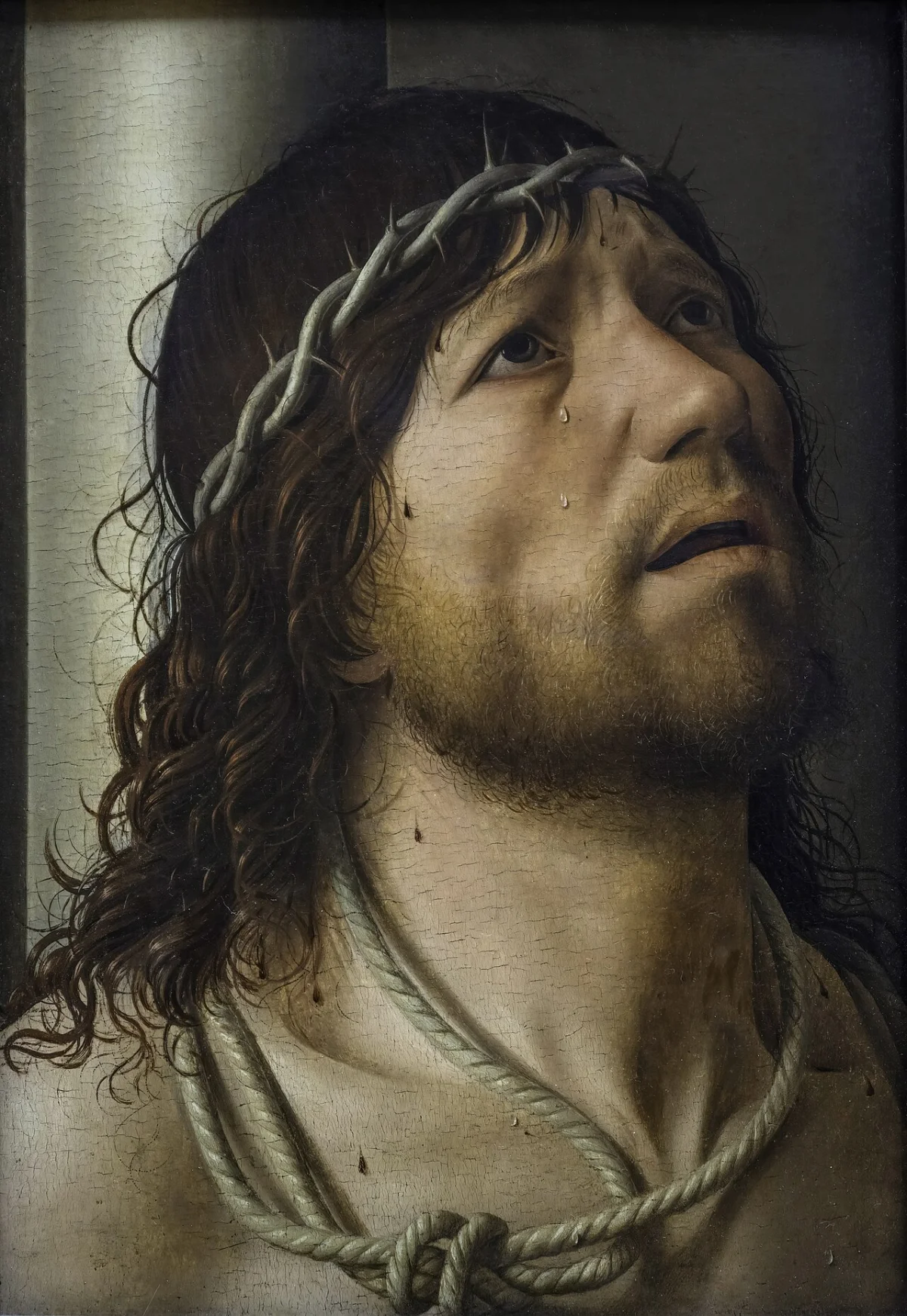
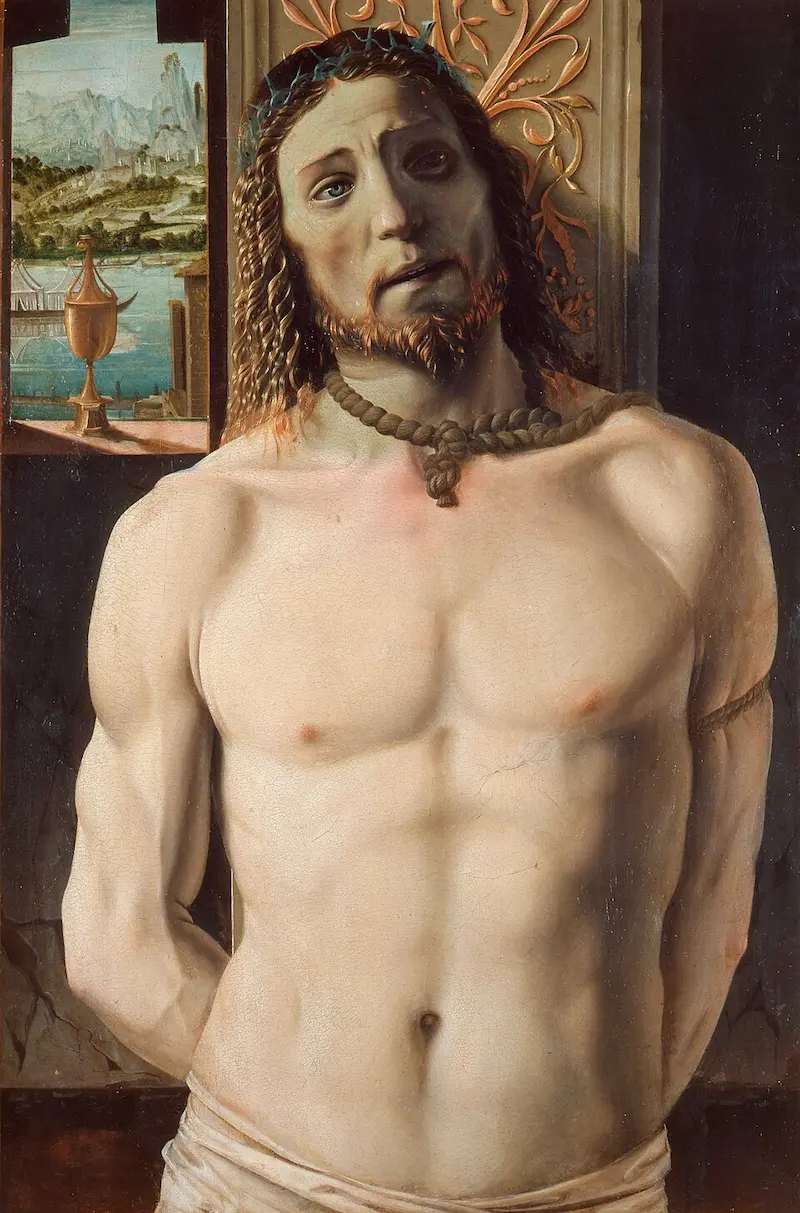
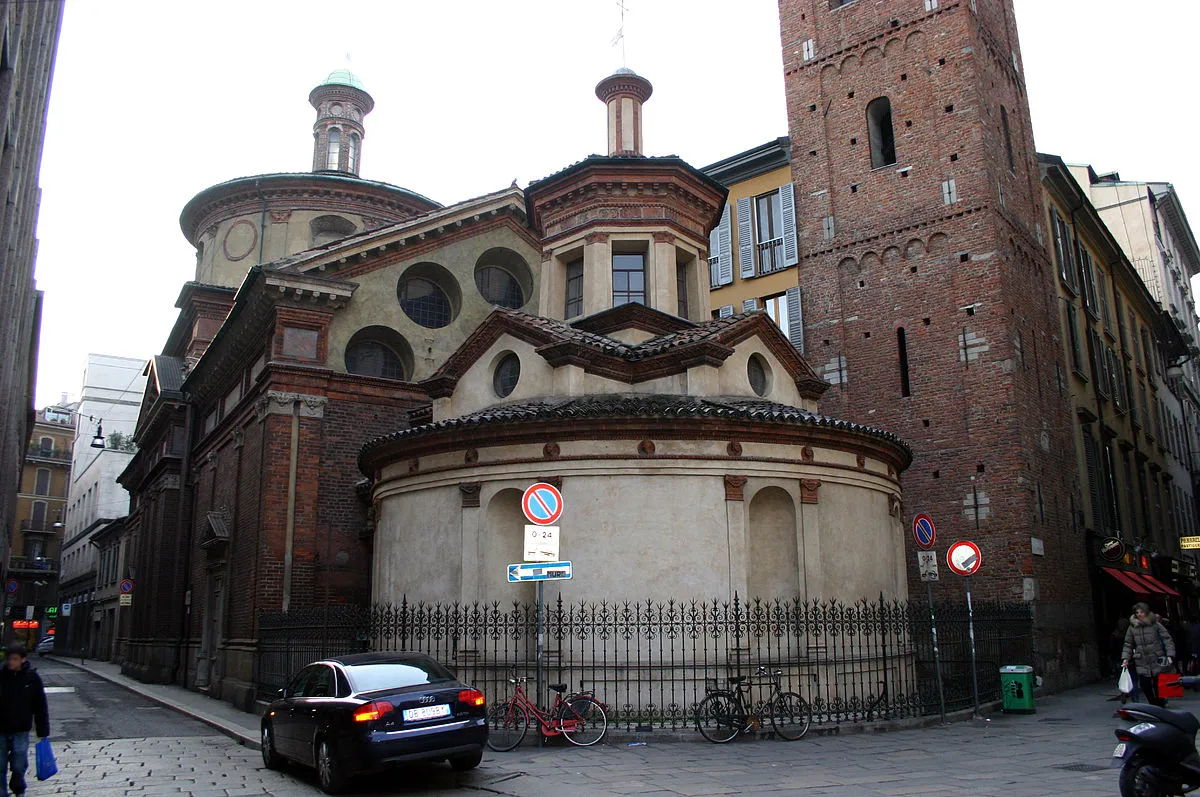
Donato Bramante’s technique in “Palazzo Torlonia - general design” showcases the meticulous detail and harmonious composition characteristic of High Renaissance oil on canvas works. The artist’s mastery is evident in the architectural precision and subtle use of light, capturing the essence of Renaissance ideals. For collectors seeking similar masterpieces, consider "Christ at the Column (Bramante)" and "Santa Maria presso San Satiro - Bramante false apse" as complementary additions to your collection.
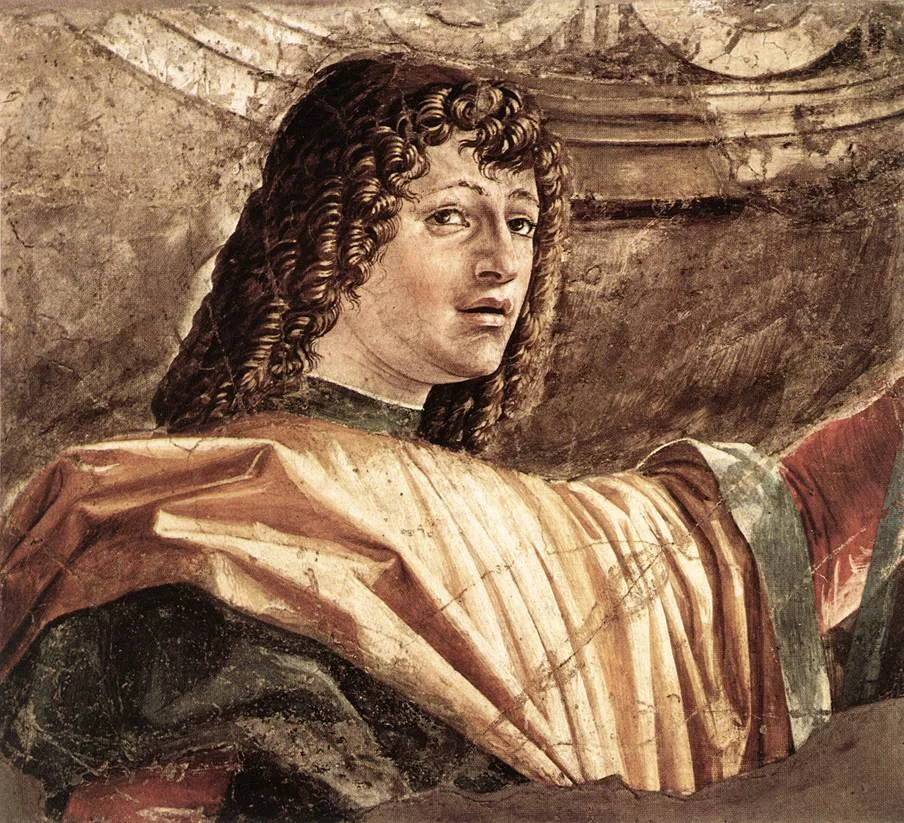
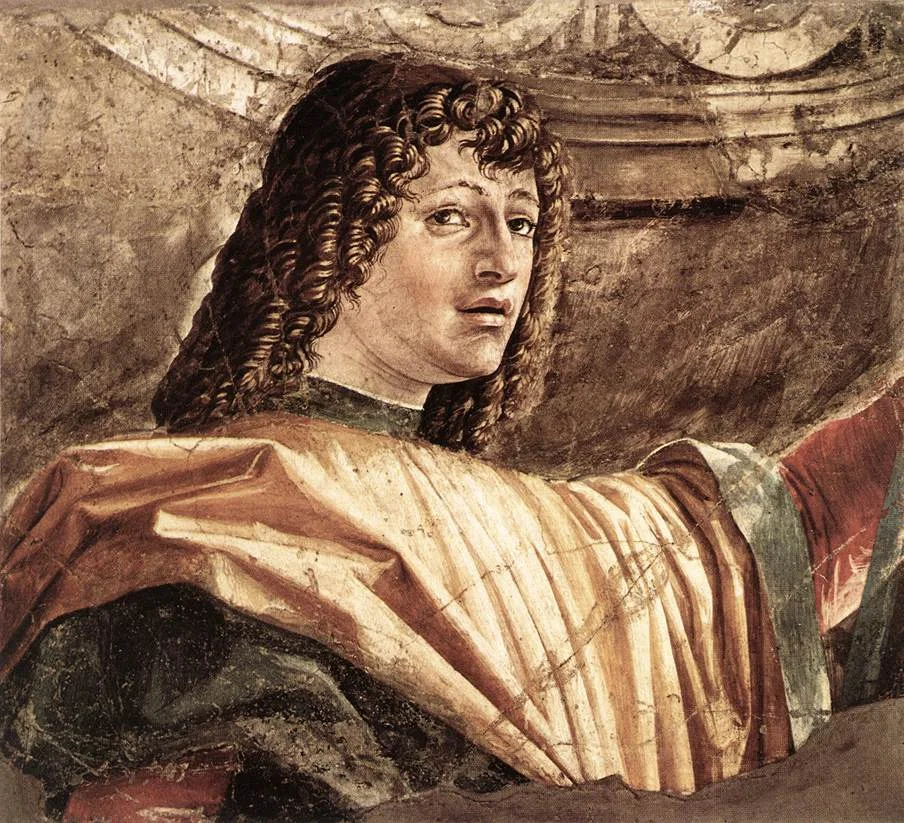
Within “Palazzo Torlonia - general design,” Bramante weaves stories and symbols reflective of the High Renaissance’s cultural and intellectual vibrancy. This fine art painting for sale invites viewers to interpret architectural motifs and allegorical details that speak to the era’s humanistic values. Expand your understanding of Renaissance storytelling by exploring related products like "Man with a Halbard" and "Poet Laureate with Red Hat," each rich with historical meaning.
Owning “Palazzo Torlonia - general design” by Donato Bramante means possessing a hand-painted oil painting that bridges past and present. As a prime example of High Renaissance artistry, it appeals to discerning collectors and those seeking a distinguished fine art painting for sale. Enhance your collection with related products such as "St. Christopher with the Infant Jesus" or "Santa Maria presso San Satiro - Bramante false apse"—each a testament to Bramante’s enduring genius.
When Art Meets History
"Palazzo Torlonia - general design" by Donato Bramante stands as a testament to the grandeur of the High Renaissance. This hand-painted oil painting captures the architectural ambition and refined aesthetic of its era. Bramante, renowned for his mastery, also contributed to related works like "Crucifixion" and "Saint Michael Trampling the Dragon." The painting invites viewers to explore a pivotal moment where art and history converge, making it a timeless treasure for connoisseurs and historians alike.
Techniques That Speak
Donato Bramante’s "Palazzo Torlonia - general design" showcases exceptional oil on canvas technique, reflecting the artist’s profound understanding of spatial harmony and perspective. Influenced by the High Renaissance movement, Bramante’s brushwork mirrors the sophistication seen in "Creation of Adam 1510" and "St George and the Dragon." The interplay of light and shadow, combined with meticulous architectural details, demonstrates the technical prowess that defines this masterpiece and sets it apart from other works of the period.
Emotions on Display
Through "Palazzo Torlonia - general design," Bramante evokes a sense of awe and reverence, characteristic of the High Renaissance. The painting’s composition and serene palette inspire viewers to contemplate the grandeur of human achievement. Similar emotional depth can be found in "Joanna Of Aragon" and "Saint Michael Trampling the Dragon." This fine art painting for sale offers a unique opportunity to experience the emotions that Bramante so masterfully imbued in his celebrated works.
Coveted by Collectors
Collectors highly seek "Palazzo Torlonia - general design" for its historical significance and artistic brilliance. As a hand-painted oil painting from the High Renaissance, it stands alongside masterpieces like "Crucifixion" and "Creation of Adam 1510." Donato Bramante’s architectural genius shines through, making this oil on canvas an essential addition for any serious art collection. Its rarity and connection to other iconic works only heighten its desirability in the world of fine art.
Related High Renaissance Hand-Painted Oil Paintings by Other Artists
Other Famous High Renaissance Artists:
Frequently Asked Questions About Palazzo Torlonia - general design
Who is the artist behind Palazzo Torlonia - general design?
The artwork was created by the renowned architect and painter Donato Bramante, a pivotal figure in the High Renaissance period.
What historical context influenced the creation of Palazzo Torlonia?
Palazzo Torlonia was designed during the early 16th century, a time marked by the Renaissance's revival of classical architecture and humanist ideals in Italy.
What architectural style is represented in Palazzo Torlonia - general design?
The design exemplifies the Renaissance style, characterized by symmetry, proportion, and the incorporation of classical elements such as columns and pediments.
What are the symbolic elements found in Palazzo Torlonia?
The building incorporates symbols of power and prestige, reflecting the wealth of the Torlonia family and their status in Roman society during the Renaissance.
How does Palazzo Torlonia reflect the principles of Renaissance architecture?
The design emphasizes harmony and balance, utilizing geometric forms and a clear organization of space, which are hallmarks of Renaissance architectural philosophy.
What materials were commonly used in the construction of Palazzo Torlonia?
The structure primarily utilizes local stone, which was typical of Roman architecture, allowing it to blend seamlessly with its historical surroundings.
What significance does Palazzo Torlonia hold in the context of Roman architecture?
Palazzo Torlonia is significant as it represents a transition from medieval to Renaissance architecture, showcasing the evolution of design principles in Rome.
How does the design of Palazzo Torlonia compare to other works by Donato Bramante?
While Bramante is best known for his contributions to St. Peter's Basilica, Palazzo Torlonia shares his innovative use of space and classical motifs, showcasing his architectural versatility.
What role did the Torlonia family play in the cultural landscape of Renaissance Rome?
The Torlonia family were significant patrons of the arts, and their investment in architecture and culture helped shape the artistic heritage of Rome during the Renaissance.
What can visitors learn about Renaissance society from Palazzo Torlonia?
Visitors can gain insights into the social hierarchy, artistic patronage, and architectural advancements of the Renaissance period, as embodied in the design and function of the palace.























_GFM_Painting_(1).webp)



 100% Hand-Painted: Finished in 3-6 Weeks


.png)















_(1).webp)