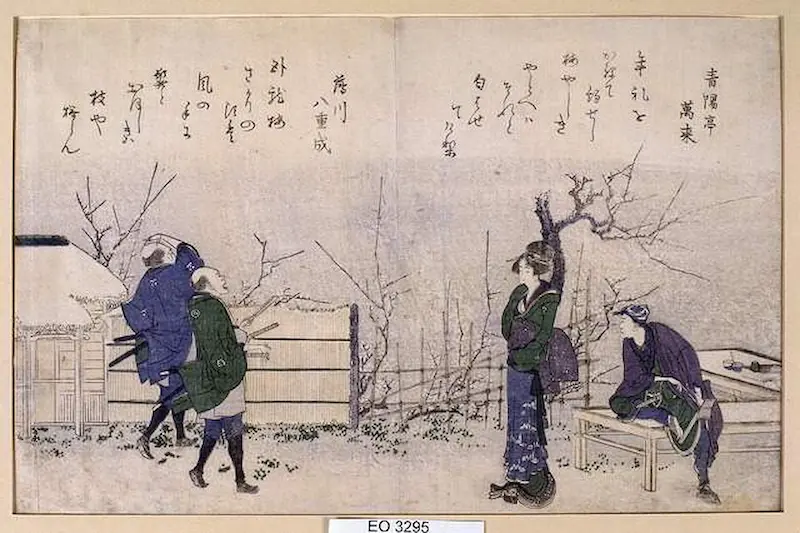
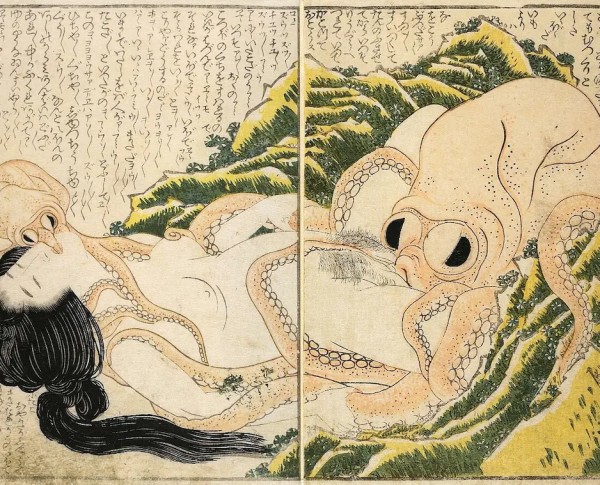
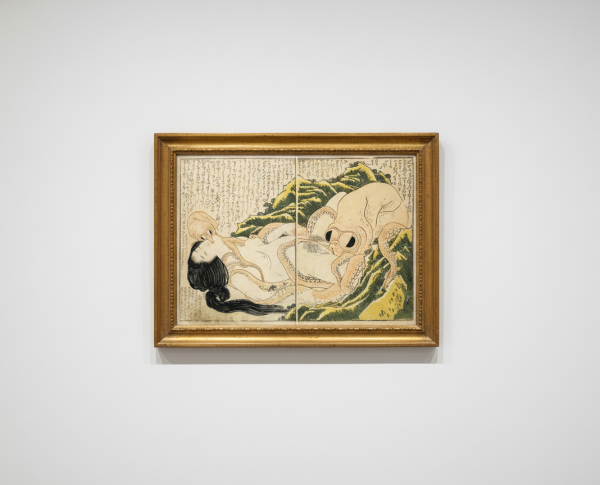
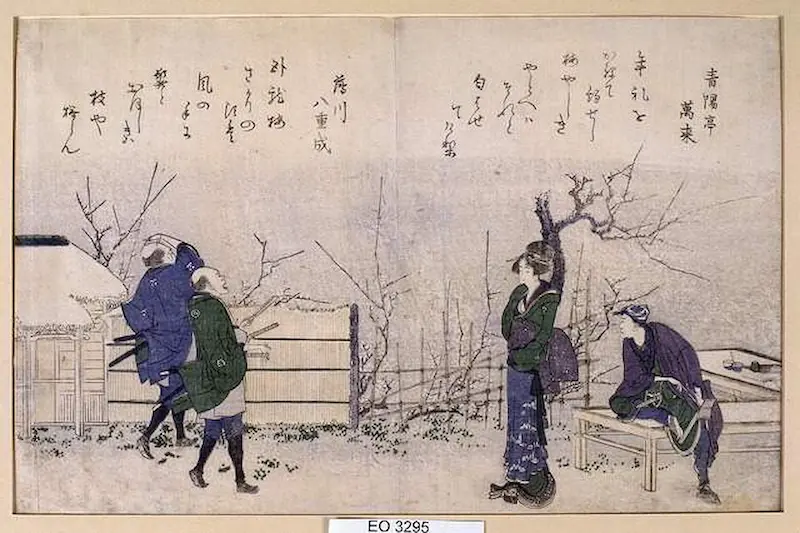
"The Adonis Plant" exemplifies Hokusai’s dedication to detail and technique, using oil on canvas to bring the delicate beauty of nature to life. The painting’s vibrant colors and intricate patterns are characteristic of the Ukiyo-e movement, making it a standout piece among his oeuvre. Those seeking a timeless addition to their home should explore this and similar works, such as "New Year's Days of the Teahouse Ogi-ya," for a truly captivating art experience.
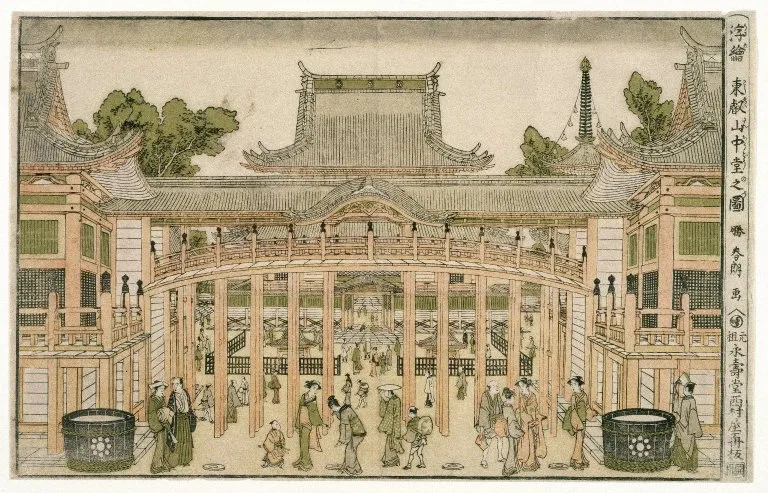
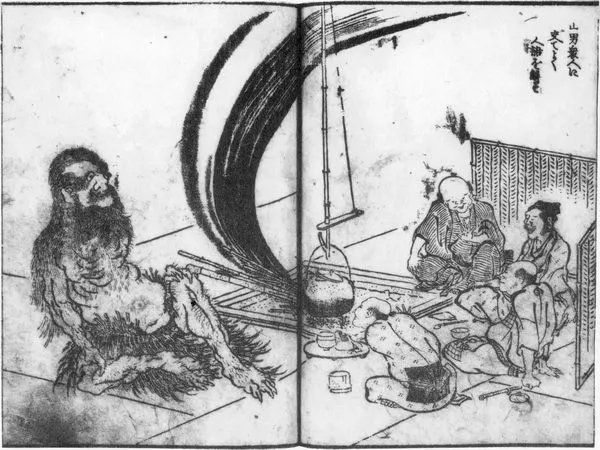
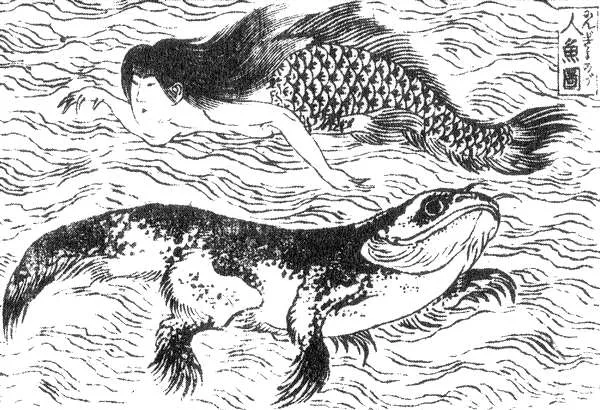
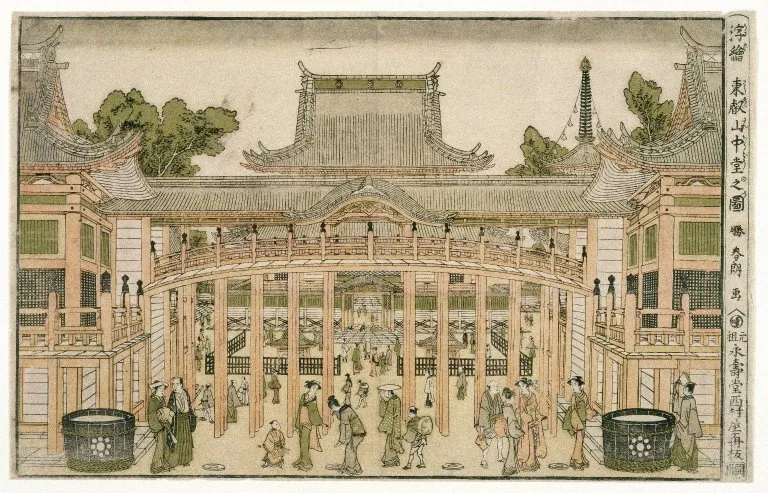
In "The Adonis Plant," Hokusai weaves subtle stories and symbols into every brushstroke, reflecting the fleeting beauty and transience central to Ukiyo-e philosophy. As a fine art painting for sale, it invites viewers to contemplate the deeper meanings behind nature’s forms. Collectors often pair this masterpiece with related works like "Inside the Courtyard of the Toeizan Temple at Ueno" and "Ningyo" to build a collection rich in cultural significance.
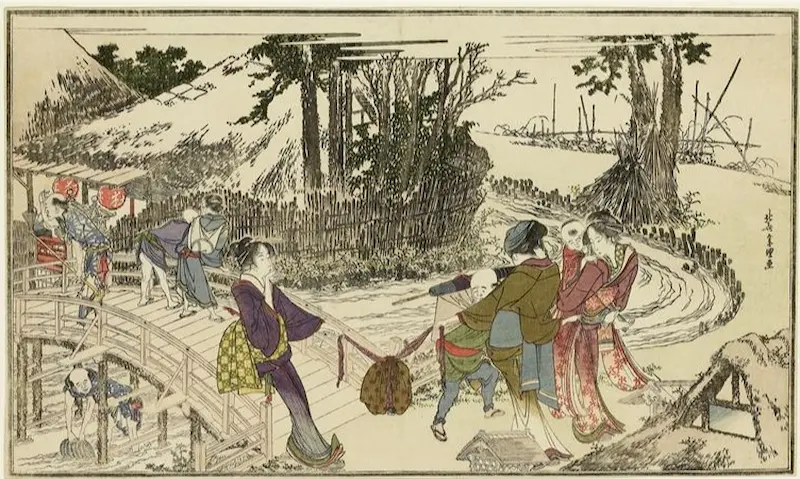
Owning "The Adonis Plant" by Katsushika Hokusai is a privilege for any art lover, representing the pinnacle of the Ukiyo-e movement. This hand-painted oil painting stands out for its elegance and historical importance. For those seeking to enhance their collection, consider acquiring companion pieces such as "Women walking in a garden," which complement the refined beauty and narrative depth found in Hokusai’s celebrated works.
When Art Meets History
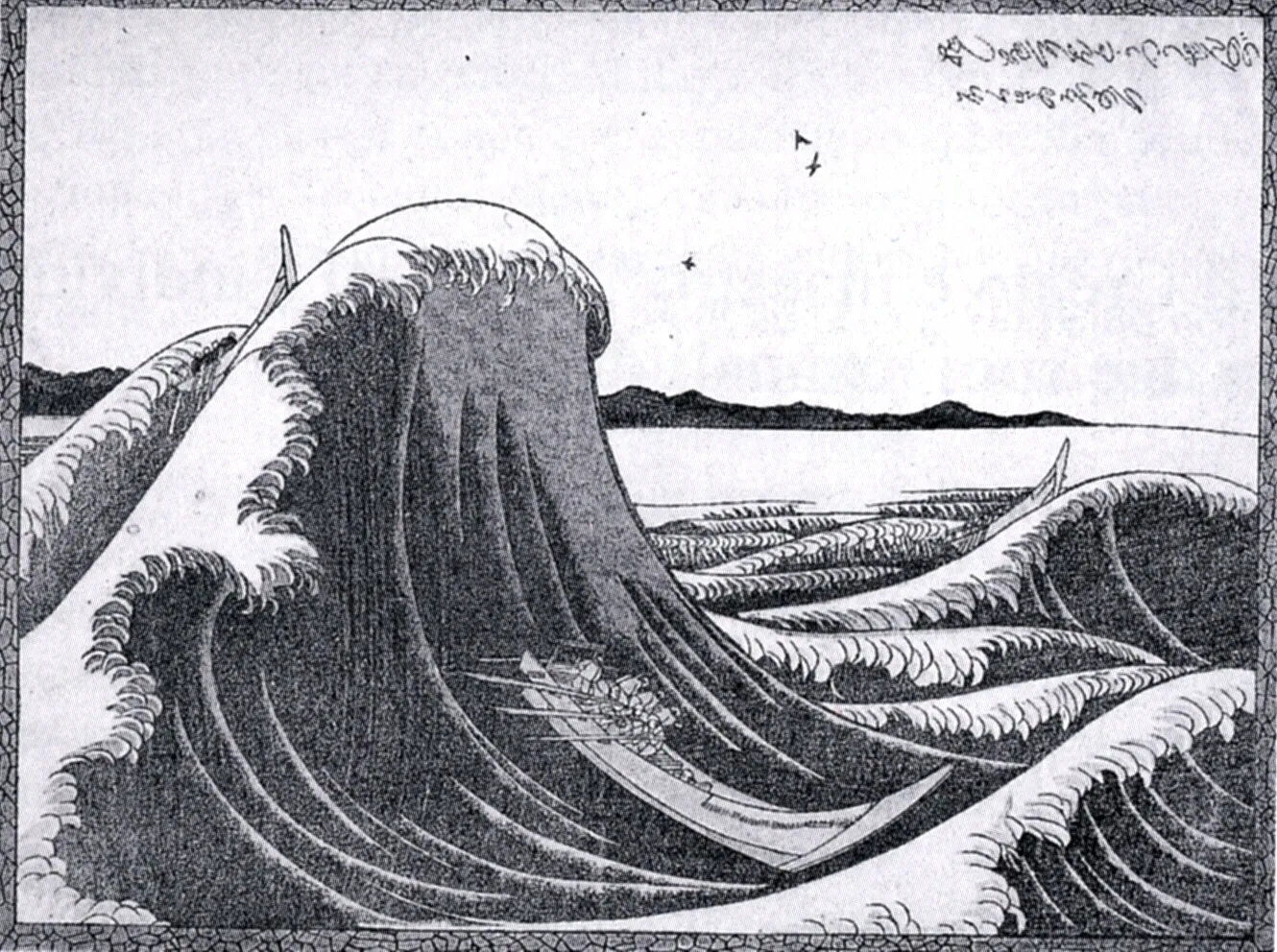
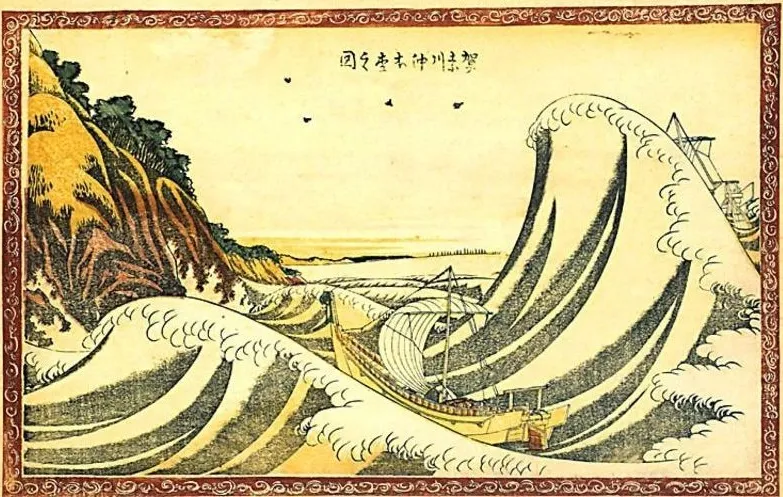
"The Adonis Plant" by Katsushika Hokusai stands as a hallmark of the Ukiyo-e movement, reflecting the rich cultural tapestry of Edo-period Japan. This hand-painted oil painting captures the era's fascination with nature and fleeting beauty. Hokusai, renowned for works like "The Great Wave off Kanagawa," used his mastery to immortalize botanical subjects. "The Adonis Plant" connects viewers to a historical moment when Japanese art flourished and nature’s elegance was celebrated in every brushstroke.
Techniques That Speak
Katsushika Hokusai’s "The Adonis Plant" showcases his signature Ukiyo-e techniques, blending delicate lines and vibrant colors. The artist’s use of oil on canvas brings out the luminosity of each petal and leaf, giving the painting a lifelike quality. Unlike woodblock prints, this medium allows for subtle gradations and depth, highlighting Hokusai’s versatility. The careful layering and attention to detail in "The Adonis Plant" exemplify the technical prowess found in his fine art painting for sale.
Emotions on Display
"The Adonis Plant" evokes a sense of tranquility and admiration for the natural world, hallmarks of Katsushika Hokusai’s Ukiyo-e masterpieces. Through the gentle flow of color and form, viewers are invited to experience serenity and contemplation. This hand-painted oil painting encourages a deeper appreciation of nature’s fleeting moments, much like other works in the artist’s botanical series. The emotional resonance of "The Adonis Plant" continues to inspire art lovers and collectors alike.
Coveted by Collectors
As a prized example of Ukiyo-e, "The Adonis Plant" by Katsushika Hokusai remains highly sought after by art enthusiasts. Its exquisite execution and historical significance make it a standout oil on canvas piece in any collection. Collectors value its connection to the legendary artist and the enduring appeal of Japanese fine art painting for sale. With its unique blend of tradition and innovation, "The Adonis Plant" is a testament to Hokusai’s enduring legacy in the art world.
Frequently Asked Questions About The Adonis Plant
What is the historical significance of "The Adonis Plant"?
"The Adonis Plant," created by Katsushika Hokusai, is significant as it reflects the Edo period's fascination with nature and botanical studies. Hokusai's work contributed to the ukiyo-e genre, which celebrated the beauty of transient subjects, including flora.
What artistic techniques did Hokusai employ in "The Adonis Plant"?
Hokusai utilized woodblock printing techniques, characterized by vibrant colors and intricate details. His mastery of line work and composition allows the viewer to appreciate the delicate features of the Adonis plant, showcasing his skill in rendering botanical subjects.
What does the Adonis plant symbolize in Japanese culture?
In Japanese culture, the Adonis plant symbolizes beauty and the fleeting nature of life. It is often associated with the arrival of spring, representing renewal and the ephemeral qualities of existence, which are central themes in Japanese art and literature.
How does "The Adonis Plant" reflect Hokusai's overall artistic vision?
The painting exemplifies Hokusai's dedication to capturing the essence of nature and its transient beauty. His ability to blend realism with stylization in "The Adonis Plant" reflects his broader artistic vision of celebrating the natural world through a unique lens.
What influences can be seen in Hokusai's depiction of the Adonis plant?
Hokusai's depiction of the Adonis plant shows influences from both traditional Japanese art and Western botanical illustrations. His work combines meticulous detail with a sense of movement, highlighting the plant's natural beauty while also adhering to the conventions of ukiyo-e.
In what ways did Hokusai's background influence "The Adonis Plant"?
Hokusai's background as a ukiyo-e artist deeply influenced "The Adonis Plant." His experiences with various artistic styles and his exposure to the natural world in Japan allowed him to create a piece that is both culturally significant and artistically innovative.
What role does color play in "The Adonis Plant"?
Color plays a crucial role in "The Adonis Plant," enhancing the visual impact and emotional resonance of the artwork. Hokusai's use of vibrant hues not only brings the plant to life but also evokes feelings associated with nature's beauty and vitality.
How does "The Adonis Plant" fit within the context of Hokusai's other works?
"The Adonis Plant" fits within Hokusai's oeuvre as part of his exploration of nature and the human experience. It complements his other botanical works and landscapes, showcasing his versatility and commitment to portraying the beauty of the natural world.
What techniques did Hokusai use to convey texture in "The Adonis Plant"?
Hokusai employed techniques such as varied line thickness and careful shading to convey texture in "The Adonis Plant." These methods create a sense of depth and realism, allowing the viewer to appreciate the intricate details of the plant's leaves and petals.
What impact did "The Adonis Plant" have on later artists?
"The Adonis Plant" had a significant impact on later artists, inspiring them to explore botanical themes and the integration of nature into their works. Hokusai's innovative approach to composition and color influenced both Japanese and Western art movements in the years that followed.























_GFM_Painting_(1).webp)

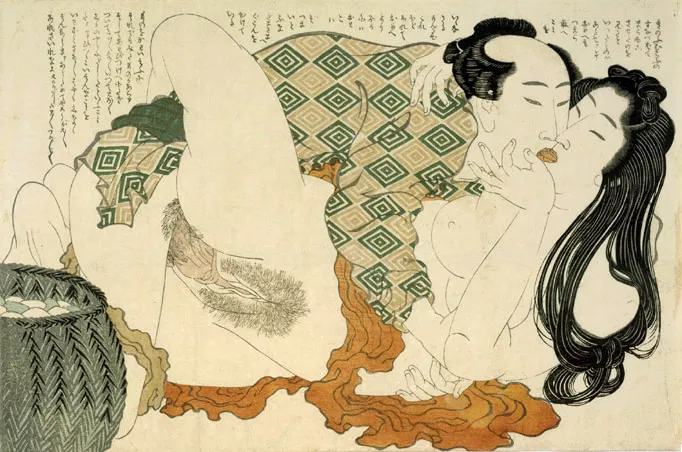

 100% Hand-Painted: Finished in 3-6 Weeks

.png)
















_(1).webp)