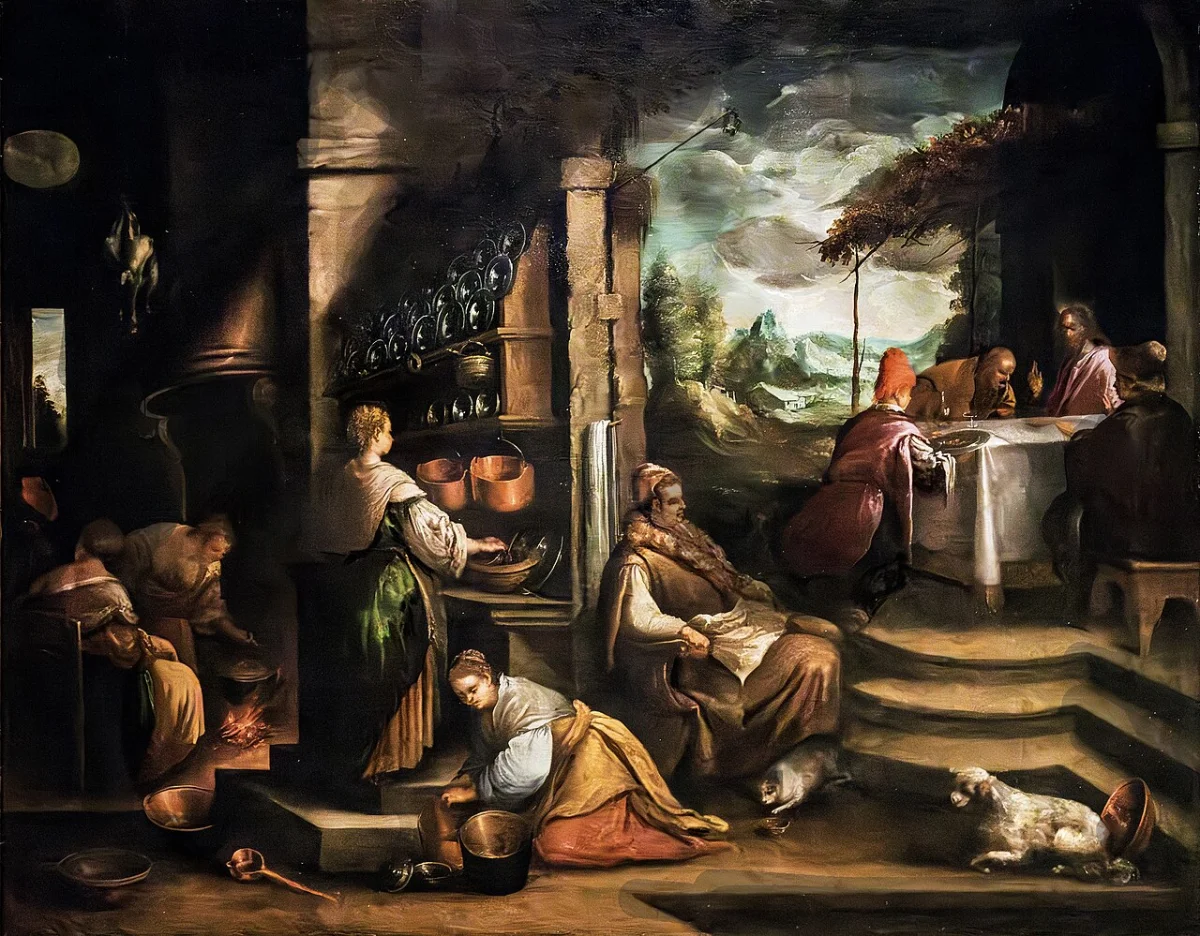
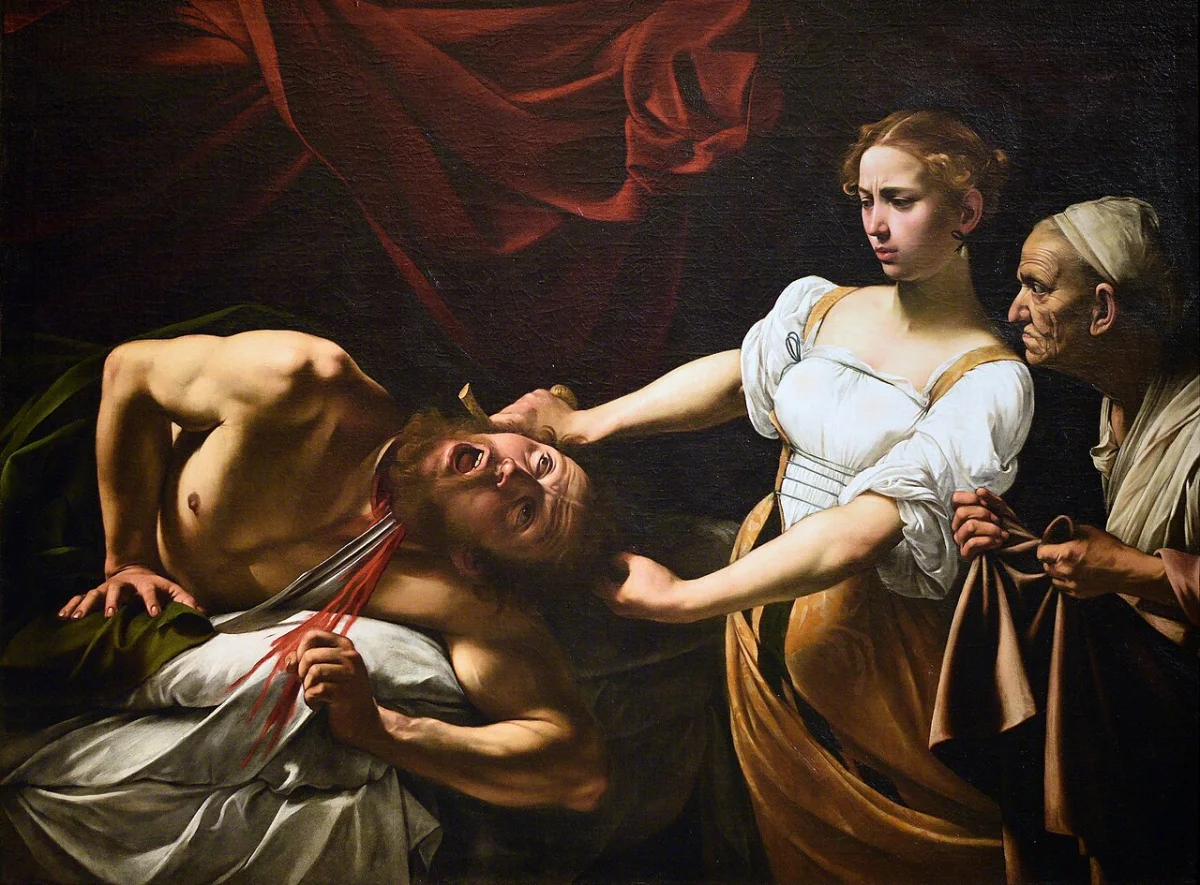
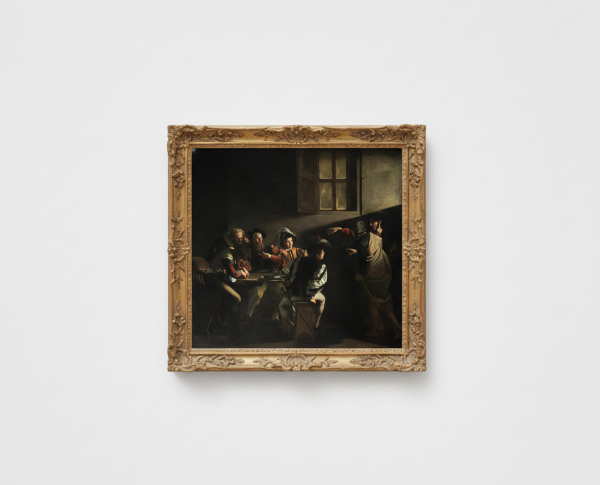
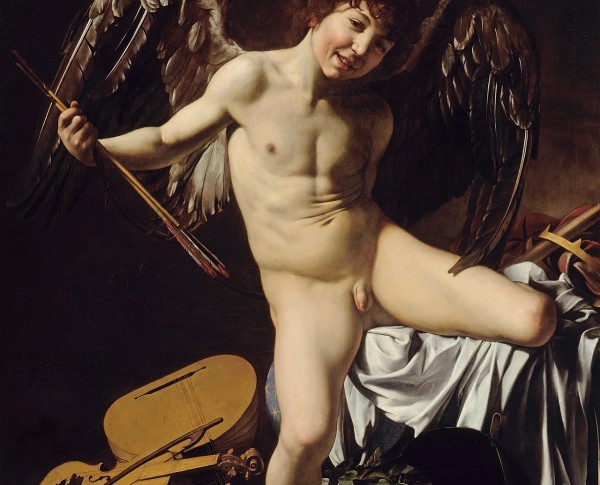
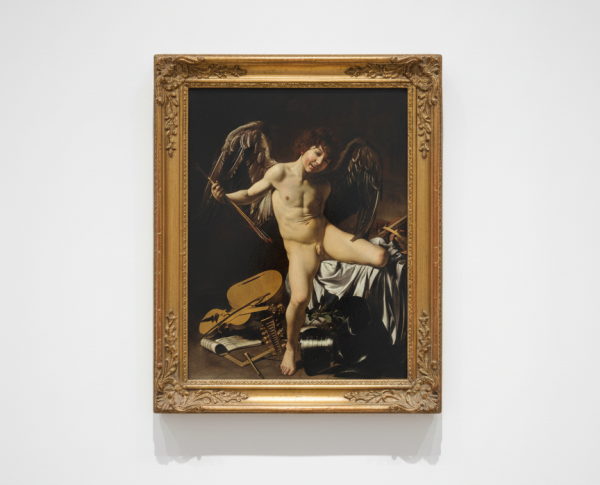
Caravaggio’s "Madonna of the Rosary" exemplifies his mastery of oil on canvas, a hallmark of Baroque artistry. The painting’s intricate composition and lifelike figures showcase his unparalleled skill in rendering emotion and realism. As seen in related works such as "Supper at Emmaus" and "Judith Beheading Holofernes," Caravaggio’s technique elevates every subject, making each oil on canvas creation a captivating centerpiece for any art enthusiast’s collection.
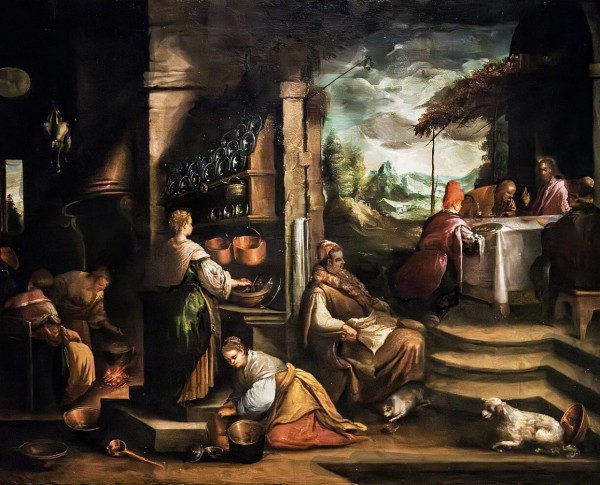
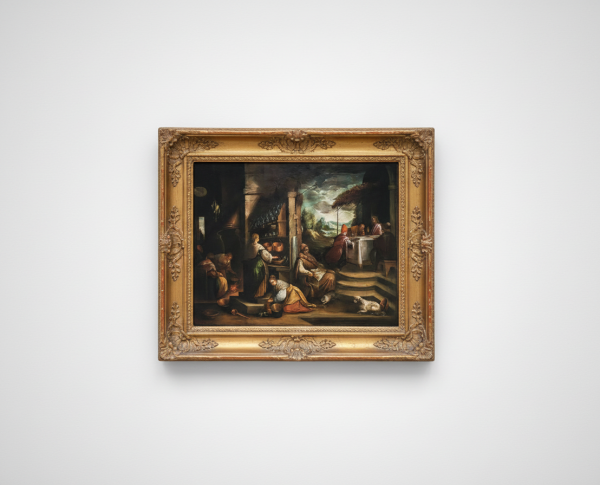
Within "Madonna of the Rosary," Caravaggio weaves rich stories and profound symbols, characteristic of Baroque fine art painting for sale. The detailed depiction of the Madonna, saints, and devotees reflects the era’s religious fervor and the artist’s unique narrative style. Similar symbolism is evident in "Boy Bitten by a Lizard" and "Martha and Mary Magdalene," inviting viewers to explore deeper meanings and spiritual connections in each hand-painted oil masterpiece.
For collectors, owning "Madonna of the Rosary" by Caravaggio is akin to possessing a rare hand-painted oil painting that epitomizes Baroque brilliance. Its value is amplified by its connection to other celebrated works like "Cardsharps" and "Medusa." Whether displayed alongside these masterpieces or as a standalone piece, this fine art painting for sale offers a unique opportunity to invest in the enduring allure and historical significance of Caravaggio’s artistic legacy.
When Art Meets History
Caravaggio's "Madonna of the Rosary" stands as a quintessential hand-painted oil painting from the Baroque movement, capturing the religious fervor and artistic innovation of its era. Created in the early 17th century, this masterpiece reflects the dramatic transformation in European art and society. Alongside related paintings like "Saint Margaret, dressed as a shepherdess" and "Meditation of St Francis," Caravaggio's work continues to captivate those seeking a fine art painting for sale that bridges history and timeless beauty.
Techniques That Speak
Employing the oil on canvas medium, Caravaggio masterfully utilized chiaroscuro—a dramatic interplay of light and shadow—that defines the Baroque style. In "Madonna of the Rosary," his skillful brushwork and attention to detail set a benchmark for hand-painted oil paintings. The artist's influence is evident in related works such as "Horse in a Stable" and "A Woman Spinning," where similar techniques evoke a powerful sense of realism and depth, making each piece a visual spectacle.
Emotions on Display
"Madonna of the Rosary" evokes profound emotion, a hallmark of Baroque artistry. Caravaggio's intense focus on facial expressions and gestures draws viewers into the spiritual narrative, a quality shared with "Mother Combing the Hair of Her Child." The emotional depth of this hand-painted oil painting resonates with collectors and art enthusiasts alike, ensuring that each viewing is an immersive experience. Such emotional potency makes it a sought-after fine art painting for sale in today's market.
Coveted by Collectors
Collectors worldwide prize "Madonna of the Rosary" not only for its historical significance but also for its masterful execution as an oil on canvas. Caravaggio’s influence on Baroque art is undeniable, with this and related works like "Meditation of St Francis" remaining highly desirable. The painting’s provenance and artistry elevate its status as a fine art painting for sale, making it a cornerstone piece for any serious collection or museum dedicated to Baroque masterpieces.
Related Baroque Hand-Painted Oil Paintings by Other Artists
Other Famous Baroque Artists:
Frequently Asked Questions About Madonna of the Rosary
What is the historical significance of Madonna of the Rosary?
Madonna of the Rosary, painted by Caravaggio in the early 17th century, holds historical significance as it reflects the Counter-Reformation's emphasis on the Virgin Mary and the rosary as a tool for spiritual devotion.
What artistic techniques did Caravaggio use in this painting?
Caravaggio employed chiaroscuro, a technique that uses strong contrasts between light and dark, to create depth and drama in Madonna of the Rosary, enhancing the emotional impact of the scene.
What symbols are present in the painting?
The rosary itself is a significant symbol in the painting, representing prayer and devotion. The presence of saints alongside the Madonna emphasizes the importance of intercession in Catholic belief.
Who are the figures depicted in Madonna of the Rosary?
The painting features the Virgin Mary holding the rosary, flanked by Saint Dominic and Saint Catherine of Siena, who are key figures in the history of the rosary and its promotion in the Catholic Church.
What is the influence of Caravaggio's style on the painting?
Caravaggio's influence is evident in the realistic portrayal of the figures, the dramatic use of light, and the emotional intensity, which were revolutionary for the Baroque period and set a precedent for future artists.
How does Madonna of the Rosary reflect the themes of the Baroque period?
The painting embodies Baroque themes such as emotional engagement, movement, and religious fervor, capturing the viewer's attention and inviting contemplation of the divine.
What is the significance of the color palette used in the painting?
The color palette in Madonna of the Rosary, characterized by rich, deep hues, enhances the dramatic effect and underscores the solemnity of the religious subject matter, typical of Caravaggio's work.
Where is Madonna of the Rosary currently located?
Madonna of the Rosary is housed in the church of Santa Maria del Rosario in Naples, Italy, where it continues to be a focal point of religious devotion and artistic appreciation.
What impact did Madonna of the Rosary have on later artists?
The painting influenced numerous artists in the Baroque period and beyond, inspiring them to adopt Caravaggio's techniques of realism and dramatic lighting in their own religious works.
How does the composition of the painting guide the viewer's eye?
The composition of Madonna of the Rosary is carefully structured, with the figures arranged in a triangular formation that draws the viewer's eye towards the central figure of the Virgin Mary, emphasizing her importance in the scene.























_GFM_Painting_(1).webp)

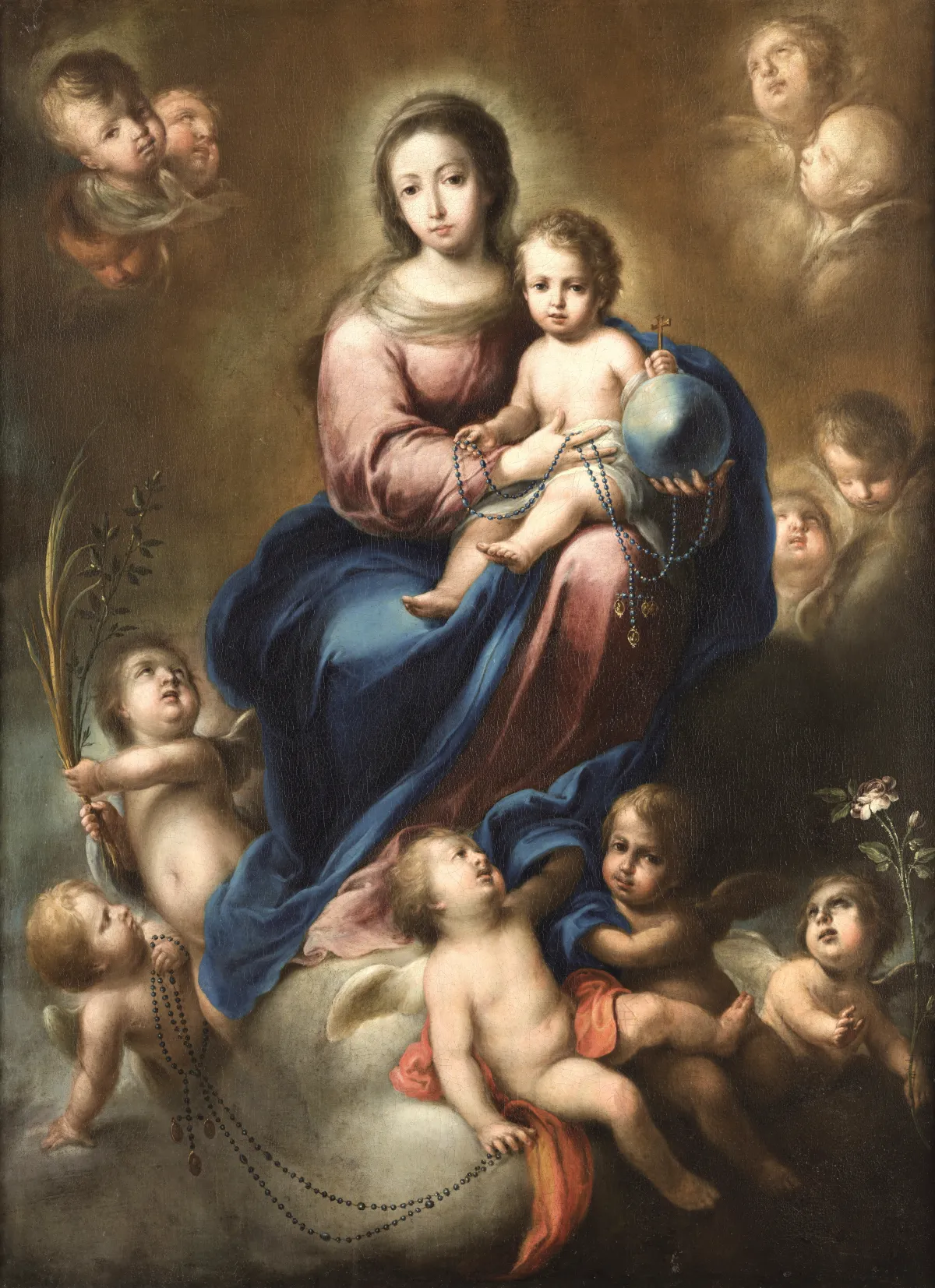

 100% Hand-Painted: Finished in 3-6 Weeks

.png)















_(1).webp)