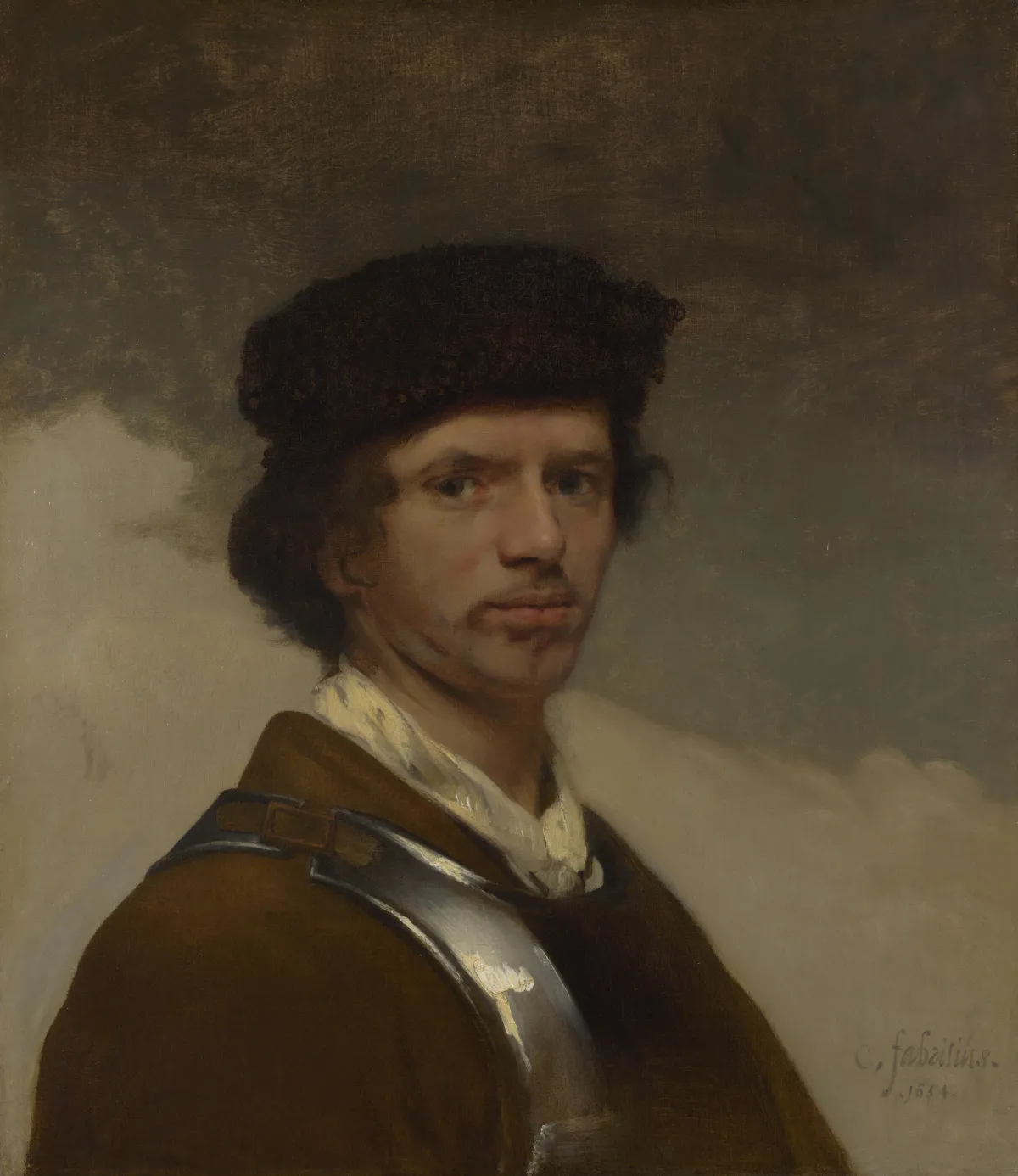
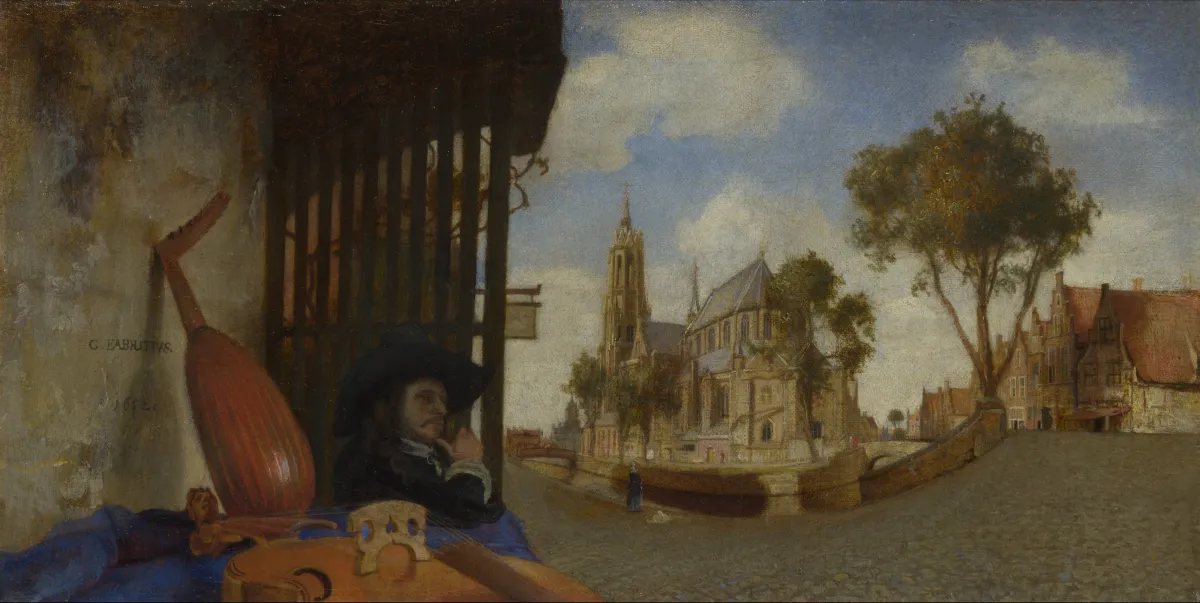
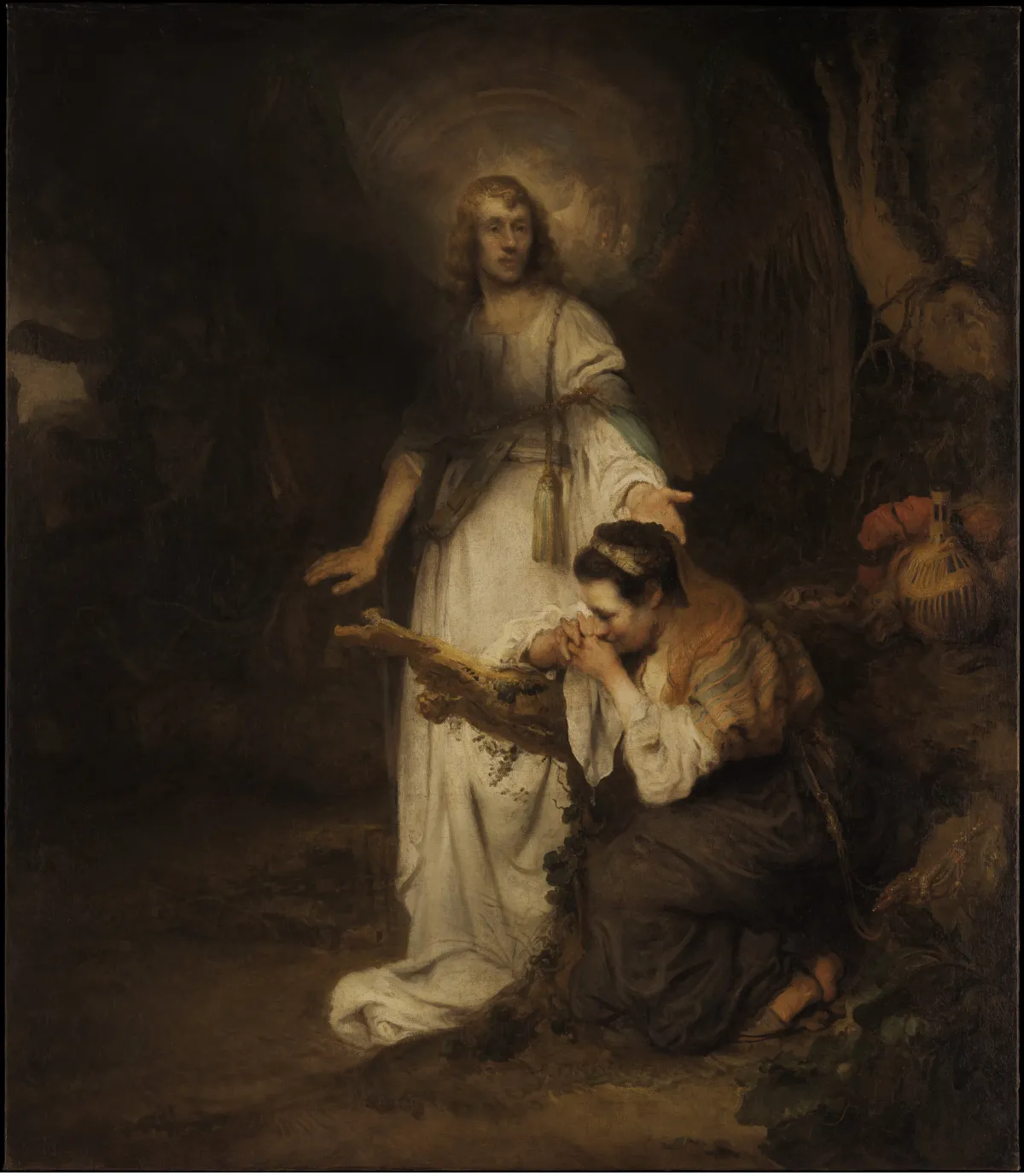
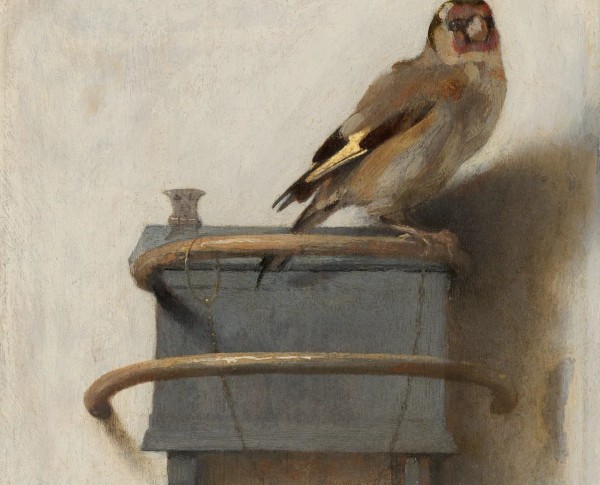
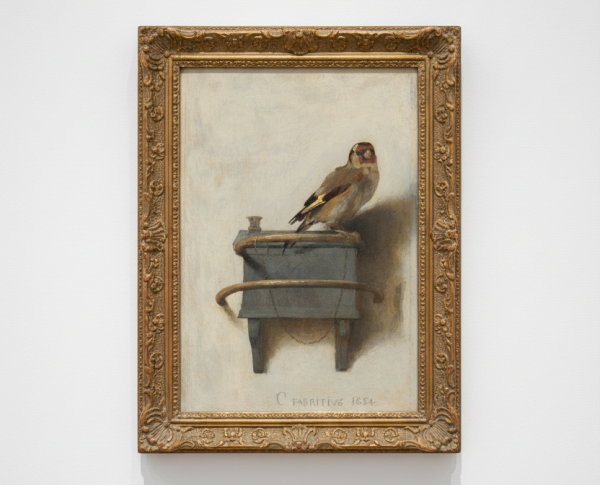
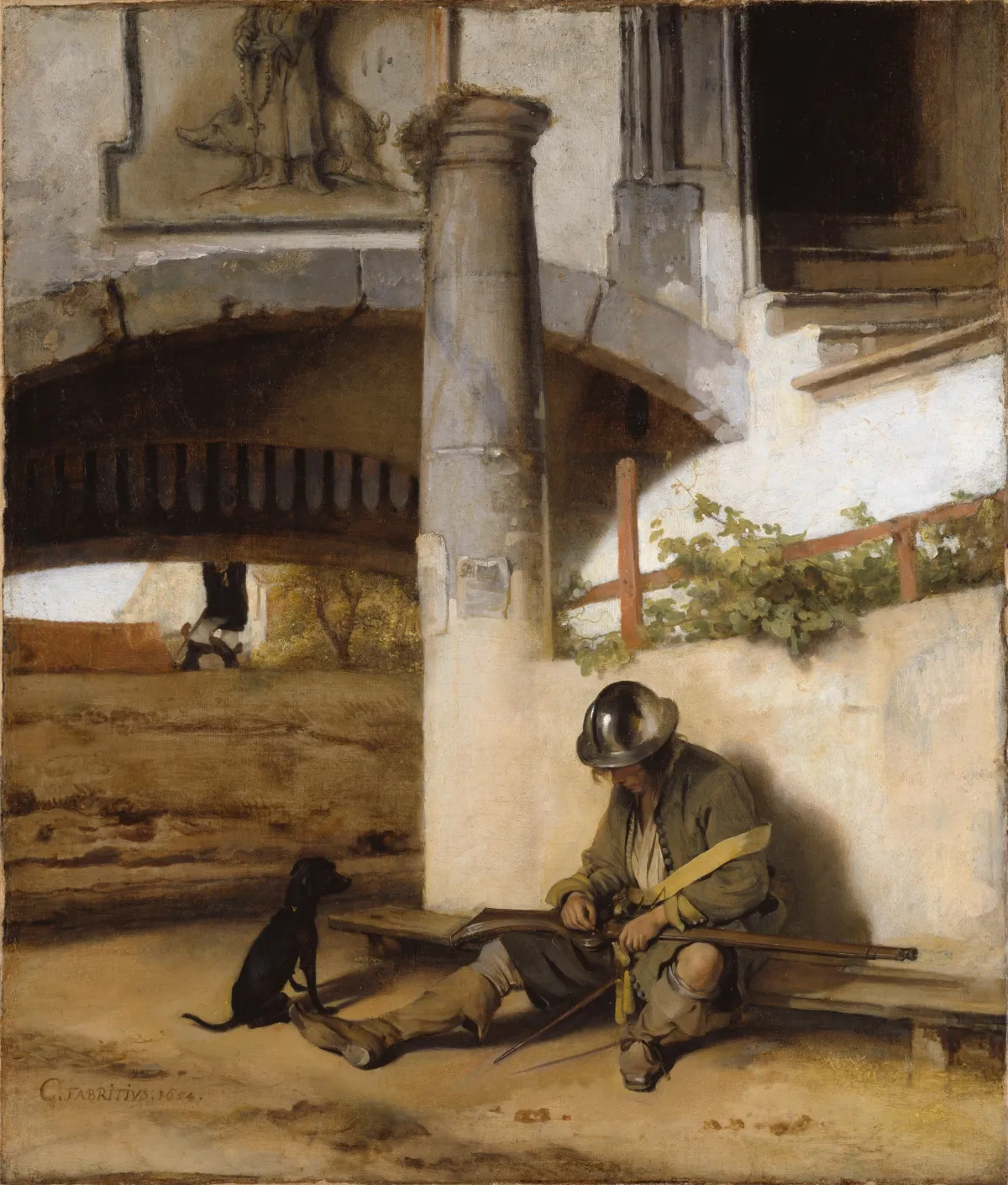
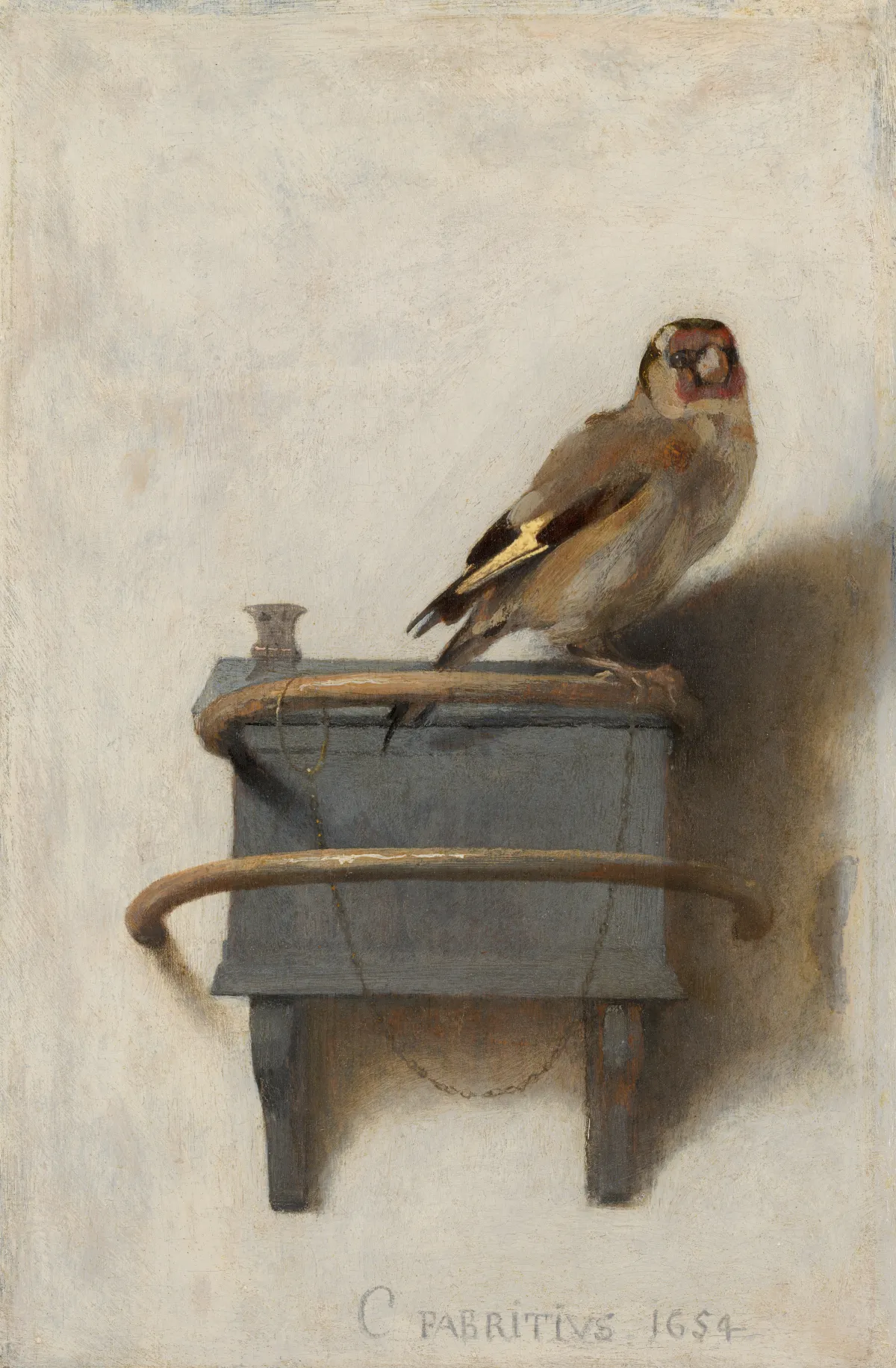
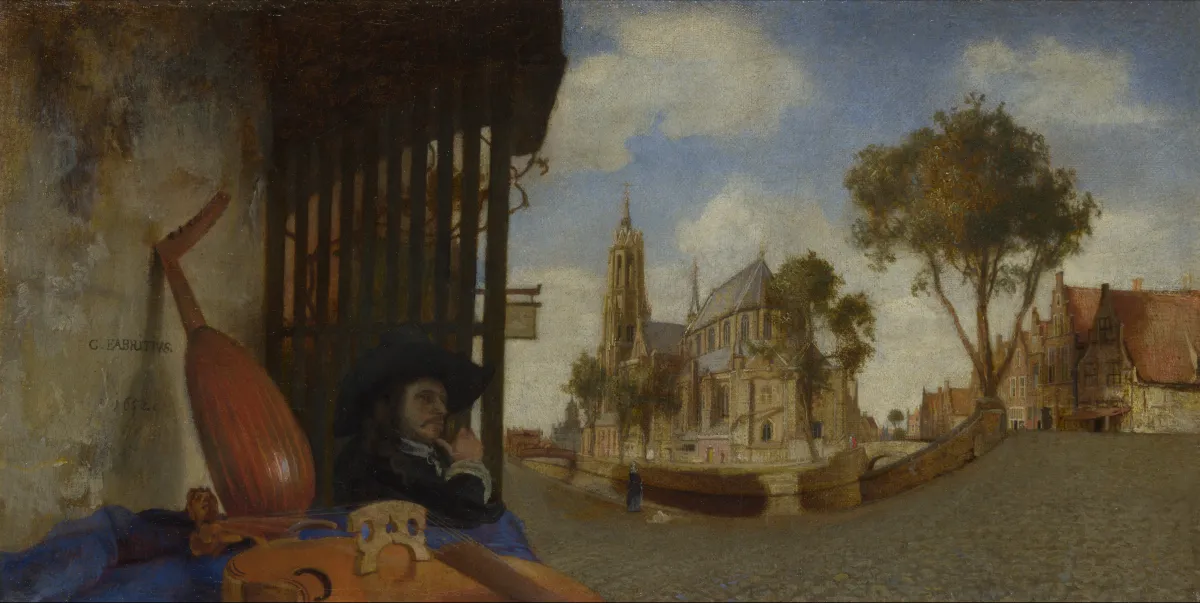
"The Sentry" exemplifies Fabritius’s technical prowess in oil on canvas, with each brushstroke revealing meticulous detail and atmospheric perspective. His expert manipulation of light and shadow distinguishes this piece among Dutch Golden Age masterpieces. The nuanced textures and lifelike presence in "The Sentry" echo throughout his other works, such as "A View of Delft" and "The Goldfinch," both celebrated for their superior oil on canvas techniques and captivating realism.
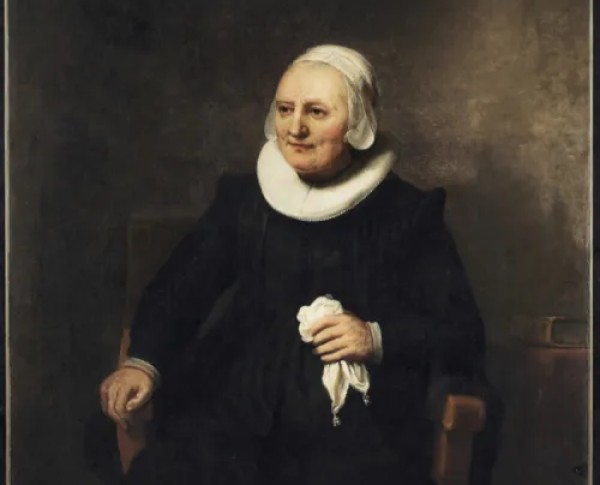
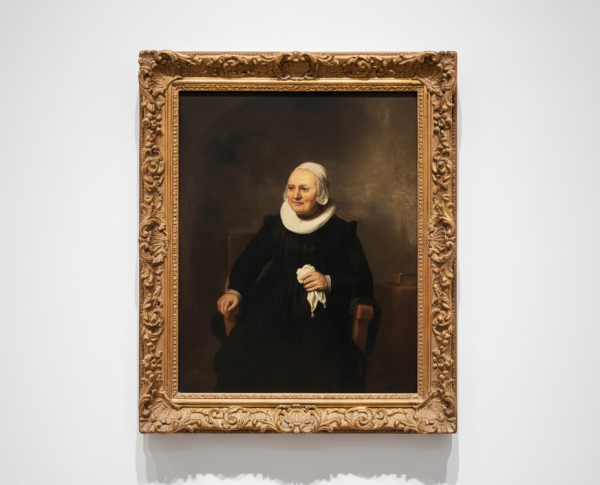
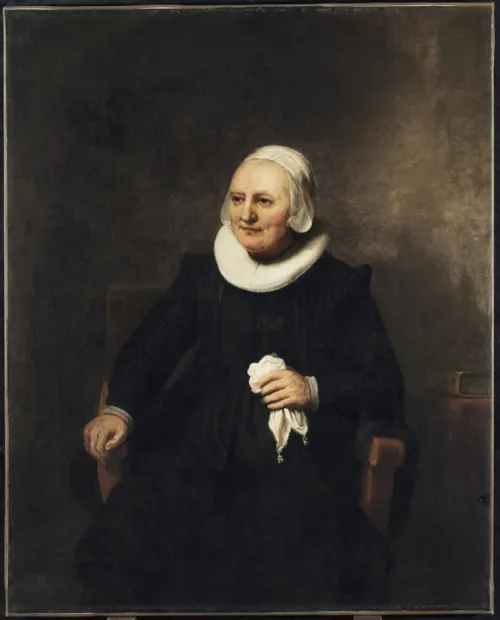
Beyond its visual allure, "The Sentry" is a fine art painting for sale that is rich with narrative and symbolism. Fabritius weaves subtle stories into the guard’s posture and surroundings, inviting viewers to interpret the unseen tales of duty and solitude. The painting’s enigmatic qualities resonate with the emotional depth found in works like "Portrait of a Seated Woman with a Handkerchief," making it a compelling choice for those seeking meaningful fine art painting for sale.
Owning "The Sentry" connects collectors to the heart of the Dutch Golden Age, where Carel Fabritius’s artistry shines. This hand-painted oil painting is more than décor—it is a piece of history and culture. Collectors often seek complementary masterpieces such as "The Goldfinch" and "A View of Delft" to enrich their collections, appreciating the timeless allure and investment value of each hand-painted oil painting from this celebrated era.
When Art Meets History
Carel Fabritius’s masterpiece, "The Sentry," stands as a remarkable example of Dutch Golden Age artistry. This hand-painted oil painting captures the essence of 17th-century life, much like related works such as "The Geographer" and "Girl with a Pearl Earring c. 1665." Fabritius’s keen observation of his surroundings brings history to life, bridging the gap between art and the daily experiences of his time. "The Sentry" remains a testament to the era’s historical and cultural richness.
Techniques That Speak
"The Sentry" by Carel Fabritius showcases exceptional oil on canvas technique, characteristic of the Dutch Golden Age movement. The artist’s subtle play of light and shadow is reminiscent of masterpieces like "The Night Watch" and "Philosopher in Meditation 1632." Fabritius employs delicate brushwork and realistic textures that draw viewers into the scene, demonstrating his mastery over the medium. This oil on canvas painting highlights the technical brilliance that defines the period’s most celebrated works.
Emotions on Display
In "The Sentry," Carel Fabritius infuses the subject with a quiet introspection, inviting viewers to interpret the figure’s solitude and vigilance. The emotional depth found in this hand-painted oil painting echoes the contemplative moods seen in "The Astronomer" and "Philosopher in Meditation 1632." Through subtle expressions and thoughtful composition, Fabritius conveys a nuanced human experience, making this fine art painting for sale a compelling study of the inner world of his subjects.
Coveted by Collectors
"The Sentry" remains highly sought after by art enthusiasts and collectors, much like "Girl with a Pearl Earring c. 1665" and "The Geographer." As a fine art painting for sale, its rarity and historical significance make it a prized possession among Dutch Golden Age pieces. Carel Fabritius’s work continues to captivate modern audiences, with the demand for authentic masterpieces like "The Sentry" reflecting the enduring allure of this remarkable artistic period.
Related Dutch Golden Age Hand-Painted Oil Paintings by Other Artists
Other Famous Dutch Golden Age Artists:
Frequently Asked Questions About The Sentry
What is the historical significance of The Sentry?
The Sentry, painted by Carel Fabritius in 1654, is significant as it represents the transition in Dutch painting from the Baroque style to a more intimate and personal approach, showcasing the artist's innovative techniques and unique perspective.
Who was Carel Fabritius and what influenced his work?
Carel Fabritius was a Dutch painter and a pupil of Rembrandt. His work was influenced by the chiaroscuro technique and the use of light and shadow, as well as the exploration of perspective and spatial depth that characterized the Dutch Golden Age.
What are the main artistic techniques used in The Sentry?
Fabritius employed techniques such as sfumato and meticulous brushwork to create a sense of depth and realism. The use of light to highlight the figure against a darker background adds a dramatic effect, enhancing the painting's emotional impact.
What does the figure in The Sentry symbolize?
The figure in The Sentry symbolizes vigilance and protection. The posture and expression suggest a watchful guardian, reflecting themes of duty and the role of the individual in society during the 17th century.
How does The Sentry reflect the cultural context of its time?
The Sentry reflects the cultural context of the Dutch Golden Age, a period marked by prosperity and a flourishing of the arts. The painting embodies the values of security and order that were paramount in a society recovering from conflict.
What are the notable compositional elements in The Sentry?
Notable compositional elements include the triangular arrangement of the figure, which draws the viewer's eye, and the use of contrasting colors that enhance the visual impact. The careful placement of light and shadow adds to the overall balance of the piece.
In what ways did The Sentry influence later artists?
The Sentry influenced later artists by showcasing the potential of light and shadow in creating mood and atmosphere. Fabritius's innovative approach to composition and realism inspired subsequent generations of painters to explore similar themes.
What materials and techniques did Fabritius use in The Sentry?
Fabritius used oil on canvas for The Sentry, a common medium in the 17th century. His technique involved layering glazes to achieve depth and luminosity, allowing for a rich textural quality that enhances the painting's realism.
How does The Sentry compare to other works by Fabritius?
Compared to other works by Fabritius, The Sentry stands out for its psychological depth and the intimate portrayal of the subject. While many of his other pieces focus on still life or landscapes, this painting emphasizes human emotion and narrative.
What is the current location of The Sentry?
The Sentry is currently housed in the Mauritshuis museum in The Hague, Netherlands, where it is part of a prestigious collection of Dutch Golden Age paintings, allowing visitors to appreciate its historical and artistic significance.






















_GFM_Painting_(1).webp)


 100% Hand-Painted: Finished in 3-6 Weeks

.png)
















_(1).webp)