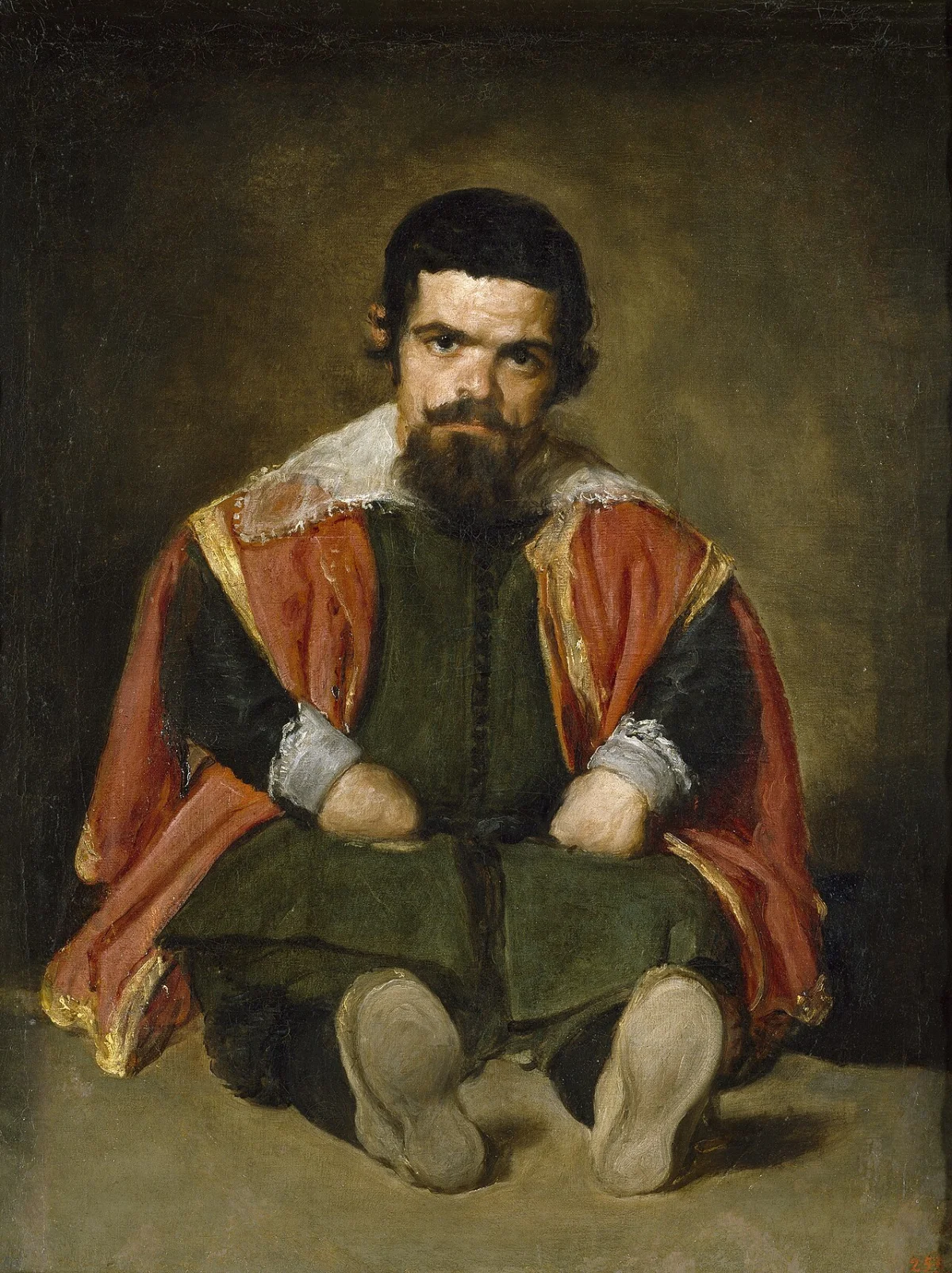
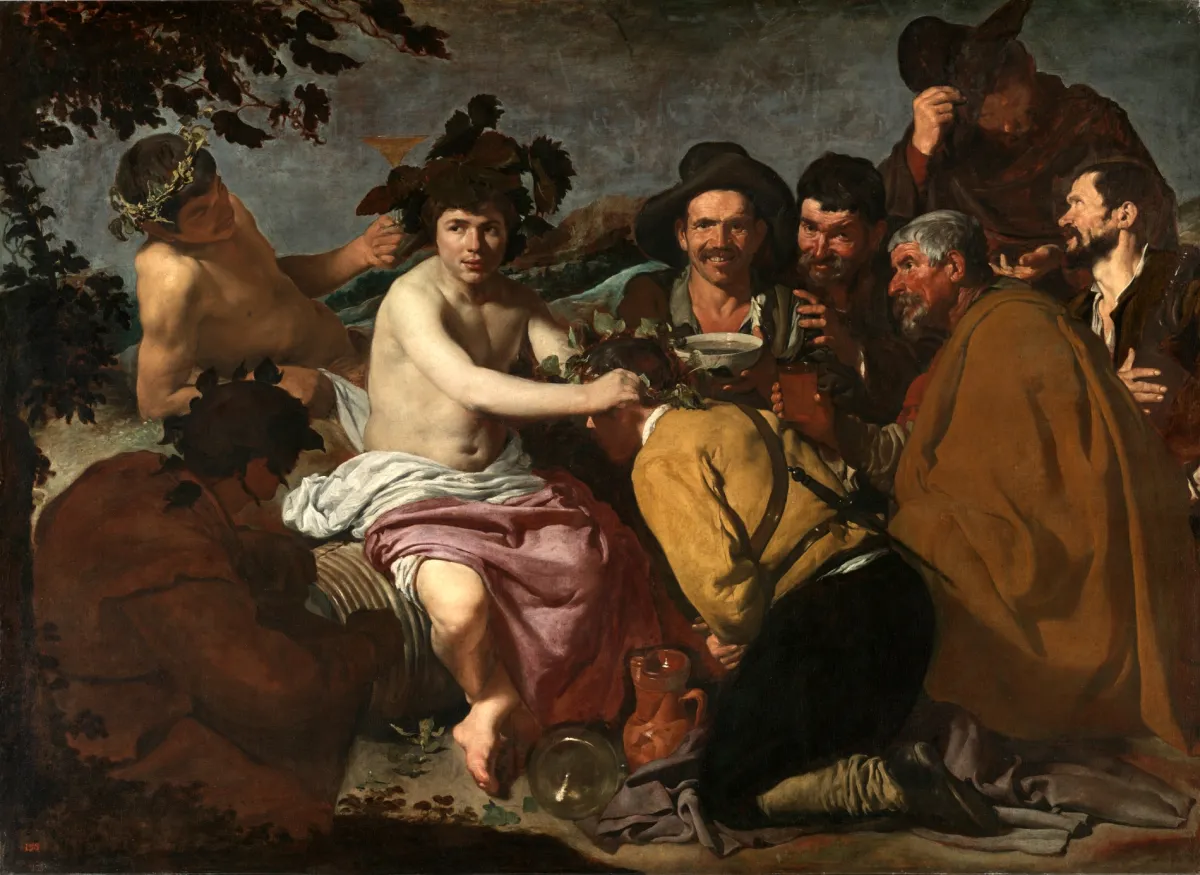
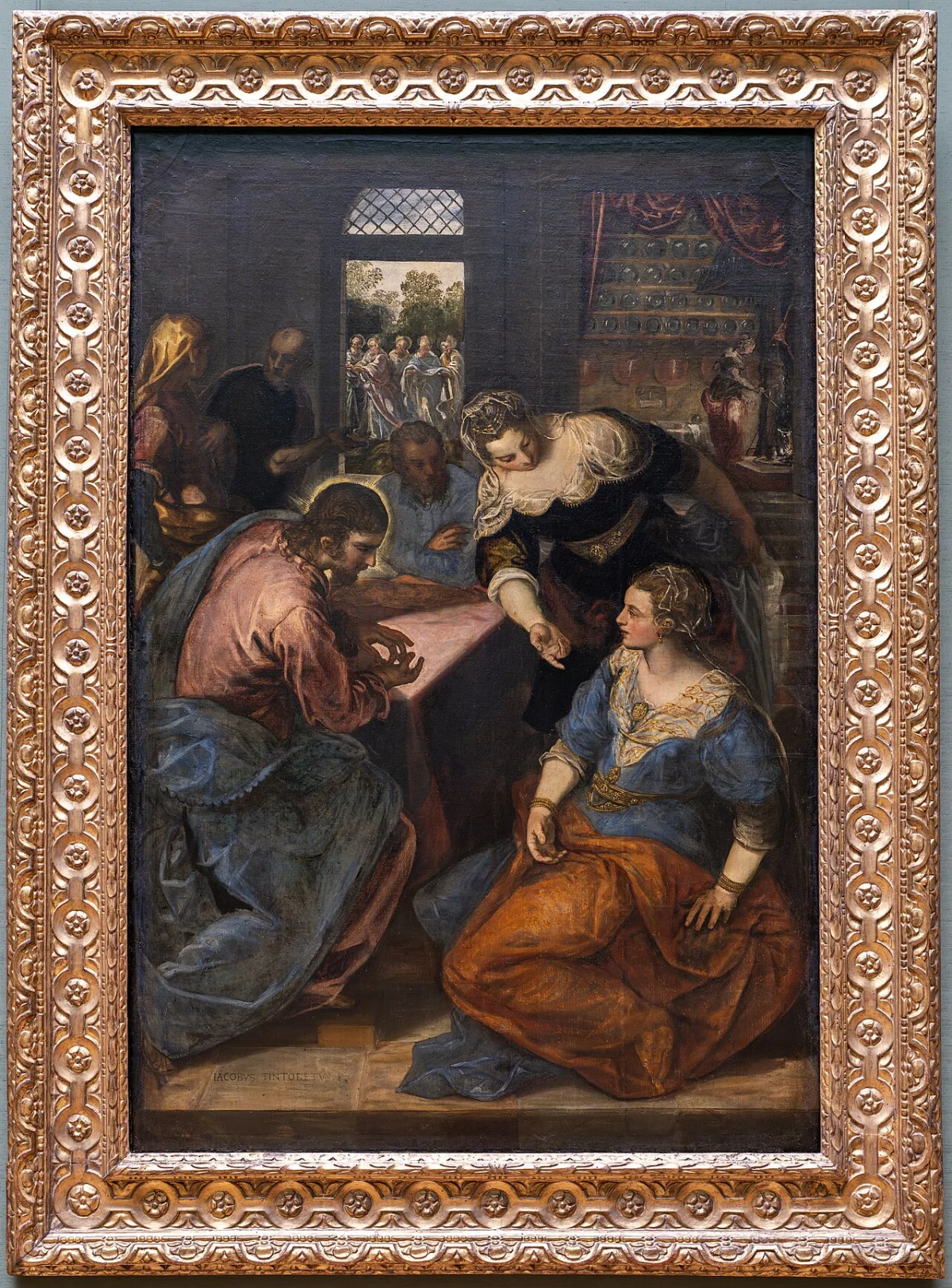
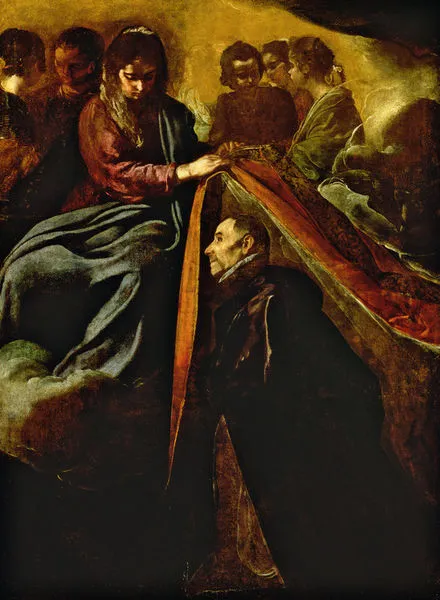
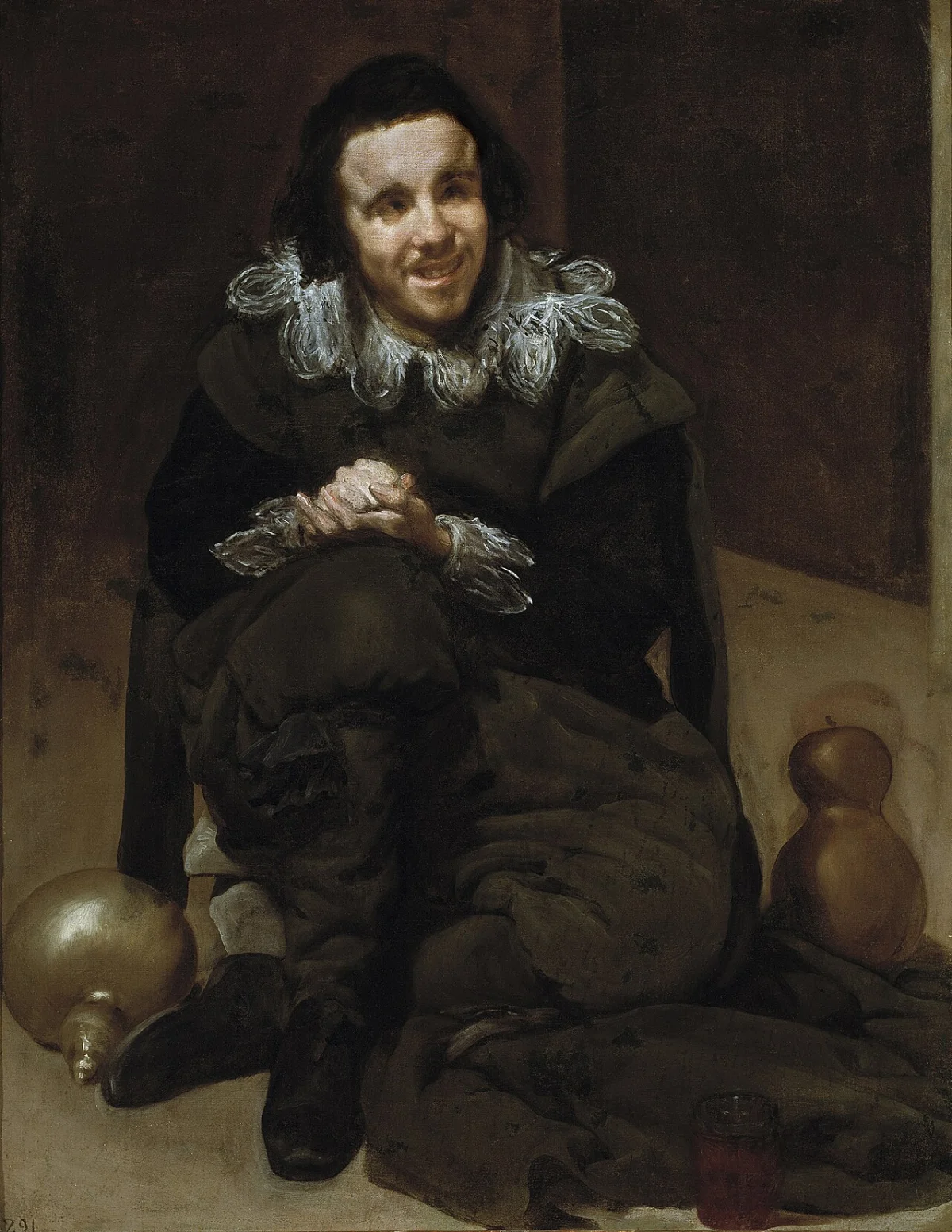
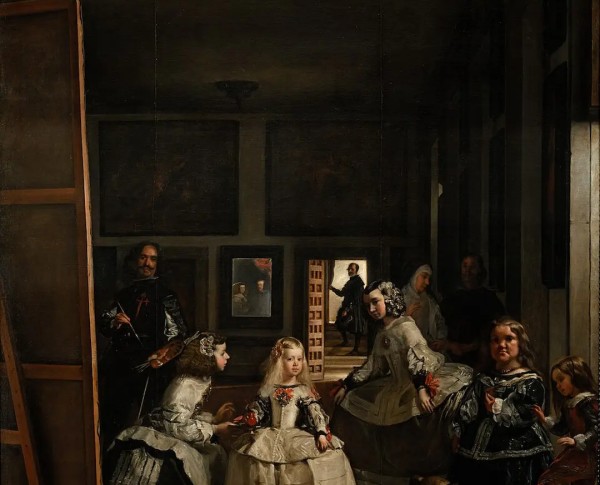
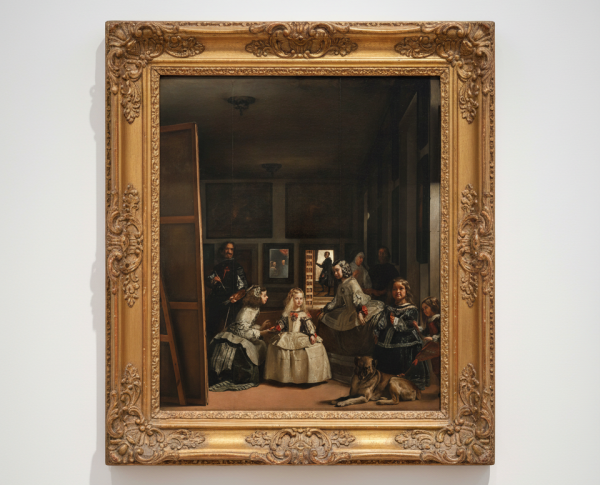
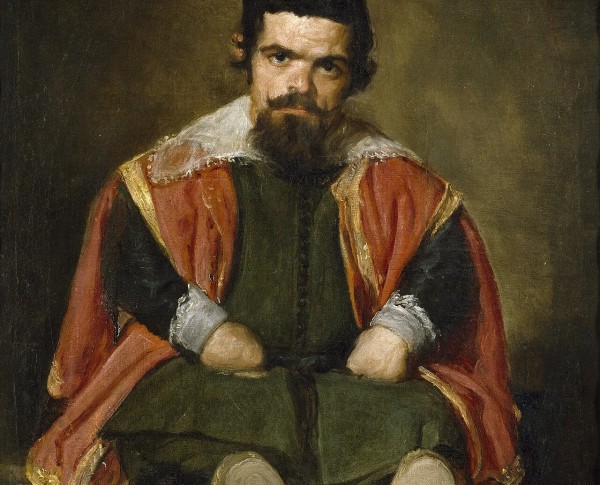
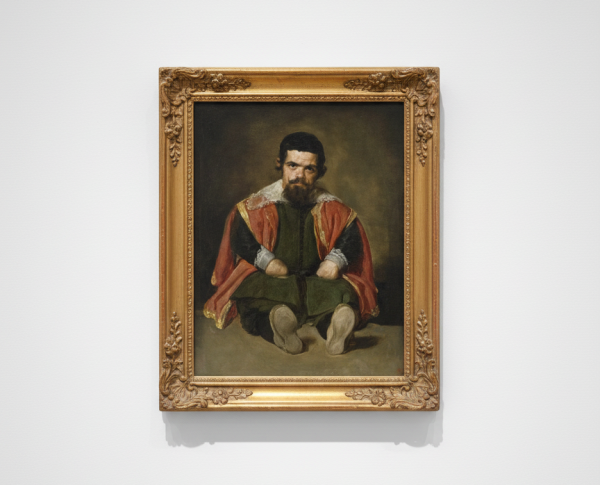
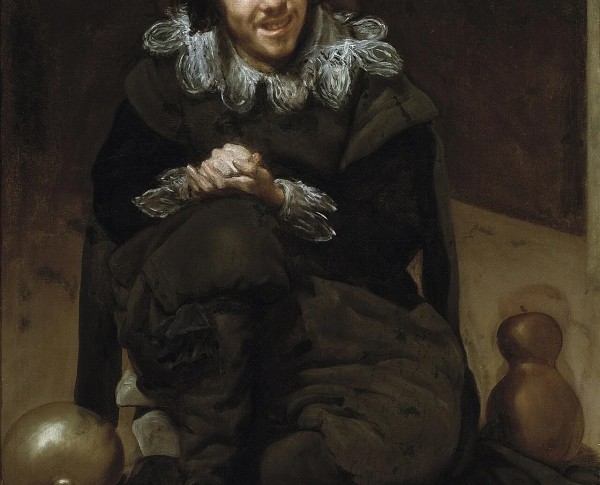
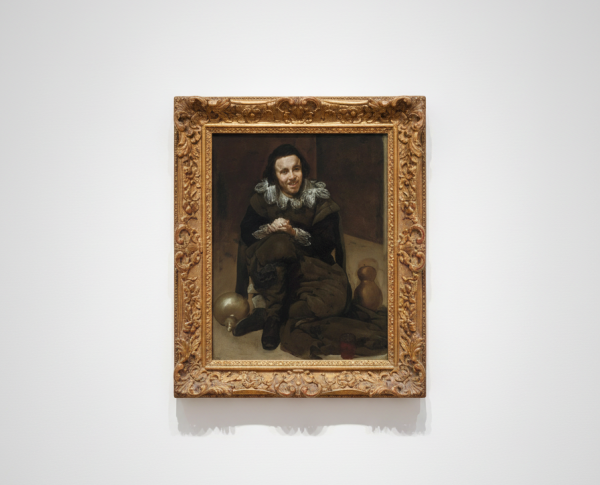
Velazquez’s "St. Paul" is a stunning oil on canvas, exemplifying the artist’s technical prowess in the Realism movement. The meticulous brushwork and subtle use of light and shadow bring the saint’s features to life, reflecting the depth of human emotion. This work, along with related paintings like "Christ in the House of Mary and Martha" and "Breakfast," highlights Velazquez’s exceptional skill, making each oil on canvas piece a true masterpiece for art enthusiasts.
Every detail in Velazquez’s "St. Paul" resonates with symbolic meaning, from the apostle’s contemplative gaze to the textured folds of his robe. This fine art painting for sale invites viewers to explore the narrative woven within its brushstrokes, echoing the storytelling evident in works like "Mercury and Argus" and "Adoration of the Kings." Through Realism, Velazquez captures both the humanity and spiritual depth of his subject, making each viewing a new discovery.
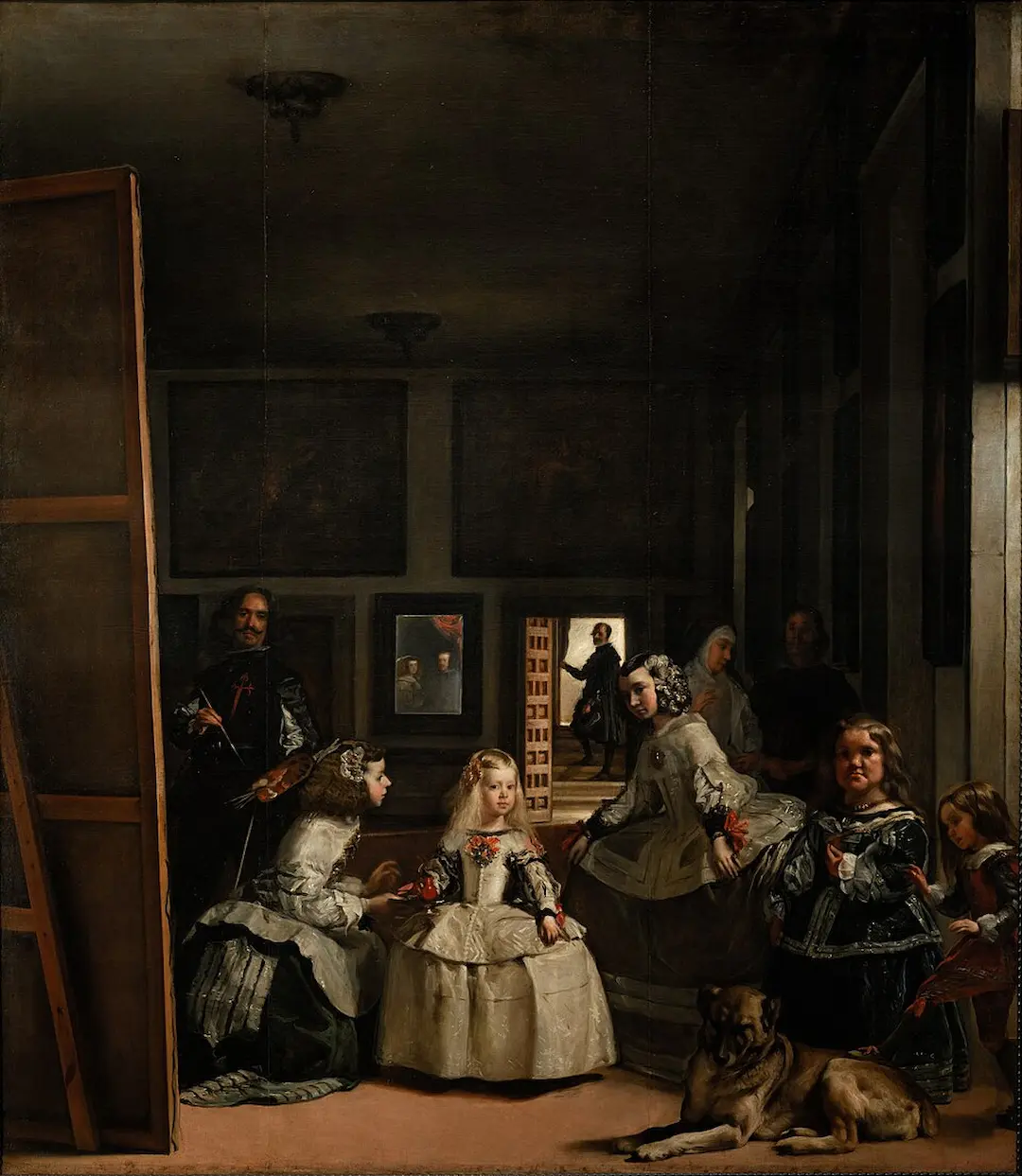
Owning "St. Paul" by Diego Rodriguez de Silva y Velazquez means possessing a piece of Realism’s rich heritage. This hand-painted oil painting not only elevates any collection but also complements related masterpieces such as "Las Meninas" or "An Old Woman Cooking Eggs." For collectors seeking a fine art painting for sale that embodies technical mastery and historical significance, "St. Paul" remains an unparalleled choice in the world of classical art.
When Art Meets History
"St. Paul" by Diego Rodriguez de Silva y Velazquez stands as a testament to the power of the Realism movement. Painted with meticulous care, this hand-painted oil painting captures the spirit of its era while reflecting Velazquez's mastery. Like related works such as "The Absinthe Drinker" and "Dressing for the Carnival," "St. Paul" bridges the gap between art and historical narrative, offering viewers a unique glimpse into the past through the eyes of a celebrated artist.
Techniques That Speak
Velazquez’s "St. Paul" showcases the artist’s renowned skills with oil on canvas, a medium that allows for subtle gradations and lifelike textures. His brushwork, evident in works like "Study of Trees" and "Portrait of Monsieur and Madame Auguste Manet," brings out the depth and realism characteristic of the Realism movement. The layered application of paint and attention to detail in "St. Paul" highlight the technical prowess that has made Velazquez’s paintings so enduring and influential.
Emotions on Display
"St. Paul" evokes profound emotion through its expressive rendering and atmospheric composition. Velazquez, a master of the Realism movement, invites viewers to connect with the subject on a personal level, much like in "Study for the Surrender of Santa Anna." The fine art painting for sale reveals the inner turmoil and spiritual depth of St. Paul, demonstrating how Velazquez’s artistry transcends mere representation to capture the essence of human experience.
Coveted by Collectors
As with many masterpieces by Diego Rodriguez de Silva y Velazquez, "St. Paul" remains highly sought after by art aficionados and collectors. Its status as a hand-painted oil painting and its connection to the Realism movement make it a prized possession, much like the related paintings mentioned. The enduring appeal of "St. Paul" lies in its historical significance, technical brilliance, and emotional impact, making it a standout work in the world of fine art painting for sale.
Related Realism Hand-Painted Oil Paintings by Other Artists
Other Famous Realism Artists:
Frequently Asked Questions About St. Paul
What is the historical context of "St. Paul" by Diego Velazquez?
"St. Paul" was painted during the Baroque period, a time characterized by dramatic expression and rich detail. Velazquez created this work in the early 17th century, reflecting the religious fervor and artistic innovation of the Spanish Golden Age.
What artistic techniques did Velazquez use in "St. Paul"?
Velazquez employed a combination of chiaroscuro and naturalism in "St. Paul," effectively using light and shadow to create depth and dimension. His brushwork is loose yet precise, contributing to the lifelike quality of the figure.
What is the significance of St. Paul in Christian art?
St. Paul is a pivotal figure in Christianity, known for his missionary work and theological contributions. His depiction in art often symbolizes faith, conversion, and the spread of the Gospel, making him a powerful subject for religious paintings.
How does Velazquez's portrayal of St. Paul differ from other artists?
Unlike many contemporaneous artists who idealized their subjects, Velazquez presents St. Paul with a sense of realism and emotional depth. His focus on the human experience and psychological insight sets his work apart from more traditional depictions.
What elements in "St. Paul" convey the theme of transformation?
The use of light in "St. Paul" symbolizes enlightenment and divine inspiration, reflecting the apostle's transformation from persecutor to proponent of Christianity. The expressive facial features further emphasize this profound change.
What materials and techniques were used in the creation of "St. Paul"?
Velazquez typically used oil on canvas for his paintings, allowing for vibrant color and nuanced textures. His technique involved layering glazes to achieve depth and luminosity, which is evident in the rich tones of "St. Paul."
What role does symbolism play in "St. Paul"?
Symbolism is integral to "St. Paul," with elements such as the book representing knowledge and scripture, while the light signifies divine guidance. These symbols enhance the viewer's understanding of St. Paul's mission and significance.
In what ways did "St. Paul" influence later artists?
Velazquez's innovative approach to realism and emotional expression in "St. Paul" influenced subsequent generations of artists, including the Impressionists and modern painters, who sought to capture the essence of human experience in their work.
Where can "St. Paul" be viewed today?
"St. Paul" is part of the collection at the Museo del Prado in Madrid, Spain. It remains an essential piece for understanding Velazquez's mastery and the broader context of Baroque art.
What is the legacy of Diego Velazquez as an artist?
Diego Velazquez is celebrated as one of the greatest painters in Western art history. His ability to blend realism with psychological depth has left a lasting impact on the art world, influencing countless artists and shaping the evolution of portraiture and narrative painting.























_GFM_Painting_(1).webp)



 100% Hand-Painted: Finished in 3-6 Weeks


.png)

















_(1).webp)