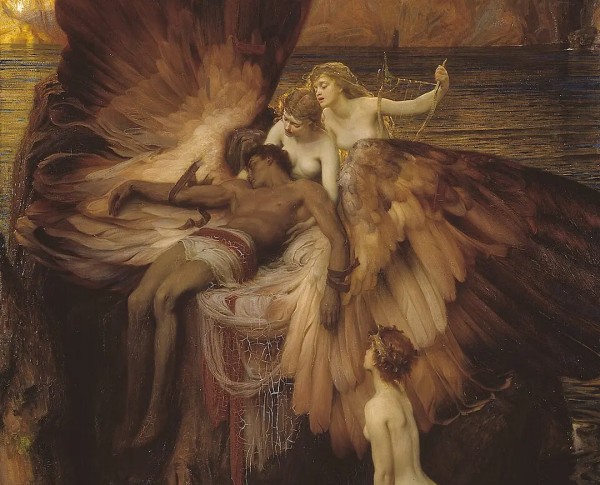
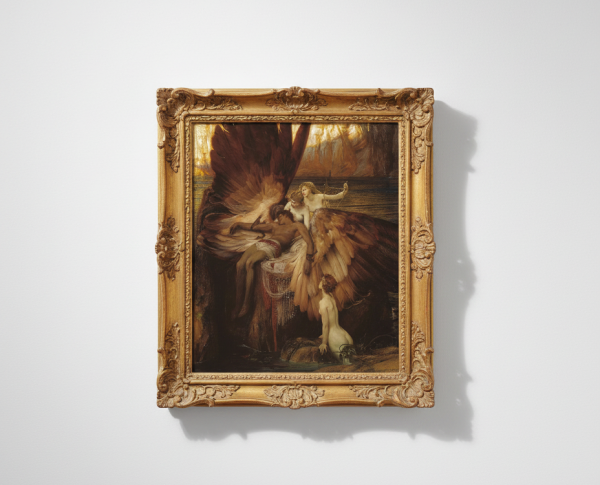
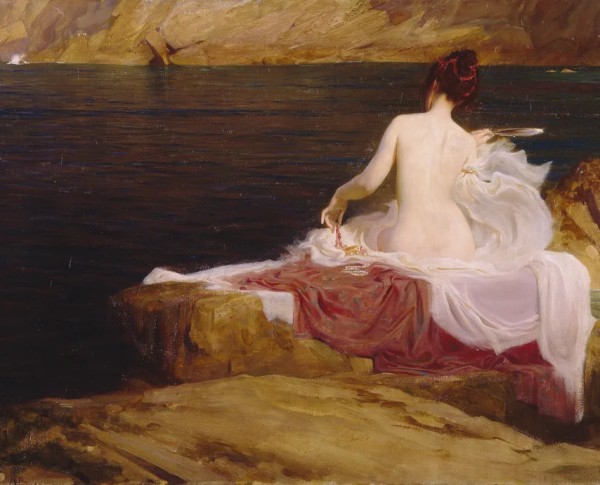
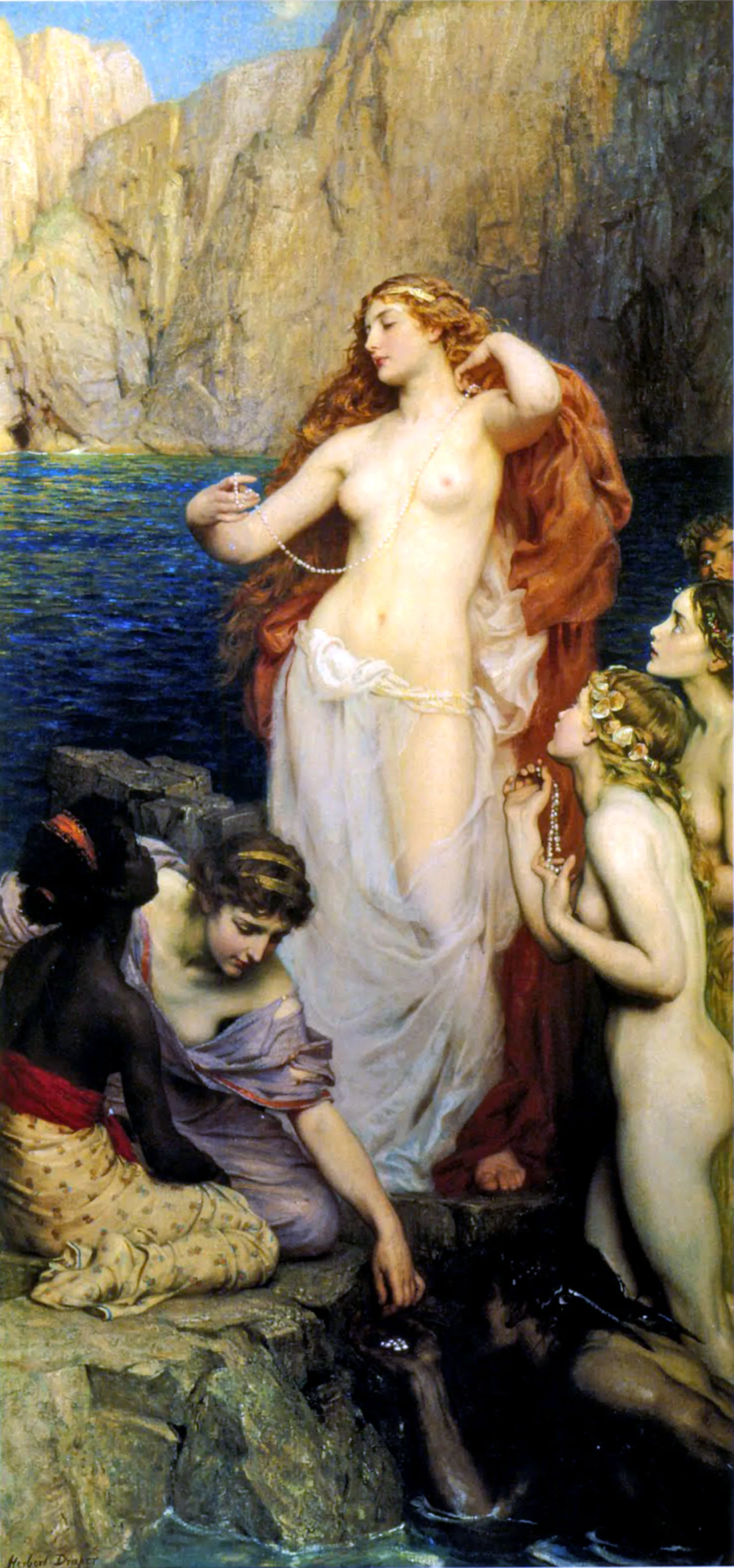
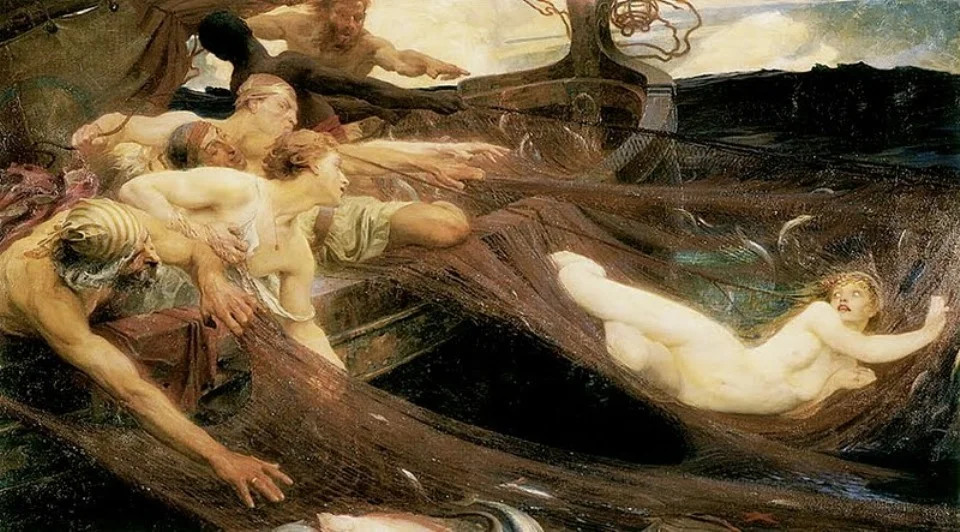
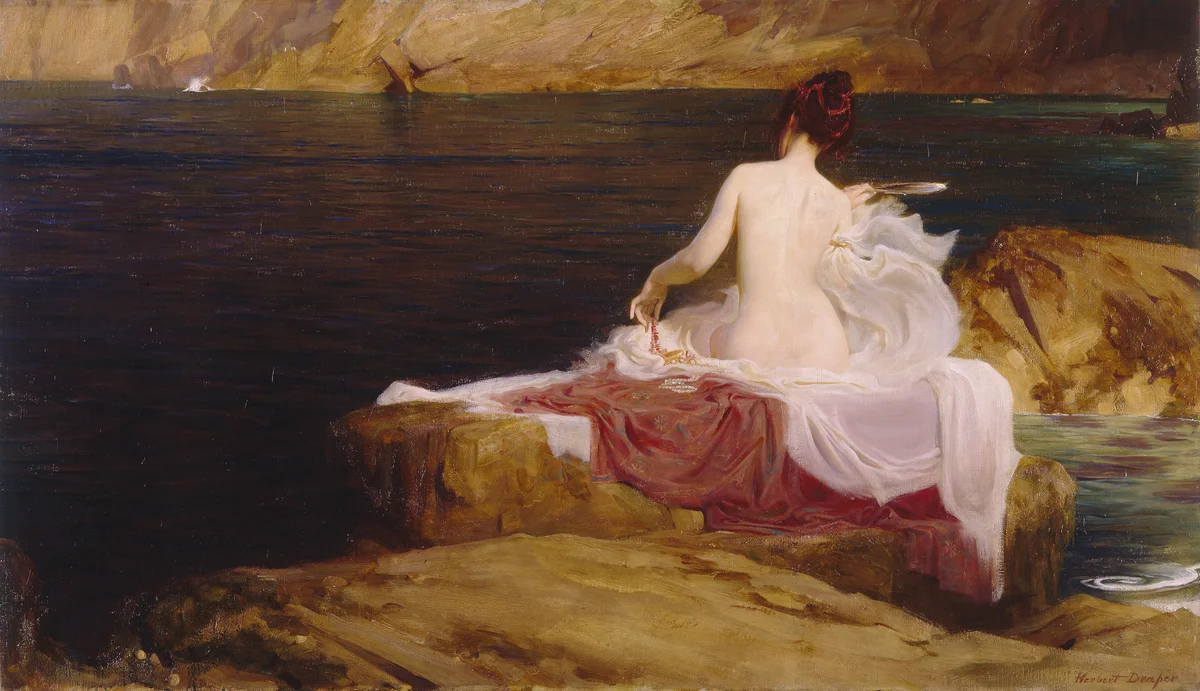
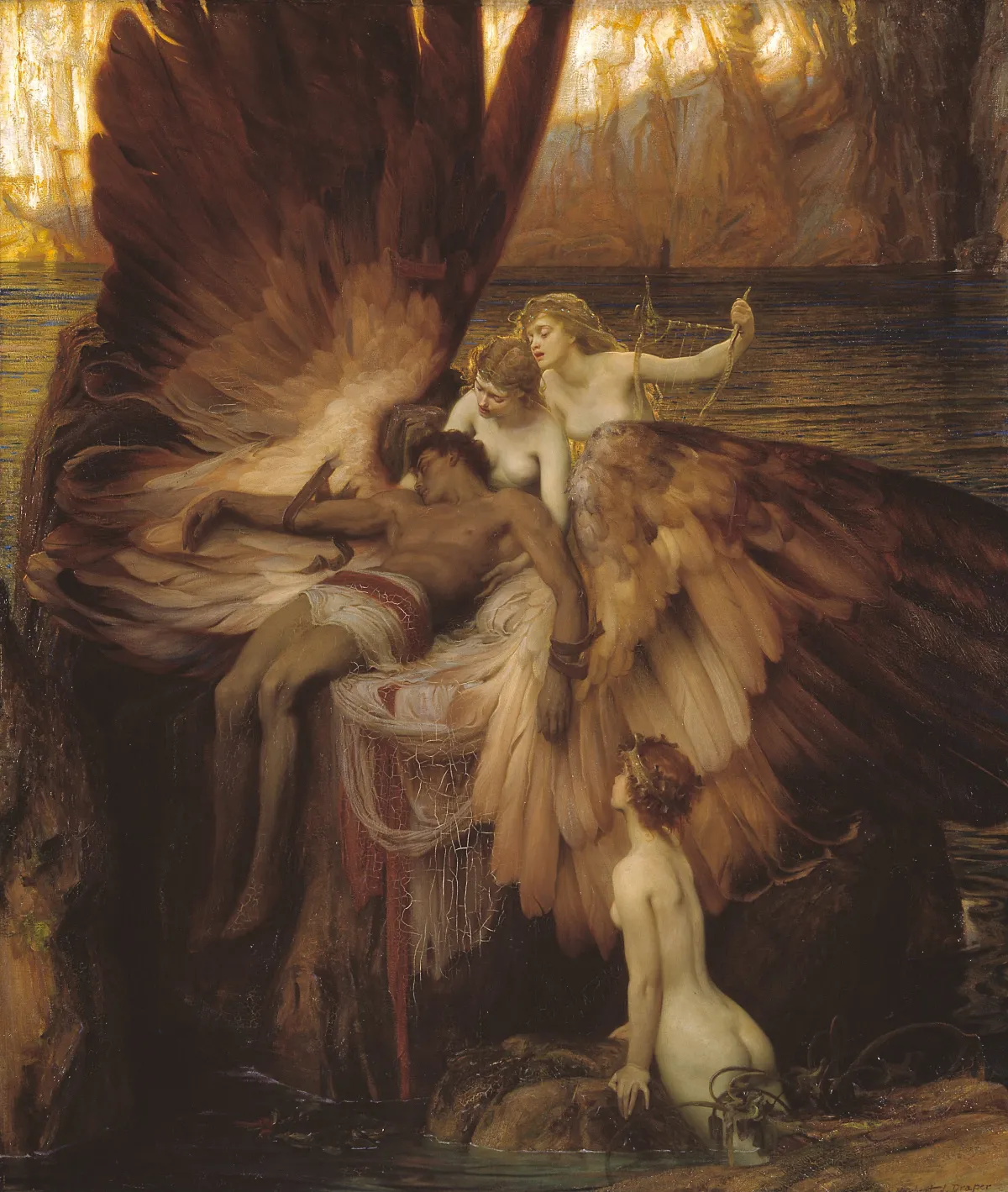
Herbert James Draper’s meticulous technique is evident in every detail of "The Pearls of Aphrodite." Crafted with exceptional skill, this oil on canvas demonstrates the artist’s command of light and texture, hallmarks of the Neo-Classical style. Draper’s ability to render lifelike forms and ethereal atmospheres is also seen in related works such as "The Golden Fleece" and "The Kelpie," making his paintings highly sought after by admirers of classical artistry.
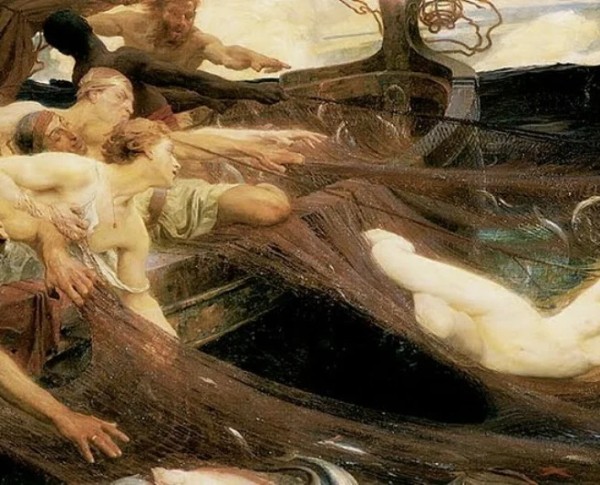
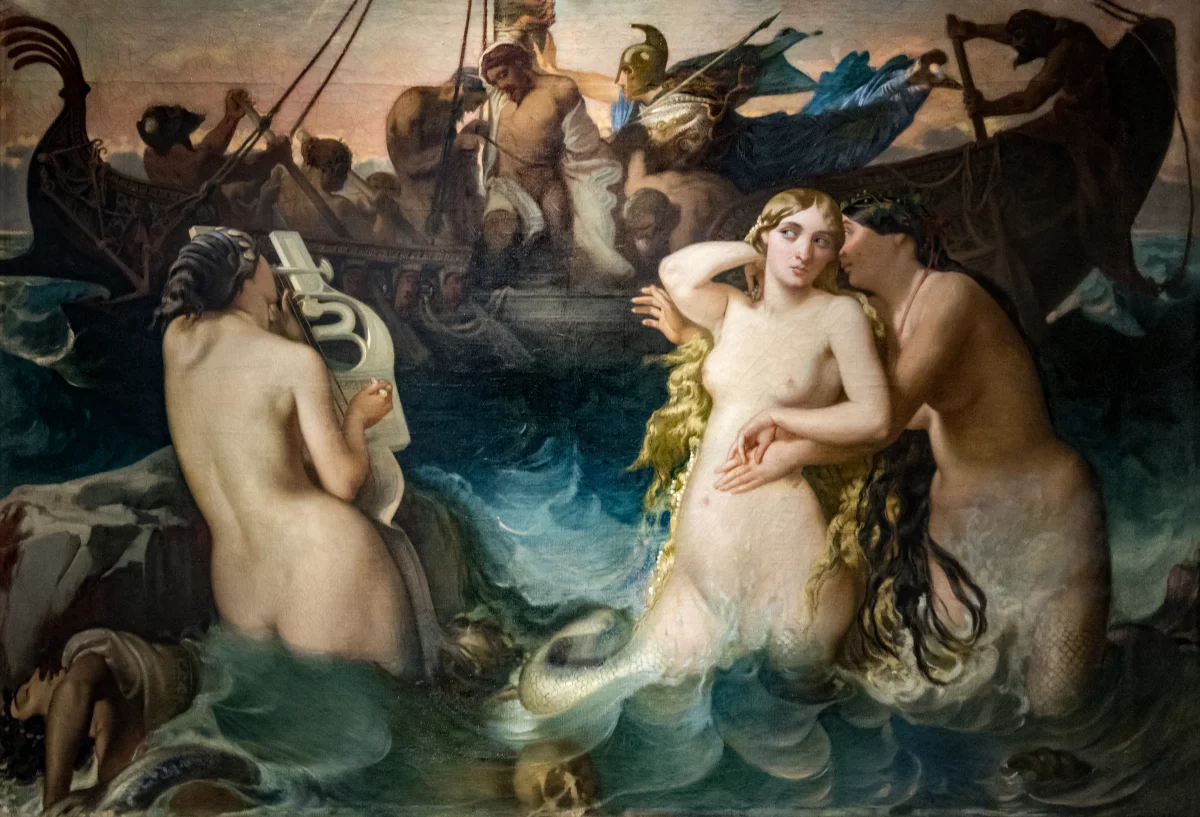
"The Pearls of Aphrodite" weaves mythology and symbolism into its composition, with Draper drawing inspiration from ancient tales of love and beauty. The painting’s subject matter, reminiscent of "Saint Dorothea's Day" and "Ulysses and the Sirens," invites viewers to uncover deeper meanings behind every brushstroke. This hand-painted oil painting is a testament to Draper’s skill in storytelling, making it a compelling addition to any collection of Neo-Classical masterpieces.
For art collectors, "The Pearls of Aphrodite" represents a rare opportunity to own a fine art painting for sale that embodies the grandeur of the Neo-Classical movement. Herbert James Draper’s works, including this exquisite oil on canvas, are highly prized alongside related paintings such as "The Kelpie" and "The Golden Fleece." Owning such a masterpiece not only enhances a collection but also preserves the enduring legacy of one of history’s most talented artists.
When Art Meets History
"The Pearls of Aphrodite," by Herbert James Draper, is a remarkable hand-painted oil painting that captures the essence of the Neo-Classical movement. Draper masterfully weaves mythological themes with historical influences, echoing the grandeur seen in works like "The Sortie Made by the Garrison of Gibraltar, 1789" and "Portrait of Rosalba Peale." This painting stands as a testament to the timeless allure of classical beauty, making it a pivotal piece in art history.
Techniques That Speak
Draper’s "The Pearls of Aphrodite" showcases his expertise with oil on canvas, a medium favored by Neo-Classical artists for its ability to render lifelike details and luminous skin tones. The artist's technique, similar to that seen in "Monte Cavo Du Lac D'albano," employs soft blending and meticulous brushwork. These methods bring depth and vitality to the composition, highlighting Draper’s skill and the enduring appeal of oil on canvas in creating captivating narratives.
Emotions on Display
Rich with emotion, Draper’s "The Pearls of Aphrodite" draws viewers into a world of sensuality and grace often sought in fine art painting for sale. The artist’s portrayal of Aphrodite exudes both vulnerability and strength, evoking feelings reminiscent of "View of the Isle of Sora." The Neo-Classical movement’s focus on idealized beauty and expressive gestures is clearly evident, making this painting a profound exploration of human emotion and divine mythology.
Coveted by Collectors
As a prized fine art painting for sale, "The Pearls of Aphrodite" enjoys immense popularity among collectors and enthusiasts of Neo-Classical works. Herbert James Draper’s masterwork stands alongside related paintings such as "Portrait of a Baltimore Gentleman by" in esteemed collections. Its masterful execution and historical significance make it a highly sought-after piece, embodying the sophistication and elegance that define the Neo-Classical movement in art.
Related Neo-Classical Hand-Painted Oil Paintings by Other Artists
Other Famous Neo-Classical Artists:
Frequently Asked Questions About The Pearls of Aphrodite
What is the historical context of "The Pearls of Aphrodite"?
"The Pearls of Aphrodite" was painted by Herbert James Draper in 1900, during the height of the British art movement known as the Pre-Raphaelite Brotherhood. This period was characterized by a revival of interest in classical themes and a focus on beauty and nature.
What artistic techniques did Herbert James Draper use in this painting?
Draper employed a combination of classical composition and vibrant color palettes. His use of oil on canvas allows for rich textures and depth, while his attention to detail reflects the influence of the Pre-Raphaelite style.
What is the significance of the figure of Aphrodite in the painting?
Aphrodite, the Greek goddess of love and beauty, symbolizes the ideal of feminine beauty and sensuality. In this painting, she represents not only physical allure but also the deeper themes of desire and the transformative power of love.
How does Draper convey emotion in "The Pearls of Aphrodite"?
Draper conveys emotion through the expressions and poses of the figures, as well as through the use of light and shadow. The soft, flowing lines and the serene expression of Aphrodite evoke a sense of tranquility and allure.
What role do the pearls play in the symbolism of the painting?
The pearls in the painting symbolize purity, wisdom, and the preciousness of love. They enhance the theme of beauty associated with Aphrodite and serve as a metaphor for the complexities of romantic relationships.
Can you explain the influence of mythology in this artwork?
The painting draws heavily from Greek mythology, particularly the myths surrounding Aphrodite. Draper’s interpretation emphasizes the goddess's role in inspiring love and beauty, reflecting the cultural fascination with classical mythology during the late 19th and early 20th centuries.
What are the notable features of Draper's style in this painting?
Draper’s style is characterized by a blend of realism and idealism, with a focus on the human form and intricate details. His ability to capture the interplay of light and texture is particularly evident in the depiction of skin and fabric in "The Pearls of Aphrodite."
How does "The Pearls of Aphrodite" reflect the values of its time?
The painting reflects the Victorian era's values of beauty, morality, and the celebration of femininity. It embodies the era’s romantic ideals and the fascination with classical themes, which were prevalent in the art and literature of the time.
What impact did "The Pearls of Aphrodite" have on subsequent artists?
This painting has influenced subsequent generations of artists by reinforcing the importance of classical themes and the representation of mythological subjects in modern art. Draper's work continues to inspire artists interested in the interplay of beauty and narrative.
Where can I view "The Pearls of Aphrodite" today?
"The Pearls of Aphrodite" is part of the collection at the Manchester Art Gallery in England. It is displayed alongside other works that explore similar themes of beauty and mythology.























_GFM_Painting_(1).webp)


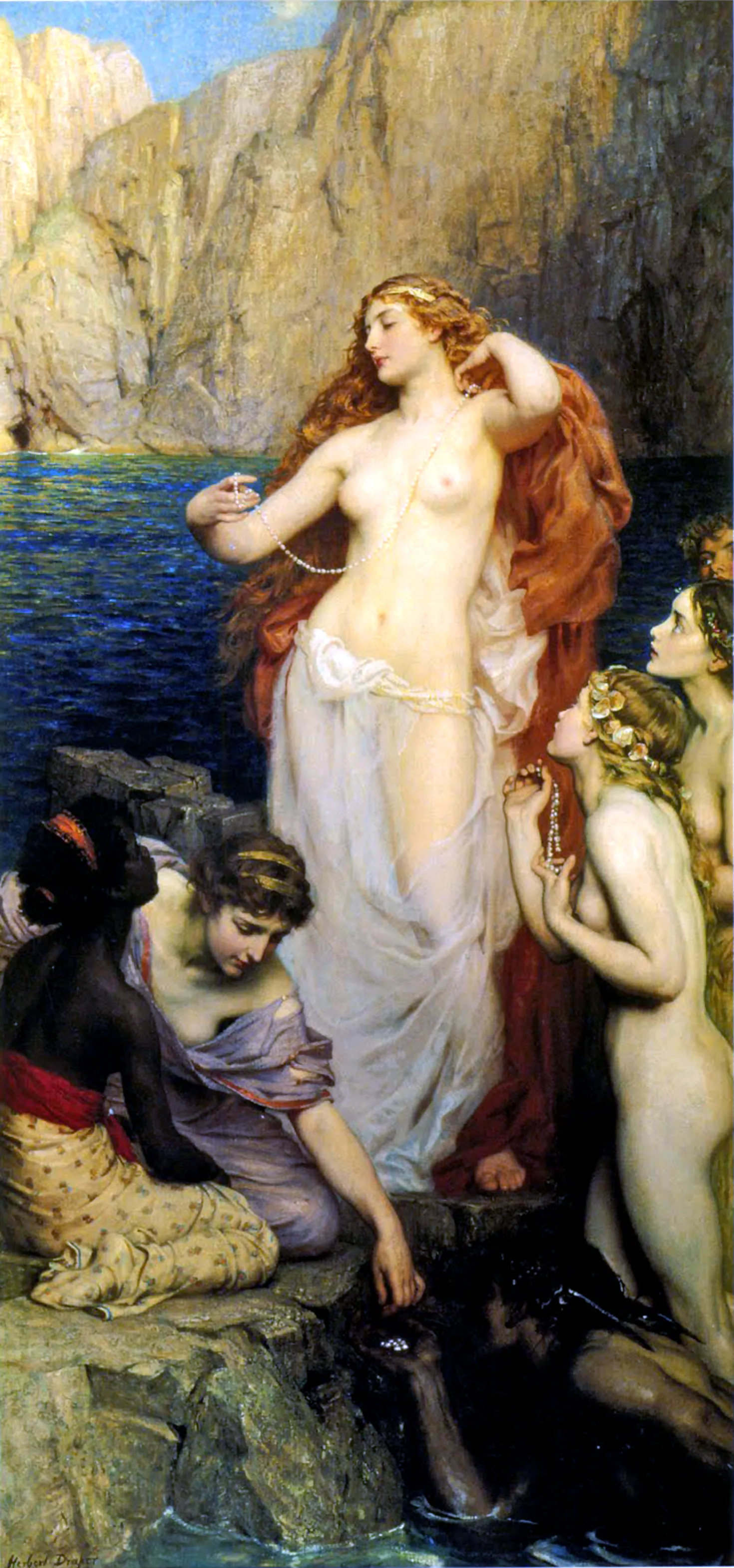
 100% Hand-Painted: Finished in 3-6 Weeks

.png)

















_(1).webp)