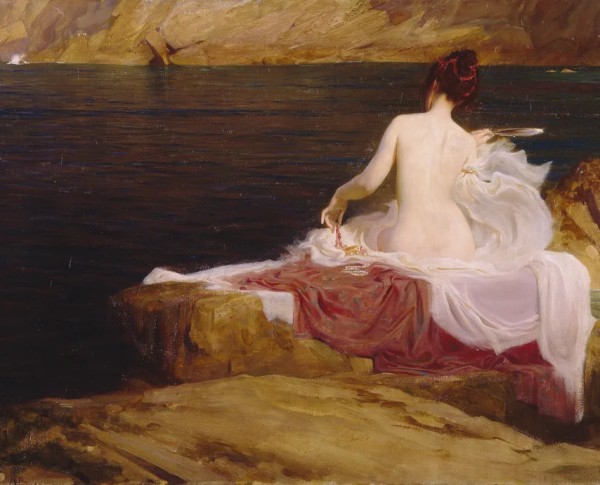
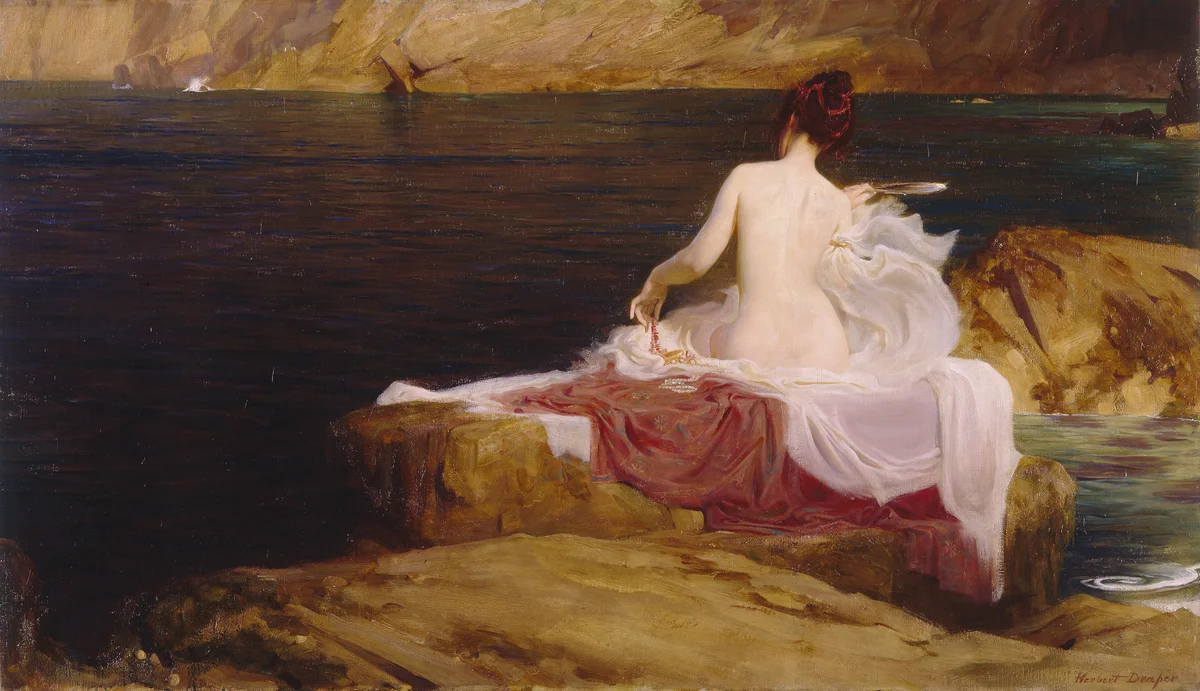
Herbert James Draper’s technique in "Saint Dorothea's Day" exemplifies the refined skill associated with oil on canvas. Each brushstroke demonstrates his mastery in blending color, light, and shadow, creating a lifelike depiction that draws viewers into the narrative. As with his other celebrated works like "Lancelot and Guinevere" and "Calypso's Isle," Draper’s Neo-Classical approach ensures that each painting remains a testament to the enduring allure of traditional craftsmanship.
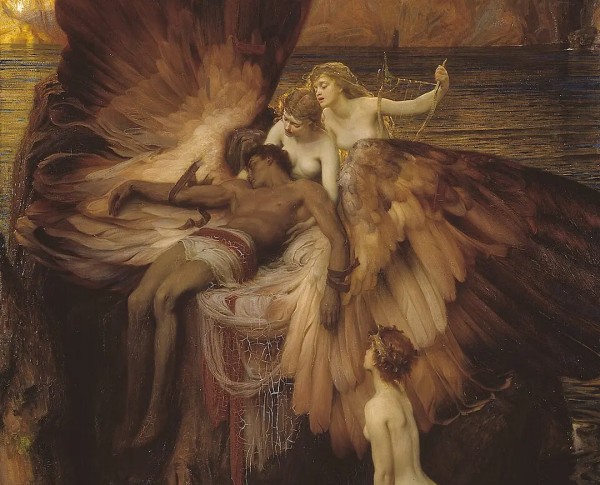
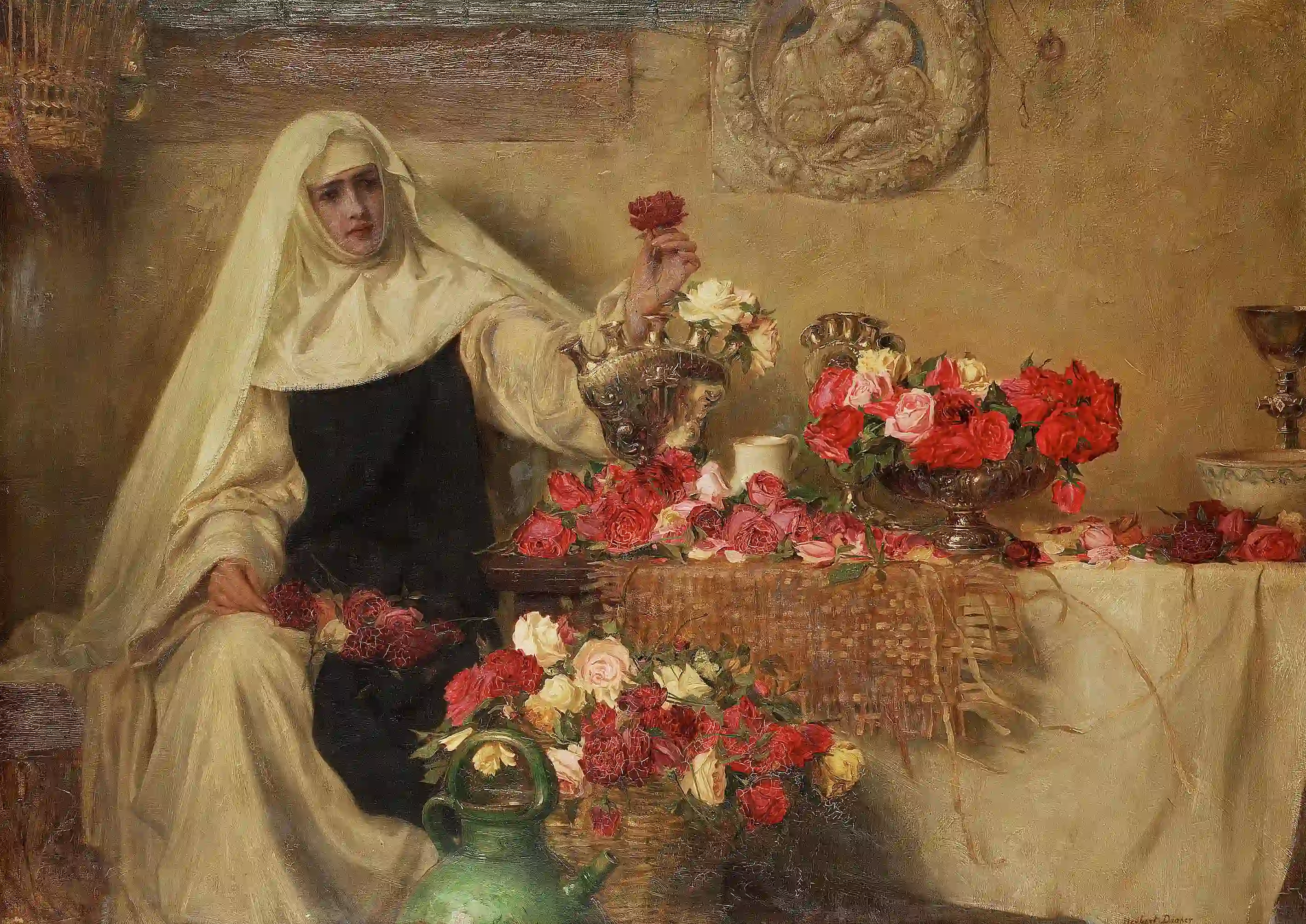
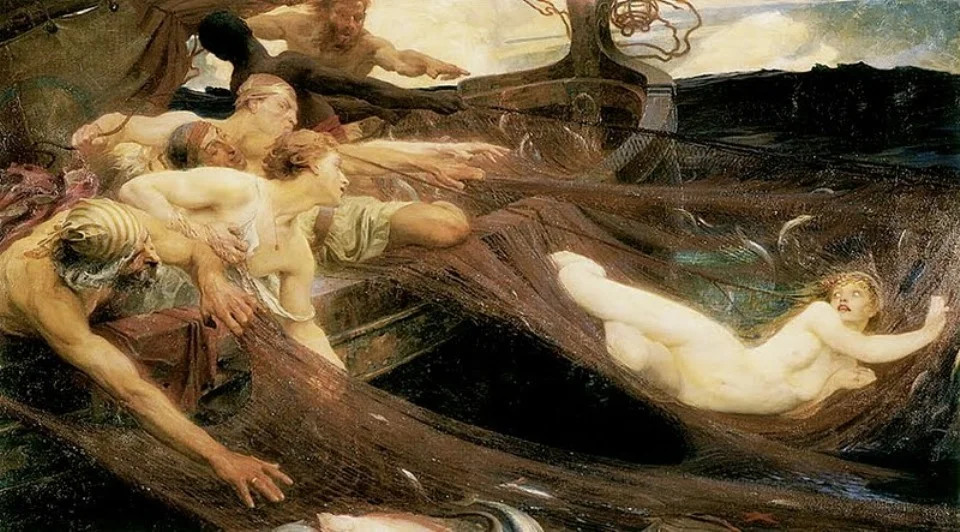
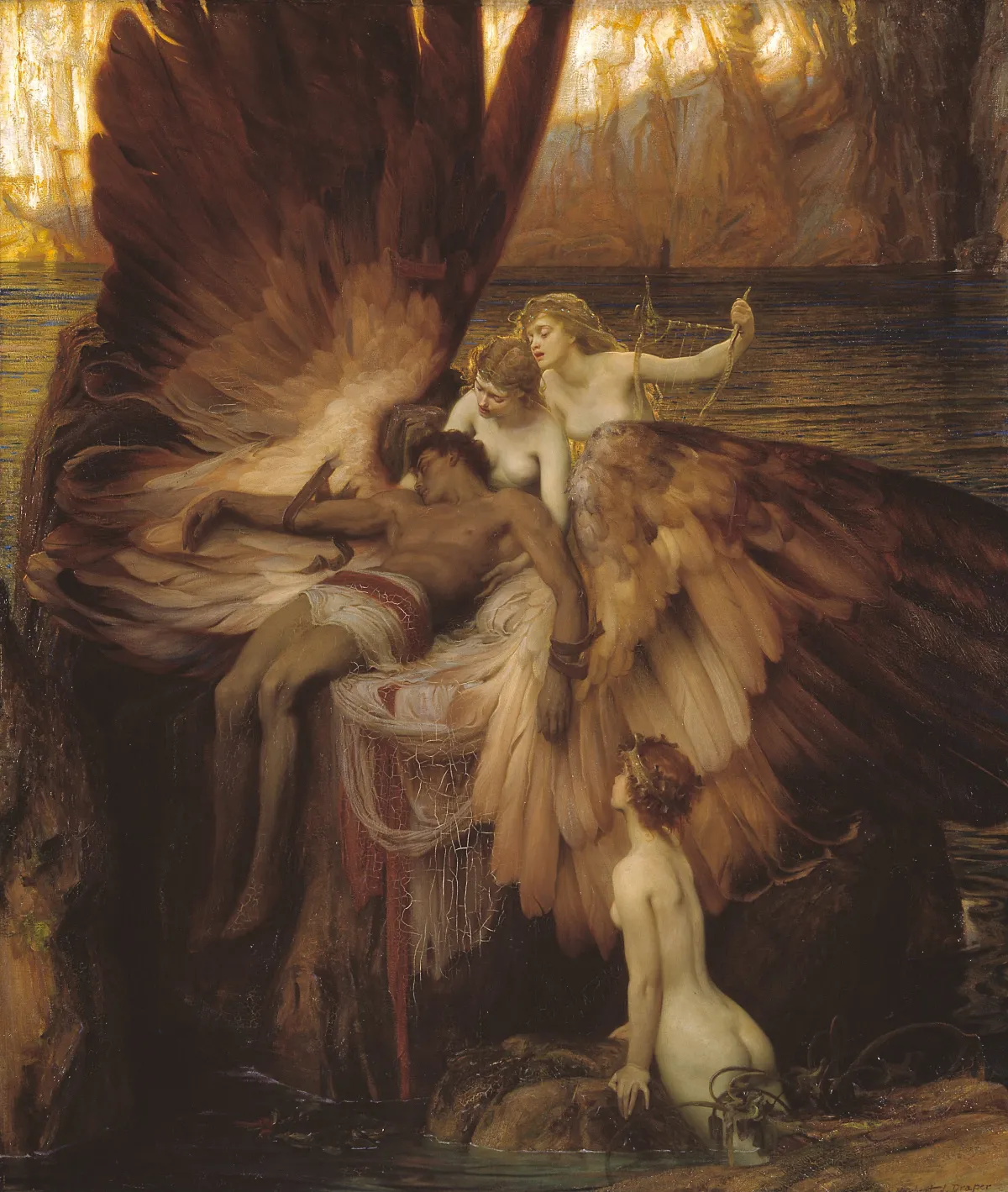
In "Saint Dorothea's Day," Draper infuses symbolic elements that invite viewers to explore deeper meanings. The composition, rendered as a fine art painting for sale, weaves together themes of innocence, sacrifice, and beauty—hallmarks of the Neo-Classical movement. Collectors of Draper’s works, such as "Lament for Icarus" and "Study for The Sea Maiden," often find themselves captivated by the narrative richness that defines each canvas and the stories they continue to tell.
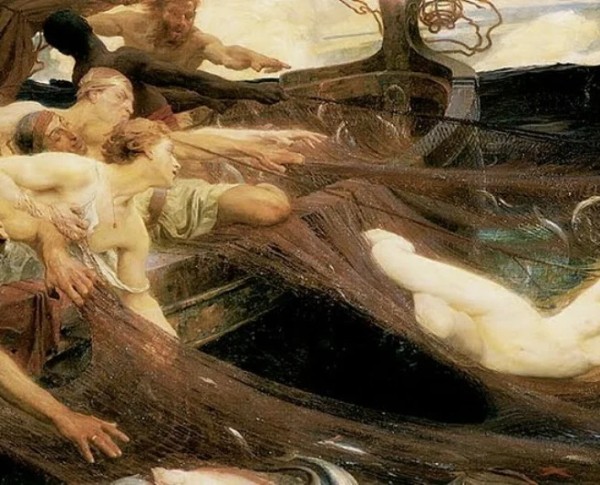
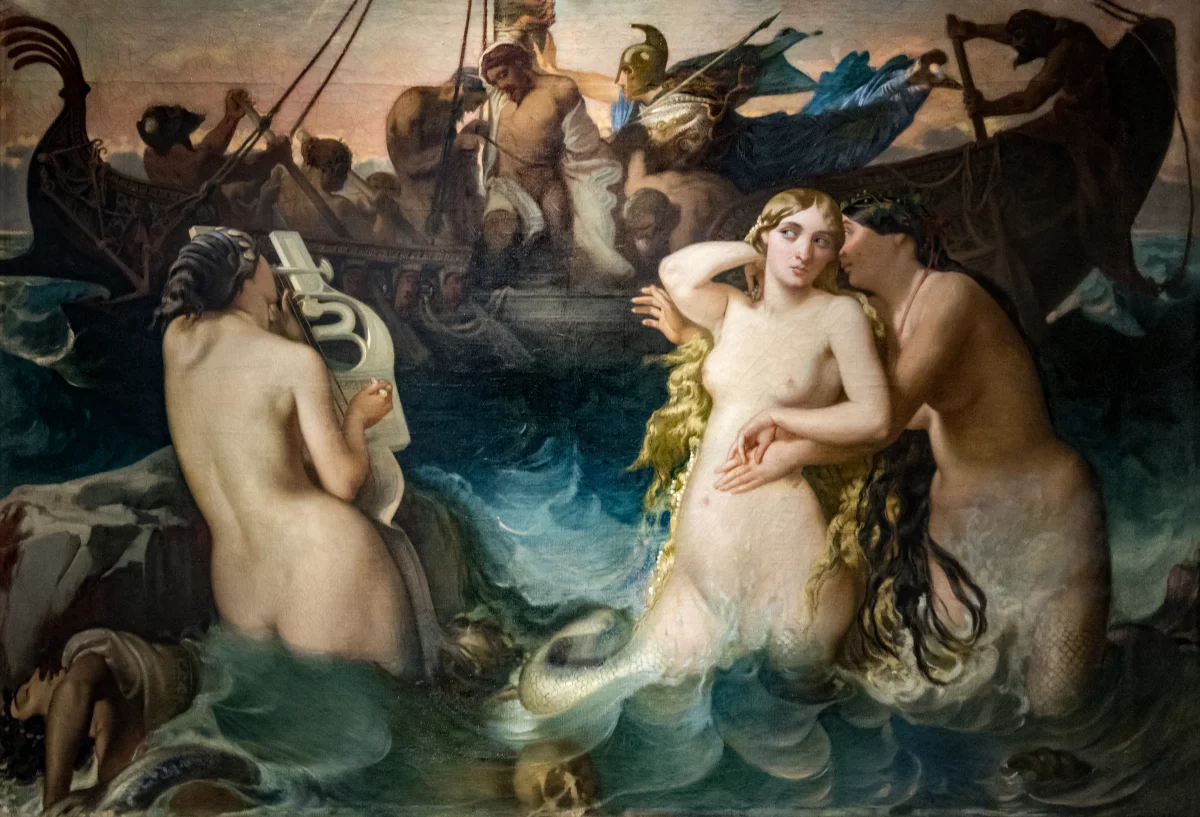
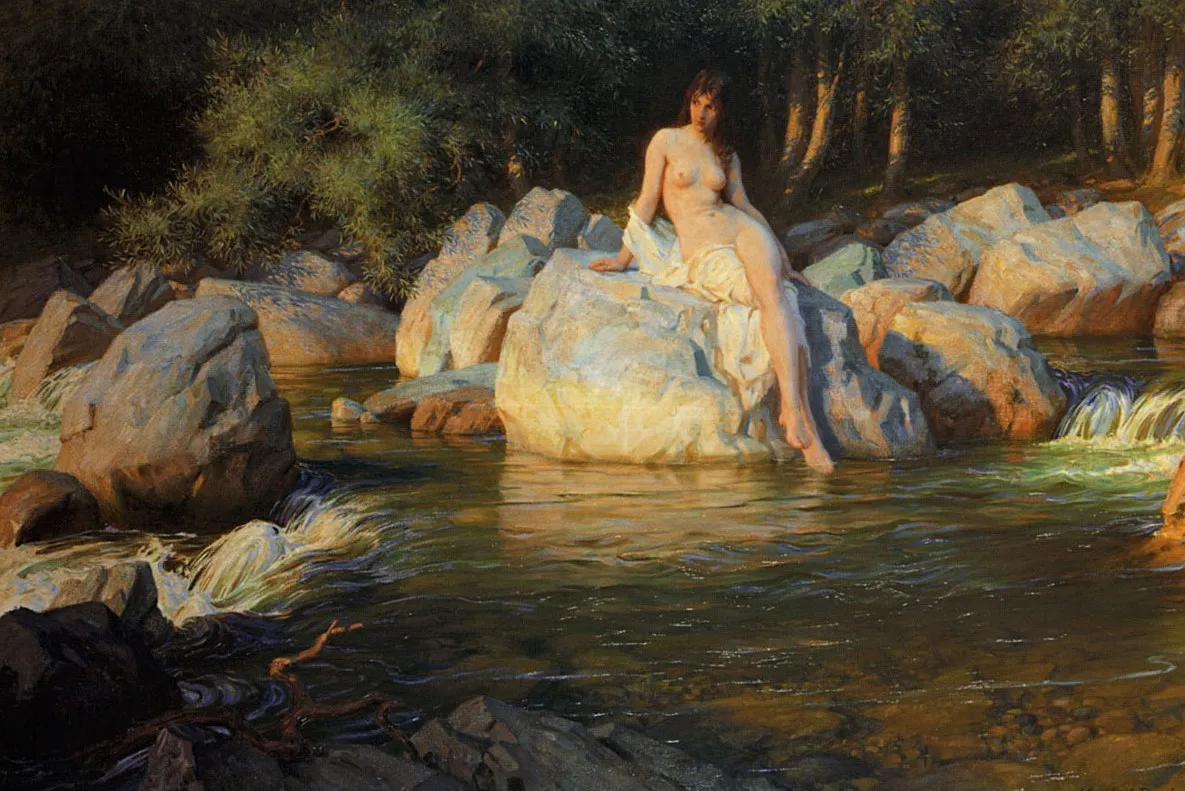
For art collectors, "Saint Dorothea's Day" by Herbert James Draper represents more than just a hand-painted oil painting; it is a piece of history and culture. As part of the Neo-Classical movement, this work offers a unique opportunity to own a masterpiece reminiscent of other sought-after paintings like "Ulysses and the Sirens" and "The Kelpie." With each acquisition, collectors enhance their collections with timeless beauty and unparalleled artistic value.
When Art Meets History
"Saint Dorothea's Day" by Herbert James Draper is a captivating example of Neo-Classical artistry, where historical narrative and visual beauty intersect. Draper, a celebrated British painter, used the story of Saint Dorothea to reflect the ideals of his time. This hand-painted oil painting stands alongside masterpieces like "Anton, König von Sachsen" and "Portrait of Thomas Jefferson," showcasing how artists of the era drew inspiration from both myth and reality to create enduring works.
Techniques That Speak
Herbert James Draper’s mastery is evident through his meticulous use of oil on canvas, creating lifelike textures and vibrant hues in "Saint Dorothea's Day." The Neo-Classical movement favored clarity, harmony, and idealized forms, all of which are present in Draper’s technique. Like "Running Stream at San Cosimato" and "Scène De La Vie Italienne," Draper’s brushwork and composition elevate each figure, making this painting a true testament to the technical prowess of its era.
Emotions on Display
In "Saint Dorothea's Day," Draper captures a poignant emotional narrative, with the saint’s serene expression and gentle posture inviting empathy. The painting’s luminous palette and delicate details evoke a sense of reverence, similar to the emotional depth found in "Le Saint-sacrement Porté Aux Malades." This fine art painting for sale resonates with viewers, offering not only visual delight but also a moving spiritual experience that is characteristic of Neo-Classical masterpieces.
Coveted by Collectors
Collectors around the world seek out "Saint Dorothea's Day" for its historical significance and artistic excellence. As a hand-painted oil painting by Herbert James Draper, it holds a special place in the Neo-Classical movement. Like "Chasseur Au Pied Du Château De Meudon," this work represents a pinnacle of craftsmanship and storytelling. Its rarity and beauty make it one of the most desirable pieces for those searching for exceptional fine art painting for sale.
Related Neo-Classical Hand-Painted Oil Paintings by Other Artists
Other Famous Neo-Classical Artists:
Frequently Asked Questions About Saint Dorothea's Day
What is the historical significance of "Saint Dorothea's Day"?
"Saint Dorothea's Day" reflects the early 20th-century revival of interest in classical themes and religious iconography, characteristic of the Pre-Raphaelite movement and its successors.
Who was Saint Dorothea, and why is she depicted in this painting?
Saint Dorothea was a Christian martyr of the 4th century, known for her piety and the legend of her miraculous delivery of flowers from heaven, symbolizing faith and divine grace.
What artistic techniques did Herbert James Draper employ in this painting?
Draper utilized a combination of rich color palettes, intricate detailing, and dramatic lighting to enhance the emotional impact and narrative depth of the scene.
How does the composition of "Saint Dorothea's Day" contribute to its overall message?
The composition features a central figure of Saint Dorothea surrounded by symbolic elements, creating a focal point that draws the viewer's attention to her serene expression and the ethereal quality of the scene.
What symbols are present in "Saint Dorothea's Day" and what do they represent?
Key symbols include the flowers, representing purity and divine love, and the presence of light, signifying enlightenment and the presence of the divine in the life of the saint.
In what ways does "Saint Dorothea's Day" reflect the cultural context of its time?
The painting embodies the early 20th-century fascination with spirituality and the revival of traditional religious themes, responding to the societal shifts and the search for meaning during that era.
What influences can be seen in Draper's style in this artwork?
Draper's style shows influences from the Pre-Raphaelite Brotherhood, particularly in his attention to detail, vibrant colors, and the idealization of the female form, merging realism with romanticism.
How does "Saint Dorothea's Day" compare to other works by Herbert James Draper?
This painting is notable for its ethereal quality and religious theme, distinguishing it from Draper's more mythological works, while still showcasing his signature style and technical prowess.
What role does light play in "Saint Dorothea's Day"?
Light in this painting serves to highlight the figure of Saint Dorothea, creating a sense of divinity and emphasizing her connection to the spiritual realm, enhancing the overall narrative of the piece.
What is the significance of the color palette used in "Saint Dorothea's Day"?
The color palette features soft pastels and vibrant hues, which evoke a sense of tranquility and otherworldliness, reinforcing the painting's themes of purity, hope, and spiritual transcendence.























_GFM_Painting_(1).webp)


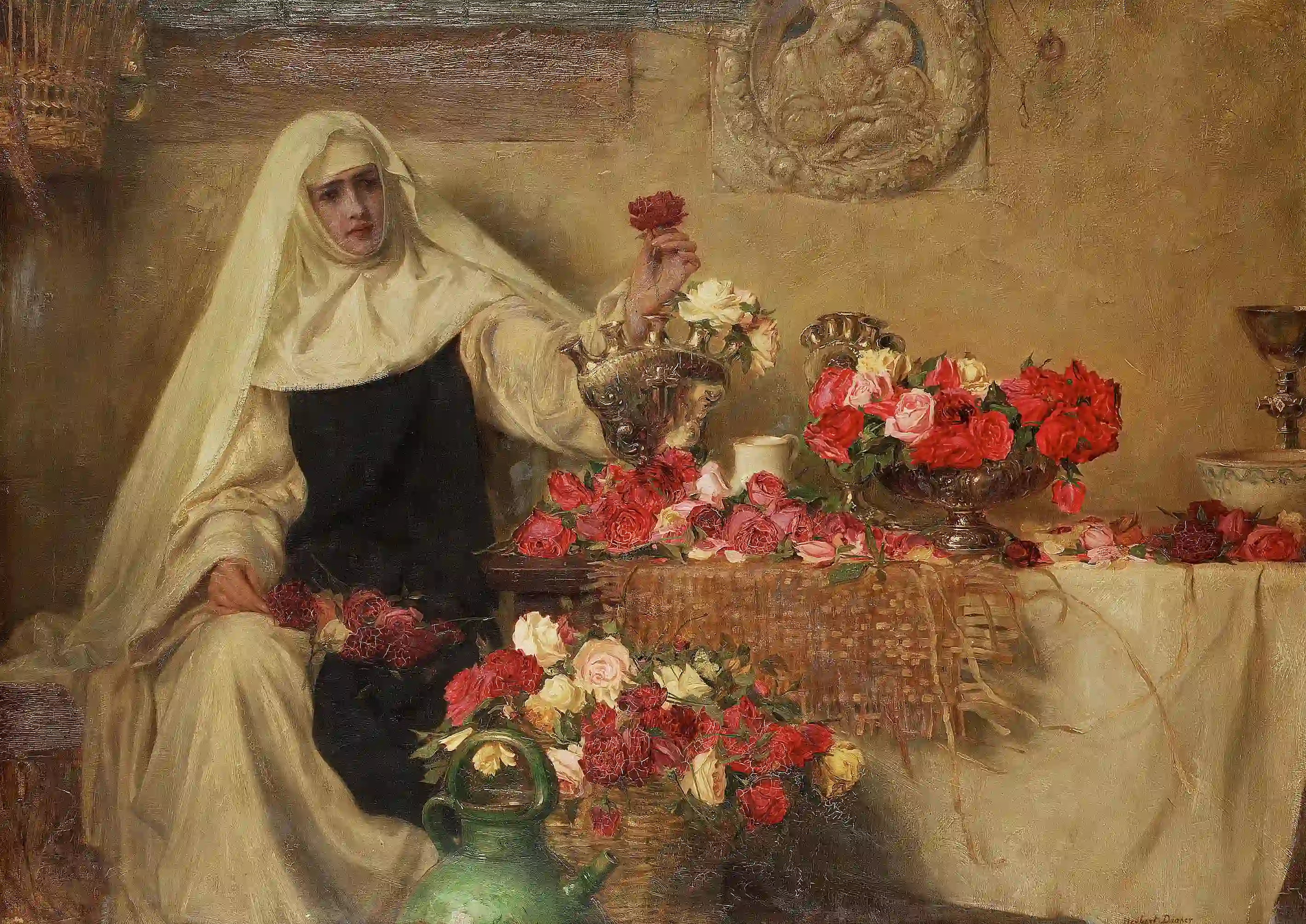
 100% Hand-Painted: Finished in 3-6 Weeks

.png)
















_(1).webp)