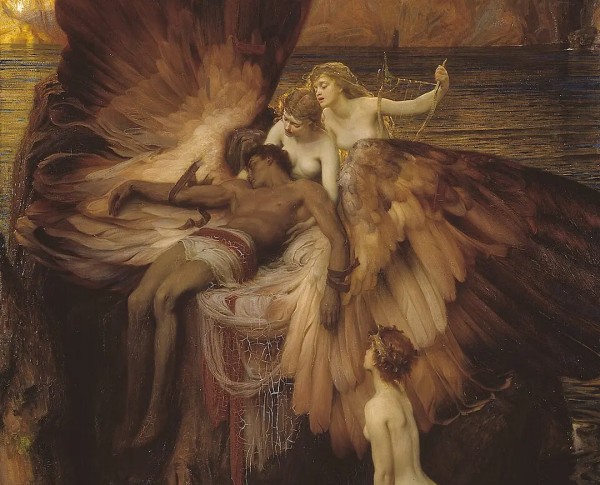
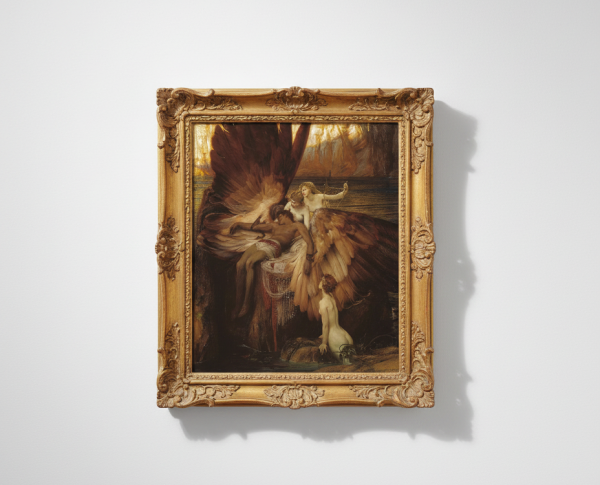
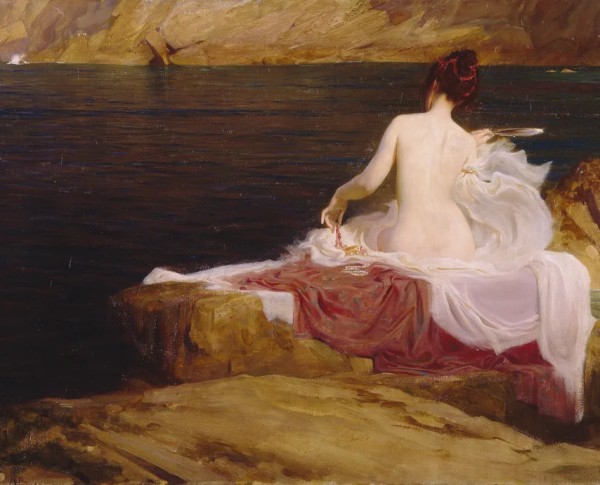
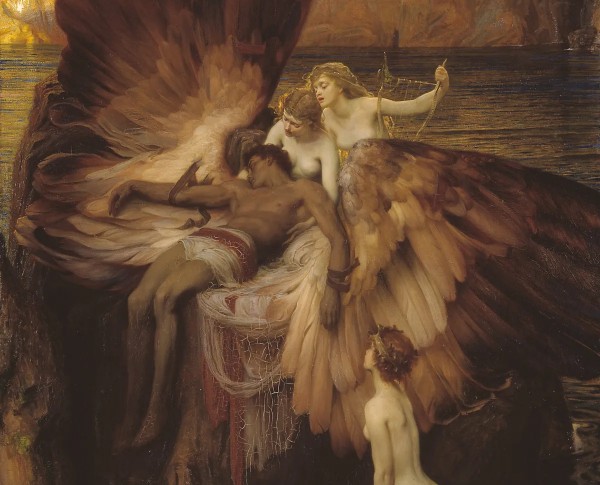
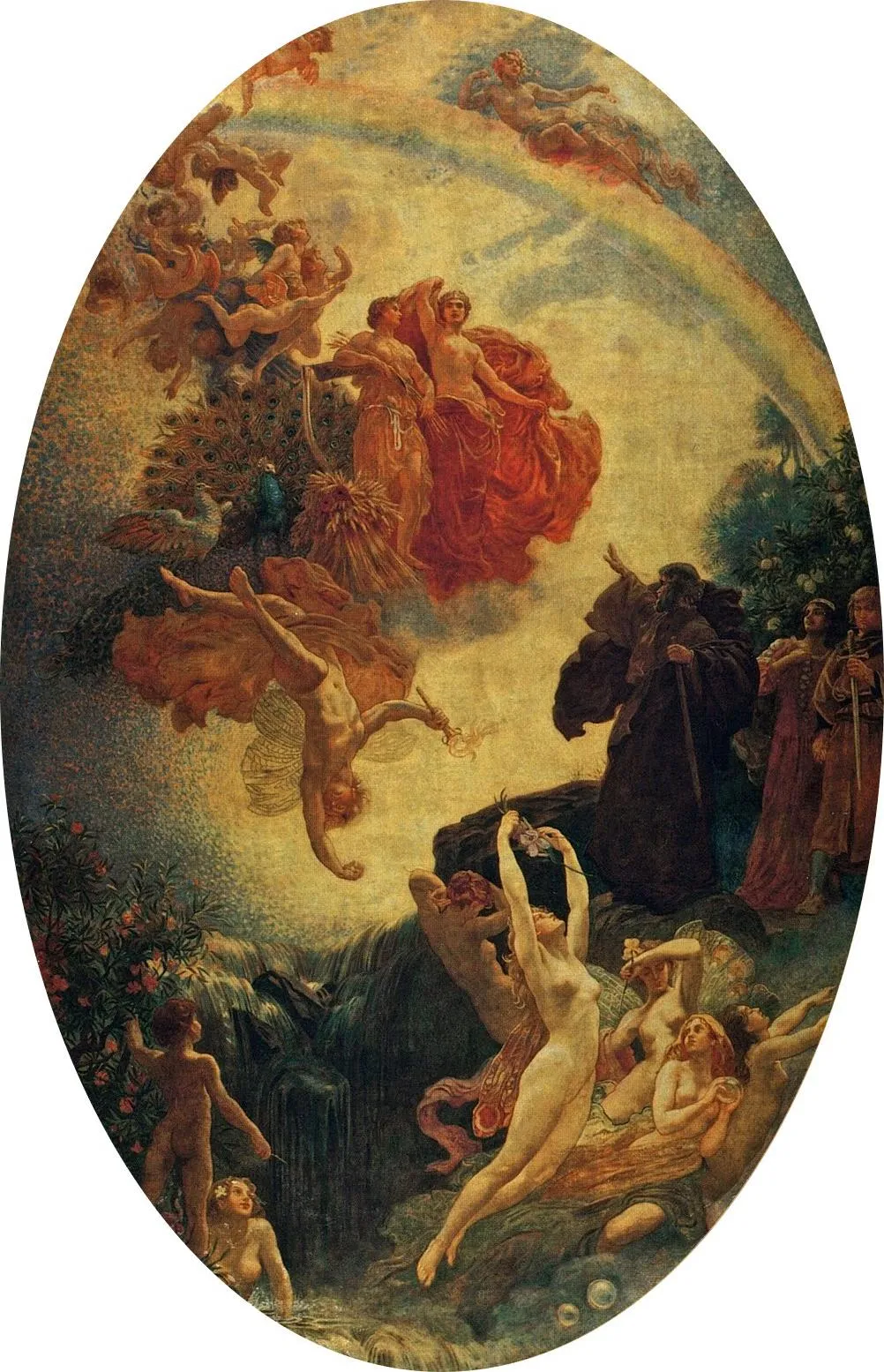
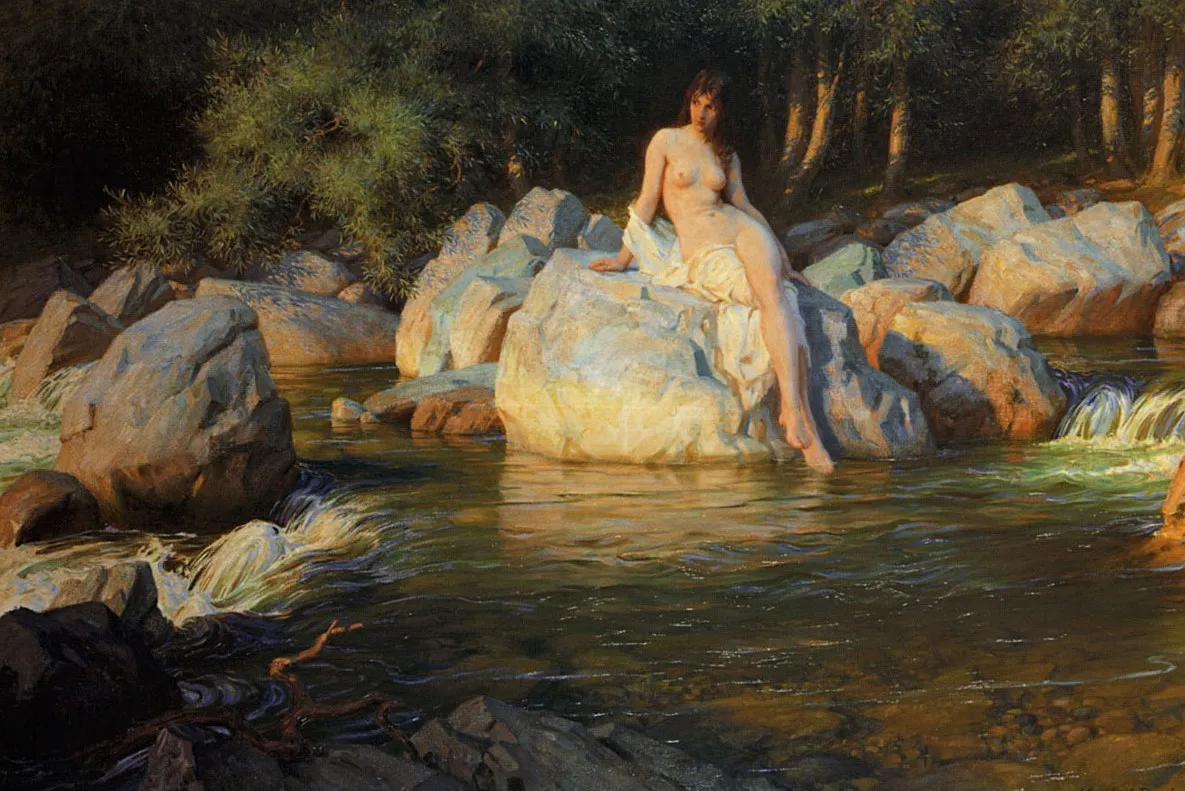
Herbert James Draper’s "Prospero Summoning Nymphs and Deities" demonstrates his extraordinary command of oil on canvas techniques. The composition’s delicate figures and luminous colors bring to life the enchanting world of Shakespeare’s Prospero. Fans of Neo-Classical art will find parallels in Draper’s other masterpieces like "Clyties of the Mist" and "Bather," each exemplifying the artist’s devotion to classical beauty and technical excellence in oil on canvas.
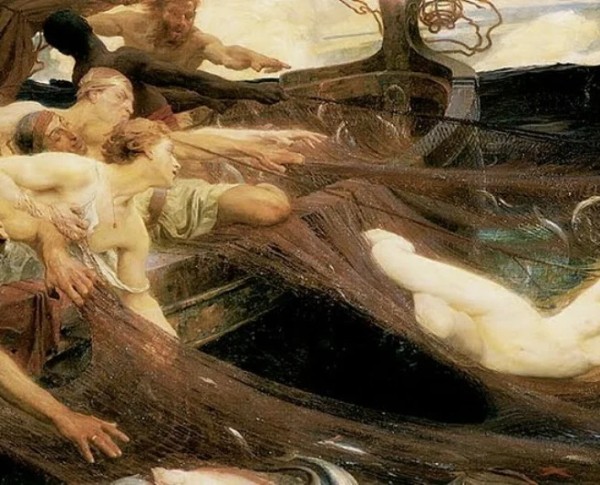
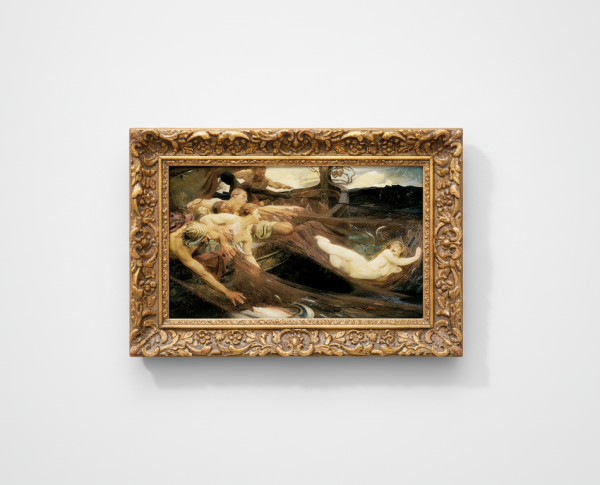
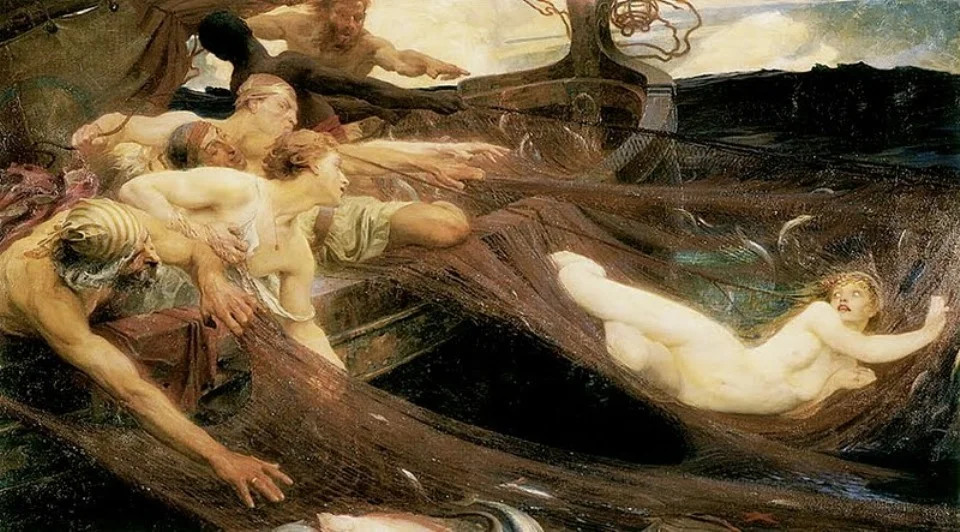
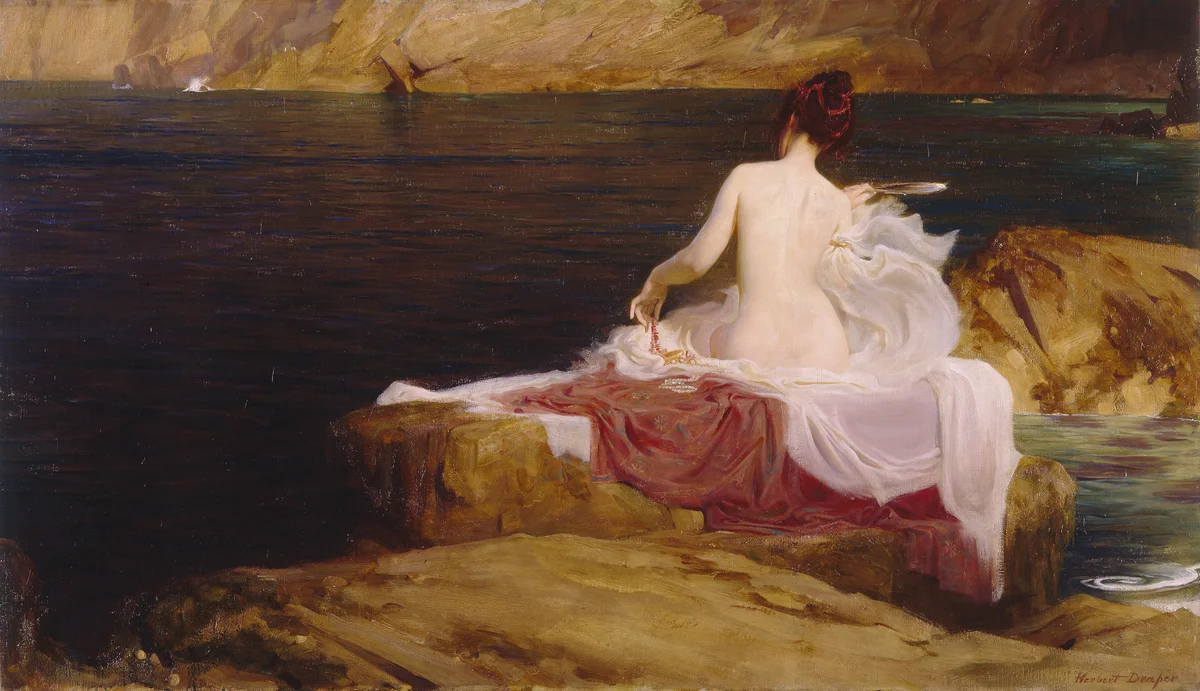
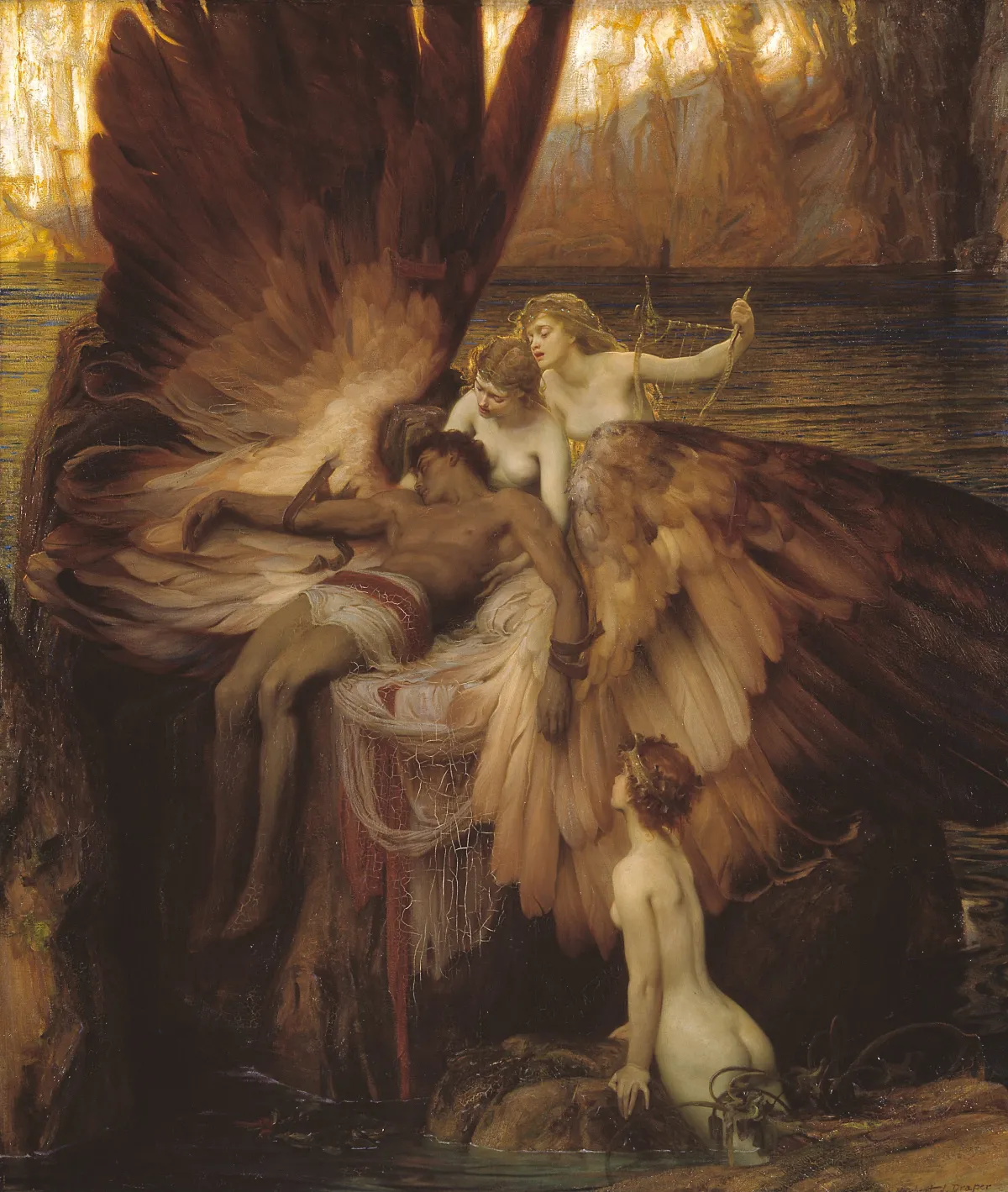
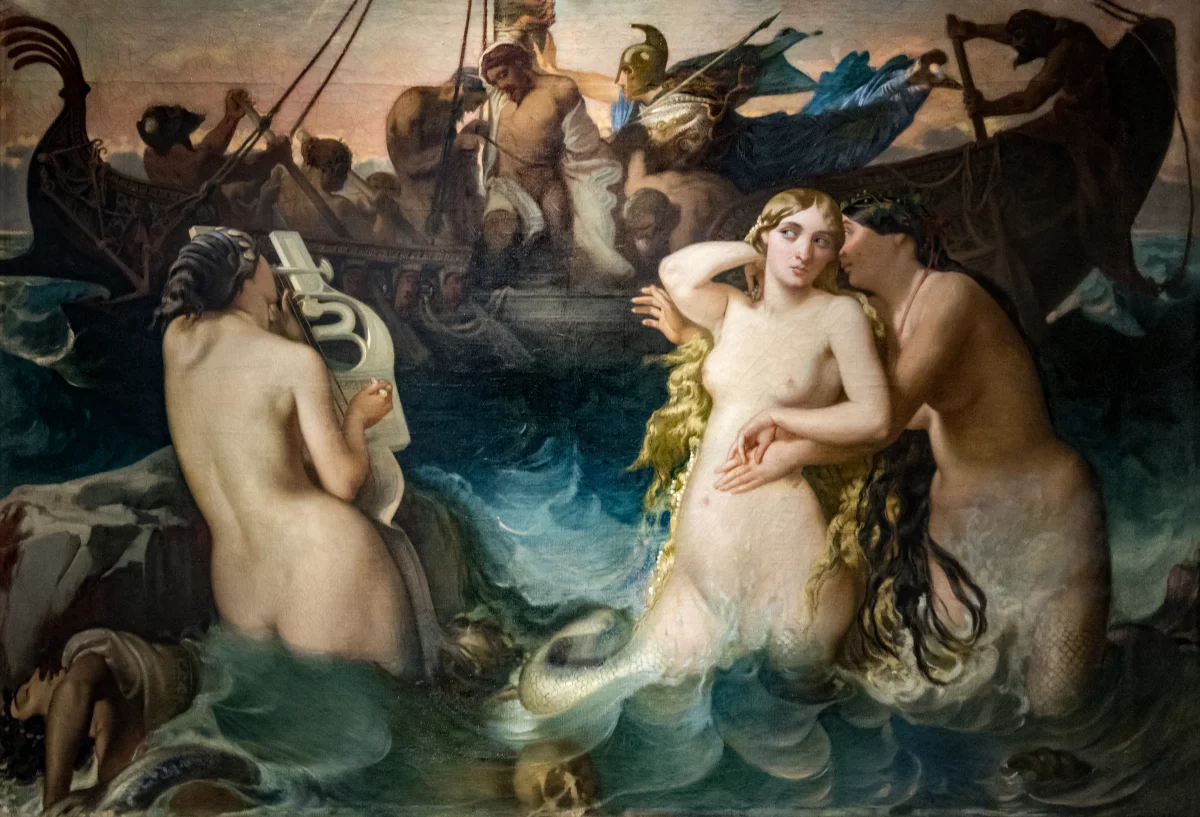
This fine art painting for sale is imbued with rich narratives and classical symbolism. Draper’s "Prospero Summoning Nymphs and Deities" draws inspiration from Shakespeare’s "The Tempest," blending mythological elements with human emotion. The work resonates with themes found in his related pieces, such as "Ulysses and the Sirens" and "L'île De Calypso," inviting viewers to explore stories woven into each brushstroke and immerse themselves in the Neo-Classical tradition.
For collectors, "Prospero Summoning Nymphs and Deities" by Herbert James Draper is more than just a hand-painted oil painting—it’s a testament to the enduring allure of Neo-Classical art. This collectible masterpiece pairs beautifully with related works like "Tristan and Isolde" and "Bather," offering a cohesive and distinguished gallery. Owning such a piece ensures a lasting legacy, making it a prized addition to any discerning art lover’s collection.
When Art Meets History
Herbert James Draper’s masterpiece, "Prospero Summoning Nymphs and Deities," stands as a luminous example of the Neo-Classical movement. This hand-painted oil painting captures the timeless allure of mythological themes, echoing the historical narratives found in works like "Grenoble" and "Aeneïs." Draper’s dedication to classical subject matter and refined technique roots his art in a rich tradition, making this piece not just a visual feast but also a historical treasure for enthusiasts and scholars alike.
Techniques That Speak
Draper’s "Prospero Summoning Nymphs and Deities" showcases his exceptional mastery of oil on canvas, a hallmark of the Neo-Classical movement. The artist’s meticulous brushwork and attention to anatomical accuracy bring his mythical figures to life, much like in related paintings such as "John Johnston" and "Prince Vasili Vasiljevits Dolgoruki." Draper’s use of light, shadow, and color harmoniously blends technical prowess with storytelling, making this oil painting a testament to his enduring artistic legacy.
Emotions on Display
In "Prospero Summoning Nymphs and Deities," Herbert James Draper infuses every figure with palpable emotion, a signature quality of Neo-Classical fine art painting for sale. The ethereal nymphs and commanding Prospero evoke awe, wonder, and reverence, reminiscent of the emotional depth found in works like "Beaumes De Venise." Draper’s ability to convey complex feelings through posture and expression ensures that his viewers are transported into the mystical world he so brilliantly depicts.
Coveted by Collectors
Herbert James Draper’s hand-painted oil painting, "Prospero Summoning Nymphs and Deities," remains highly sought after by collectors of Neo-Classical art. Its connection to other celebrated works such as "Grenoble" and "Aeneïs" enhances its desirability, making it a prized addition to any collection. For those searching for oil on canvas masterpieces that capture both technical skill and narrative grandeur, Draper’s work stands out as a fine art painting for sale with enduring value and appeal.
Related Neo-Classical Hand-Painted Oil Paintings by Other Artists
Other Famous Neo-Classical Artists:
Frequently Asked Questions About Prospero Summoning Nymphs and Deities
What is the historical context of "Prospero Summoning Nymphs and Deities"?
This painting, created by Herbert James Draper in 1906, draws inspiration from William Shakespeare's play "The Tempest," which was first performed in the early 17th century. Draper's work reflects the late Victorian and Edwardian fascination with Shakespearean themes and the revival of classical mythology in art.
Who is Prospero and what is his significance in the painting?
Prospero is a central character in Shakespeare's "The Tempest," portrayed as a powerful sorcerer and the rightful Duke of Milan. In Draper's painting, he symbolizes knowledge, control, and the human capacity to manipulate nature and the supernatural, embodying the themes of power and redemption.
What artistic style is employed in this painting?
Draper is known for his use of the Pre-Raphaelite style, which emphasizes vivid colors, intricate details, and a romanticized portrayal of subjects. "Prospero Summoning Nymphs and Deities" exemplifies this style through its lush landscapes and ethereal figures, creating a dreamlike atmosphere.
What are the symbolic elements present in the painting?
The painting features various nymphs and deities, symbolizing nature, beauty, and the spiritual realm. Their presence signifies the connection between humanity and the divine, as well as the interplay between reality and the fantastical, central themes in both Draper's work and Shakespeare's narrative.
How does Draper convey emotion in "Prospero Summoning Nymphs and Deities"?
Draper conveys emotion through the expressive poses and gestures of the figures, as well as the use of light and color. The dynamic composition and the ethereal quality of the nymphs evoke a sense of wonder and enchantment, inviting viewers to experience the mystical moment of Prospero's summoning.
What role does color play in the painting?
Color plays a crucial role in establishing the mood and atmosphere of the painting. Draper's palette features rich greens, blues, and golds, which enhance the magical quality of the scene and reflect the themes of nature and the supernatural, creating a harmonious and captivating visual experience.
In what ways does this painting reflect the themes of "The Tempest"?
"Prospero Summoning Nymphs and Deities" encapsulates key themes of "The Tempest," such as the struggle for power, the reconciliation of past grievances, and the exploration of human emotions. Draper's interpretation highlights the transformative journey of Prospero and the interplay between control and chaos.
How does Draper’s background influence his artistic approach in this work?
Herbert James Draper was influenced by the classical education of his time and the Romantic movement, which emphasized emotion and nature. His background in classical studies and his admiration for Shakespeare and mythology are evident in the thematic depth and aesthetic beauty of "Prospero Summoning Nymphs and Deities."
What impact did this painting have on the art community during its time?
Upon its unveiling, Draper's painting was well-received and contributed to the ongoing interest in Shakespearean themes within the visual arts. It exemplified the blending of literature and visual storytelling, influencing contemporary artists to explore similar narratives and styles in their work.
Where can I view "Prospero Summoning Nymphs and Deities"?
This painting is part of the collection at the Manchester Art Gallery in the United Kingdom. It is recommended to check the gallery's current exhibition schedule for viewing availability and any related events or discussions surrounding the artwork.























_GFM_Painting_(1).webp)


 100% Hand-Painted: Finished in 3-6 Weeks

.png)
















_(1).webp)