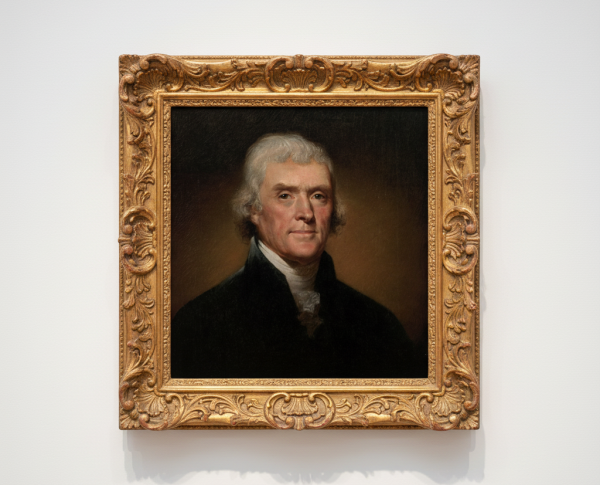
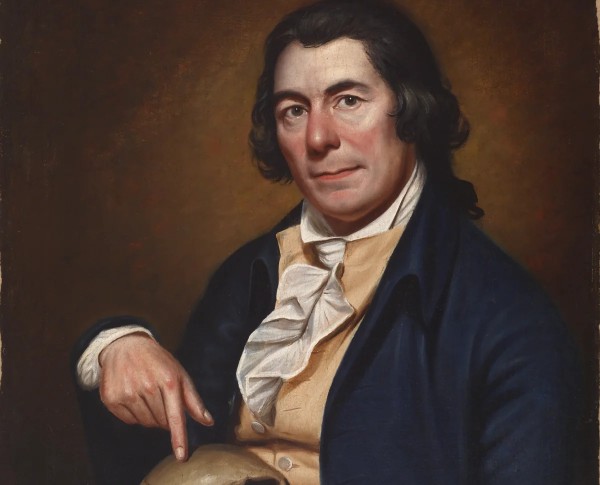
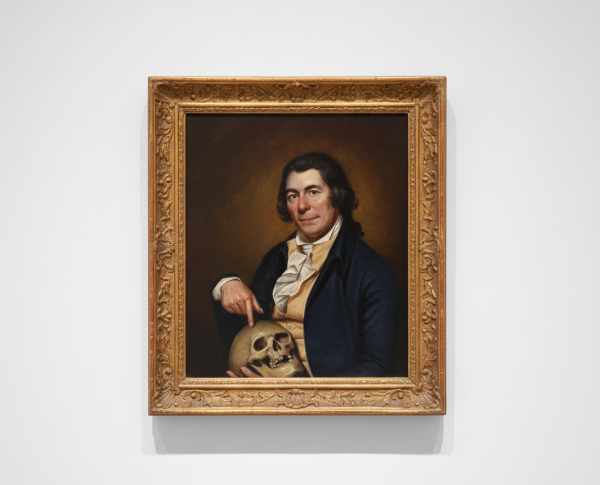
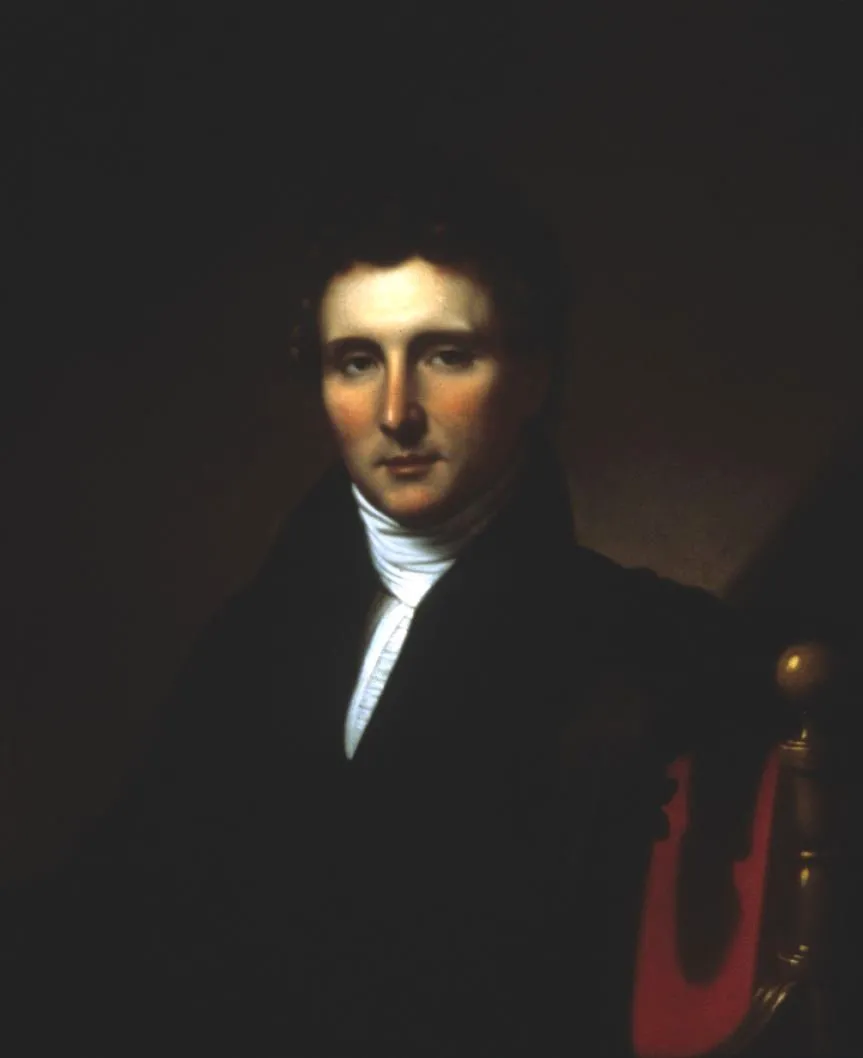
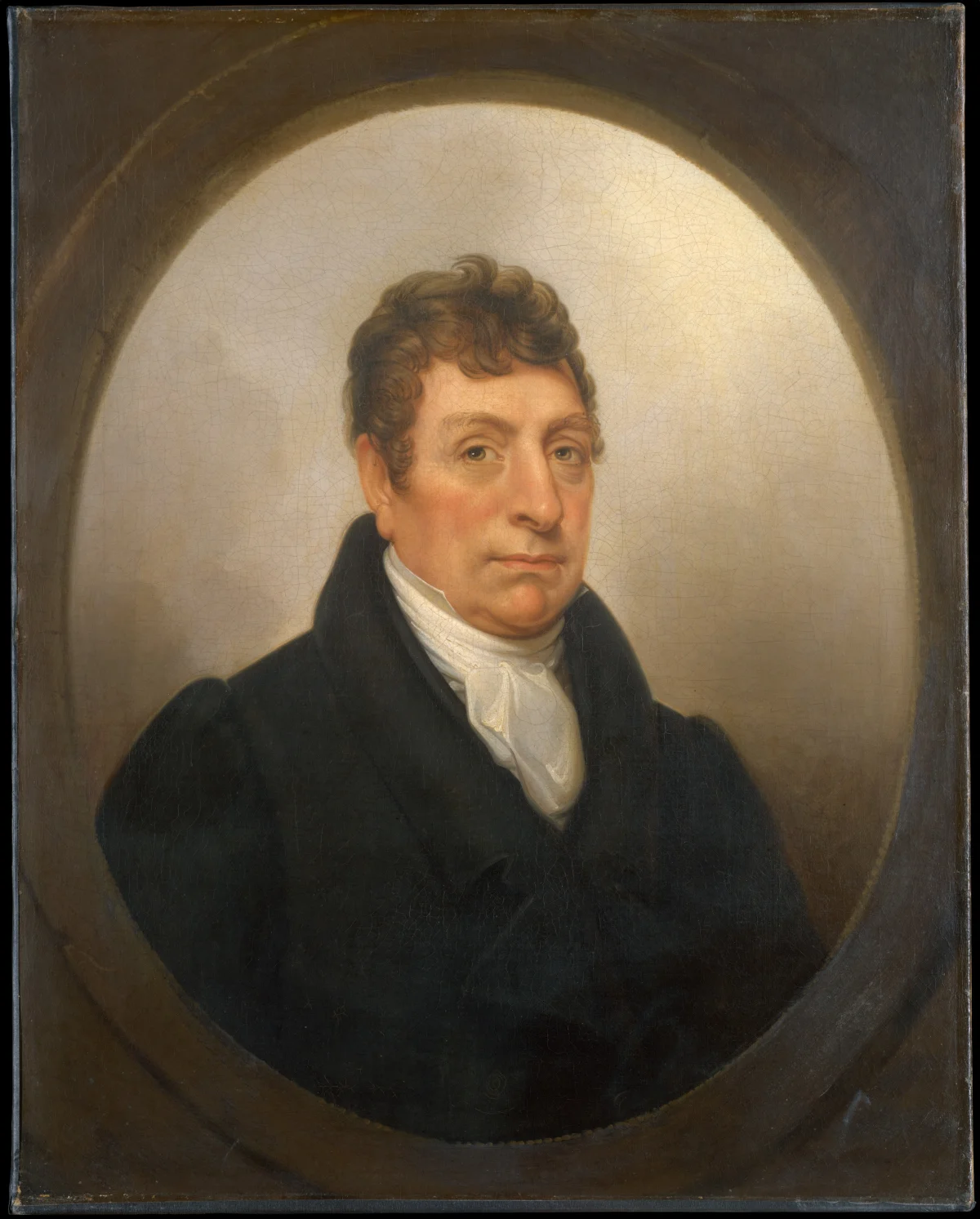
Rembrandt Peale’s unparalleled skill is evident in every detail of "Portrait of a Baltimore Gentleman." Utilizing oil on canvas, Peale achieves a lifelike representation that highlights the sitter’s character and status. The Neo-Classical movement’s emphasis on clarity and form is beautifully realized in this work. Collectors who appreciate Peale’s technique may also consider related pieces like "Samuel Fisher Bradford" and "Portrait of Dr. Meer" for their own collections.
Every element in "Portrait of a Baltimore Gentleman" is thoughtfully composed, inviting viewers to uncover the subtle narratives woven into the fabric of this fine art painting for sale. Rembrandt Peale infuses the Neo-Classical tradition with personal touches, making each portrait a window into the subject’s world. Art enthusiasts may also enjoy exploring symbolic details in related works such as "The Roman Daughter" and "Rubens Peale with a Geranium."
Owning "Portrait of a Baltimore Gentleman" by Rembrandt Peale connects collectors to the legacy of the Neo-Classical movement. This hand-painted oil painting is more than a decorative piece—it is a historic artifact that elevates any collection. With other related products available, such as "The Marquis de Lafayette" and "Samuel Fisher Bradford," art lovers have the opportunity to curate a distinguished selection of Peale’s masterpieces.
When Art Meets History
"Portrait of a Baltimore Gentleman" by Rembrandt Peale is a remarkable example of the Neo-Classical movement, capturing a moment where art and history gracefully intersect. This hand-painted oil painting reflects Peale’s dedication to portraying the dignified citizens of his era, much like his contemporaries did in works such as "Prince Vasili Vasiljevits Dolgoruki" and "Portrait of Prince Albert of Saxony as a boy." Each brushstroke preserves a piece of early American heritage for future generations.
Techniques That Speak
Rembrandt Peale’s mastery is evident in his use of oil on canvas, a medium favored by Neo-Classical artists for its ability to render lifelike textures and subtle shading. In "Portrait of a Baltimore Gentleman," Peale’s refined brushwork and attention to detail echo the technical prowess seen in "Gorge at Cività Castellana" and "Paysage Avec Pan Jouant De La Flûte Pour Une Nymphe." The painting’s composition and luminosity highlight Peale’s commitment to classical artistic ideals.
Emotions on Display
The "Portrait of a Baltimore Gentleman" communicates a quiet confidence and introspective mood, hallmarks of Rembrandt Peale’s portraiture. This fine art painting for sale evokes the inner world of its subject, drawing viewers into the sitter’s thoughtful gaze. Like "Young Lady with Drawing Utensils - Countess Thekla Ludolf, neé Weyssenhoff," Peale’s work transcends mere likeness, offering a window into the emotions and character that define the Neo-Classical aesthetic.
Coveted by Collectors
As a distinguished example of Neo-Classical portraiture, "Portrait of a Baltimore Gentleman" by Rembrandt Peale remains highly sought after by art enthusiasts. Collectors value the painting’s historical significance and the artist’s celebrated style, similar to other prized works such as "Gorge at Cività Castellana." Whether for private collections or public exhibitions, this hand-painted oil painting continues to captivate those who appreciate the enduring appeal of classical fine art.
Related Neo-Classical Hand-Painted Oil Paintings by Other Artists
Other Famous Neo-Classical Artists:
Frequently Asked Questions About Portrait of a Baltimore Gentleman by Rembrandt Peale
What is the historical significance of "Portrait of a Baltimore Gentleman"?
This painting is significant as it reflects the cultural and social dynamics of early 19th-century America, particularly in Baltimore, which was a hub of commerce and culture during that time.
Who was Rembrandt Peale and what is his contribution to American art?
Rembrandt Peale was a prominent American portrait painter, known for his detailed and lifelike representations. He played a crucial role in establishing portraiture as a respected genre in American art.
What artistic techniques did Peale employ in this painting?
Peale utilized techniques such as chiaroscuro to create depth and dimension, along with a meticulous attention to detail that captures the personality and status of the subject.
What does the attire of the gentleman in the painting symbolize?
The gentleman's attire symbolizes his social status and wealth, reflecting the fashion of the time which was often characterized by formal and elaborate clothing for affluent individuals.
How does this painting reflect the values of its time?
The painting reflects the values of individualism and meritocracy prevalent in early 19th-century America, showcasing the importance of personal achievement and social standing.
What is the significance of the background in the painting?
The background is often understated, which serves to emphasize the subject, highlighting the gentleman's importance while also suggesting a sense of sophistication and refinement.
How does "Portrait of a Baltimore Gentleman" compare to other portraits of the era?
This portrait stands out due to its psychological depth and the artist's ability to convey the subject's character, setting it apart from more formulaic representations common in that period.
What role did portraiture play in early American society?
Portraiture served as a means of establishing and preserving social status, allowing individuals to assert their identity and legacy in a rapidly changing society.
What elements in the painting convey the gentleman's personality?
The gentleman's expression, posture, and the choice of props or accessories in the painting are carefully crafted to convey confidence, intellect, and a sense of authority.
What impact did this painting have on future generations of artists?
This painting influenced future generations by demonstrating the importance of individual character in portraiture, encouraging artists to explore deeper psychological themes in their work.























_GFM_Painting_(1).webp)

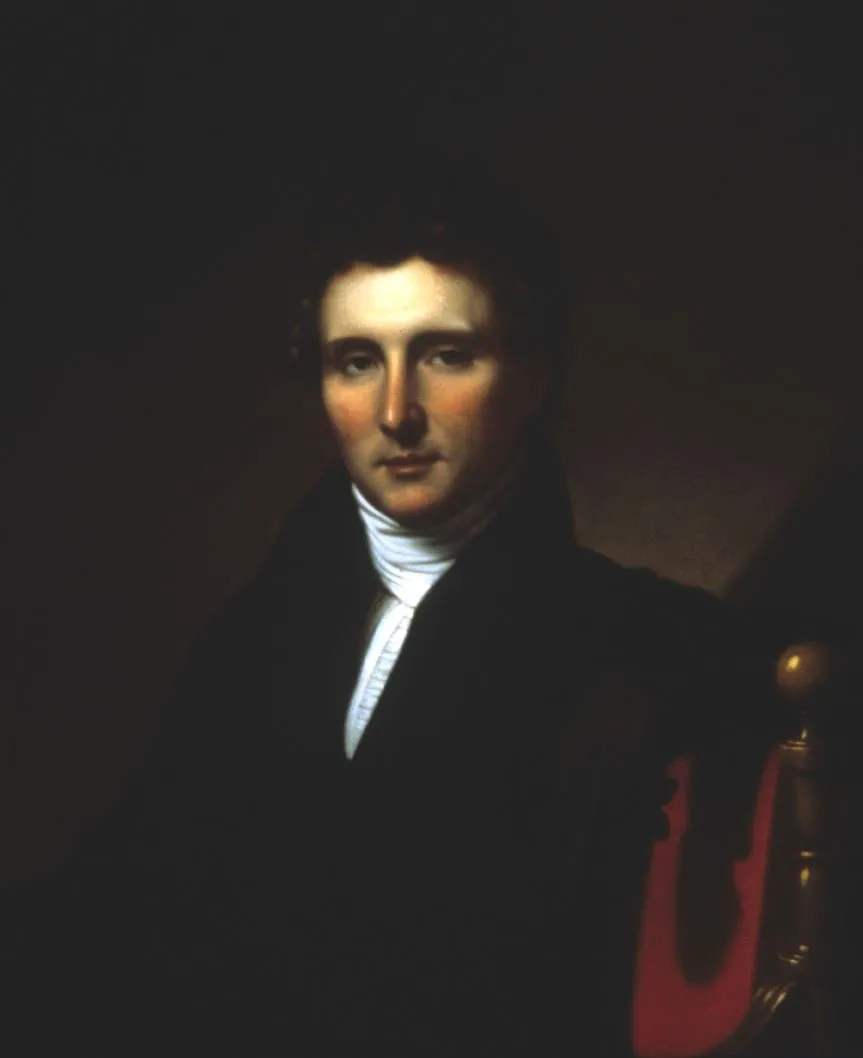

 100% Hand-Painted: Finished in 3-6 Weeks

.png)
















_(1).webp)