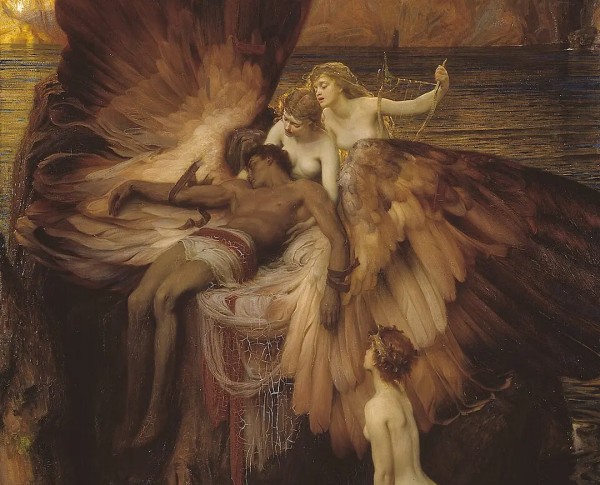
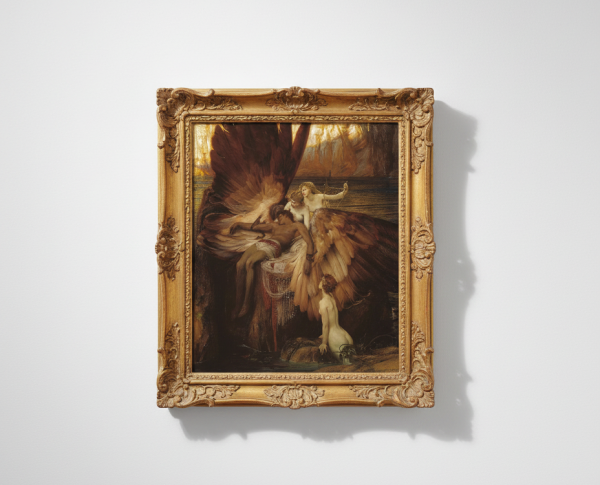
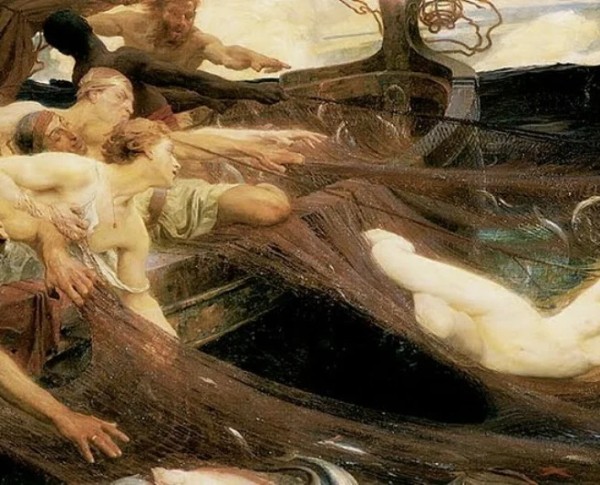
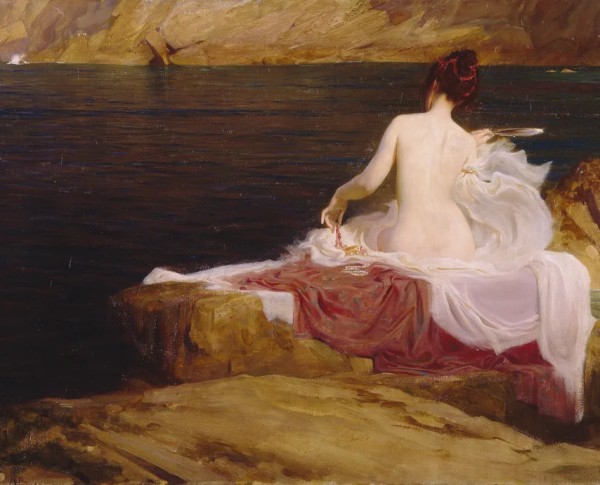
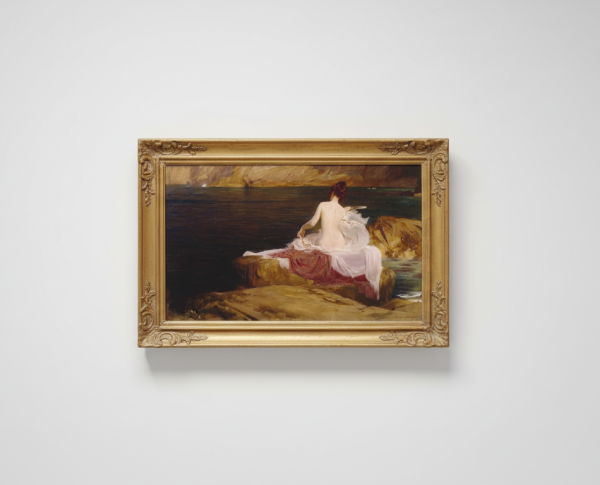
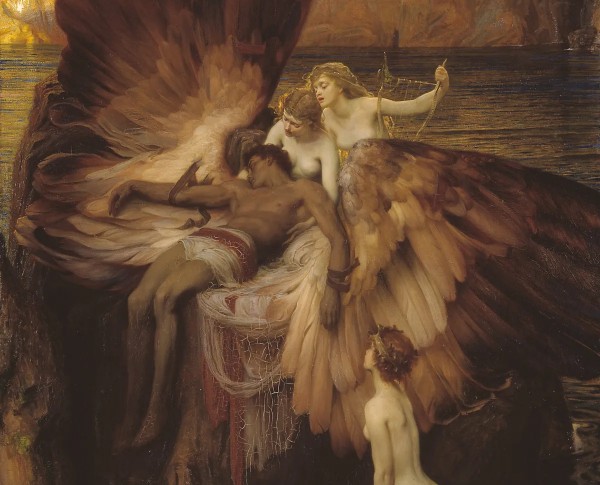
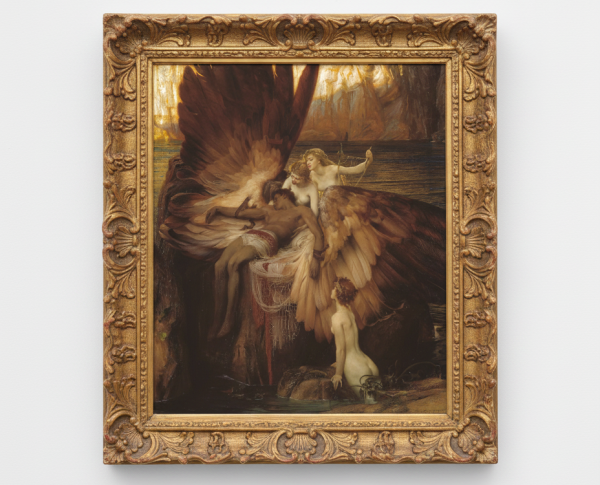
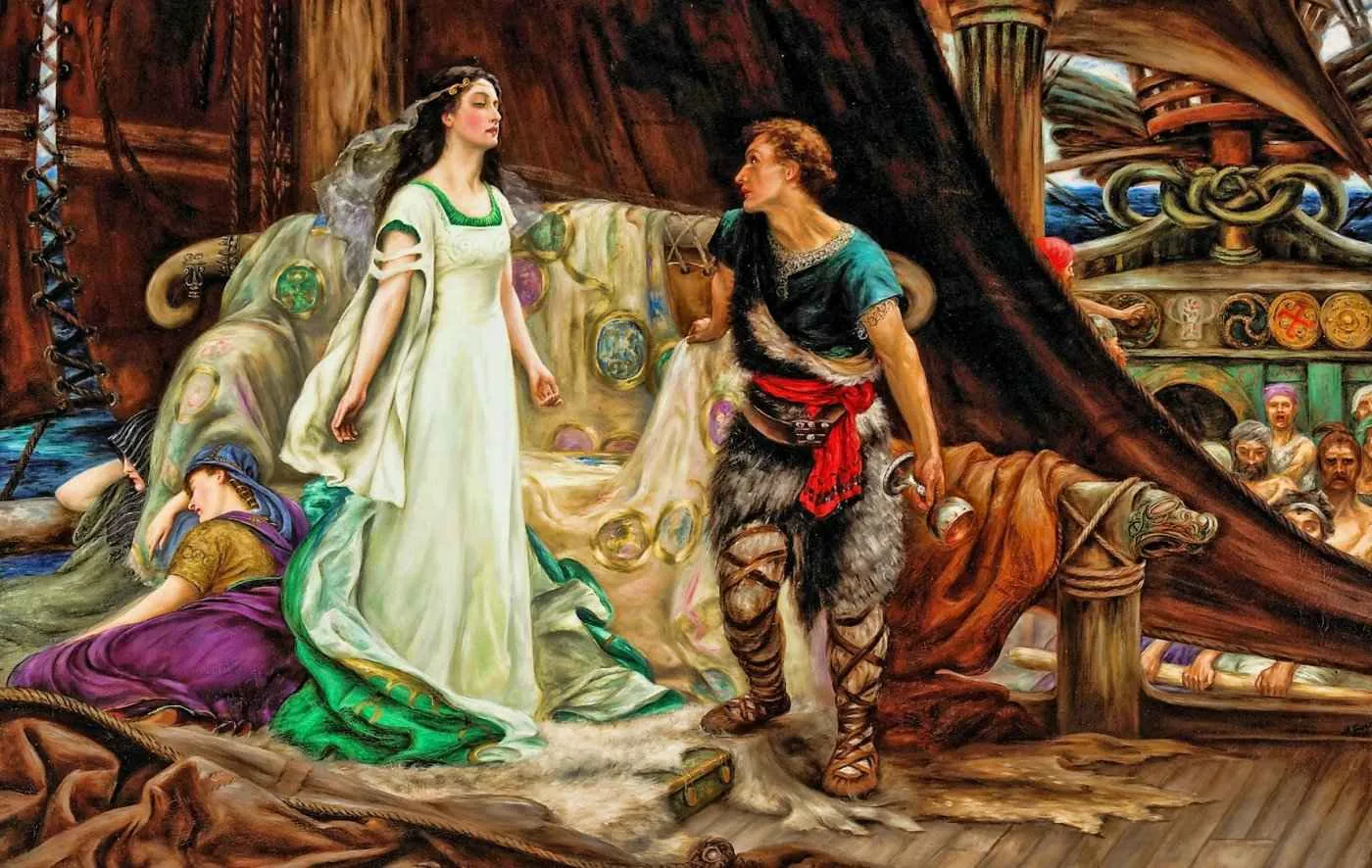
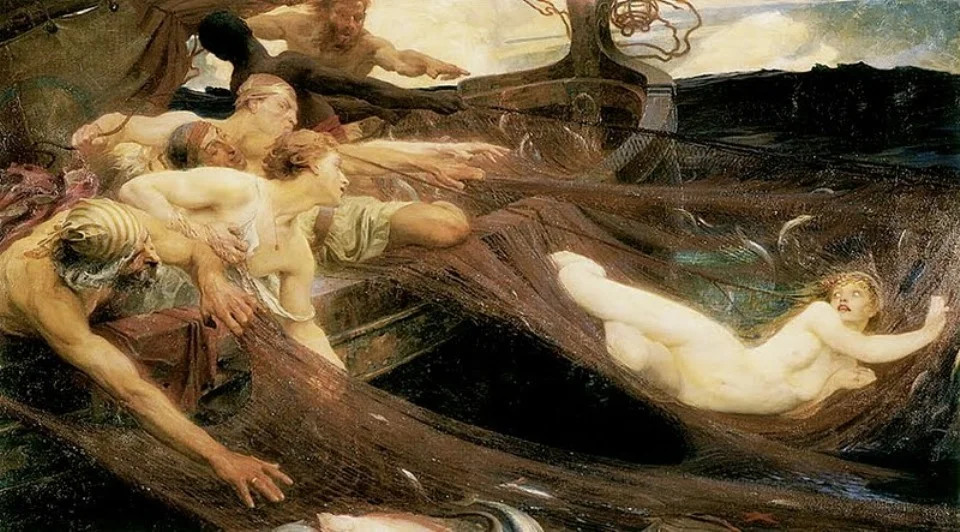
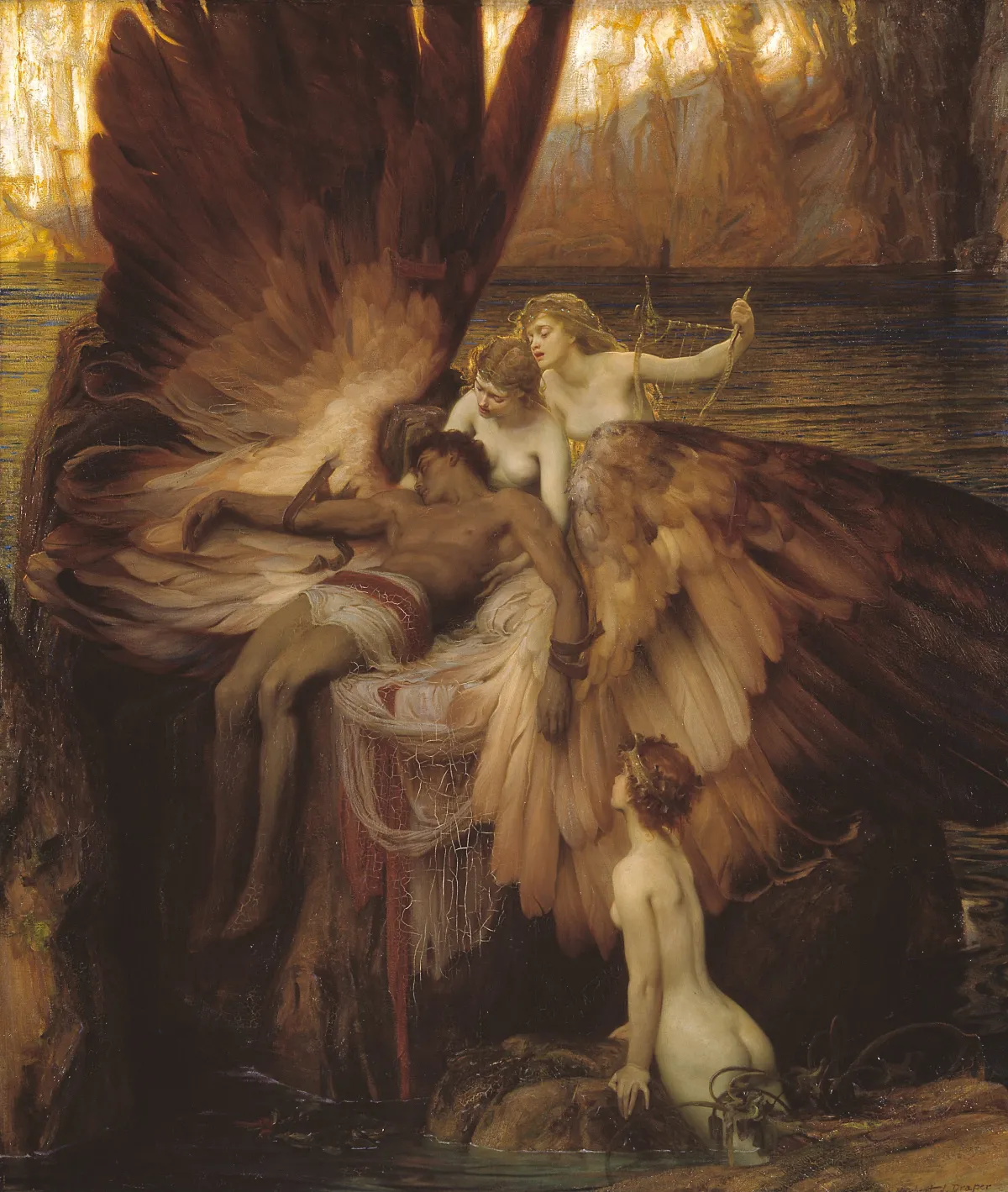
Herbert James Draper’s "Tristan and Isolde" exhibits exceptional technique through his use of oil on canvas, showcasing delicate brushwork and a refined color palette. As a leading figure in the Neo-Classical movement, Draper’s attention to detail and mastery of form elevate the painting’s emotional impact. For those passionate about classical art, this piece pairs beautifully with related products like "Lancelot and Guinevere" or "The Sea Maiden" for a cohesive gallery wall.
In "Tristan and Isolde," Draper weaves narrative and symbolism, embodying the tragic love story within the Neo-Classical tradition. This fine art painting for sale captures the longing and passion between the legendary characters, using visual motifs that resonate across time. Collectors interested in mythological and romantic themes may also appreciate works such as "The Gates of Dawn" or "The Kelpie," which share similar storytelling depth and artistic excellence.
Owning "Tristan and Isolde" by Herbert James Draper means possessing a hand-painted oil painting that represents the height of Neo-Classical elegance. Its historical significance and exquisite craftsmanship make it a prized addition to any fine art collection. Complement your display with related masterpieces like "Saint Dorothea's Day" and "The Sea Maiden," each offering unique insights into Draper's artistic vision and the enduring allure of oil on canvas.
When Art Meets History
"Tristan and Isolde" by Herbert James Draper stands as a stunning example of the Neo-Classical movement, blending mythological romance with masterful artistry. This hand-painted oil painting captures the legendary lovers in a moment of intense emotion, echoing the timeless tales that inspired artists like Draper. As with his other works—such as "A Southern River Landscape" and "Aeneïs"—Draper draws on classical themes, making each piece a bridge between history and visual storytelling.
Techniques That Speak
Draper's "Tristan and Isolde" showcases his expertise in oil on canvas, a medium favored in the Neo-Classical movement for its depth and luminosity. The artist’s meticulous brushwork and refined composition demonstrate his command over light and shadow, a technique visible in related paintings like "Beaumes De Venise." Draper’s approach allows the figures to emerge with remarkable realism, ensuring that this oil on canvas masterpiece continues to captivate admirers of fine classical art.
Emotions on Display
In "Tristan and Isolde," Herbert James Draper masterfully conveys the passion and longing between the two protagonists. The painting’s rich colors and expressive poses evoke the emotional intensity that defines the Neo-Classical movement. Like his works "The Augustus Bridge over the River Nera, near the City of Narni, Italy" and "Divina Commedia, Purgatorio, Canto Xxx," Draper’s fine art painting for sale invites viewers to immerse themselves in the characters’ world, feeling every nuance of their poignant story.
Coveted by Collectors
Herbert James Draper's "Tristan and Isolde" is highly prized among collectors of the Neo-Classical movement, celebrated for its exquisite detail and historical resonance. This hand-painted oil painting, along with related works, remains a sought-after treasure in the art market. Collectors appreciate the rarity and beauty of Draper’s work, finding in each piece a connection to the grandeur of classical art and the enduring allure of timeless romance.
Related Neo-Classical Hand-Painted Oil Paintings by Other Artists
Other Famous Neo-Classical Artists:
Frequently Asked Questions About Tristan and Isolde
What is the historical context of "Tristan and Isolde"?
"Tristan and Isolde" is rooted in the medieval legend of star-crossed lovers, which has been a popular subject in literature and art since the 12th century. The painting by Herbert James Draper, completed in 1901, reflects the Romantic movement's fascination with themes of love, tragedy, and myth.
Who was Herbert James Draper?
Herbert James Draper was a British painter known for his allegorical and mythological subjects. Active during the late 19th and early 20th centuries, Draper's work is characterized by its rich color palette and dramatic compositions, often drawing inspiration from classical literature and mythology.
What artistic techniques did Draper use in this painting?
Draper employed a combination of classical painting techniques, including the use of oil on canvas, to create a sense of depth and texture. His attention to detail in the figures and the flowing drapery enhances the emotional intensity of the scene.
What symbols are present in "Tristan and Isolde"?
The painting is rich with symbolism, including the use of light and shadow to represent the duality of love and fate. The presence of floral motifs often symbolizes love and beauty, while the figures' expressions convey the complexity of their emotions.
How does "Tristan and Isolde" reflect the themes of the Romantic movement?
The painting embodies Romantic ideals by emphasizing emotion, individualism, and the sublime nature of love. Draper's portrayal of Tristan and Isolde captures the essence of their tragic love story, inviting viewers to explore the depths of human emotion.
What is the significance of the color palette used in the painting?
Draper's color palette features rich, warm tones that evoke a sense of passion and intimacy. The contrasting cool colors in the background serve to highlight the figures, creating a dramatic focal point that draws the viewer's eye to the central theme of love and longing.
How does Draper portray the characters of Tristan and Isolde?
In the painting, Tristan and Isolde are depicted with a sense of vulnerability and emotional depth. Their poses and facial expressions convey a profound connection, reflecting both their love and the impending tragedy that defines their story.
What influences can be seen in Draper's work?
Draper's work shows influences from both the Pre-Raphaelite Brotherhood and classical art. His attention to detail and romanticized subjects echo the Pre-Raphaelite focus on beauty and narrative, while his technique aligns with the traditions of academic painting.
What impact did "Tristan and Isolde" have on later artists?
The painting has inspired subsequent generations of artists to explore themes of love and tragedy through a similar lens. Its emotional resonance and technical prowess continue to be referenced in contemporary works that seek to capture the complexities of human relationships.
Where can I view "Tristan and Isolde" today?
"Tristan and Isolde" is part of the collection at the [insert gallery/museum name], where it is displayed alongside other significant works of the period. Visitors can appreciate Draper's mastery and the rich narrative of the painting in person.























_GFM_Painting_(1).webp)


 100% Hand-Painted: Finished in 3-6 Weeks

.png)
















_(1).webp)