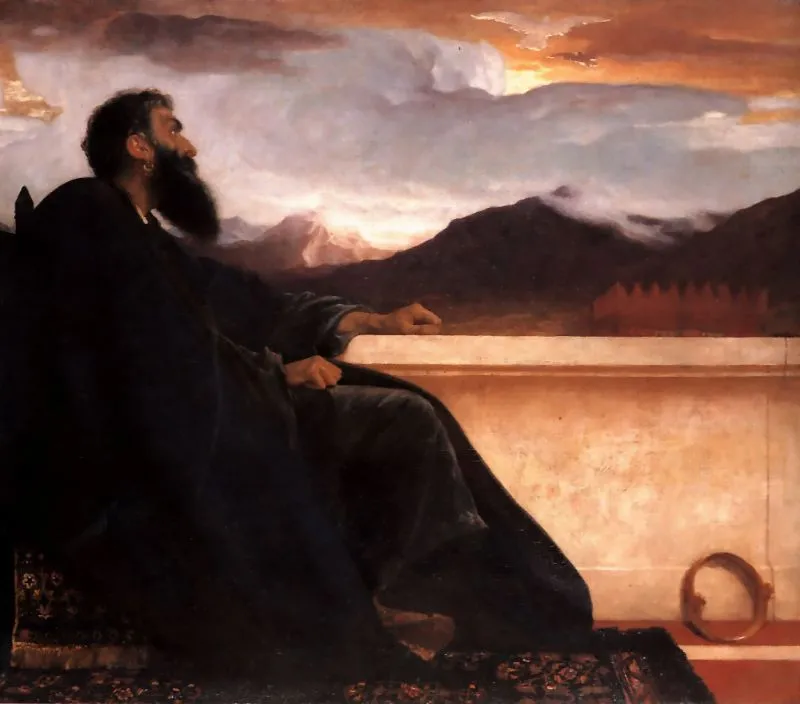
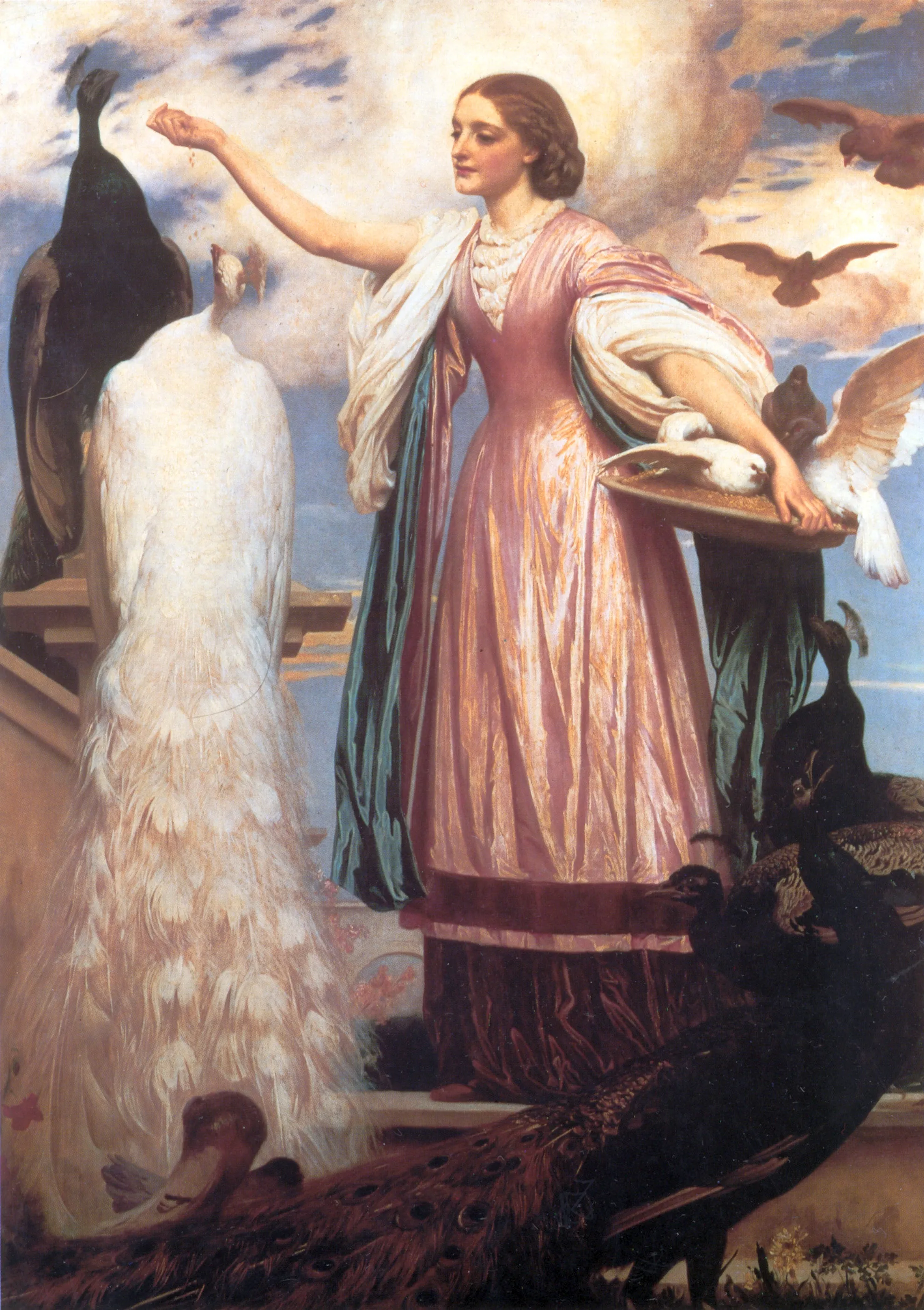
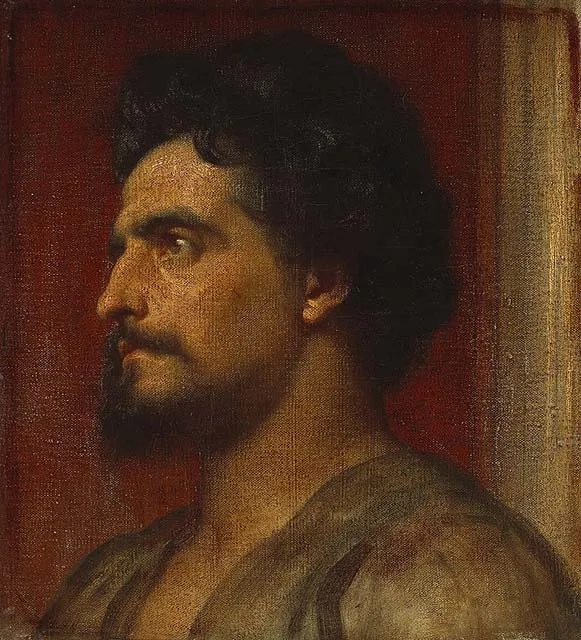
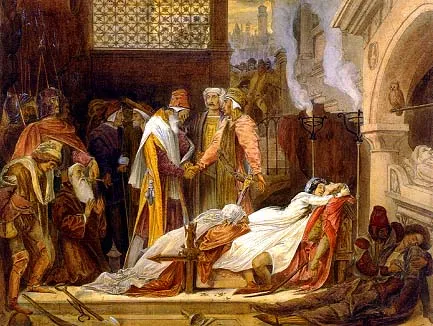
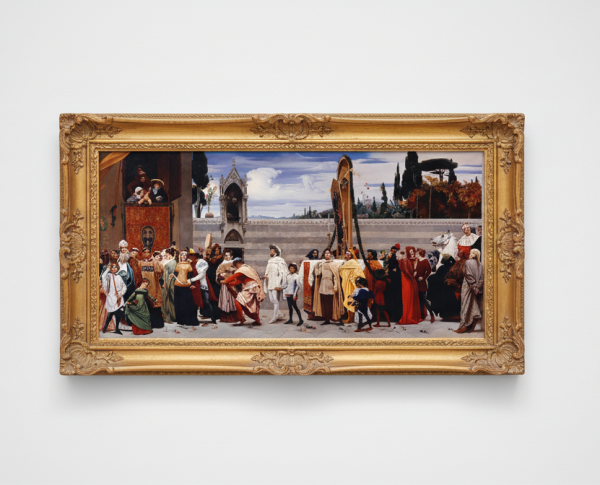
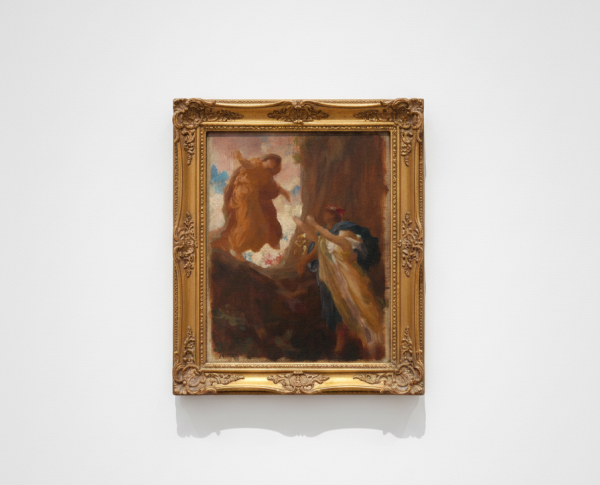
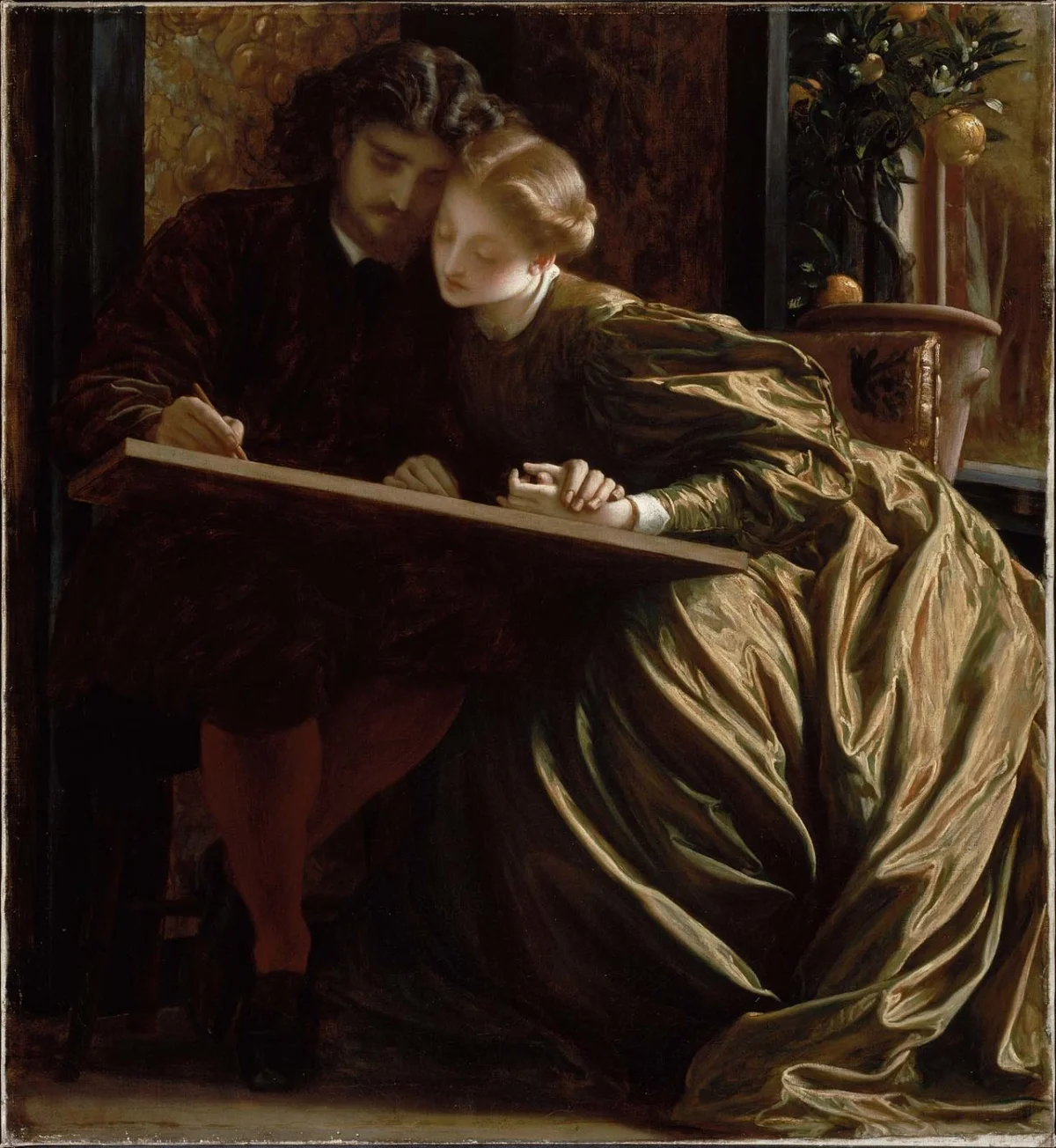
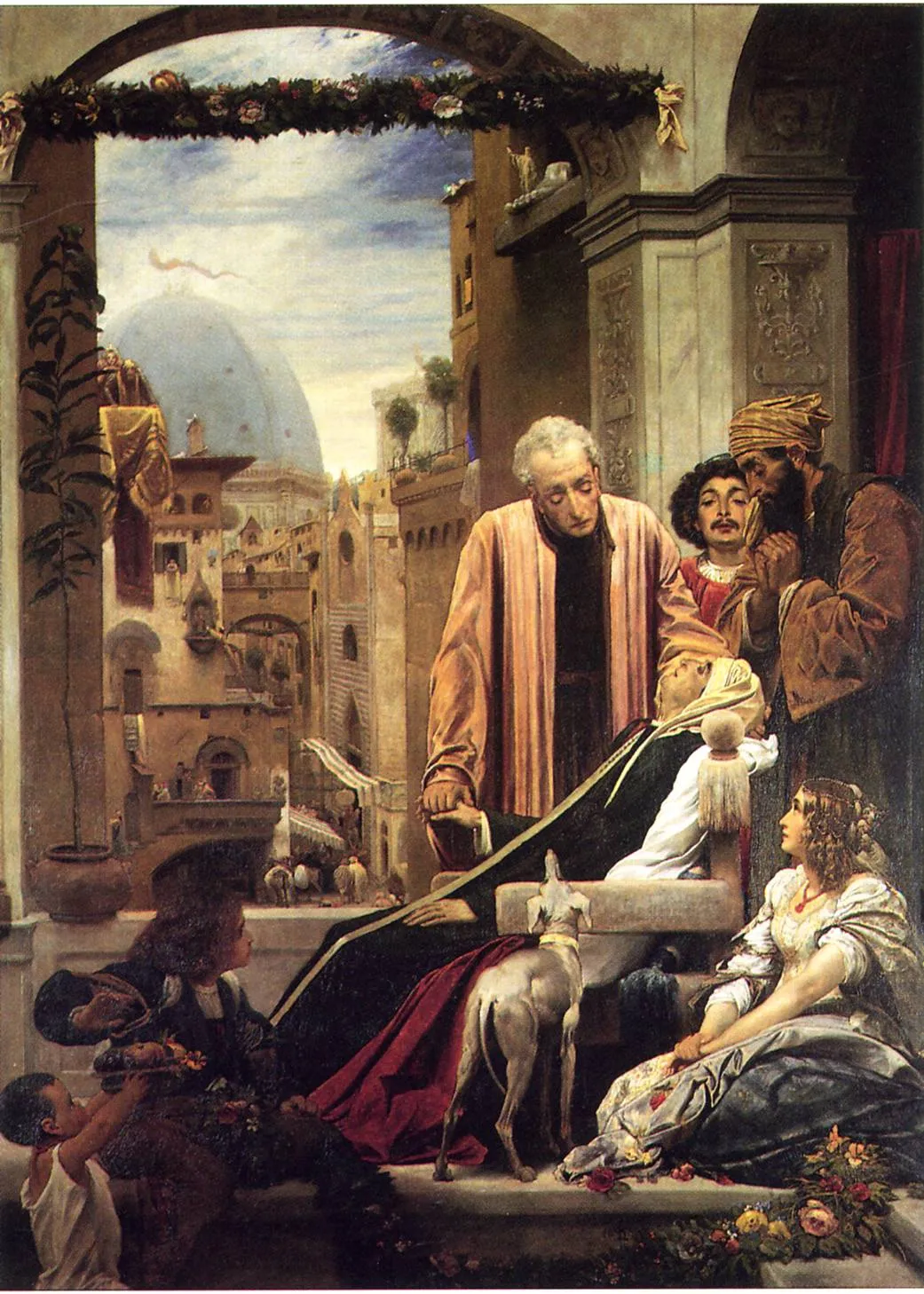
Lord Frederick Leighton’s expertise shines through in every detail of this oil on canvas masterpiece. The artist’s use of color, composition, and light exemplifies the Academic Classicism movement’s dedication to technical perfection. "The Reconciliation of the Montagues and Capulets" invites viewers to explore the artist’s broader portfolio, including "The Painter's Honeymoon" and "Actaea, the Nymph of the Shore," each echoing Leighton’s distinctive approach to oil on canvas artistry.
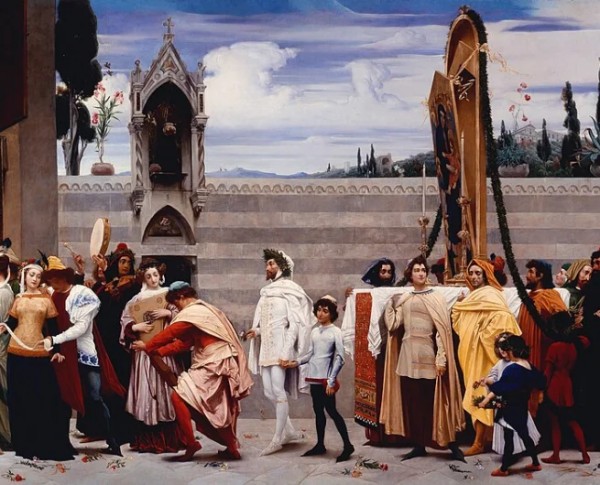
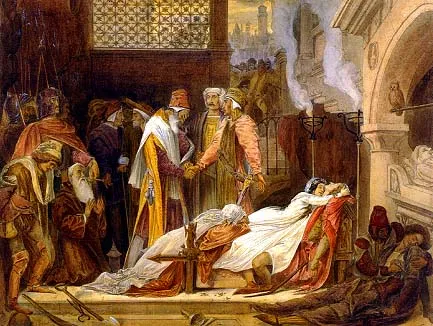
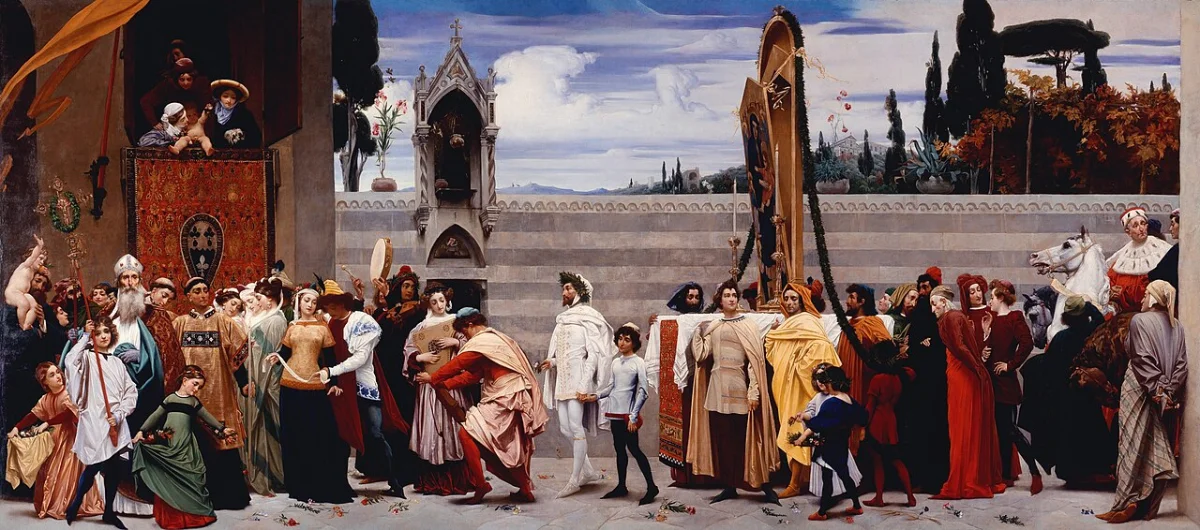
This fine art painting for sale is rich in symbolic meaning, depicting the moment of reconciliation between two feuding families. Lord Frederick Leighton’s narrative skill, typical of Academic Classicism, is evident in every figure and gesture. The painting stands alongside other narrative-driven works like "The Death of Brunelleschi" and "Cimabue's Celebrated Madonna Carried in Procession Through the Streets of Florence," making it a compelling addition for collectors seeking art with storytelling depth.
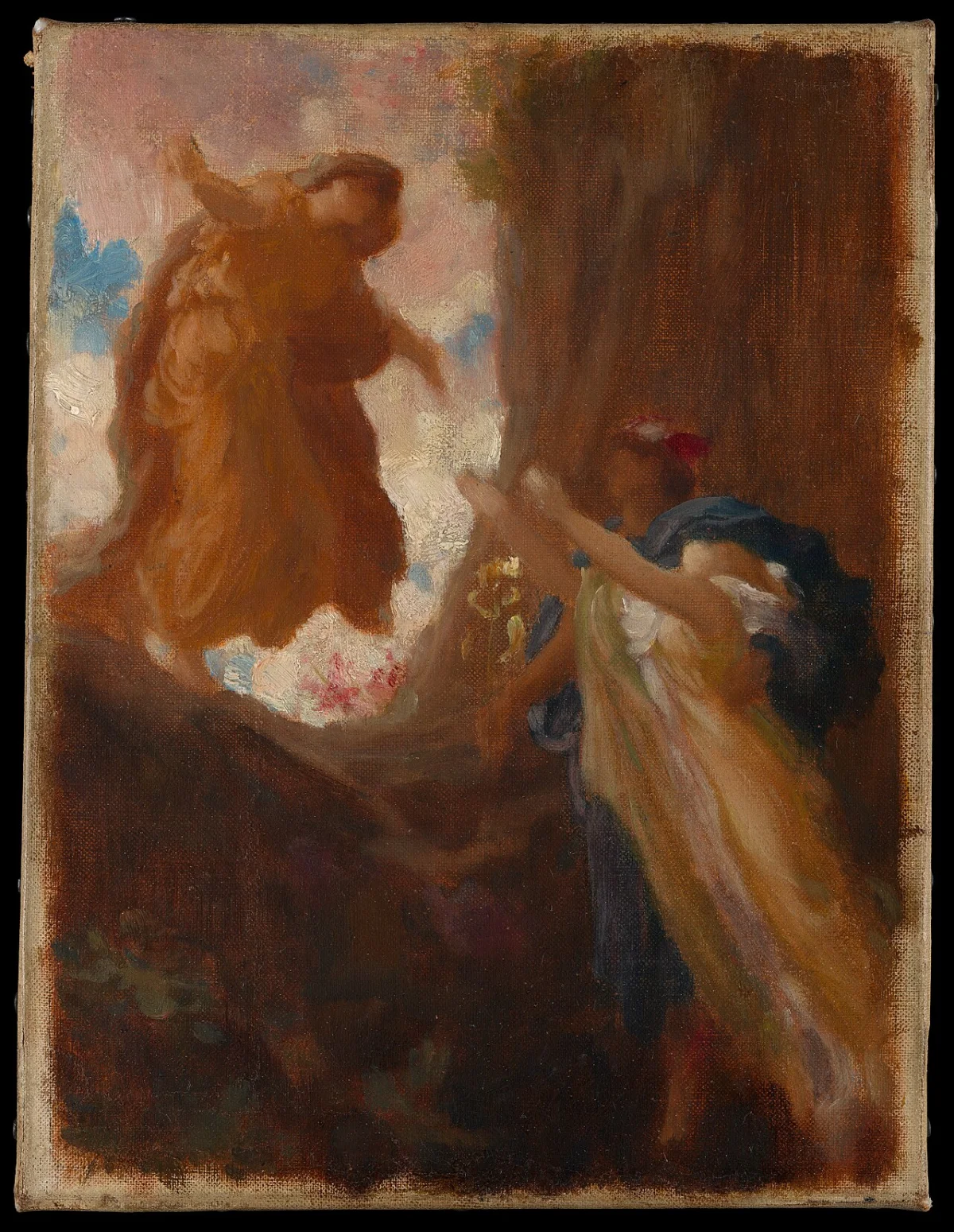
For art enthusiasts and collectors, "The Reconciliation of the Montagues and Capulets" represents more than just a hand-painted oil painting; it is an investment in cultural heritage. Lord Frederick Leighton’s work, rooted in the Academic Classicism movement, continues to inspire admiration. Owning this piece, or related works such as "The Return of Persephone," offers an opportunity to hold a piece of art history and enrich any fine art collection with timeless elegance.
When Art Meets History
"The Reconciliation of the Montagues and Capulets" by Lord Frederick Leighton is a masterpiece of Academic Classicism, capturing a pivotal moment inspired by Shakespeare's tragedy. This hand-painted oil painting immortalizes the poignant aftermath of a long-standing feud, reflecting Leighton’s fascination with historical and literary themes. Similar grand works include "Le Ravissement de Psyche (The Rapture of Psyche)" and "Springtime," both celebrated for their exquisite detail and historical resonance within the Academic Classicism movement.
Techniques That Speak
Leighton’s "The Reconciliation of the Montagues and Capulets" showcases refined oil on canvas techniques, with meticulous brushwork and harmonious composition. The Academic Classicism movement emphasized technical excellence, and Leighton’s mastery is evident in the delicate rendering of fabrics and expressive postures. Comparable technical prowess can be seen in related paintings like "Church interior" and "The Abduction of Psyche 1895," which also display the movement’s characteristic attention to detail and classical inspiration.
Emotions on Display
This fine art painting for sale captures a profound spectrum of emotion—grief, forgiveness, and hope—through the nuanced expressions and gestures of its figures. Lord Frederick Leighton’s ability to convey deep feeling is a hallmark of Academic Classicism, as seen in "Slave Market in Rome" and "Springtime." The emotional intensity of "The Reconciliation of the Montagues and Capulets" invites viewers to experience the catharsis and tragedy at the heart of this timeless narrative.
Coveted by Collectors
Collectors of Academic Classicism highly value "The Reconciliation of the Montagues and Capulets" for its historical significance and technical brilliance. As a hand-painted oil painting by Lord Frederick Leighton, it stands alongside masterpieces like "The Rapture of Psyche" and "The Abduction of Psyche 1895." These works are frequently sought in the art market, making them coveted treasures for anyone seeking a fine art painting for sale with enduring cultural and aesthetic appeal.
Related Academic Classicism Hand-Painted Oil Paintings by Other Artists
Other Famous Academic Classicism Artists:
Frequently Asked Questions About The Reconciliation of the Montagues and Capulets
What is the historical context of The Reconciliation of the Montagues and Capulets?
This painting, created by Lord Frederick Leighton in 1856, is inspired by William Shakespeare's play "Romeo and Juliet," which explores themes of love and conflict between two feuding families in Renaissance Verona.
What artistic techniques did Leighton employ in this painting?
Leighton utilized a combination of classical composition, vibrant color palettes, and intricate detailing to convey emotion and drama, characteristic of the Pre-Raphaelite movement he was associated with.
What is the significance of the characters depicted in the painting?
The painting features key characters from Shakespeare's narrative, including the Montagues and Capulets, symbolizing the potential for reconciliation and peace amidst longstanding enmity.
How does Leighton convey emotion in this artwork?
Leighton captures the emotional intensity of the moment through expressive facial expressions, dynamic poses, and the use of light and shadow, drawing the viewer into the conflict and resolution depicted.
What role does color play in The Reconciliation of the Montagues and Capulets?
The color scheme is rich and varied, with warm tones representing passion and conflict, while cooler shades suggest harmony and resolution, reflecting the duality of the themes presented in the painting.
What symbolism is present in the painting?
The artwork symbolizes the possibility of peace and unity through the act of reconciliation, with gestures of forgiveness and the merging of opposing sides represented through the physical closeness of the characters.
How does this painting reflect the Victorian era's views on conflict and resolution?
During the Victorian era, themes of morality and social harmony were prevalent. Leighton's painting reflects a desire for resolution and the belief in the transformative power of love and understanding in overcoming societal divides.
What influences can be seen in Leighton's artistic style in this work?
Leighton's style in this painting shows influences from both classical art and the Pre-Raphaelite Brotherhood, emphasizing narrative clarity and a focus on emotional depth through meticulous detail and historical accuracy.
Where can one view The Reconciliation of the Montagues and Capulets?
This painting is part of the collection at the Tate Britain in London, where it is displayed alongside other significant works from the Victorian period.
What impact did The Reconciliation of the Montagues and Capulets have on later artists?
The painting has inspired subsequent generations of artists to explore themes of conflict and reconciliation, showcasing the enduring relevance of Shakespeare's narrative and Leighton's artistic interpretation in modern art discussions.























_GFM_Painting_(1).webp)


 100% Hand-Painted: Finished in 3-6 Weeks

.png)















_(1).webp)