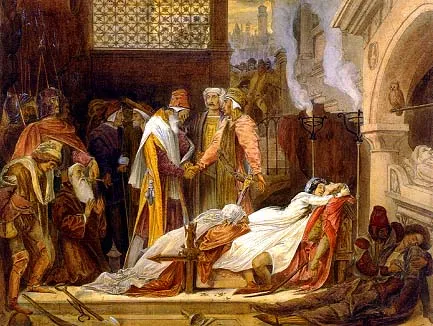
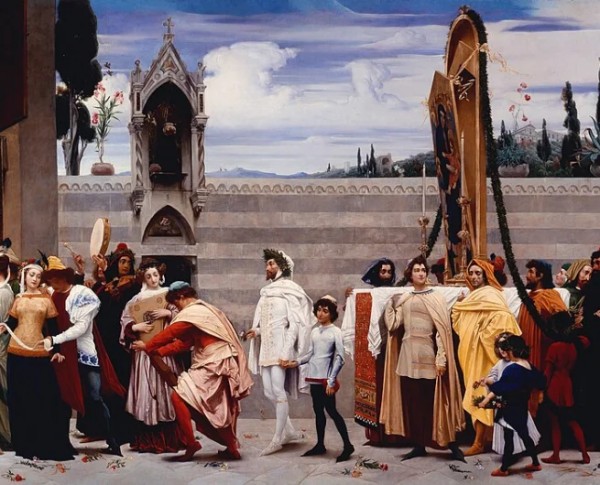
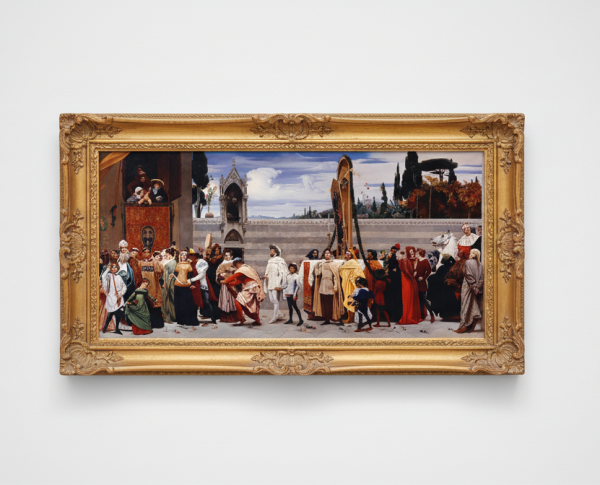
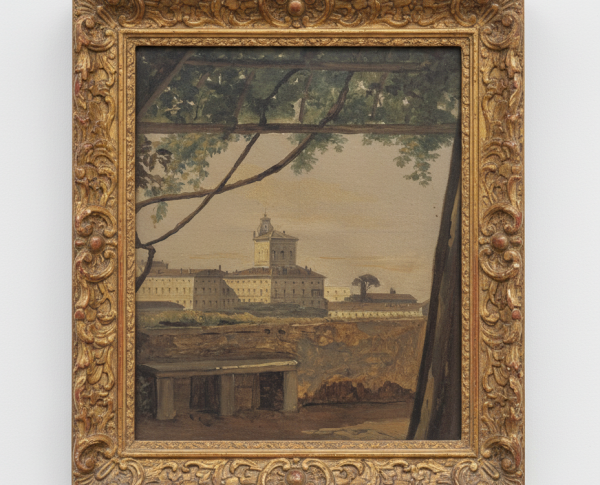
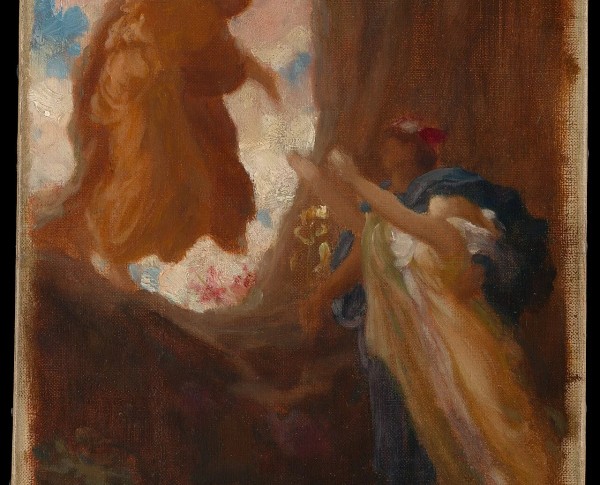
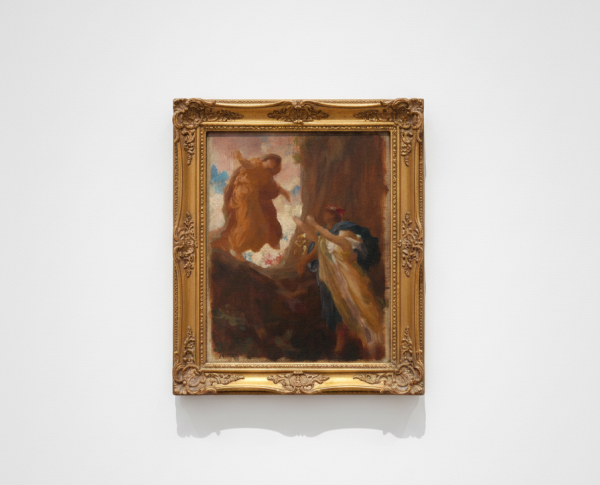
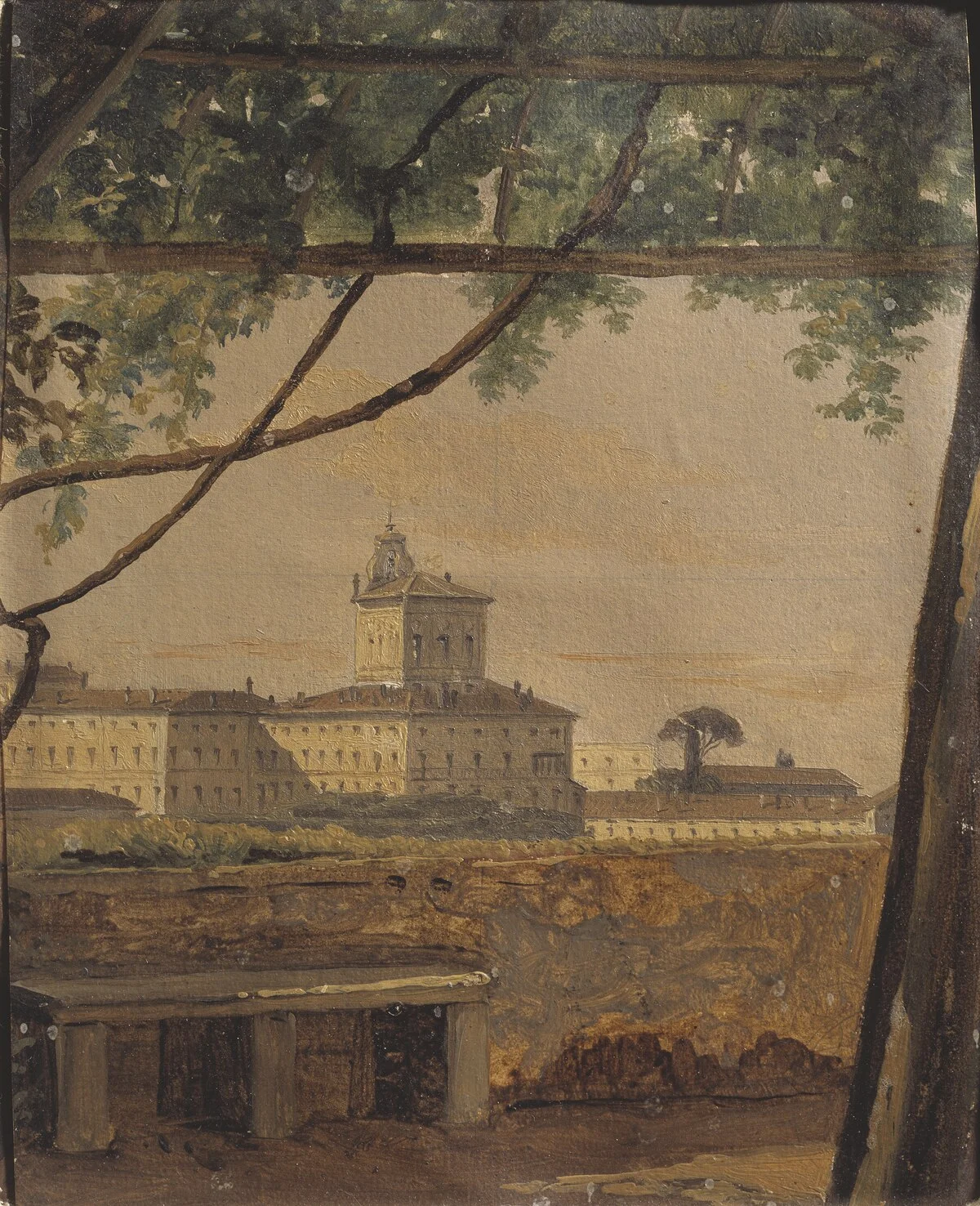
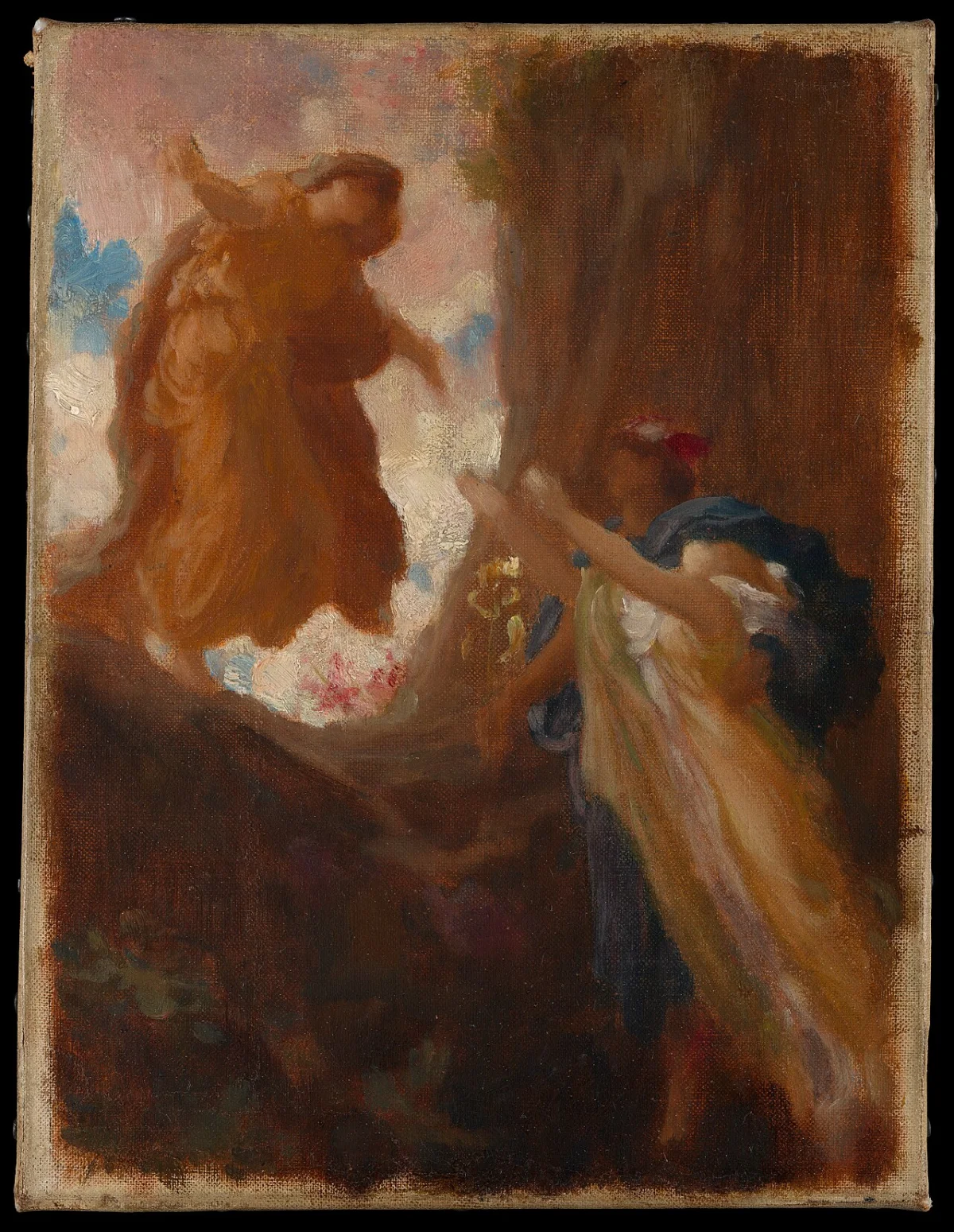
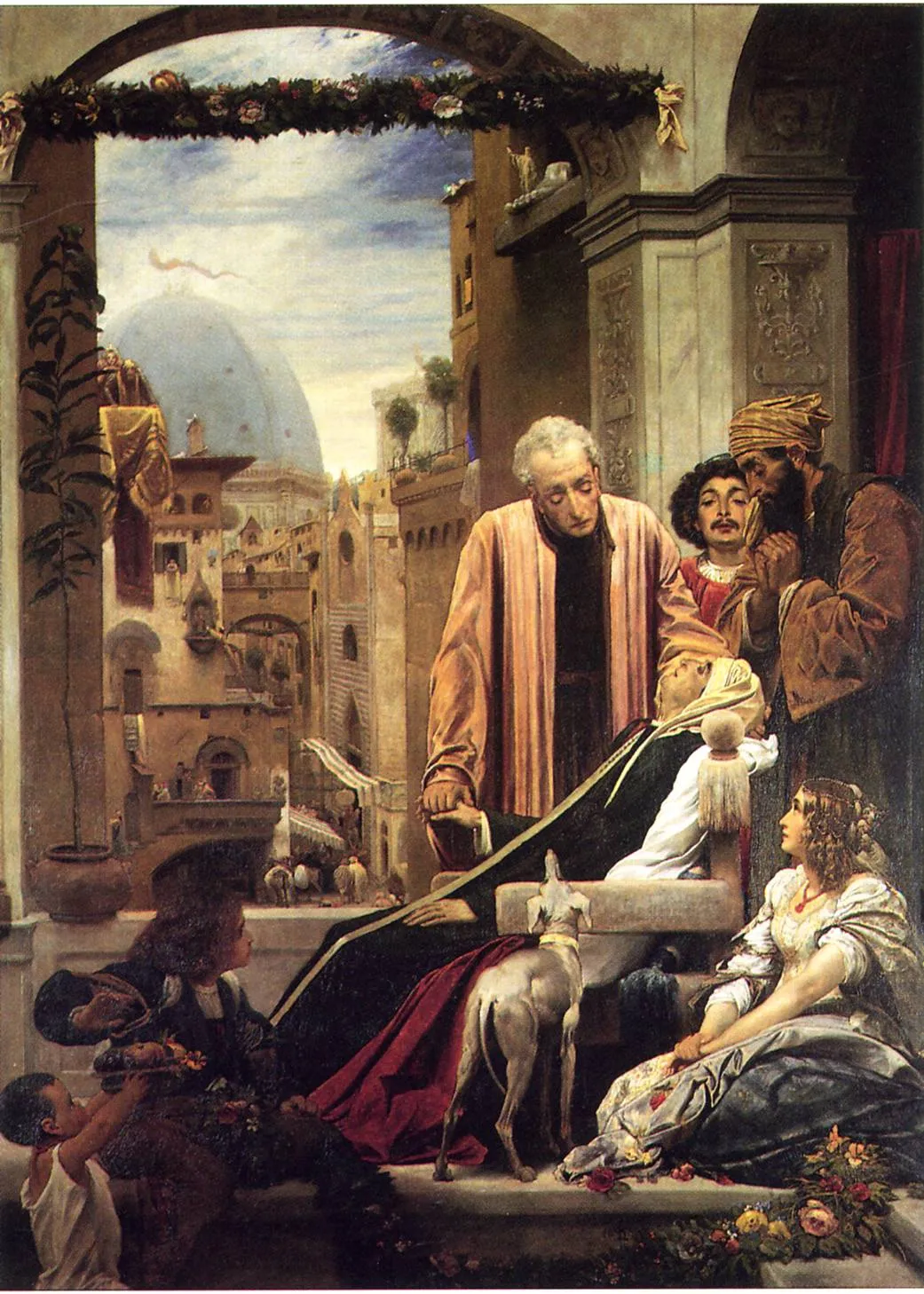
Leighton’s attention to detail and technical prowess are evident in every brushstroke of this oil on canvas. The vibrant colors and lifelike figures reflect the essence of Academic Classicism, making this work a prime example of the artist's skill. Collectors interested in similar pieces might also appreciate "The Return of Persephone" and "The Villa Malta, Rome," both showcasing Leighton’s mastery in oil on canvas.
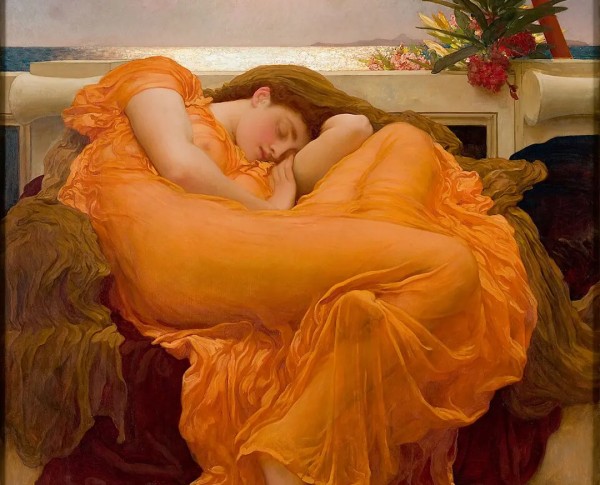
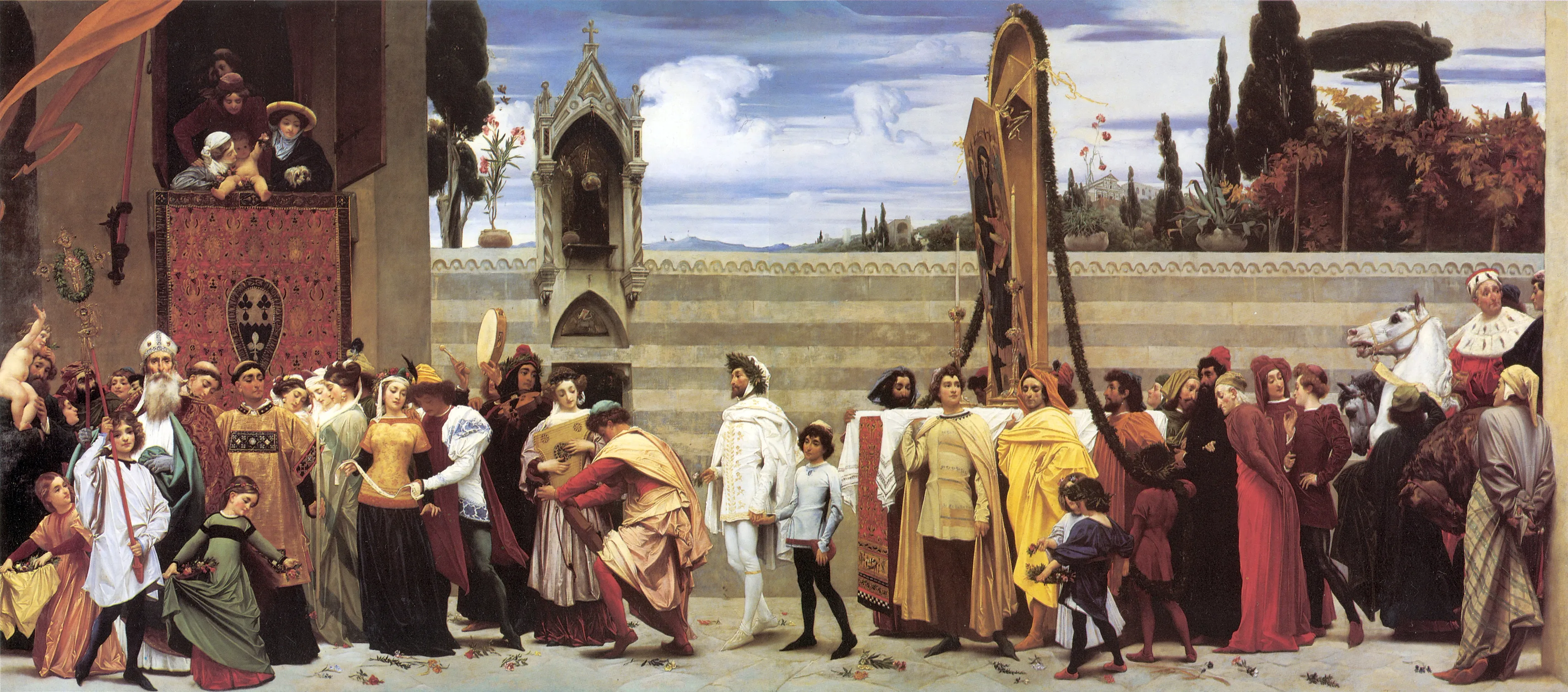
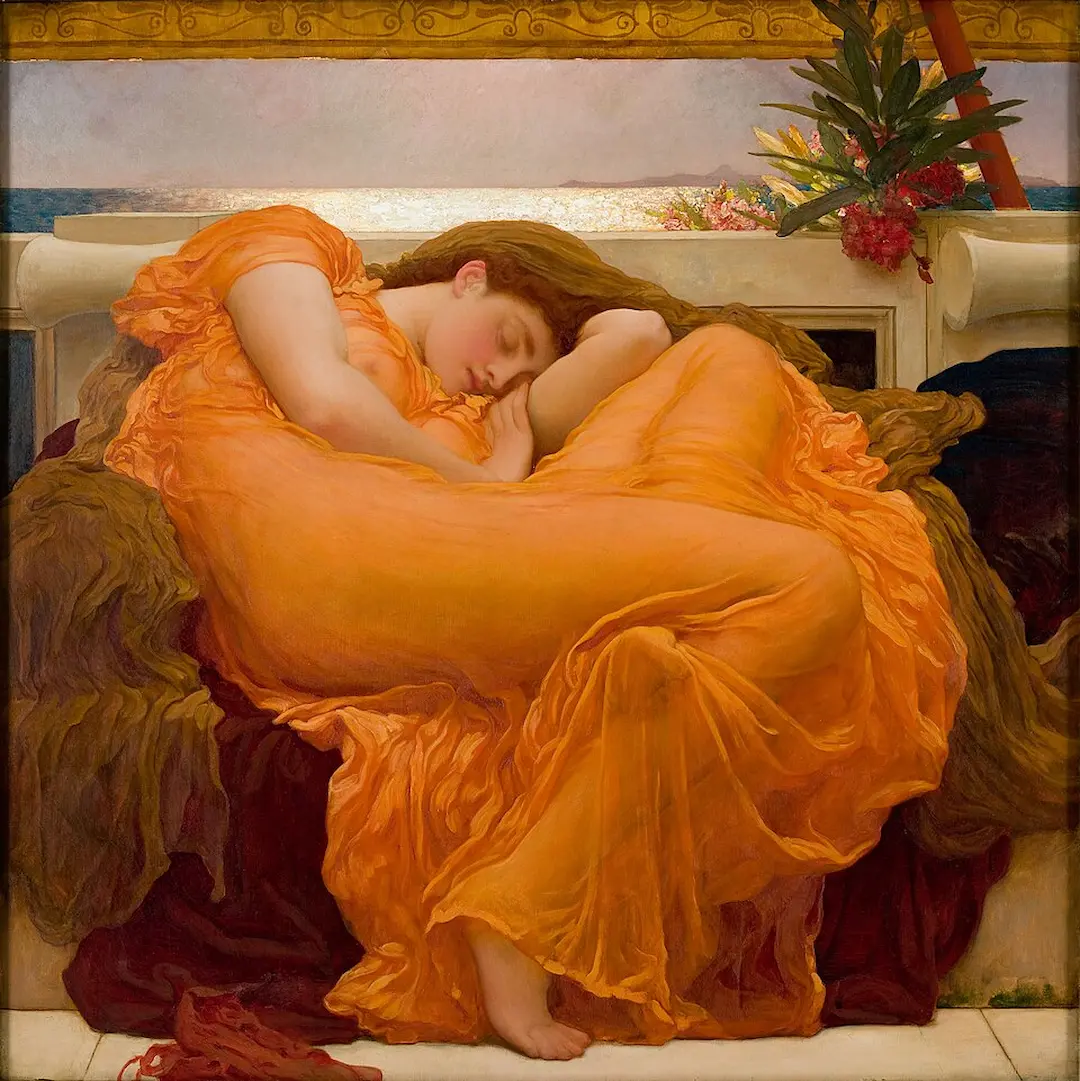
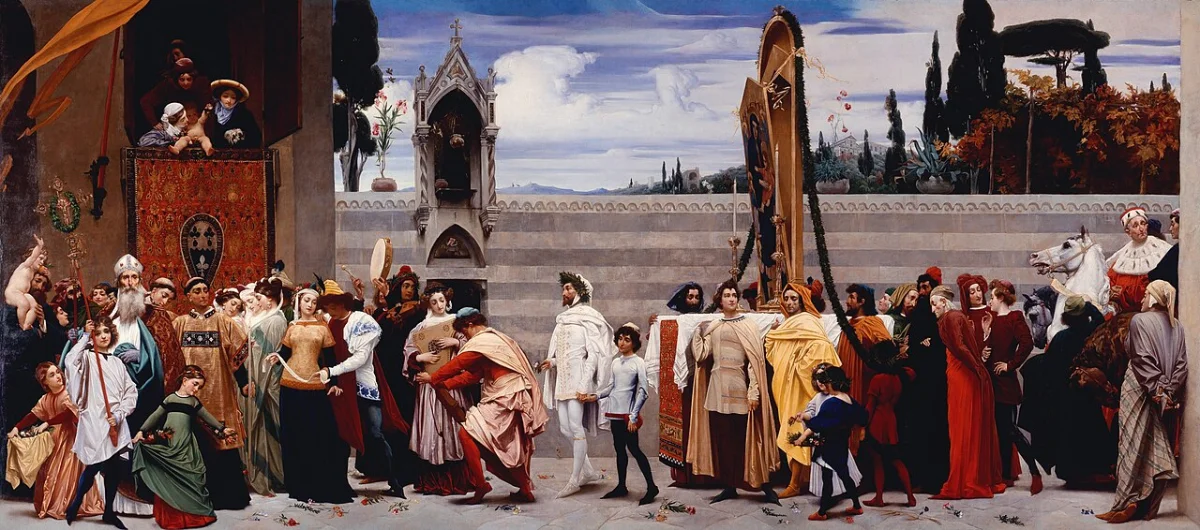
Every element in "Cimabue's Celebrated Madonna Carried in Procession Through the Streets of Florence" tells a story, rich with symbolism and historical context. This fine art painting for sale not only commemorates Cimabue’s influence but also weaves together the cultural fabric of Florence. Art lovers often seek related products like "Flaming June" and "Actaea, the Nymph of the Shore" for their symbolic depth and narrative strength.
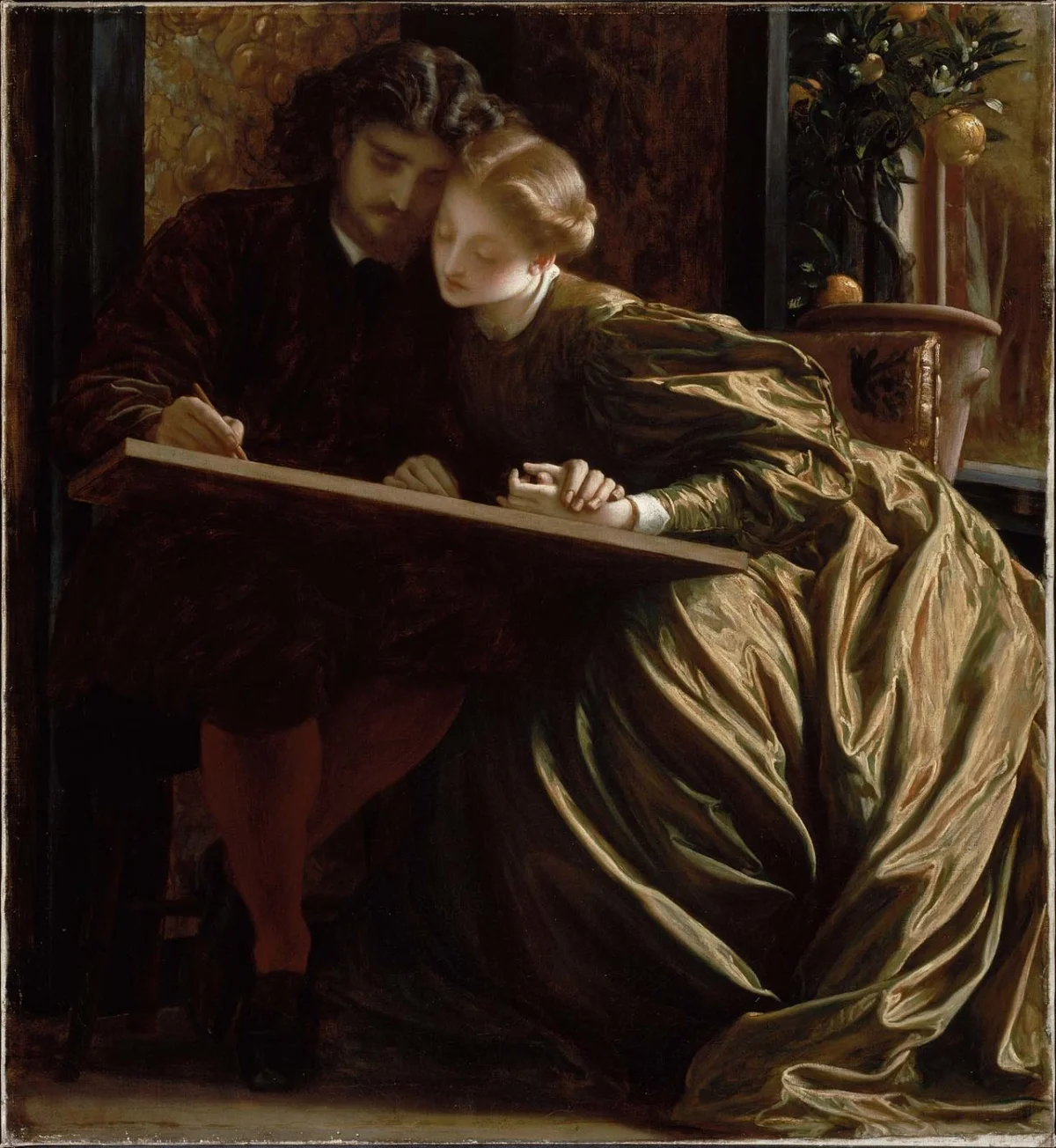
Owning a piece like Leighton’s masterpiece is the dream of any serious art collector. This hand-painted oil painting is more than a decorative piece; it is a slice of Academic Classicism history. For those seeking a truly unique collection, pairing this artwork with related products such as "Cimabue's Celebrated Madonna" or "The Death of Brunelleschi" enhances the value and storytelling of any fine art ensemble.
When Art Meets History
Lord Frederick Leighton’s "Cimabue's Celebrated Madonna Carried in Procession Through the Streets of Florence" stands as a testament to the Academic Classicism movement’s devotion to historical storytelling. This hand-painted oil painting captures a pivotal moment in art history, when Cimabue’s Madonna was paraded through Florence, reflecting the reverence for religious masterpieces. Leighton, alongside contemporaries like Léon Gérôme, imbues the scene with cultural richness, much like in "The Abduction of Psyche 1895" and "Dante et Virgile au Enfers."
Techniques That Speak
Rendered in exquisite oil on canvas, Leighton’s technique showcases the meticulous brushwork and compositional harmony characteristic of Academic Classicism. Each figure is carefully modeled, their forms illuminated with masterful control of light and shadow. This approach aligns with the painterly precision seen in "The Slave Market" and "Portrait of Marie-Célina Brieu." Collectors and enthusiasts alike admire this fine art painting for sale, appreciating its timeless craftsmanship and the artist’s dedication to classical ideals.
Emotions on Display
The painting’s grand procession is brought to life with expressive faces and dynamic movement, a hallmark of Lord Frederick Leighton's style. The emotional gravity of the event is palpable, as the crowd venerates Cimabue’s Madonna. This hand-painted oil painting evokes a sense of awe and communal pride, much like the dramatic narratives in Léon Gérôme’s "Dante et Virgile au Enfers." Leighton’s ability to convey collective emotion distinguishes this work within the Academic Classicism movement.
Coveted by Collectors
"Cimabue's Celebrated Madonna Carried in Procession Through the Streets of Florence" remains a fine art painting for sale that captivates collectors worldwide. Its historical significance and technical brilliance make it a prized acquisition, comparable to masterpieces such as "The Abduction of Psyche 1895" and "The Slave Market." Lord Frederick Leighton's contribution to Academic Classicism ensures this oil on canvas retains enduring value, appealing to those who cherish both art and history in their collections.
Related Academic Classicism Hand-Painted Oil Paintings by Other Artists
Other Famous Academic Classicism Artists:
Frequently Asked Questions About Cimabue's Celebrated Madonna Carried in Procession Through the Streets of Florence
What is the historical significance of "Cimabue's Celebrated Madonna Carried in Procession Through the Streets of Florence"?
This painting represents a pivotal moment in the history of art, illustrating the transition from Byzantine to Renaissance styles, showcasing the cultural and religious fervor of 13th-century Florence.
Who was Cimabue, and how does he relate to this artwork?
Cimabue, an influential Italian painter, is often credited with bridging the gap between the medieval and Renaissance periods. This painting, while attributed to Lord Frederick Leighton, pays homage to Cimabue's original work and his impact on the art world.
What artistic techniques are employed in this painting?
The painting utilizes a combination of vibrant colors, dynamic composition, and intricate details, reflecting the emerging naturalism of the Renaissance while retaining elements of the Gothic style.
What is the symbolism behind the Madonna in the painting?
The Madonna symbolizes divine motherhood and grace, serving as a central figure of devotion and reverence in the context of the procession, which highlights her importance in Florentine society.
How does the procession depicted in the painting reflect the cultural practices of Florence?
The procession illustrates the deep-rooted religious traditions of Florence, showcasing the community's collective faith and the significance of public displays of devotion during the medieval period.
What role does light play in this artwork?
Light is used strategically to enhance the three-dimensionality of figures and create a sense of depth, drawing the viewer's eye to the Madonna while also illuminating the surrounding figures in the procession.
Can you explain the significance of the figures surrounding the Madonna?
The figures surrounding the Madonna represent the community's devotion and the various societal classes of Florence, emphasizing the collective nature of worship and the shared cultural identity of the city.
What influences can be seen in the composition of this painting?
The composition reflects influences from Byzantine art, particularly in the use of gold backgrounds and hierarchical scale, while also incorporating Renaissance elements such as perspective and anatomical accuracy.
How does this painting compare to other works of the same period?
Compared to other works of the period, this painting stands out for its emotional depth and narrative quality, marking a significant evolution in artistic expression and the portrayal of religious themes.
What is the legacy of "Cimabue's Celebrated Madonna Carried in Procession Through the Streets of Florence"?
The legacy of this painting lies in its role as a testament to the artistic innovations of the Renaissance and its influence on subsequent generations of artists who sought to capture the human experience in their works.























_GFM_Painting_(1).webp)


 100% Hand-Painted: Finished in 3-6 Weeks

.png)















_(1).webp)