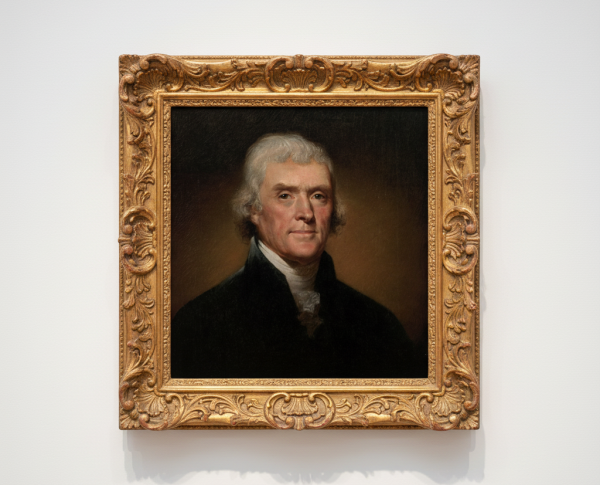
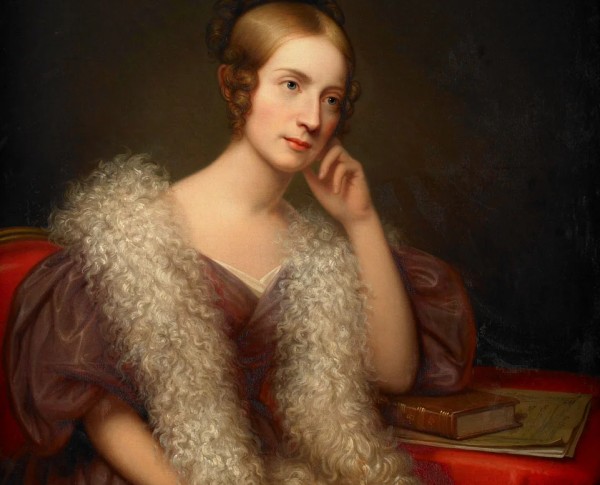
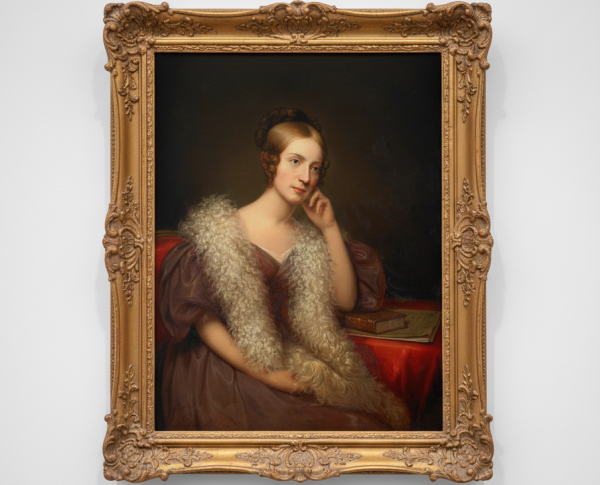
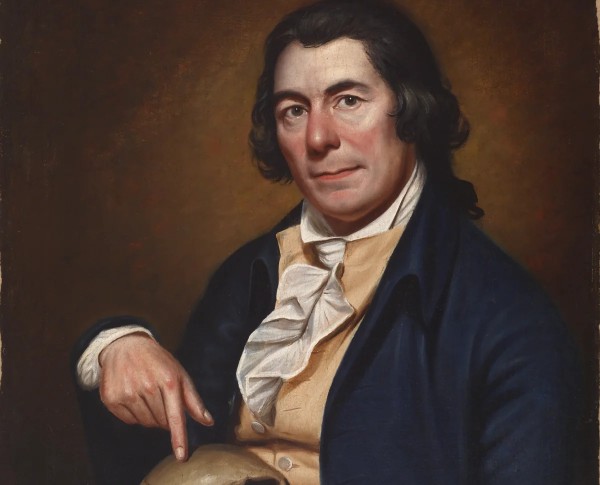
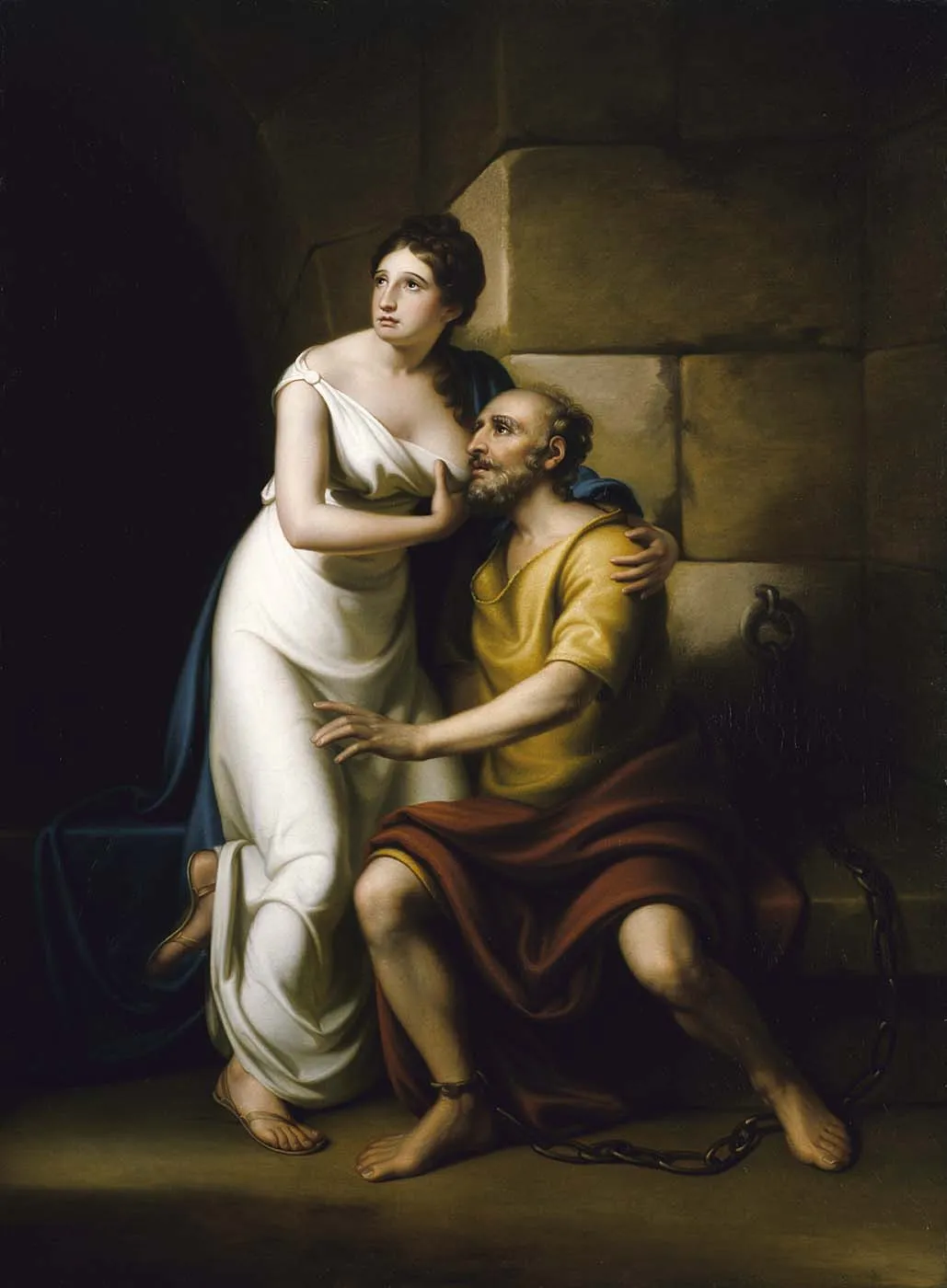
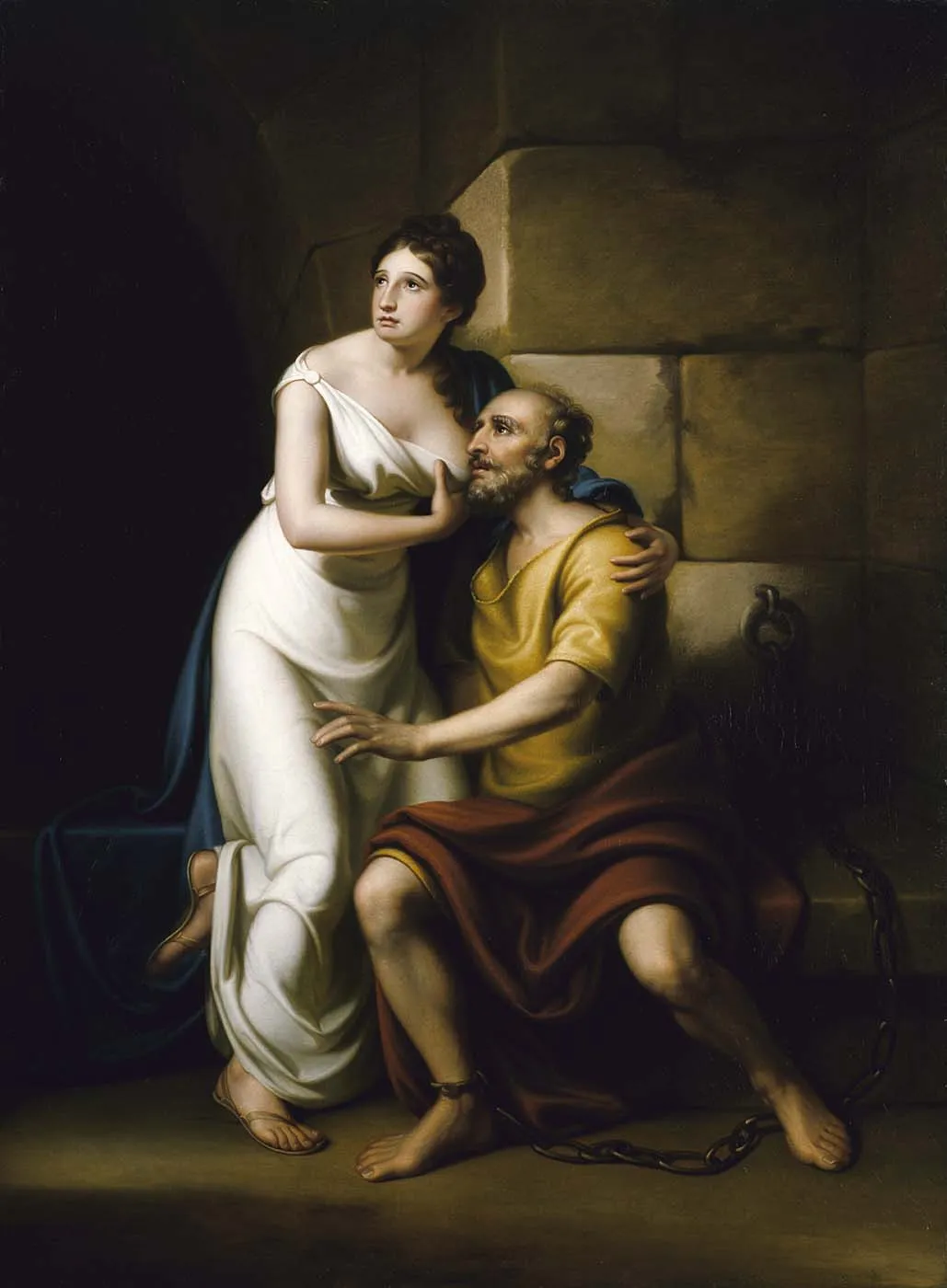
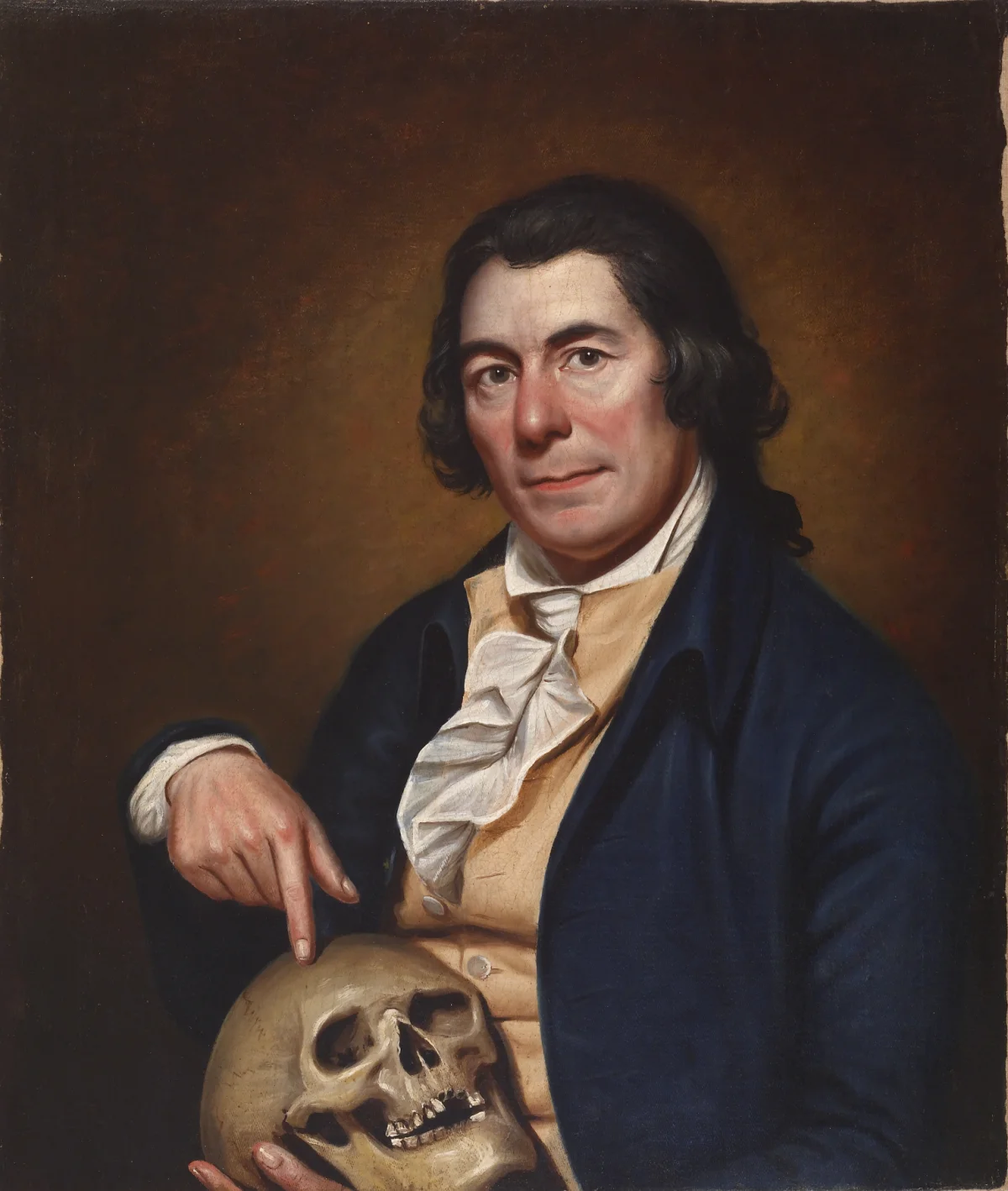
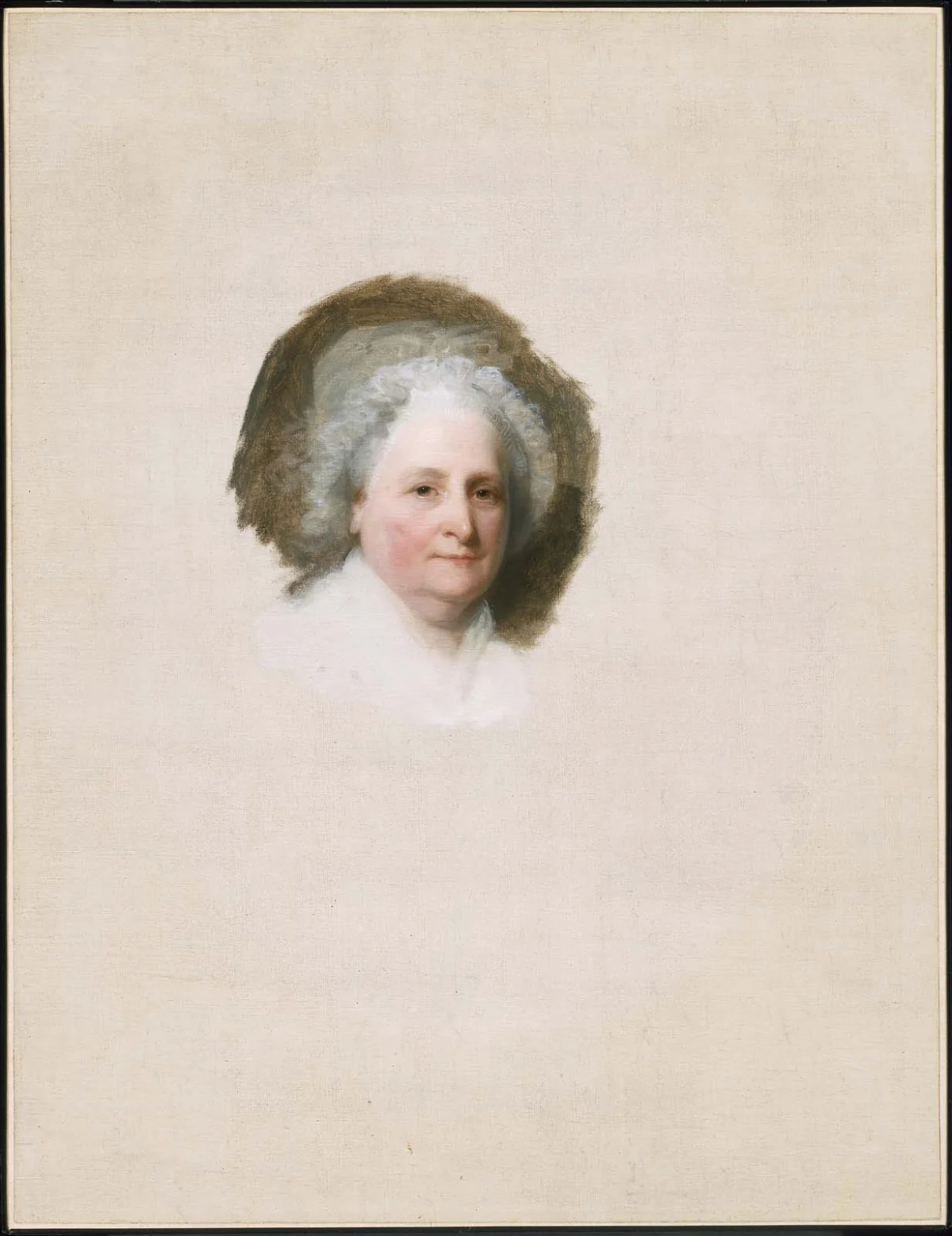
With "The Roman Daughter," Rembrandt Peale demonstrates his exceptional skill in oil on canvas, rendering lifelike figures and dramatic lighting that define the Neo-Classical movement. The painting’s meticulous detail and expressive composition highlight Peale’s mastery, establishing him among the era’s most celebrated artists. For those who admire works like "Martha Washington" and "Portrait of William Short," this oil on canvas piece is a striking example of Peale’s refined technique and artistic vision.
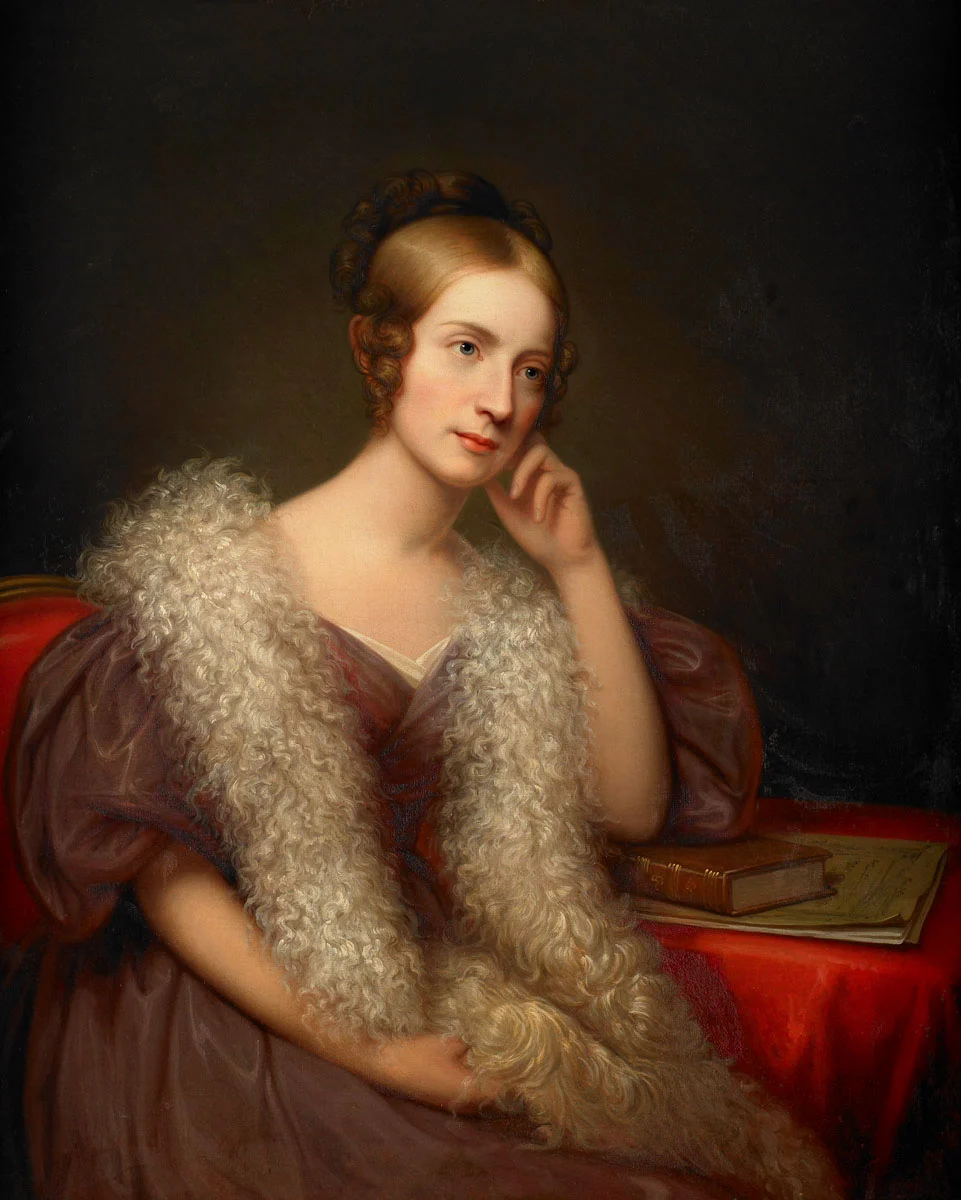
"The Roman Daughter" by Rembrandt Peale is rich in symbolism, telling a poignant tale of filial devotion within a Neo-Classical context. The composition invites viewers to explore themes of sacrifice and virtue, central to the movement’s ideals. As with related works like "Rubens Peale with a Geranium" and "Caroline Louisa Pratt Bartlett," this fine art painting for sale offers a narrative depth that continues to captivate audiences and inspire thoughtful reflection.
Owning "The Roman Daughter" by Rembrandt Peale means possessing a significant piece of Neo-Classical heritage. This hand-painted oil painting is not only a visual masterpiece but also a valuable addition for art collectors. It pairs beautifully with related products such as "Portrait of Thomas Jefferson" or "Martha Washington," making it a sought-after fine art painting for sale for those seeking to elevate their personal or professional art collections.
When Art Meets History
Rembrandt Peale’s "The Roman Daughter" stands as a remarkable hand-painted oil painting, blending historical narrative with the refined aesthetics of the Neo-Classical movement. This masterpiece draws inspiration from ancient Roman tales, much like Peale’s contemporaries explored in works such as "Surrender of Lord Cornwallis" and "Calypso's Isle." The painting’s historical context elevates its appeal, making it a prized subject for scholars and enthusiasts seeking to own a piece of fine art painting for sale that echoes the grandeur of the past.
Techniques That Speak
Employing exquisite oil on canvas techniques, Peale demonstrates his mastery in "The Roman Daughter" through luminous skin tones and precise brushwork. The Neo-Classical movement’s emphasis on clarity and form is evident, comparable to the technical finesse seen in "The Sea Maiden" and "Robert Watson, 1746 - . Adventurer." Each stroke in this oil on canvas work showcases Peale’s dedication to detail, inviting viewers to appreciate the tactile beauty and timeless craftsmanship of his artistry.
Emotions on Display
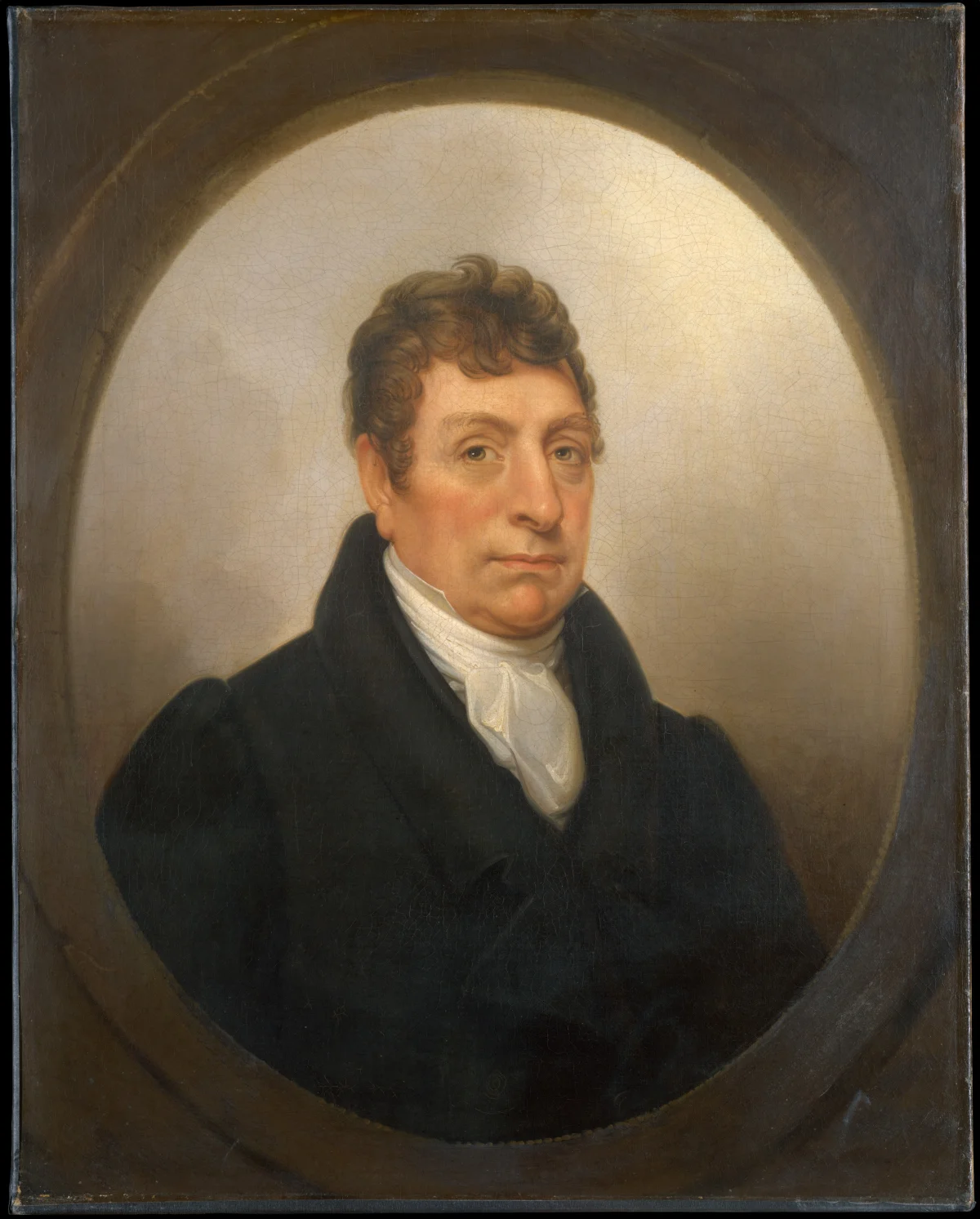
"The Roman Daughter" by Rembrandt Peale captures a poignant moment, with emotions rendered vividly through the subject’s expressive features—a hallmark of Neo-Classical portraiture. The painting’s dramatic composition evokes the same intensity found in "Bildnis Des Aquasie Boachi," inviting empathy and reflection. This hand-painted oil painting transcends mere representation, offering a moving narrative that resonates with collectors and admirers of fine art painting for sale seeking works that stir the soul.
Coveted by Collectors
Collectors highly value "The Roman Daughter" for its artistry and historical significance, placing it alongside other celebrated works like "Calypso's Isle" and "Surrender of Lord Cornwallis." As a fine art painting for sale, Rembrandt Peale’s masterpiece represents the ideals of the Neo-Classical movement and the enduring allure of oil on canvas. Its rarity and exquisite execution make it a sought-after acquisition for those passionate about owning a piece of art history.
Related Neo-Classical Hand-Painted Oil Paintings by Other Artists
Other Famous Neo-Classical Artists:
Frequently Asked Questions About The Roman Daughter
What is the historical context of "The Roman Daughter"?
"The Roman Daughter" was painted by Rembrandt Peale in the early 19th century, a period characterized by a revival of interest in classical themes and subjects, influenced by the Romantic movement and the neoclassical style.
What inspired Rembrandt Peale to create this painting?
Peale was inspired by the themes of sacrifice and virtue found in classical literature, particularly the story of a Roman daughter who sacrifices herself for her father, which reflects the values of loyalty and familial devotion.
What artistic techniques did Peale use in "The Roman Daughter"?
Peale employed chiaroscuro to create dramatic contrasts between light and shadow, enhancing the emotional intensity of the scene and drawing attention to the figure's expression and posture.
What symbolism is present in "The Roman Daughter"?
The painting symbolizes themes of sacrifice, honor, and the strength of familial bonds. The figure's pose and expression convey a sense of tragic nobility, representing the ideals of virtue and selflessness.
How does "The Roman Daughter" reflect Peale's artistic style?
Peale's style is characterized by a blend of realism and idealism, evident in the lifelike portrayal of the figure combined with an idealized representation of beauty and moral virtue, typical of neoclassical art.
What role does color play in "The Roman Daughter"?
The color palette used in "The Roman Daughter" is subdued, with earthy tones that evoke a somber mood, reinforcing the painting's themes of sacrifice and emotional depth.
In what ways does "The Roman Daughter" connect to classical mythology?
The painting draws on classical mythology by depicting a narrative that echoes the stories of virtuous women in Roman history, linking the subject to broader themes of heroism and moral integrity.
What is the significance of the figure's expression in the painting?
The figure's expression is one of solemnity and resolve, capturing the emotional weight of her sacrifice and inviting the viewer to reflect on the themes of duty and love that permeate the work.
How was "The Roman Daughter" received during Peale's time?
The painting was well-received and appreciated for its emotional depth and technical skill, contributing to Peale's reputation as a significant American artist in the early 19th century.
What influence did "The Roman Daughter" have on later artists?
"The Roman Daughter" influenced later artists by exemplifying the neoclassical style and themes of moral virtue, inspiring subsequent generations to explore similar narratives of sacrifice and honor in their works.























_GFM_Painting_(1).webp)


 100% Hand-Painted: Finished in 3-6 Weeks

.png)

















_(1).webp)