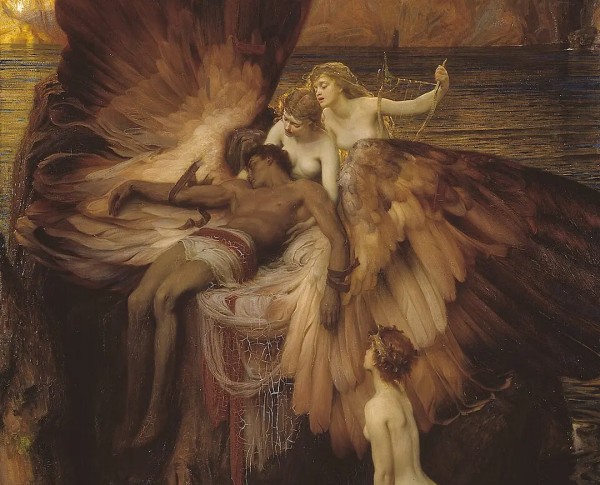
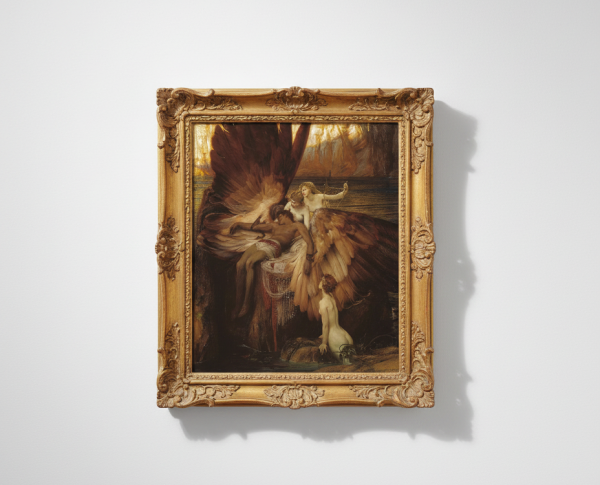
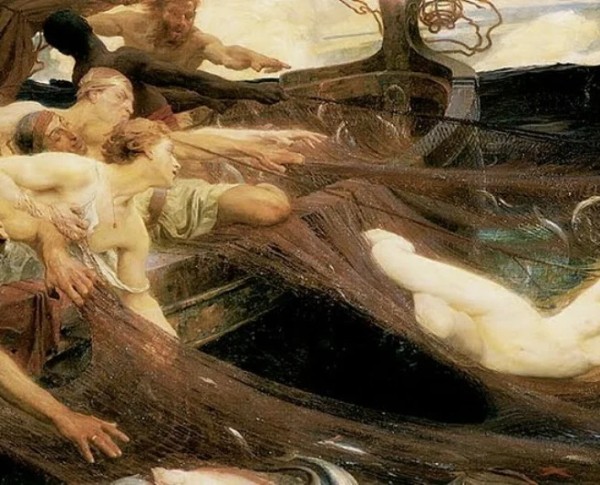
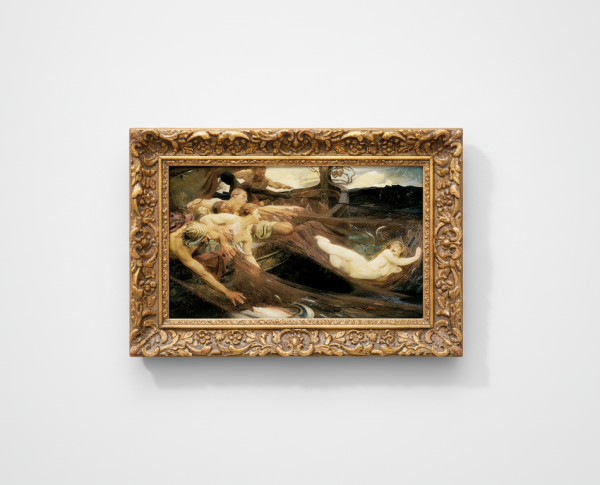
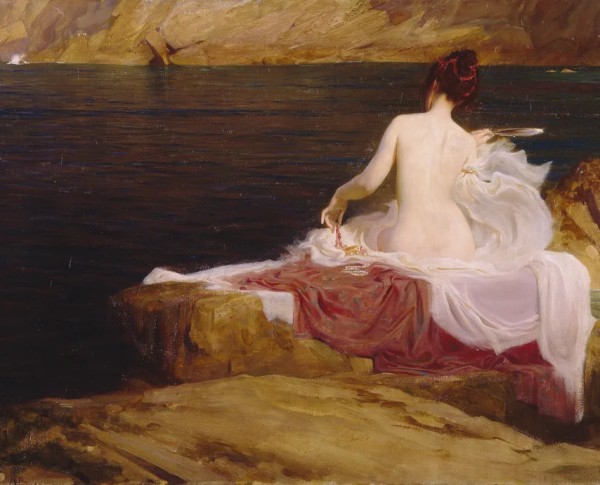
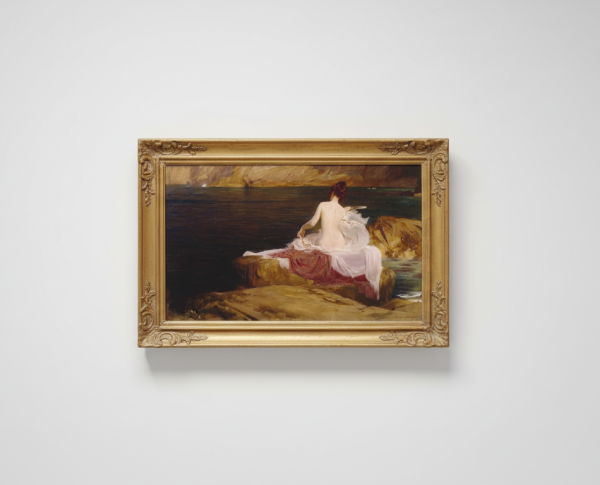
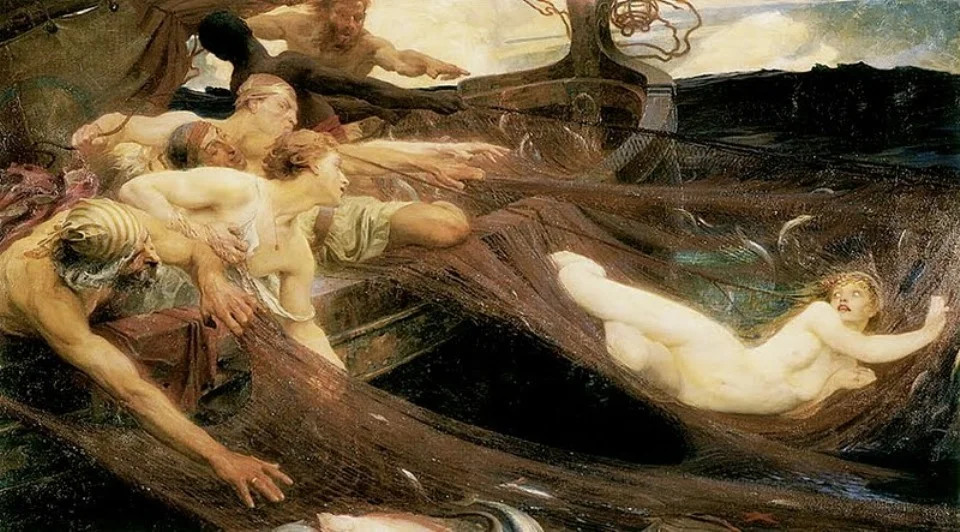
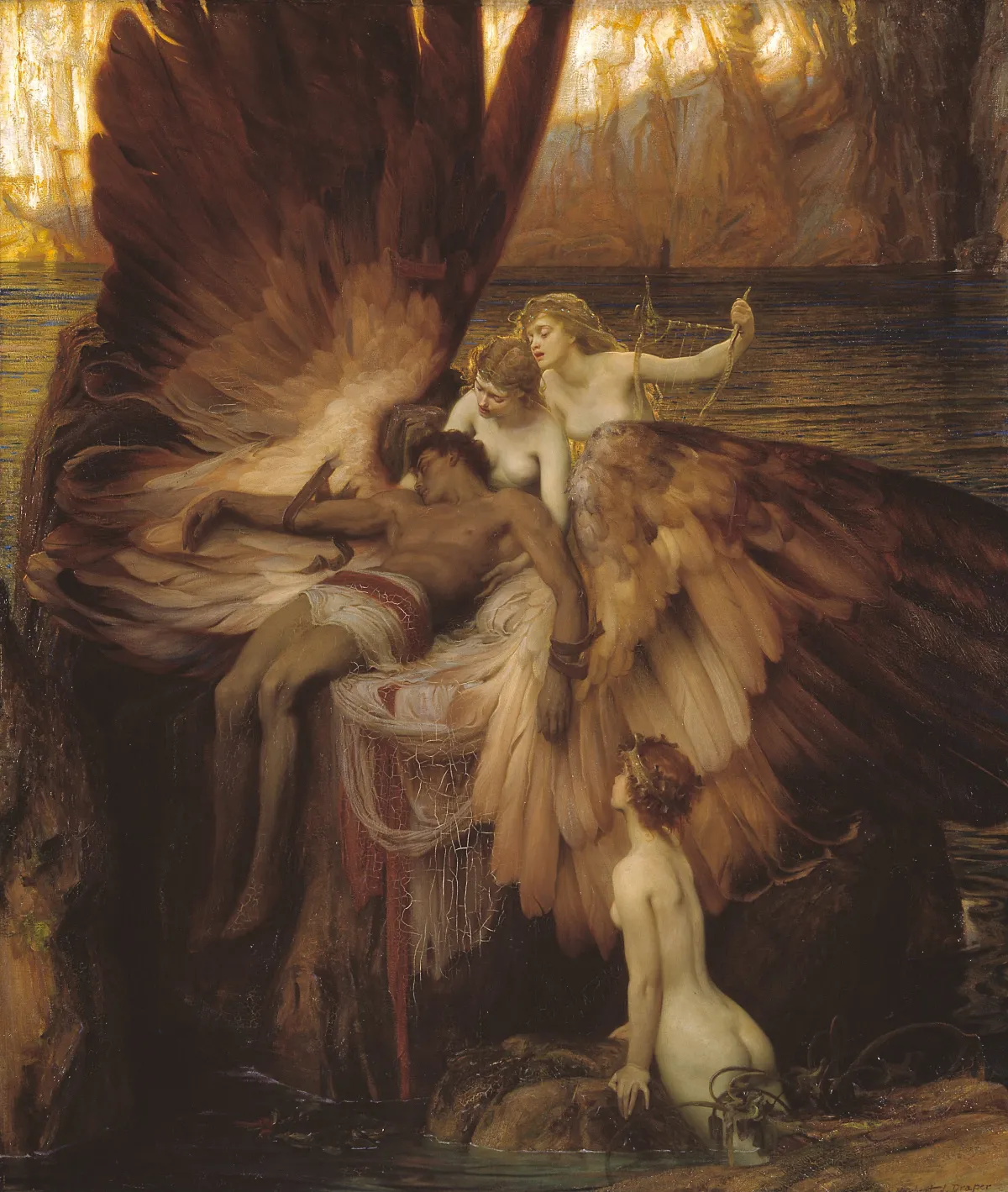
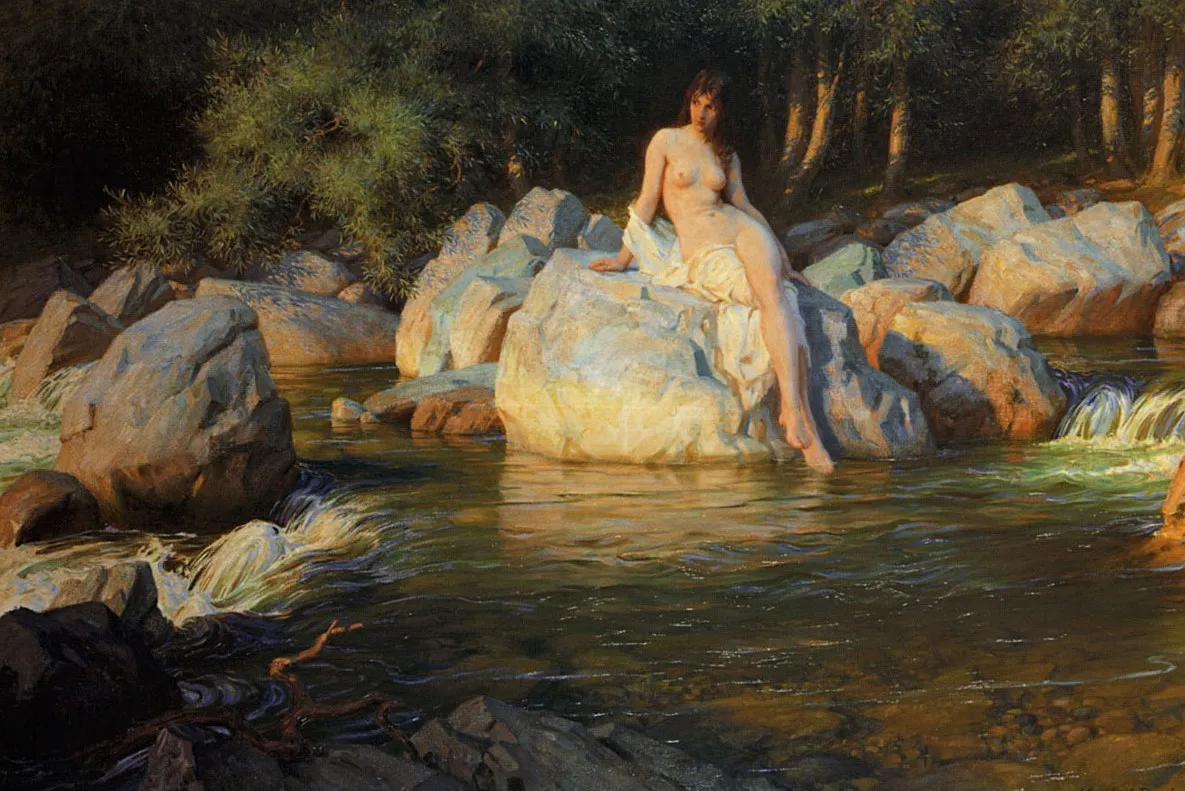
In "The Steering Oar, study for The Golden Fleece," Draper’s technical prowess shines through in every detail. His use of oil on canvas creates a vibrant interplay of light and shadow, characteristic of Neo-Classical finesse. This hand-painted oil painting showcases Draper’s ability to convey emotion and movement, much like his other works—"Bather," "The Sea Maiden," and "The Foam Sprite"—which remain popular among art enthusiasts and collectors alike.
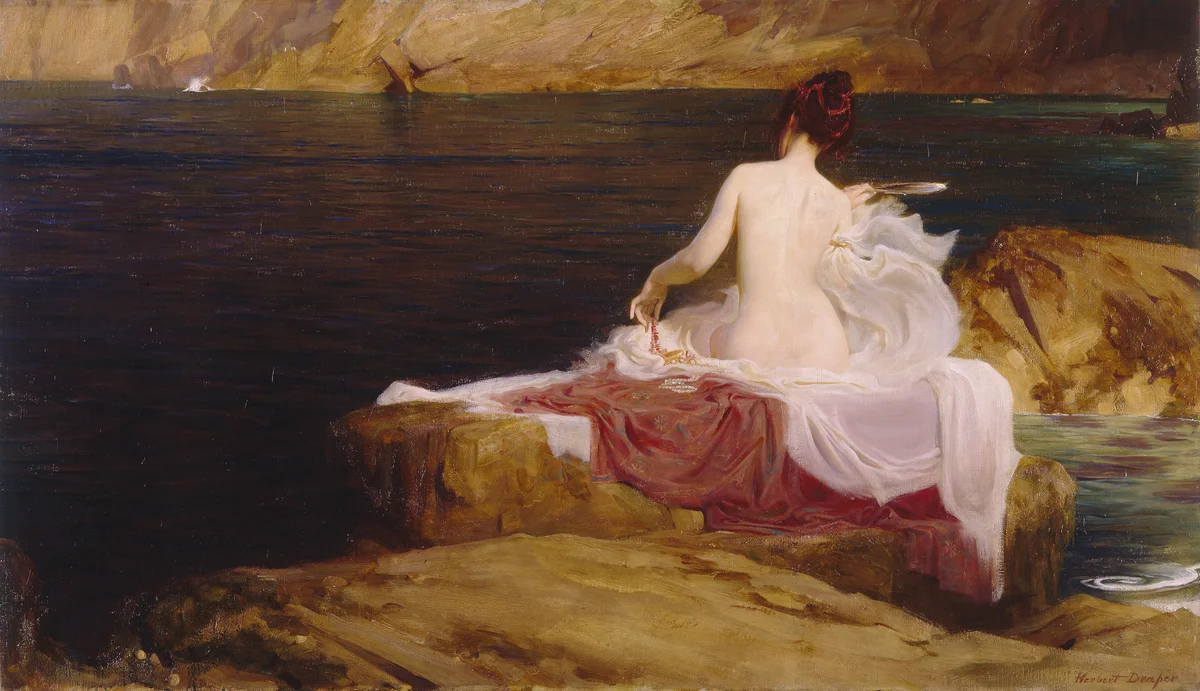
Draper’s "The Steering Oar, study for The Golden Fleece" delves into the mythic journey of Jason and the Argonauts, a recurring theme in Neo-Classical art. Symbols of heroism and adventure are woven into the composition, inviting viewers to explore deeper meanings. This hand-painted oil painting echoes the narrative richness found in related works such as "L'île De Calypso," making it an essential piece for those drawn to classic storytelling through art.
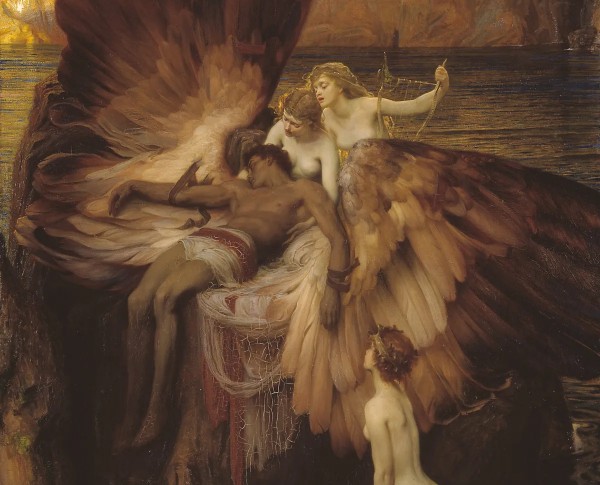
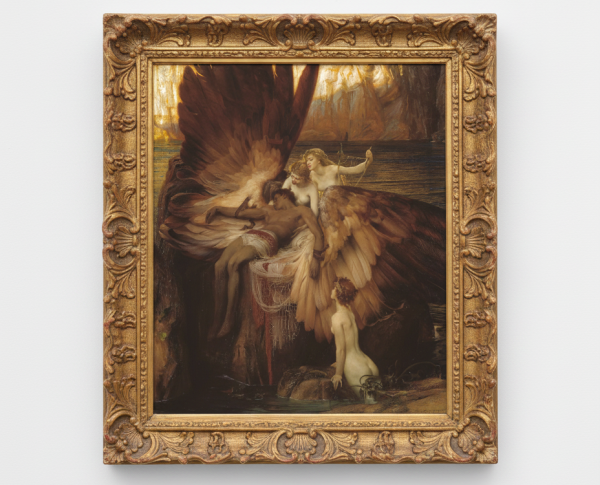
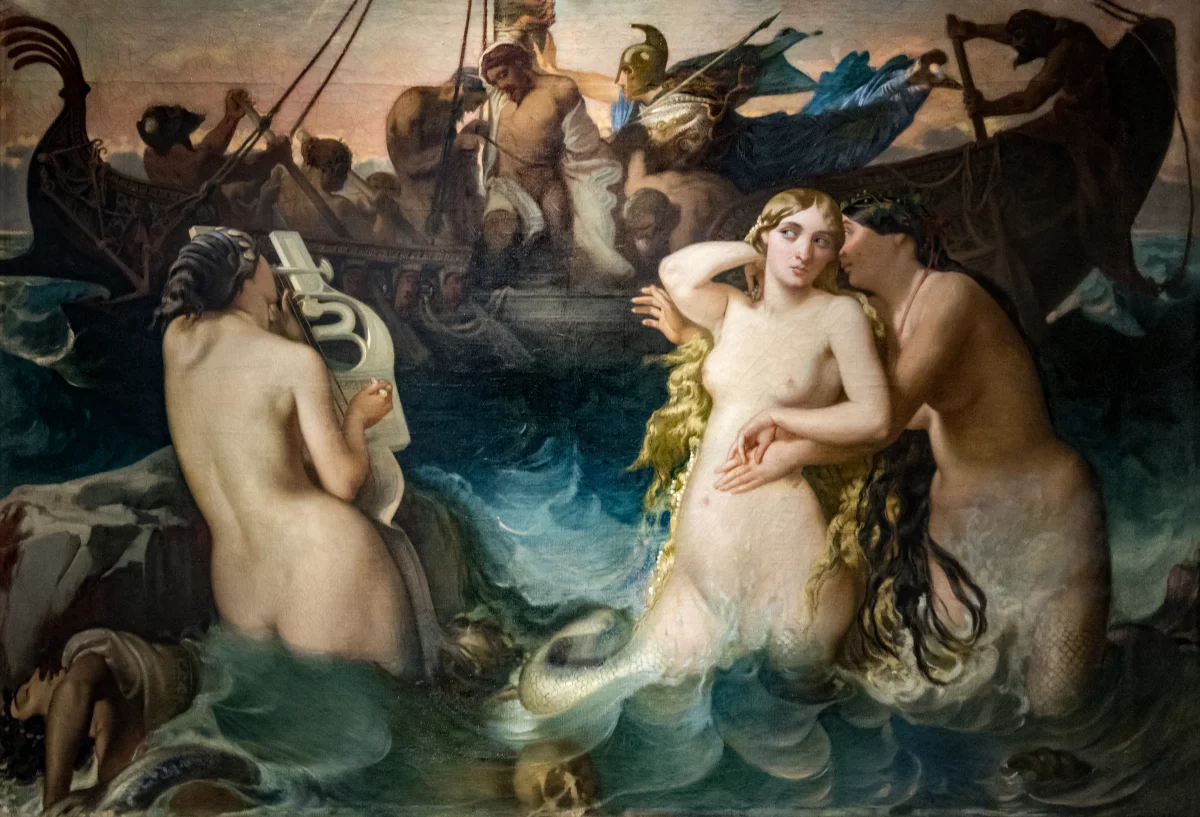
Owning "The Steering Oar, study for The Golden Fleece" by Herbert James Draper means possessing a remarkable example of Neo-Classical artistry. This oil on canvas not only enriches any collection but also pairs beautifully with other fine art paintings for sale, including "Ulysses and the Sirens" or "The Sea Maiden." Draper’s works continue to captivate collectors seeking timeless beauty and historical significance in every brushstroke.
When Art Meets History
Herbert James Draper's "The Steering Oar, study for The Golden Fleece" stands as a remarkable hand-painted oil painting that bridges myth and reality. Created during the Neo-Classical movement, Draper’s work draws inspiration from ancient legends, echoing the grandeur found in related paintings like "Aeneïs" and "The Sortie Made by the Garrison of Gibraltar, 1789." This painting not only captures a historical narrative but also showcases the timeless allure of classical themes in fine art.
Techniques That Speak
Draper’s mastery of oil on canvas is evident in every brushstroke of "The Steering Oar, study for The Golden Fleece." His technique, characteristic of the Neo-Classical movement, emphasizes clarity, balance, and lifelike figures. The artist’s attention to detail rivals that seen in "Rubens Peale with a Geranium" and "Portrait of Prince Albert of Saxony as a boy," making this piece a superb example of meticulous craftsmanship and technical brilliance in oil painting.
Emotions on Display
"The Steering Oar, study for The Golden Fleece" by Herbert James Draper is a fine art painting for sale that radiates powerful emotion. The tension and resolve on the subject’s face convey a narrative of adventure and determination, resonating with the spirit of Neo-Classical ideals. Like "The Marquis de Lafayette," this painting invites viewers to connect deeply with the human experience, making it a compelling addition to any collection of historic and emotive artworks.
Coveted by Collectors
Collectors seeking an exceptional hand-painted oil painting are drawn to Draper’s "The Steering Oar, study for The Golden Fleece." Its connection to the Neo-Classical movement and thematic ties to works like "Aeneïs" elevate its desirability. As with other masterpieces from this era, owning this piece is not merely acquiring art—it’s embracing a slice of cultural history and craftsmanship that continues to inspire admiration among fine art enthusiasts worldwide.
Related Neo-Classical Hand-Painted Oil Paintings by Other Artists
Other Famous Neo-Classical Artists:
Frequently Asked Questions About The Steering Oar, study for The Golden Fleece
What is the historical context of "The Steering Oar"?
"The Steering Oar" was created by Herbert James Draper in the early 20th century, a period marked by a resurgence of interest in classical mythology and the arts. This painting serves as a study for Draper's larger work, "The Golden Fleece," which reflects the themes of adventure and heroism found in Greek mythology.
What artistic techniques did Herbert James Draper employ in this painting?
Draper is known for his mastery of color and light, as well as his ability to create dynamic compositions. In "The Steering Oar," he utilizes rich, vibrant colors and dramatic contrasts to enhance the emotional intensity of the scene, showcasing his skill in oil painting and his understanding of human anatomy.
What is the significance of the steering oar in the painting?
The steering oar symbolizes guidance and control, reflecting the themes of navigation and leadership in the context of the mythological journey of Jason and the Argonauts. It represents the pivotal role of the hero in steering his fate and the fate of his companions.
How does "The Steering Oar" relate to the larger narrative of "The Golden Fleece"?
This study captures a moment of preparation and determination before the journey to retrieve the Golden Fleece. It encapsulates the essence of the quest, highlighting the importance of courage and resolve in facing challenges, which is central to the narrative of Jason's adventure.
What themes are explored in "The Steering Oar"?
The painting explores themes of heroism, adventure, and the struggle against adversity. It reflects the human experience of striving for greatness and the sacrifices made in pursuit of noble goals, resonating with the timeless nature of mythological stories.
Who were the primary influences on Herbert James Draper's work?
Draper was influenced by the Pre-Raphaelite movement and the classical traditions of the Renaissance. His work often reflects a blend of these influences, characterized by meticulous attention to detail and a romanticized interpretation of mythological subjects.
What materials did Draper use for "The Steering Oar"?
Draper primarily used oil paints on canvas for this study, a medium that allowed him to achieve the depth of color and texture that is evident in the work. His choice of materials reflects the artistic practices of his time, emphasizing the importance of oil painting in fine art.
How does the composition of "The Steering Oar" contribute to its overall impact?
The composition is dynamic, with the figure positioned in a way that draws the viewer's eye towards the steering oar, emphasizing its significance. Draper’s use of diagonal lines and a strong focal point creates a sense of movement and urgency, enhancing the narrative quality of the painting.
What role does symbolism play in "The Steering Oar"?
Symbolism is central to the painting, with elements like the steering oar representing guidance and destiny. Additionally, the figure's posture and expression convey determination and strength, reinforcing the heroic ideals associated with mythological narratives.
In what ways does "The Steering Oar" reflect the values of its time?
The painting reflects early 20th-century values of individualism, heroism, and a fascination with the past. It embodies the era's romanticism and the belief in the power of the individual to shape their destiny, mirroring the societal aspirations of Draper's contemporaries.























_GFM_Painting_(1).webp)



 100% Hand-Painted: Finished in 3-6 Weeks


.png)
















_(1).webp)