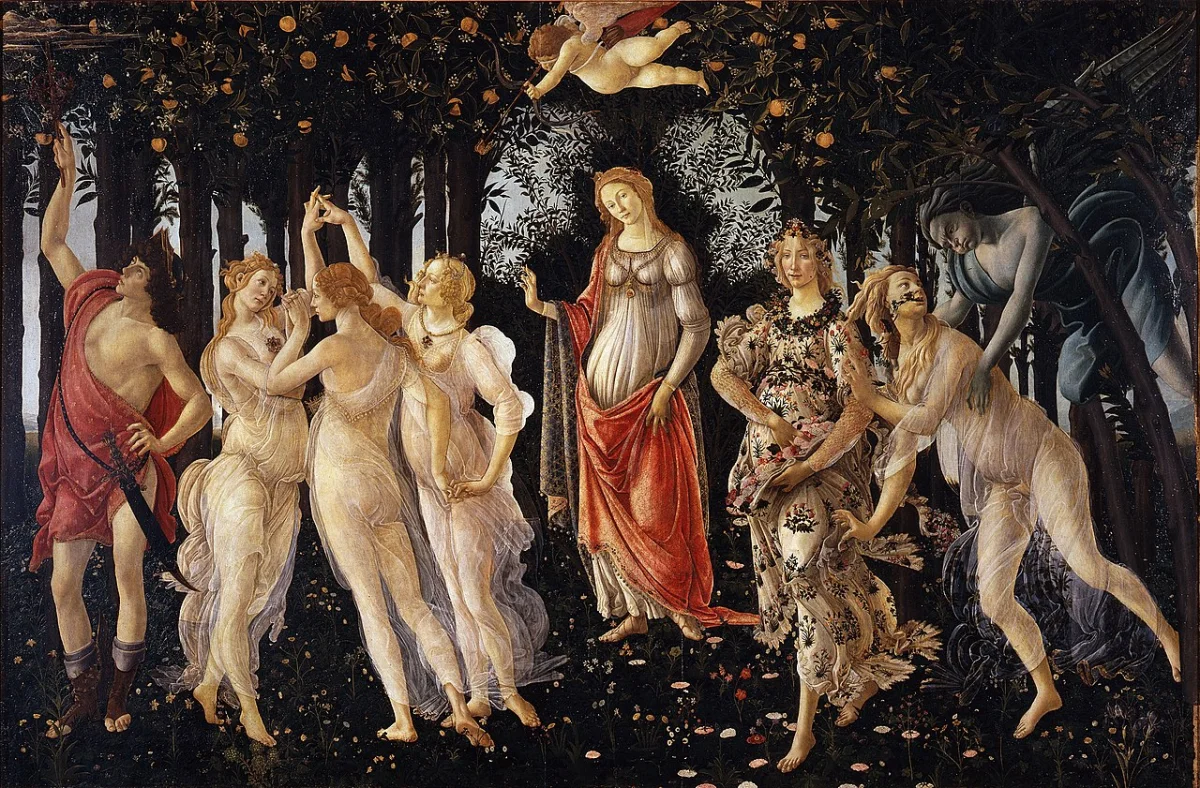
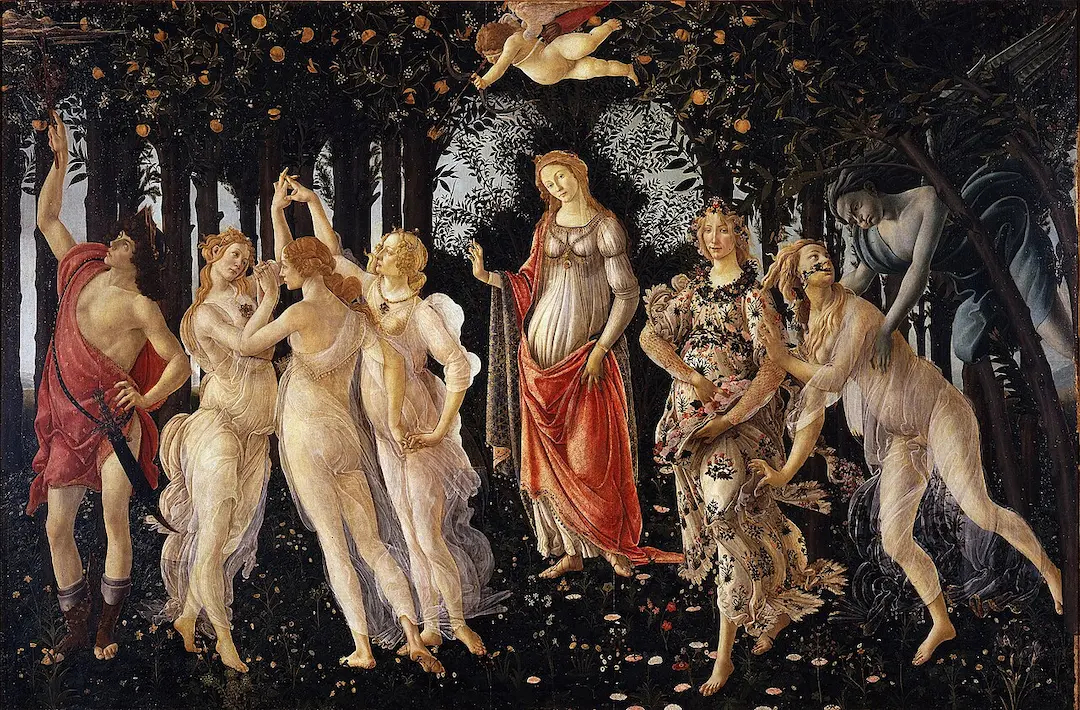
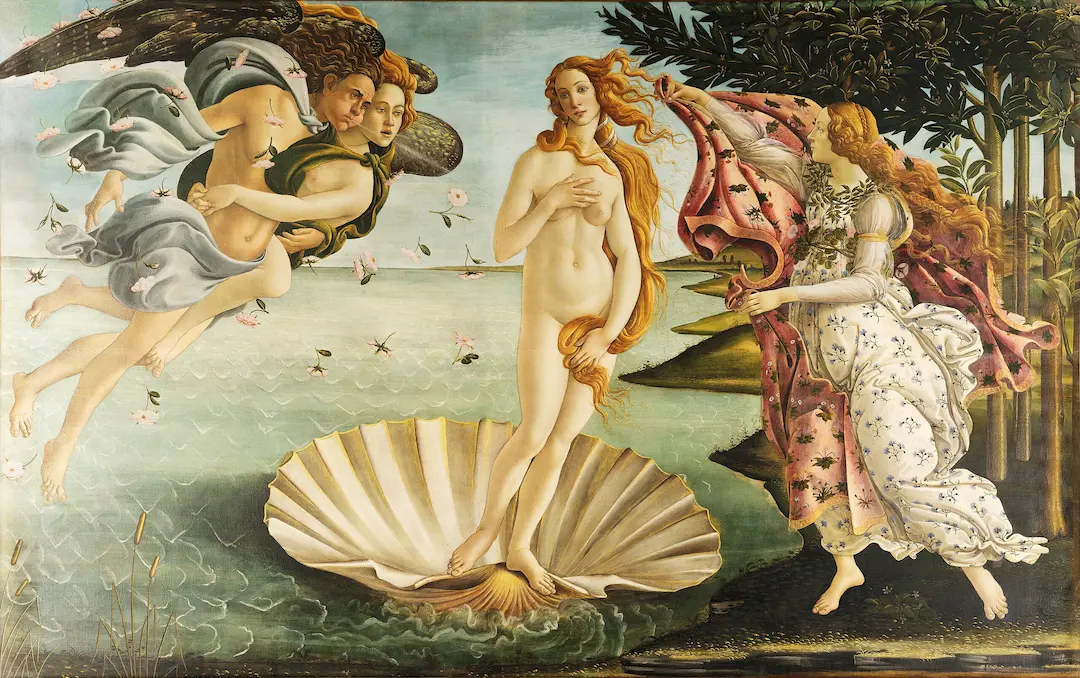
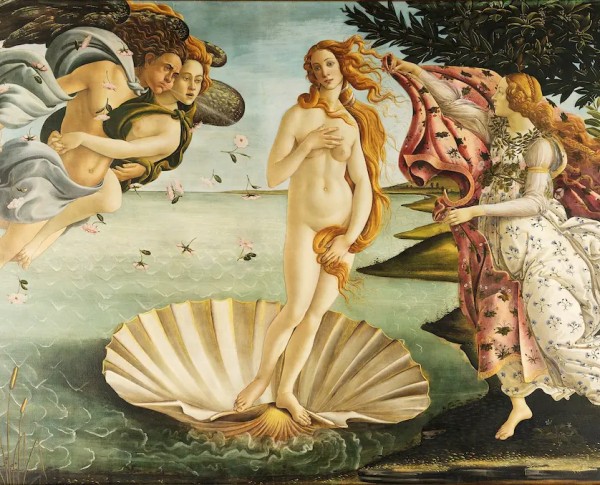
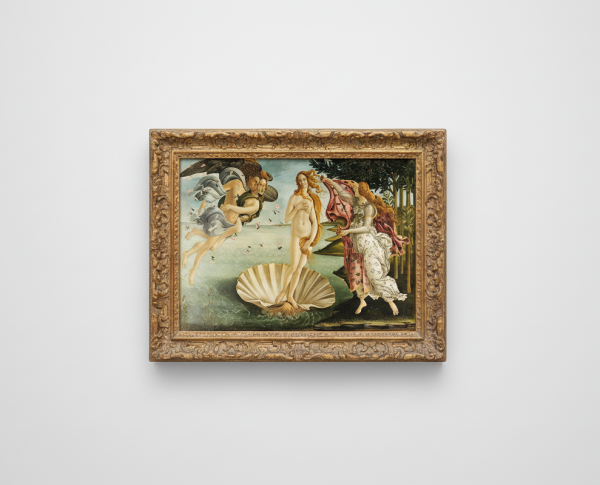
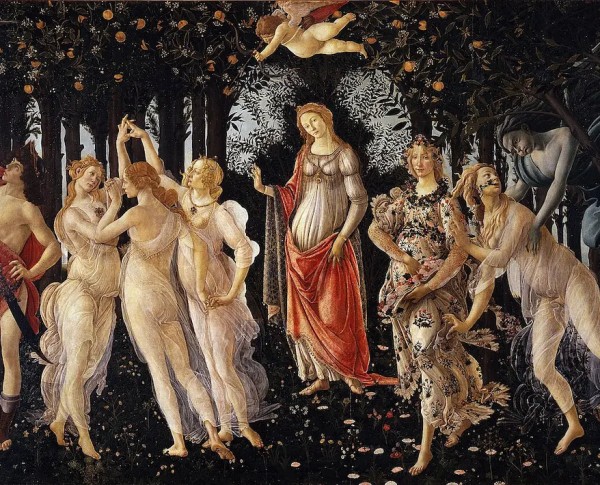
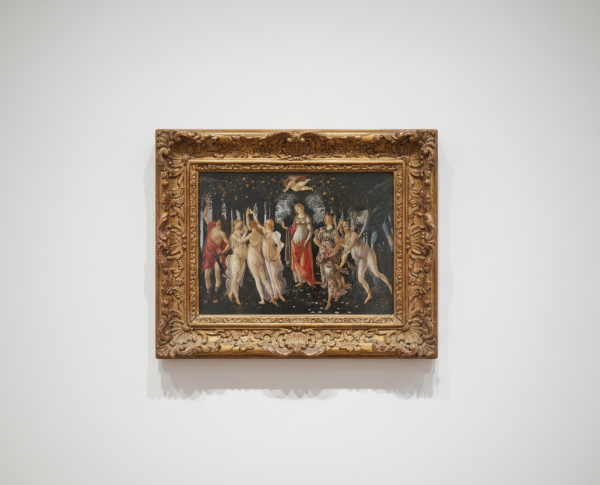
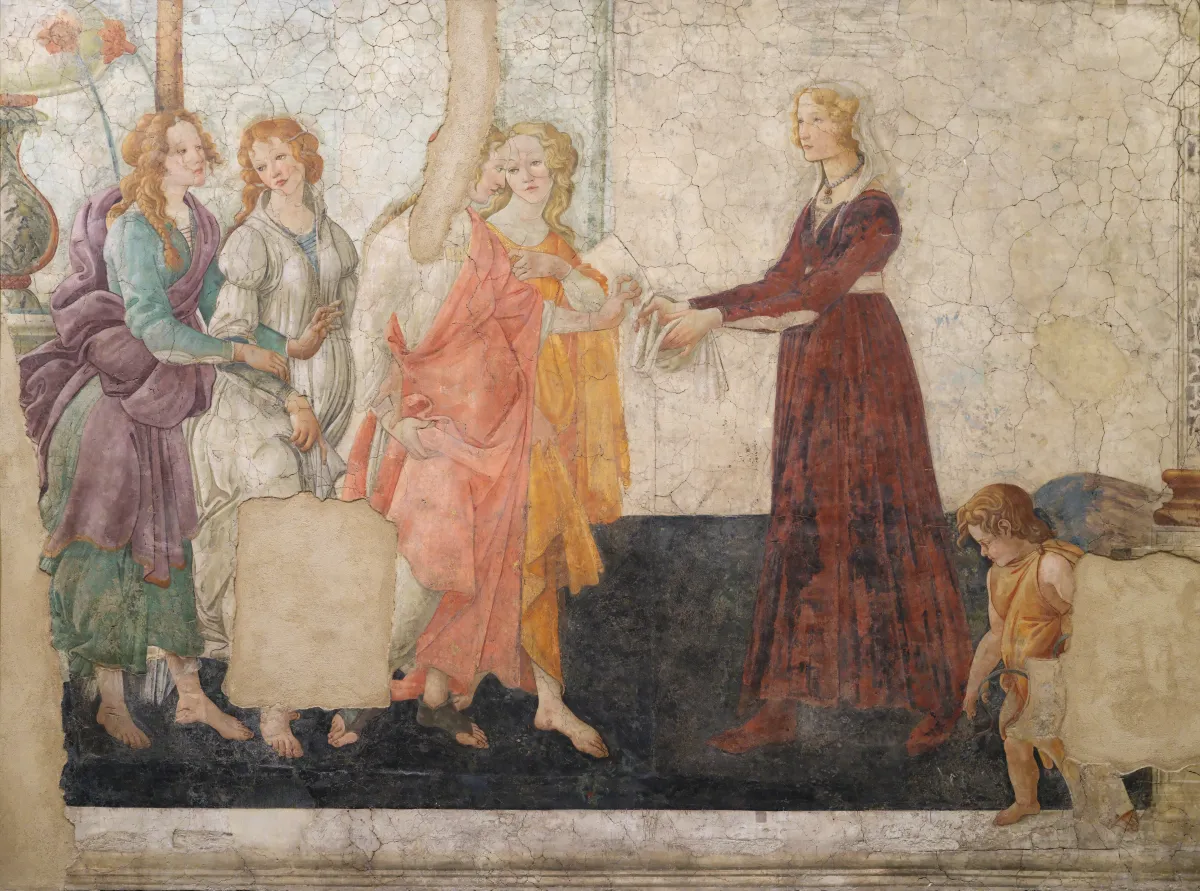
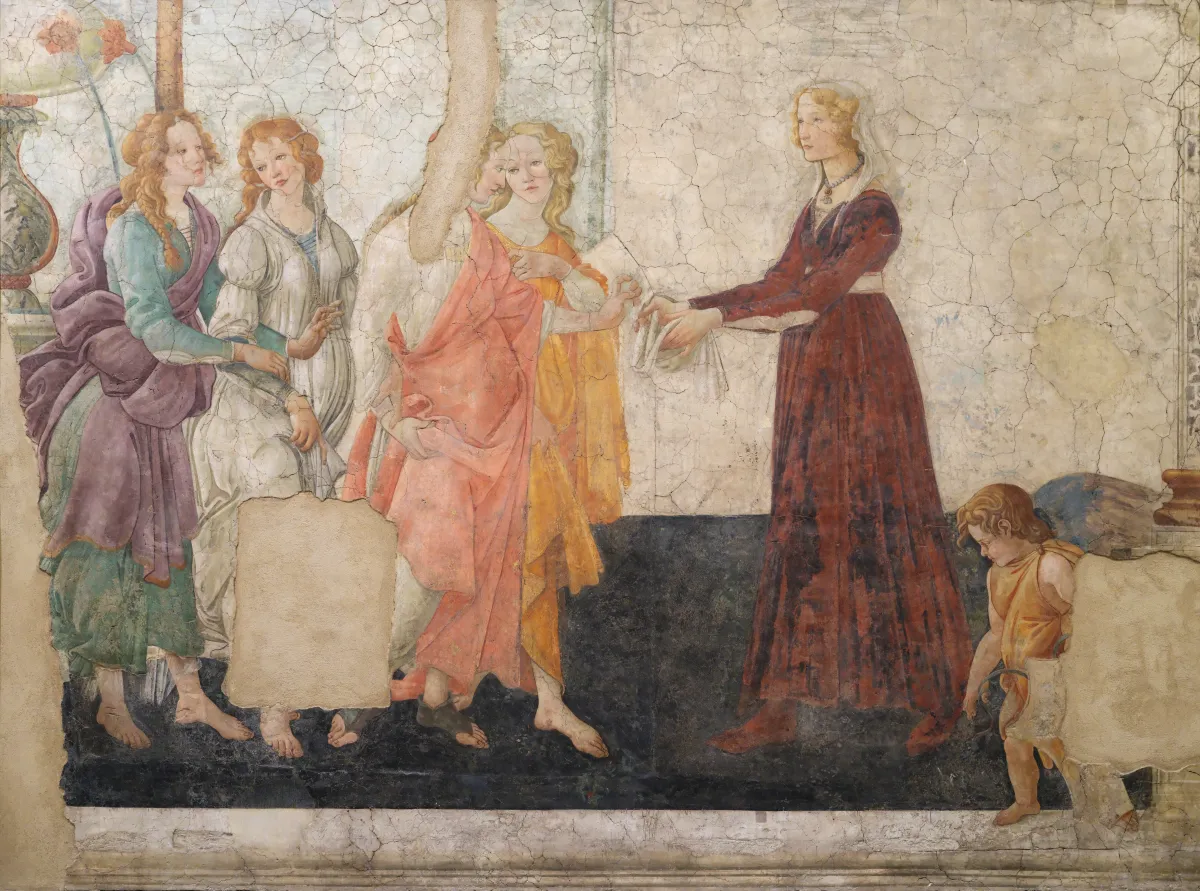
"Venus and the Three Graces Presenting Gifts to Giovanna degli Albizzi" by Alessandro Filipepi, famously known as Sandro Botticelli, stands as a remarkable testament to the Early Renaissance movement. This exquisite hand-painted oil painting reflects the grace and sophistication that defined Botticelli’s artistry. For collectors and enthusiasts, owning a Botticelli masterpiece is a journey into history, much like other celebrated works such as "Fortitude" and "Birth of Venus (La Nascita di Venere)."
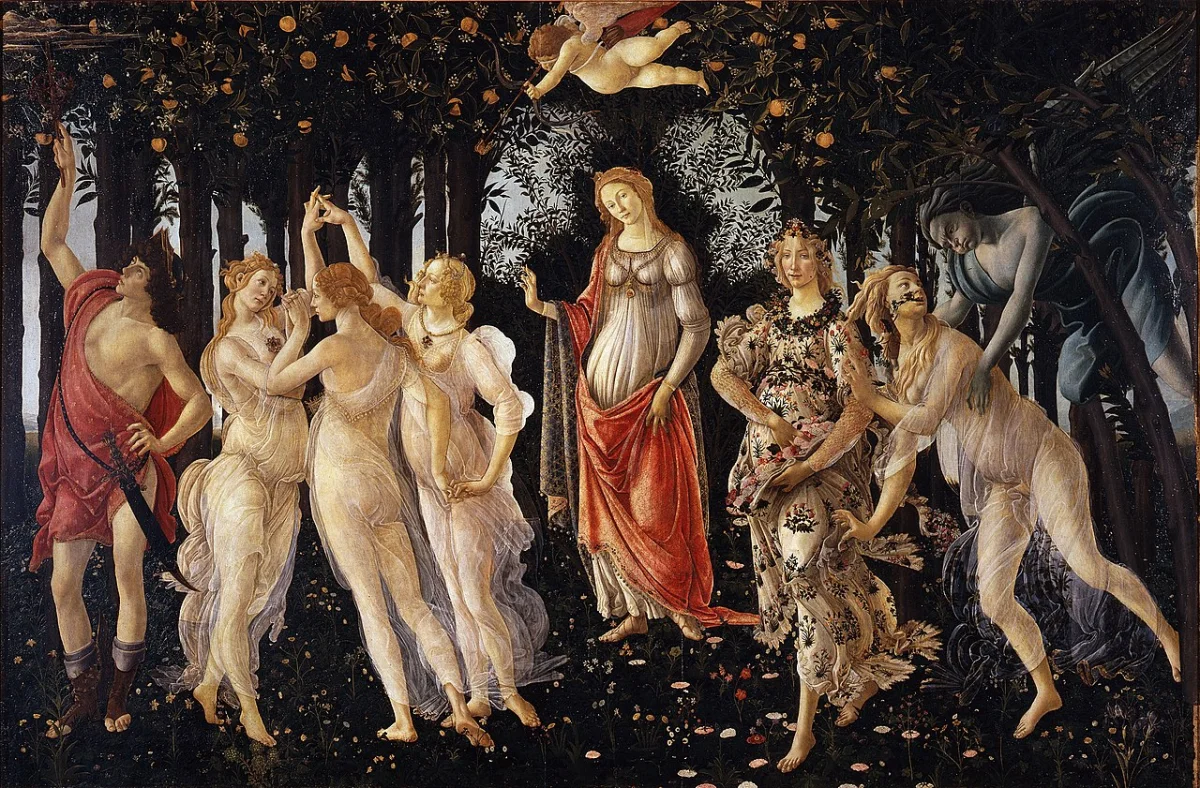
Botticelli’s technique in this oil on canvas piece showcases his mastery of color, light, and delicate detail. The Early Renaissance was marked by innovation, and Botticelli’s work shines with its harmonious composition and lifelike figures. Each brushstroke brings the mythological scene to life, inviting viewers to appreciate the artist’s craft. Art lovers seeking similar works may also admire "Allegory Of Spring La Primavera" and "Madonna in Glory with Seraphim."
This fine art painting for sale is rich in symbolism, weaving together mythology, beauty, and power. Botticelli’s depiction of Venus and the Three Graces offering gifts to Giovanna degli Albizzi is more than a tribute; it’s a narrative blending human achievement with divine favor. The Early Renaissance movement’s fascination with allegory is evident here, as in related masterpieces like "Madonna and Child with an Angel" and "Madonna of the Rosegarden."
For discerning collectors, "Venus and the Three Graces Presenting Gifts to Giovanna degli Albizzi" by Sandro Botticelli is a coveted treasure. This hand-painted oil painting offers a connection to the Early Renaissance’s golden age, exemplifying Botticelli’s renowned style. As interest in fine art painting for sale grows, works like this and related Botticelli masterpieces become timeless investments, enhancing collections with historical significance and enduring beauty.
When Art Meets History
"Venus and the Three Graces Presenting Gifts to Giovanna degli Albizzi" by Alessandro Filipepi, known as Sandro Botticelli, is a masterpiece of the Early Renaissance. This hand-painted oil painting captures a pivotal moment in Florentine history, blending mythological and real-life figures. Botticelli, famous for works like "Nativity" and "Presentation of the Virgin at the Temple," uses his art to immortalize social and cultural ideals of his era, making this piece a significant historical artifact.
Techniques That Speak
Botticelli’s "Venus and the Three Graces Presenting Gifts to Giovanna degli Albizzi" showcases refined oil on canvas techniques typical of the Early Renaissance. His delicate brushwork and layered glazes create a luminous effect, highlighting the figures’ ethereal beauty. Similar to his approach in "The Madonna of Mercy" and "St Jerome and a Donor," Botticelli’s mastery of composition and color brings harmony and depth to this painting, setting a benchmark for Renaissance artistry.
Emotions on Display
The emotional resonance in Botticelli’s "Venus and the Three Graces Presenting Gifts to Giovanna degli Albizzi" is palpable. The gentle gestures and serene expressions convey grace, generosity, and reverence, hallmarks of Early Renaissance sensibility. This fine art painting for sale draws viewers into a world of elegance, much like Botticelli’s "John the Evangelist" and "Apostle Peter," inviting contemplation of the human experience through symbolic interactions and visual storytelling.
Coveted by Collectors
Collectors highly value Botticelli’s "Venus and the Three Graces Presenting Gifts to Giovanna degli Albizzi" for its historical significance and exquisite execution. As with other oil on canvas masterpieces from the Early Renaissance, this painting is sought after for its provenance and artistic merit. Inspired by related works like "Nativity" and "St Jerome and a Donor," collectors appreciate Botticelli’s innovative style and the enduring allure of his celebrated compositions.
Related Early Renaissance Hand-Painted Oil Paintings by Other Artists
Other Famous Early Renaissance Artists:
Frequently Asked Questions About Venus and the Three Graces Presenting Gifts to Giovanna degli Albizzi
What is the historical context of the painting?
This painting was created during the early Renaissance period in Florence, a time characterized by a revival of classical themes and humanist ideals. It reflects the cultural and artistic advancements of the 15th century.
Who are the figures depicted in the painting?
The painting features Venus, the goddess of love, flanked by the Three Graces, who represent beauty, charm, and joy. They are presenting gifts to Giovanna degli Albizzi, a prominent figure in Florentine society.
What is the significance of Venus in this artwork?
Venus symbolizes love and beauty, serving as a central figure that embodies the ideals of femininity and virtue. Her presence elevates the painting's themes of admiration and the celebration of women in society.
How does Botticelli's style influence the painting?
Botticelli's use of flowing lines, delicate features, and ethereal qualities creates a sense of grace and harmony. His distinctive style emphasizes beauty and emotion, characteristic of the early Renaissance aesthetic.
What are the symbolic meanings of the Three Graces?
The Three Graces symbolize various aspects of beauty and femininity: Aglaea (splendor), Euphrosyne (mirth), and Thalia (good cheer). Together, they represent the harmonious balance of these qualities in life and art.
What role does the setting play in the painting?
The lush, idyllic background enhances the themes of love and beauty, creating an idealized environment that reflects the harmony and serenity associated with the figures. It serves as a visual metaphor for the richness of life.
What materials were used in the creation of this painting?
The artwork is painted on canvas using tempera, a medium that allows for fine detail and vibrant colors, typical of Botticelli's technique. This choice of material contributes to the painting's luminous quality.
What is the relationship between the figures and the viewer?
The direct gaze of Venus and the Graces invites the viewer into the scene, creating a sense of intimacy and engagement. This interaction emphasizes the painting's themes of beauty and admiration.
How does this painting reflect the ideals of the Renaissance?
This artwork embodies the Renaissance ideals of humanism, celebrating individual beauty and the importance of classical mythology. It reflects a shift towards valuing human experience and emotion in art.
What influence did this painting have on later art?
The painting has had a lasting impact on the portrayal of mythological subjects in art, inspiring future generations of artists to explore themes of beauty, love, and the idealized human form in their works.























_GFM_Painting_(1).webp)


 100% Hand-Painted: Finished in 3-6 Weeks

.png)












.webp)



_(1).webp)