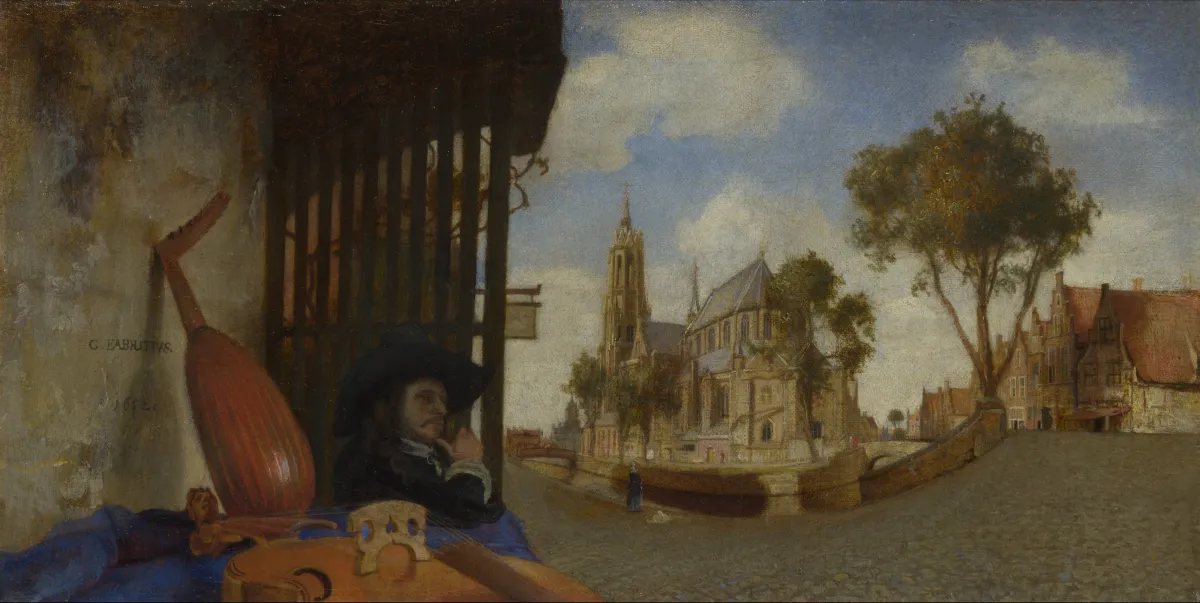
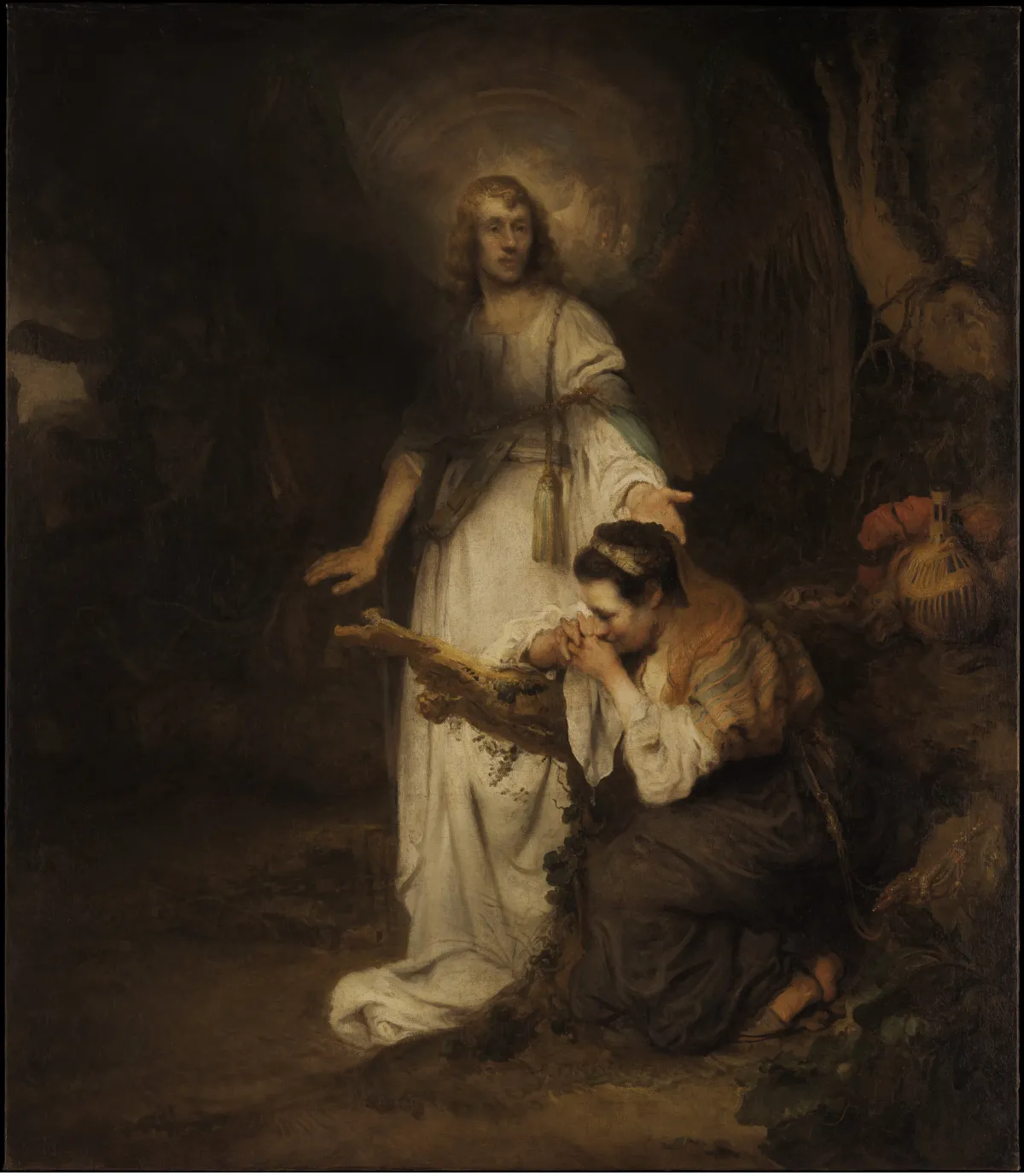
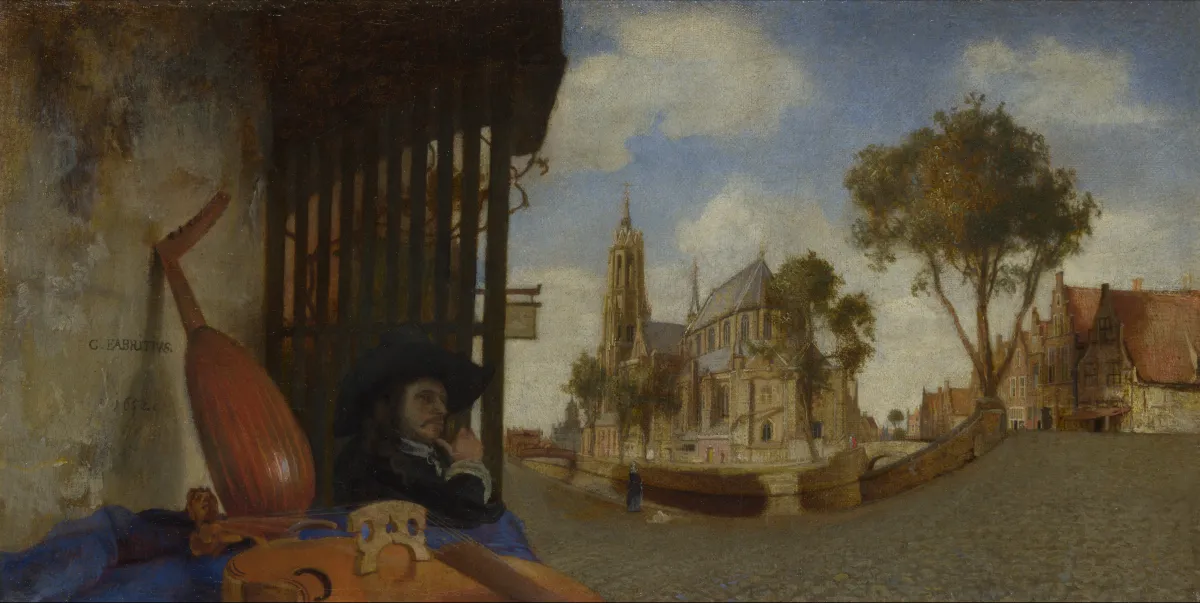
Fabritius’s "View of a Row of Houses in a City" showcases his remarkable technique with oil on canvas, capturing the subtle play of light and architectural detail. His masterful brushwork and composition reflect the essence of the Dutch Golden Age movement. Art lovers admire Fabritius’s ability to bring urban scenes to life, much like he did in other notable works such as "A View of Delft" and "Hagar and the Angel," which remain exemplars of his artistic prowess.
Within this fine art painting for sale, Fabritius weaves stories of everyday life and the quiet elegance of city living during the Dutch Golden Age. The row of houses, rendered with exquisite detail, invites viewers to imagine the lives within. The painting’s narrative depth is echoed in other Fabritius pieces, including "Saint Peter Being Freed from Prison" and "Head of an Old Man," each offering a window into the artist’s symbolic storytelling.
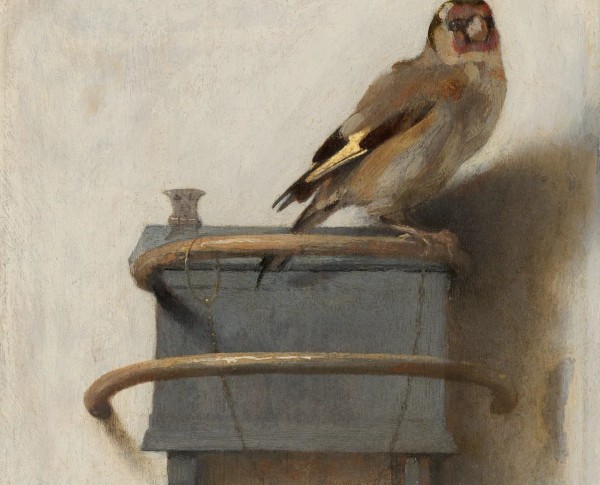
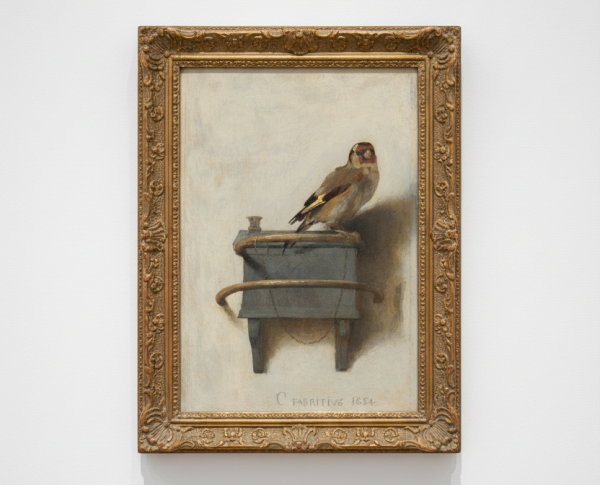
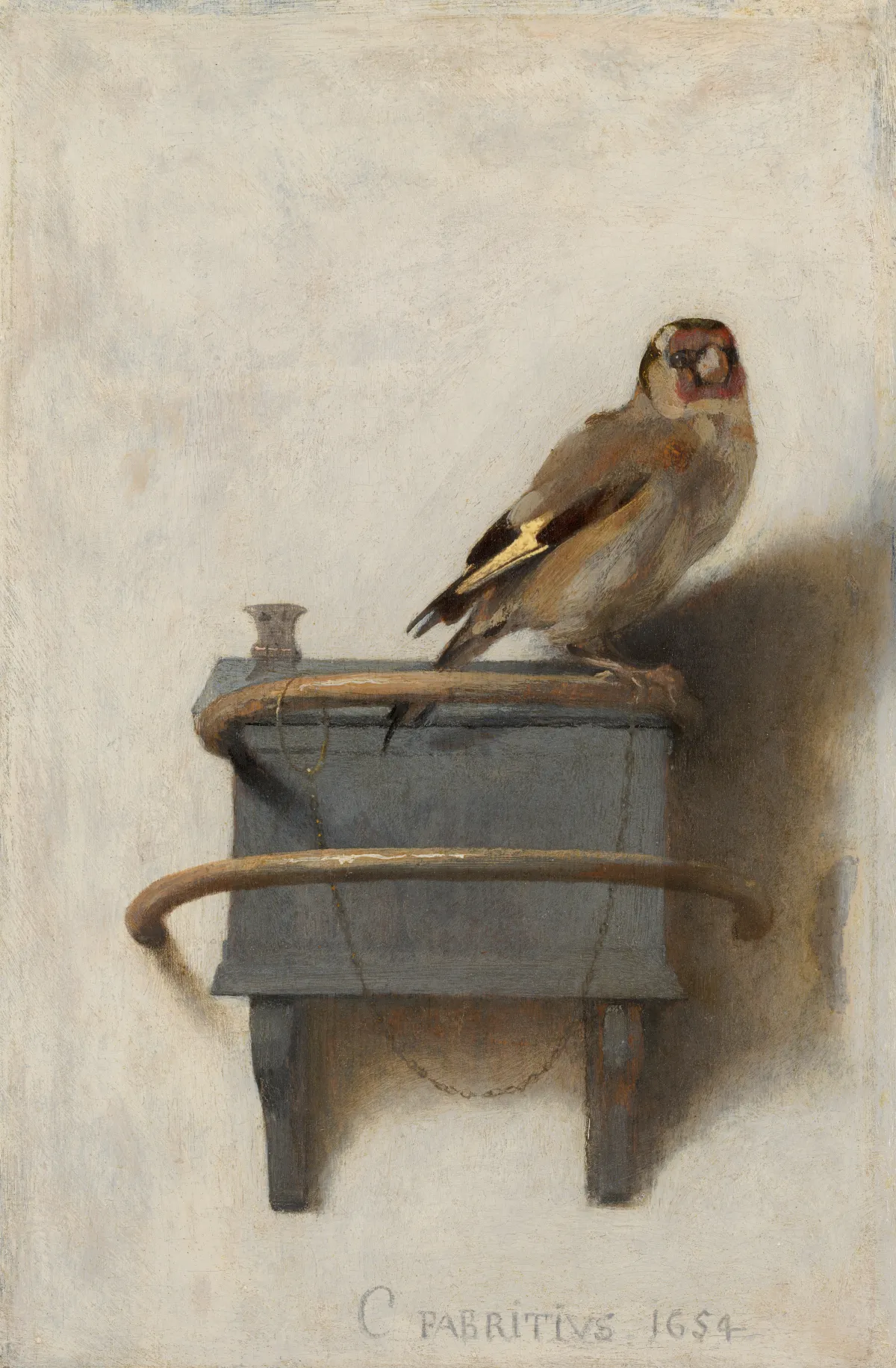
Owning a hand-painted oil painting like Fabritius’s "View of a Row of Houses in a City" is a rare privilege for any fine art collector. As a prominent work from the Dutch Golden Age, it holds a distinguished place alongside related products such as "The Goldfinch" and "A View of Delft." These masterpieces are not only visually captivating but also valuable investments, celebrated for their historical significance and enduring artistic appeal.
When Art Meets History
Carel Fabritius, a notable artist of the Dutch Golden Age, created "View of a Row of Houses in a City," a masterpiece that invites viewers to step back in time. This hand-painted oil painting captures the essence of 17th-century urban life, much like Vermeer’s "The Little Street." Fabritius’s attention to architectural detail reflects the era’s fascination with cityscapes, making this work an important piece for anyone interested in historical fine art painting for sale.
Techniques That Speak
Fabritius’s "View of a Row of Houses in a City" is an exceptional example of oil on canvas mastery. His use of light and perspective, reminiscent of "The Sense Of Sight" and "Diana and her Nymphs," demonstrates his innovative approach within the Dutch Golden Age movement. The soft transitions between shadows and highlights showcase his technical prowess, making this oil on canvas painting a testament to Fabritius’s influential legacy in fine art.
Emotions on Display
In "View of a Row of Houses in a City," Carel Fabritius conveys a sense of quiet contemplation through his subtle brushwork and gentle color palette. The painting’s tranquil urban scene evokes emotions similar to those in "Two Studies of the Head of an Old Man." This hand-painted oil painting draws viewers into a reflective mood, inviting them to imagine the daily life and stories unfolding behind each window and door in the Dutch Golden Age streetscape.
Coveted by Collectors
Fabritius’s rare works, including "View of a Row of Houses in a City," are highly prized among art collectors seeking authentic Dutch Golden Age masterpieces. Alongside related paintings like "Christ Driving the Moneychangers from the Temple," his fine art painting for sale is sought after for its historical significance and exquisite technique. Owning such a piece allows collectors to connect with Fabritius’s artistic vision and the rich cultural heritage of his era.
Related Dutch Golden Age Hand-Painted Oil Paintings by Other Artists
Other Famous Dutch Golden Age Artists:
Frequently Asked Questions About View of a Row of Houses in a City
What is the historical context of "View of a Row of Houses in a City"?
This painting was created during the Dutch Golden Age, a period marked by significant advancements in art, science, and trade in the Netherlands. Carel Fabritius was influenced by the innovations of his contemporaries, particularly Rembrandt and Vermeer, which is reflected in his use of light and perspective.
What artistic techniques are employed in this painting?
Fabritius utilizes a technique known as chiaroscuro, which emphasizes the contrast between light and shadow. This method enhances the three-dimensionality of the houses and creates a sense of depth within the urban landscape.
What symbolism can be found in "View of a Row of Houses in a City"?
The row of houses symbolizes the burgeoning urban life of 17th-century Dutch society. It reflects themes of community, stability, and the significance of domestic life during a time of economic prosperity.
How does this painting reflect Carel Fabritius's style?
Fabritius is known for his meticulous attention to detail and his innovative use of light. In this painting, his style is evident in the realistic portrayal of the architecture and the atmospheric effects that evoke a sense of place.
What is the significance of the color palette used in the painting?
The muted color palette, featuring earthy tones, reflects the natural environment and gives a sense of harmony to the urban scene. This choice of colors also enhances the realism and invites viewers to engage with the everyday life depicted.
In what ways does this painting differ from other works of the Dutch Golden Age?
Unlike many of his contemporaries who focused on grand historical or mythological themes, Fabritius chose to depict ordinary urban scenes. This focus on the mundane offers a unique perspective on the life and environment of his time.
What influence did Carel Fabritius have on future artists?
Fabritius's innovative techniques and focus on light and perspective influenced later artists, particularly in the realm of realism and impressionism. His approach to capturing everyday scenes paved the way for future explorations of urban life in art.
What can be inferred about the social structure of the time from this painting?
The depiction of a row of houses suggests a structured community, indicative of the growing middle class in the Netherlands. This reflects the social changes occurring during the Dutch Golden Age, where urbanization and trade led to new social dynamics.
How does the composition of the painting contribute to its overall message?
The composition, with its linear arrangement of houses, guides the viewer's eye and creates a sense of order. This structure reinforces the themes of stability and community, suggesting a harmonious coexistence within the urban environment.
What legacy did "View of a Row of Houses in a City" leave in the art world?
This painting is considered a significant work within Fabritius's oeuvre and serves as an important example of Dutch genre painting. Its focus on everyday life continues to resonate with artists today, highlighting the beauty found in ordinary scenes.






















_GFM_Painting_(1).webp)


 100% Hand-Painted: Finished in 3-6 Weeks

.png)
















_(1).webp)