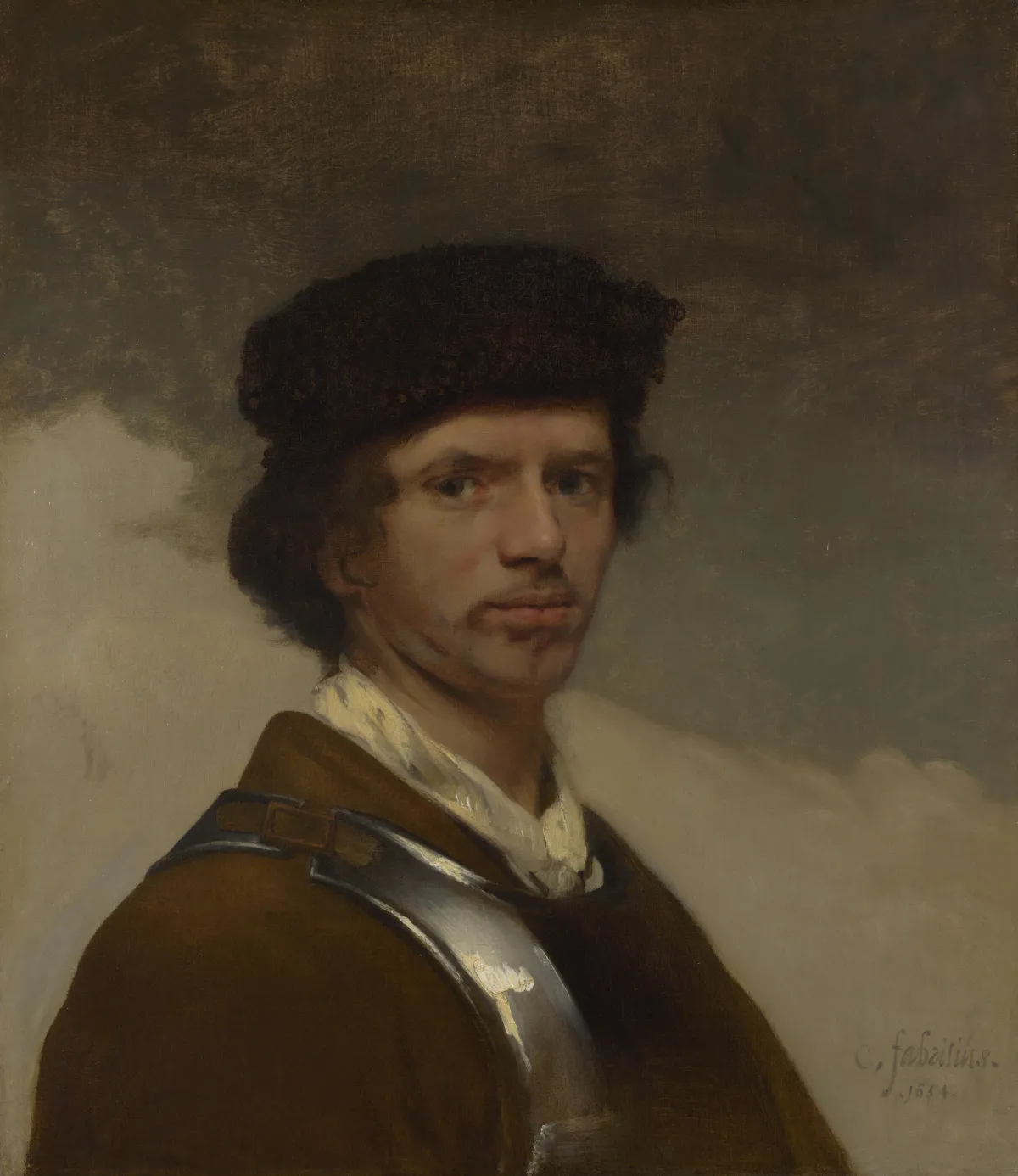
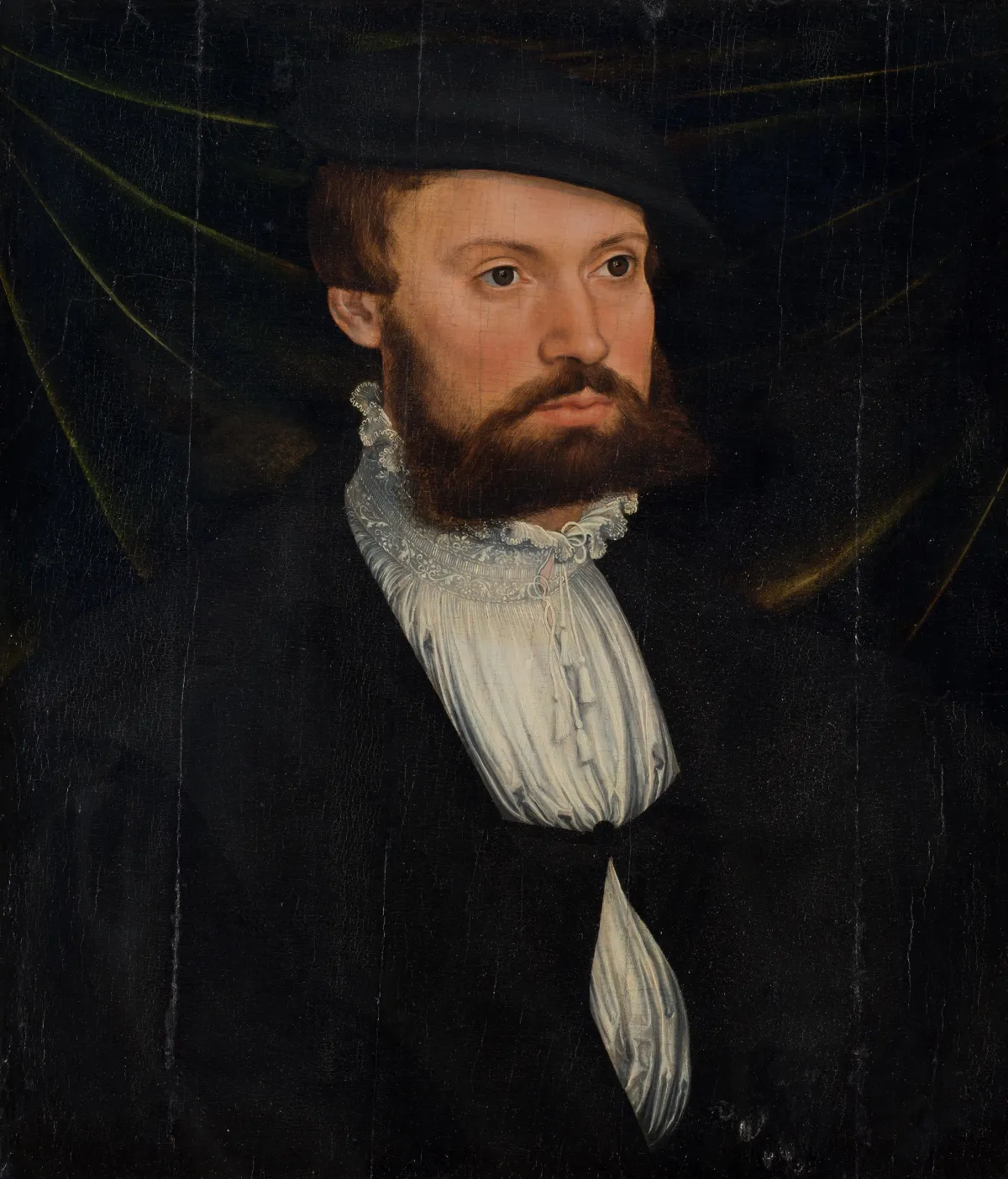
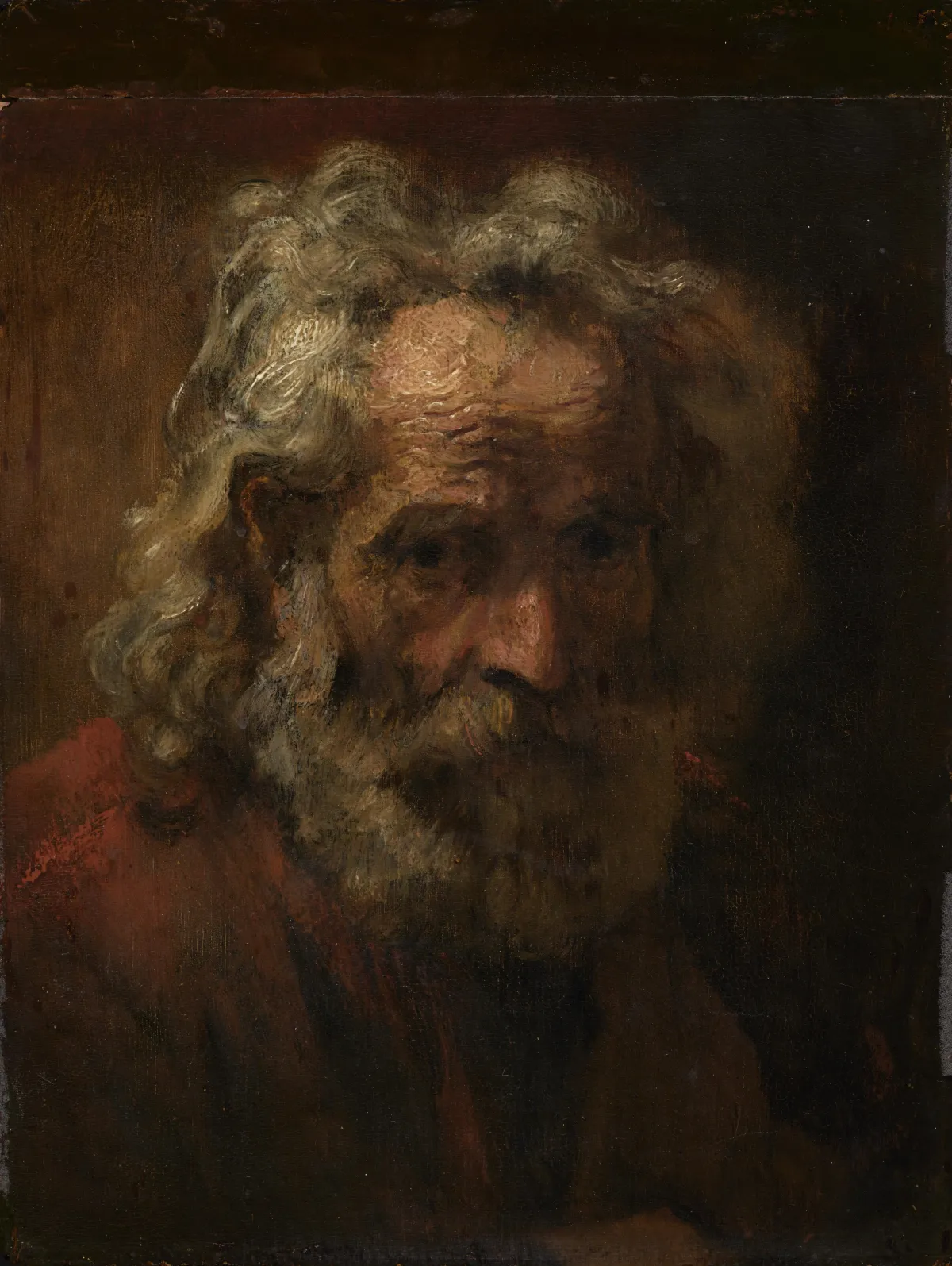
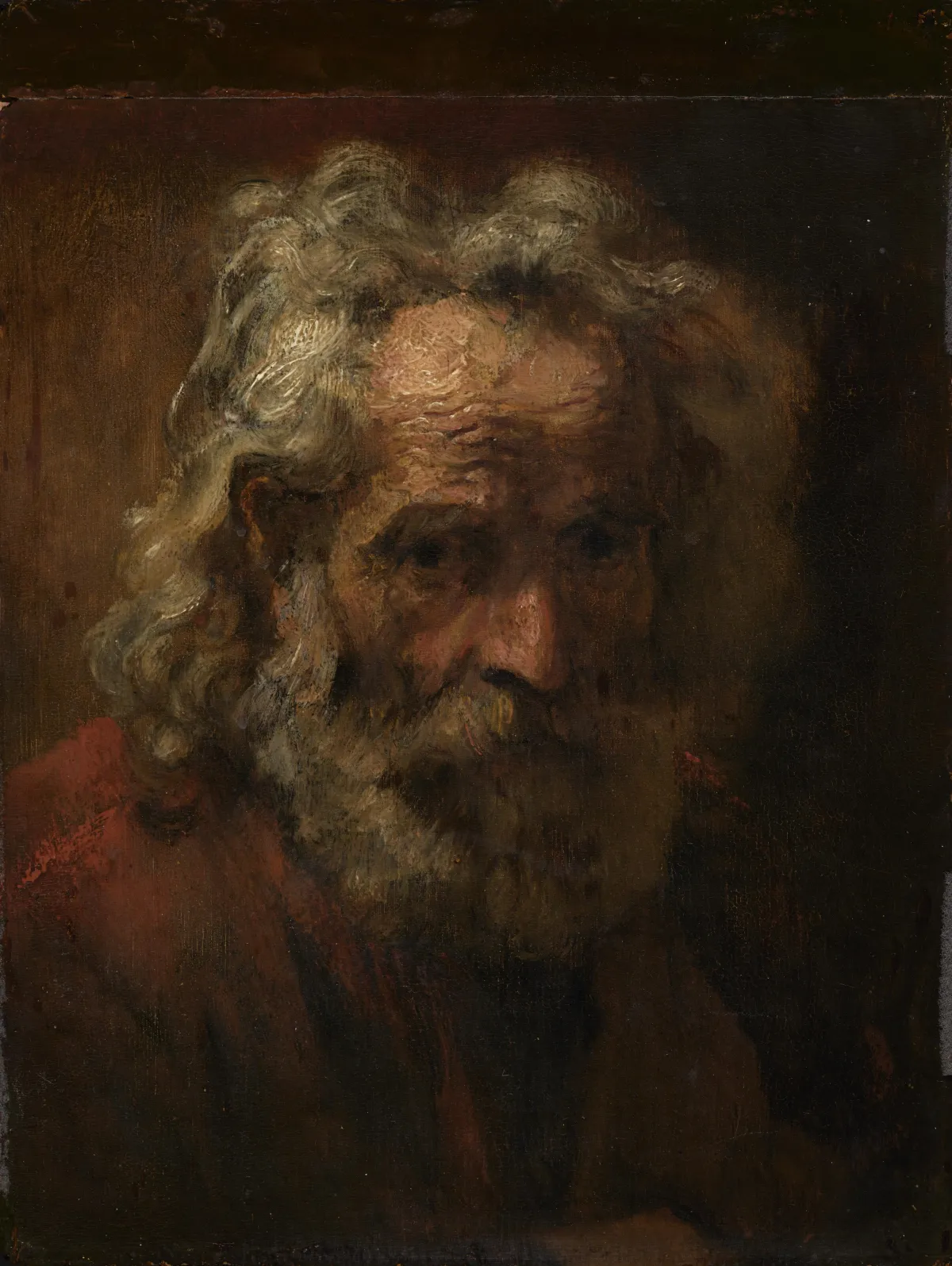
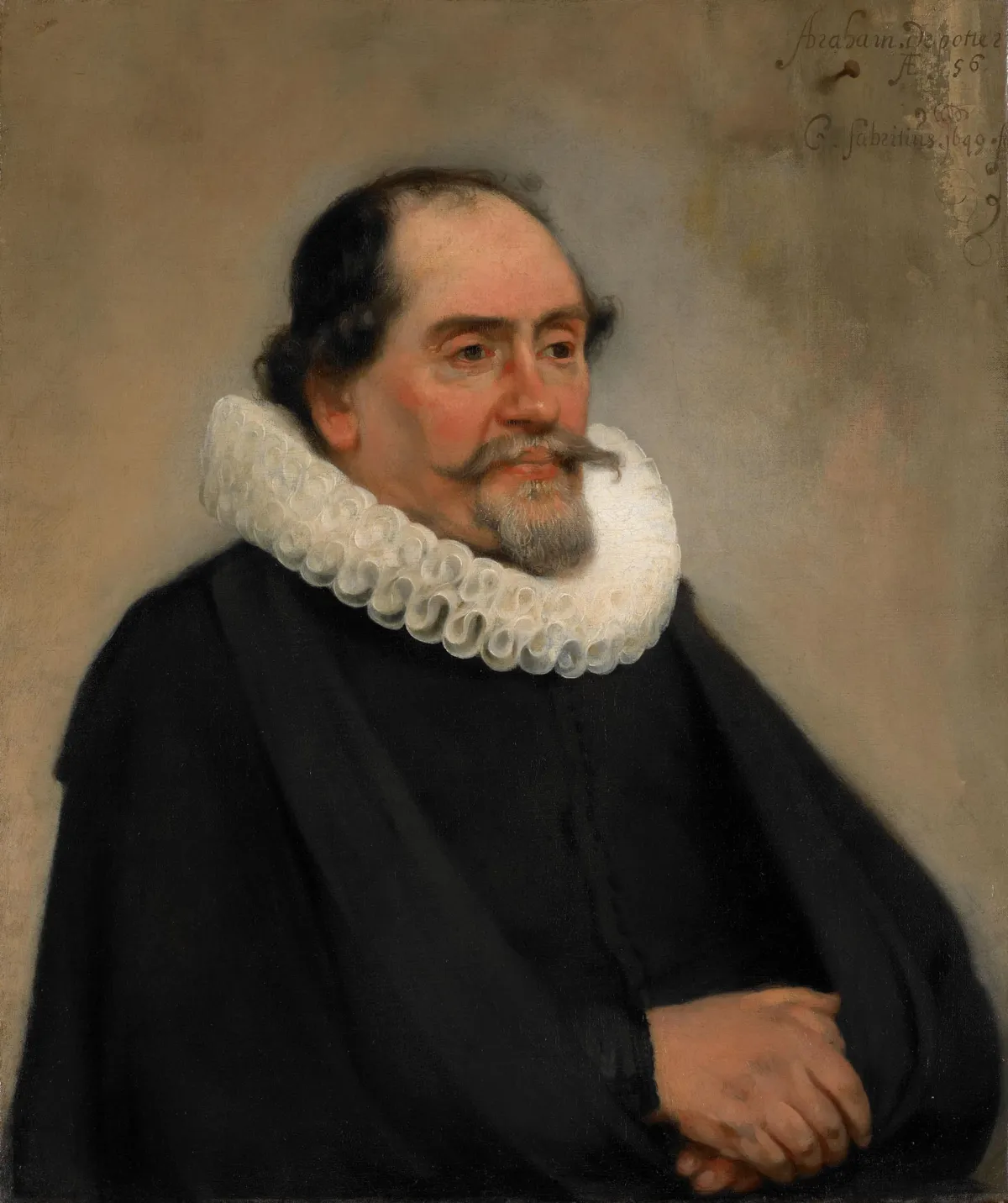
Carel Fabritius’s "Head of an Old Man" demonstrates his extraordinary control of oil on canvas, evident in the lifelike textures and subtle play of light and shadow. The Dutch Golden Age was known for its technical innovation, and Fabritius’s work exemplifies this tradition. Art lovers who admire the realism in this painting often seek out other masterpieces like "Portrait of Abraham de Potter" or "Young Man in a Fur Cap" for their collections.
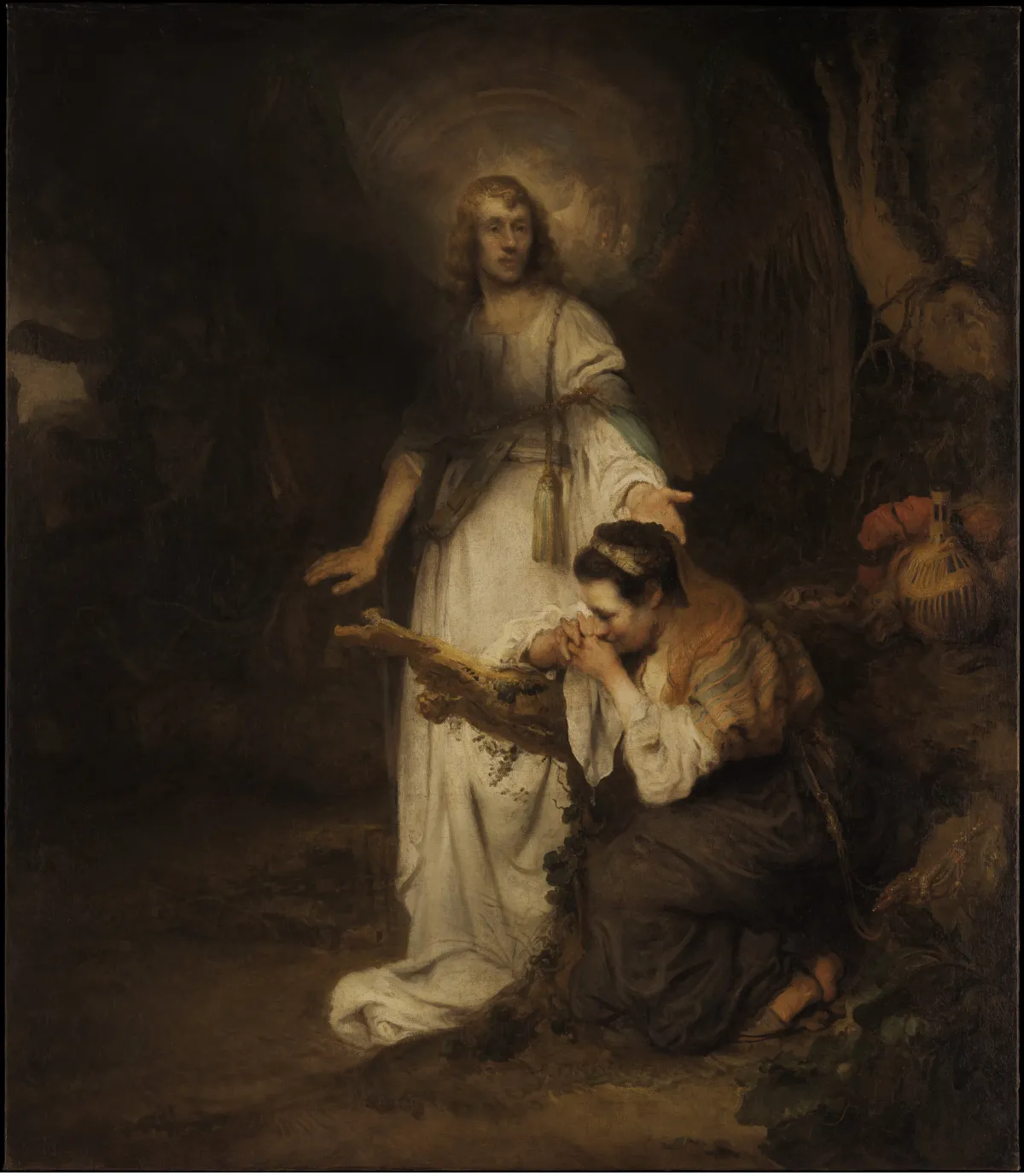
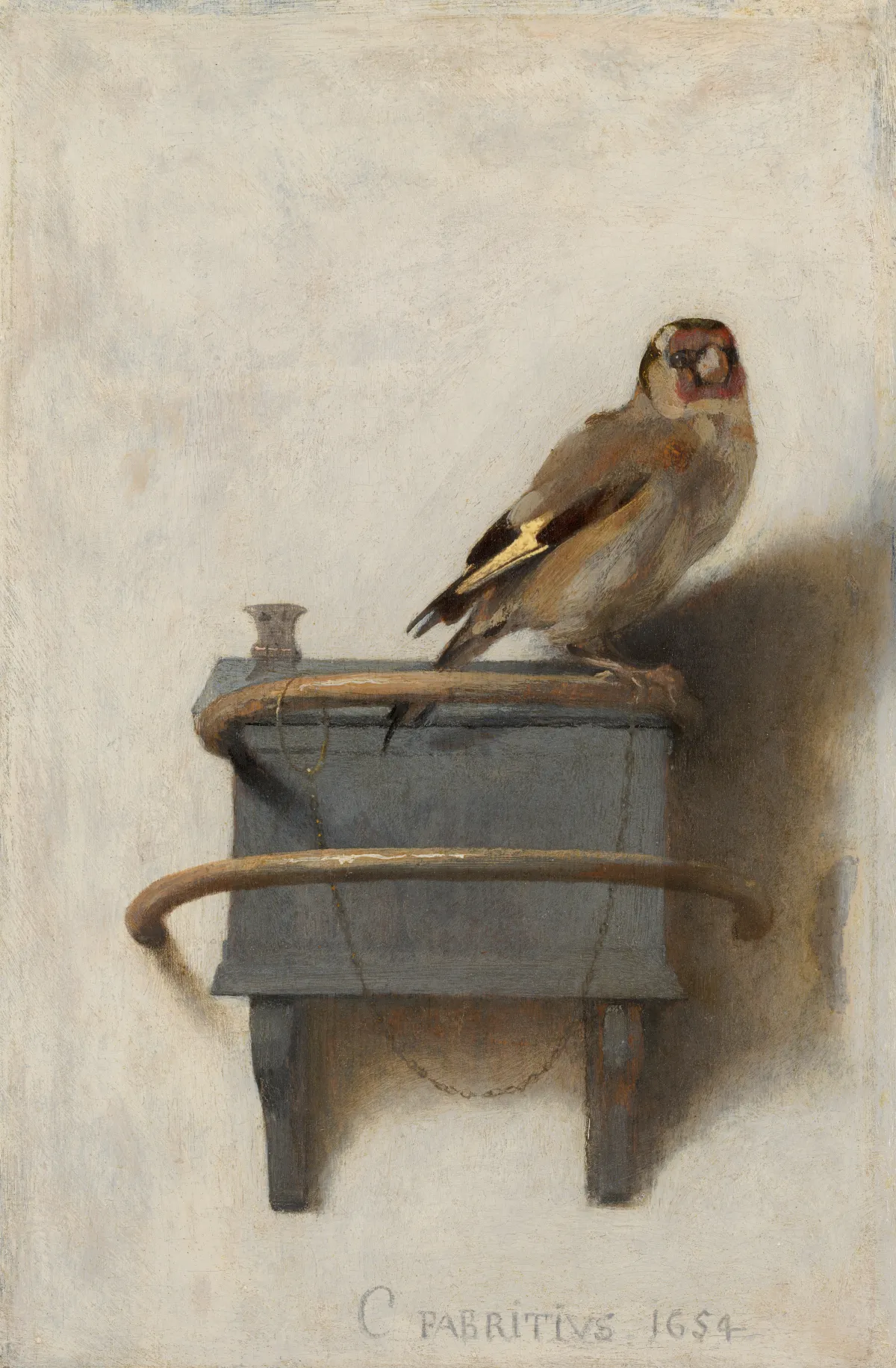
The contemplative expression in "Head of an Old Man" invites viewers to ponder the sitter’s story, a hallmark of fine art painting for sale from the Dutch Golden Age. Fabritius masterfully imbues his subject with a quiet dignity, utilizing symbolism and atmosphere. Collectors drawn to narrative depth in art may also appreciate symbolic works by Fabritius such as "Hagar and the Angel" or the evocative "A Slaughtered Ox."
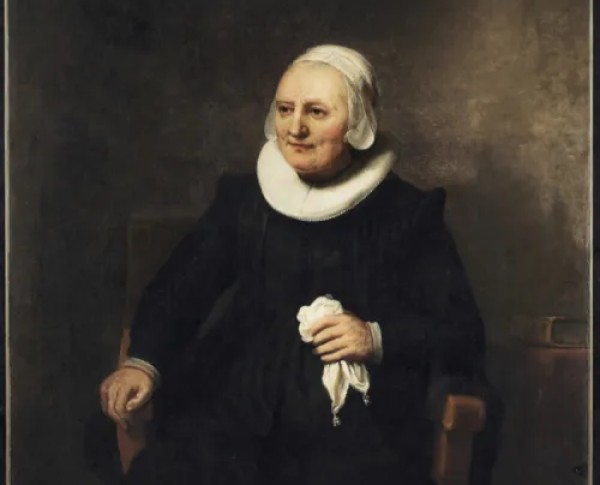
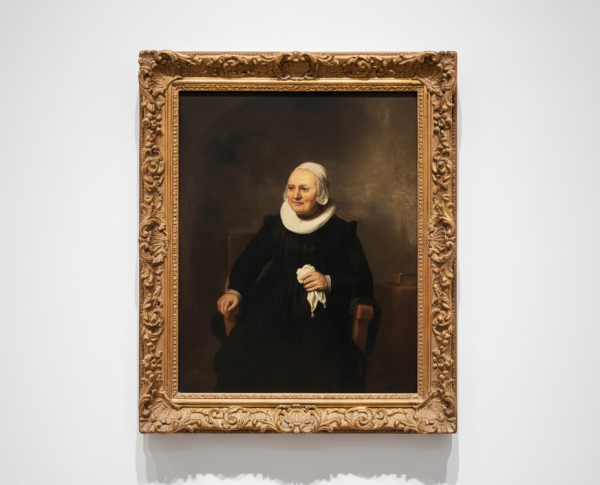
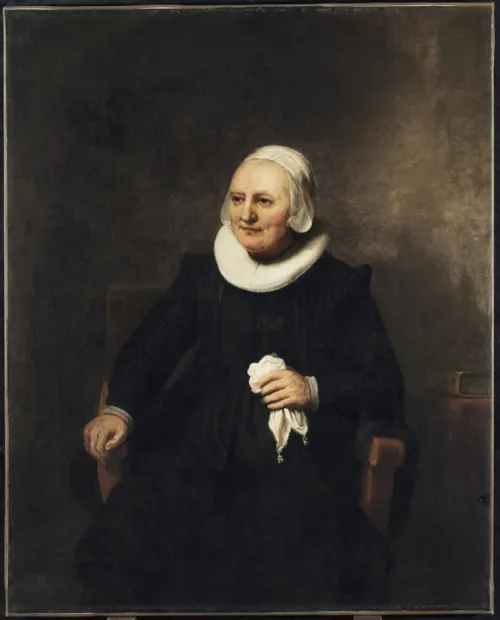
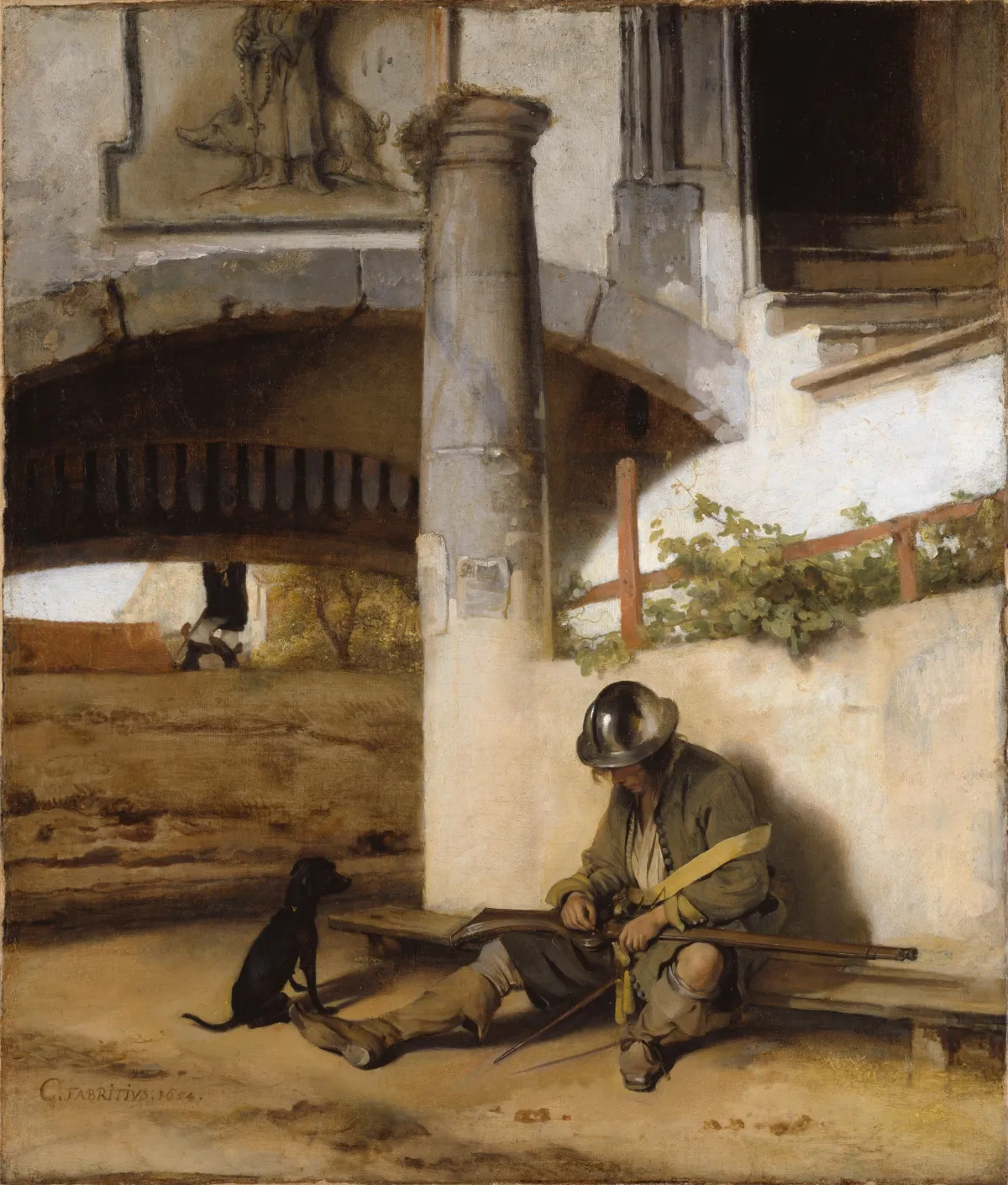
Owning "Head of an Old Man" by Carel Fabritius means possessing a piece of Dutch Golden Age history. This hand-painted oil painting is a testament to the artist’s enduring legacy and the era’s artistic brilliance. For those looking to expand their collection, related products like "The Sentry" and "Portrait of a Seated Woman with a Handkerchief" offer further opportunities to celebrate the era’s timeless beauty in fine art.
When Art Meets History
"Head of an Old Man" by Carel Fabritius is a remarkable example of the Dutch Golden Age movement. This hand-painted oil painting captures the essence of a pivotal era in European art, where realism and emotional depth were highly prized. Fabritius, a pupil of Rembrandt, contributed significantly to this movement alongside masterpieces like "The Little Street" and "The Art of Painting." His works, including this portrait, stand as enduring testaments to the period's profound artistic achievements.
Techniques That Speak
Carel Fabritius employed exceptional skill in this oil on canvas, utilizing light and shadow to create a lifelike presence. The textured brushwork and nuanced palette are hallmarks of Dutch Golden Age techniques, similar to those seen in "Man in a Golden Helmet c. 1650" and "Anatomy Lesson of Dr Tulp." Every stroke in "Head of an Old Man" demonstrates Fabritius's mastery, allowing viewers to appreciate the technical prowess behind this extraordinary piece.
Emotions on Display
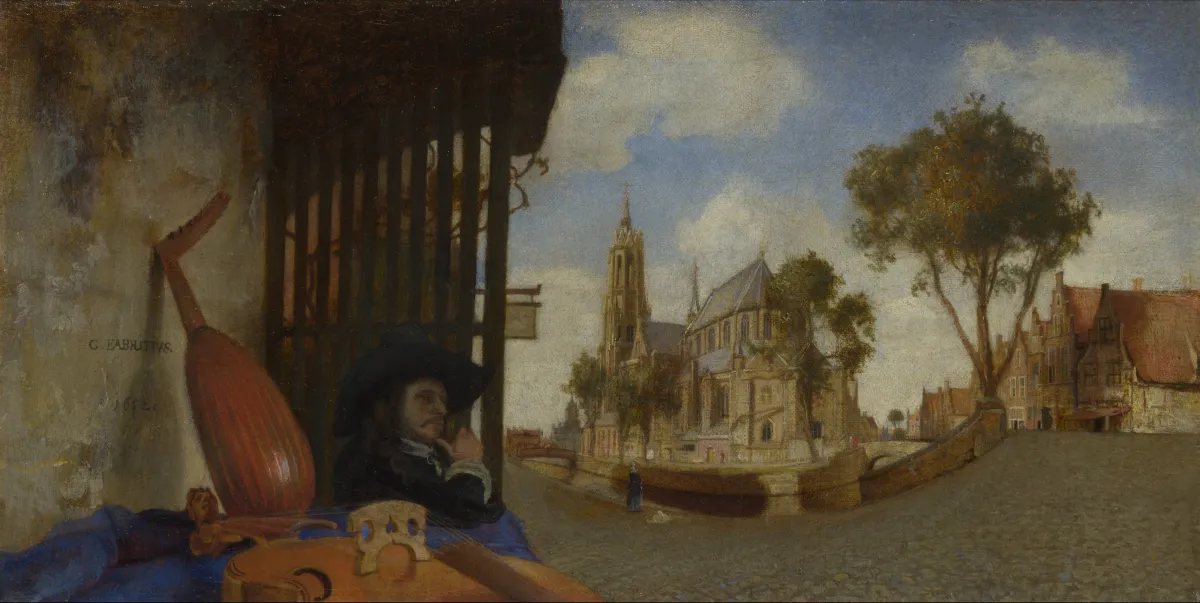
In "Head of an Old Man," Fabritius conveys a profound sense of introspection, inviting viewers to connect emotionally with the subject. Like Vermeer’s "Woman with a Lute," this fine art painting for sale captures subtle human emotions, revealing vulnerability and wisdom etched in the sitter's expression. The Dutch Golden Age was renowned for such psychological depth, and Fabritius’s interpretation stands out as a moving study of character and feeling.
Coveted by Collectors
Collectors highly value Carel Fabritius’s "Head of an Old Man" for its historical significance and artistic excellence. As with other Dutch Golden Age masterworks like "The Little Street" and "The Art of Painting," this hand-painted oil painting remains a sought-after treasure. Its rarity and the artist’s storied legacy make it a prized addition for any collection, representing a pivotal moment in the evolution of European art.
Related Dutch Golden Age Hand-Painted Oil Paintings by Other Artists
Other Famous Dutch Golden Age Artists:
Frequently Asked Questions About Head of an Old Man
What is the historical context of "Head of an Old Man"?
"Head of an Old Man" was created in the mid-17th century, during the Dutch Golden Age, a period characterized by significant advancements in art, science, and trade in the Netherlands. Carel Fabritius, the artist, was a pupil of Rembrandt and is known for his innovative techniques and unique approach to portraiture.
What artistic techniques did Carel Fabritius employ in this painting?
Fabritius utilized a technique known as chiaroscuro, which emphasizes the contrast between light and shadow to create a sense of depth and volume. His brushwork is notable for its precision and the subtle blending of colors, which contribute to the lifelike quality of the subject.
What does the subject of the painting represent?
The old man in the painting may symbolize wisdom and the passage of time. His aged features reflect a life rich with experience, inviting viewers to contemplate the narratives and histories that shape individual identities.
How does "Head of an Old Man" compare to other portraits of the time?
Unlike many contemporaneous portraits that often idealized their subjects, Fabritius's work presents a more realistic and unembellished depiction. This approach aligns with the emerging trend of realism in Dutch art, focusing on the authenticity of human experience.
What materials were used in the creation of this painting?
Carel Fabritius typically worked with oil paints on canvas, a common medium during the Dutch Golden Age. The use of oil allowed for greater flexibility in blending colors and achieving fine details, which are evident in this work.
What is the significance of the color palette in the painting?
The color palette of "Head of an Old Man" is characterized by earthy tones and muted colors, which enhance the somber and contemplative mood of the piece. These choices reflect the naturalism that was prevalent in Dutch portraiture during this era.
Who were Carel Fabritius's influences, and how are they reflected in this work?
Fabritius was heavily influenced by his mentor, Rembrandt, particularly in his use of light and shadow. However, he also incorporated elements of innovation and experimentation that distinguished his style, such as the emotional depth and psychological insight seen in the portrayal of the old man.
What themes are explored in "Head of an Old Man"?
The painting explores themes of mortality, aging, and the human condition. By focusing on an elderly subject, Fabritius invites viewers to reflect on the inevitability of aging and the wisdom that often accompanies it.
How has "Head of an Old Man" influenced modern art?
This painting has influenced modern artists by exemplifying the power of realism and emotional expression in portraiture. Fabritius's ability to convey character through subtle details has inspired contemporary artists to explore similar themes in their work.
What is the current location of "Head of an Old Man"?
"Head of an Old Man" is housed in a prominent art collection, where it continues to be studied and admired for its historical and artistic significance. The painting serves as a vital link to the rich tradition of Dutch portraiture.






















_GFM_Painting_(1).webp)


 100% Hand-Painted: Finished in 3-6 Weeks

.png)
















_(1).webp)