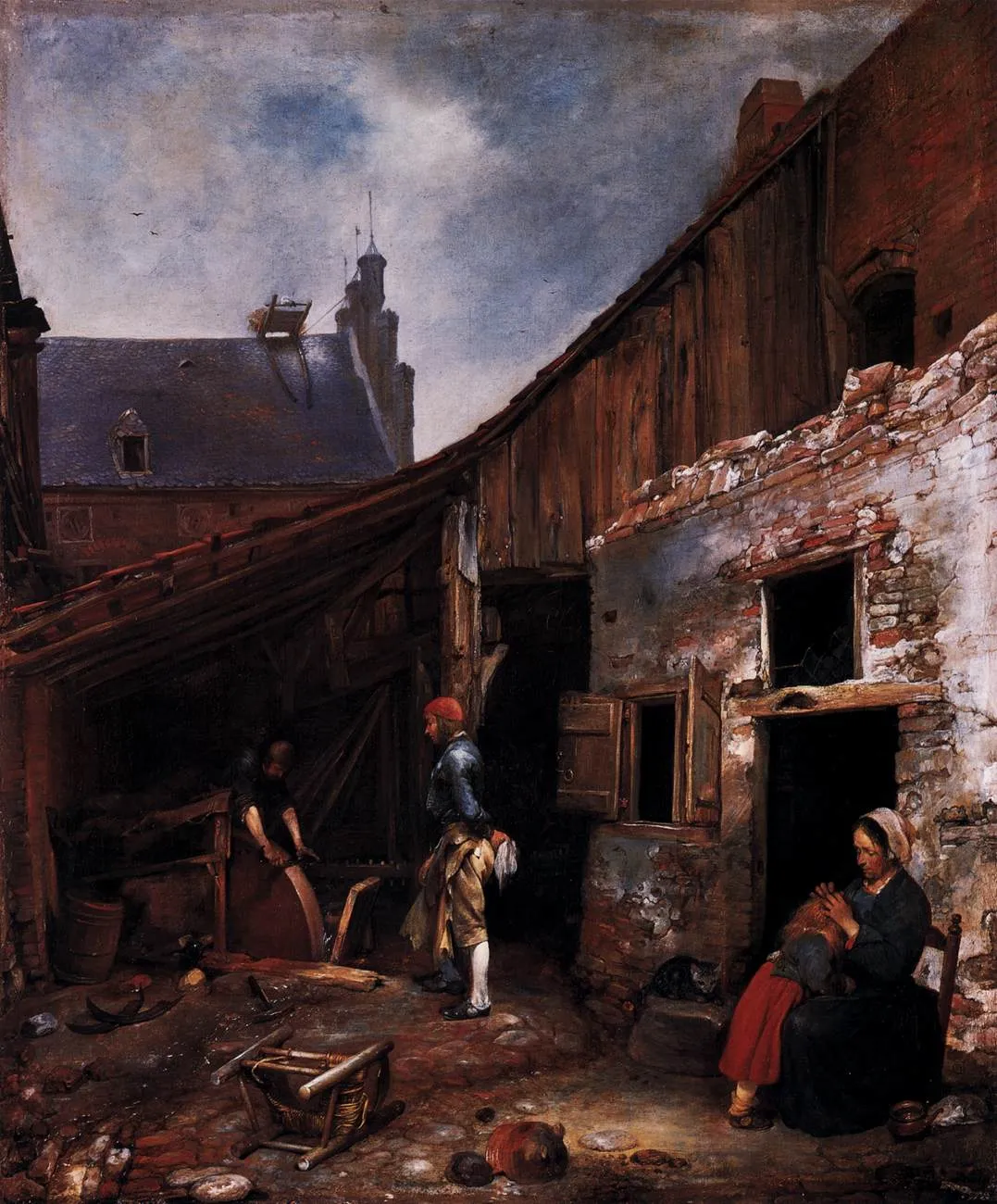
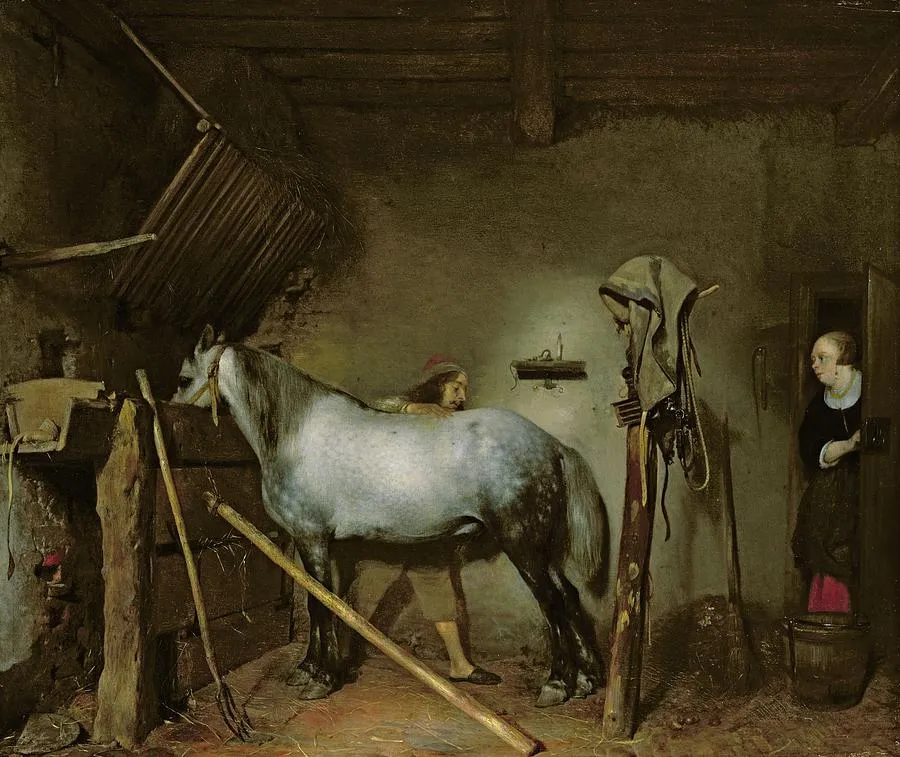
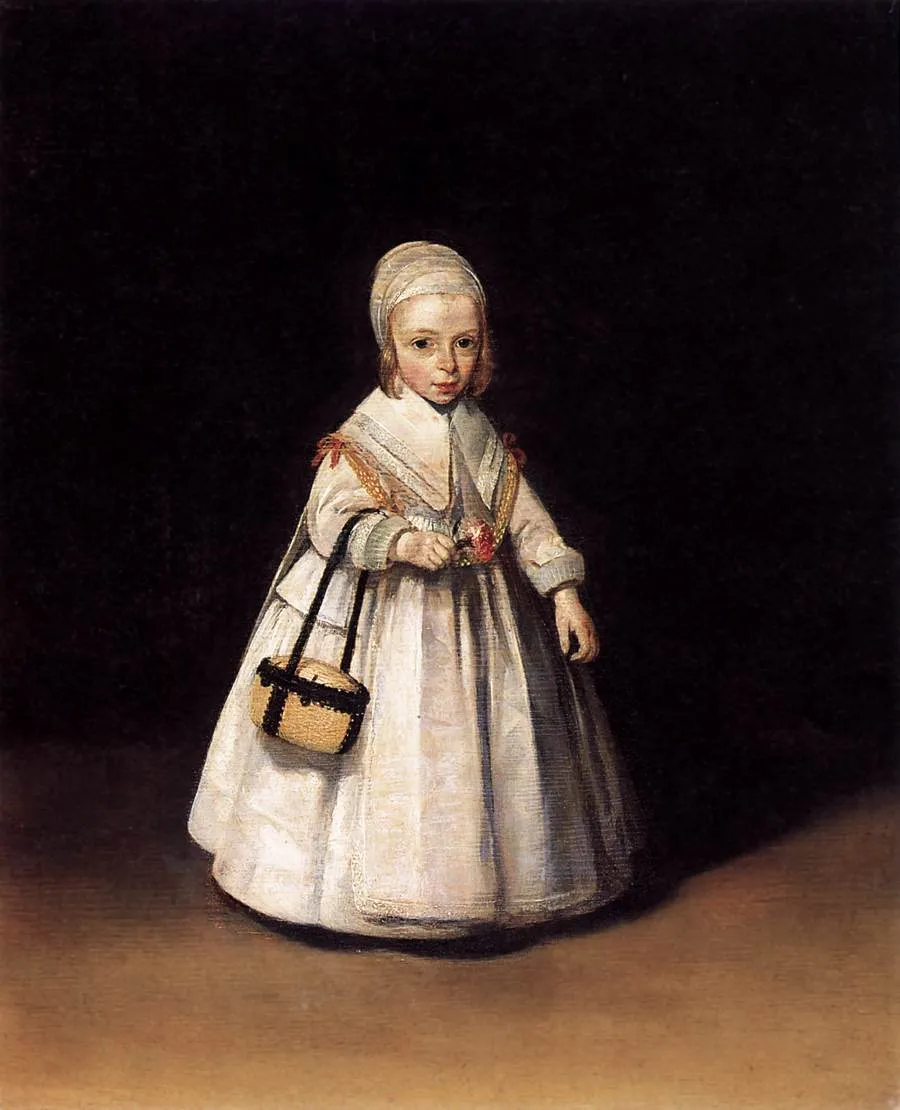
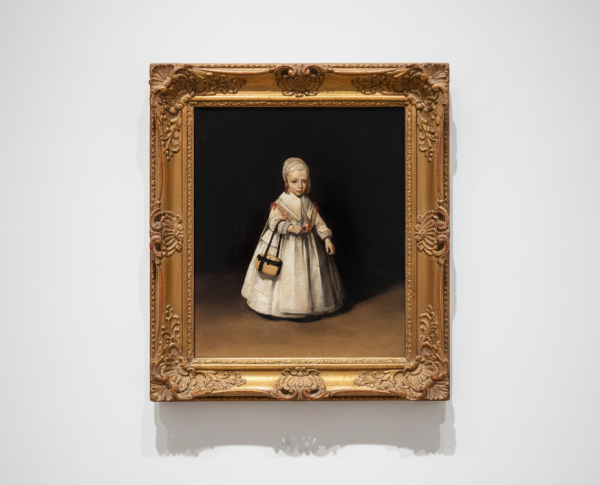
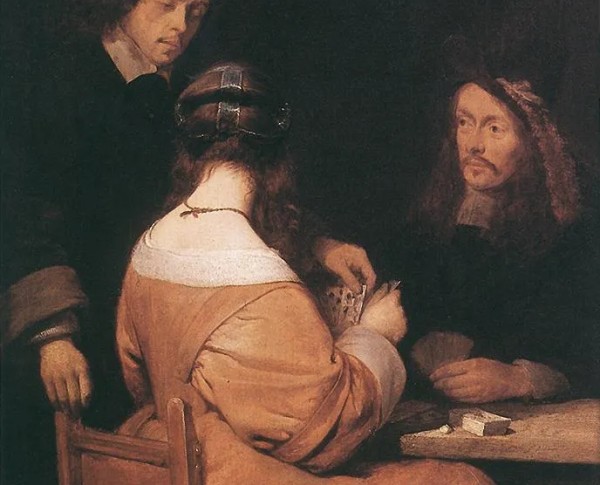
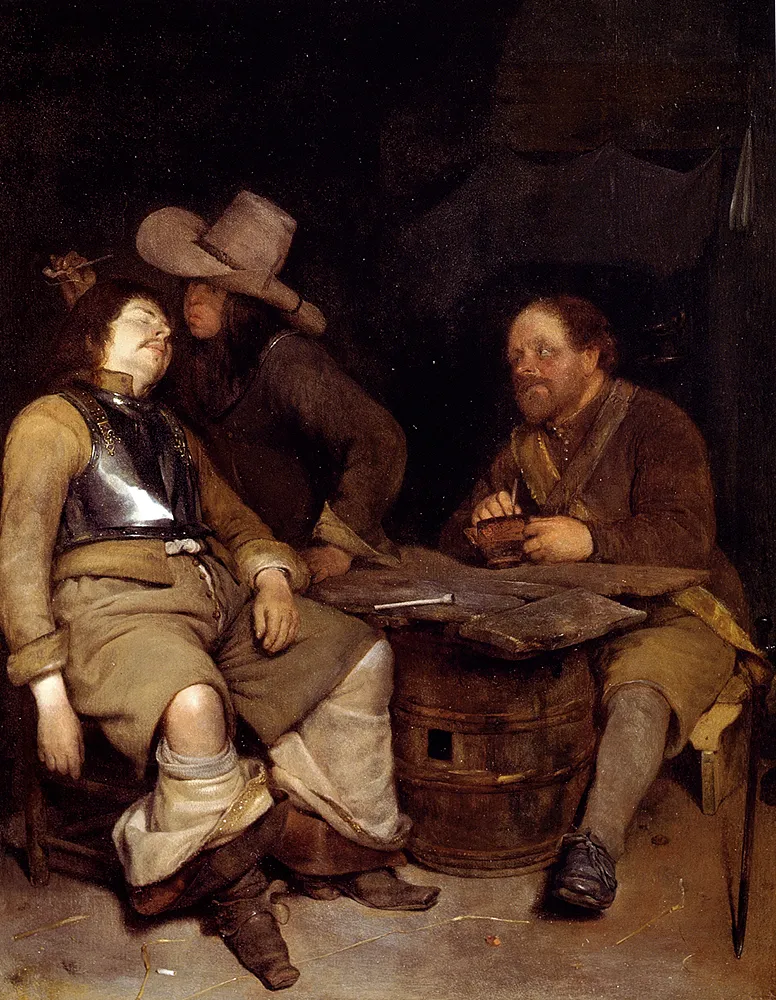
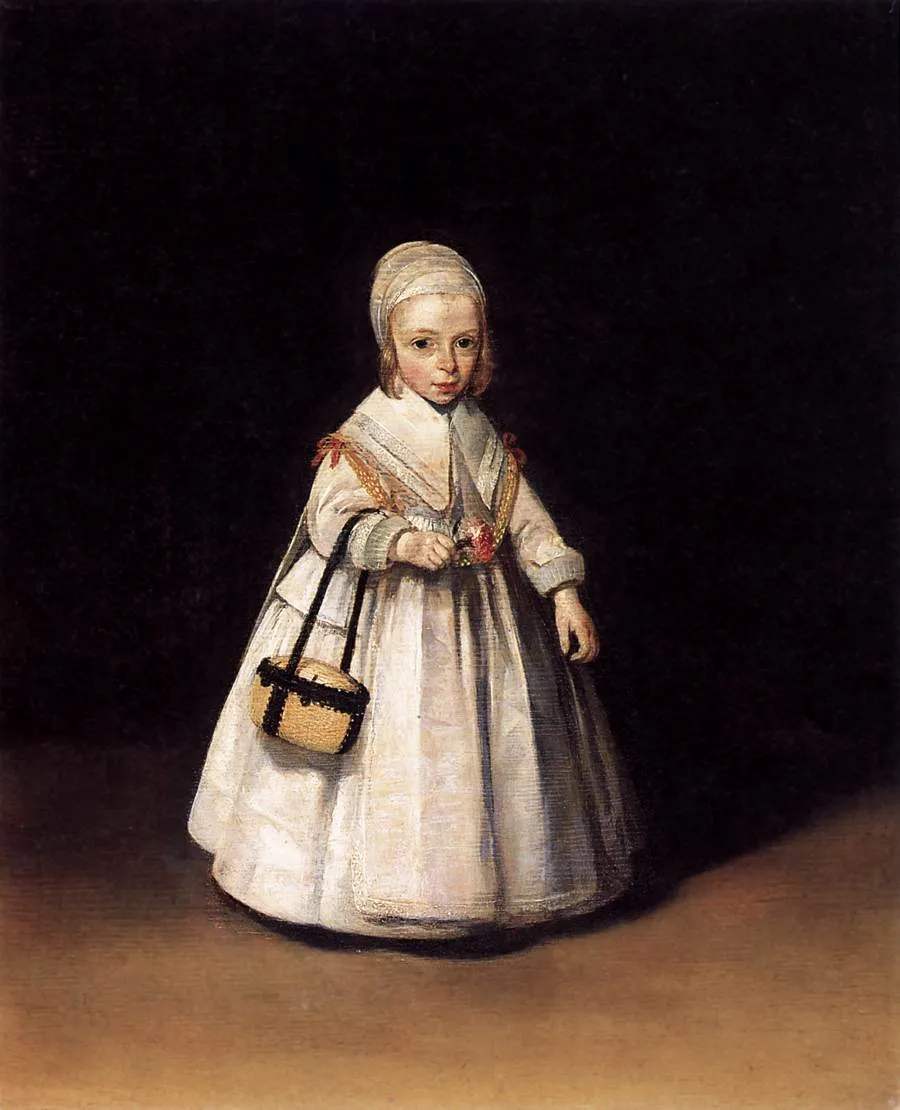
This remarkable oil on canvas demonstrates Terborch’s mastery of texture, light, and realistic detail. The Baroque movement’s emphasis on dramatic contrast and lifelike representation is evident in every brushstroke. The painting’s rich tones and subtle play of light create a vivid scene, inviting viewers into the intimate world of the guards. For enthusiasts seeking a fine art painting for sale, Terborch’s related works like "Helena van der Schalcke as a Child" offer similar technical brilliance.
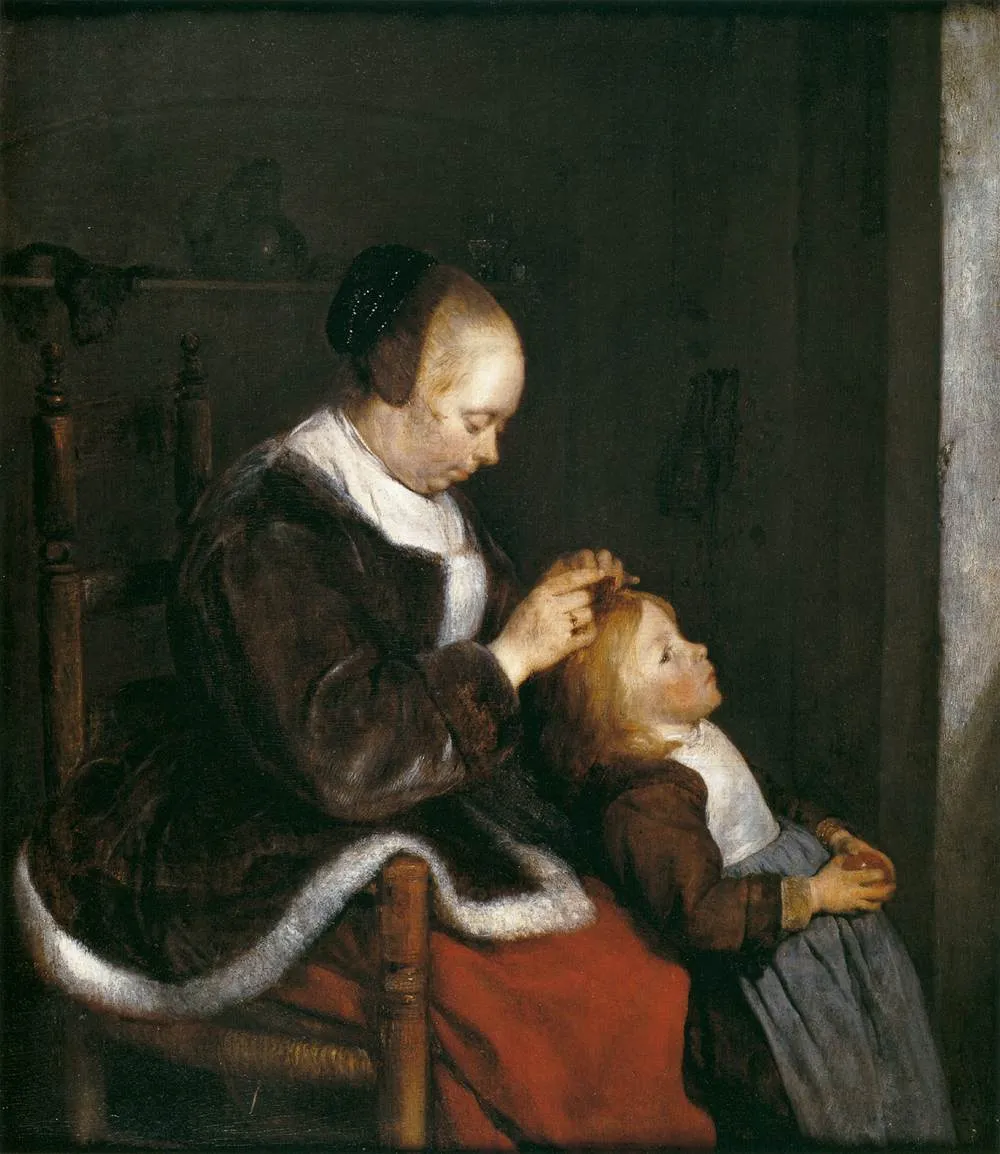
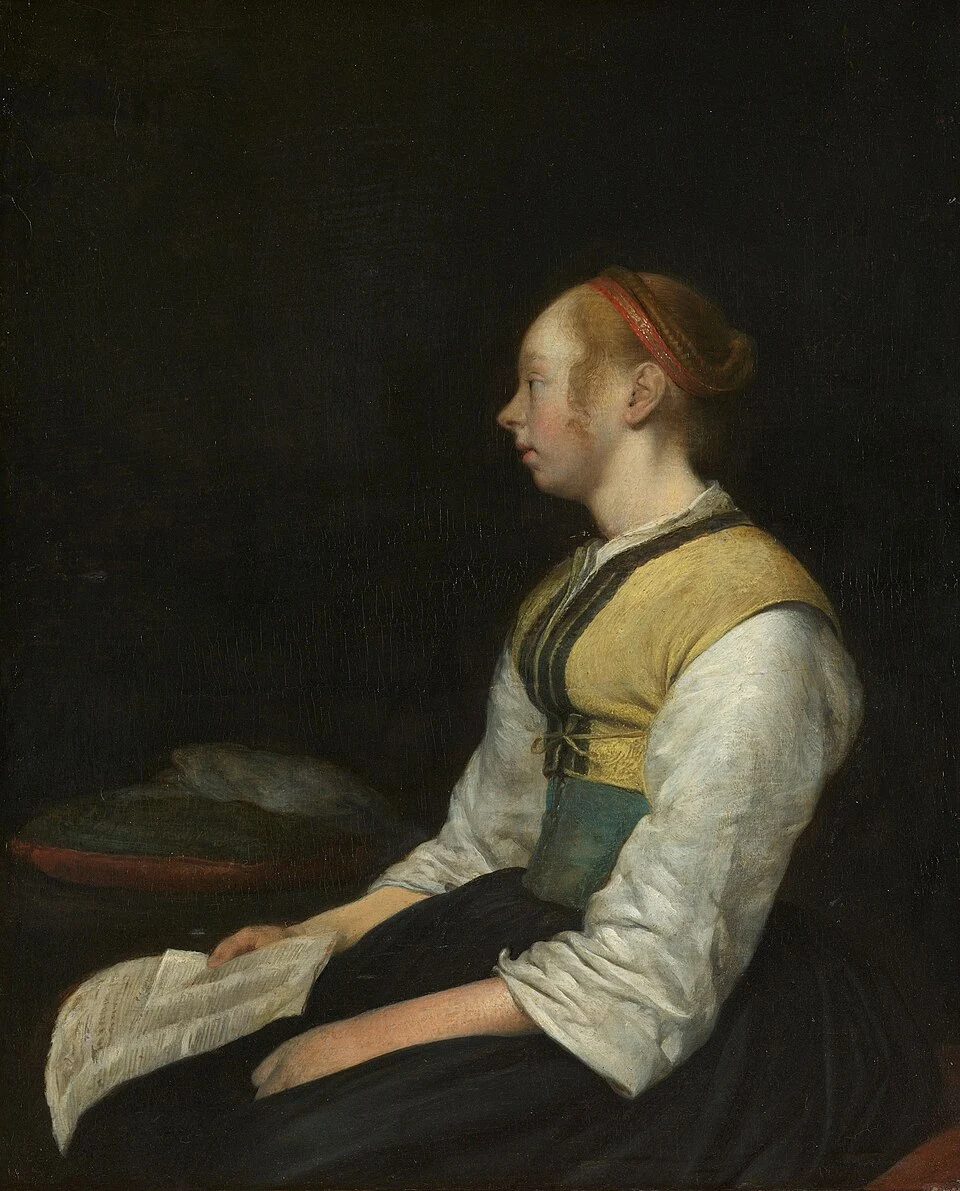
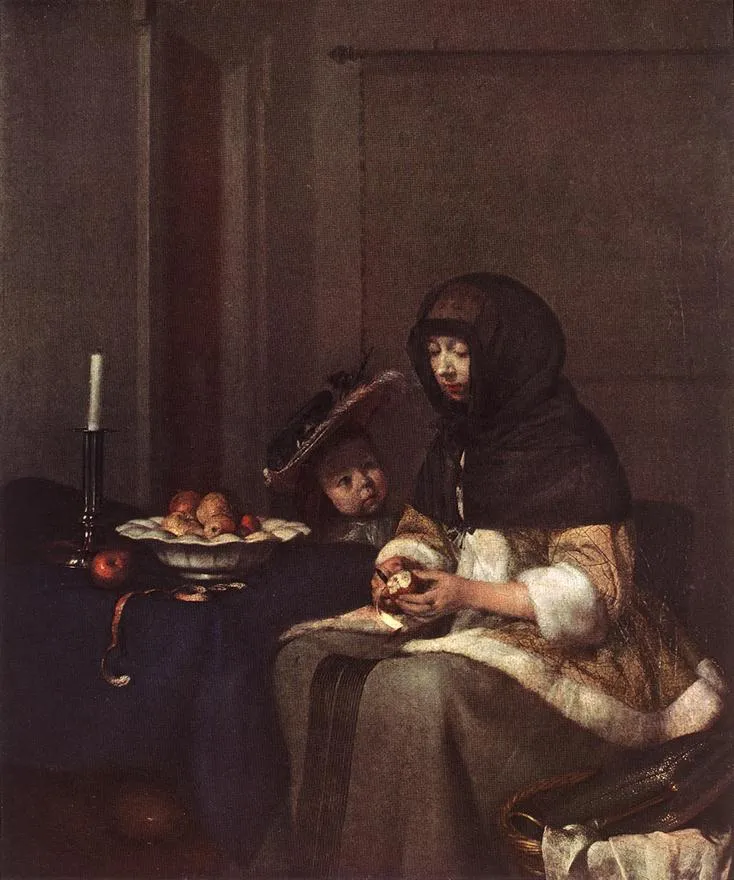
In "A Guard Room Interior With A Soldier Blowing Smoke In The Face Of His Sleeping Companion," Terborch weaves a narrative filled with humor and subtle symbolism. The interaction between the soldiers captures the human side of military life, a hallmark of Baroque genre scenes. This hand-painted oil painting invites the viewer to interpret the relationship and underlying messages. Collectors may find parallels in "Girl in Peasant Costume Probably Gesina the Painter's Half Sister" and "Woman Peeling Apple."
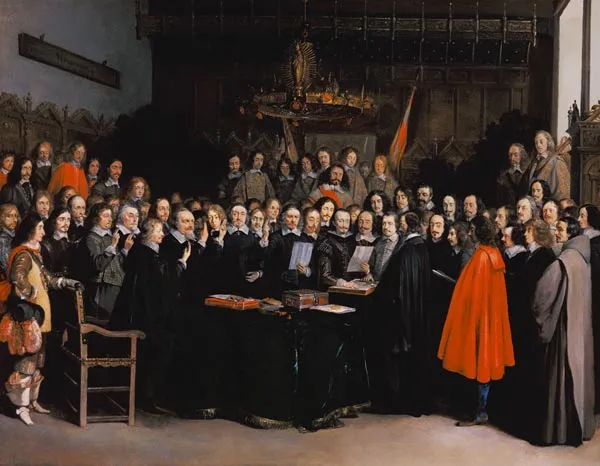
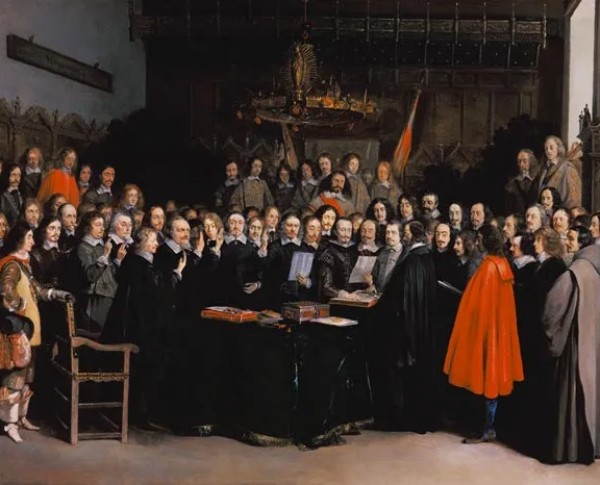
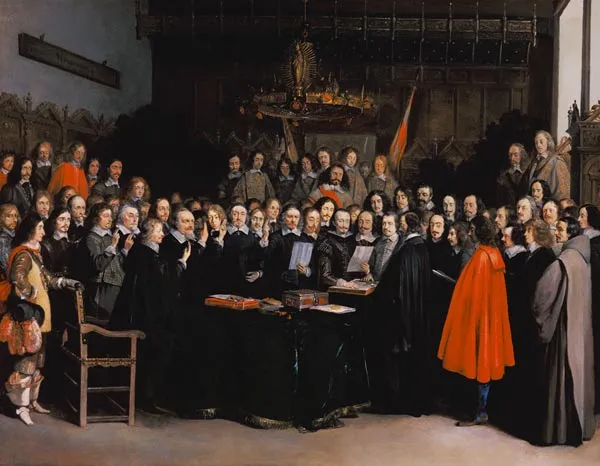
Owning a Gerard Terborch oil on canvas is a testament to a collector’s appreciation for history and artistry. "A Guard Room Interior With A Soldier Blowing Smoke In The Face Of His Sleeping Companion" is a fine art painting for sale that enriches any collection with its narrative depth and technical excellence. Other coveted pieces, such as "The Swearing of the Oath of Ratification of the Treaty of Munster," share Terborch’s distinctive style and are highly sought after by lovers of Baroque art.
When Art Meets History
"A Guard Room Interior With A Soldier Blowing Smoke In The Face Of His Sleeping Companion" by Gerard Terborch is a remarkable example of Baroque artistry. Painted during a period of social and military upheaval, this hand-painted oil painting captures a slice of everyday life in the 17th century. Terborch, known for his attention to detail and psychological insight, also created masterpieces like "The Lute Player" and "Apostle St Andrew," contributing greatly to the Baroque movement.
Techniques That Speak
Gerard Terborch’s mastery shines through his technique in this oil on canvas work. The careful rendering of light and shadow, combined with the subtle textures of fabric and smoke, showcases the hallmarks of Baroque painting. The composition resonates with works like "Judith Beheading Holofernes (Caravaggio)" and "Portrait of Maffeo Barberini," where the dramatic interplay of illumination and realism brings the scene vividly to life.
Emotions on Display
The emotional depth in Terborch’s "A Guard Room Interior With A Soldier Blowing Smoke In The Face Of His Sleeping Companion" is palpable. The painting captures a moment of mischief and vulnerability, highlighting the intimacy and camaraderie among soldiers. This fine art painting for sale stands alongside works such as "Appearance of St Peter to St Peter Nolasco," revealing the Baroque era’s fascination with human emotion and narrative storytelling.
Coveted by Collectors
Collectors highly prize Terborch’s paintings, and "A Guard Room Interior With A Soldier Blowing Smoke In The Face Of His Sleeping Companion" is no exception. As a significant Baroque hand-painted oil painting, it draws interest from those seeking to own a piece of art history. Alongside related masterpieces like "The Lute Player" and "Portrait of Maffeo Barberini," this work represents the enduring appeal of Baroque fine art among discerning collectors.
Related Baroque Hand-Painted Oil Paintings by Other Artists
Other Famous Baroque Artists:
Frequently Asked Questions About A Guard Room Interior With A Soldier Blowing Smoke In The Face Of His Sleeping Companion
What is the historical context of this painting?
This painting, created by Gerard Terborch in the 17th century, reflects the everyday life of soldiers during the Dutch Golden Age, a period marked by military conflict and cultural flourishing in the Netherlands.
What artistic techniques did Gerard Terborch employ in this work?
Terborch is known for his meticulous attention to detail and use of light. In this painting, he employs chiaroscuro to create depth and focus on the figures, enhancing the realism of the scene.
What is the significance of the soldier blowing smoke in the face of his companion?
The act of blowing smoke can be interpreted as a playful or teasing gesture, highlighting camaraderie among soldiers. It also serves to contrast the themes of vigilance and rest within the military context.
How does this painting reflect the genre of genre painting?
This work is a prime example of genre painting, which depicts scenes of everyday life. Terborch captures a moment of intimacy and humor, inviting viewers to engage with the mundane aspects of soldier life.
What role does light play in the composition of this painting?
Light is strategically used to draw attention to the figures and their expressions, creating a focal point that enhances the narrative. The soft illumination also contributes to the overall mood of the scene.
What can be inferred about the relationship between the two soldiers?
The interaction between the soldiers suggests a bond forged through shared experiences in the military. The playful act of blowing smoke indicates a level of comfort and familiarity, typical among comrades.
How does Terborch's style compare to other Dutch masters of his time?
Terborch's style is characterized by a focus on intimate, domestic scenes, differing from the grand historical or religious themes often explored by contemporaries like Rembrandt and Vermeer. His work emphasizes the subtleties of human interaction.
What materials did Terborch likely use for this painting?
Gerard Terborch typically used oil on canvas, a popular medium during the Dutch Golden Age, allowing for rich color and detailed textures that enhance the lifelike quality of his subjects.
What themes are prevalent in this painting?
The painting explores themes of camaraderie, the duality of military life—between duty and leisure—and the human experience of vulnerability, as depicted by the sleeping soldier.
How has this painting been received by art critics over time?
Over the years, art critics have praised Terborch's ability to capture the nuances of human emotion and interaction. This work is often highlighted for its technical skill and its insightful commentary on soldier life.






















_GFM_Painting_(1).webp)


 100% Hand-Painted: Finished in 3-6 Weeks

.png)















_(1).webp)