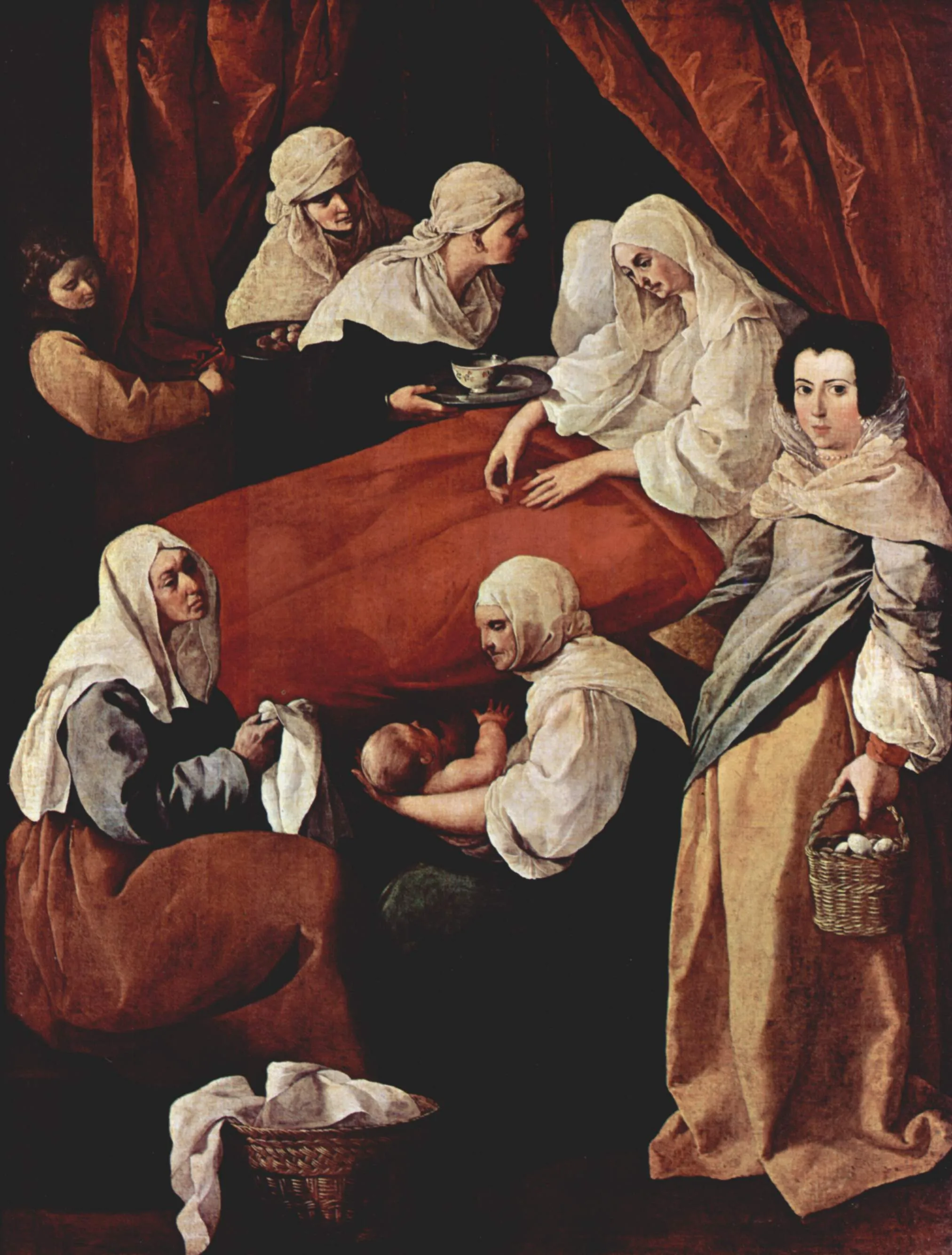
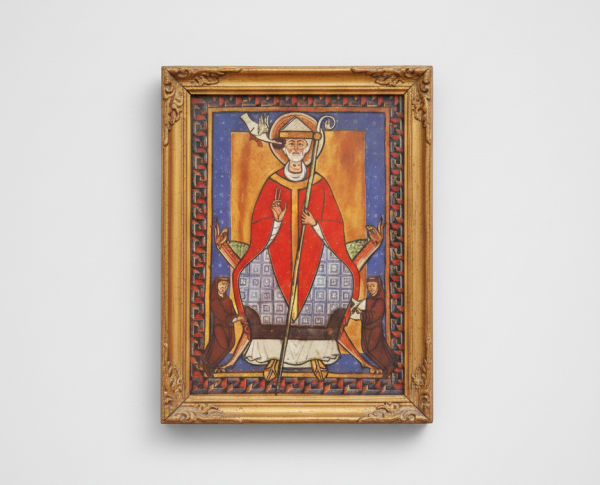
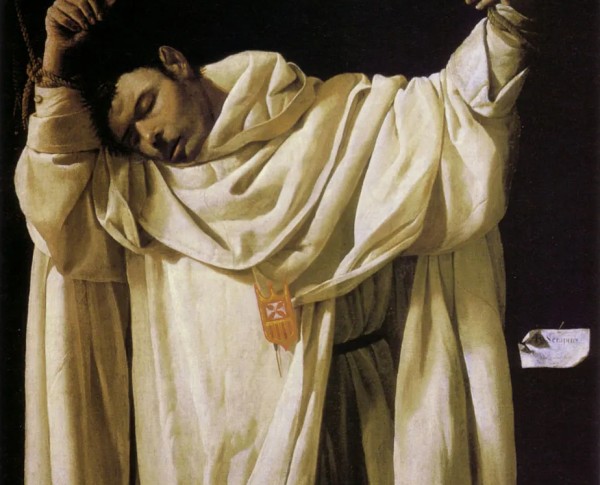
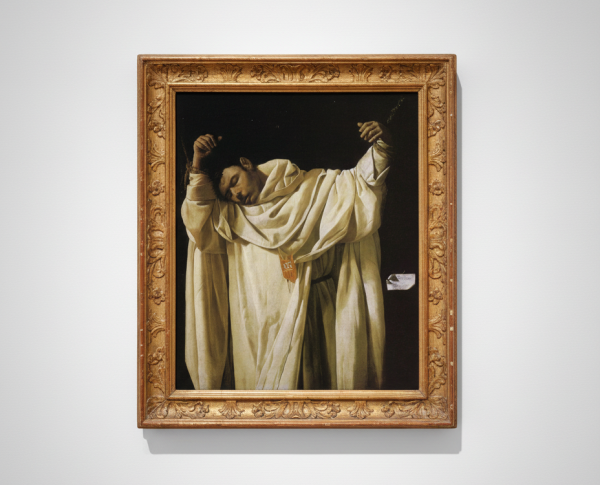
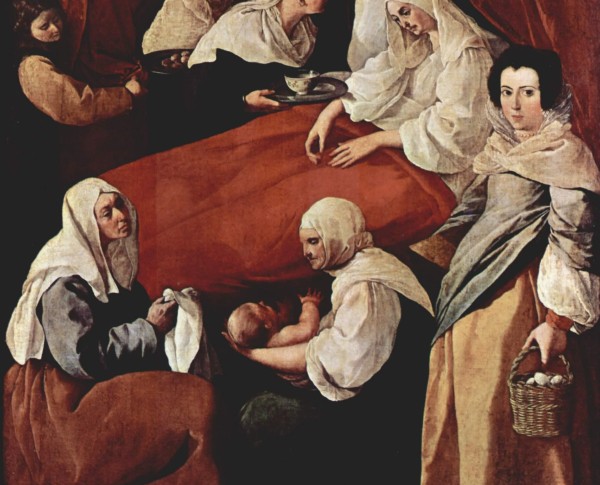
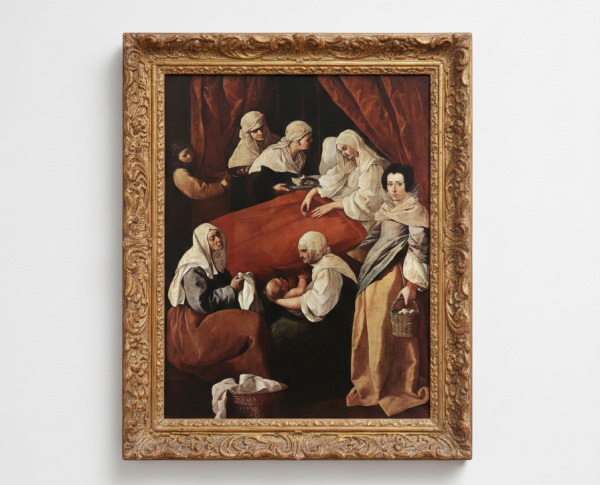
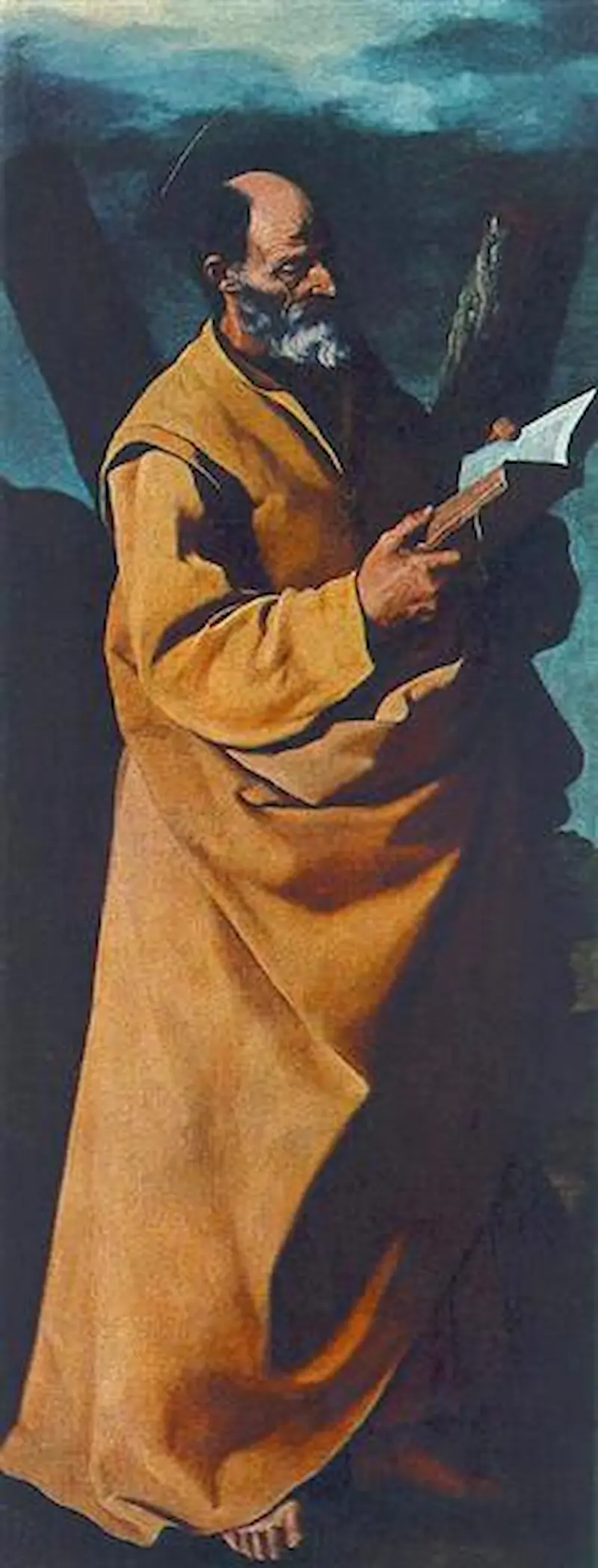
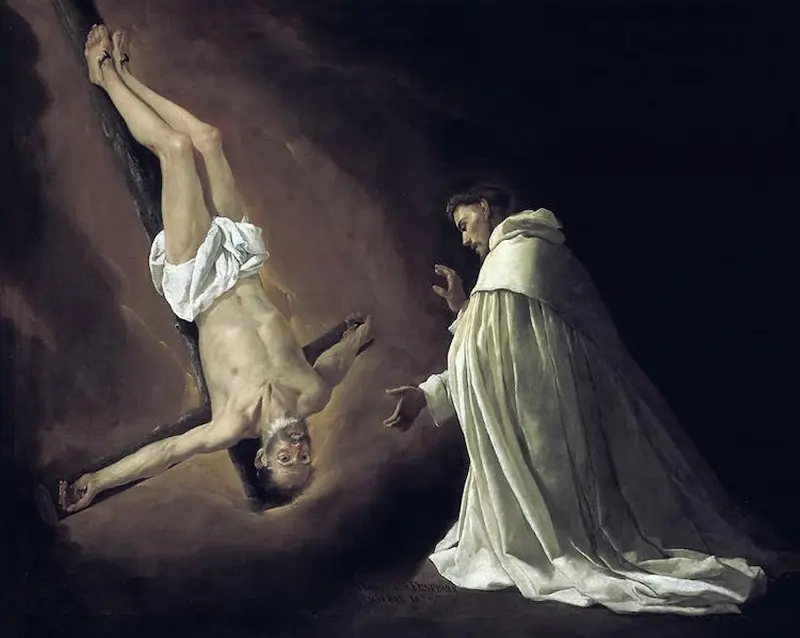
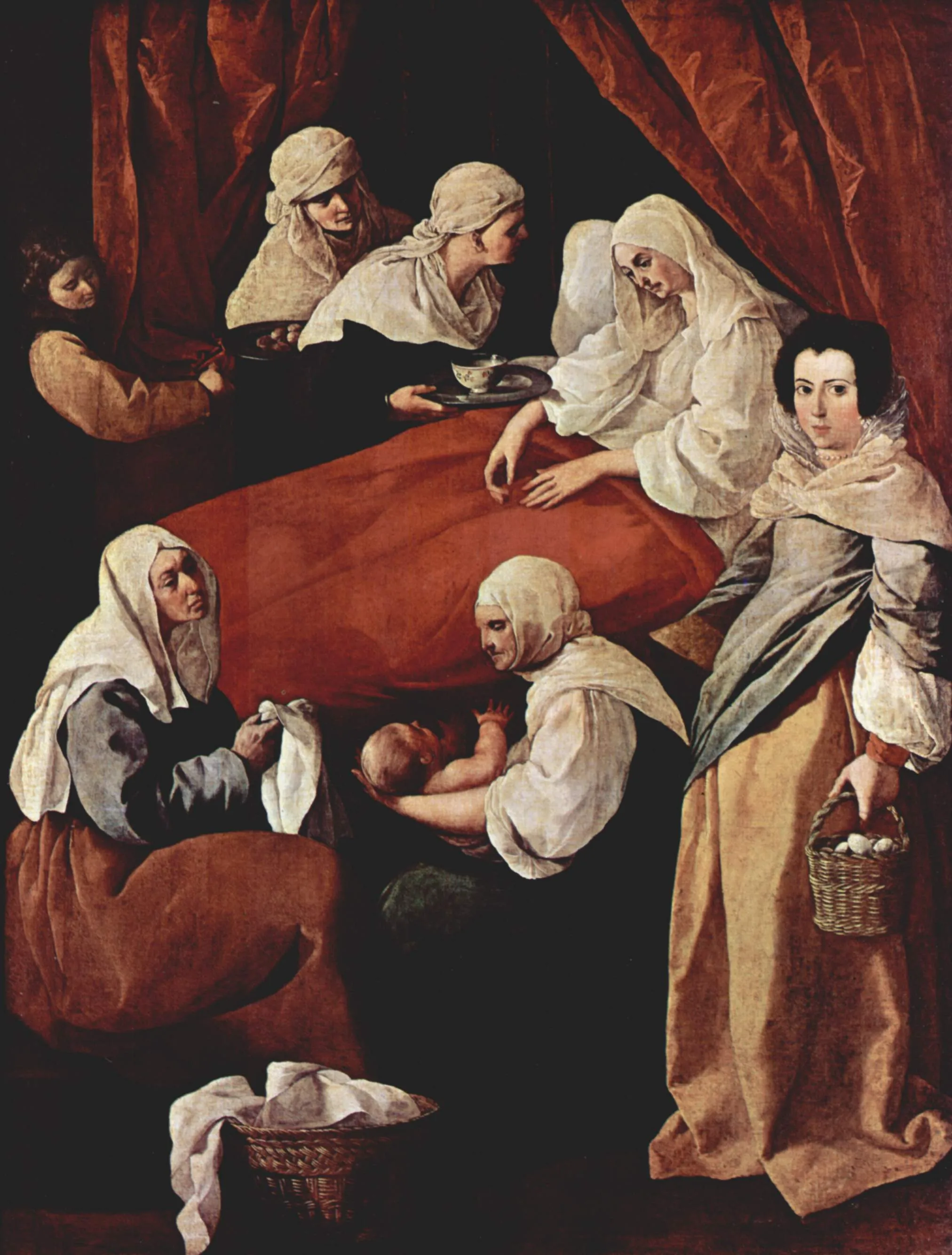
The technique in "Apostle St Andrew" demonstrates Zurbaran’s exceptional control over oil on canvas, a hallmark of the Baroque era. His mastery is evident in the detailed rendering of fabric textures and the lifelike portrayal of the apostle’s expression. Collectors of works like "Birth of the Virgin" and "Vision of St Peter Nolasco" will appreciate the same meticulous brushwork and dramatic contrasts that make this painting a must-have for any serious art collection.
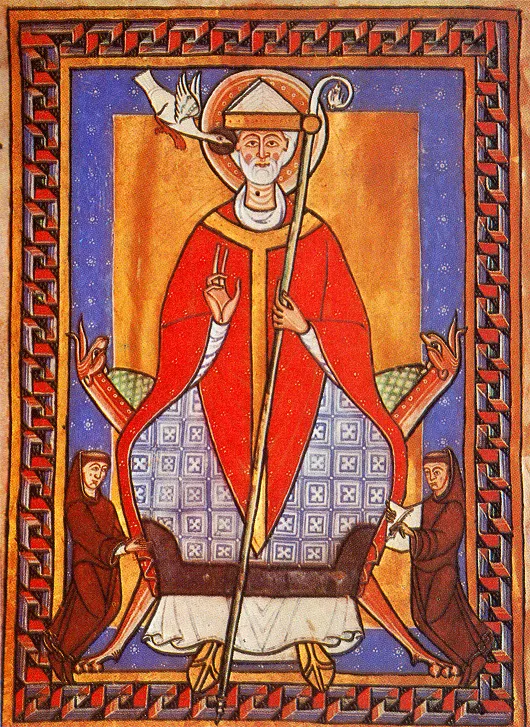
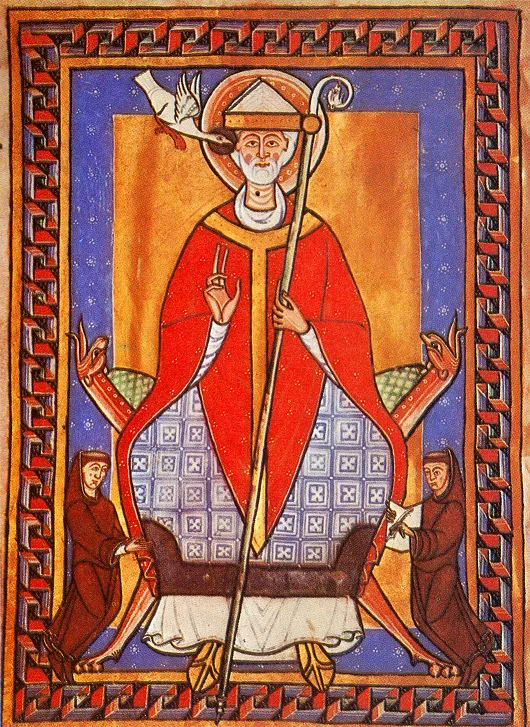
In "Apostle St Andrew," Zurbaran weaves symbolic elements that reflect the apostle’s faith and martyrdom, using the rich visual language characteristic of Baroque fine art painting for sale. The composition’s subtle details invite viewers to explore a narrative akin to those found in "Appearance of St Peter to St Peter Nolasco" and "St Gregory." Such storytelling through symbolism is a defining trait of the artist’s revered works.
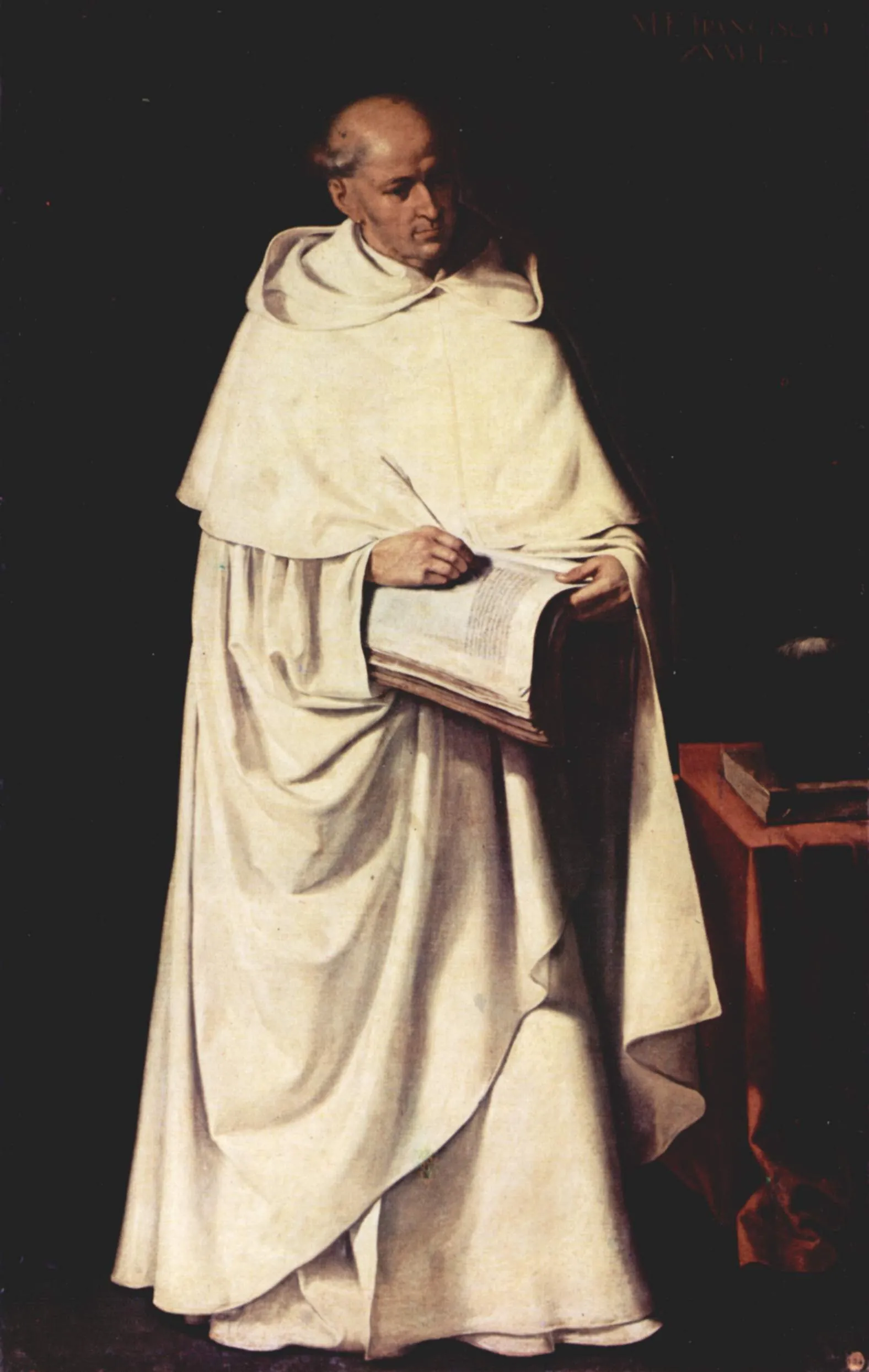
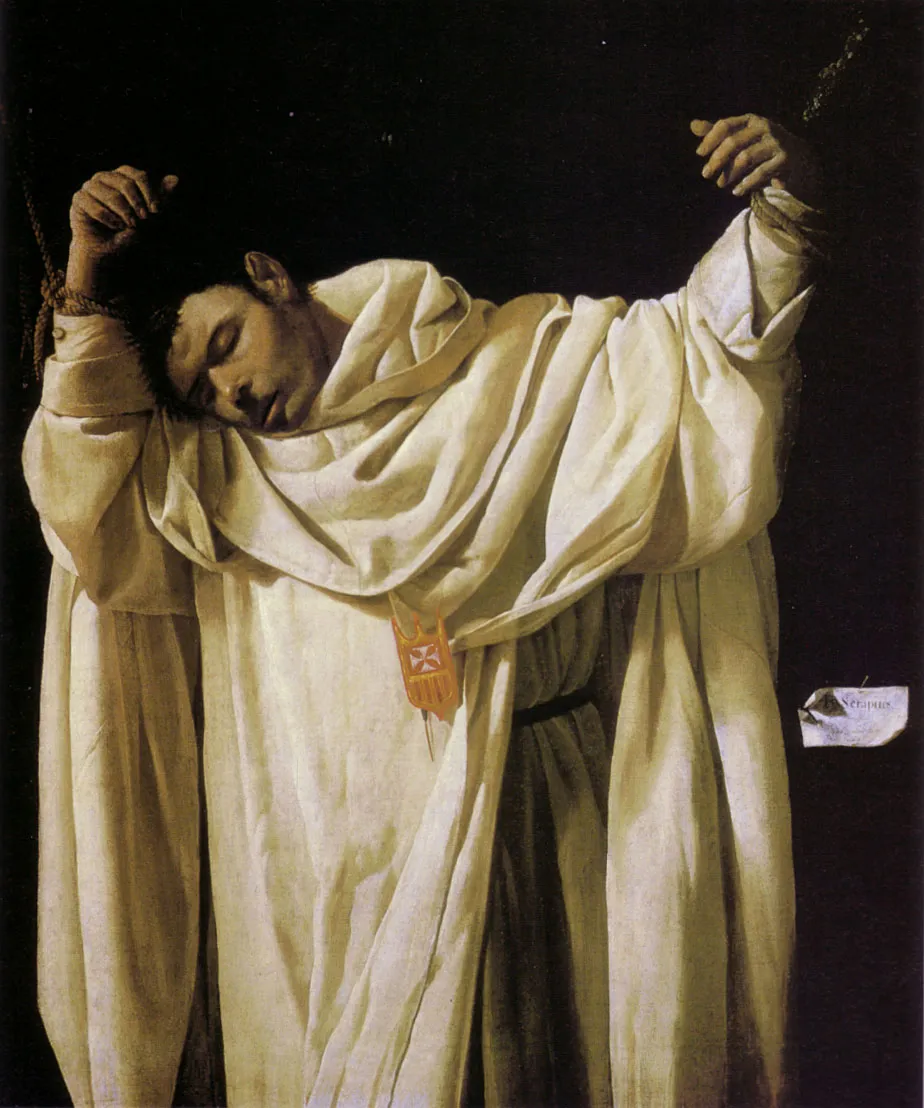
Owning "Apostle St Andrew" by Francisco de Zurbaran means acquiring a significant piece of Baroque history. This hand-painted oil painting, much like "St Pierre Pascal, Bishop of Jaen" and "Beato Serapio," is sought after by collectors who value authentic oil on canvas masterpieces. Its connection to other Zurbaran works ensures that this painting remains a prized addition to any fine art painting for sale collection.
When Art Meets History
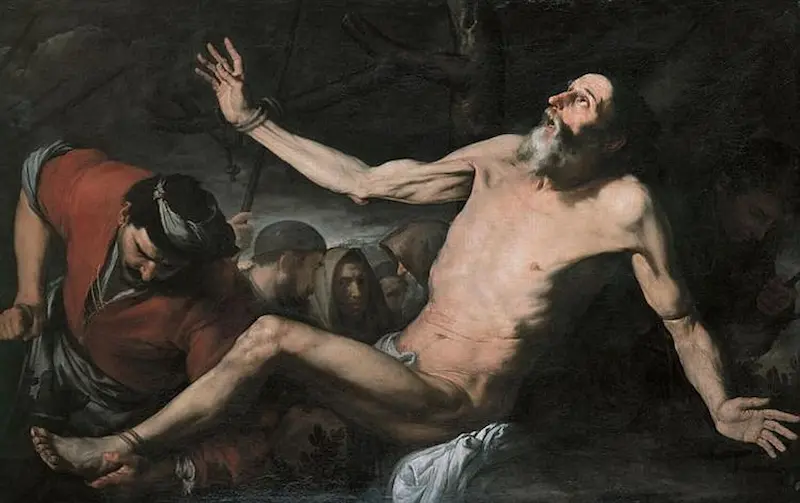
Francisco de Zurbaran's "Apostle St Andrew" stands as a testament to the Baroque movement, capturing a moment steeped in religious reverence and historical depth. This hand-painted oil painting reflects Zurbaran’s devotion to spirituality, much like his contemporaries who created works such as "The Taking of Christ" and "Boy Peeling Fruit." The painting’s historical context enriches its narrative, making it a significant piece for anyone interested in the evolution of religious art during the Baroque period.
Techniques That Speak
Employing masterful oil on canvas techniques, Francisco de Zurbaran brings "Apostle St Andrew" to life with dramatic chiaroscuro and meticulous detail. The textured brushwork and rich color palette are hallmarks of the Baroque style, seen also in works like "Mountain landscape with lightning" and "Boy Bitten by a Lizard." Zurbaran’s technical prowess shines through, making this oil on canvas an exemplary showcase of his unique approach within the movement.
Emotions on Display
In "Apostle St Andrew," Francisco de Zurbaran evokes profound emotion, capturing the apostle’s solemnity and spiritual resolve. The expressive faces and dynamic composition, typical of Baroque fine art painting for sale, draw viewers into the subject’s inner world. Similar to "Portrait of Maffeo Barberini," this painting demonstrates Zurbaran’s ability to convey complex human feelings, making it a moving and relatable masterpiece for art enthusiasts and collectors.
Coveted by Collectors
As a fine art painting for sale, "Apostle St Andrew" by Francisco de Zurbaran is highly sought after by collectors who appreciate Baroque masterpieces. Its connection to other renowned works such as "The Taking of Christ" and "Boy Peeling Fruit" enhances its desirability. The painting’s historical significance and exceptional craftsmanship ensure its place among the most valued pieces, making it an essential addition for anyone passionate about collecting Baroque art.
Related Baroque Hand-Painted Oil Paintings by Other Artists
Other Famous Baroque Artists:
Frequently Asked Questions About Apostle St Andrew
Who is the artist of "Apostle St Andrew"?
The painting "Apostle St Andrew" was created by the Spanish Baroque artist Francisco de Zurbarán, known for his religious works and mastery of light and shadow.
What is the historical context of "Apostle St Andrew"?
What artistic techniques did Zurbarán use in this painting?
Zurbarán employed chiaroscuro to create dramatic contrasts between light and shadow, enhancing the three-dimensionality of St Andrew and emphasizing his spiritual presence.
What symbolism is present in "Apostle St Andrew"?
St Andrew is often depicted with a saltire cross, which symbolizes his martyrdom. This painting reflects his role as a patron saint of Scotland and the significance of his sacrifice.
What materials were used in the creation of "Apostle St Andrew"?
Zurbarán typically used oil on canvas for his paintings, allowing for rich colors and detailed textures that enhance the emotional impact of the subject matter.
How does "Apostle St Andrew" reflect Baroque artistic principles?
The painting exemplifies Baroque principles through its dramatic composition, emotional intensity, and the use of light to draw attention to the figure of St Andrew, creating a sense of movement and depth.
What is the significance of St Andrew in Christian tradition?
St Andrew is recognized as one of the twelve apostles of Jesus and is considered the first disciple. His significance lies in his role in spreading Christianity and his martyrdom for the faith.
Where can "Apostle St Andrew" be viewed today?
The painting is part of the collection at the [insert gallery or museum name], where it is displayed alongside other works by Zurbarán and his contemporaries.
What influence did Francisco de Zurbarán have on later artists?
Zurbarán's focus on religious themes and his innovative use of light influenced many later artists, particularly in the Spanish Baroque and beyond, inspiring a deeper exploration of spirituality in art.
How does "Apostle St Andrew" compare to other works by Zurbarán?
This painting shares thematic similarities with Zurbarán's other religious works, characterized by their solemnity and focus on individual figures, yet it stands out for its unique portrayal of St Andrew's humility and strength.























_GFM_Painting_(1).webp)


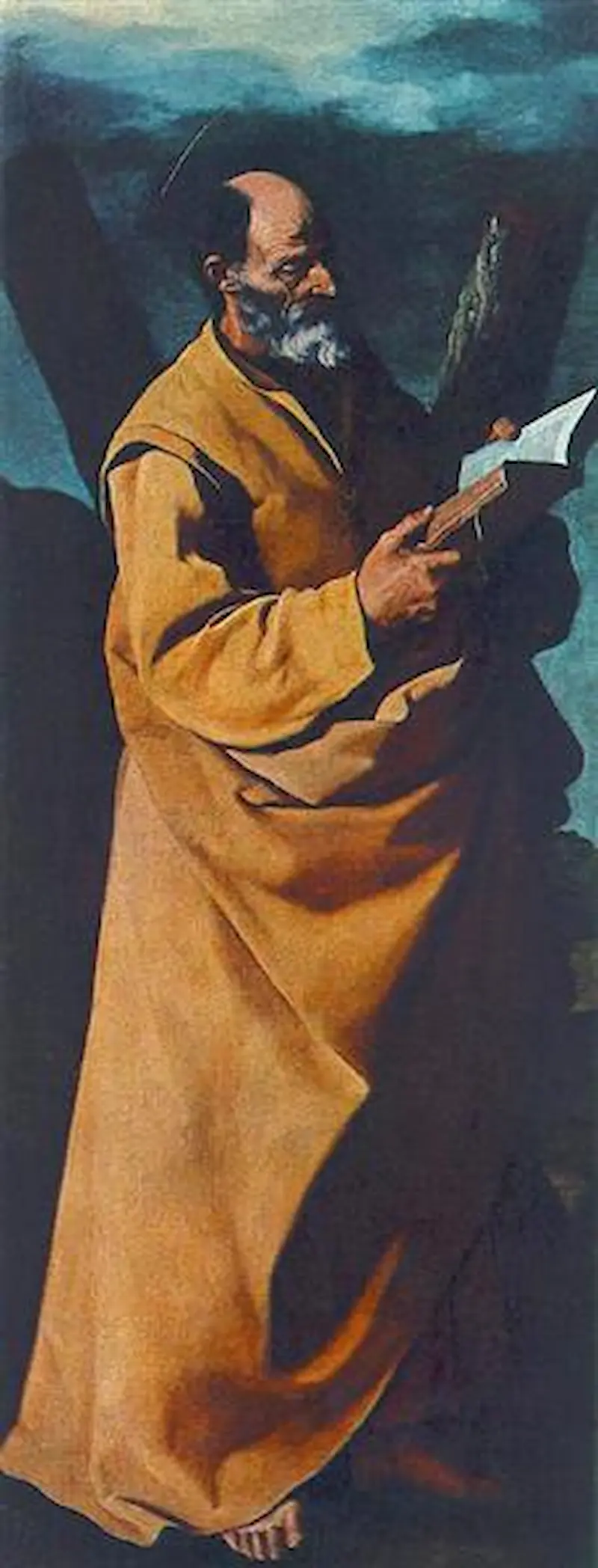
 100% Hand-Painted: Finished in 3-6 Weeks

.png)















_(1).webp)