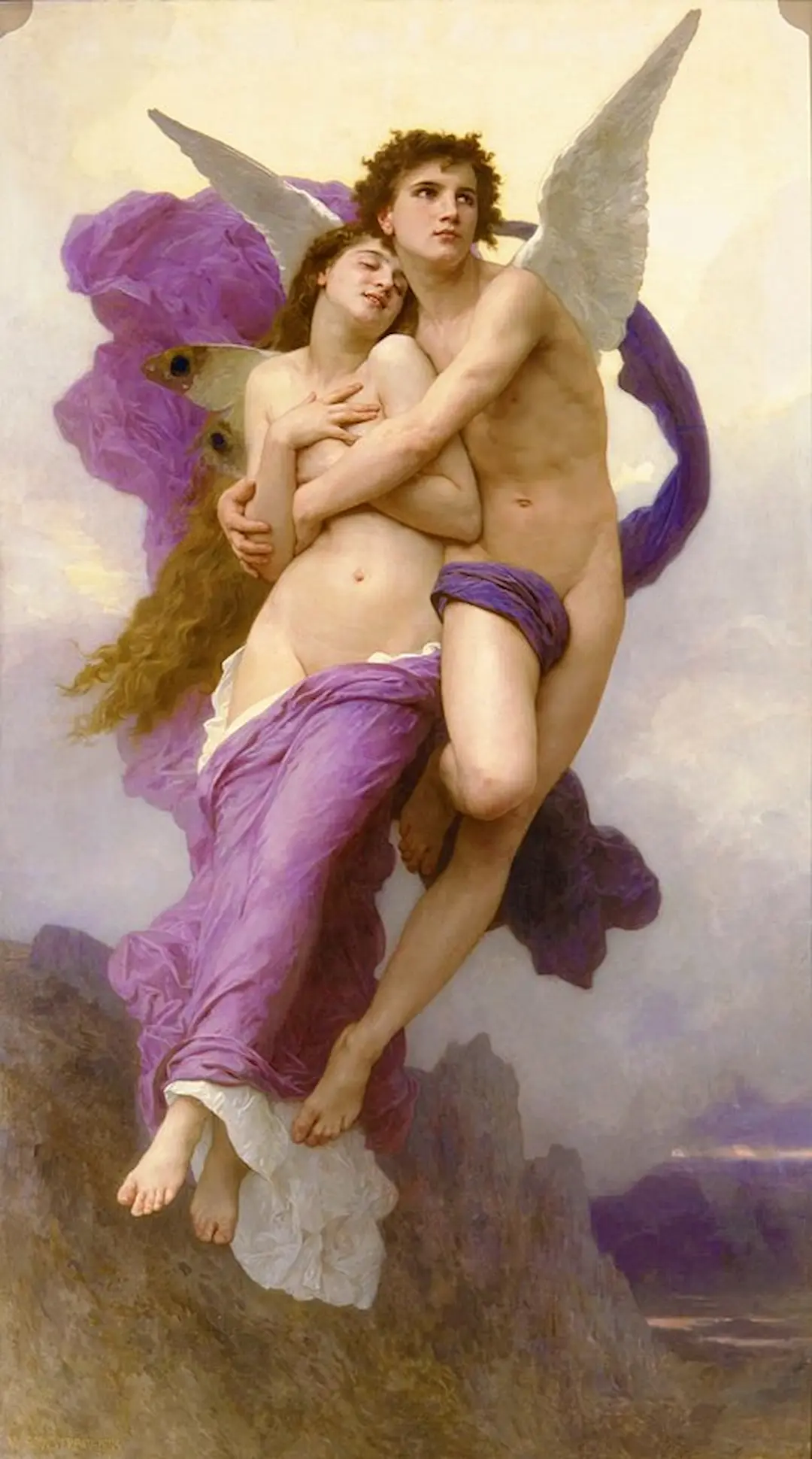
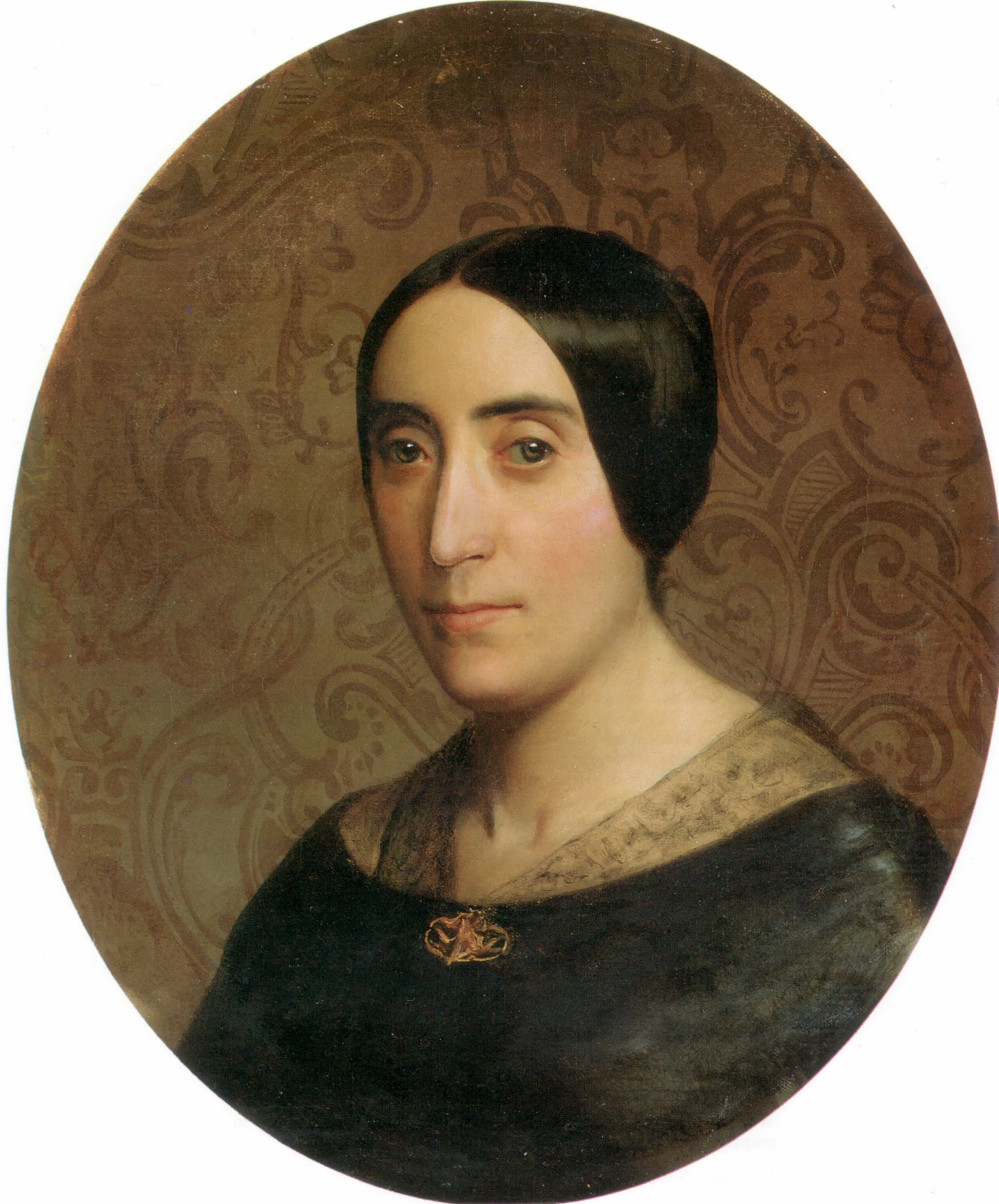
Bouguereau’s "A Portrait of Amelina Dufaud" demonstrates exquisite mastery in oil on canvas, a hallmark of the Academic Classicism movement. The artist’s delicate brushwork and lifelike rendering capture the sitter’s gentle expression and elegant attire. Similar attention to detail can be found in related products like "The Abduction of Psyche 1895" and "Le Ravissement de Psyche (The Rapture of Psyche)." Each stroke reflects Bouguereau’s dedication to elevating portraiture into the realm of timeless artistry.
This fine art painting for sale invites viewers to delve into the subtle narratives woven within "A Portrait of Amelina Dufaud." Bouguereau’s skillful use of light and composition reveals stories and symbols characteristic of Academic Classicism. The sitter’s serene gaze and refined surroundings evoke themes of innocence and grace, much like those found in "Church interior" or "St. Peter, after his delivery from prison by the angel." Each detail enriches the painting’s emotional resonance and significance.
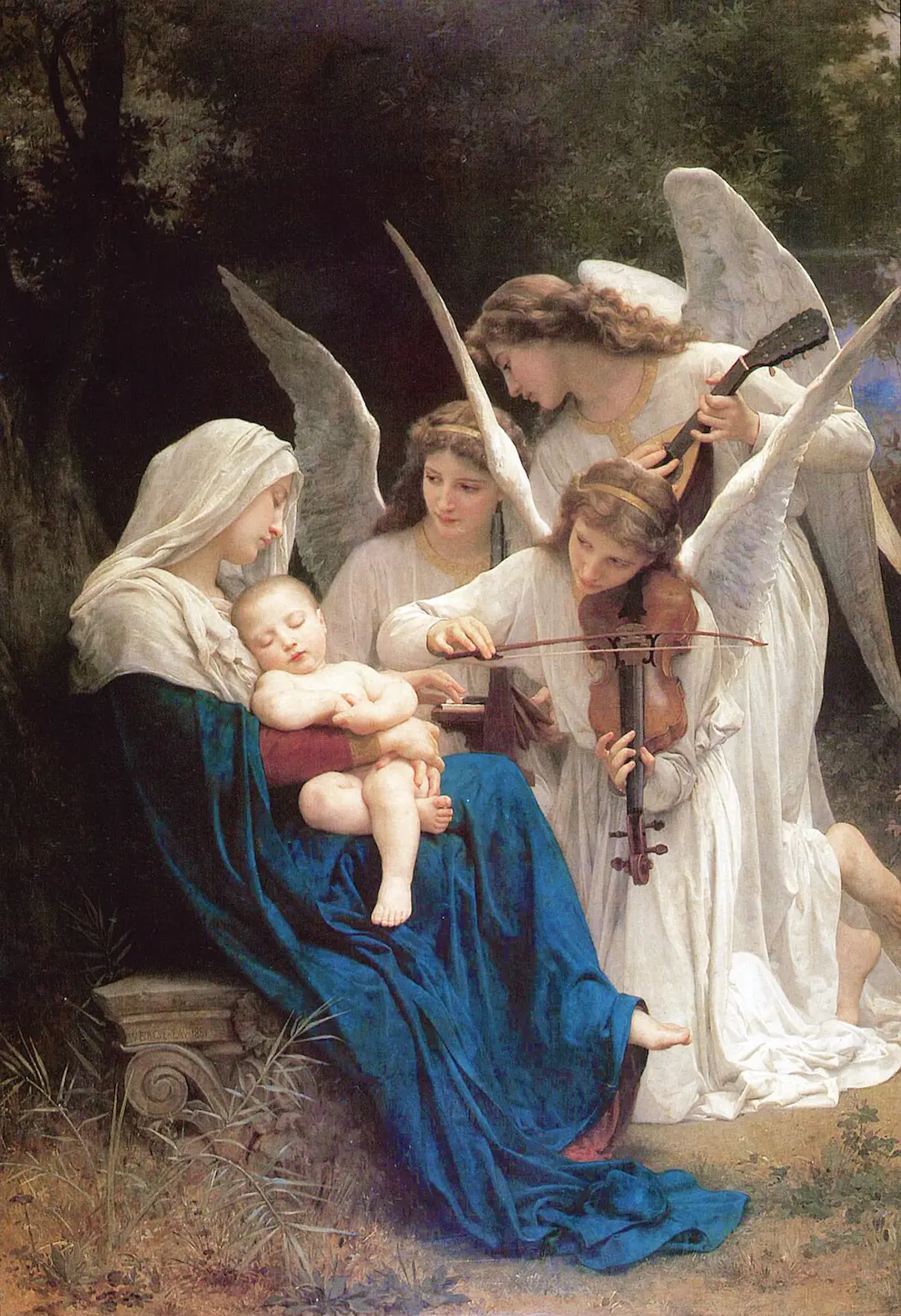
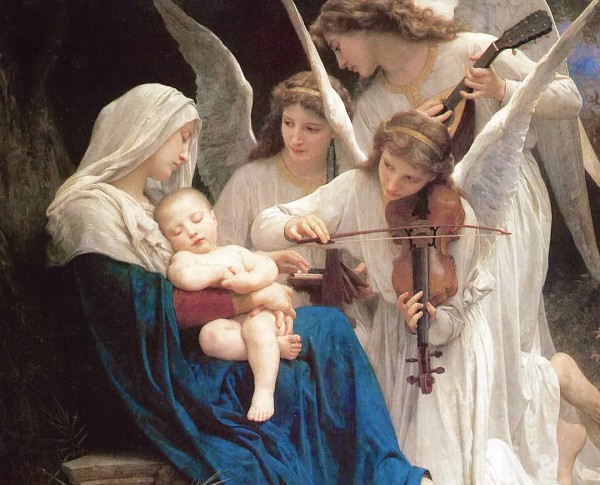
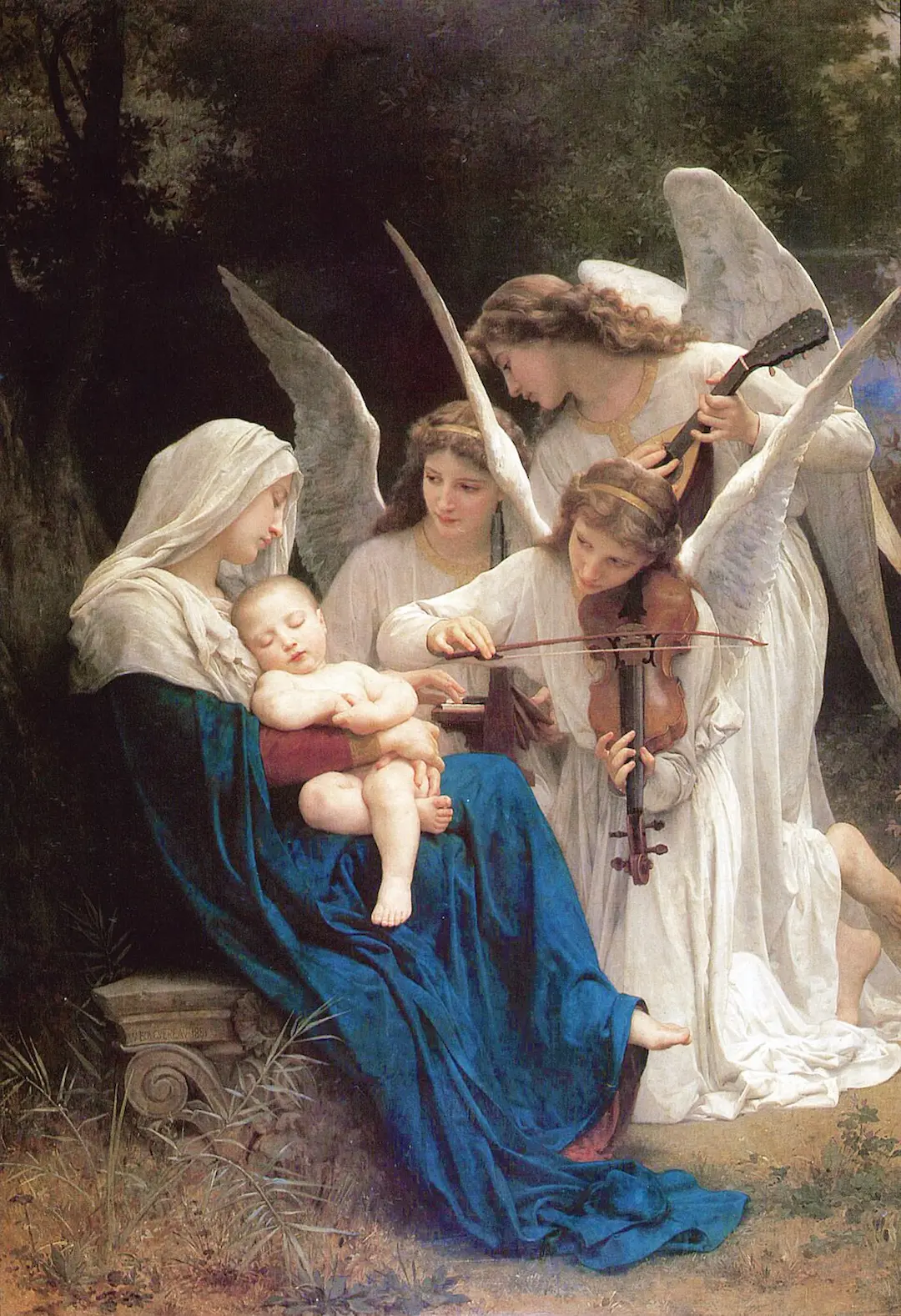
For collectors and art lovers, "A Portrait of Amelina Dufaud" by William-Adolphe Bouguereau represents a true collector’s treasure. This hand-painted oil painting, created in the Academic Classicism style, pairs beautifully with related works such as "Song of the Angels" and "Le Ravissement de Psyche (The Rapture of Psyche)." Owning this masterpiece offers not only aesthetic pleasure but also a tangible connection to Bouguereau’s enduring artistic heritage and the elegance of 19th-century fine art.
When Art Meets History
"A Portrait of Amelina Dufaud" by William-Adolphe Bouguereau stands as a remarkable example of the Academic Classicism movement. This hand-painted oil painting captures the essence of 19th-century portraiture, echoing the refined techniques Bouguereau employed in works like "Bonaparte Before the Sphinx" and "Springtime." The artist’s attention to historical context and realism allows viewers to appreciate both the subject’s individuality and the era’s cultural sophistication, making it a timeless treasure for art lovers and historians alike.
Techniques That Speak
Bouguereau’s mastery shines through in his use of oil on canvas, a medium that enables rich textures and delicate transitions between light and shadow. In "A Portrait of Amelina Dufaud," the artist’s meticulous brushwork and understanding of anatomy evoke the lifelike presence seen in his other masterpieces, such as "The Villa Malta, Rome" and "The Slave Market." The precision and grace inherent in Academic Classicism are evident, making this painting a testament to Bouguereau’s technical prowess.
Emotions on Display
With "A Portrait of Amelina Dufaud," William-Adolphe Bouguereau conveys a depth of emotion that transcends time. The subject’s serene expression and gentle gaze draw viewers into her world, a hallmark of fine art painting for sale from the Academic Classicism period. Similar to the evocative narrative found in "The Painter's Honeymoon," Bouguereau’s portrait invites personal connection, allowing emotions to flow between the canvas and its audience, creating a lasting impression.
Coveted by Collectors
As a celebrated work by William-Adolphe Bouguereau, "A Portrait of Amelina Dufaud" remains highly sought-after among collectors who appreciate the enduring value of Academic Classicism. The allure of a hand-painted oil painting from this era, especially when compared to related works like "Springtime" and "The Slave Market," lies in its craftsmanship and historical significance. Collectors recognize the investment potential and aesthetic beauty that such masterpieces bring to private and public collections alike.
Related Academic Classicism Hand-Painted Oil Paintings by Other Artists
Other Famous Academic Classicism Artists:
Frequently Asked Questions About A Portrait of Amelina Dufaud
What is the historical context of "A Portrait of Amelina Dufaud"?
This painting was created in 1893, during a period marked by the rise of realism and academic art in France. Bouguereau was a prominent figure in the academic art scene, and this work reflects the traditional techniques and themes prevalent in that era.
Who is Amelina Dufaud?
Amelina Dufaud was a young girl and the daughter of a friend of Bouguereau. The portrait captures her innocence and charm, showcasing the artist's ability to convey the personality and spirit of his subjects.
What artistic techniques did Bouguereau use in this painting?
Bouguereau employed traditional oil painting techniques, characterized by meticulous attention to detail, smooth brushwork, and a focus on naturalistic representation. His use of light and shadow enhances the three-dimensional quality of the figure.
What are the key themes explored in "A Portrait of Amelina Dufaud"?
The painting explores themes of childhood innocence, beauty, and the passage of time. Bouguereau often highlighted the purity of youth, and this portrait exemplifies that focus through its tender portrayal of Amelina.
How does Bouguereau's style influence the portrayal of his subjects?
Bouguereau's style is characterized by a blend of realism and idealism. His portraits often present subjects in an idealized manner, yet maintain a lifelike quality that evokes emotional responses from viewers, as seen in Amelina's expressive gaze.
What symbolism can be found in the painting?
The flowers in Amelina's hair and the soft colors used in the painting symbolize youth and femininity. Bouguereau often incorporated floral elements to enhance the emotional resonance of his subjects.
How does this painting reflect Bouguereau's overall artistic philosophy?
Bouguereau believed in the power of beauty and the importance of capturing the human experience. "A Portrait of Amelina Dufaud" reflects his commitment to portraying the grace and dignity of individuals, particularly children.
What is the significance of the background in the painting?
The soft, indistinct background serves to emphasize Amelina as the focal point of the composition. This technique draws the viewer's attention directly to her expression and the delicate details of her attire.
How does "A Portrait of Amelina Dufaud" fit into Bouguereau's body of work?
This portrait is representative of Bouguereau's later works, where he increasingly focused on intimate portrayals of children and women. It showcases his mastery of technique and his enduring fascination with the theme of youth.
What impact did Bouguereau have on future generations of artists?
Bouguereau's dedication to realism and technical skill influenced many artists in the late 19th and early 20th centuries. His work continues to be studied for its craftsmanship and emotional depth, leaving a lasting legacy in the art world.






















_GFM_Painting_(1).webp)


 100% Hand-Painted: Finished in 3-6 Weeks

.png)












.webp)
.webp)
.webp)



_(1).webp)