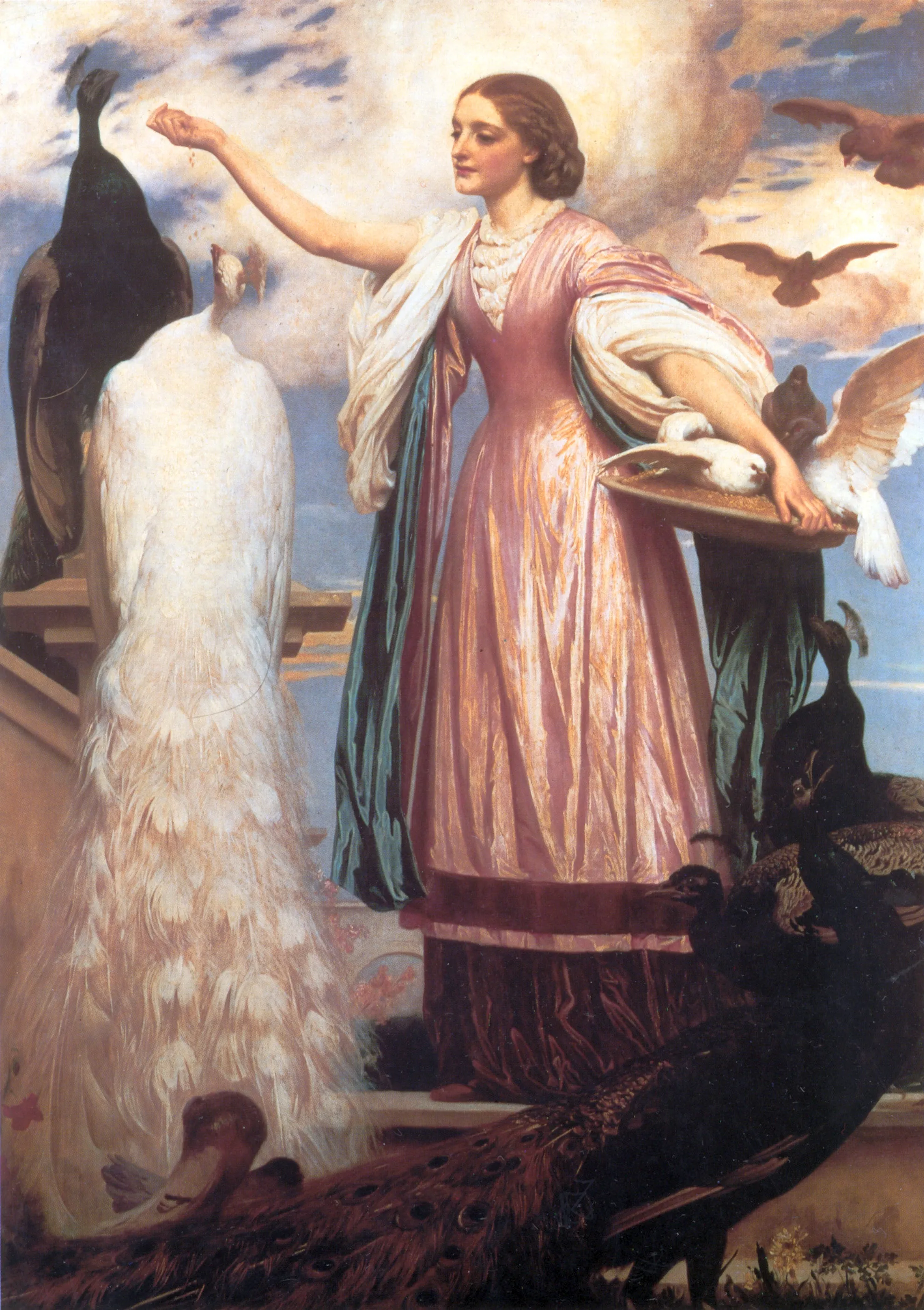
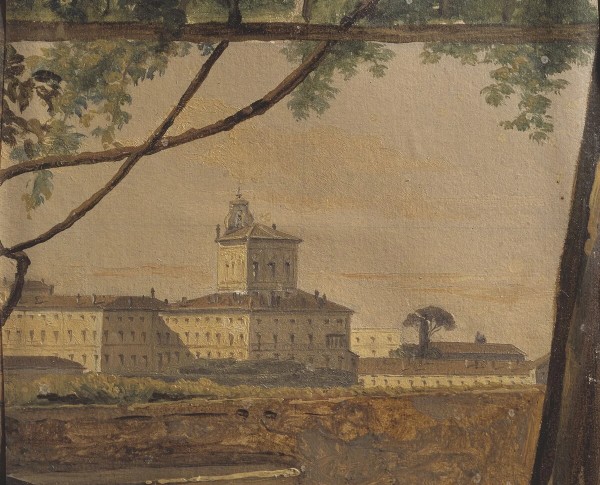
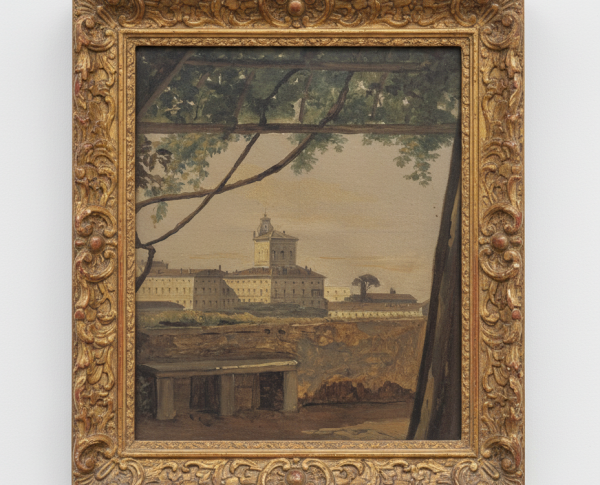
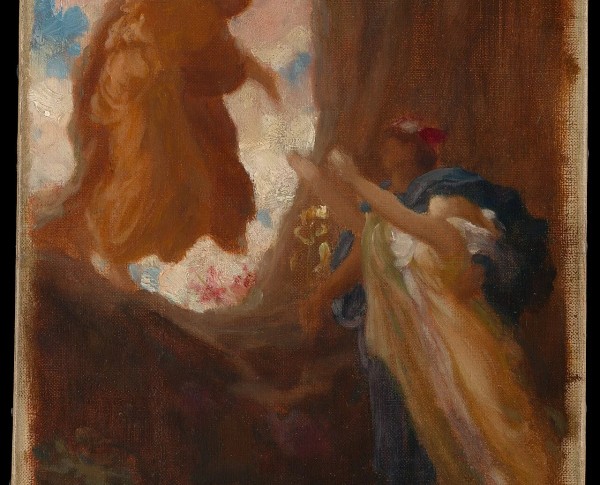
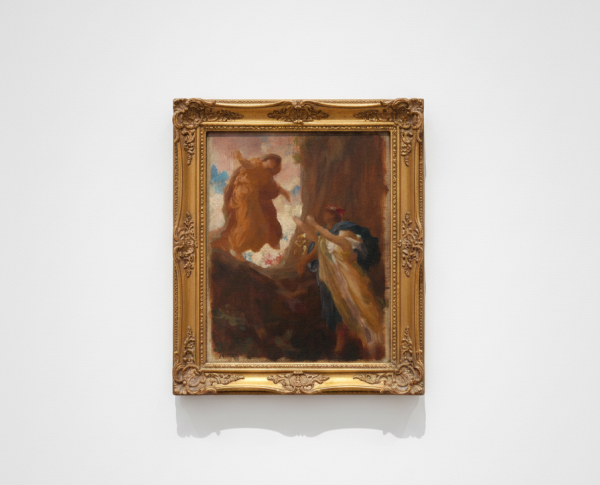
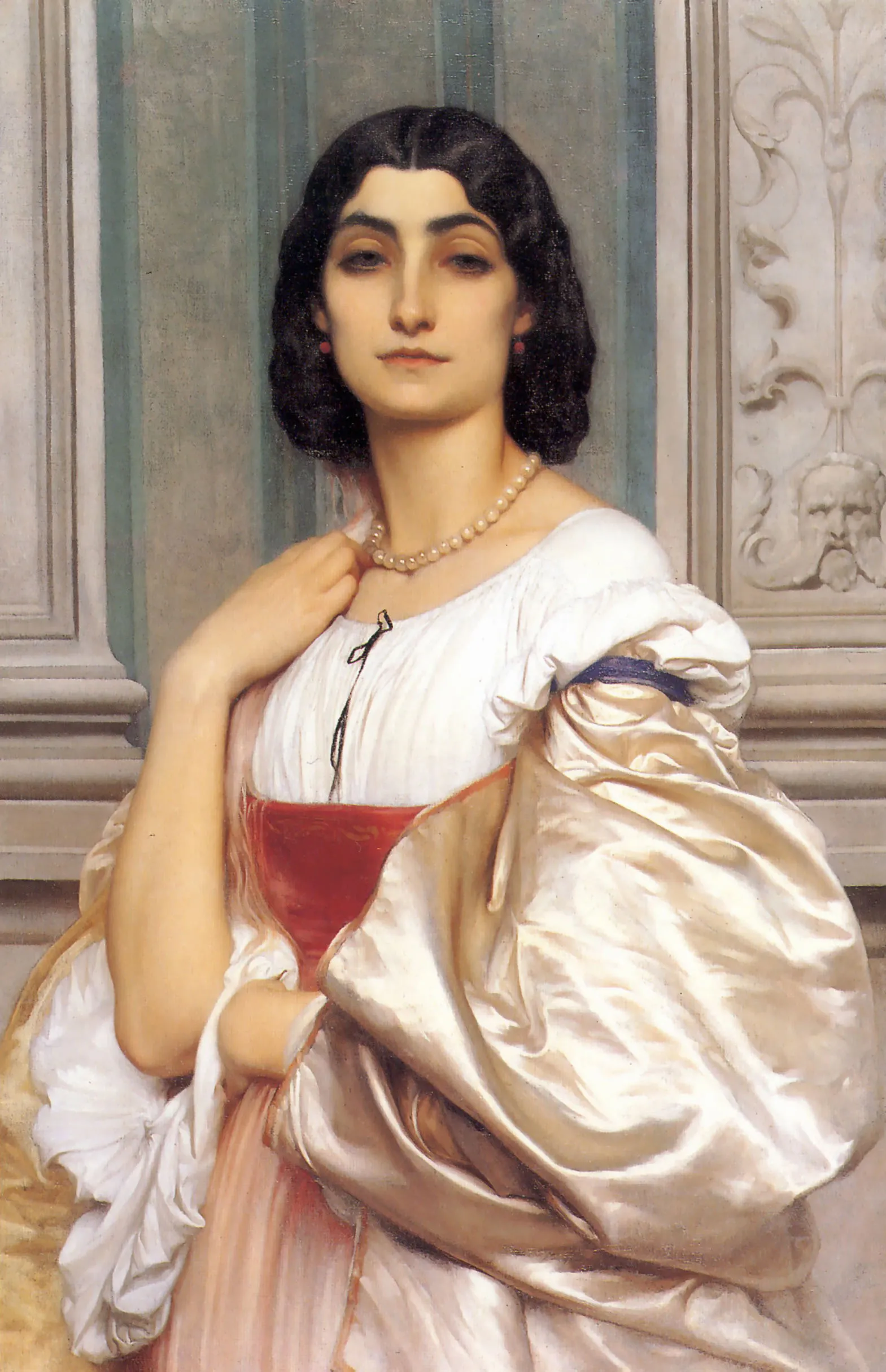
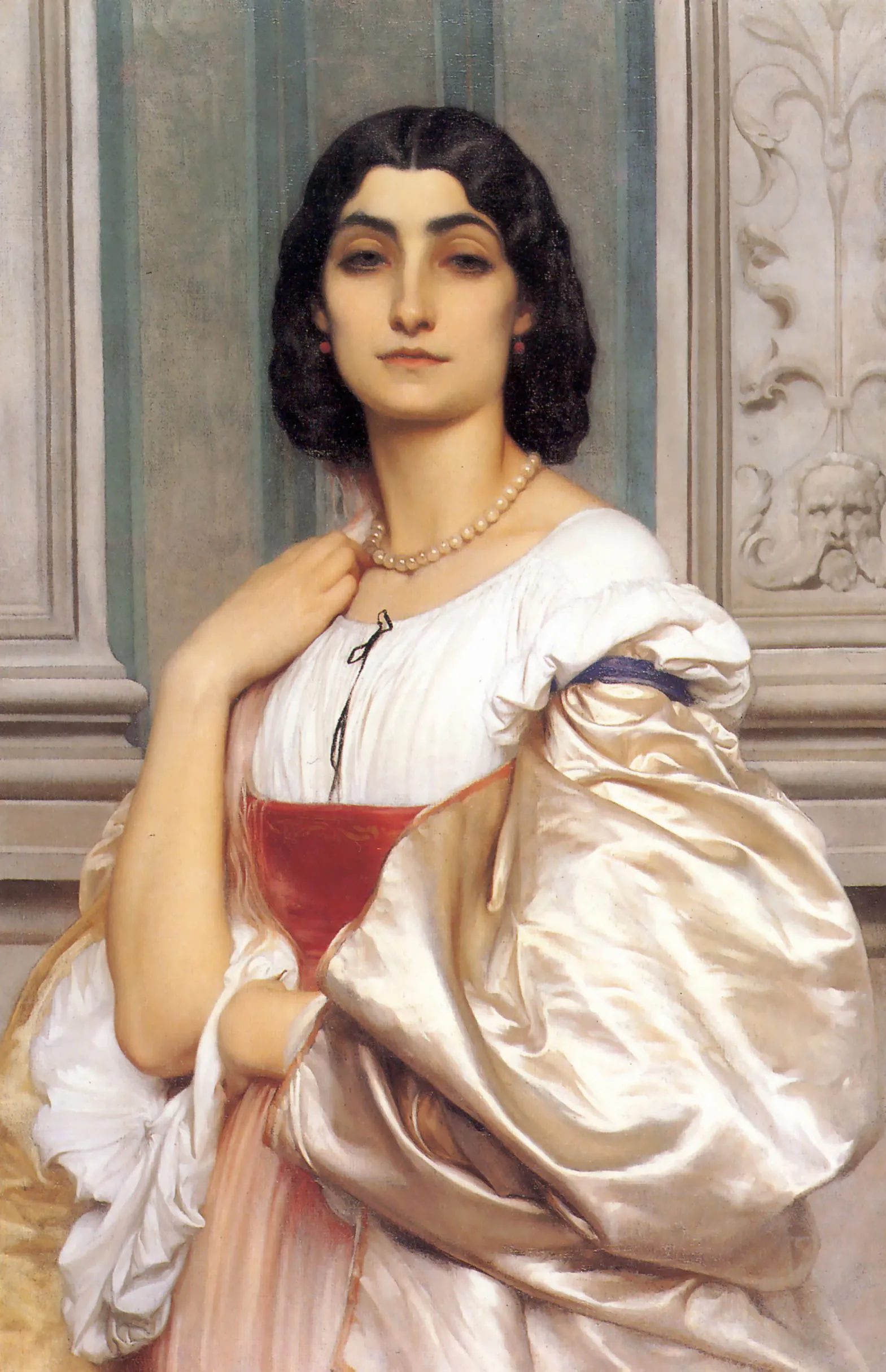
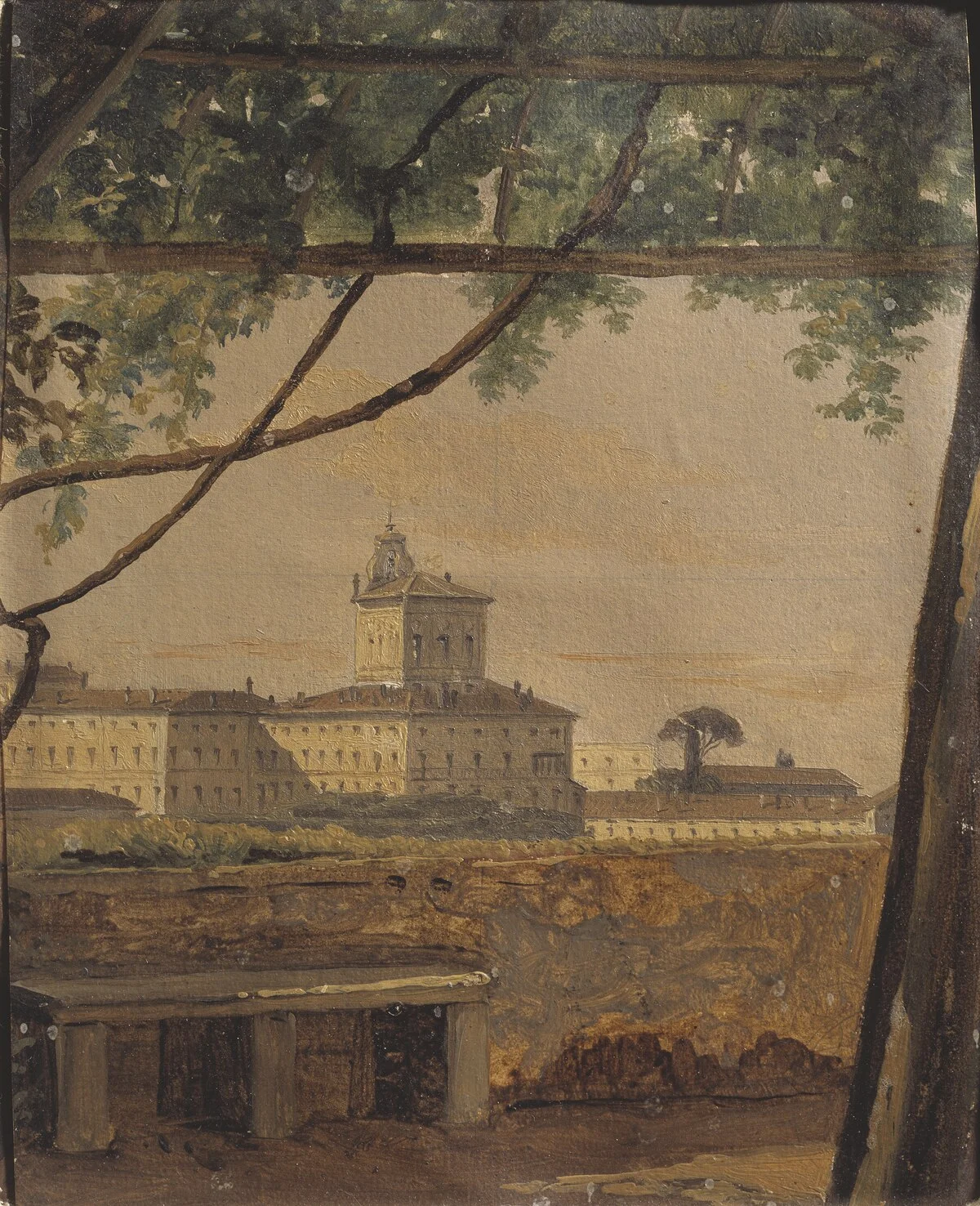
Lord Frederick Leighton's exceptional technique is evident in every detail of "A Roman Lady," an exquisite oil on canvas that highlights the artist's command of light, texture, and composition. This work exemplifies the core principles of Academic Classicism, blending realism with idealized beauty. Art lovers drawn to this piece may also appreciate other oil on canvas works by Leighton, such as "The Villa Malta, Rome" and "The Fisherman and the Siren."
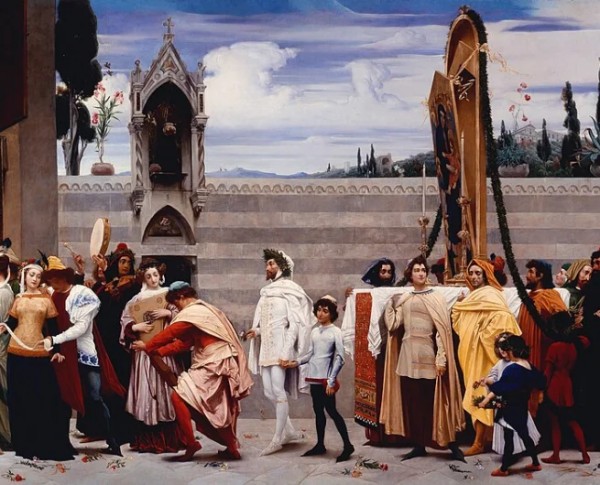
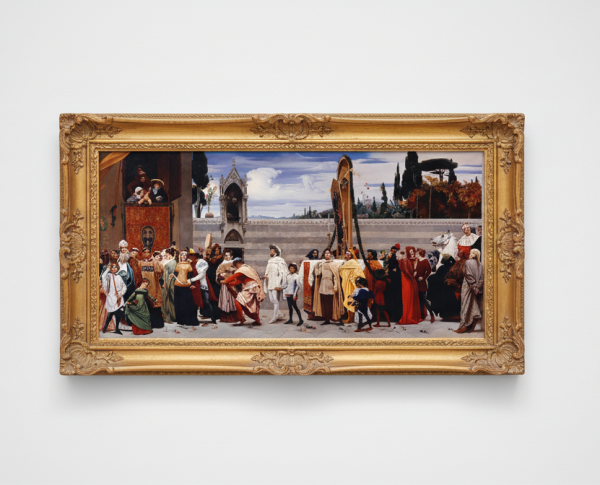
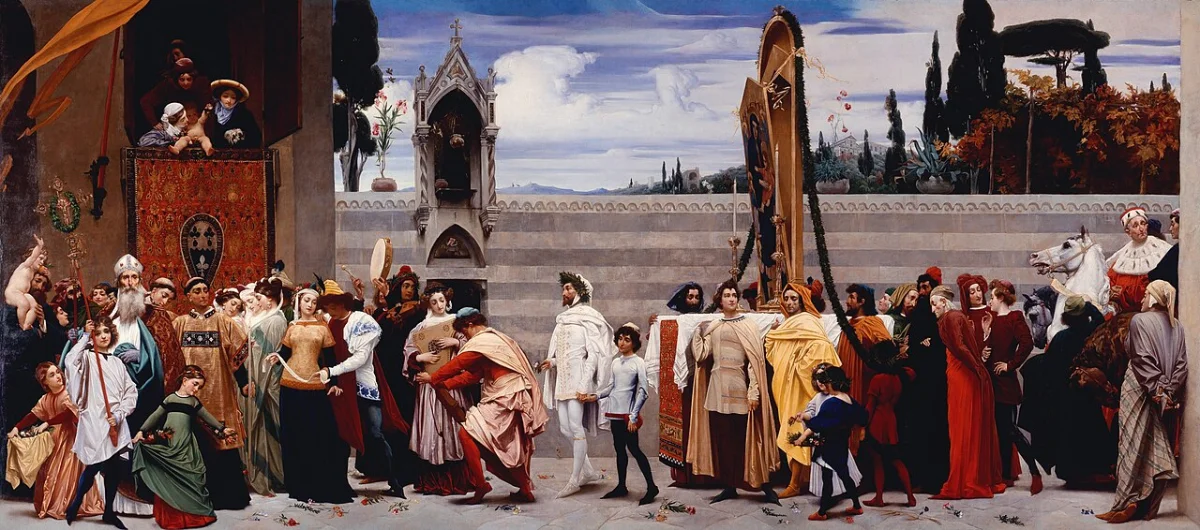
Within "A Roman Lady," Lord Frederick Leighton weaves subtle narratives and classical motifs that invite viewers to look deeper. The subject’s attire and surroundings reflect the rich symbolism often found in Academic Classicism. As a fine art painting for sale, it shares thematic resonance with Leighton’s other works including "Actaea, the Nymph of the Shore" and "Cimabue's Celebrated Madonna Carried in Procession Through the Streets of Florence," each telling stories through timeless imagery.
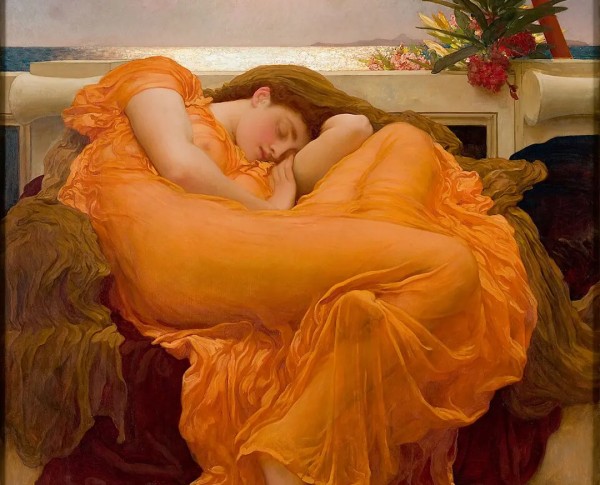
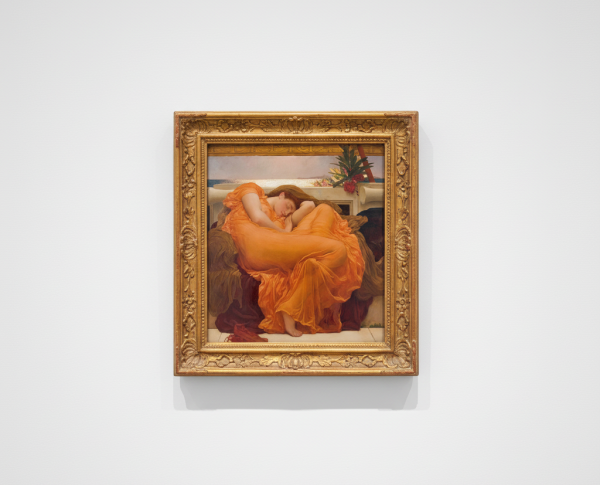
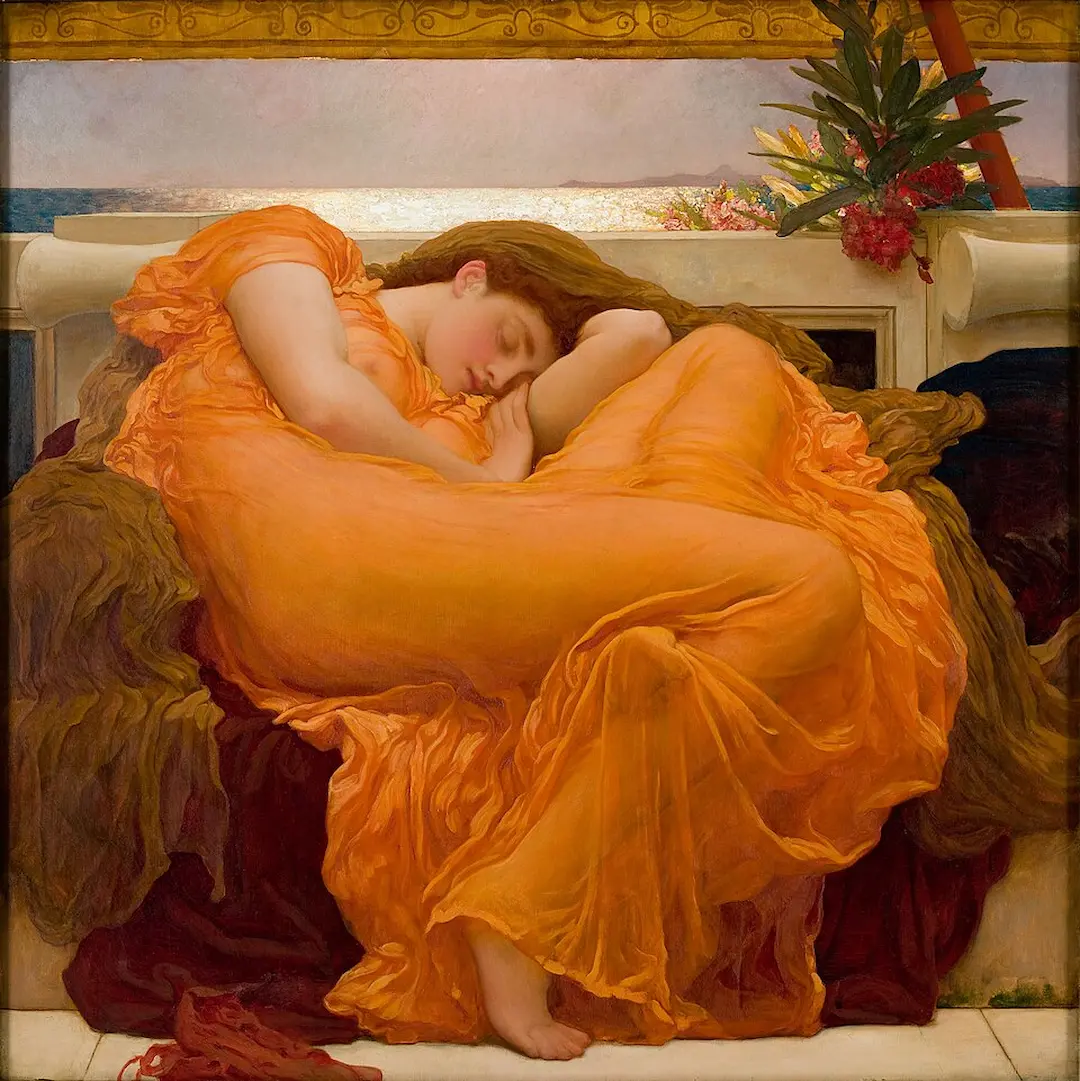
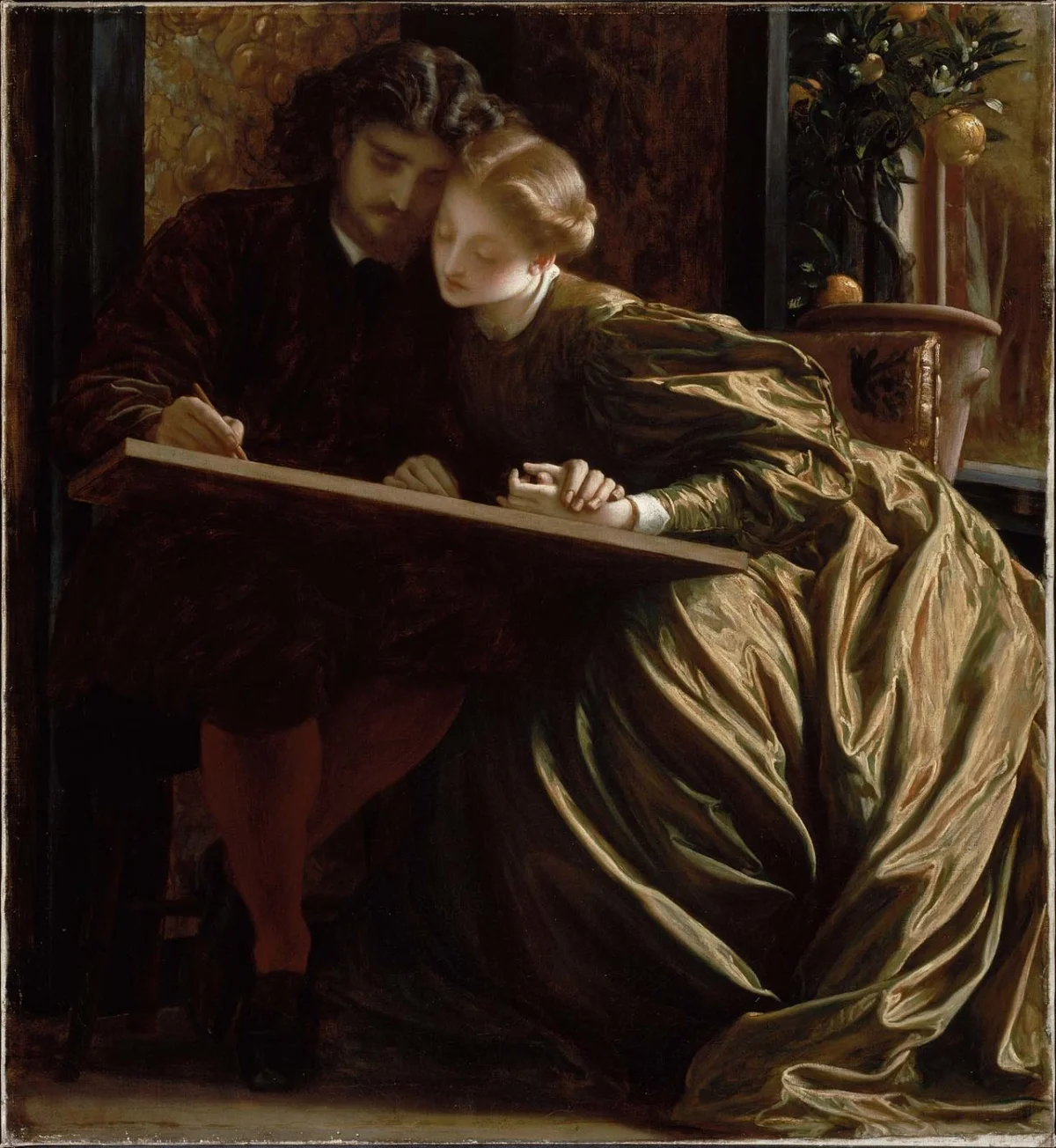
Owning "A Roman Lady" by Lord Frederick Leighton means possessing a piece of Academic Classicism’s enduring legacy. This hand-painted oil painting is not only a visual masterpiece but also a valuable investment for collectors. Those who treasure this genre often seek out related products such as "The Painter's Honeymoon" and "Flaming June," making Leighton’s works highly sought after in the world of fine art painting for sale.
When Art Meets History
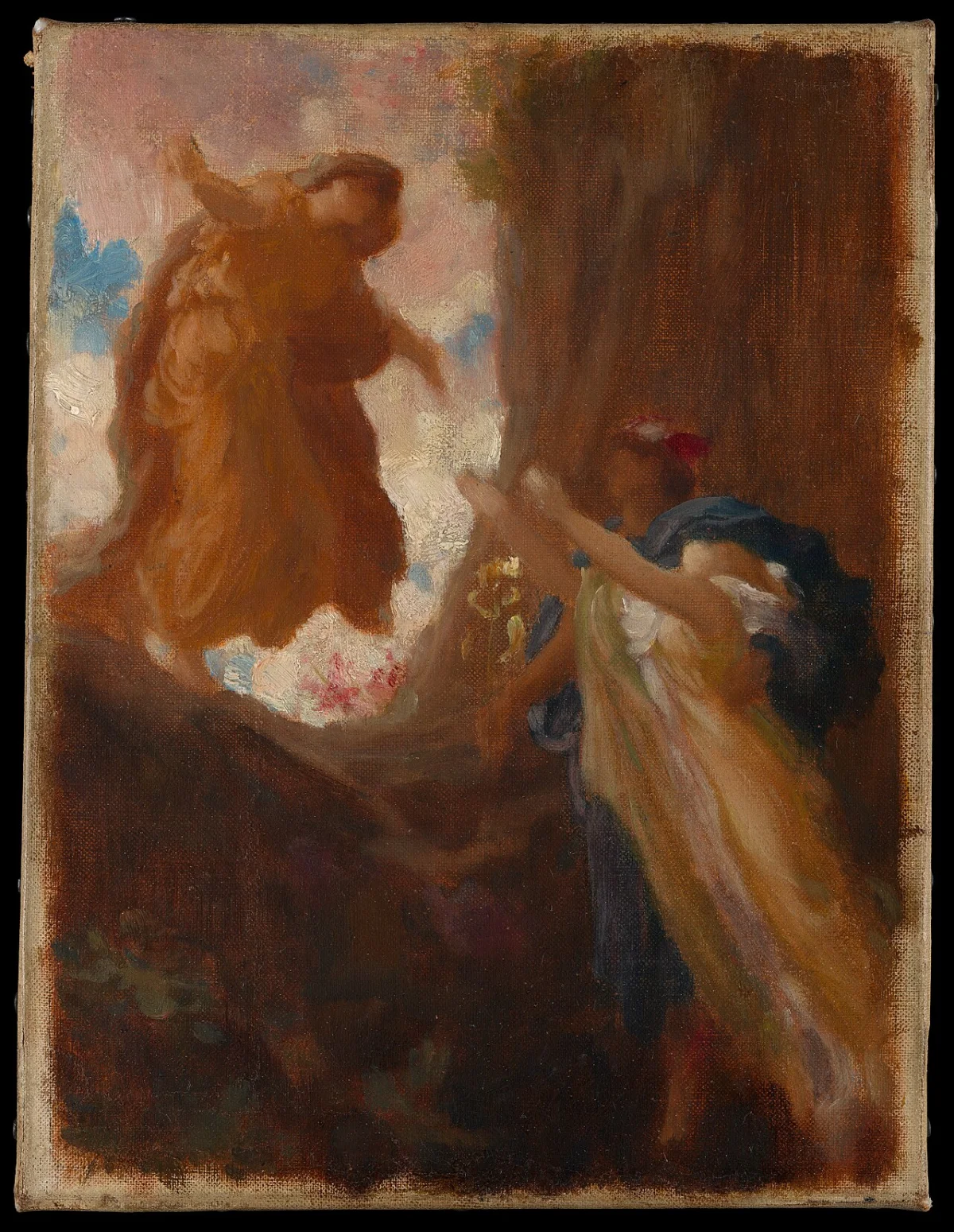
"A Roman Lady" by Lord Frederick Leighton is a stunning example of Academic Classicism, a movement renowned for its reverence for ancient cultures and precise artistry. This hand-painted oil painting transports viewers to the grandeur of ancient Rome, capturing not only the beauty of its subject but also the era’s rich historical ambiance. Leighton, who also created masterpieces like "The Abduction of Psyche 1895," skillfully bridges the gap between history and art in this celebrated work.
Techniques That Speak
Lord Frederick Leighton’s mastery is evident in the meticulous oil on canvas technique displayed in "A Roman Lady." Each brushstroke reflects the careful attention to detail that defines Academic Classicism, highlighting the subject’s delicate features and luxurious attire. Similar to his contemporaries in works like "A Portrait of Eugene Bouguereau," Leighton’s technique elevates the painting, making it a prime example of fine craftsmanship and a testament to the enduring allure of traditional oil on canvas artistry.
Emotions on Display
"A Roman Lady" evokes a quiet grace and introspection, emotions that are central to Leighton’s vision and the Academic Classicism movement. The painting’s serene mood and lifelike quality draw parallels with evocative works such as "Nymphes et Satyre (Nymphs and Satyr)." This fine art painting for sale offers viewers a glimpse into the inner world of its subject, capturing both the dignity and vulnerability that make Leighton’s art so compelling and timeless.
Coveted by Collectors
Collectors highly prize "A Roman Lady" for its historical significance and exquisite execution, ensuring its place among the most sought-after works in the genre. As with other masterpieces like "Bonaparte Before the Sphinx" and "Church interior," this hand-painted oil painting continues to captivate admirers worldwide. Its presence in any collection not only enhances aesthetic value but also connects collectors to the rich heritage of Academic Classicism and the legacy of Lord Frederick Leighton.
Related Academic Classicism Hand-Painted Oil Paintings by Other Artists
Other Famous Academic Classicism Artists:
Frequently Asked Questions About A Roman Lady
What is the historical context of "A Roman Lady"?
"A Roman Lady" was painted in the late 19th century, during a period known as the Victorian era, which saw a revival of interest in classical themes and aesthetics. Lord Frederick Leighton, a prominent figure in the Pre-Raphaelite movement, sought to capture the elegance and ideals of ancient Rome in his work.
Who is the subject of "A Roman Lady"?
The subject of "A Roman Lady" is a representation of an idealized Roman woman, embodying the grace and beauty associated with classical antiquity. The figure is not based on a specific historical individual but rather serves as a symbol of feminine virtue and sophistication.
What artistic techniques did Lord Frederick Leighton use in this painting?
Leighton employed a combination of rich color palettes, intricate detailing, and a strong sense of composition to create a lifelike representation. The use of light and shadow enhances the three-dimensionality of the figure, while the flowing drapery exemplifies his mastery of fabric rendering.
What symbolism is present in "A Roman Lady"?
The painting symbolizes the ideals of beauty, virtue, and femininity prevalent in classical art. The subject's attire and posture convey a sense of dignity and poise, reflecting the societal values of the time regarding women's roles and their representation in art.
How does "A Roman Lady" reflect the influence of the Pre-Raphaelite movement?
While Leighton was not a member of the Pre-Raphaelite Brotherhood, his work shares their fascination with historical themes, vibrant colors, and meticulous detail. "A Roman Lady" exemplifies the Pre-Raphaelite appreciation for beauty and the idealized portrayal of women.
What materials were used in the creation of "A Roman Lady"?
Leighton typically used oil paints on canvas for his works, allowing for rich textures and depth of color. This medium enabled him to achieve the luminous quality seen in "A Roman Lady," enhancing the overall visual impact of the painting.
What is the significance of the clothing depicted in "A Roman Lady"?
The clothing worn by the figure is reminiscent of Roman attire, specifically the stola, which was worn by women in ancient Rome. This choice of garment not only emphasizes the historical context but also serves to elevate the subject to a status of nobility and refinement.
In what ways does "A Roman Lady" showcase Leighton's artistic philosophy?
Leighton's artistic philosophy centered around the pursuit of beauty and the ideal form. "A Roman Lady" encapsulates this philosophy through its harmonious composition, attention to detail, and the celebration of the female form as a subject worthy of admiration and contemplation.
How has "A Roman Lady" been received by critics and art historians?
The painting has been praised for its technical excellence and its embodiment of classical ideals. Critics often highlight Leighton's ability to merge historical accuracy with artistic interpretation, making "A Roman Lady" a significant work in the study of 19th-century art.
What is the current location of "A Roman Lady"?
"A Roman Lady" is part of the collection at the Leighton House Museum in London, which was the former home and studio of Lord Frederick Leighton. The museum showcases his works and provides insight into his life and artistic contributions.























_GFM_Painting_(1).webp)


 100% Hand-Painted: Finished in 3-6 Weeks

.png)
















_(1).webp)