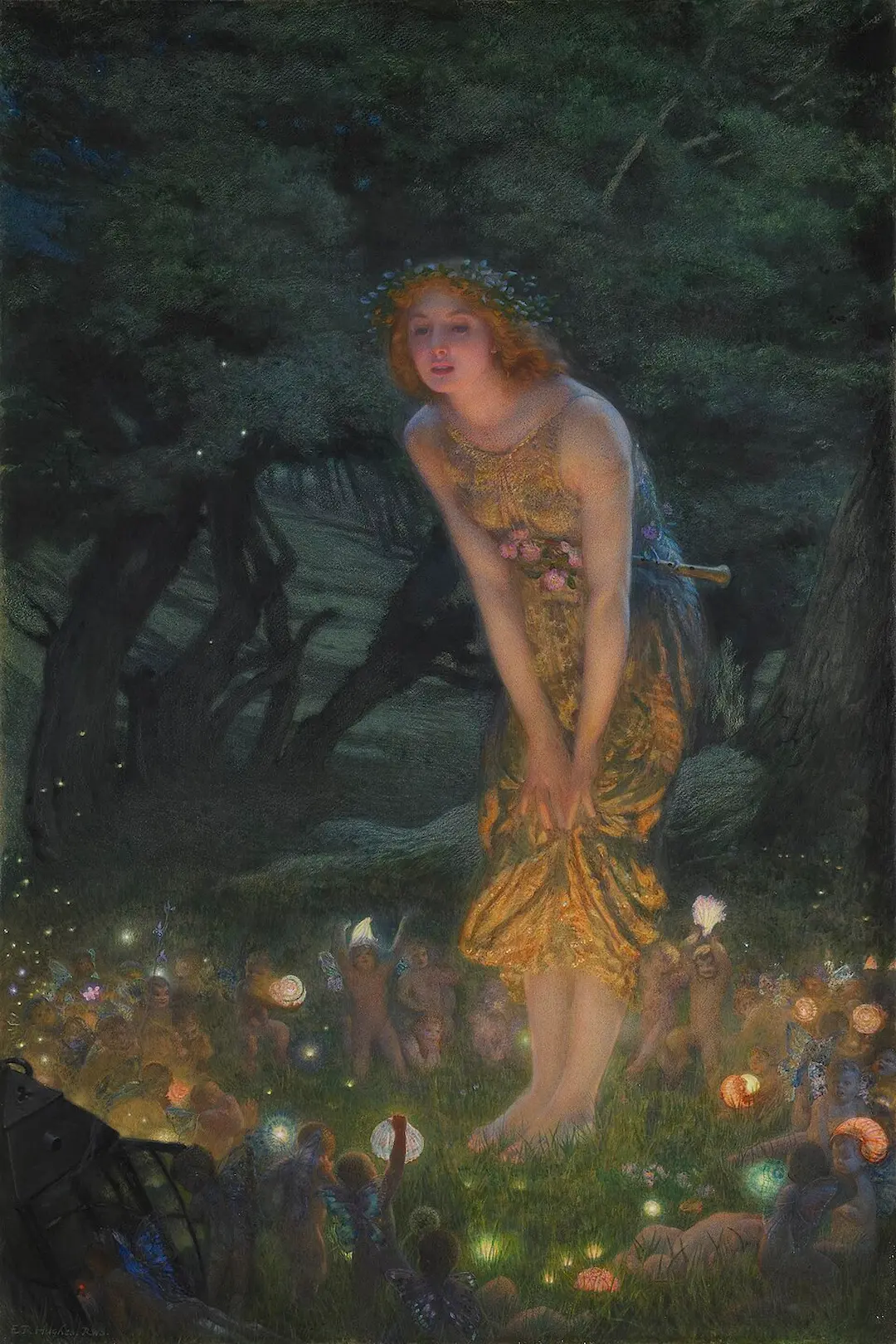
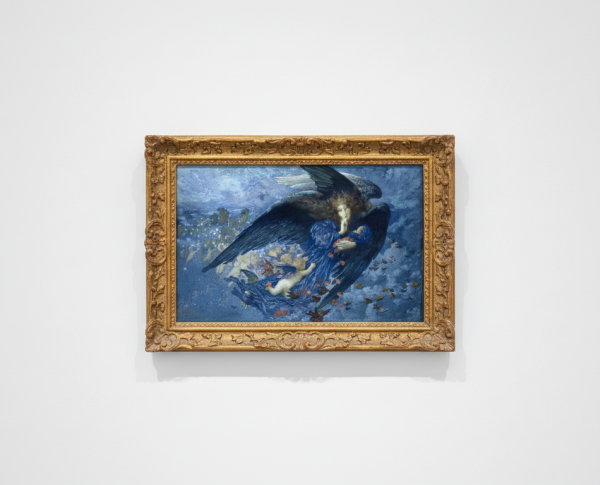
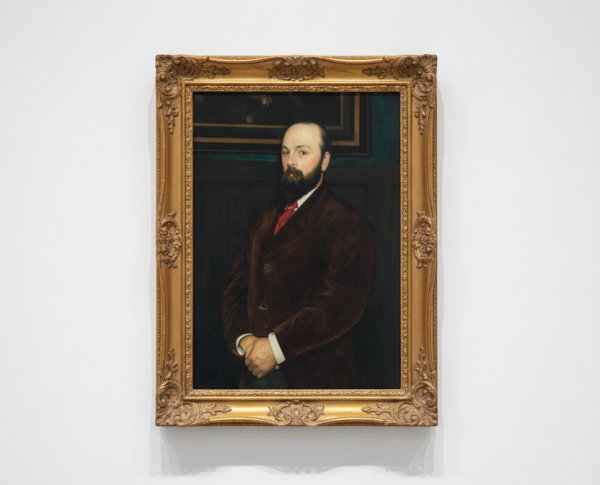
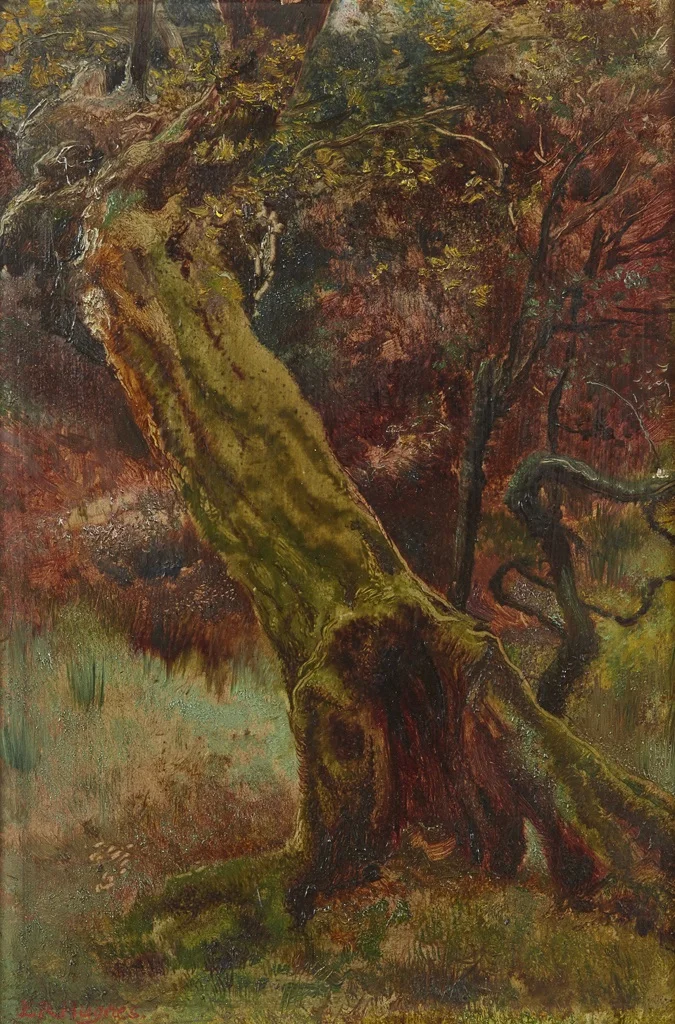
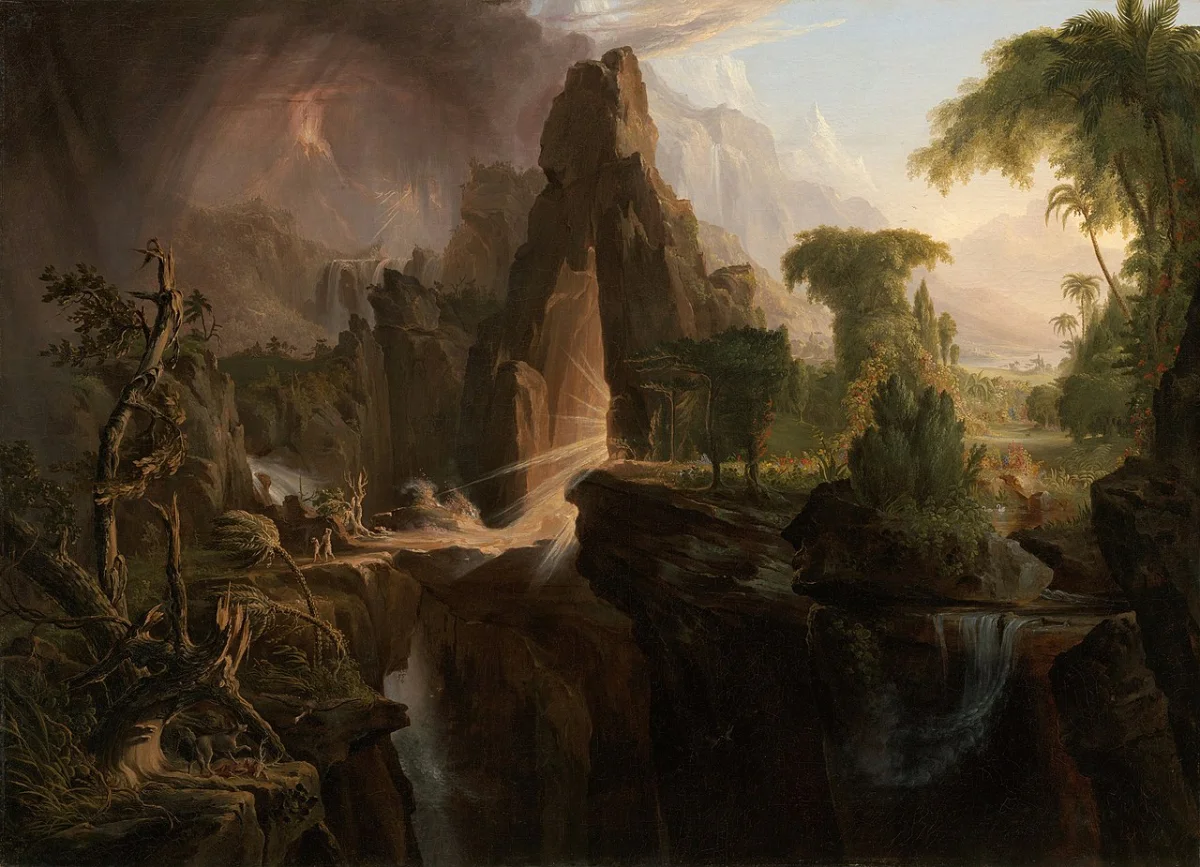
Edward Robert Hughes R.W.S. showcases his technical brilliance in this oil on canvas masterpiece. The painting's vivid textures and luminous colors reflect the artist’s Pre-Raphaelite roots, emphasizing natural beauty and realism. As with other notable works like "The Expulsion" and "Portrait of Gray Hill," Hughes's technique invites viewers to experience the serene atmosphere of the forest. This oil on canvas stands as a testament to Hughes’s enduring legacy within the Pre-Raphaelite movement.
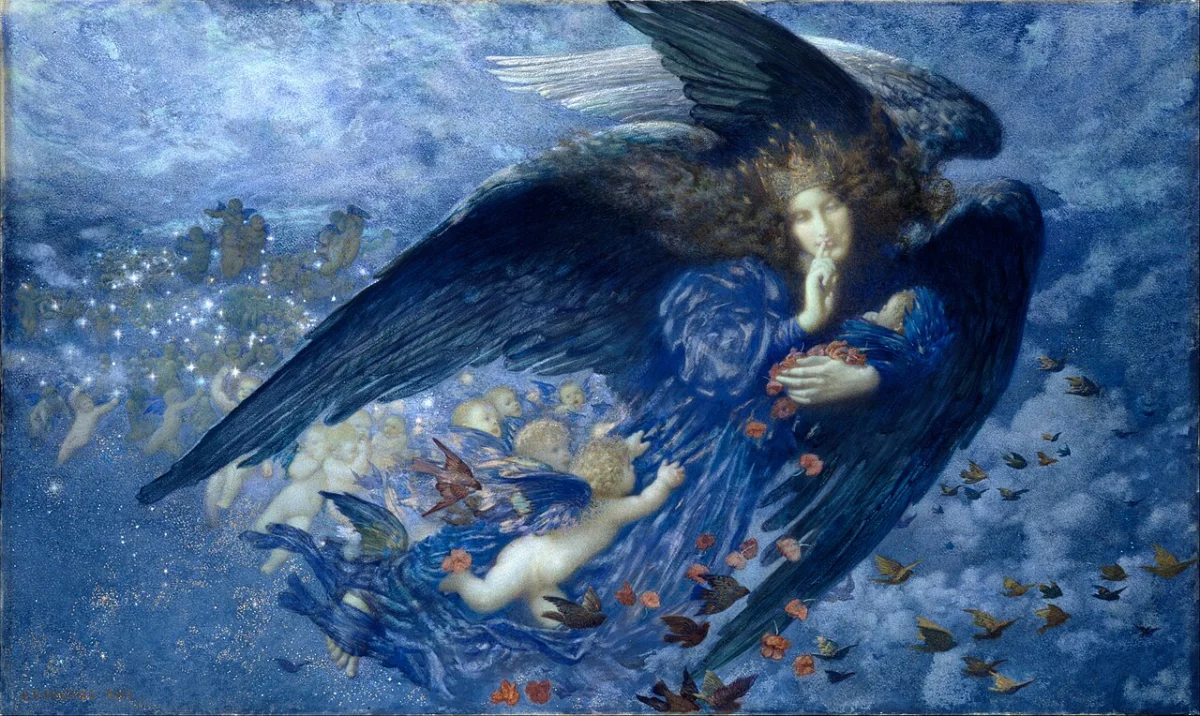
Within "An Old Stump in Epping Forest," Hughes weaves subtle narratives and symbols, inviting viewers to ponder the passage of time and nature’s resilience. This fine art painting for sale resonates with the Pre-Raphaelite fascination for storytelling and symbolism, much like "The Valkyrie's Vigil" and "Night with her Train of Stars." Hughes’s thoughtful composition and choice of subject matter make this piece a compelling addition for art enthusiasts and collectors alike.
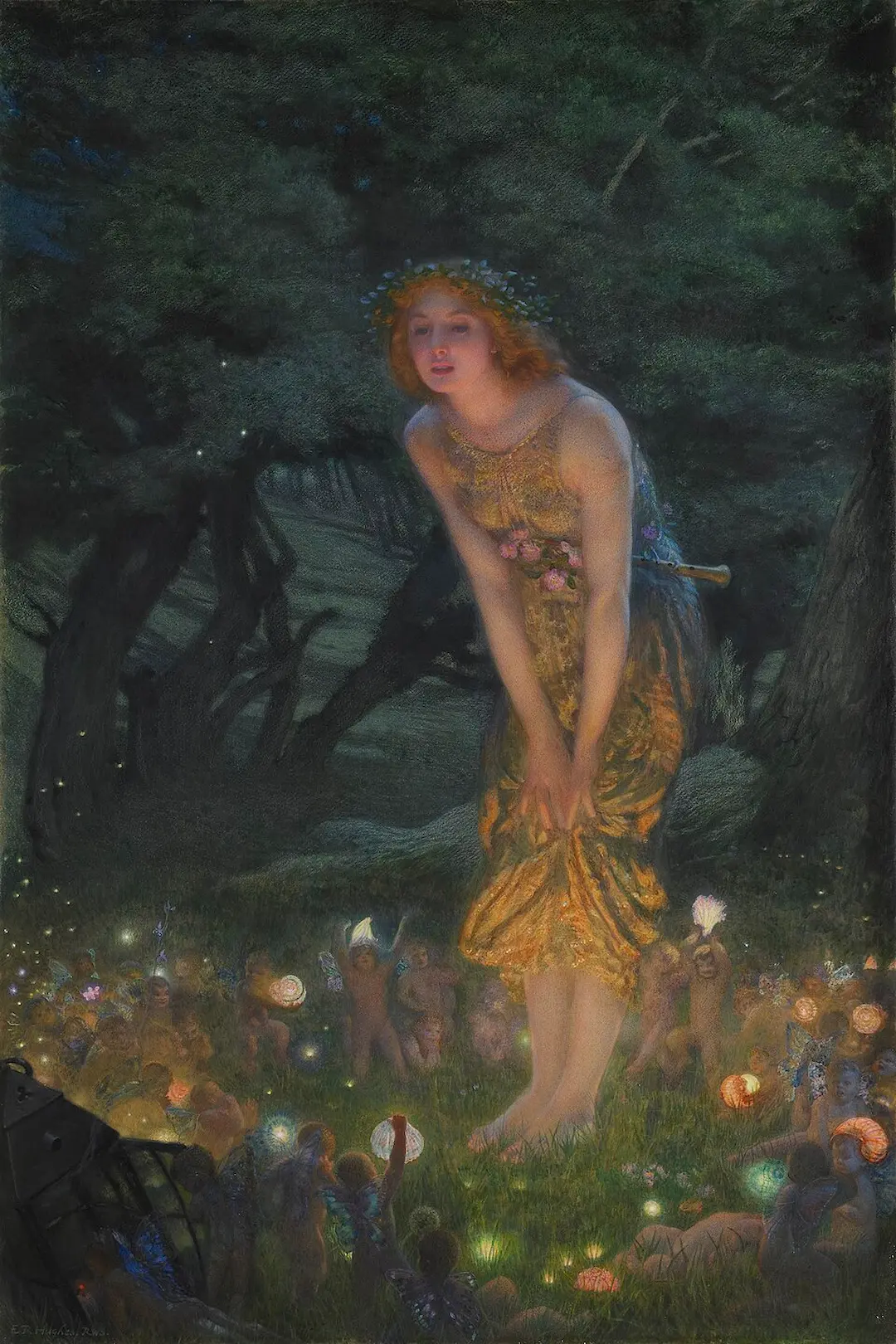
For collectors seeking a unique and evocative hand-painted oil painting, "An Old Stump in Epping Forest" by Edward Robert Hughes R.W.S. is an exceptional choice. This work, rooted in the Pre-Raphaelites movement, stands shoulder to shoulder with related products such as "Midsummer Eve" and "Landscape with Trees." Its intricate detail and narrative depth make it a prized fine art painting for sale, perfect for enhancing any sophisticated art collection.
When Art Meets History
"An Old Stump in Epping Forest" by Edward Robert Hughes R.W.S. is a stunning example of the Pre-Raphaelites movement’s dedication to nature and detail. This hand-painted oil painting captures the serene beauty of Epping Forest, echoing the same reverence for landscapes found in Hughes’s other works like "Boreas 1903" and "Miranda." The painting not only preserves a historical scene but also reflects the Pre-Raphaelites’ fascination with the natural world and timeless storytelling.
Techniques That Speak
Edward Robert Hughes’s mastery of oil on canvas is evident in "An Old Stump in Epping Forest." His meticulous brushwork and vibrant color palette bring the forest to life, much like in "Sleep and His Half Brother Death" and "The Visit of a Sick Child to the Temple of Aesculapius." The Pre-Raphaelites’ signature attention to light and texture is showcased here, making the painting a brilliant example of 19th-century artistic innovation and technical excellence.
Emotions on Display
"An Old Stump in Epping Forest" evokes a deep sense of nostalgia and tranquility, hallmarks of both Hughes’s style and the broader Pre-Raphaelites movement. Through his sensitive portrayal of the forest, Hughes invites viewers to reflect on nature’s resilience and quiet beauty. This fine art painting for sale resonates emotionally, much like "Hylas and the Nymphs 1896," drawing the audience into a contemplative and immersive experience.
Coveted by Collectors
Collectors worldwide seek out Edward Robert Hughes’s works, and "An Old Stump in Epping Forest" is no exception. As a distinguished piece within the Pre-Raphaelites movement, it stands alongside celebrated paintings like "Boreas 1903" and "Miranda." The painting’s reputation as a hand-painted oil painting of exquisite detail and historical significance ensures its place as a highly desirable addition to any fine art collection, appealing to both seasoned and new collectors alike.
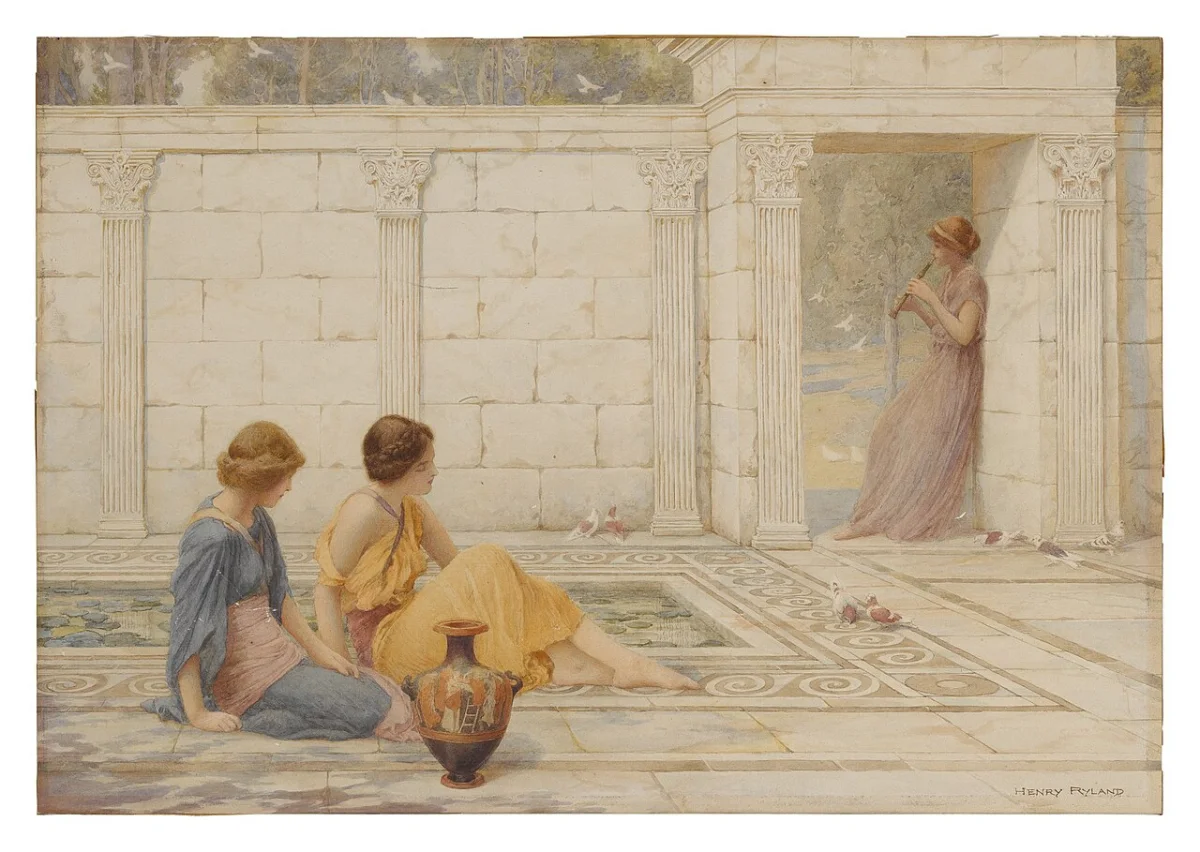
Related Pre-Raphaelites Hand-Painted Oil Paintings by Other Artists
Other Famous Pre-Raphaelites Artists:
Frequently Asked Questions About An Old Stump in Epping Forest
What is the historical significance of "An Old Stump in Epping Forest"?
This painting captures the essence of the English landscape during the late 19th century, a time when artists were increasingly drawn to natural subjects as a reaction against industrialization.
Who was Edward Robert Hughes and what is his artistic background?
Edward Robert Hughes was a prominent British painter known for his detailed and atmospheric landscapes. He was associated with the Pre-Raphaelite Brotherhood and was influenced by their emphasis on realism and vibrant color.
What techniques did Hughes use in this painting?
Hughes employed a combination of oil painting techniques, utilizing fine brushwork to create intricate details and a rich color palette, which enhances the natural beauty of the stump and surrounding foliage.
What symbolism can be found in "An Old Stump in Epping Forest"?
The old stump symbolizes the passage of time and the cycle of life and decay in nature, reflecting themes of permanence and transience that are prevalent in Hughes' work.
How does this painting reflect the Pre-Raphaelite ideals?
The painting embodies Pre-Raphaelite ideals through its meticulous attention to detail, vivid colors, and a focus on natural beauty, emphasizing a romanticized view of the English countryside.
In what ways does the composition of the painting enhance its themes?
The composition draws the viewer's eye towards the stump, surrounded by lush greenery, creating a sense of intimacy with nature and inviting contemplation on its significance within the landscape.
What role does light play in "An Old Stump in Epping Forest"?
Light is used masterfully to highlight the textures of the stump and foliage, creating depth and dimension while evoking a serene atmosphere that enhances the viewer's emotional connection to the scene.
How does this painting compare to other works by Edward Robert Hughes?
Compared to other works by Hughes, "An Old Stump in Epping Forest" showcases his ability to blend realism with a poetic interpretation of nature, often seen in his other landscape paintings, yet it stands out for its focus on a singular, humble subject.
What influence did the natural environment have on Hughes' work?
The natural environment profoundly influenced Hughes, as he often sought inspiration from the English countryside, aiming to capture its beauty and complexity, which is evident in the detailed representation of Epping Forest.
Why is "An Old Stump in Epping Forest" considered an important piece in the context of British art?
This painting is considered important as it reflects the shift towards a greater appreciation of nature in British art during the Victorian era, showcasing the evolving relationship between humanity and the natural world.























_GFM_Painting_(1).webp)


 100% Hand-Painted: Finished in 3-6 Weeks

.png)















_(1).webp)