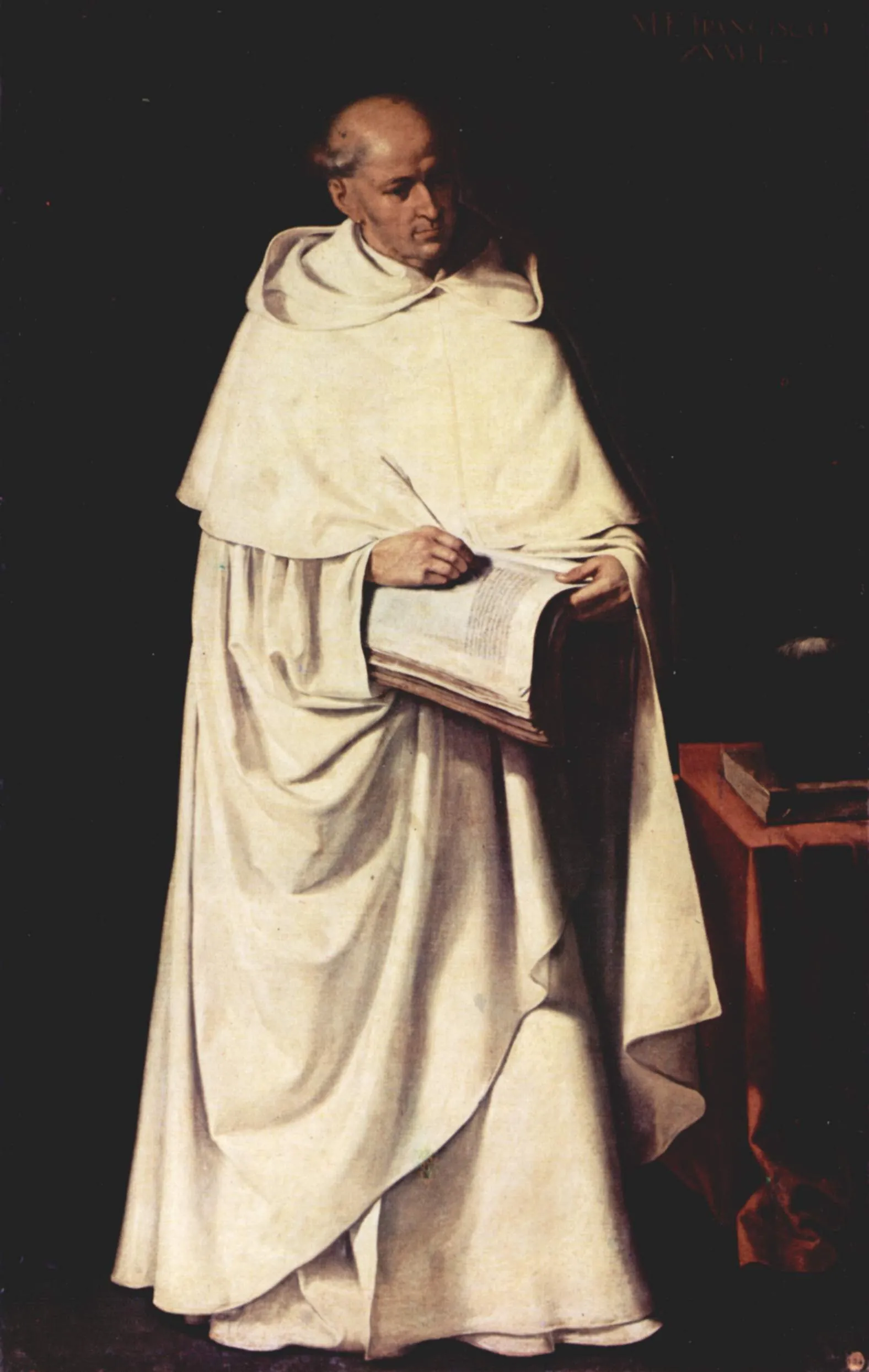
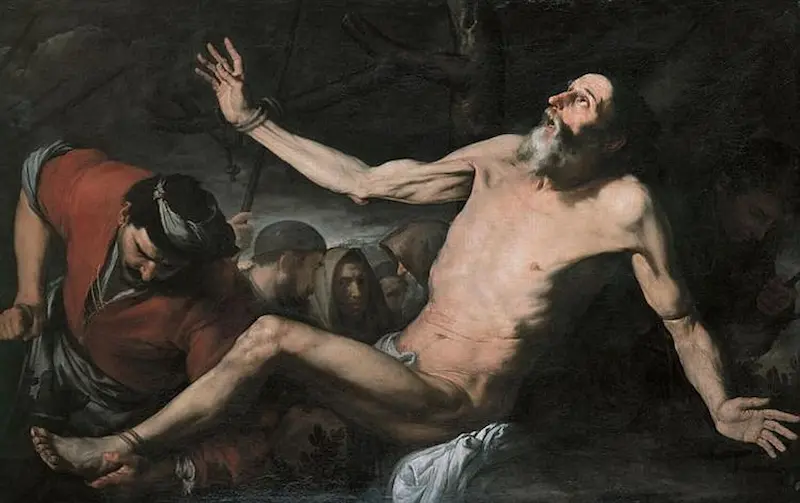
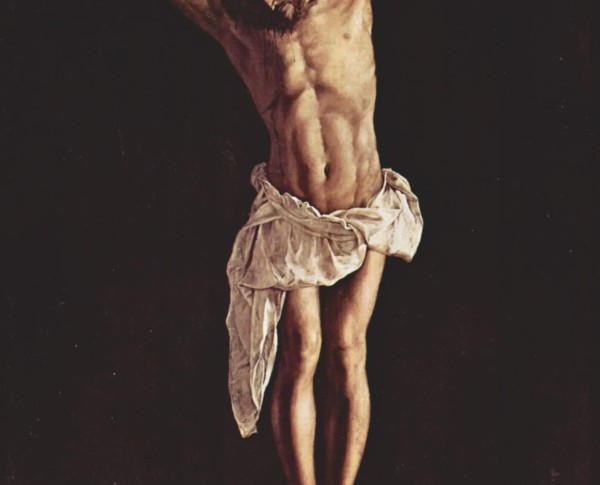
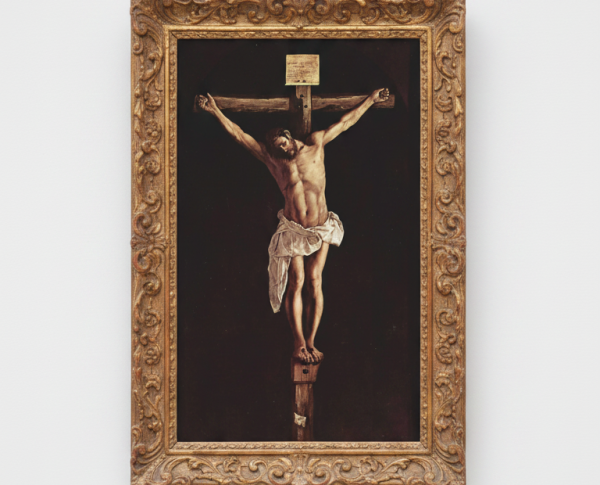
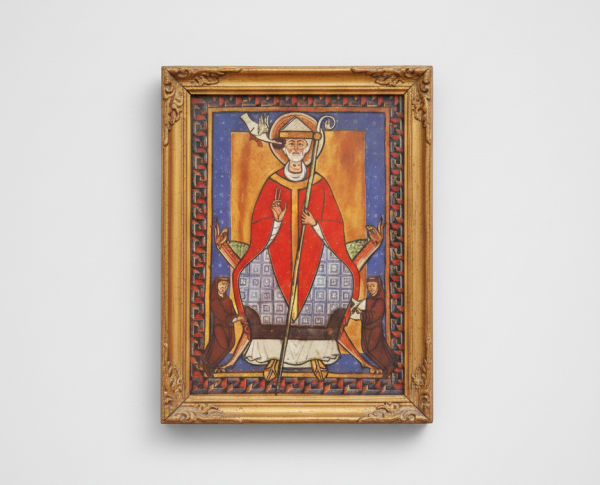
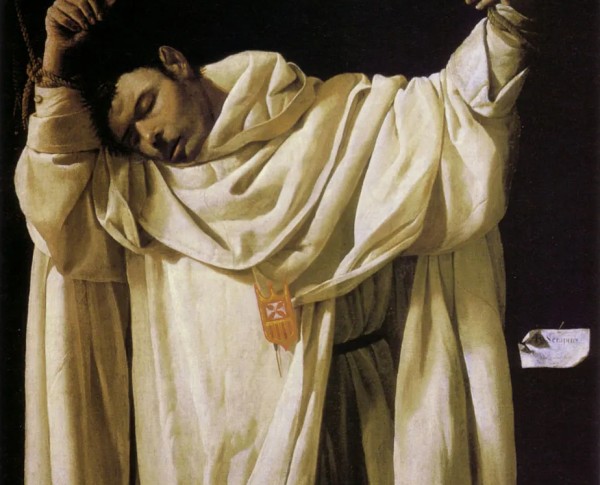
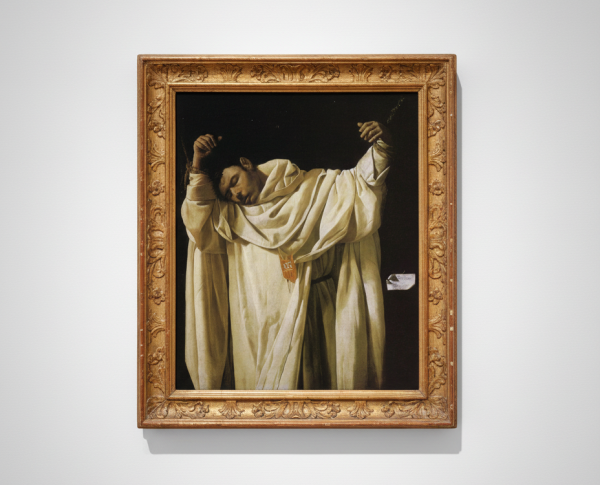
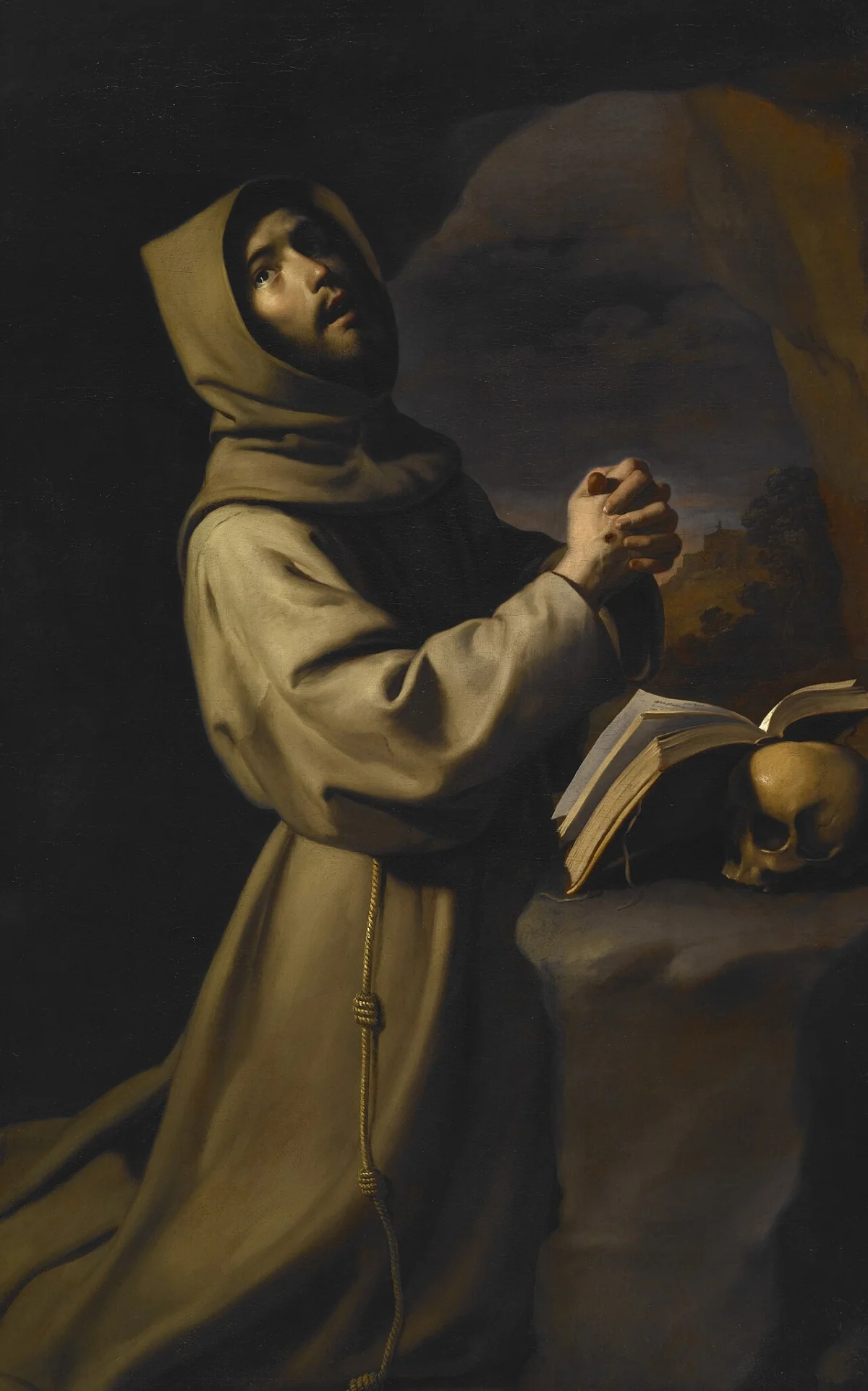
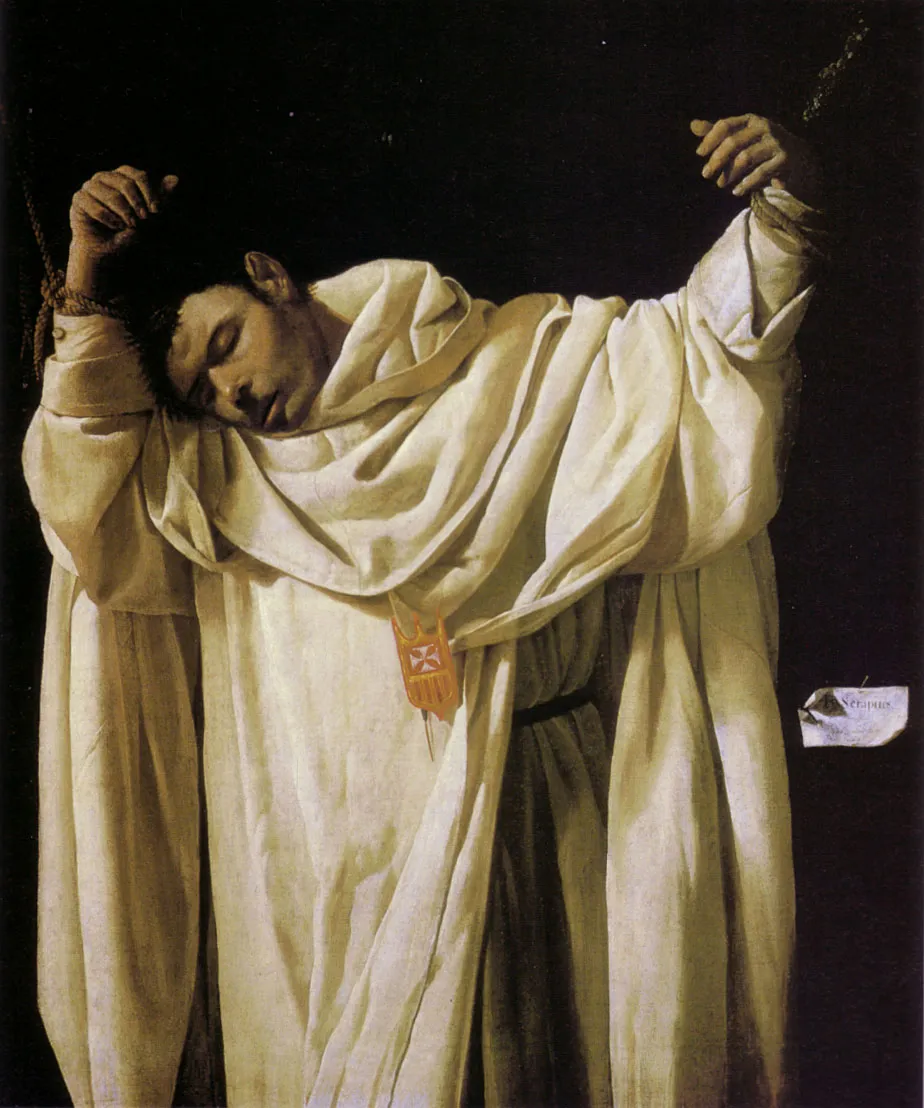
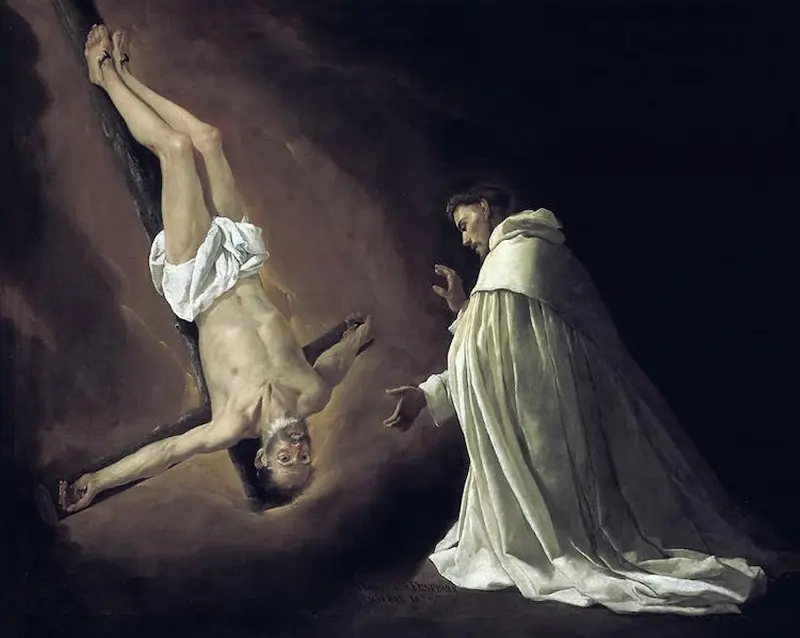
Every detail in "Meditation of St Francis" is rich with symbolism, inviting viewers to explore the deeper meanings within this fine art painting for sale. Zurbaran’s depiction of the saint’s humble posture and contemplative gaze resonates with spiritual seekers. This narrative depth is echoed in his other masterpieces, including "Beato Serapio" and "St Pierre Pascal, Bishop of Jaen," offering collectors a glimpse into the profound stories woven into each canvas.
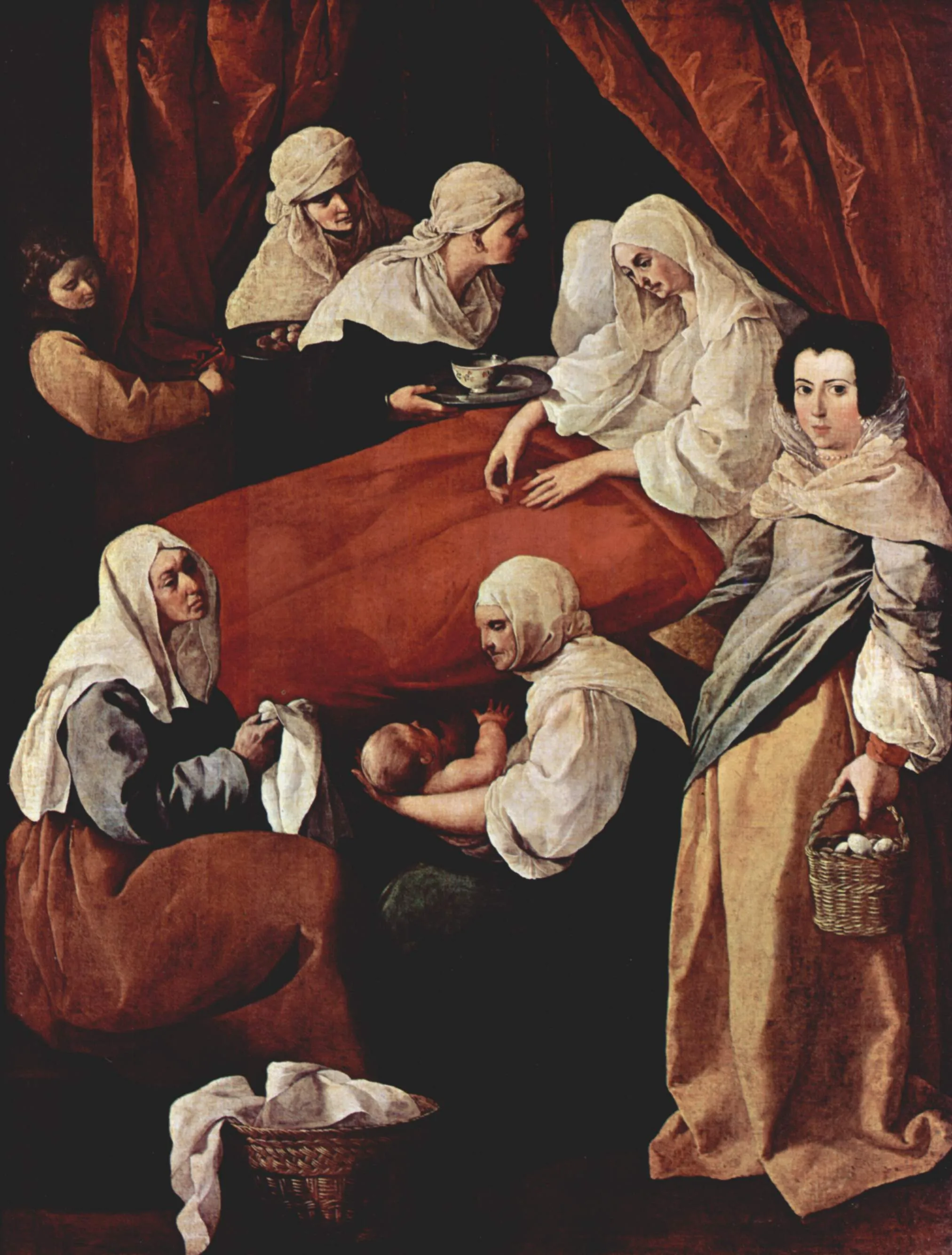
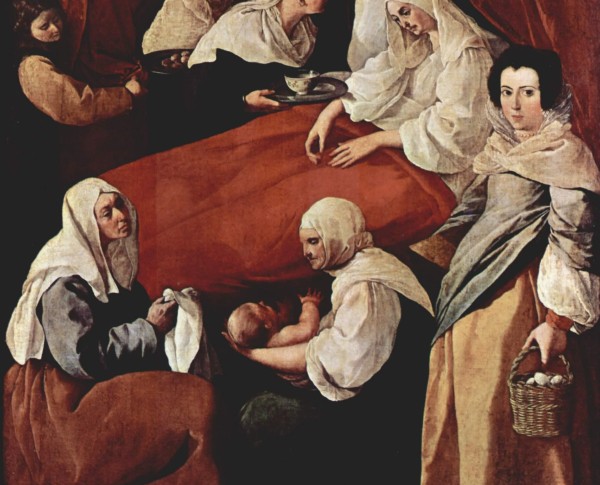
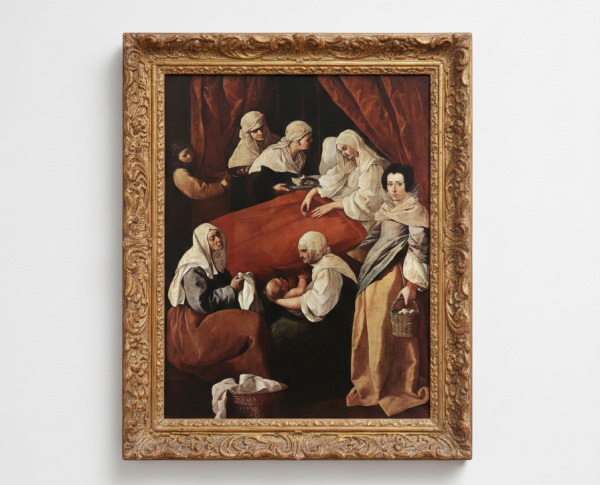
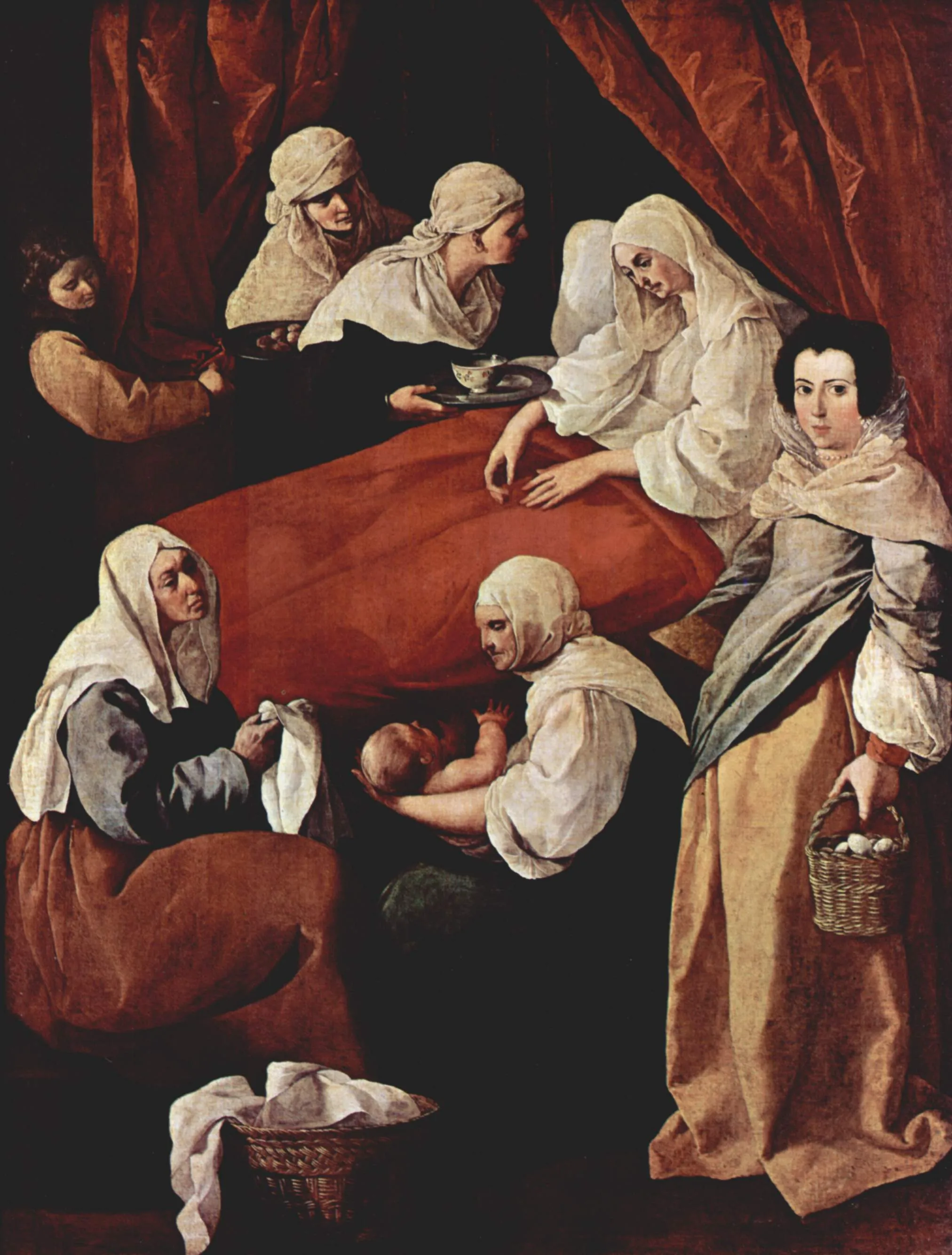
Owning "Meditation of St Francis" by Francisco de Zurbaran is more than acquiring a hand-painted oil painting; it is embracing a piece of Baroque history. For collectors, this work, along with related treasures like "St Gregory" and "Birth of the Virgin," represents an invaluable addition to any art collection. Its timeless beauty and spiritual resonance make it a coveted fine art painting for sale among connoisseurs of classical masterpieces.
When Art Meets History
"Meditation of St Francis" by Francisco de Zurbaran stands as a testament to the Baroque movement's profound connection between spirituality and artistic innovation. This hand-painted oil painting masterfully captures the contemplative spirit of St Francis, a theme popular during the 17th century. Zurbaran’s work sits alongside related paintings such as "Arcadian Landscape," "Jupiter, Neptune and Pluto," and "The Lute Player," all contributing to the era’s rich tapestry of religious and mythological narratives.
Techniques That Speak
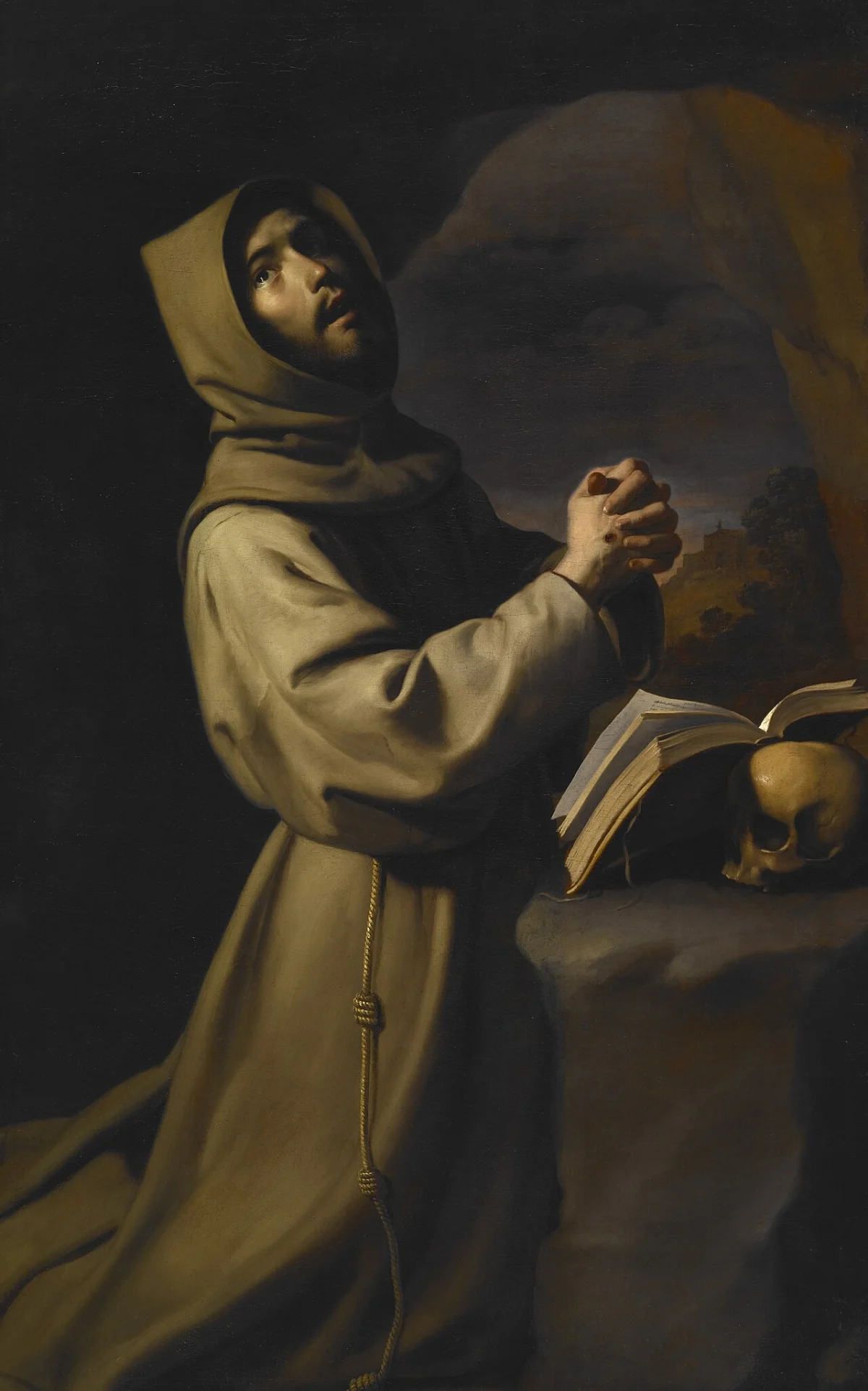
Francisco de Zurbaran employed the oil on canvas medium to remarkable effect in "Meditation of St Francis." His use of chiaroscuro, a hallmark of the Baroque period, highlights the saint’s serene face against the painting’s dark, subdued background. Like his celebrated works "Portrait of Charles II" and "Supper at Emmaus," Zurbaran’s technique enhances the spiritual depth and realism, making each brushstroke a vital part of this visually immersive oil on canvas experience.
Emotions on Display
In "Meditation of St Francis," the emotional intensity is palpable, a signature of Baroque fine art painting for sale. Zurbaran’s mastery lies in his ability to evoke deep introspection and reverence through subtle gestures and dramatic lighting. The painting invites viewers to share in St Francis’s spiritual journey, much like the emotional resonance found in related paintings such as "The Lute Player" and "Supper at Emmaus," both of which showcase the artist’s expertise in conveying profound human emotions.
Coveted by Collectors
As a quintessential example of Baroque religious art, "Meditation of St Francis" by Francisco de Zurbaran remains highly sought after by collectors. This hand-painted oil painting, alongside masterpieces like "Arcadian Landscape" and "Portrait of Charles II," is prized for its historical significance and technical brilliance. The enduring appeal of Zurbaran’s work ensures it remains a centerpiece in galleries and private collections, representing the finest traditions of fine art painting for sale from the Baroque era.
Related Baroque Hand-Painted Oil Paintings by Other Artists
Other Famous Baroque Artists:
Frequently Asked Questions About Meditation of St Francis
What is the historical context of "Meditation of St Francis"?
"Meditation of St Francis" was painted by Francisco de Zurbarán in the 17th century, during the Spanish Golden Age, a period marked by significant artistic and cultural achievements in Spain.
Who was St Francis, and why is he significant in art?
St Francis of Assisi was a 13th-century Italian saint known for his love of nature and animals, as well as his commitment to poverty and humility. His life and teachings have inspired countless artists, making him a popular subject in religious art.
What artistic techniques did Zurbarán use in this painting?
Zurbarán is known for his use of chiaroscuro, a technique that employs strong contrasts between light and dark to create a sense of volume and depth. In "Meditation of St Francis," this technique enhances the spiritual and contemplative atmosphere of the scene.
What symbolism is present in "Meditation of St Francis"?
The painting features various symbols associated with St Francis, including the skull, which represents mortality and the contemplation of death, and the book, symbolizing knowledge and spiritual wisdom.
How does Zurbarán portray the theme of meditation in this artwork?
Zurbarán captures the essence of meditation through St Francis's serene expression and contemplative posture, inviting viewers to reflect on the spiritual journey and inner peace associated with meditation.
What role does light play in "Meditation of St Francis"?
Light serves as a crucial element in the painting, illuminating St Francis and creating a divine aura around him. This use of light symbolizes enlightenment and the presence of the divine in moments of meditation.
What materials and techniques did Zurbarán use for this painting?
Zurbarán typically used oil on canvas for his works, allowing for rich colors and detailed textures. His meticulous brushwork contributes to the lifelike portrayal of St Francis and the surrounding elements.
How does "Meditation of St Francis" reflect the Baroque style?
The painting embodies the Baroque style through its dramatic use of light and shadow, emotional intensity, and focus on religious themes, all characteristic of the period's artistic expression.
What influence did Zurbarán have on later artists?
Zurbarán's mastery of light, texture, and religious themes influenced many later artists, particularly in the Spanish Baroque tradition. His ability to convey spirituality through visual means has left a lasting legacy in art history.
Where can I view "Meditation of St Francis" today?
"Meditation of St Francis" is part of the collection at the Museo de Bellas Artes de Bilbao in Spain. The painting is accessible to the public, allowing visitors to appreciate Zurbarán's artistry firsthand.























_GFM_Painting_(1).webp)


 100% Hand-Painted: Finished in 3-6 Weeks

.png)
















_(1).webp)