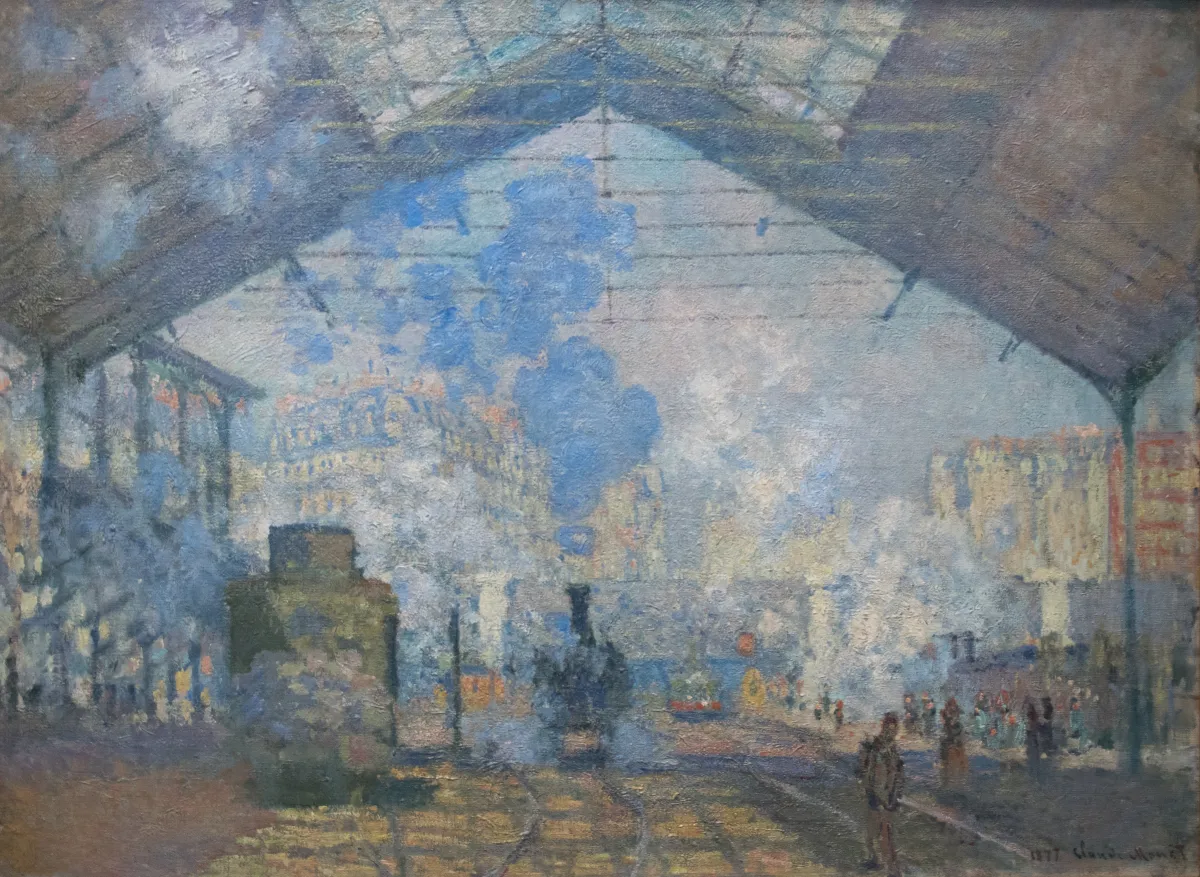
Monet’s "La Gare Saint Lazare" exemplifies his mastery with oil on canvas, using swift brushwork and vibrant hues to convey the fleeting effects of steam and sunlight. The painting’s textured surface and vivid palette are hallmarks of Impressionism, capturing the essence of a moment in time. Art enthusiasts seeking similar oil on canvas pieces may also appreciate related works such as "Rouen Cathedral Series" and "Seacoast at Saint-Adresse," each revealing Monet’s skillful technique.
Within "La Gare Saint Lazare," Monet weaves stories of industrial progress and modernity through his expressive brushstrokes. The trains, steam, and bustling figures symbolize the rapid changes of 19th-century Paris. As a hand-painted oil painting, it invites viewers to explore deeper meanings, much like his other works "Sunset" and "Le Grand Canal, Venice." This Impressionist masterpiece remains a testament to Monet’s ability to infuse narrative and symbolism into fine art painting for sale.
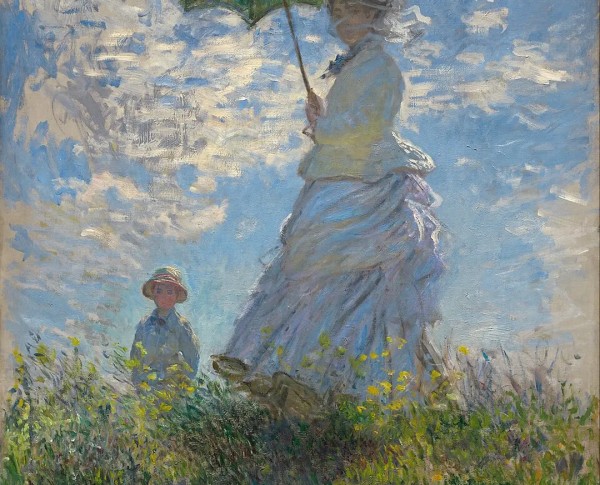
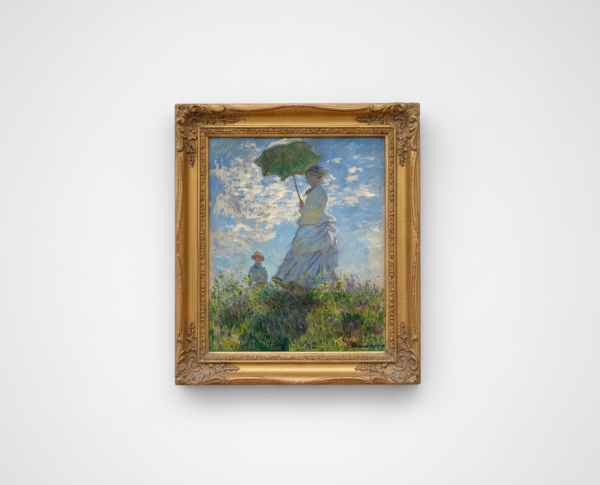
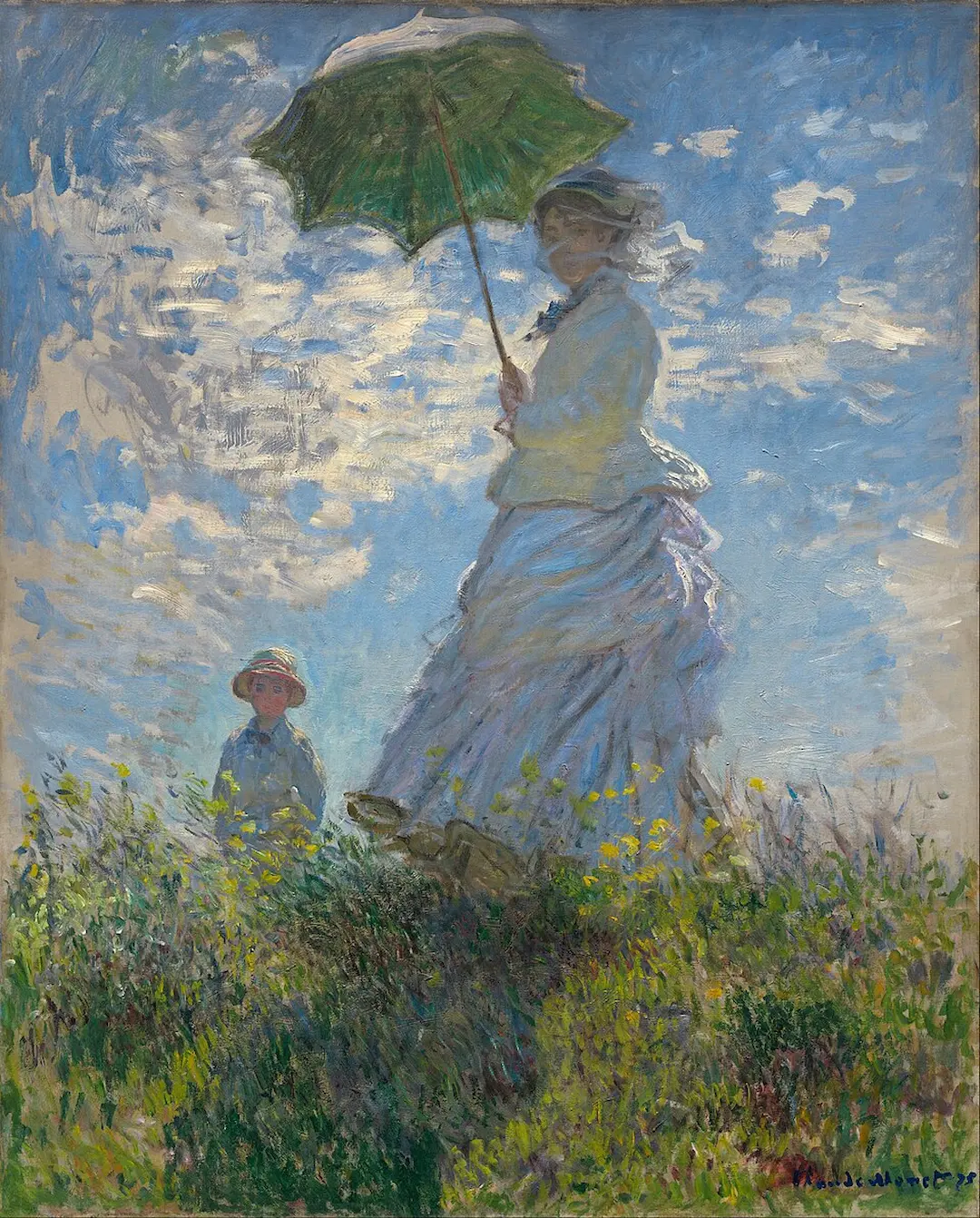
Owning "La Gare Saint Lazare" or any Claude Monet oil on canvas is a dream for collectors of Impressionism. This artwork’s historical significance and visual brilliance make it a prized addition to any collection. Alongside renowned pieces like "The Walk Woman With A Parasol," Monet’s paintings are sought after by those who appreciate the value of a fine art painting for sale, offering both aesthetic pleasure and investment potential.
When Art Meets History
Claude Monet’s "La Gare Saint Lazare" stands as a remarkable hand-painted oil painting from the Impressionism movement. Created in 1877, the work captures the bustling atmosphere of Paris’s Saint Lazare train station, spotlighting the transformative era of industrialization. Monet, a master of Impressionism, painted this scene alongside other notable works like "The Seine At Asnieres Aka The Skiff" and "Spring Bouquet," making "La Gare Saint Lazare" a pivotal piece in both art and history.
Techniques That Speak
Monet’s innovative use of oil on canvas in "La Gare Saint Lazare" exemplifies the Impressionist style. Quick, visible brushstrokes and a vibrant palette convey the steam, light, and movement of the station. This technique, seen in related paintings such as "Luncheon Of The Boating Party" and "Les raboteurs de parquet," allows Monet to capture fleeting moments and atmospheric effects, defining the unique visual language of Impressionism and elevating the artistic value of this celebrated masterpiece.
Emotions on Display
"La Gare Saint Lazare" evokes a sense of excitement and anticipation, immersing viewers in the daily rush of 19th-century Paris. Monet’s fine art painting for sale reveals emotional depth through dynamic composition and shifting light, inviting us to feel the energy of the station. This emotional resonance, also present in works like "Young Spartans Exercising" and "Spring Bouquet," demonstrates Monet’s mastery at connecting viewers to the pulse of modern life within the Impressionist movement.
Coveted by Collectors
As a prime example of Impressionism, Monet’s "La Gare Saint Lazare" is highly sought after by collectors and museums worldwide. This hand-painted oil painting, like "Les raboteurs de parquet" and "The Seine At Asnieres Aka The Skiff," commands admiration and significant value in the art market. Its historical significance and innovative technique ensure that "La Gare Saint Lazare" remains a coveted treasure among those passionate about collecting and preserving fine art masterpieces.
Related Impressionism Hand-Painted Oil Paintings by Other Artists
Other Famous Impressionism Artists:
Frequently Asked Questions About La Gare Saint Lazare
What is the historical significance of La Gare Saint Lazare?
La Gare Saint Lazare is significant as it captures the transformation of Paris during the Industrial Revolution, showcasing the bustling energy of modern life and the impact of technology on society.
What artistic movement does La Gare Saint Lazare belong to?
This painting is a prime example of Impressionism, a movement characterized by its focus on light, color, and the depiction of everyday scenes, emphasizing the artist's perception of the moment.
What techniques did Claude Monet use in La Gare Saint Lazare?
Monet employed loose brushwork and a vibrant palette to convey the effects of light and atmosphere, creating a sense of immediacy and movement that is hallmark of Impressionist painting.
How does La Gare Saint Lazare reflect the theme of modernity?
The painting reflects modernity through its depiction of the train station, a symbol of progress and innovation, illustrating the rapid changes in urban life and transportation during the late 19th century.
What role does light play in La Gare Saint Lazare?
Light is a central element in La Gare Saint Lazare, as Monet captures the interplay of natural and artificial light, creating a dynamic atmosphere that enhances the scene's vibrancy and movement.
What emotions does La Gare Saint Lazare evoke?
The painting evokes a sense of excitement and energy, reflecting the hustle and bustle of urban life, while also conveying a sense of nostalgia for the past amidst the rapid changes of modernity.
How does La Gare Saint Lazare compare to other works by Monet?
Compared to other works by Monet, La Gare Saint Lazare stands out for its focus on an urban setting and industrial subject matter, contrasting with his more traditional landscapes and rural scenes.
What symbols can be found in La Gare Saint Lazare?
The train station itself serves as a symbol of progress and the future, while the steam and smoke can represent the transient nature of modern life, capturing the essence of a rapidly changing world.
In what ways did La Gare Saint Lazare influence future artists?
La Gare Saint Lazare influenced future artists by demonstrating the power of capturing contemporary life and the effects of light, paving the way for modern art movements that embraced abstraction and new perspectives.
What is the significance of the location depicted in La Gare Saint Lazare?
The location is significant as La Gare Saint Lazare was one of the busiest train stations in Paris, symbolizing the city's role as a hub of commerce and culture, and reflecting the daily lives of Parisians during that era.






















_GFM_Painting_(1).webp)


 100% Hand-Painted: Finished in 3-6 Weeks

.png)















_(1).webp)