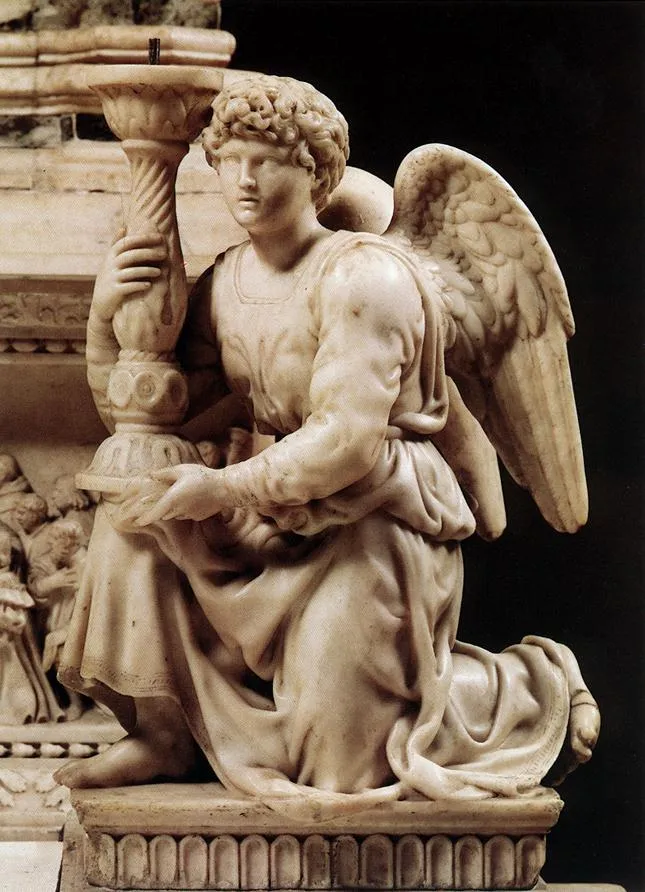
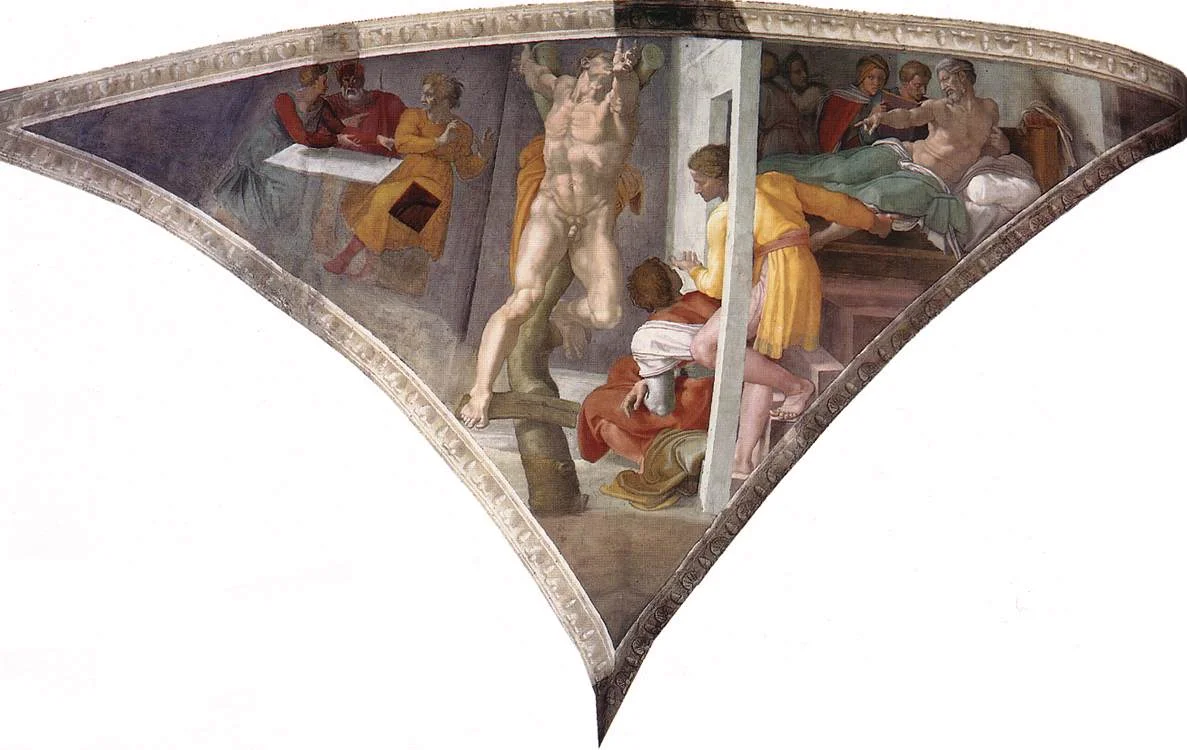
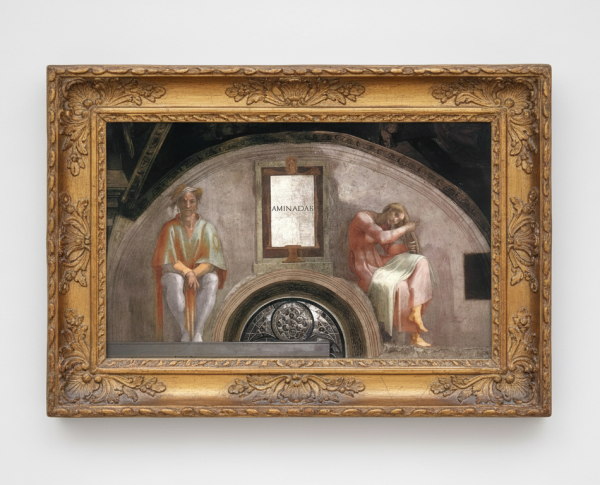
Every detail in Michelangelo’s "Bacchus" exemplifies his unparalleled skill in oil on canvas. The lifelike portrayal of flesh, the intricate vine leaves, and the playful yet powerful stance of Bacchus all highlight the artist’s technical brilliance. This oil on canvas work is a cornerstone of the High Renaissance, influencing generations of artists. Art lovers can also appreciate similar masterpieces, such as "Angel with Candlestick" and "The Torment of Saint Anthony".
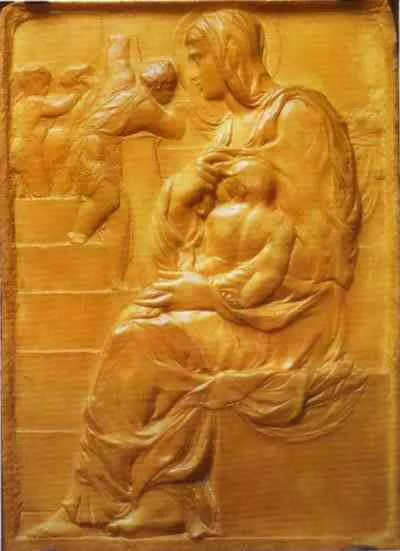
"Bacchus" by Michelangelo Buonarroti is rich in mythological symbolism and storytelling. The painting’s composition reflects the duality of indulgence and restraint, a theme central to the High Renaissance. As a hand-painted oil painting, it invites viewers to explore deeper meanings within every brushstroke. For those interested in fine art painting for sale, related works like "Madonna of the Stairs" and "Crucifixion" offer further insight into Michelangelo’s narrative genius.
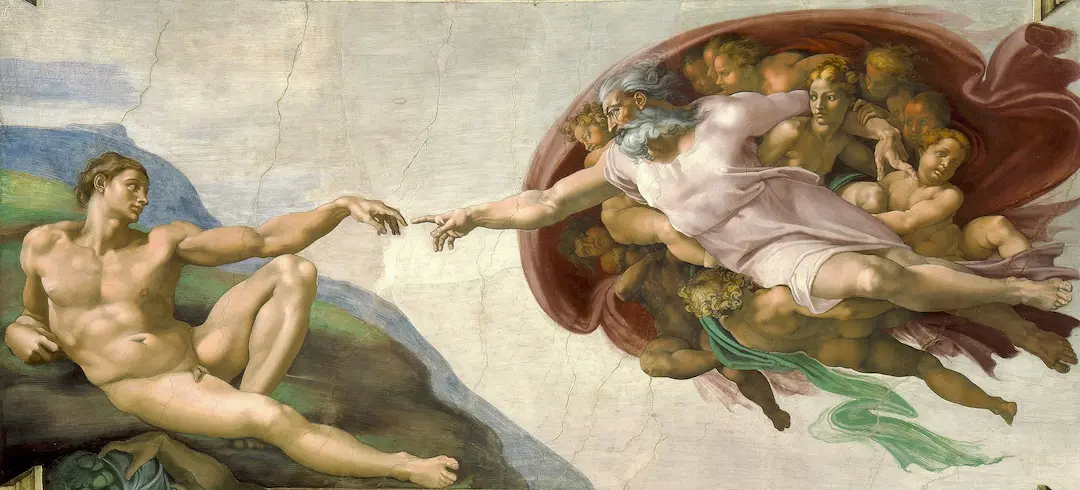
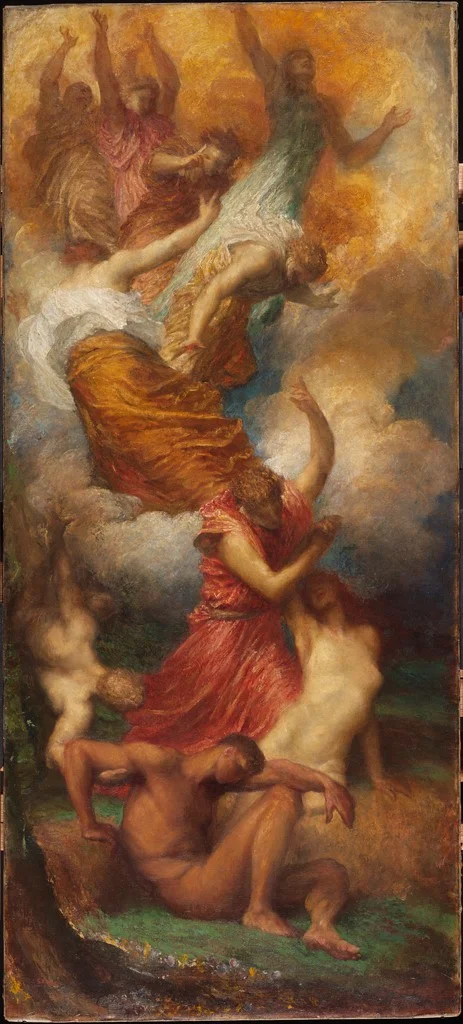
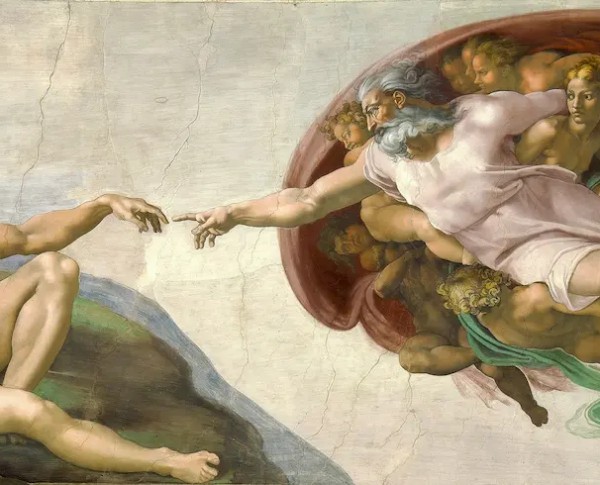
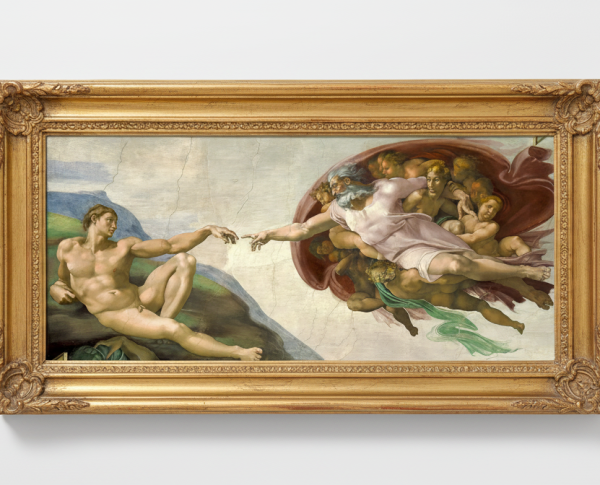
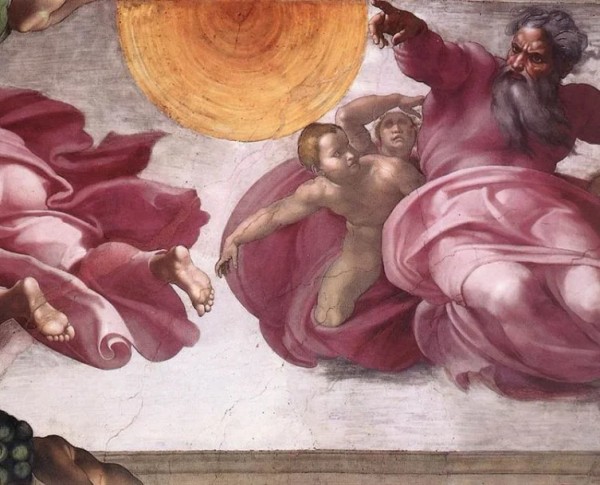
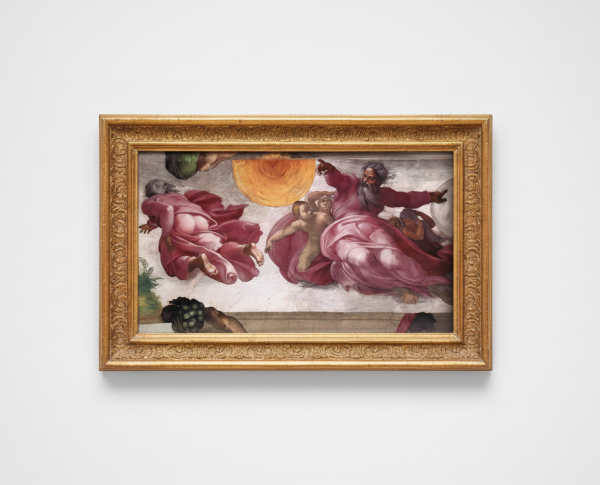
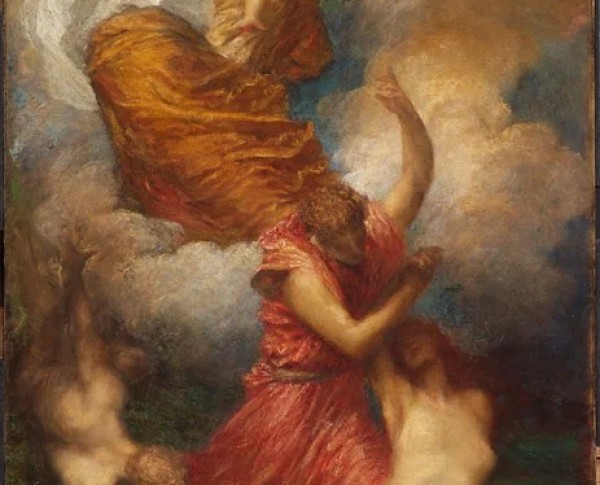
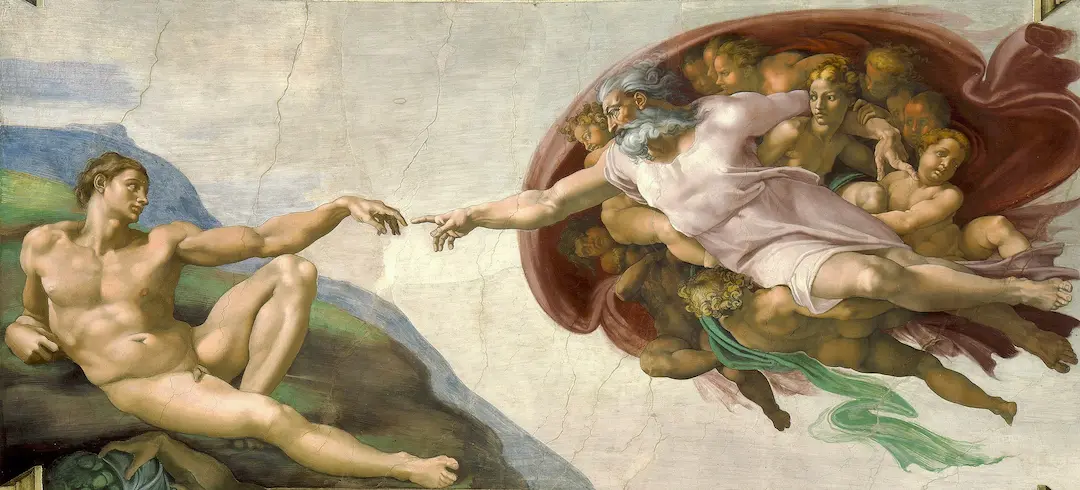
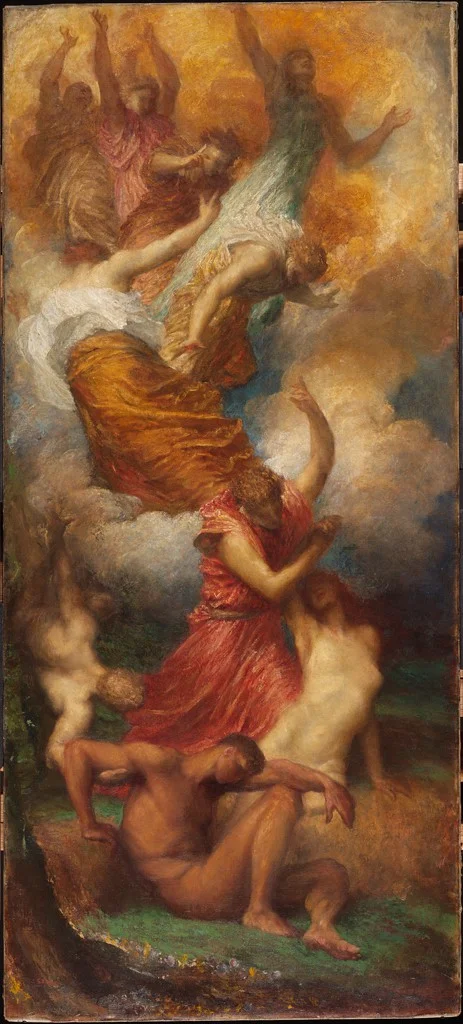
Owning a Michelangelo Buonarroti masterpiece like "Bacchus" is a dream for any art collector. This oil on canvas painting is celebrated in the High Renaissance movement for its innovation and beauty. Collectors seeking a fine art painting for sale often pursue works of similar caliber, including "The Creation of Eve" and "Creation of Adam 1510". These pieces together form a stunning representation of Michelangelo’s enduring artistic legacy.
When Art Meets History
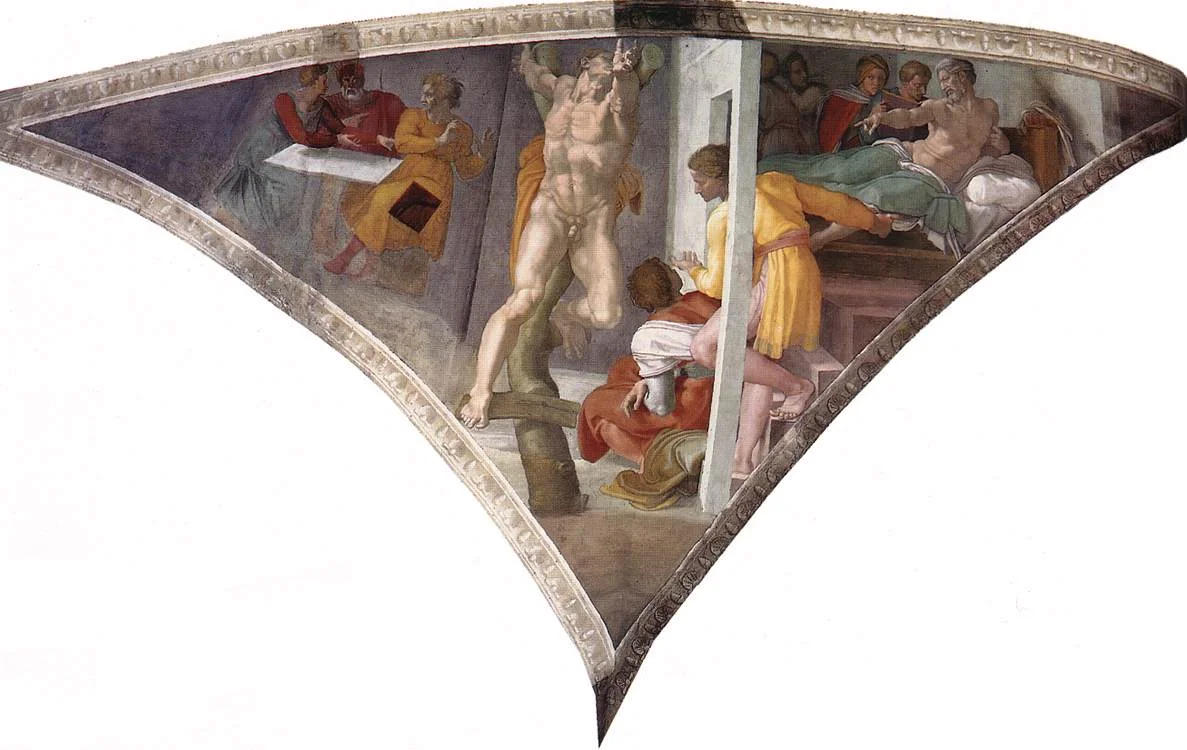
"Bacchus" by Michelangelo Buonarroti stands as a stunning testament to the High Renaissance, a period celebrated for its revolutionary artistry and depth. This hand-painted oil painting captures the god of wine in a moment of both divine revelry and human vulnerability. Created around the same era as masterpieces like "The Vision of Ezekiel" and "The School of Athens," Michelangelo’s "Bacchus" bridges the worlds of myth and reality, forever marking its place in art history.
Techniques That Speak
Michelangelo’s mastery is evident in the lifelike rendering of "Bacchus," skillfully executed using oil on canvas. The artist’s understanding of anatomy and his delicate use of light and shadow are reminiscent of his studies, such as "Study of hands." This technique, prevalent in the High Renaissance, allows "Bacchus" to radiate a sense of movement and vitality, making it an exemplary oil on canvas work alongside other significant pieces like "Madonna of Belvedere."
Emotions on Display
"Bacchus" evokes a complex interplay of emotions, capturing both indulgence and introspection within the same frame. Michelangelo Buonarroti’s fine art painting for sale invites viewers to contemplate the god’s ambiguous expression, simultaneously exuding joy and melancholy. Similar emotional depth is found in works like "Christ at the Column." Through his High Renaissance lens, Michelangelo transforms mythological subjects into deeply human experiences, making each viewing a profound encounter.
Coveted by Collectors
As a prime example of a hand-painted oil painting from the High Renaissance, "Bacchus" remains highly sought after by collectors and museums worldwide. Michelangelo Buonarroti’s unique approach, seen also in "Madonna of Belvedere" and "The Vision of Ezekiel," ensures that this fine art painting for sale commands attention and admiration. Its historical significance and masterful execution make "Bacchus" a timeless treasure in the world of art collecting.
Related High Renaissance Hand-Painted Oil Paintings by Other Artists
Other Famous High Renaissance Artists:
Frequently Asked Questions About Bacchus
What is the historical context of Michelangelo's Bacchus?
Michelangelo created Bacchus in 1496-1497 during his time in Rome, a period marked by the Renaissance's revival of classical themes and forms. The sculpture reflects the artist's engagement with ancient Roman culture and mythology.
What does Bacchus represent in this artwork?
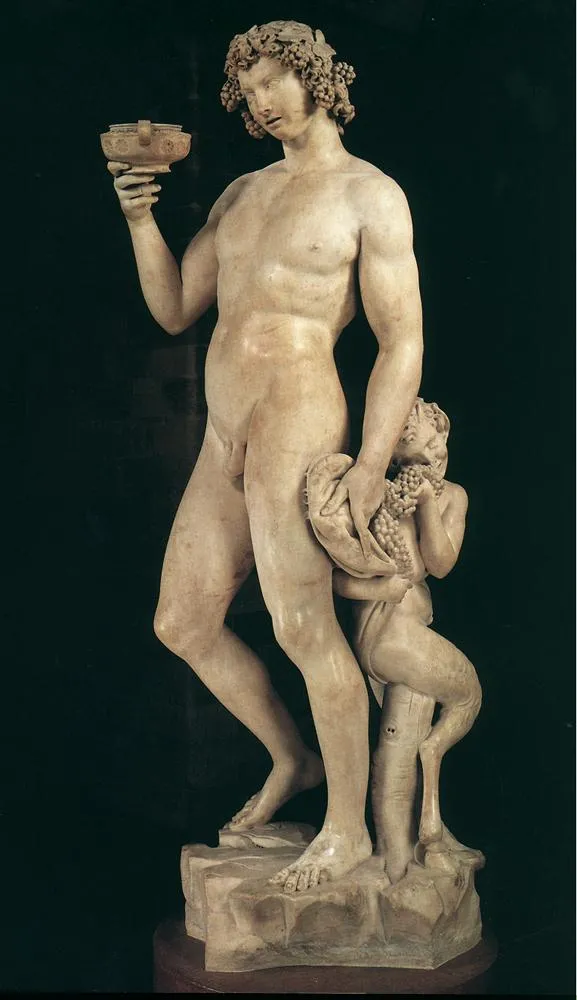
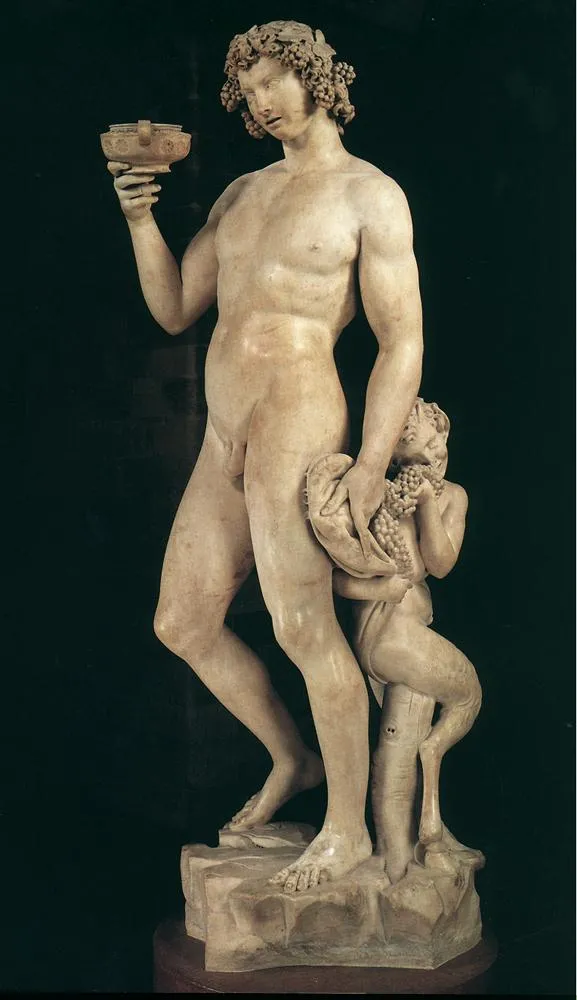
Bacchus, the Roman god of wine, fertility, and revelry, symbolizes indulgence and the celebration of life. Michelangelo's interpretation captures both the joyous and tumultuous aspects of this deity.
How does Michelangelo's Bacchus compare to other depictions of Bacchus in art?
Unlike many classical representations that idealize Bacchus, Michelangelo's version presents a more humanized and dynamic figure, showcasing a blend of strength and vulnerability, which is characteristic of his sculptural style.
What artistic techniques did Michelangelo employ in Bacchus?
Michelangelo utilized contrapposto, a technique that creates a sense of movement by positioning the figure in a relaxed stance. The intricate detailing of the drapery and the expressive facial features further exemplify his mastery of marble carving.
What is the significance of the grapes and the cup in Bacchus?
The grapes and cup are symbolic elements associated with wine and festivity, reinforcing Bacchus's role as the god of wine. They also signify the duality of pleasure and excess, themes prevalent in Renaissance art.
What materials were used in the creation of Bacchus?
Bacchus is carved from a single block of marble, a medium that Michelangelo favored for its durability and ability to convey intricate details. The choice of marble also reflects the Renaissance's reverence for classical sculpture.
What was the original purpose of Bacchus?
Originally commissioned as a tomb monument for a wealthy patron, Bacchus was intended to evoke the themes of mortality and the fleeting nature of pleasure, aligning with the Renaissance's exploration of human experience.
How did Bacchus influence later artists?
Michelangelo's Bacchus has inspired numerous artists in subsequent generations, influencing their approaches to the human form, emotion, and the integration of classical themes into their works, thereby shaping the trajectory of Western art.
What are the notable features of Bacchus's expression?
Bacchus's expression is one of intoxication and contemplation, capturing a moment of revelry. This complexity invites viewers to reflect on the nature of pleasure and its effects on the human spirit.
Where can Bacchus be viewed today?
Bacchus is housed in the Museo Nazionale del Bargello in Florence, Italy, where it continues to be a significant attraction for visitors interested in Renaissance art and Michelangelo's contributions to sculpture.






















_GFM_Painting_(1).webp)


 100% Hand-Painted: Finished in 3-6 Weeks

.png)















_(1).webp)