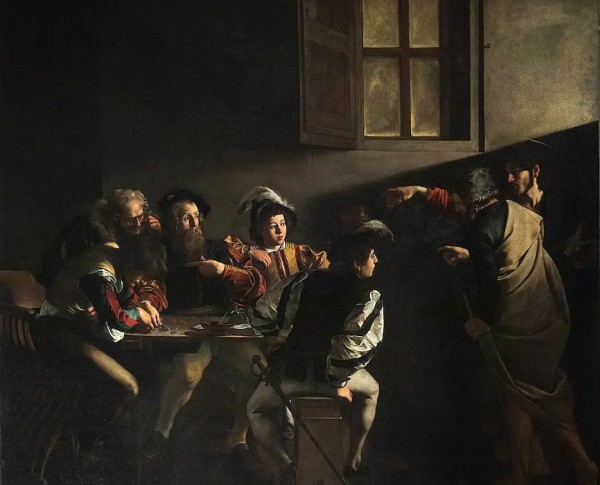
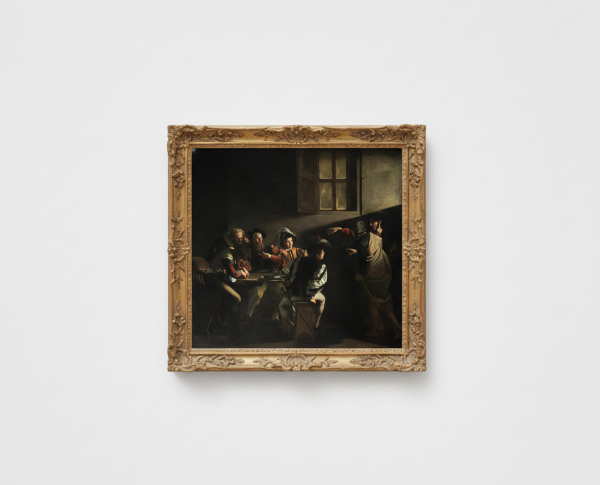
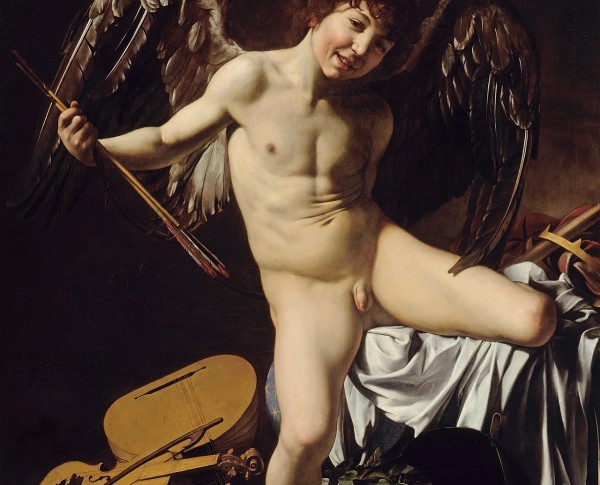
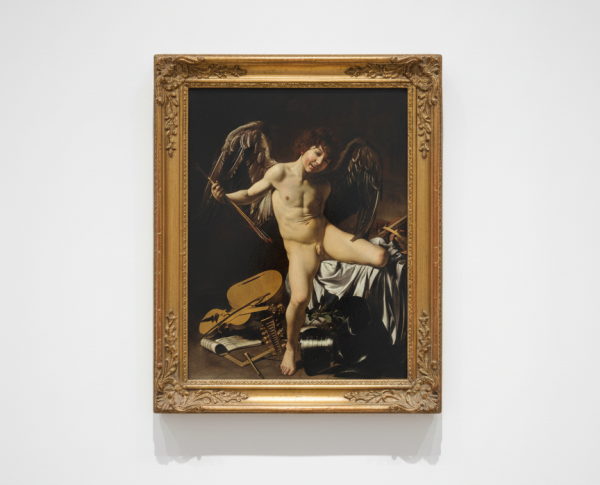
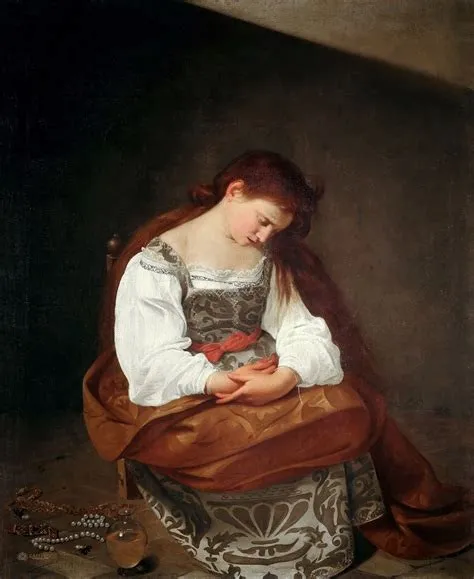
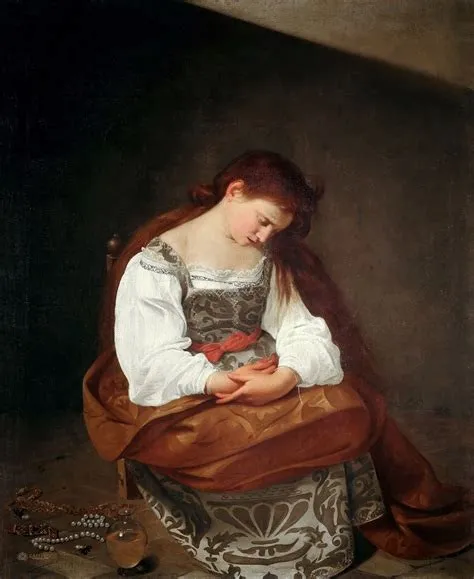
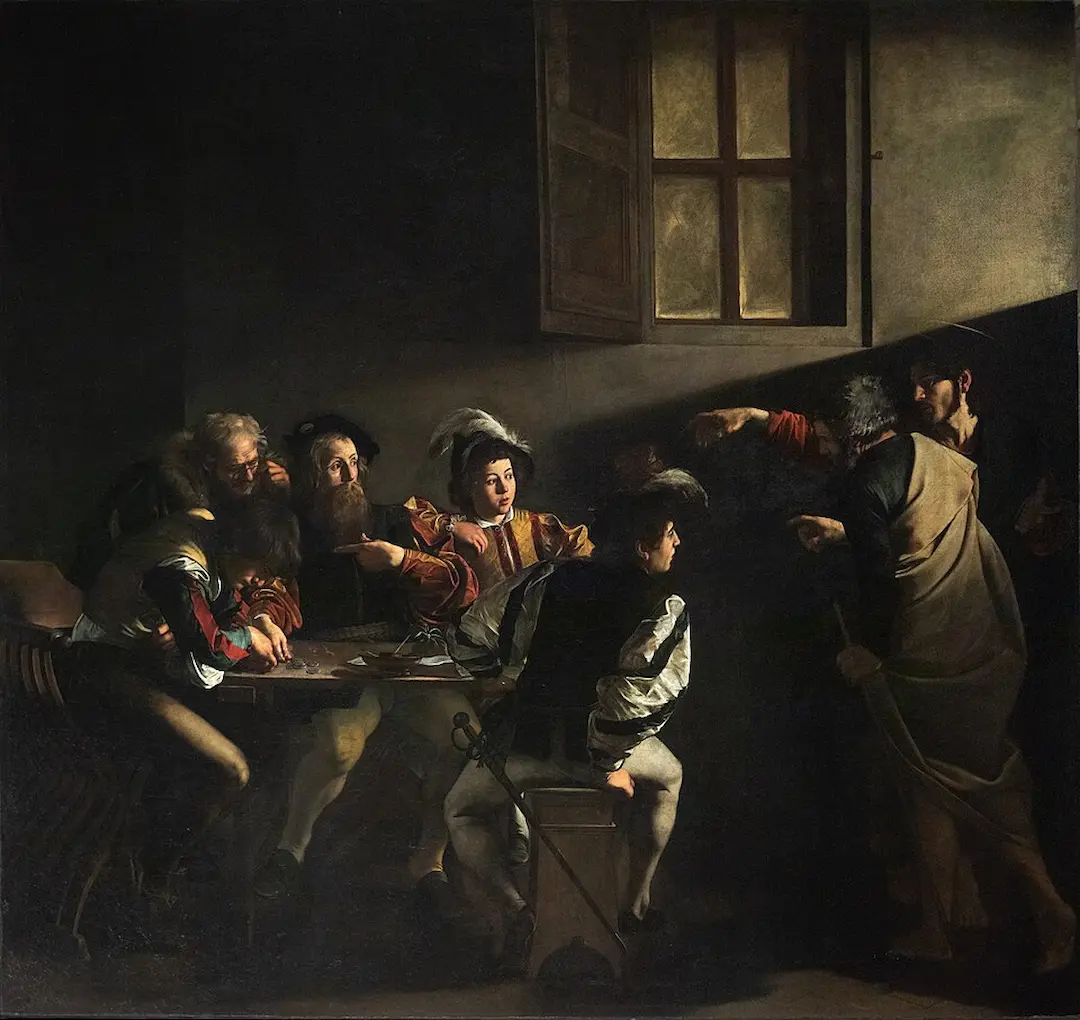
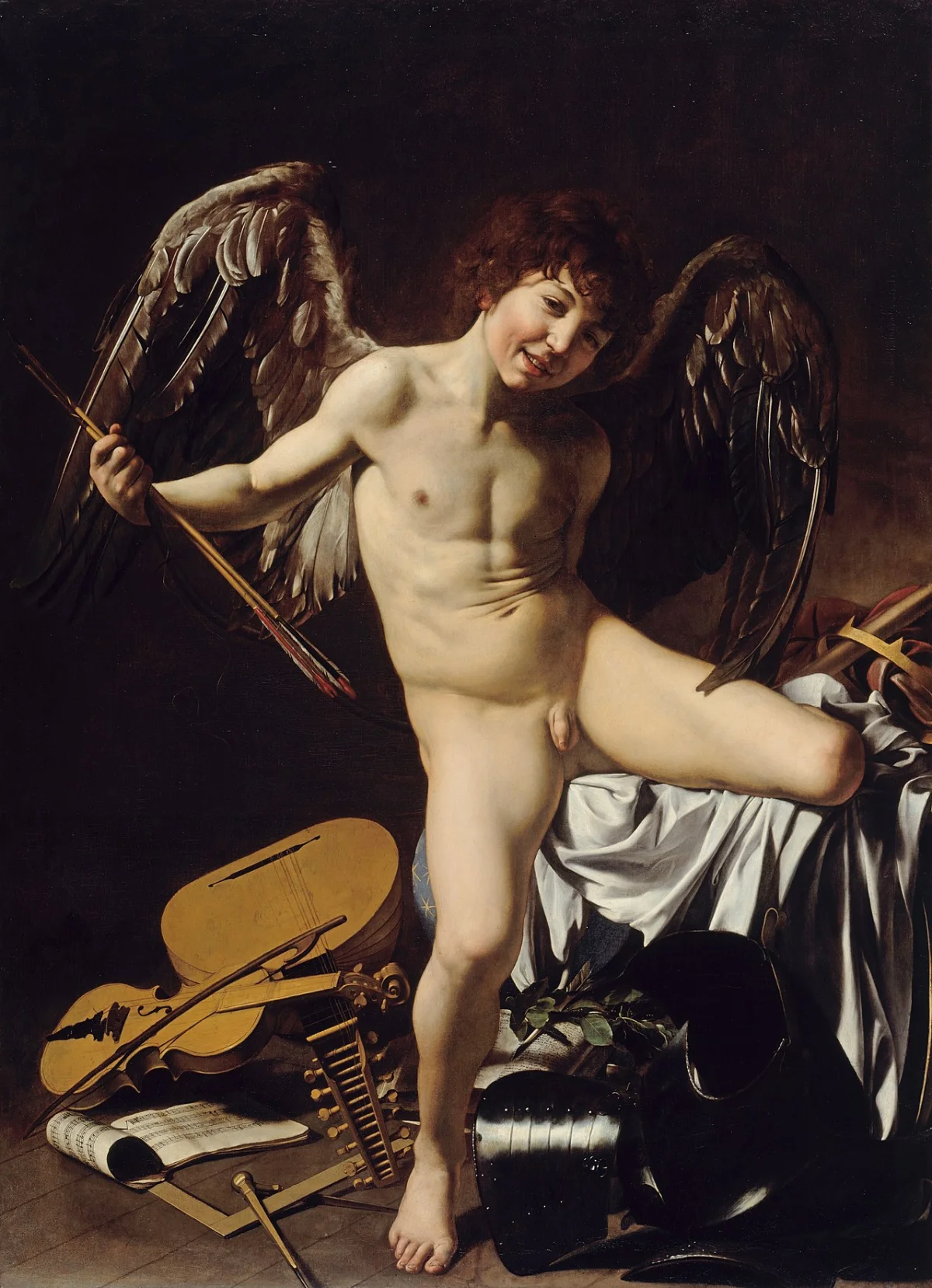
Caravaggio’s "Penitent Magdalene" demonstrates extraordinary mastery in oil on canvas, revealing intricate details and a lifelike presence. Every brushstroke in this Baroque artwork highlights the artist’s skill in manipulating light and shadow, bringing the subject’s repentance and sorrow to life. For those seeking fine art painting for sale, this piece, alongside "Amor Vincit Omnia" and "The Calling of Saint Matthew," exemplifies the timeless appeal of Caravaggio’s technique.
Within "Penitent Magdalene," Caravaggio weaves a narrative rich in Baroque symbolism. The painting’s oil on canvas surface showcases elements like discarded jewelry and a faintly glowing light, representing Magdalene’s renunciation of her past. This hand-painted oil painting speaks to themes of redemption and transformation, much like his other works "Basket of Fruit" and "The Lute Player," which also invite viewers to interpret layered meanings and hidden stories.
For collectors, "Penitent Magdalene" by Caravaggio is a fine art painting for sale that epitomizes the allure of the Baroque movement. Its emotional intensity and technical brilliance make it a prized addition to any collection. Whether displayed alongside "Boy Bitten by a Lizard" or "The Calling of Saint Matthew," this masterpiece invites admiration and conversation, ensuring its place as a cherished work among lovers of classic oil on canvas artistry.
When Art Meets History
Caravaggio's "Penitent Magdalene" stands as a remarkable example of the Baroque movement, capturing a pivotal moment in religious and artistic history. This hand-painted oil painting was created during a time when artists sought to evoke deep emotional responses from viewers. Alongside masterpieces like "The Angel and Hagar" and "Repentant Mary Magdalene," Caravaggio’s work reflects the dramatic intensity characteristic of the era, making it a sought-after fine art painting for sale among collectors and historians alike.
Techniques That Speak
Caravaggio’s mastery of oil on canvas is evident in "Penitent Magdalene," where his use of chiaroscuro—contrasting light and shadow—brings an extraordinary realism to the figure. This technique, also seen in works such as "Self-Portrait" and "Portrait of Charles II," became a hallmark of the Baroque movement. The meticulous brushwork and lifelike textures showcase why a hand-painted oil painting by Caravaggio is revered by artists and collectors around the world.
Emotions on Display
"Penitent Magdalene" is celebrated for its raw emotional depth, with Caravaggio portraying Mary Magdalene in a moment of profound repentance. The expressive features and somber atmosphere, reminiscent of "Mountain landscape with lightning," invite viewers to empathize with her sorrow. As a fine art painting for sale, this Baroque masterpiece continues to move audiences, demonstrating Caravaggio’s unparalleled ability to convey human emotion through the medium of oil on canvas.
Coveted by Collectors
Collectors prize "Penitent Magdalene" not only for Caravaggio’s technical brilliance but also for its historical and cultural significance within the Baroque movement. Its enduring allure is shared by related paintings like "Repentant Mary Magdalene" and "The Angel and Hagar." A hand-painted oil painting such as this is a valuable addition to any collection, offering both aesthetic beauty and a tangible connection to the rich legacy of fine art painting for sale from Caravaggio’s era.
Related Baroque Hand-Painted Oil Paintings by Other Artists
Other Famous Baroque Artists:
Frequently Asked Questions About Penitent Magdalene
What is the historical context of Caravaggio's "Penitent Magdalene"?
"Penitent Magdalene" was painted by Caravaggio around 1594-1595, during the Baroque period, a time characterized by dramatic expression and a focus on realism. This painting reflects the Counter-Reformation's emphasis on personal piety and the redemption of sinners.
What are the main themes depicted in "Penitent Magdalene"?
The primary themes of "Penitent Magdalene" include repentance, redemption, and the transformative power of faith. The painting portrays Mary Magdalene in a moment of introspection, highlighting her journey from sin to salvation.
How does Caravaggio's use of light and shadow contribute to the painting?
Caravaggio employs chiaroscuro, the contrast between light and dark, to create a sense of depth and drama. This technique emphasizes the emotional intensity of Mary Magdalene's expression and draws the viewer's attention to her inner turmoil.
What symbolism is present in "Penitent Magdalene"?
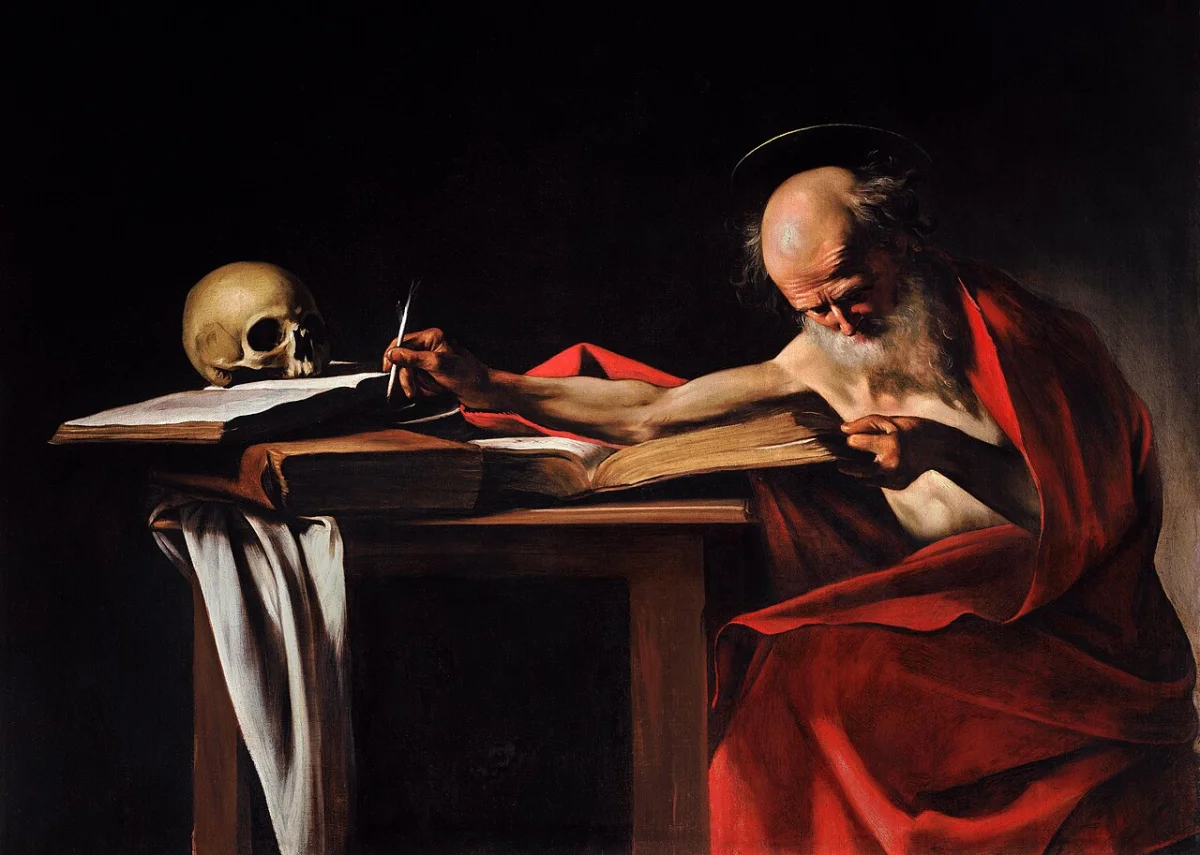
The painting features several symbolic elements, such as the skull, which represents mortality and the transient nature of life. Mary Magdalene's disheveled hair and the open book signify her past life and her quest for spiritual knowledge.
How does Caravaggio's portrayal of Mary Magdalene differ from traditional depictions?
Unlike traditional depictions that often idealize Mary Magdalene, Caravaggio presents her as a relatable, flawed human being. This realistic portrayal invites viewers to empathize with her struggle for redemption, making her story more accessible.
What artistic techniques did Caravaggio use to enhance emotional expression?
Caravaggio utilized naturalism, dramatic facial expressions, and realistic details to evoke strong emotions. His ability to capture the psychological state of his subjects allows viewers to connect deeply with the narrative of the painting.
What role does the viewer play in interpreting "Penitent Magdalene"?
The viewer is invited to engage with Mary Magdalene's emotional state, prompting reflection on themes of sin and redemption. This interactive element encourages personal interpretation and a deeper understanding of the painting's message.
What influence did "Penitent Magdalene" have on later artists?
Caravaggio's innovative approach to realism and emotional depth in "Penitent Magdalene" significantly influenced the Baroque movement and subsequent artists. His techniques inspired many, leading to a shift in how religious subjects were depicted in art.
Where can "Penitent Magdalene" be viewed today?
The painting is housed in the Museo di Capodimonte in Naples, Italy. It remains a significant work in the study of Caravaggio and Baroque art, attracting visitors and scholars alike.
What is the significance of Mary Magdalene in Christian art and theology?
Mary Magdalene is often seen as a symbol of repentance and forgiveness in Christian theology. Her portrayal in art, particularly in works like Caravaggio's, reflects the broader themes of redemption and the transformative power of faith in Christian narratives.























_GFM_Painting_(1).webp)


 100% Hand-Painted: Finished in 3-6 Weeks

.png)















_(1).webp)