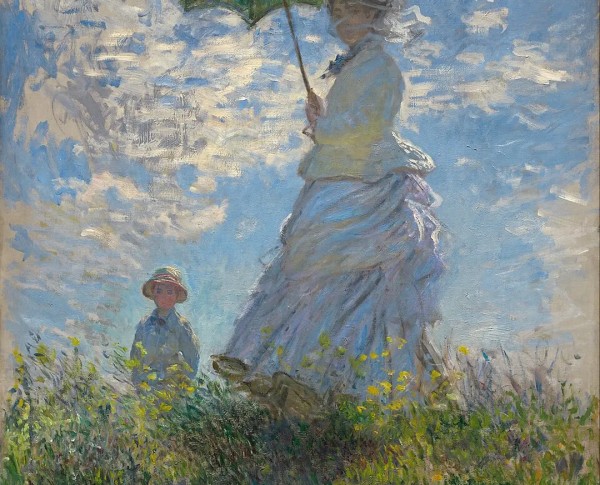
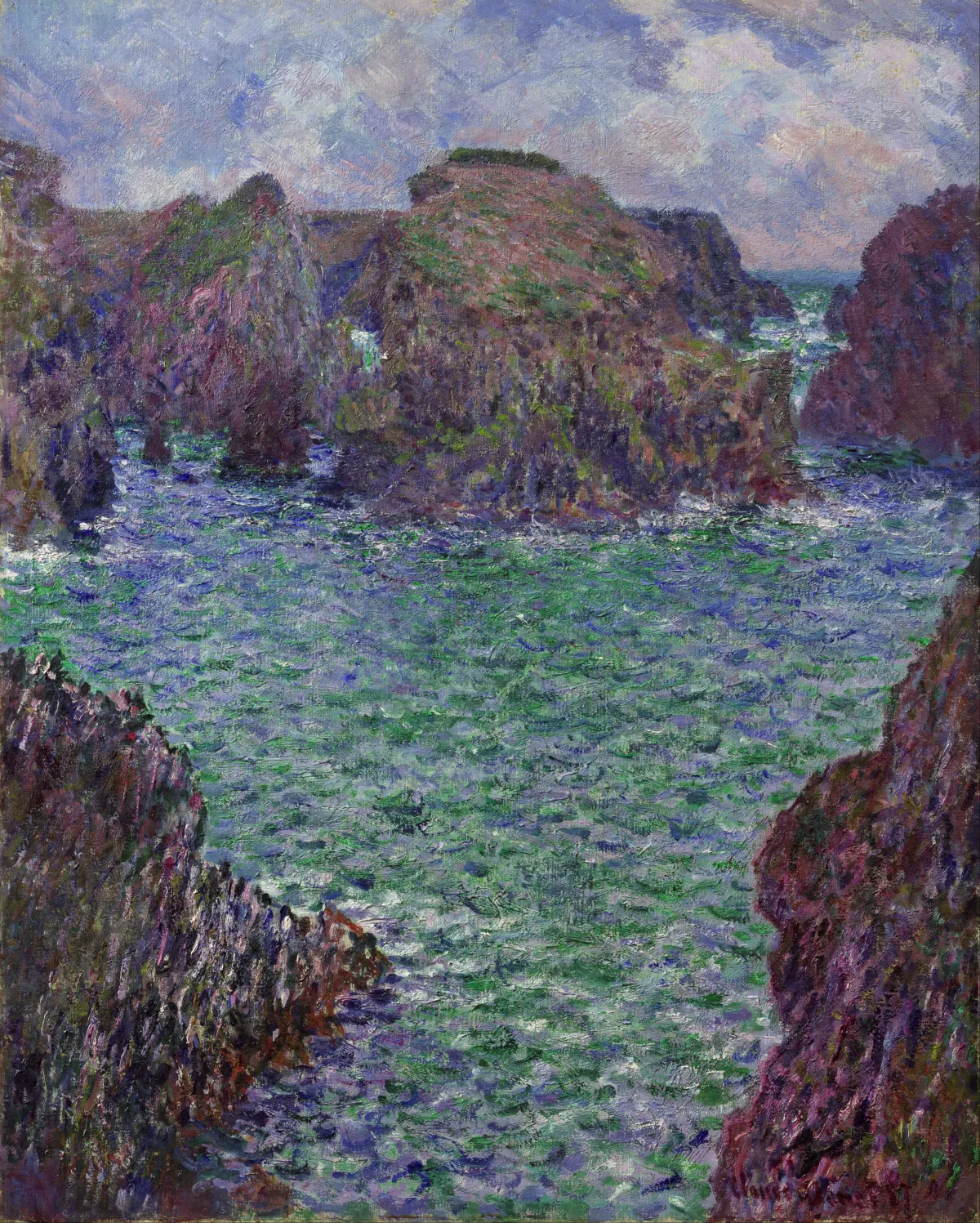
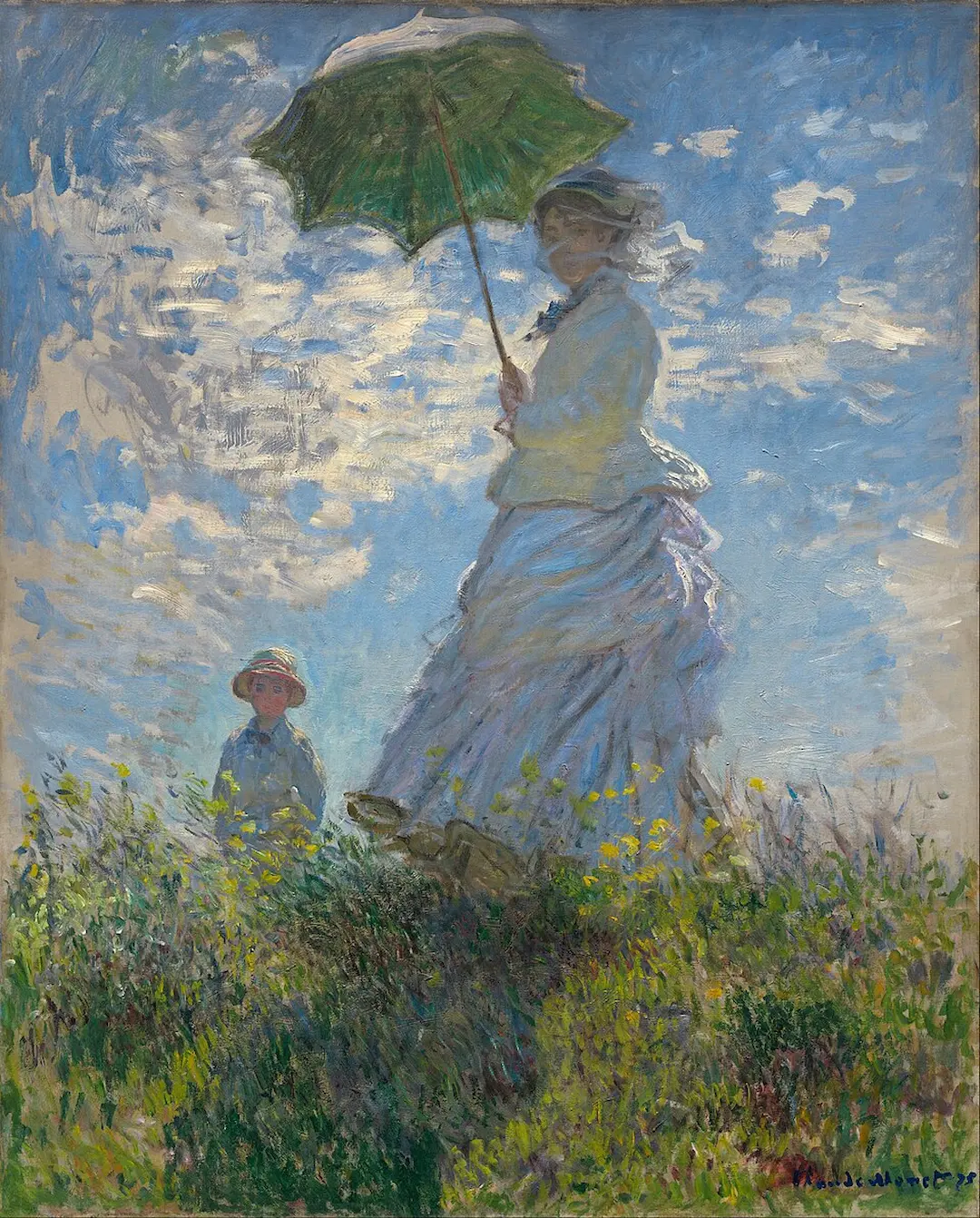
With his expert use of oil on canvas, Claude Monet brings the vibrant seascapes of Belle-Île to life in “Port-Goulphar, Belle-Île.” Each brushstroke embodies the spontaneity and emotion characteristic of the Impressionism movement. The dynamic interplay of light and shadow highlights Monet's unrivaled technique. Art enthusiasts who admire paintings like Study Of A Figure Outdoors Woman With A Parasol, Facing Left, will find similar mastery in this captivating coastal scene.
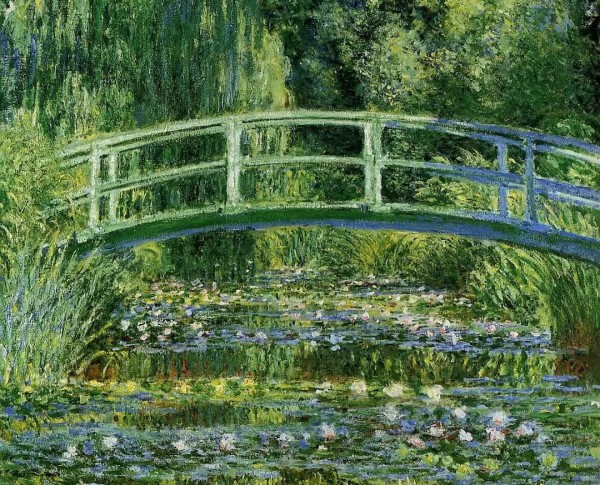
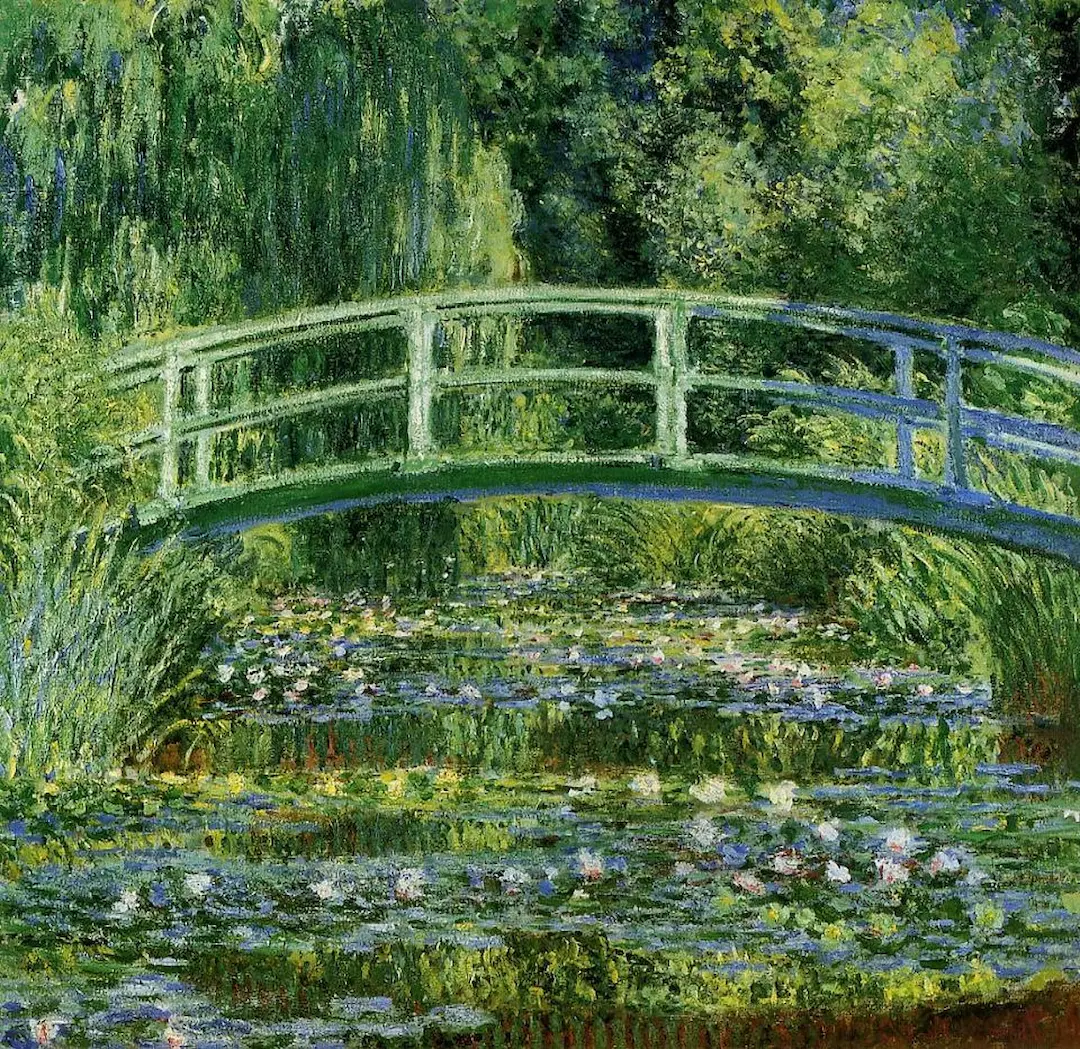
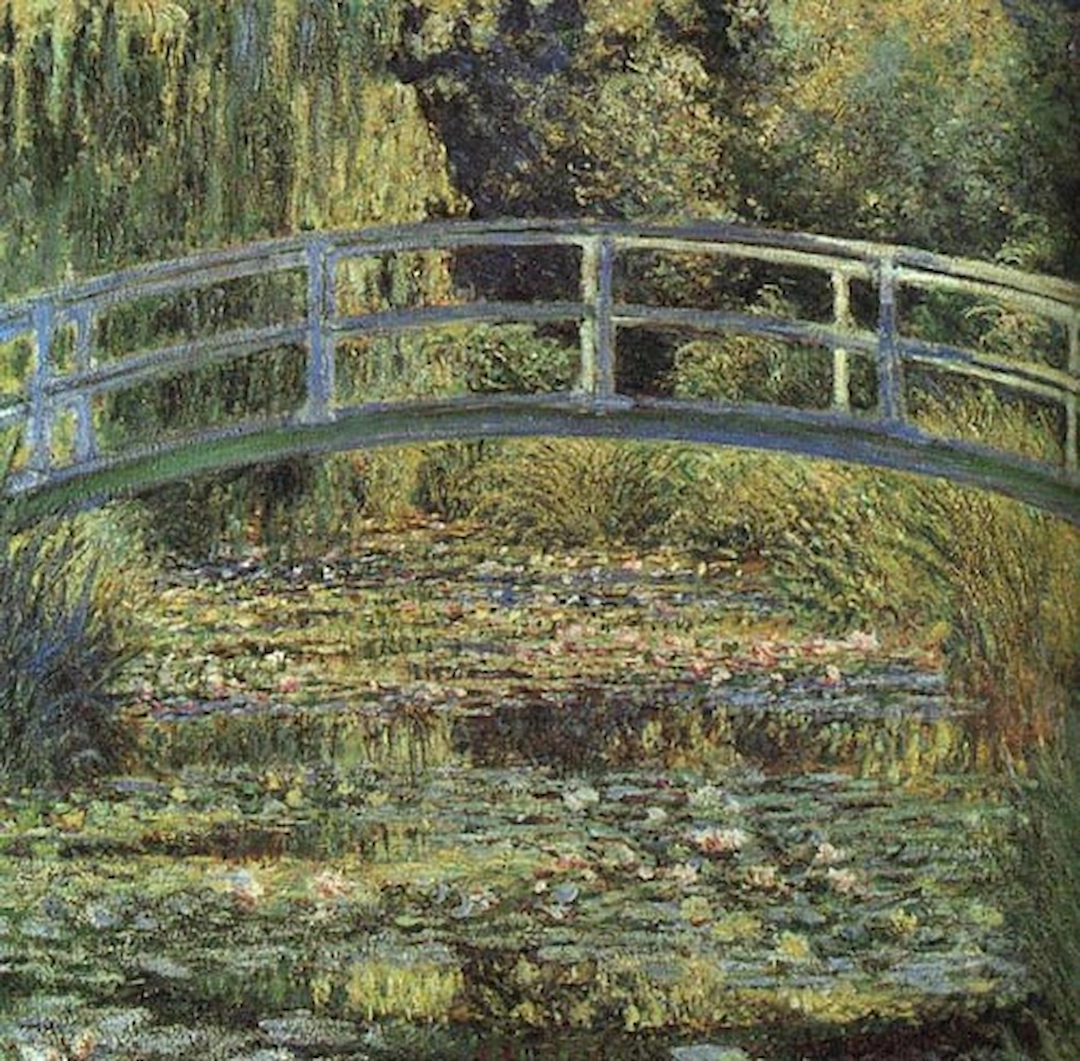
“Port-Goulphar, Belle-Île” tells a story beyond its picturesque scenery, symbolizing Monet’s relentless pursuit of natural beauty. This fine art painting for sale is imbued with the artist’s deep connection to the sea and sky. Like The Pointe of Heve and The Water Lily Pond Aka Japanese Bridge, this work invites viewers to interpret the subtle moods and atmospheric changes, making it a cherished piece within the Impressionism movement.
For collectors seeking a standout piece, “Port-Goulphar, Belle-Île” by Claude Monet is a remarkable choice. Its status as a hand-painted oil painting ensures authenticity and value, making it a prized addition to any collection. This masterpiece complements other Monet treasures such as The Railway Bridge at Argenteuil and offers a unique glimpse into the artist’s Impressionist vision, appealing to both seasoned collectors and new admirers of fine art.
When Art Meets History
"Port-Goulphar, Belle-Île" by Claude Monet stands as a testament to the Impressionism movement, capturing the rugged beauty of the French coastline in the late 19th century. This hand-painted oil painting reflects Monet's fascination with natural light and atmospheric effects, similar to his works like "Young Girls in Black" and "Vue de toits." Through his masterful brushwork, Monet immortalized the landscape, blending history and artistry in a way that continues to inspire generations.
Techniques That Speak
Monet’s "Port-Goulphar, Belle-Île" showcases his signature oil on canvas technique, characterized by rapid brushstrokes and vibrant color palettes. The painting’s textured surface and interplay of light evoke the ever-changing moods of the sea, much like in his other works such as "The Bellelli Family." Monet’s innovative approach within the Impressionism movement revolutionized how artists depicted nature, making this piece a prime example of his technical mastery.
Emotions on Display
In "Port-Goulphar, Belle-Île," Claude Monet conveys a sense of awe and tranquility, inviting viewers to experience the coastal scene as he did. This fine art painting for sale captures the fleeting beauty of nature, a hallmark of Impressionism, and stirs emotions ranging from serenity to wonder. Monet’s ability to evoke feeling through color and composition is also evident in related paintings like "Les orangers" and "After a Bath. Woman Drying the Back of her Neck."
Coveted by Collectors
As a celebrated work by Claude Monet, "Port-Goulphar, Belle-Île" remains highly sought after by art enthusiasts and collectors alike. The painting’s place within the Impressionism movement and its connection to other masterpieces, such as "Young Girls in Black" and "The Bellelli Family," enhance its allure. A hand-painted oil painting of this caliber not only holds historical significance but also represents a prized possession for any fine art collection.
Related Impressionism Hand-Painted Oil Paintings by Other Artists
Other Famous Impressionism Artists:
Frequently Asked Questions About Port-Goulphar, Belle-Île
What is the historical significance of "Port-Goulphar, Belle-Île"?
"Port-Goulphar, Belle-Île" is significant as it reflects Claude Monet's exploration of light and color during his time in Belle-Île, a location that inspired many of his works. Painted in 1886, it showcases the artist's evolving style towards Impressionism.
What artistic techniques did Monet employ in this painting?
Monet utilized loose brushwork and a vibrant color palette to capture the essence of the coastal landscape. His technique emphasizes the play of light on water and the atmospheric effects of the sky, hallmarks of his Impressionist approach.
What themes are present in "Port-Goulphar, Belle-Île"?
The painting explores themes of nature, transience, and the relationship between man and the environment. It reflects Monet's fascination with the natural world and his desire to depict its ephemeral beauty.
How does this painting fit into Monet's body of work?
This work is part of Monet's series of paintings created during his stay in Belle-Île, which marked a pivotal moment in his artistic journey. It illustrates his commitment to capturing the nuances of light and color, characteristic of his later works.
What is the symbolism behind the landscape depicted in the painting?
The landscape symbolizes the harmony between nature and human existence. The tranquil waters and rugged cliffs evoke a sense of peace and solitude, reflecting Monet's desire to escape the industrialized world of his time.
How did the location of Belle-Île influence Monet's work?
Belle-Île's dramatic coastal scenery and changing weather conditions provided Monet with a rich source of inspiration. The island's unique light and vibrant colors allowed him to experiment with his techniques and deepen his understanding of Impressionism.
What role did color play in "Port-Goulphar, Belle-Île"?
Color is central to the painting, with Monet using a palette of blues, greens, and warm earth tones to evoke the natural beauty of the scene. The interplay of colors captures the shifting light and atmospheric conditions, enhancing the painting's emotional impact.
How does "Port-Goulphar, Belle-Île" reflect Impressionist principles?
The painting embodies Impressionist principles through its emphasis on capturing a moment in time, the use of visible brushstrokes, and the focus on natural light. These elements work together to create an impression rather than a detailed representation of the scene.
What was the public's reaction to Monet's work during his lifetime?
During Monet's lifetime, his work, including "Port-Goulphar, Belle-Île," received mixed reactions. While he faced criticism from traditionalists, he gradually gained recognition and admiration for his innovative approach, ultimately becoming a leading figure in the Impressionist movement.
What impact did "Port-Goulphar, Belle-Île" have on future generations of artists?
This painting has influenced countless artists by demonstrating the power of color and light in landscape painting. Monet's techniques paved the way for future movements, including Post-Impressionism and modern art, inspiring artists to explore new ways of seeing and depicting the world.






















_GFM_Painting_(1).webp)


 100% Hand-Painted: Finished in 3-6 Weeks

.png)















_(1).webp)