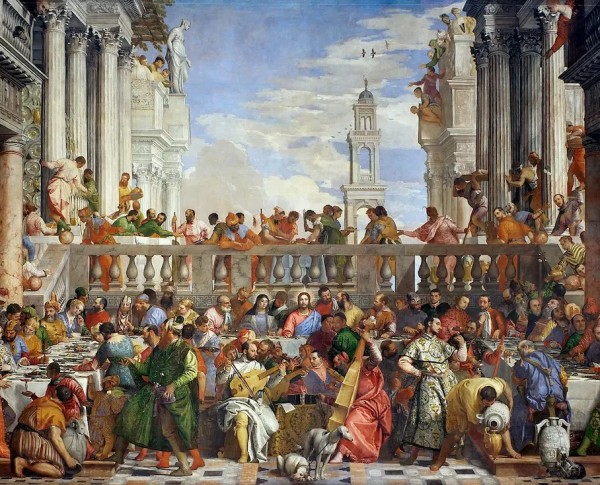
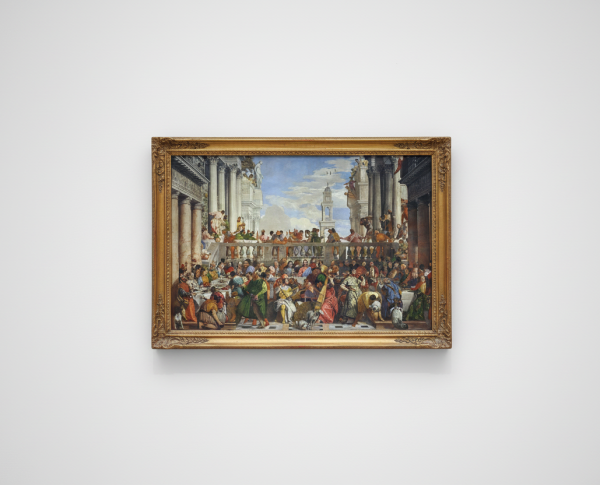
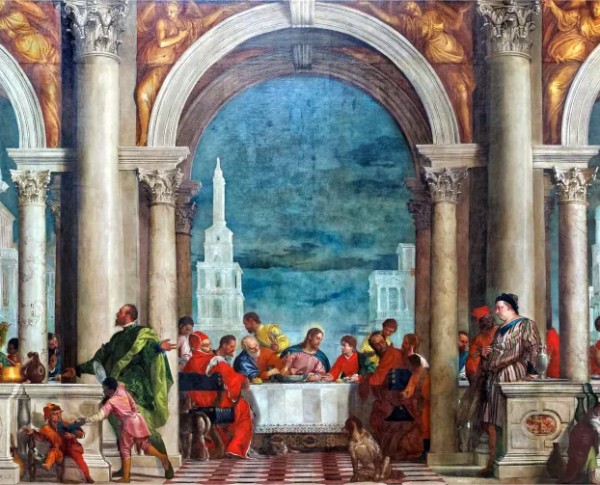
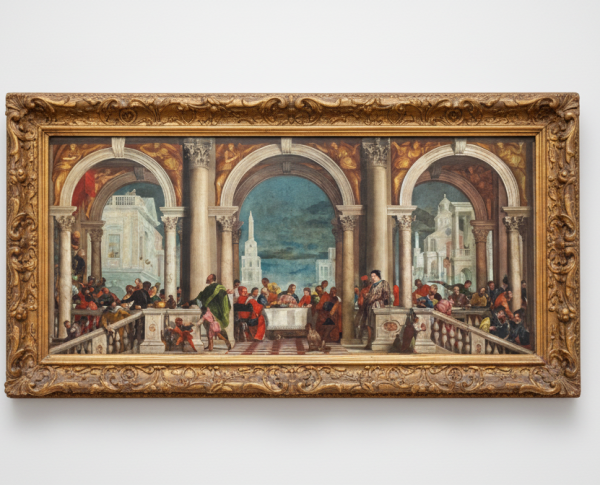
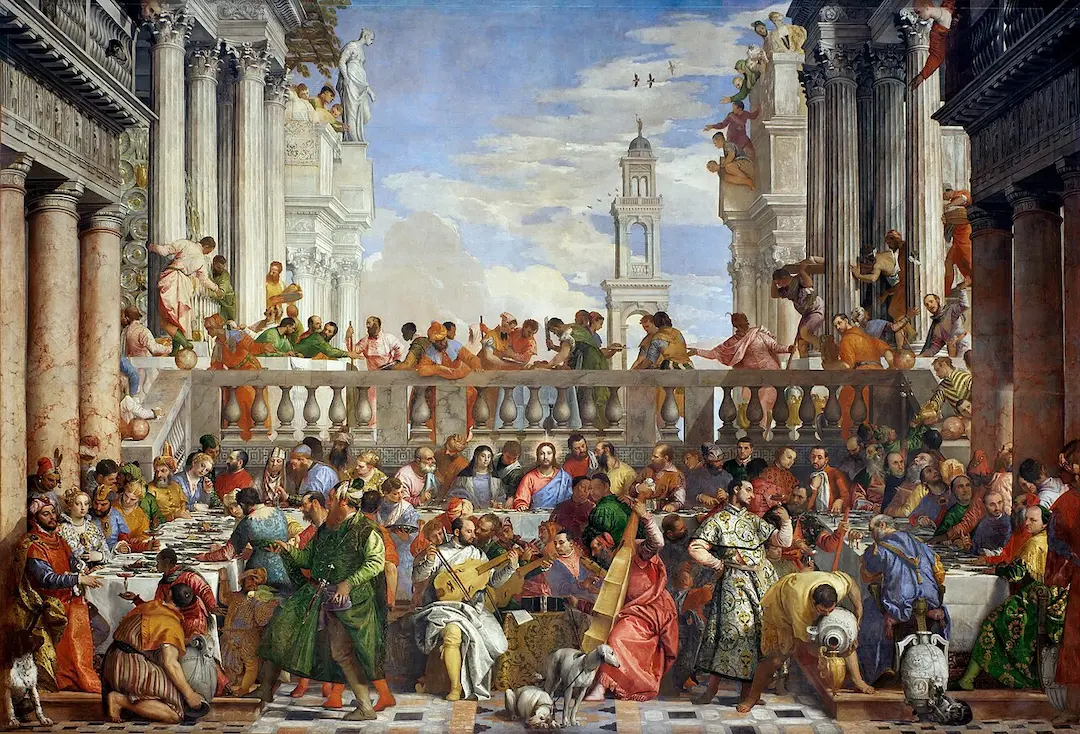
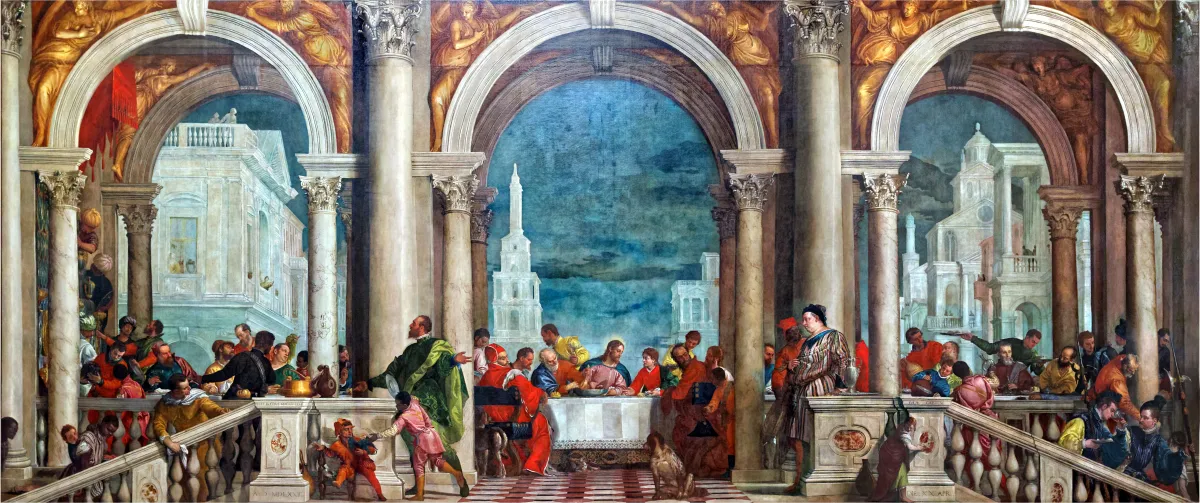
Veronese’s expert use of oil on canvas in the “Deposition of Christ” highlights his technical prowess and attention to detail. Each brushstroke brings dramatic intensity and vibrant color, hallmark features of Renaissance artistry. The composition is comparable to his other works, like “The Feast in the House of Levi” and “The Marriage Feast at Cana, c.1562,” which also demonstrate his command over the medium. Veronese’s skill elevates this piece into a timeless treasure.
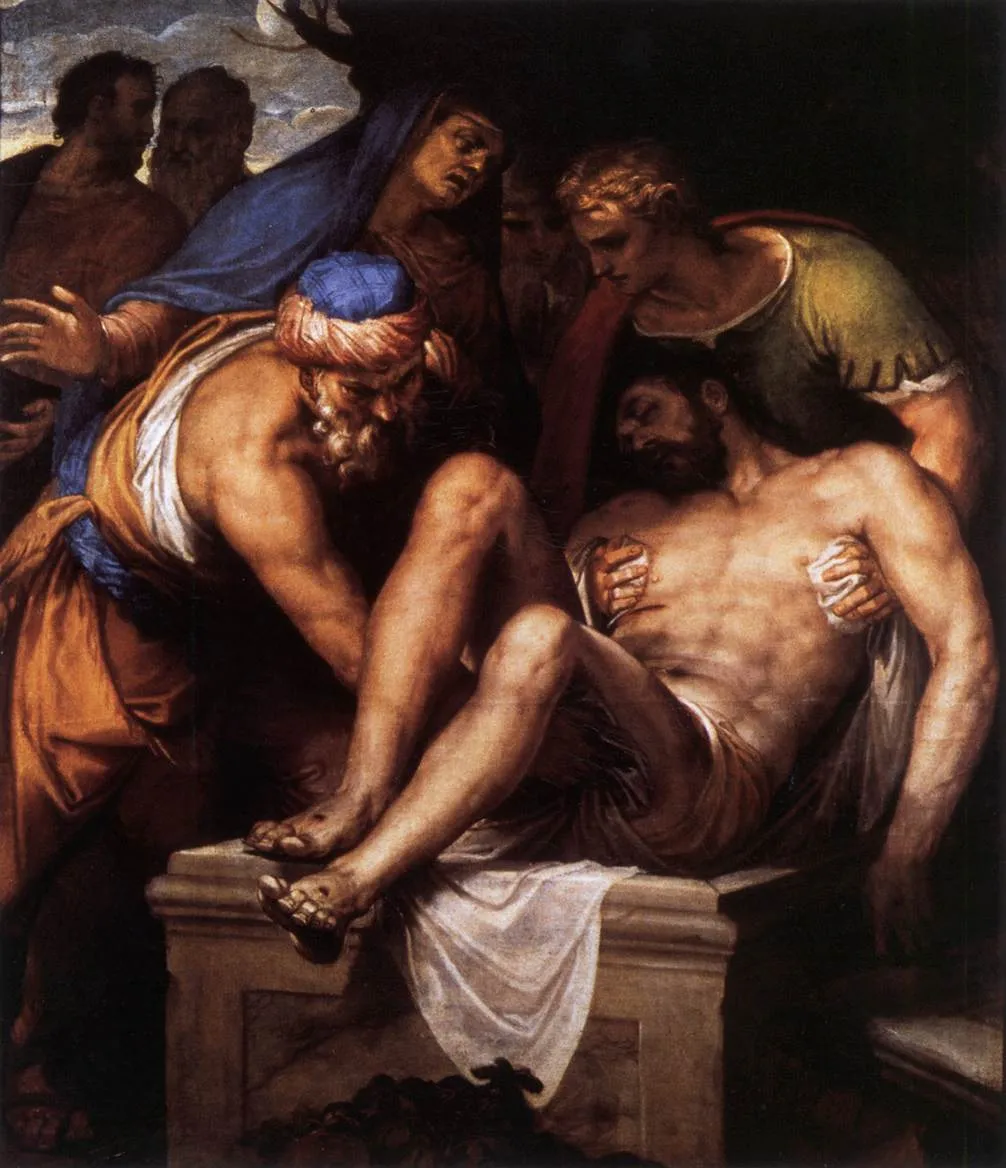
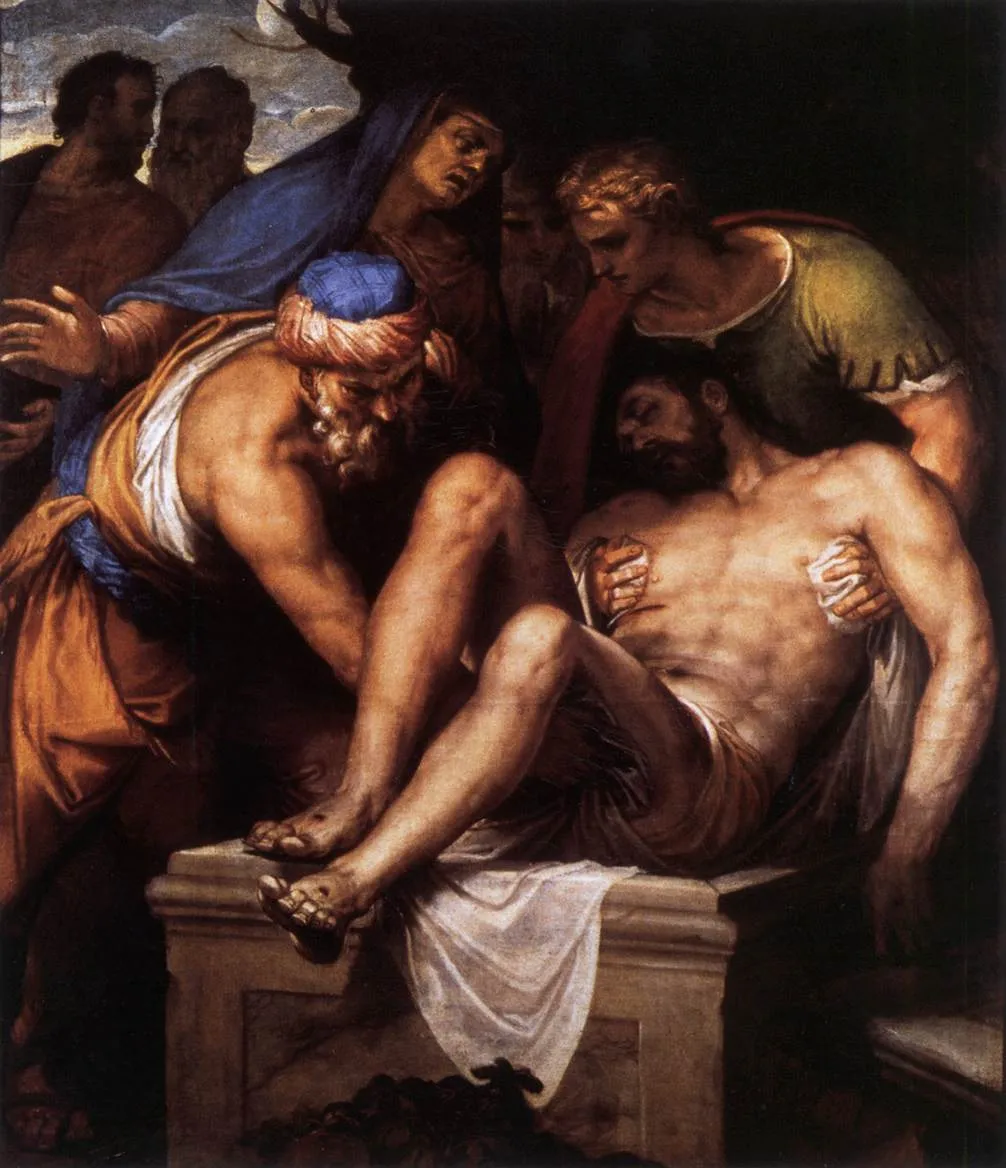
The “Deposition of Christ” by Paolo Veronese is a fine art painting for sale that captures the poignant moment of Christ’s descent from the cross. Rich in symbolism, Veronese’s composition invites viewers to contemplate themes of sacrifice and redemption. Collectors may also appreciate similar narrative depth in his works “Lucretia” and “Madonna Enthroned with Child, St John the Baptist, St Louis of Toulouse and Donors.” Each element in the painting weaves a profound story that resonates across centuries.
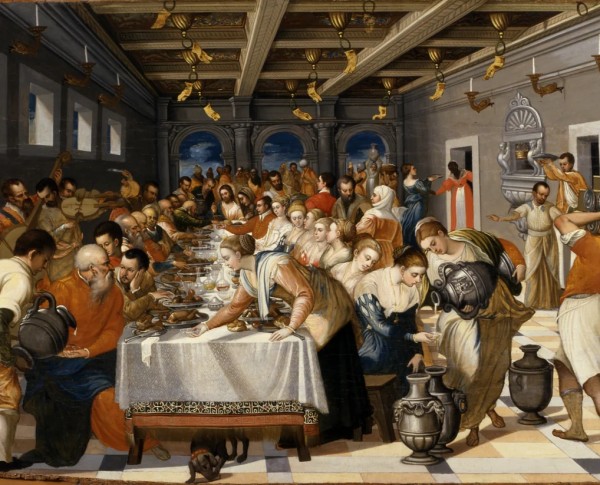
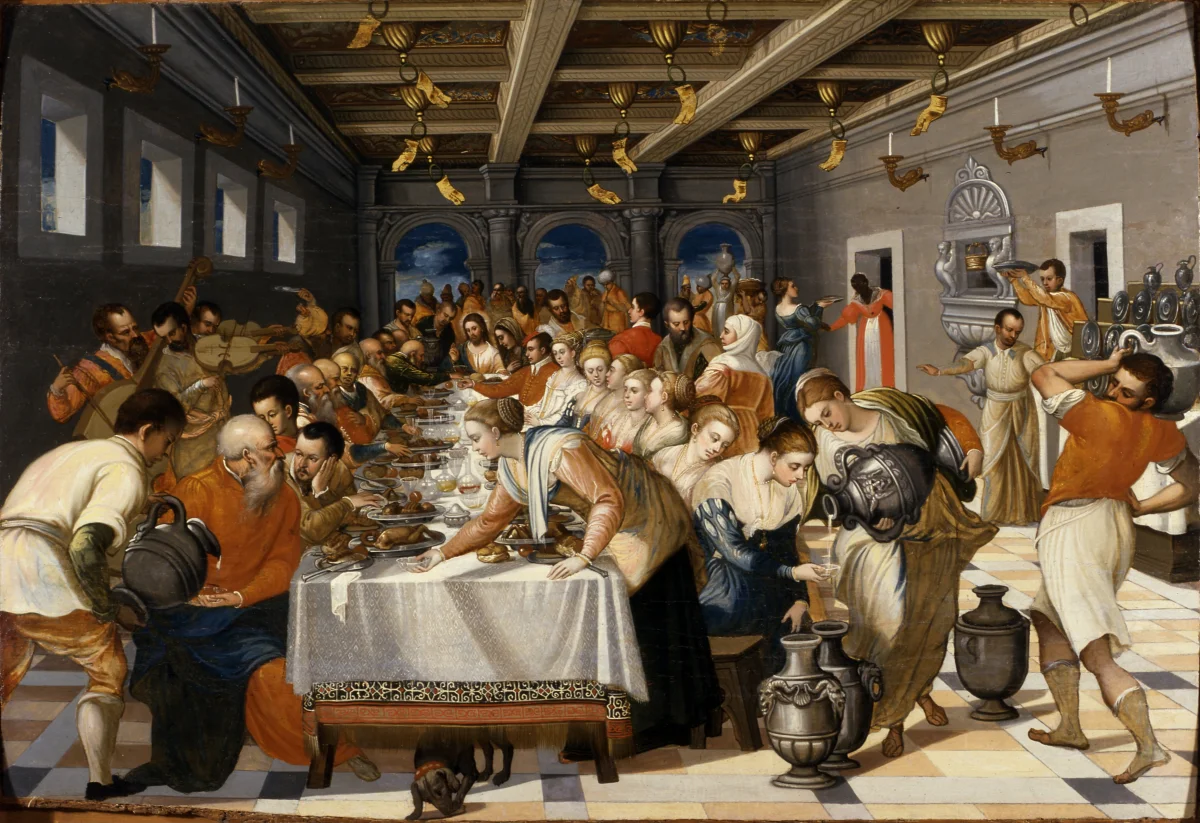
Owning a hand-painted oil painting like Veronese’s “Deposition of Christ” is a dream for many collectors, especially those passionate about Renaissance art. This masterpiece, along with related works such as “The Wedding at Cana” and “Mystic Marriage of St Catherine,” remains highly sought after in the world of fine art. Its historical significance and exquisite execution make it a prized possession, ensuring its place as a collector’s treasure for generations to come.
When Art Meets History
Paolo Veronese’s "Deposition of Christ" stands as a testament to the Renaissance’s transformative power in art. This hand-painted oil painting captures a pivotal biblical moment, reflecting the era’s fascination with religious narratives and human emotion. Veronese, renowned for works like "Christ Carrying the Cross" and "Orpheus and Eurydice," masterfully integrates historical context with artistic innovation, making this piece not just an artwork, but a living chronicle of Renaissance ideals and storytelling.
Techniques That Speak
Veronese’s "Deposition of Christ" is celebrated for its sophisticated oil on canvas technique, a hallmark of Renaissance artistry. The artist’s use of vibrant colors, intricate detail, and dramatic lighting elevates the scene’s emotional intensity. Similar to his other masterpieces such as "Philip II of Spain" and "Portrait of Ariosto," Veronese’s brushwork and composition in this painting reveal a deep understanding of human anatomy and perspective, setting a standard for generations of artists to follow.
Emotions on Display
In "Deposition of Christ," Paolo Veronese masterfully conveys grief, devotion, and reverence through expressive faces and body language. The fine art painting for sale draws viewers into the sorrowful narrative, inviting empathy and reflection. Like his "Portrait of a Man," Veronese’s attention to emotional nuance brings the Renaissance spirit to life, making each figure resonate with authenticity and depth. The painting remains a moving example of how art can capture the spectrum of human feeling.
Coveted by Collectors
Veronese’s "Deposition of Christ" is highly sought after by collectors and museums worldwide for its historical significance and artistic merit. As a hand-painted oil painting from the Renaissance movement, it embodies the pinnacle of fine art craftsmanship. Collectors interested in works like "Portrait of Ariosto" or "Orpheus and Eurydice" recognize the enduring value and beauty of Veronese’s creations, making this masterpiece a prized addition to any distinguished collection of Renaissance art.
Related Renaissance Hand-Painted Oil Paintings by Other Artists
Other Famous Renaissance Artists:
Frequently Asked Questions About Deposition of Christ
What is the historical context of "Deposition of Christ"?
"Deposition of Christ" was created during the late Renaissance period, a time characterized by a renewed interest in classical themes and human emotion. Paolo Veronese painted this work in the late 16th century, reflecting the religious fervor and artistic innovation of the Venetian school.
What artistic techniques did Paolo Veronese use in this painting?
Veronese employed a vibrant color palette and dynamic composition in "Deposition of Christ." His use of chiaroscuro enhances the three-dimensionality of the figures, while the dramatic gestures and expressions convey deep emotional resonance.
What is the significance of the figures depicted in the painting?
The figures in "Deposition of Christ" include Mary, John the Evangelist, and Joseph of Arimathea, each representing different aspects of grief and devotion. Their postures and expressions symbolize the profound sorrow and reverence surrounding Christ's death.
How does "Deposition of Christ" reflect the themes of the Counter-Reformation?
This painting embodies the Counter-Reformation's emphasis on emotional engagement and the importance of religious imagery. Veronese's work invites viewers to empathize with the suffering of Christ, aligning with the Catholic Church's efforts to inspire faith through art.
What symbolism is present in "Deposition of Christ"?
The painting is rich in symbolism; for instance, the use of light signifies divine presence, while the colors red and blue often symbolize sacrifice and purity, respectively. The positioning of Christ's body evokes themes of martyrdom and redemption.
What influences can be seen in Veronese's style in this painting?
Veronese's style in "Deposition of Christ" is influenced by both Venetian colorism and the dramatic compositions of Michelangelo. His ability to blend these influences showcases his mastery in creating emotionally charged and visually stunning works.
How does the composition of the painting contribute to its impact?
The composition is carefully arranged to draw the viewer's eye toward the central figure of Christ. The diagonal lines created by the figures lead to a sense of movement and urgency, enhancing the emotional weight of the scene.
What role does light play in "Deposition of Christ"?
Light in "Deposition of Christ" serves to highlight the central figures and create a sense of divine illumination. The contrast between light and shadow not only enhances the three-dimensionality but also symbolizes the struggle between faith and despair.
What is the significance of the color palette used in the painting?
Veronese's color palette is notable for its richness and vibrancy. The use of deep reds and blues not only adds to the visual appeal but also carries symbolic meanings, such as sacrifice, love, and the divine nature of Christ.
How has "Deposition of Christ" influenced later artists?
This painting has had a lasting impact on subsequent generations of artists, inspiring them to explore themes of sacrifice and emotion in their works. Veronese's innovative use of color and composition continues to be studied and admired in art history.























_GFM_Painting_(1).webp)


 100% Hand-Painted: Finished in 3-6 Weeks

.png)
















_(1).webp)