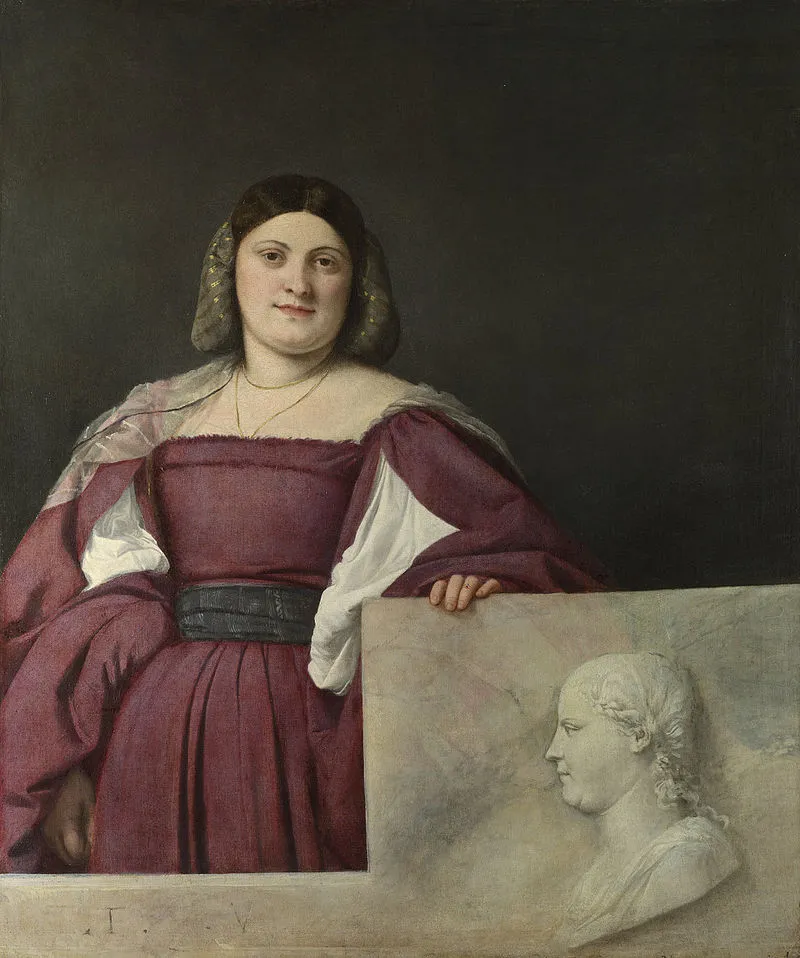
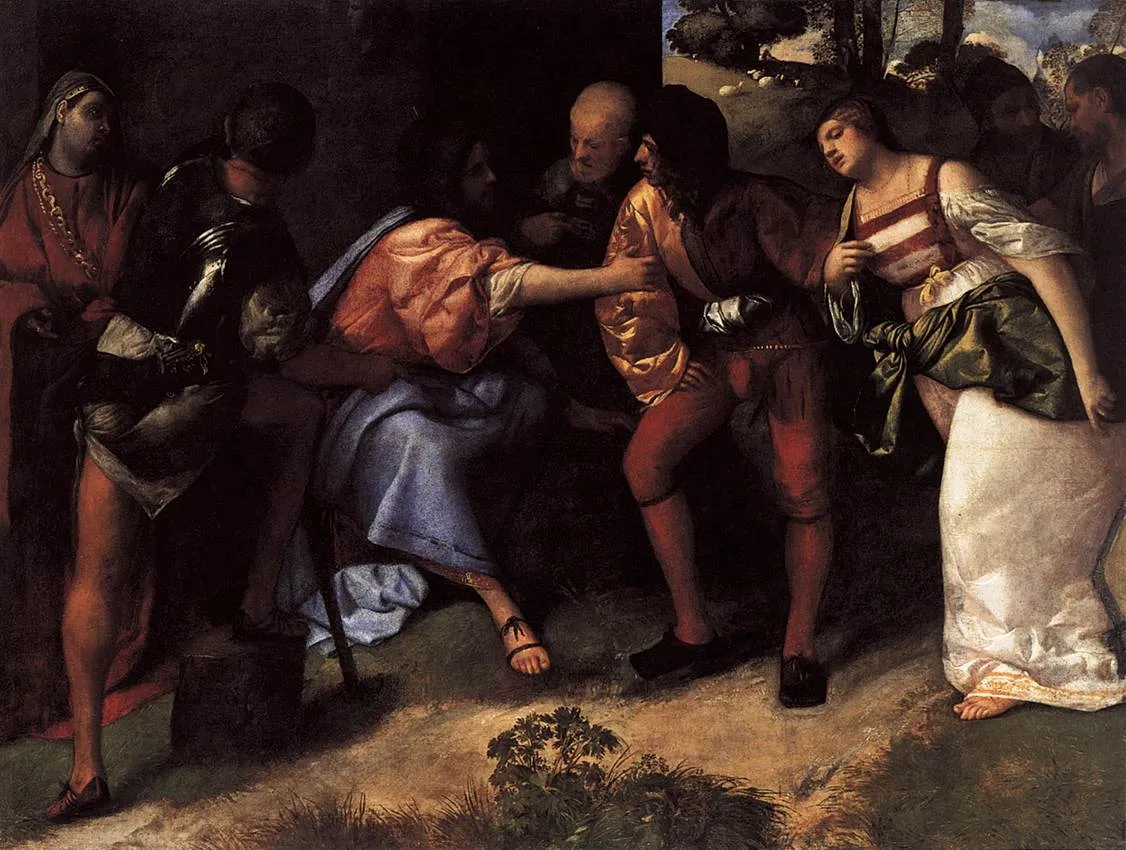
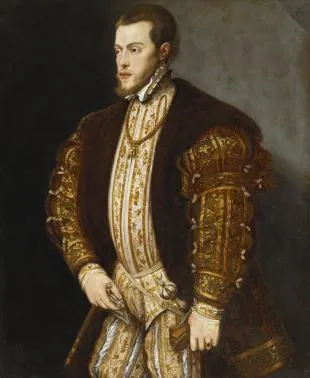
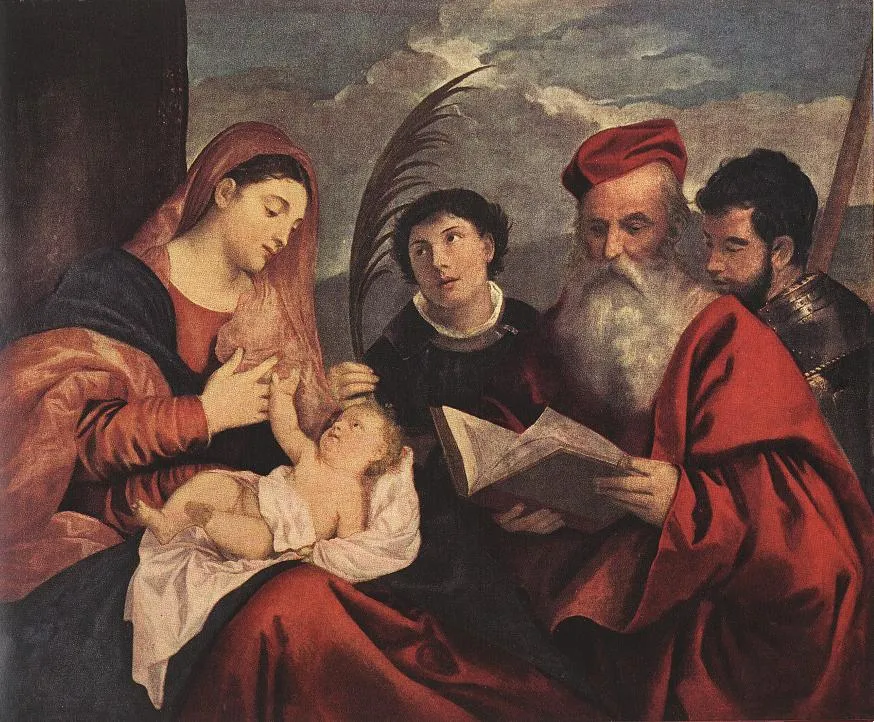
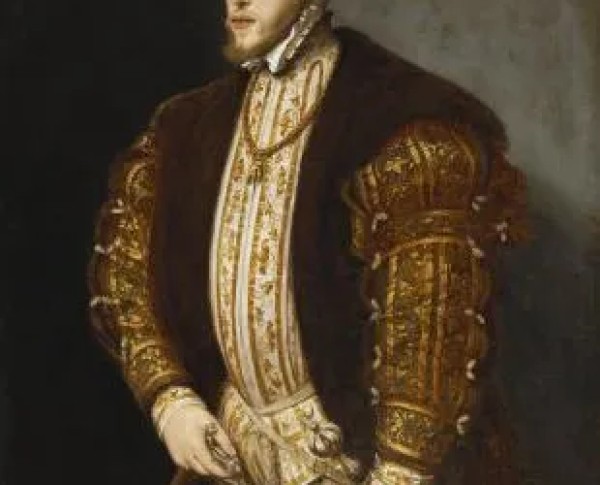
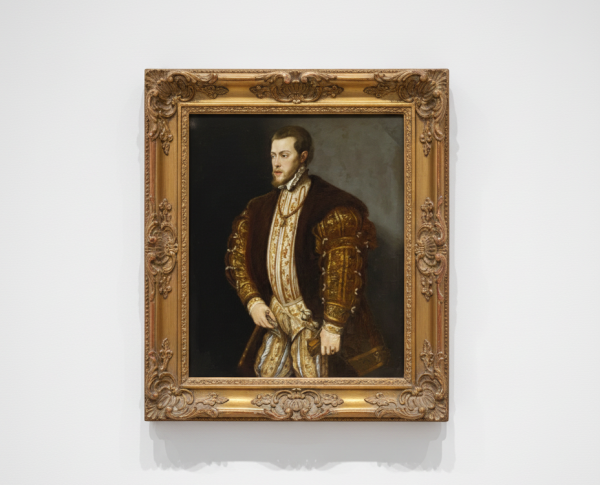
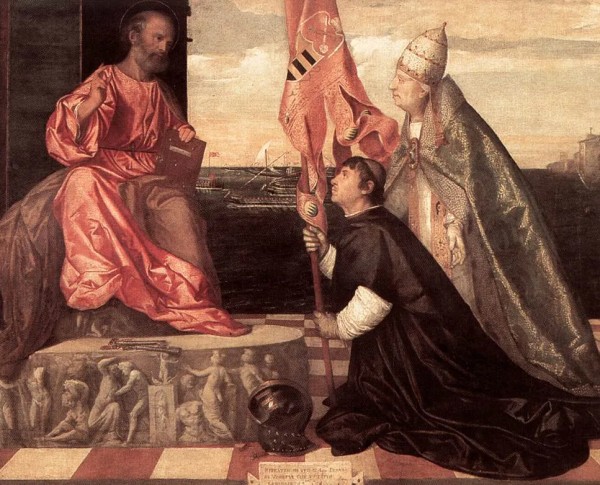
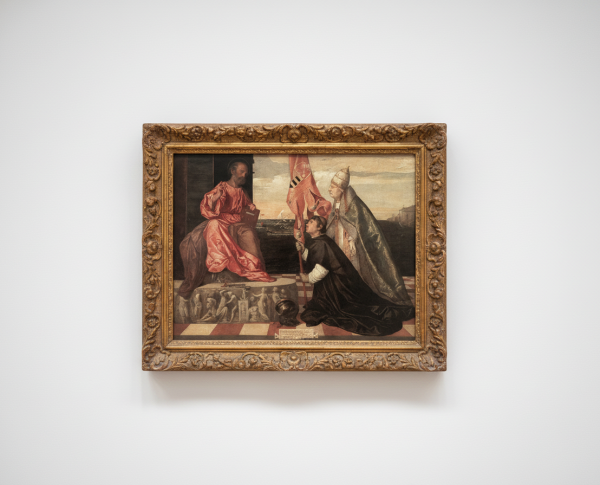
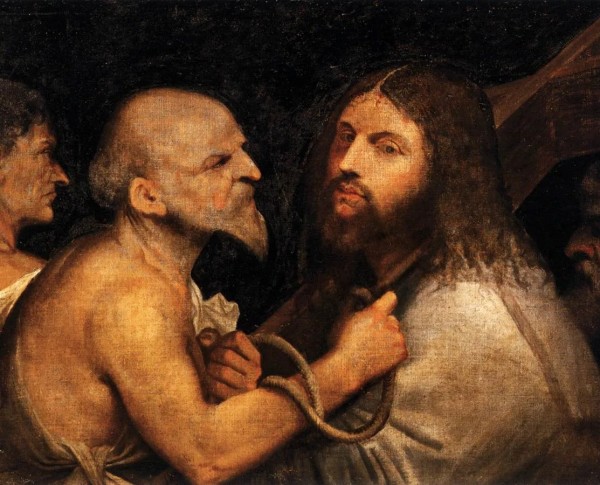
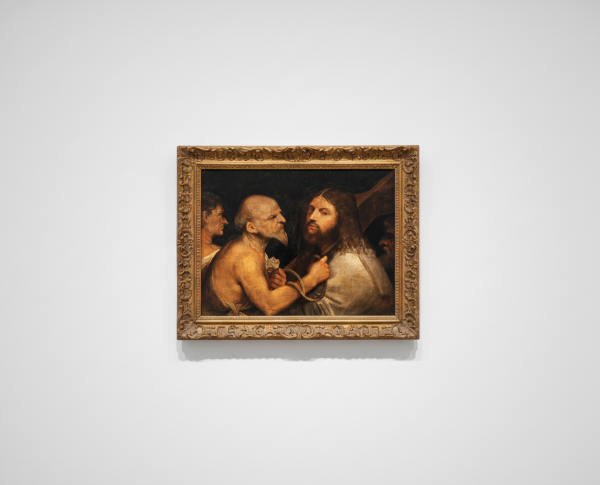
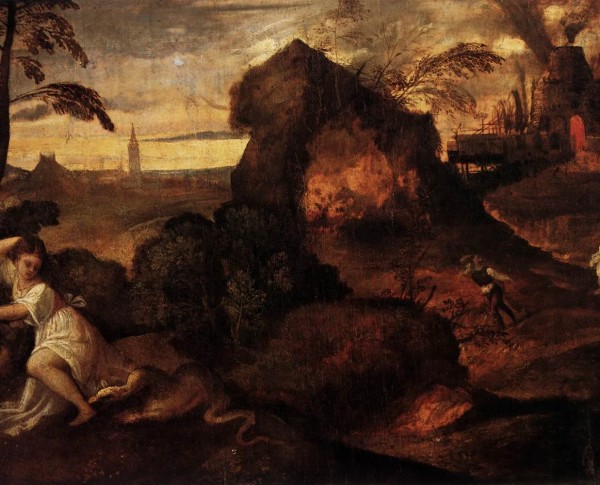
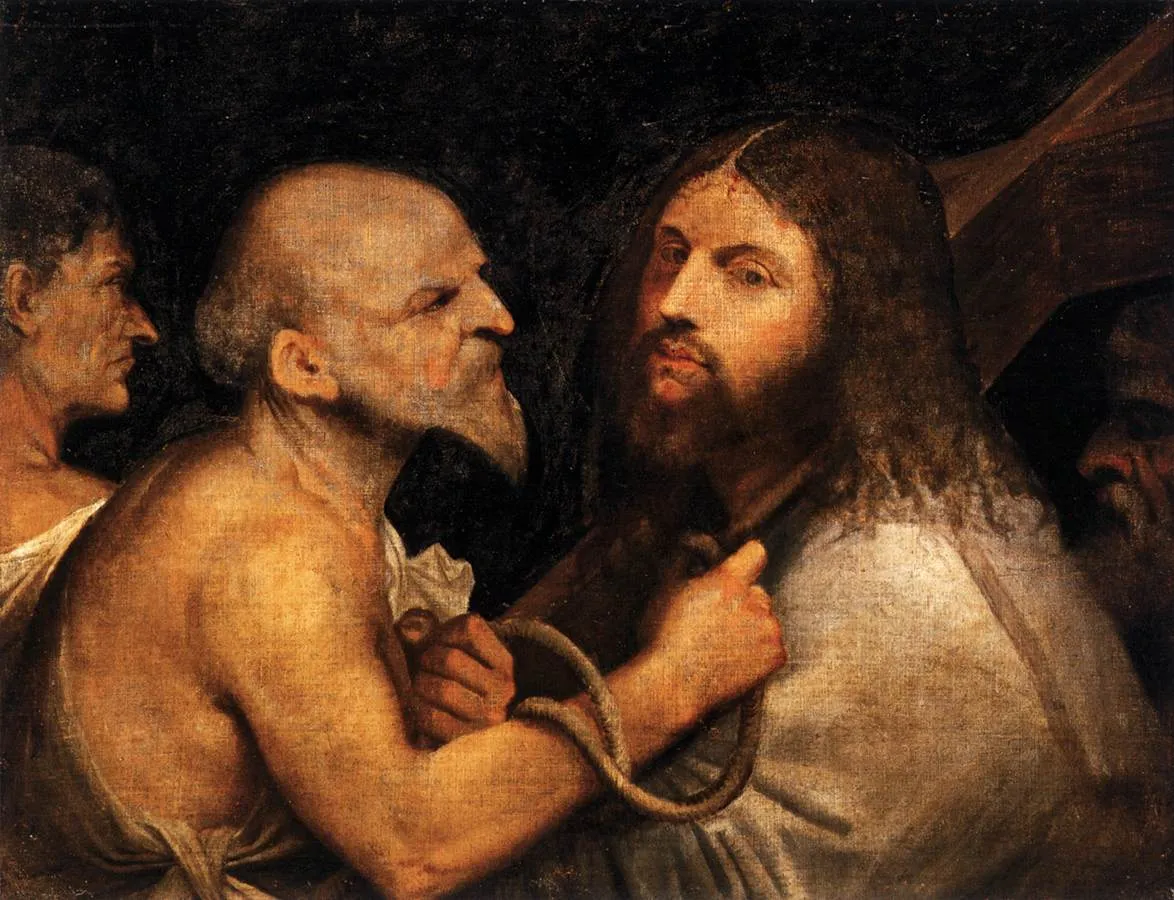
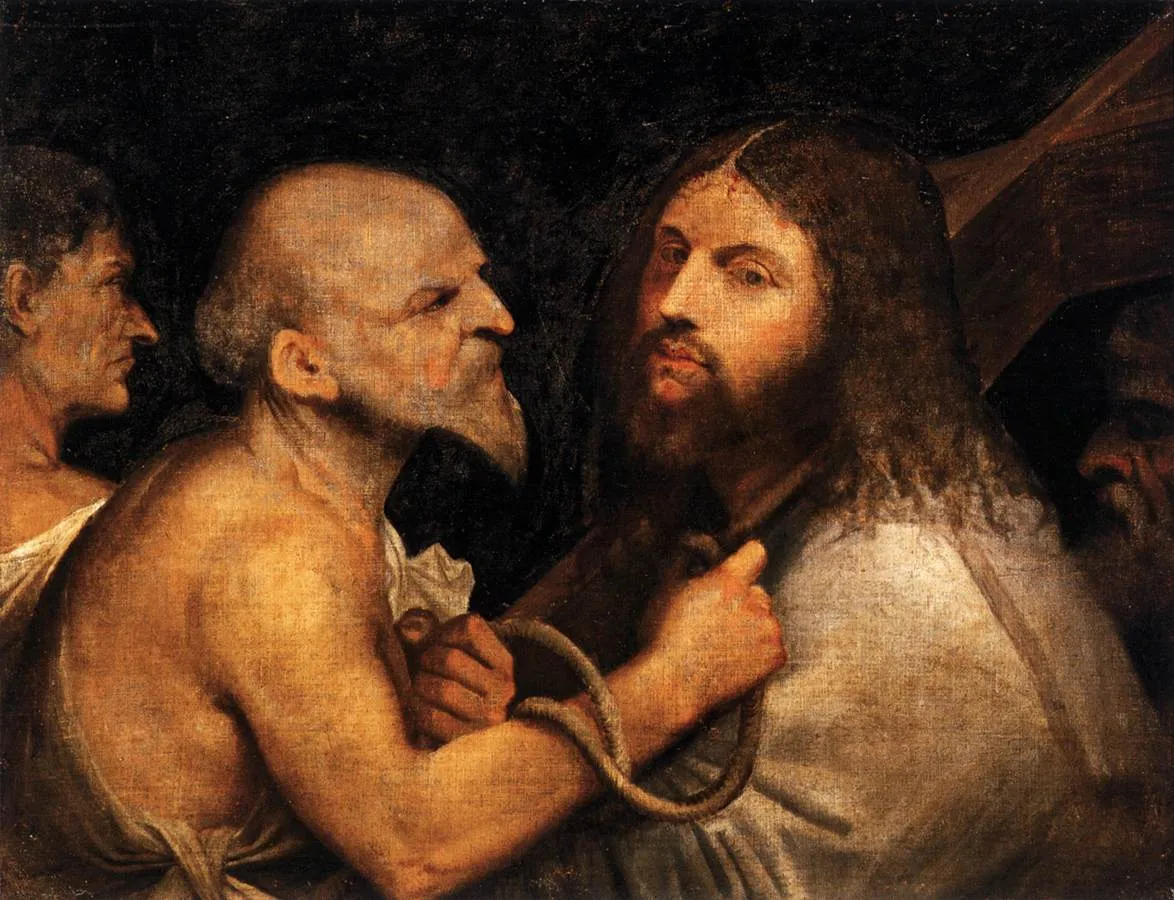
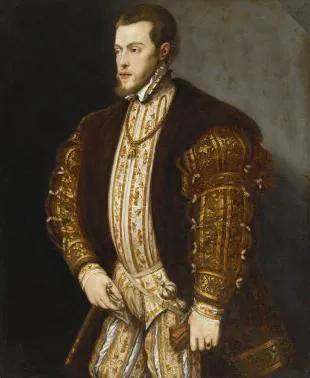
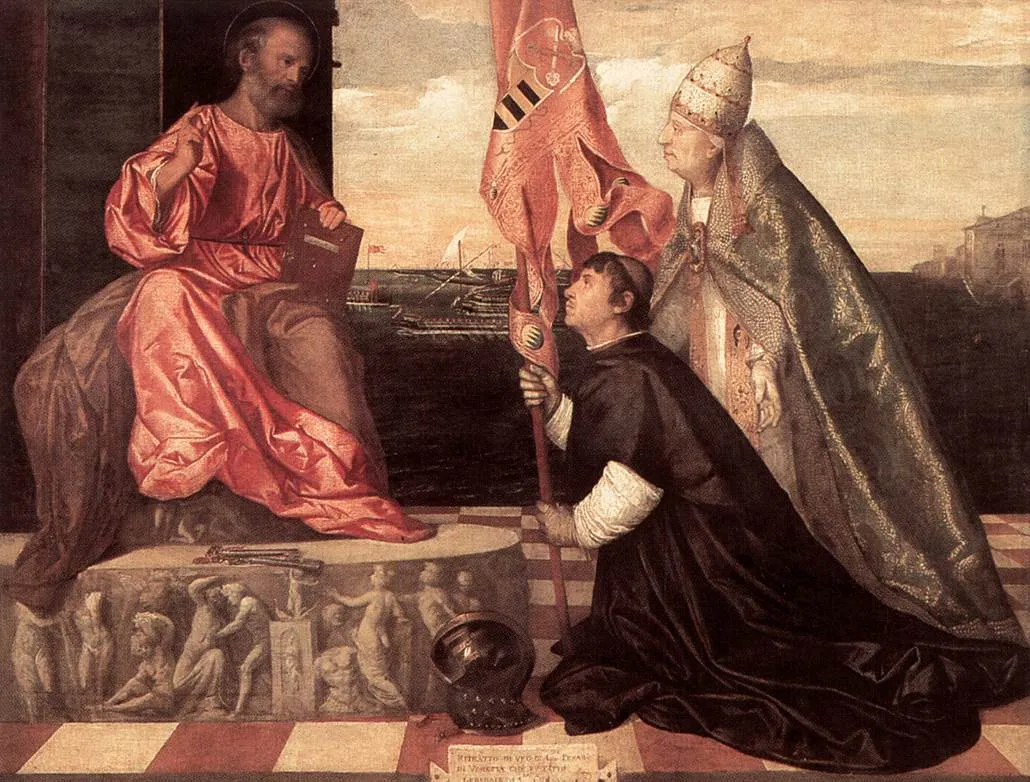
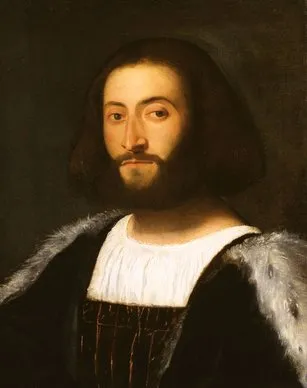
Tiziano Vecelli’s technique in "Christ Carrying the Cross" showcases his remarkable skill with oil on canvas. Each brushstroke evokes a sense of realism and drama, hallmarks of the Renaissance period. The subtle interplay of light and shadow demonstrates Vecelli’s mastery, making this painting a stunning example of his genius. Collectors seeking oil on canvas masterpieces should also explore related works by Tiziano, such as "Philip II of Spain" and "Pope Alexander IV Presenting Jacopo Pesaro to St Peter."
Within "Christ Carrying the Cross," Tiziano Vecelli weaves a narrative rich with religious symbolism and emotional resonance, hallmarks of Renaissance fine art painting for sale. The somber expressions and dramatic composition invite viewers to contemplate the story’s deeper meanings. Collectors and admirers of Tiziano’s work often seek related paintings like "Philip II of Spain" and "Pope Alexander IV Presenting Jacopo Pesaro to St Peter" for their symbolic complexity and historical significance.
Owning a reproduction of "Christ Carrying the Cross" by Tiziano Vecelli allows enthusiasts to connect with the rich heritage of the Renaissance. This hand-painted oil painting is a prized collector’s treasure, admired for its timeless beauty and historical value. Art lovers also appreciate related products such as "Philip II of Spain" and "Pope Alexander IV Presenting Jacopo Pesaro to St Peter," which further enrich any fine art collection with their masterful execution and enduring allure.
When Art Meets History
"Christ Carrying the Cross" by Tiziano Vecelli, also known as Titian, stands as a timeless masterpiece from the Renaissance movement. This hand-painted oil painting captures a pivotal biblical moment, reflecting both historical and spiritual significance. Titian’s work is closely linked to other renowned pieces such as "Bathsheba at Her Bath" and "The Marriage Feast at Cana." Through his art, Titian bridges the gap between sacred narrative and the evolving artistic techniques of Renaissance Europe.
Techniques That Speak
Tiziano Vecelli’s "Christ Carrying the Cross" exemplifies masterful oil on canvas technique, a hallmark of Renaissance artistry. The interplay of light and shadow, coupled with Titian’s rich color palette, brings depth and realism to the scene. Similar to his works "Lucretia" and "The Wedding at Cana," Titian’s brushwork creates a dynamic sense of movement and emotion, allowing viewers to feel the intensity of the moment depicted in this celebrated oil painting.
Emotions on Display
In "Christ Carrying the Cross," Titian’s expressive style brings forth deep, raw emotion, making this fine art painting for sale a truly moving experience. The anguish and resilience of Christ, highlighted through subtle facial expressions and body language, draw viewers into the narrative. Like "The Feast in the House of Levi," this Renaissance masterpiece invites reflection on human suffering and compassion, showcasing Titian’s unparalleled ability to portray the complexities of the human soul.
Coveted by Collectors
"Christ Carrying the Cross" by Tiziano Vecelli is highly sought after by collectors of hand-painted oil paintings from the Renaissance era. Its historical significance and artistic excellence make it a prized addition to any collection, much like Titian’s "Bathsheba at Her Bath" and "The Marriage Feast at Cana." Owning such a masterpiece connects collectors to a rich legacy of fine art, offering a window into the creative genius of one of history’s greatest painters.
Related Renaissance Hand-Painted Oil Paintings by Other Artists
Other Famous Renaissance Artists:
Frequently Asked Questions About Christ Carrying the Cross
Who is the artist of "Christ Carrying the Cross"?
The painting "Christ Carrying the Cross" was created by the renowned Venetian artist Tiziano Vecelli, commonly known as Titian, during the 16th century.
What is the historical context of "Christ Carrying the Cross"?
This painting was completed during the Italian Renaissance, a period marked by a revival of classical art and humanism, which significantly influenced Titian's work and thematic choices.
What artistic techniques did Titian employ in this painting?
Titian utilized oil on canvas to create "Christ Carrying the Cross," employing techniques such as chiaroscuro to enhance the dramatic effect and to convey the emotional weight of the scene.
What is the significance of the cross in the painting?
The cross symbolizes the burden of sin and suffering that Christ bore, serving as a powerful representation of sacrifice and redemption in Christian theology.
How does Titian depict the figure of Christ in this artwork?
In "Christ Carrying the Cross," Titian portrays Christ with a sense of dignity and strength, emphasizing his humanity and the physical toll of his journey towards crucifixion.
What role do the accompanying figures play in the painting?
The figures surrounding Christ, including soldiers and onlookers, serve to heighten the emotional intensity of the scene, illustrating the societal indifference and cruelty faced by Christ during his passion.
What symbolism is present in the color palette of the painting?
Titian's use of rich, warm colors juxtaposed with darker tones enhances the dramatic atmosphere, symbolizing both the divine and the earthly struggles inherent in Christ's sacrifice.
What influence did "Christ Carrying the Cross" have on later artists?
This painting has had a profound impact on subsequent generations of artists, influencing their approaches to religious themes, emotional expression, and the use of color and light in their works.
Where can one view "Christ Carrying the Cross" today?
The painting is housed in a prominent art collection, allowing visitors to experience Titian's masterful interpretation of this pivotal moment in Christian narrative.
What themes are explored in "Christ Carrying the Cross"?
The painting explores themes of suffering, sacrifice, and redemption, inviting viewers to reflect on the profound implications of Christ's journey and its significance in Christian belief.






















_GFM_Painting_(1).webp)


 100% Hand-Painted: Finished in 3-6 Weeks

.png)















_(1).webp)