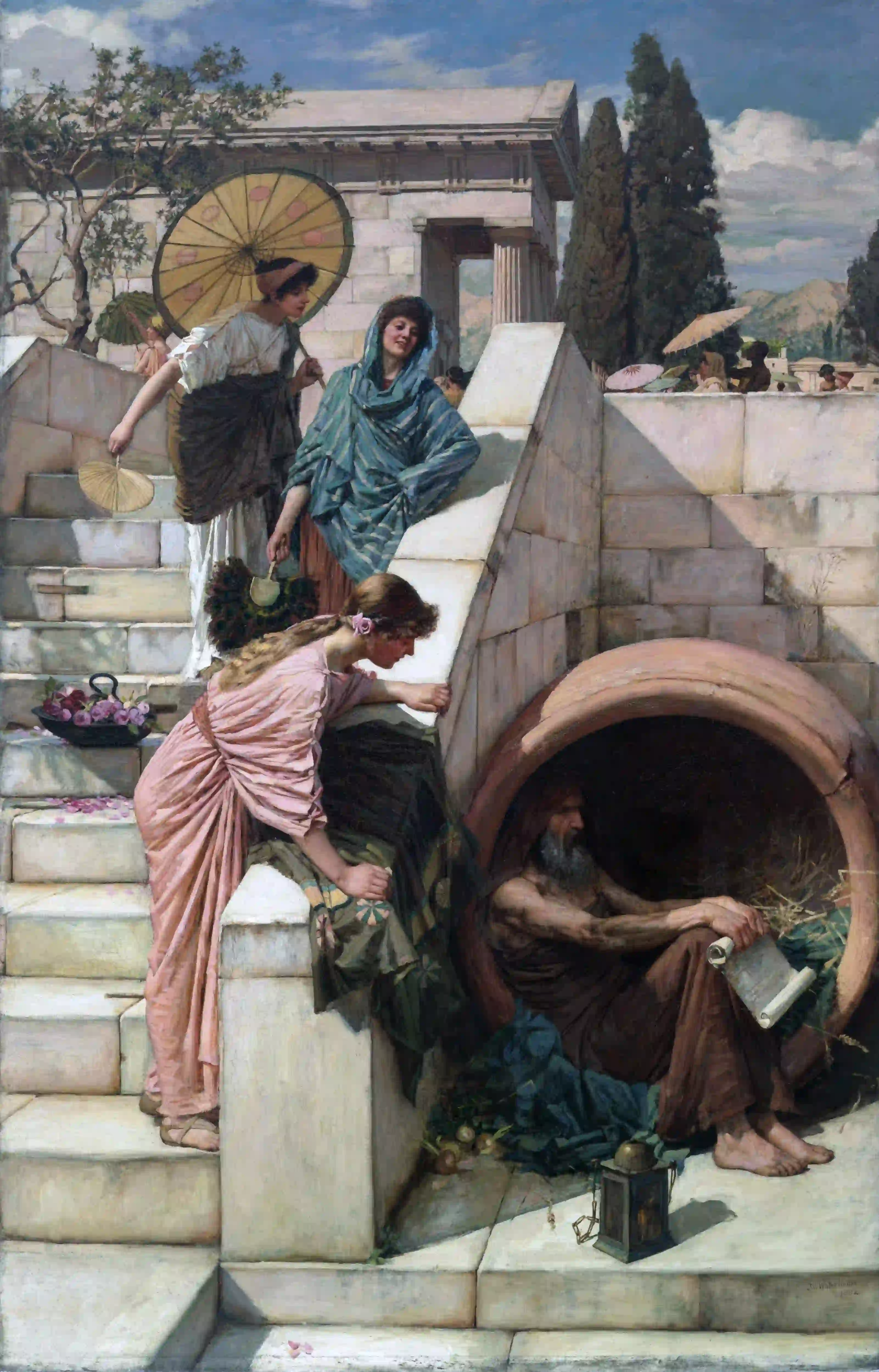
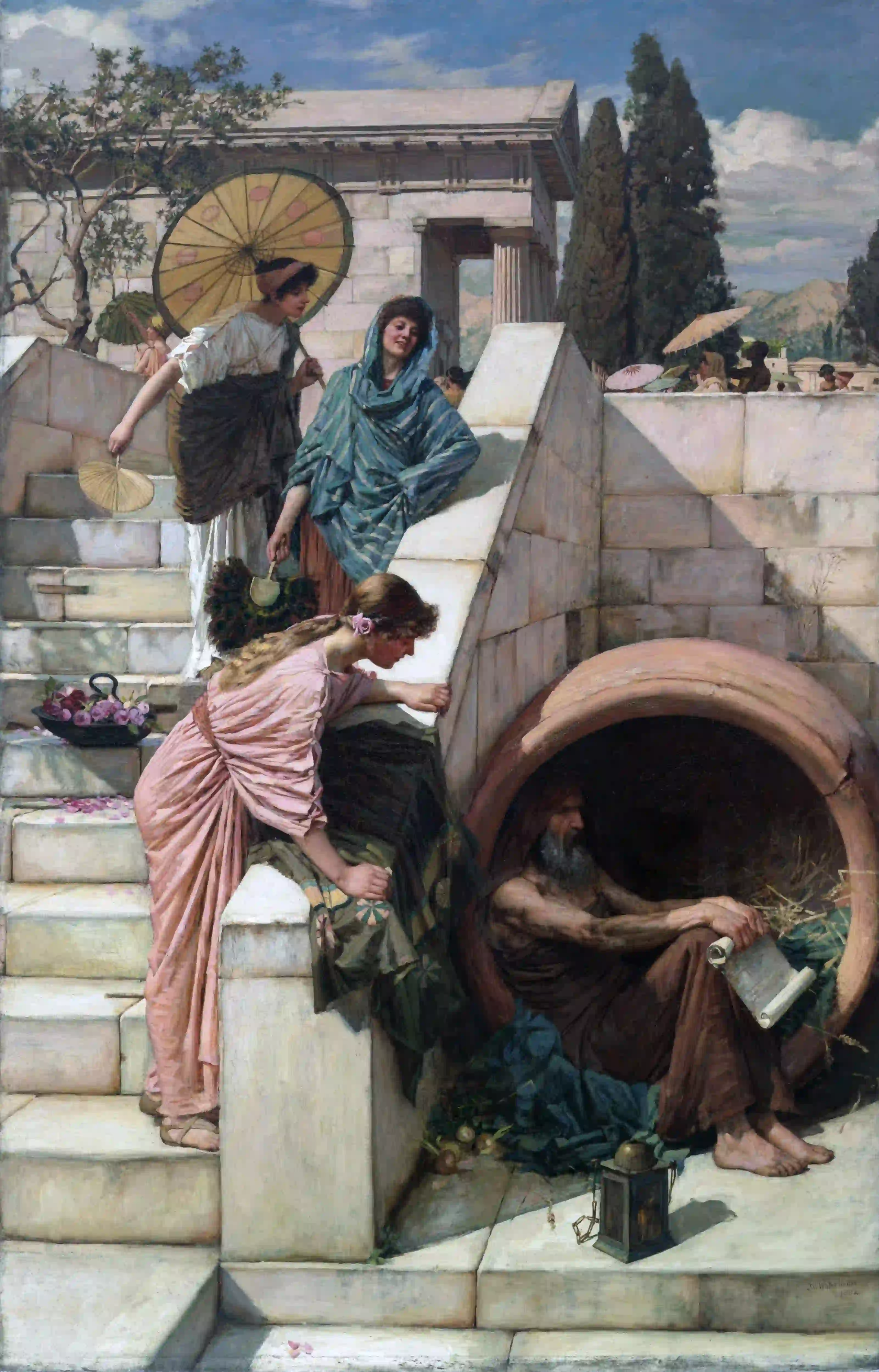
John William Waterhouse’s "Diogenes" exemplifies the artist’s skillful technique, with each brushstroke revealing the texture and depth characteristic of oil on canvas. The Pre-Raphaelites movement, renowned for its dedication to realism and vibrant color, is evident in every detail of this painting. Art lovers often compare this masterpiece to Waterhouse’s other notable works, including "The Soul of the Rose 1908" and "Sleep and His Half Brother Death".
In "Diogenes," Waterhouse weaves symbolism and narrative, reflecting the philosophical depth of the Pre-Raphaelites. The subject’s contemplative pose and sparse surroundings invite viewers to interpret the story behind the oil on canvas. This approach connects "Diogenes" to other symbolic works by Waterhouse, such as "The Visit of a Sick Child to the Temple of Aesculapius" and "A Flower Stall," offering a rich tapestry of meaning for art collectors.
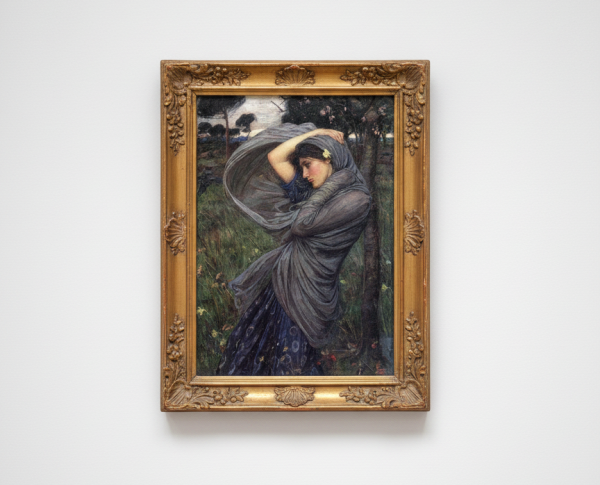
Owning a hand-painted oil painting like "Diogenes" by John William Waterhouse is a coveted experience for collectors of Pre-Raphaelites art. This fine art painting for sale is often sought after alongside other masterpieces like "Boreas 1903" and "The Soul of the Rose 1908". Its historical significance and artistic mastery make it a centerpiece in any collection, celebrating both the genius of Waterhouse and the enduring allure of the Pre-Raphaelites movement.
When Art Meets History
John William Waterhouse’s "Diogenes" is a remarkable example of the Pre-Raphaelites movement, blending classical themes with vivid storytelling. This hand-painted oil painting captures the legendary Greek philosopher in a moment of introspection, surrounded by subtle symbolism. Waterhouse, known for works like "Midsummer Eve" and "Night with her Train of Stars," brings historical narratives to life, making "Diogenes" a standout piece for anyone fascinated by the intersection of art and history.
Techniques That Speak
Waterhouse’s use of oil on canvas in "Diogenes" reflects his mastery of light and texture, hallmarks of the Pre-Raphaelites. The artist skillfully layers colors to create depth and realism, similar to his approach in "Portrait of Gray Hill" and "Landscape with Trees." This technique not only enhances the visual impact but also invites viewers to explore every detail. The result is an immersive experience that underscores the enduring appeal of oil on canvas.
Emotions on Display
"Diogenes" by John William Waterhouse is more than a fine art painting for sale; it is an emotional journey. The subject’s contemplative pose and the painting’s rich palette evoke solitude and wisdom, resonating with themes found in "Alfred and Charles, Grandchildren of Alfred Tennyson." Waterhouse’s sensitive treatment of emotion, typical of the Pre-Raphaelites, ensures that viewers connect deeply with the scene, making this artwork a timeless emotional statement.
Coveted by Collectors
Collectors prize Waterhouse’s "Diogenes" for its artistry and historical significance within the Pre-Raphaelites movement. As with his acclaimed works like "Midsummer Eve," this hand-painted oil painting remains highly sought after. Its exquisite detail and connection to other masterpieces such as "Night with her Train of Stars" elevate its status. For those seeking a fine art painting for sale, "Diogenes" stands out as a must-have addition to any distinguished collection.
Related Pre-Raphaelites Hand-Painted Oil Paintings by Other Artists
Other Famous Pre-Raphaelites Artists:
Frequently Asked Questions About Diogenes
What is the historical context of the painting "Diogenes" by John William Waterhouse?
"Diogenes" was painted in the late 19th century, a period marked by the Pre-Raphaelite movement and a resurgence of interest in classical themes. Waterhouse, influenced by this movement, sought to capture the essence of ancient philosophies, particularly that of the Cynic philosopher Diogenes of Sinope.
Who was Diogenes and why is he significant in art history?
Diogenes was a Greek philosopher and one of the most famous figures of the philosophical school of Cynicism. His life and teachings emphasized virtue, self-sufficiency, and a disdain for material wealth, making him a compelling subject for artists exploring themes of morality and human nature.
What artistic techniques did Waterhouse use in "Diogenes"?
Waterhouse employed a combination of realistic detail and dramatic lighting to enhance the emotional impact of the painting. His use of color and texture effectively conveys the ruggedness of Diogenes' lifestyle, while also highlighting the philosophical depth of the subject.
What symbols are present in "Diogenes" and what do they represent?
The painting features a lantern, which symbolizes Diogenes' quest for an honest man amidst the corruption of society. Additionally, the setting reflects his rejection of societal norms, emphasizing his philosophy of living in accordance with nature rather than convention.
How does "Diogenes" reflect the ideals of the Pre-Raphaelite movement?
Although Waterhouse was not a Pre-Raphaelite in the strictest sense, his work embodies the movement's ideals through its focus on narrative, emotional expression, and a return to classical themes. "Diogenes" captures a moment of introspection that resonates with the Pre-Raphaelite emphasis on deep symbolism and moral inquiry.
What is the significance of the setting in "Diogenes"?
The setting of the painting, often depicted as a simple, austere environment, reflects Diogenes' ascetic lifestyle and his rejection of materialism. This stark backdrop serves to emphasize the contrast between his philosophical ideals and the opulence of contemporary society.
How does Waterhouse's portrayal of Diogenes compare to other artistic representations?
Waterhouse's portrayal is unique in its focus on the introspective nature of Diogenes, differing from more traditional representations that often emphasize his eccentric behavior. This approach invites viewers to engage with the philosophical implications of his character rather than merely his antics.
What emotions does "Diogenes" evoke in viewers?
The painting evokes a sense of contemplation and empathy, encouraging viewers to reflect on the themes of isolation, authenticity, and the human condition. Waterhouse's ability to capture the complexity of Diogenes' character invites a deeper understanding of his philosophical stance.
What influence did "Diogenes" have on subsequent artists and movements?
Waterhouse's "Diogenes" has influenced artists interested in the intersection of philosophy and visual art, inspiring explorations of similar themes in modern and contemporary works. Its enduring relevance highlights the ongoing dialogue between art and philosophical inquiry.
Where can I view "Diogenes" and learn more about its history?
"Diogenes" is part of the collection at [Gallery Name]. Visitors can view the painting in person and access additional resources, including guided tours and educational materials, to gain a deeper understanding of its historical and artistic significance.























_GFM_Painting_(1).webp)


 100% Hand-Painted: Finished in 3-6 Weeks

.png)




















_(1).webp)