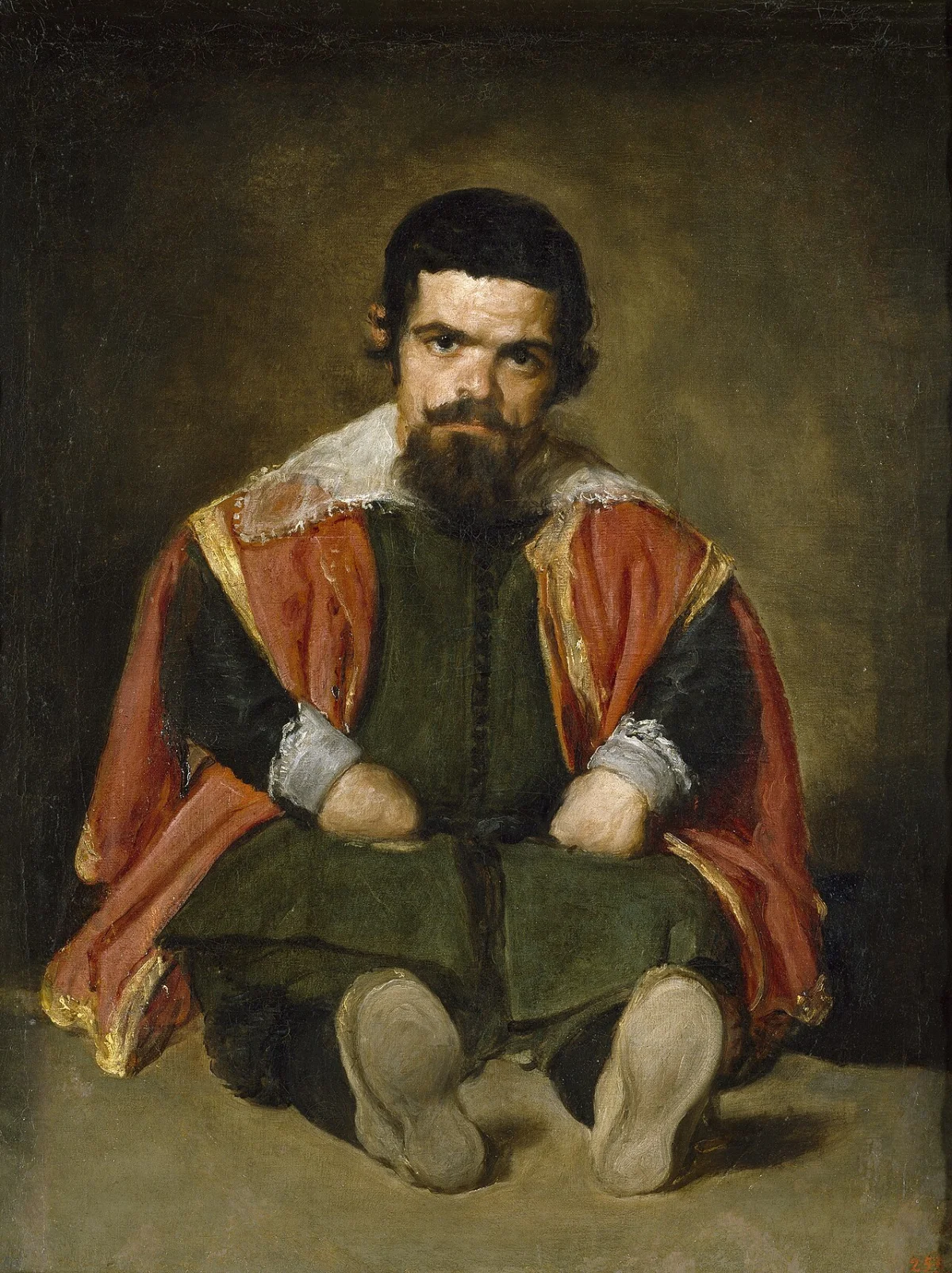
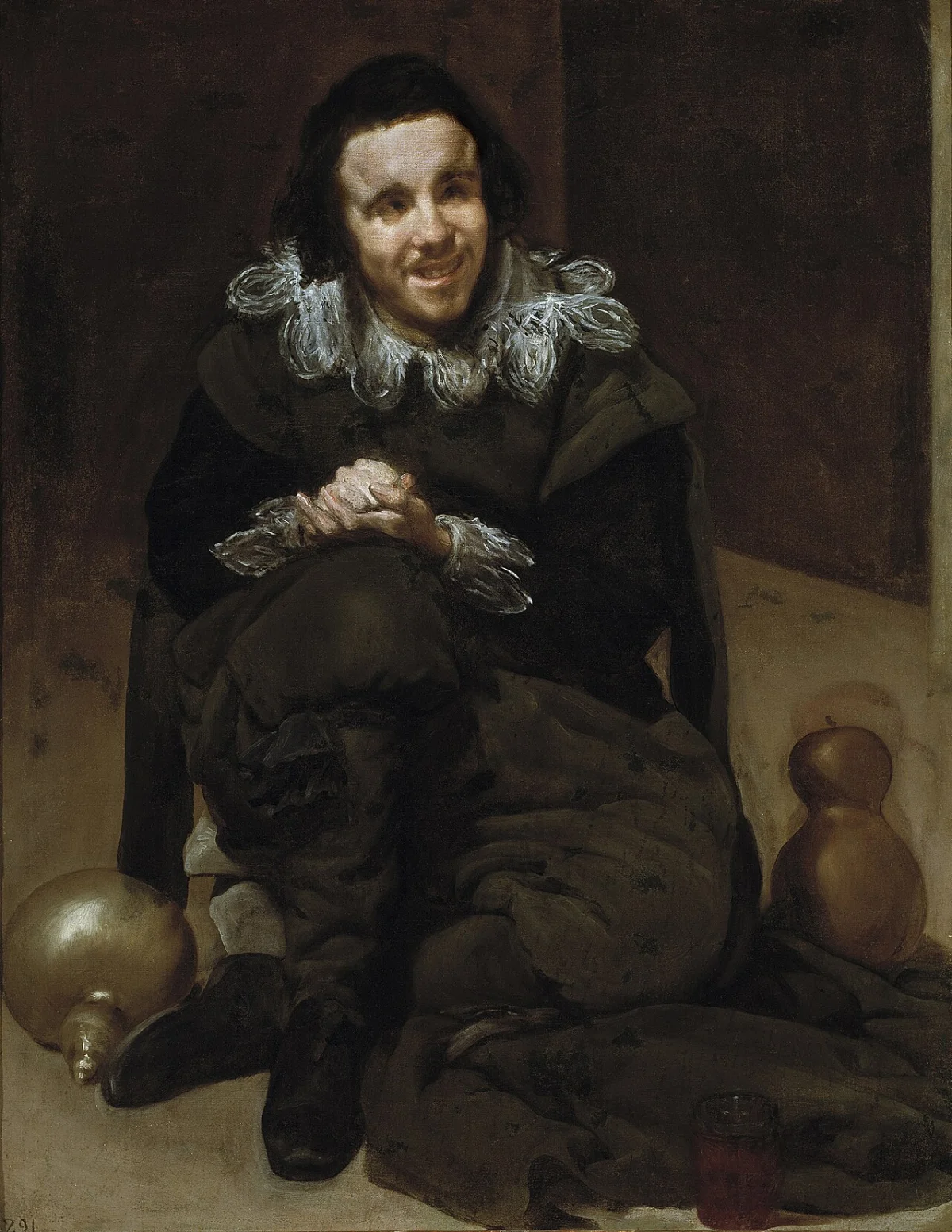
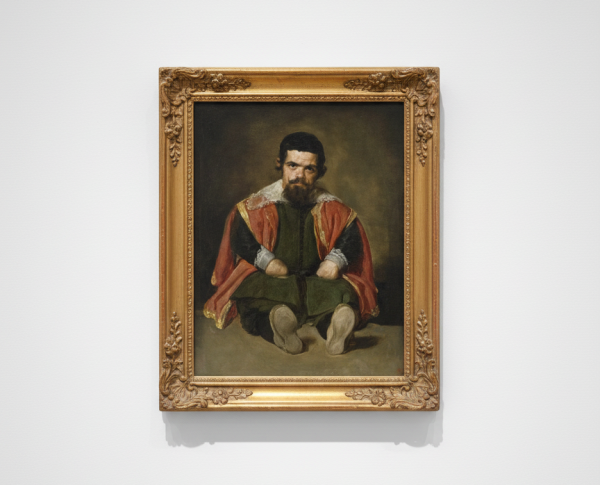
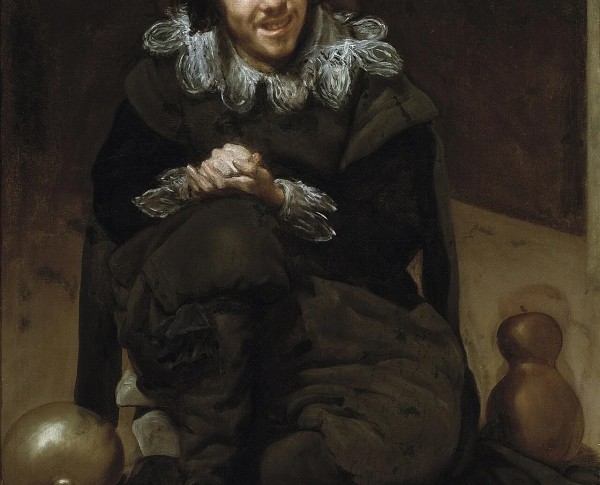
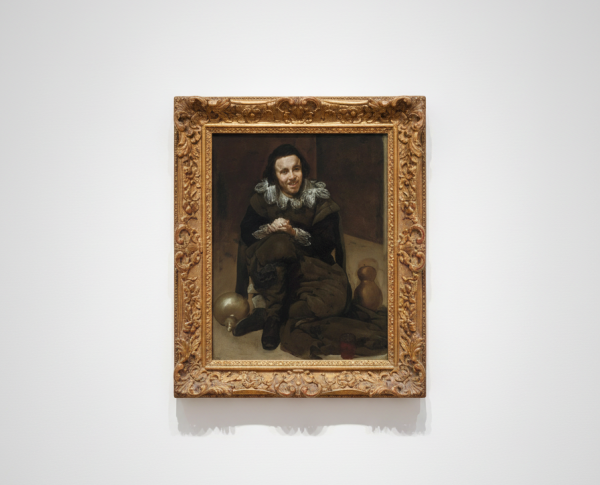
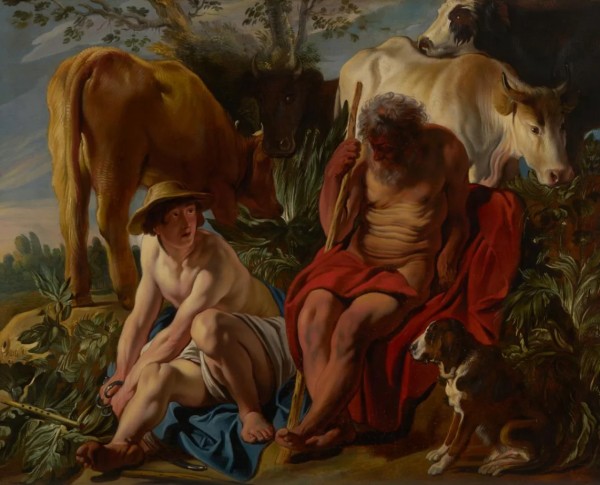
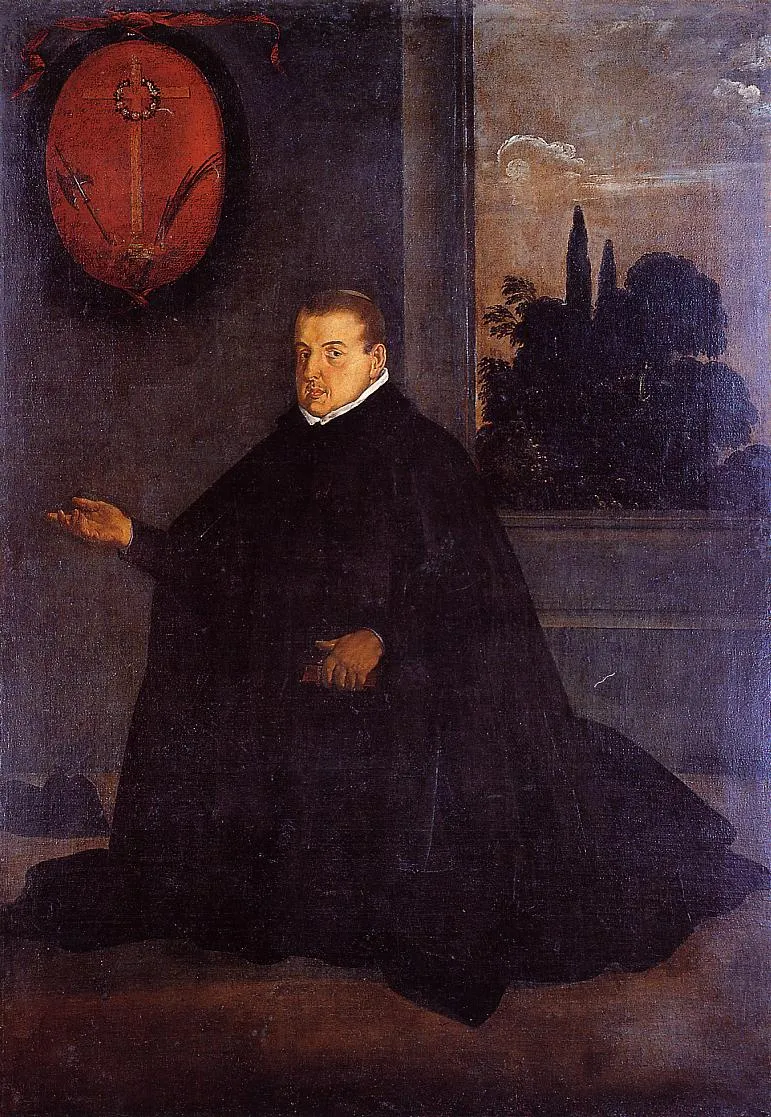
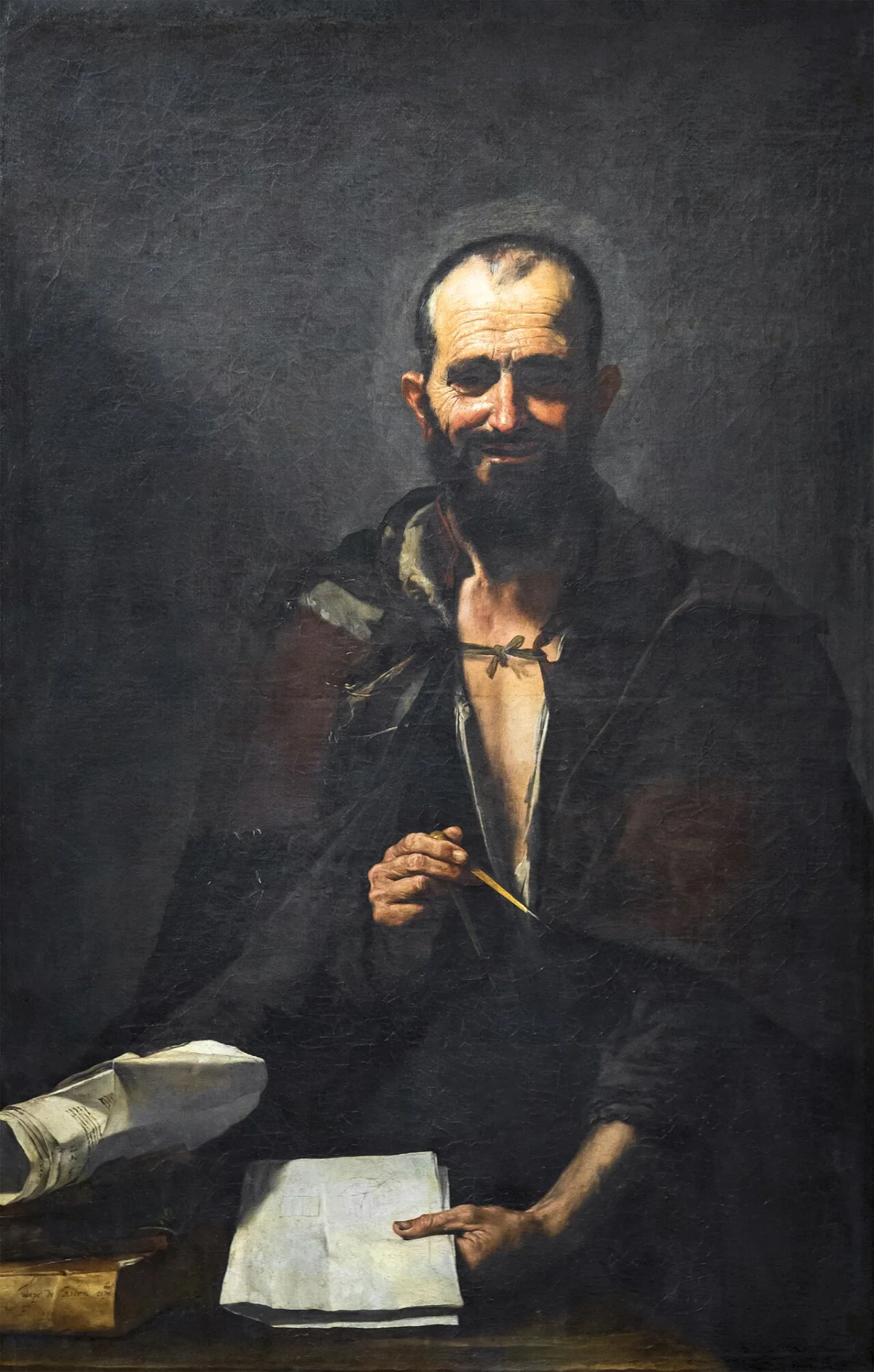
Velazquez’s technical prowess shines in "Don Cristobal Suarez de Ribera," where the details and textures showcase the mastery of oil on canvas. The Realism movement comes alive through his lifelike depiction and delicate color palette, making this artwork a prime example of his genius. Art admirers seeking a fine art painting for sale may also be interested in related works such as "Breakfast" and "Three Musicians," which highlight similar virtuosity.
Every element in this hand-painted oil painting tells a story, from the dignified posture of Don Cristobal to the subtle play of light and shadow. Velazquez, a master of the Realism movement, invites viewers to delve into the narrative behind the portrait. For those fascinated by symbolic depth, exploring related paintings like "Adoration of the Kings" and "Head of a Girl" can further enrich one’s appreciation of his storytelling artistry.
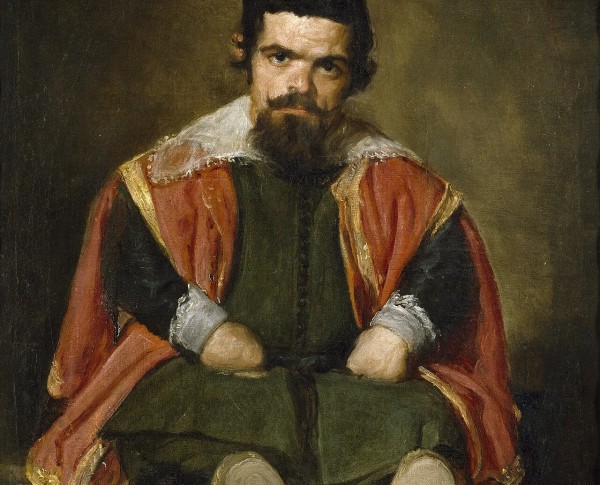
Owning "Don Cristobal Suarez de Ribera" is a privilege for any collector seeking an exceptional oil on canvas from the Realism era. Diego Rodriguez de Silva y Velazquez’s legacy endures through his enduring masterpieces, making this fine art painting for sale a prized addition to any collection. Complementary works such as "An Old Woman Cooking Eggs" and "Portrait of Sebastián de Morra" are also highly sought after among art connoisseurs.
When Art Meets History
"Don Cristobal Suarez de Ribera" by Diego Rodriguez de Silva y Velazquez stands as a testament to the Realism movement, merging historical significance with artistic brilliance. This hand-painted oil painting captures a moment in time, connecting viewers to Spain's rich cultural past. Like related works such as "Portrait of Brigadier General Joseph Lewis Hogg" and "The Italian woman," Velazquez’s masterpiece invites us to witness history through the eyes of a true master of the Realism era.
Techniques That Speak
The "Don Cristobal Suarez de Ribera" showcases Velazquez's mastery in oil on canvas, a hallmark of his technique within the Realism movement. The artist’s skillful brushwork and subtle layering bring depth and lifelike quality to the subject. Similar to works like "Study of trees" and "Oak on the shore of the Gulf of Finland," the painting exemplifies how meticulous technique transforms a simple portrait into a visual narrative, making it a cherished example of classic oil on canvas artistry.
Emotions on Display
Through "Don Cristobal Suarez de Ribera," Velazquez communicates profound emotion, capturing the sitter’s dignity and introspection. This fine art painting for sale reveals the artist’s ability to evoke empathy and connection, hallmarks of the Realism movement. Alongside related portraits such as "Davy Crockett," Velazquez’s work transcends mere representation, offering viewers a glimpse into the soul of his subject and the timeless emotional landscape of human experience.
Coveted by Collectors
Collectors highly value "Don Cristobal Suarez de Ribera" for its historical importance and artistic excellence. As a hand-painted oil painting by Diego Rodriguez de Silva y Velazquez, it exemplifies the best of the Realism movement. Works like "The Italian woman" and "Oak on the shore of the Gulf of Finland" also enjoy similar admiration, but Velazquez’s portrait remains especially sought after by those looking for a fine art painting for sale to enrich their collections.
Related Realism Hand-Painted Oil Paintings by Other Artists
Other Famous Realism Artists:
Frequently Asked Questions About Don Cristobal Suarez de Ribera
Who is the subject of the painting "Don Cristobal Suarez de Ribera"?
The painting depicts Don Cristobal Suarez de Ribera, a prominent figure in 17th-century Spain, known for his role in the Spanish court and his connections to the aristocracy.
What artistic techniques did Velazquez use in this painting?
Velazquez employed a realistic approach, utilizing chiaroscuro to create depth and dimension, as well as a loose brushwork style that enhances the lifelike quality of the subject.
What is the significance of the attire worn by Don Cristobal in the painting?
The attire reflects the fashion of the Spanish nobility during the Baroque period, symbolizing wealth and status, while also showcasing Velazquez's attention to detail in fabric texture and color.
How does the composition of the painting contribute to its overall impact?
The composition is carefully balanced, with Don Cristobal positioned centrally, drawing the viewer's eye. The use of diagonal lines and the placement of light enhance the dynamic quality of the portrait.
What role does light play in "Don Cristobal Suarez de Ribera"?
Light serves to highlight the subject's face and hands, creating a focal point that conveys both authority and intimacy, while the shadows add depth and realism to the overall scene.
In what ways does this painting reflect the Baroque style?
The painting embodies the Baroque style through its dramatic use of light and shadow, emotional intensity, and the emphasis on realism and detail, characteristic of Velazquez's work during this period.
What is the historical context surrounding the creation of this painting?
Created during the Spanish Golden Age, the painting reflects the cultural and political climate of the time, marked by the influence of the Habsburg monarchy and the flourishing of the arts in Spain.
How does Velazquez's portrayal of Don Cristobal differ from traditional portraiture?
Unlike traditional portraiture that often idealizes subjects, Velazquez presents Don Cristobal with a sense of realism that captures his personality and character, making the portrait more relatable and engaging.
What symbolic elements can be found in the painting?
Symbolic elements include the use of color and light to convey power and dignity, as well as the careful arrangement of the subject's pose, which suggests confidence and authority within the social hierarchy of the time.
Why is "Don Cristobal Suarez de Ribera" considered an important work in Velazquez's oeuvre?
This painting is significant as it showcases Velazquez's mastery of portraiture, his innovative techniques, and his ability to convey complex human emotions, solidifying his reputation as one of the greatest painters of the Baroque period.






















_GFM_Painting_(1).webp)


 100% Hand-Painted: Finished in 3-6 Weeks

.png)















_(1).webp)