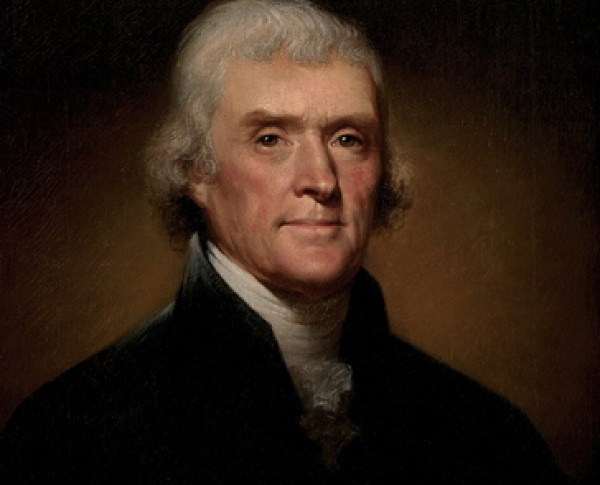
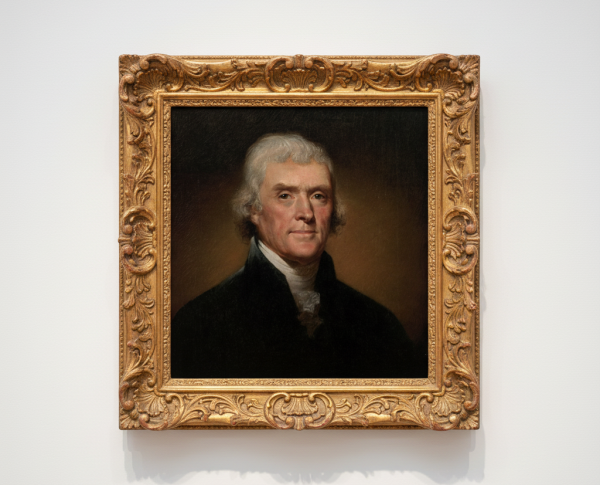
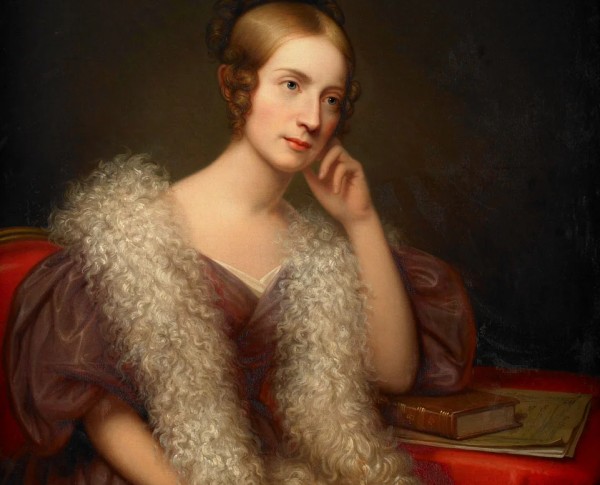
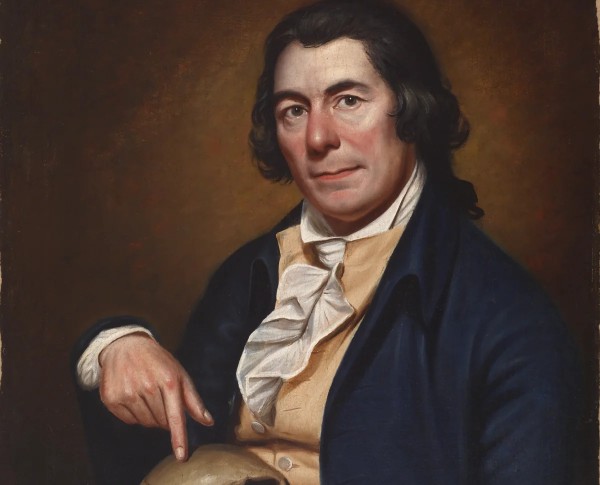
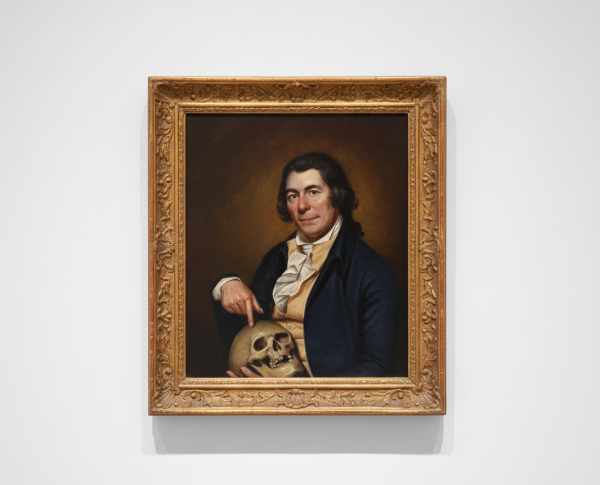
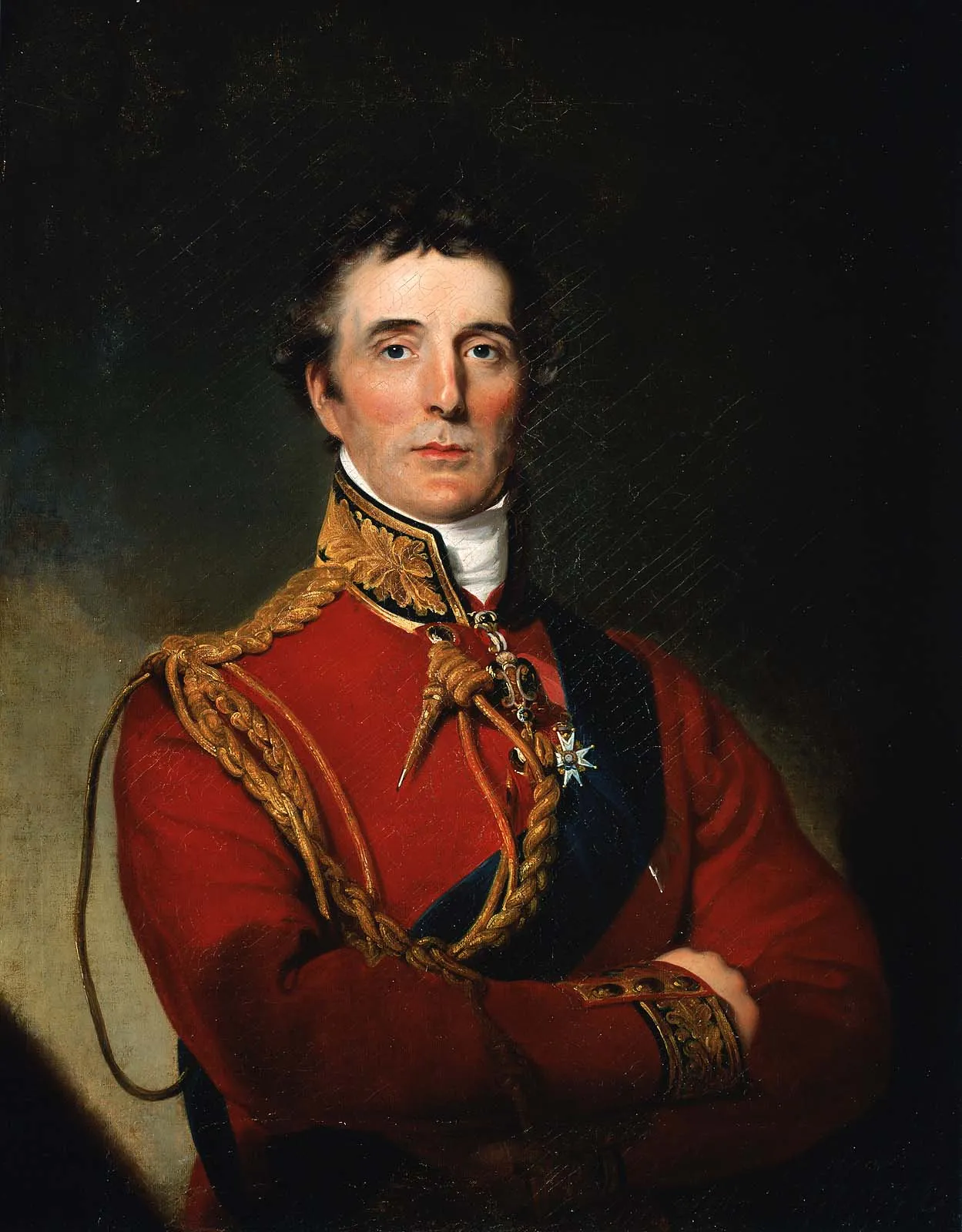
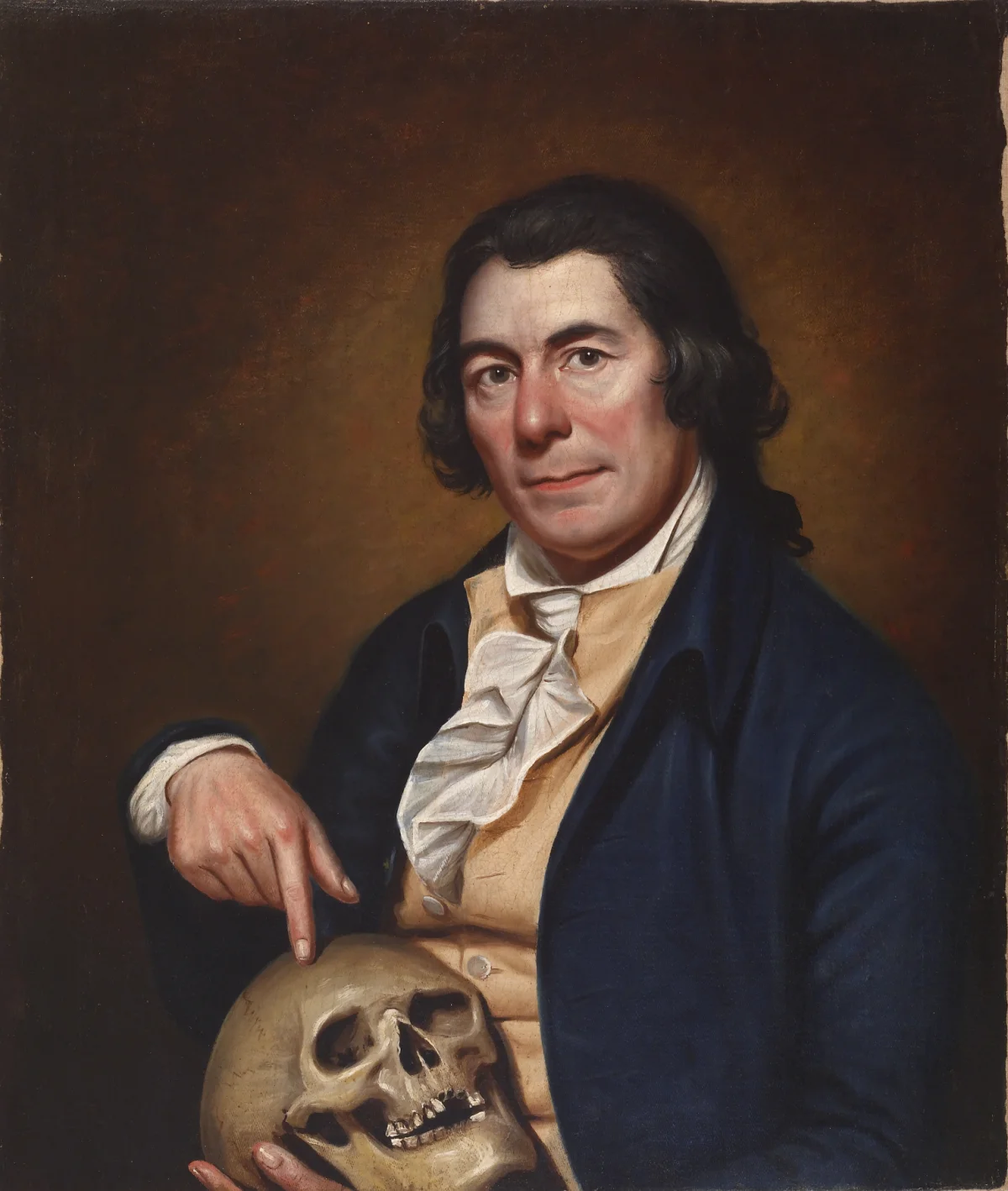
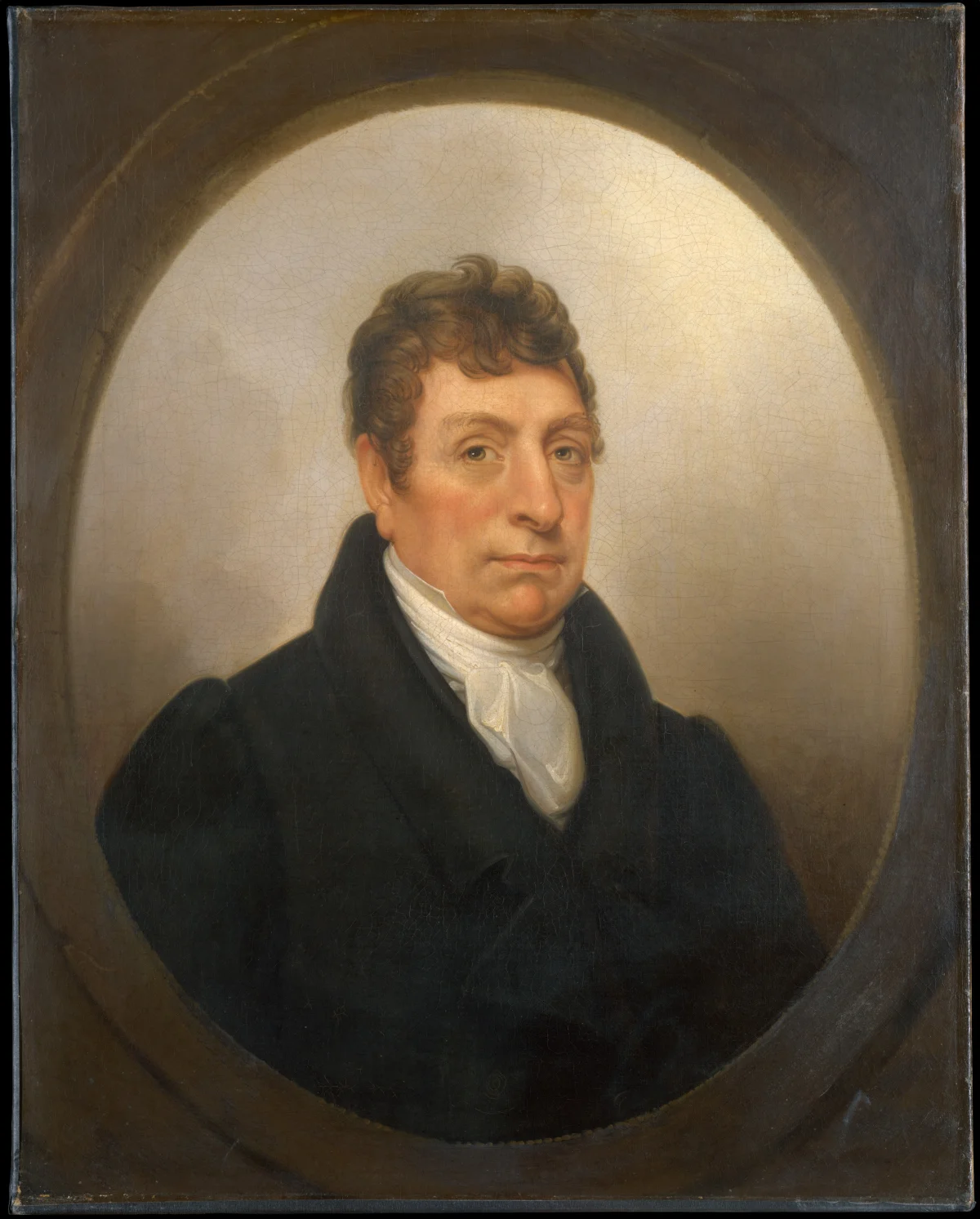
With “Duke of Wellington,” Rembrandt Peale demonstrates exceptional skill in oil on canvas, a medium favored for its depth and vibrancy. The artist employs masterful brushwork to render subtle textures and lifelike features, embodying the ideals of Neo-Classical art. For those seeking a similar level of craftsmanship, works like “Dr. Noble Wimberly Jones” and “Portrait of Margaret Irvine Miller” showcase Peale’s ability to convey character and nobility through the timeless medium of oil on canvas.
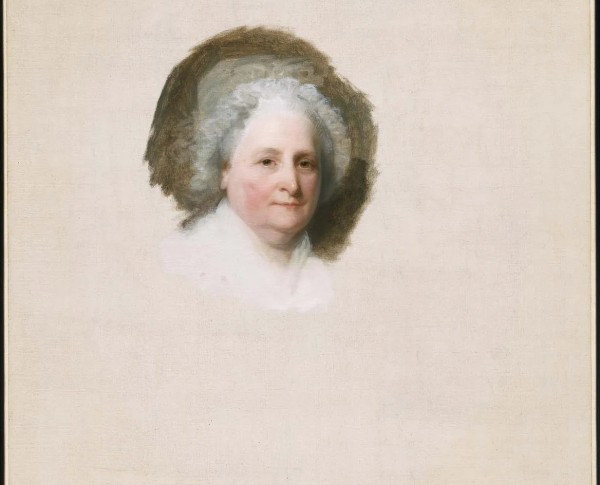
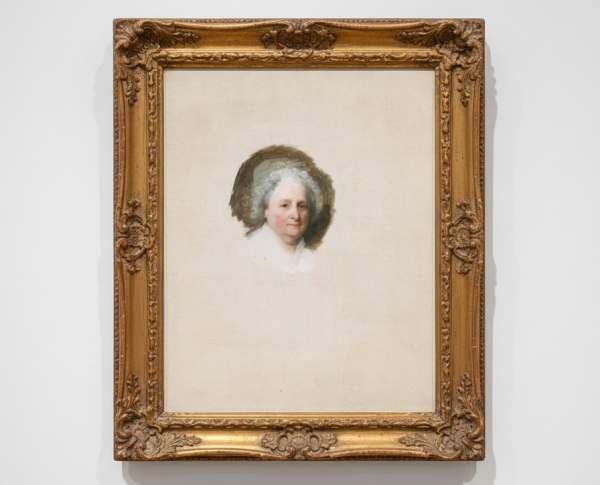
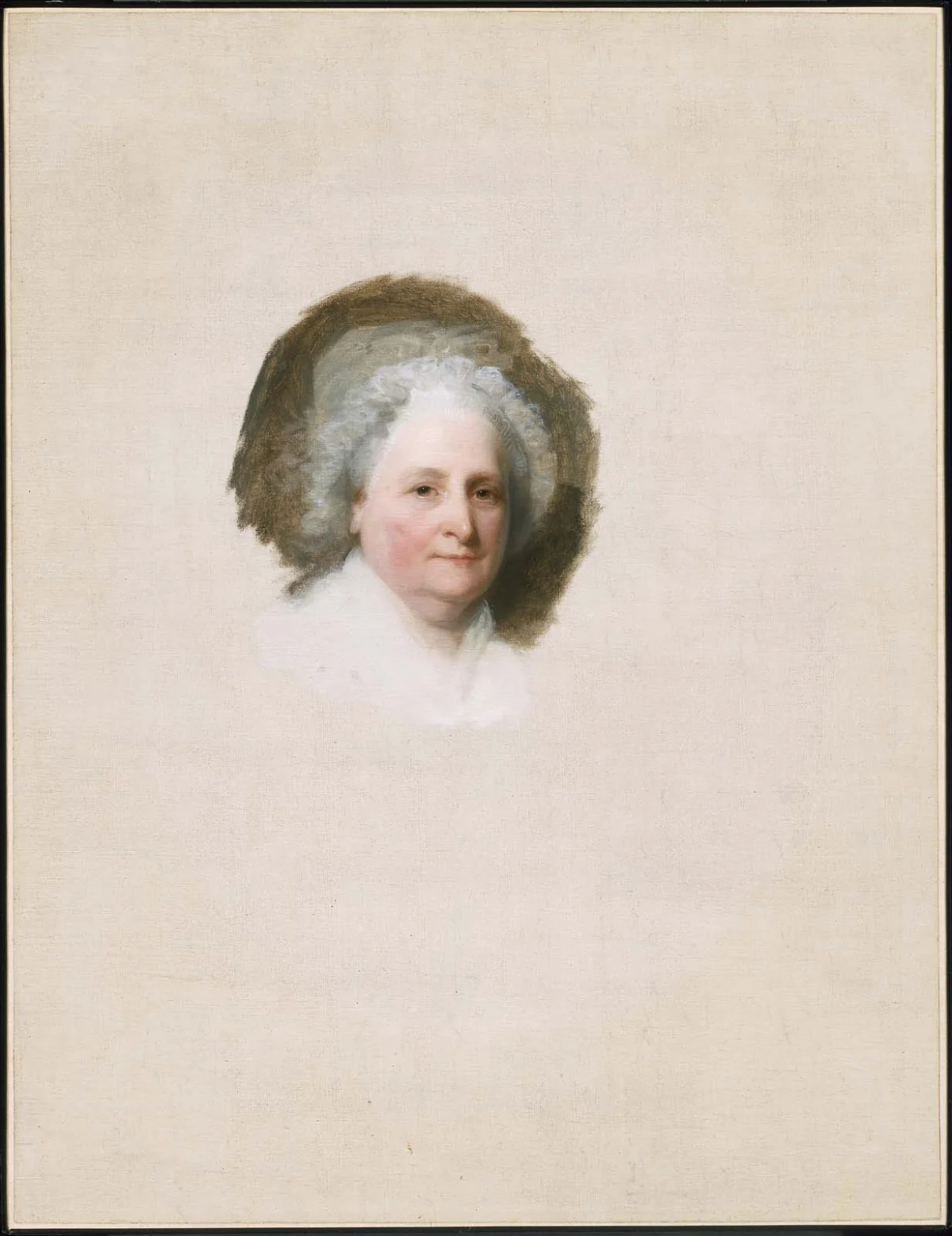
In this fine art painting for sale, Rembrandt Peale weaves narrative and symbolism, portraying the Duke of Wellington as both a historical icon and a paragon of virtue. The Neo-Classical movement’s emphasis on moral clarity and heroic themes is evident in every aspect of the composition. Collectors may find thematic resonance in related portraits such as “Samuel Fisher Bradford” and “Martha Washington,” each offering unique stories embedded within their refined Neo-Classical aesthetics.
Owning the “Duke of Wellington” by Rembrandt Peale means acquiring a distinguished piece of art history. This hand-painted oil painting not only exemplifies Neo-Classical technique but also holds significant cultural value. Collectors seeking to expand their collection may consider pairing it with other Peale masterpieces, including “Portrait of Dr. Meer” and “Portrait of a Baltimore Gentleman,” each a fine art painting for sale that enhances any curated selection of Neo-Classical works.
When Art Meets History
The "Duke of Wellington" by Rembrandt Peale stands as a testament to the Neo-Classical movement, capturing a pivotal figure with remarkable dignity. Painted in the early 19th century, this hand-painted oil painting reflects Peale’s dedication to historical accuracy and grandeur. Much like his contemporaries and related works such as "Portrait of Prince Albert of Saxony as a boy," Peale’s portrait immortalizes the Duke, blending personal narrative with the wider sweep of European history.
Techniques That Speak
Rembrandt Peale’s mastery is evident in the "Duke of Wellington," where he employs refined oil on canvas techniques characteristic of the Neo-Classical style. His brushwork and attention to light create a lifelike presence, similar to his other portraits like "Portrait of Burchard Ch. Richter." The painting’s careful composition and subtle color palette highlight Peale’s technical prowess, making this oil on canvas a remarkable example of early 19th-century portraiture.
Emotions on Display
In the "Duke of Wellington," Rembrandt Peale channels the stoic bravery and calm composure of his subject, hallmarks of the Neo-Classical movement. The fine art painting for sale captures not only the Duke’s likeness but also his inner resolve, echoing the emotional depth seen in works like "Divina Comedia." Through nuanced expressions and posture, Peale invites viewers to connect with the Duke’s historical significance and steadfast spirit.
Coveted by Collectors
Collectors prize Rembrandt Peale’s "Duke of Wellington" for its historical importance and masterful execution within the Neo-Classical movement. This hand-painted oil painting, alongside related works such as "Klippa Vid Cività Castellana" and "Amerling," is sought after for its blend of artistry and legacy. As a fine art painting for sale, it appeals to enthusiasts who appreciate both Peale’s technique and the enduring influence of the era he so vividly portrayed.
Related Neo-Classical Hand-Painted Oil Paintings by Other Artists
Other Famous Neo-Classical Artists:
Frequently Asked Questions About Duke of Wellington
Who is the subject of the painting "Duke of Wellington"?
The subject of the painting is Arthur Wellesley, the 1st Duke of Wellington, a prominent British military leader known for his role in the Napoleonic Wars and his victory at the Battle of Waterloo in 1815.
What is the historical significance of the "Duke of Wellington" painting?
This painting captures the essence of a pivotal figure in British history, symbolizing military prowess and leadership during a transformative period in Europe. It serves as a visual commemoration of the Duke's contributions to British victory and stability.
Who was the artist of the "Duke of Wellington"?
The painting was created by Rembrandt Peale, an American artist known for his portraits and historical paintings, who was influenced by European artistic traditions and the neoclassical style.
What artistic techniques did Rembrandt Peale use in this painting?
Peale employed techniques such as chiaroscuro to create depth and dimension, as well as a detailed rendering of textures in the Duke's clothing and the surrounding elements, enhancing the realism of the portrait.
What symbolism can be found in the "Duke of Wellington" painting?
The painting symbolizes valor, leadership, and national pride. The Duke's posture and attire convey authority, while the background elements reflect his military achievements and the respect he commanded in society.
In what year was the "Duke of Wellington" painted?
The painting was completed in 1818, shortly after the Duke's rise to prominence following his military successes, capturing a moment of national celebration and recognition.
How does the "Duke of Wellington" compare to other portraits of military leaders from the same period?
Compared to other portraits of military leaders, Peale's work stands out for its psychological depth and the dignified portrayal of the Duke, emphasizing both his military accomplishments and his character.
What materials were used in the creation of the "Duke of Wellington"?
The painting was created using oil on canvas, a common medium for portraiture during the early 19th century, allowing for rich colors and detailed textures.
Where is the "Duke of Wellington" currently displayed?
The painting is part of the collection at the National Gallery of Art in Washington, D.C., where it is preserved and showcased to the public.
What impact did the "Duke of Wellington" have on the perception of the Duke in popular culture?
This painting contributed to the Duke's legacy as a national hero, influencing public perception and solidifying his status as a symbol of British resilience and military success in popular culture and history.























_GFM_Painting_(1).webp)


 100% Hand-Painted: Finished in 3-6 Weeks

.png)
















_(1).webp)