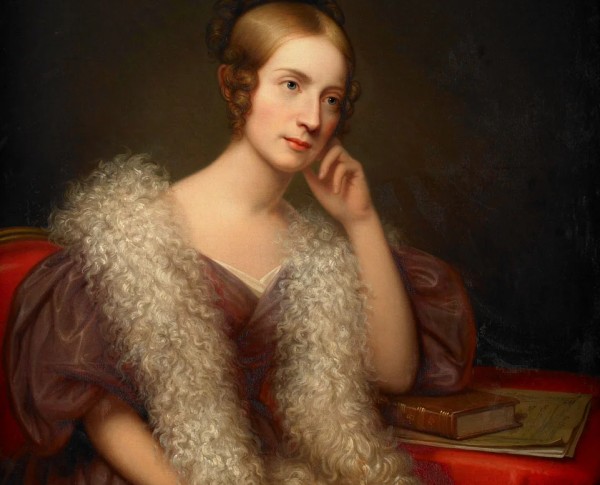
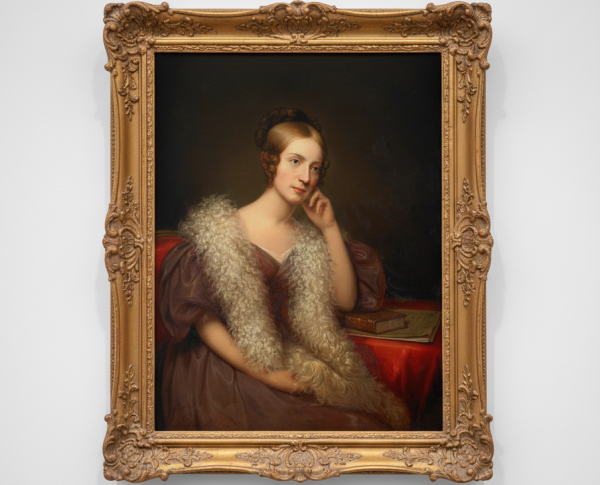
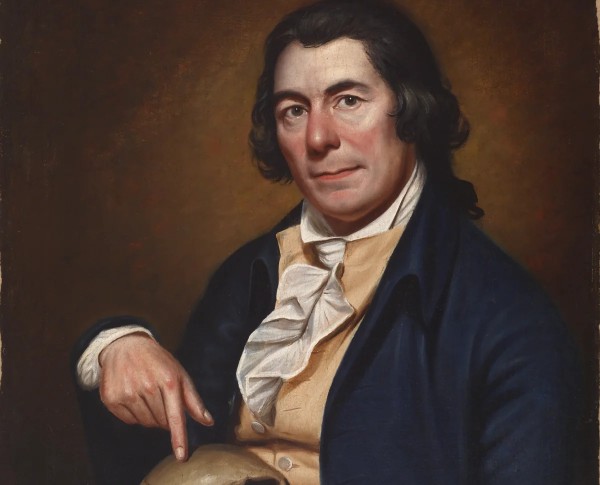
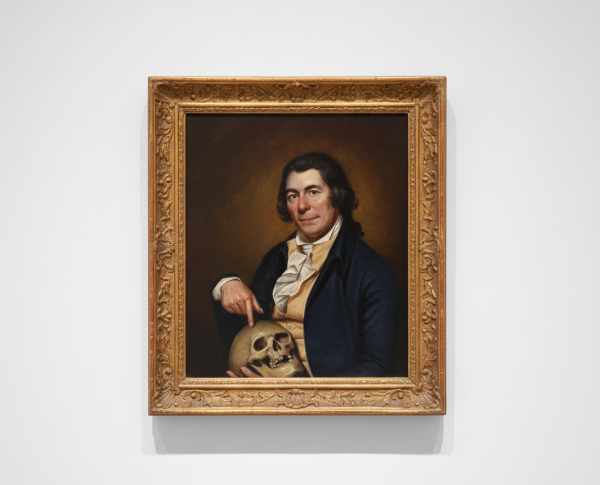
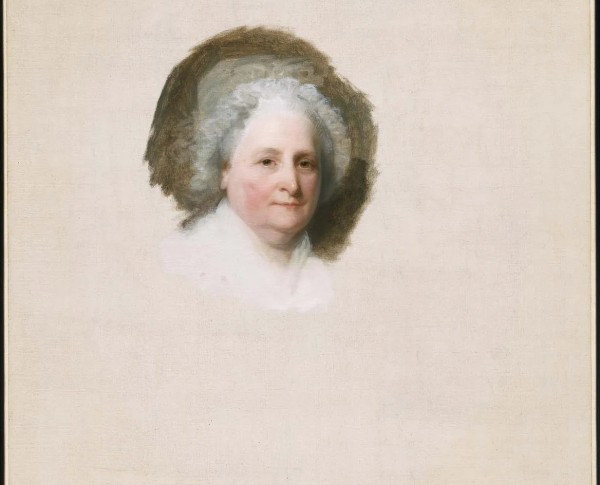
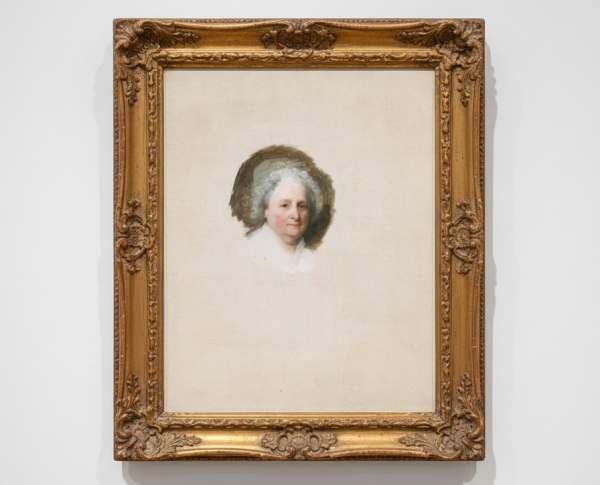
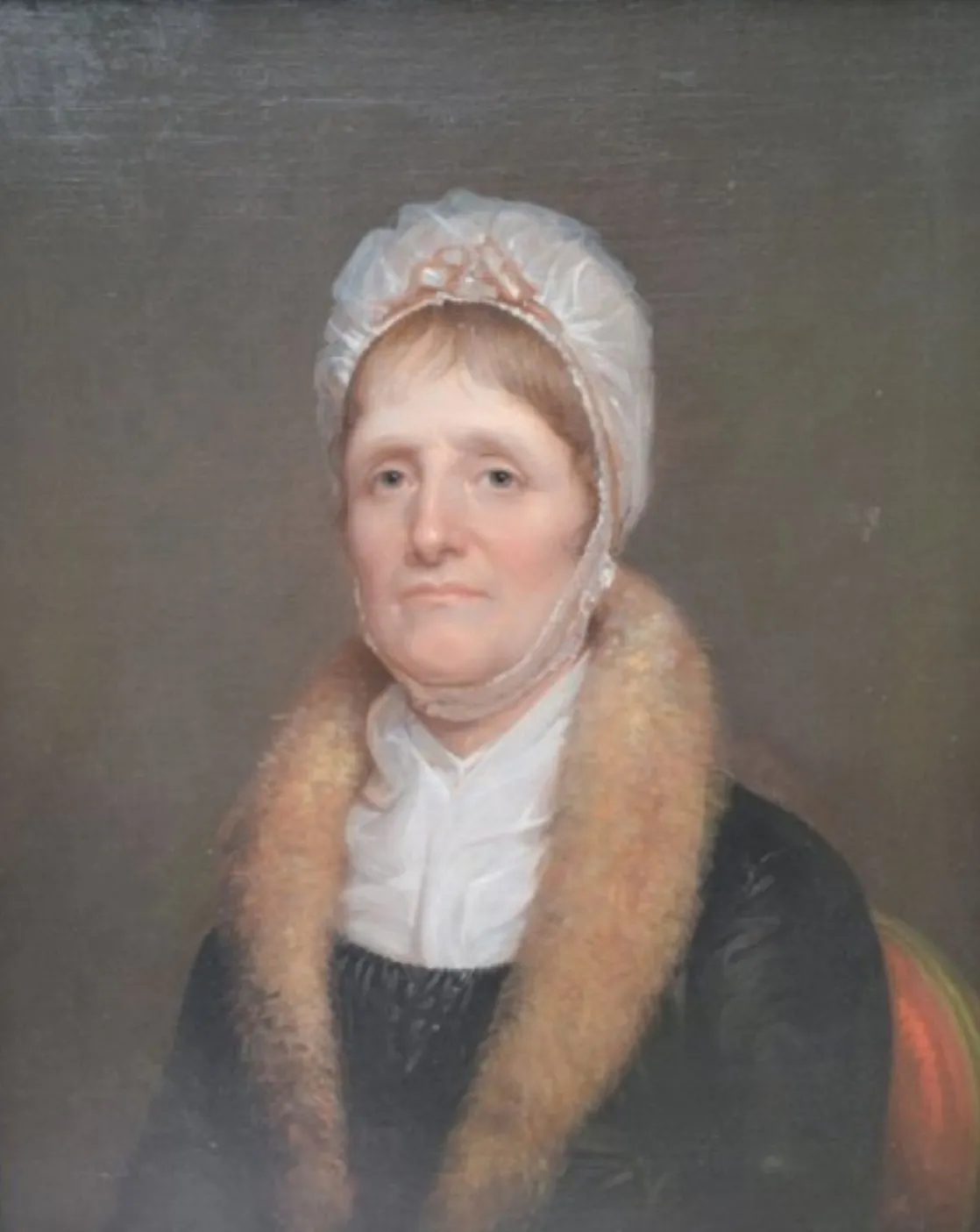
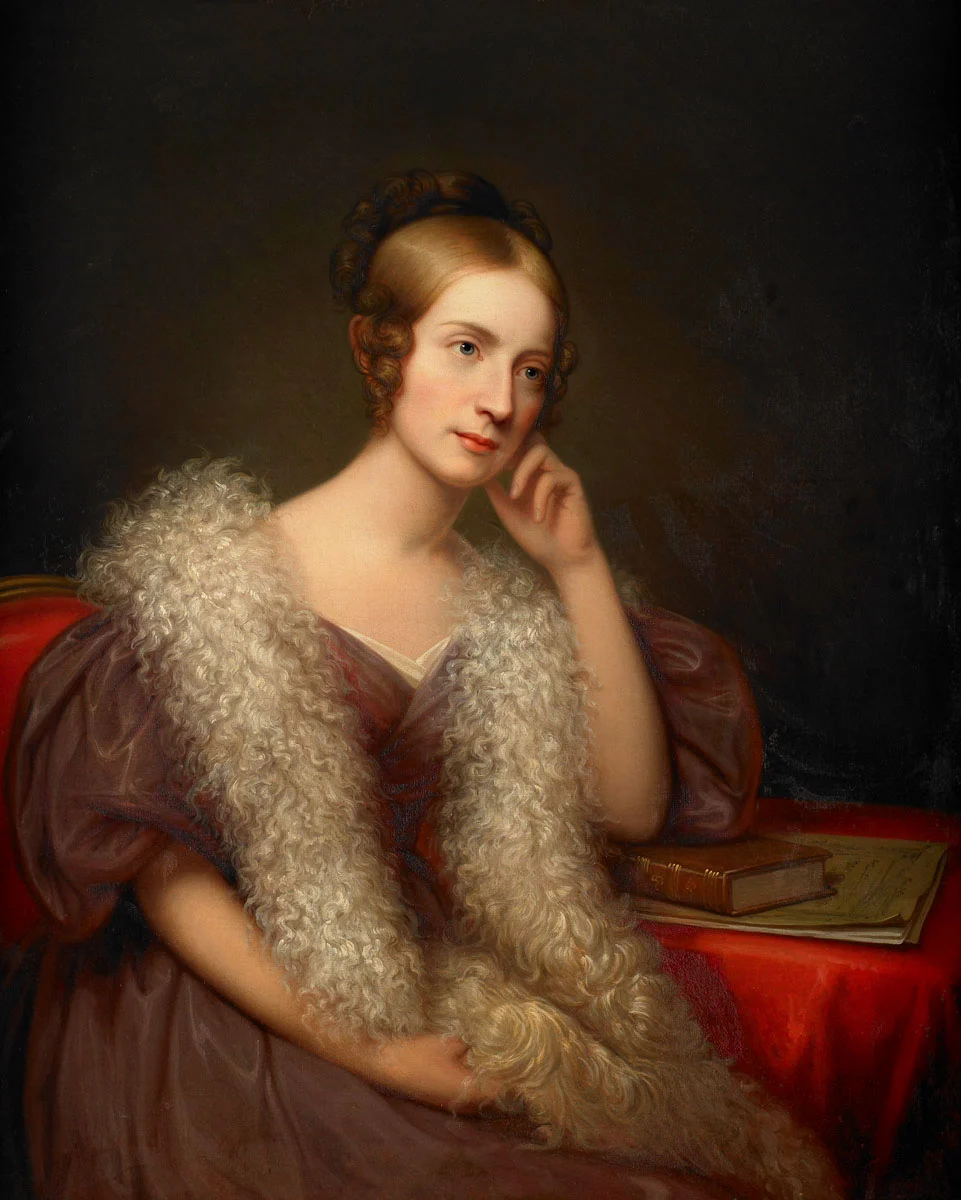
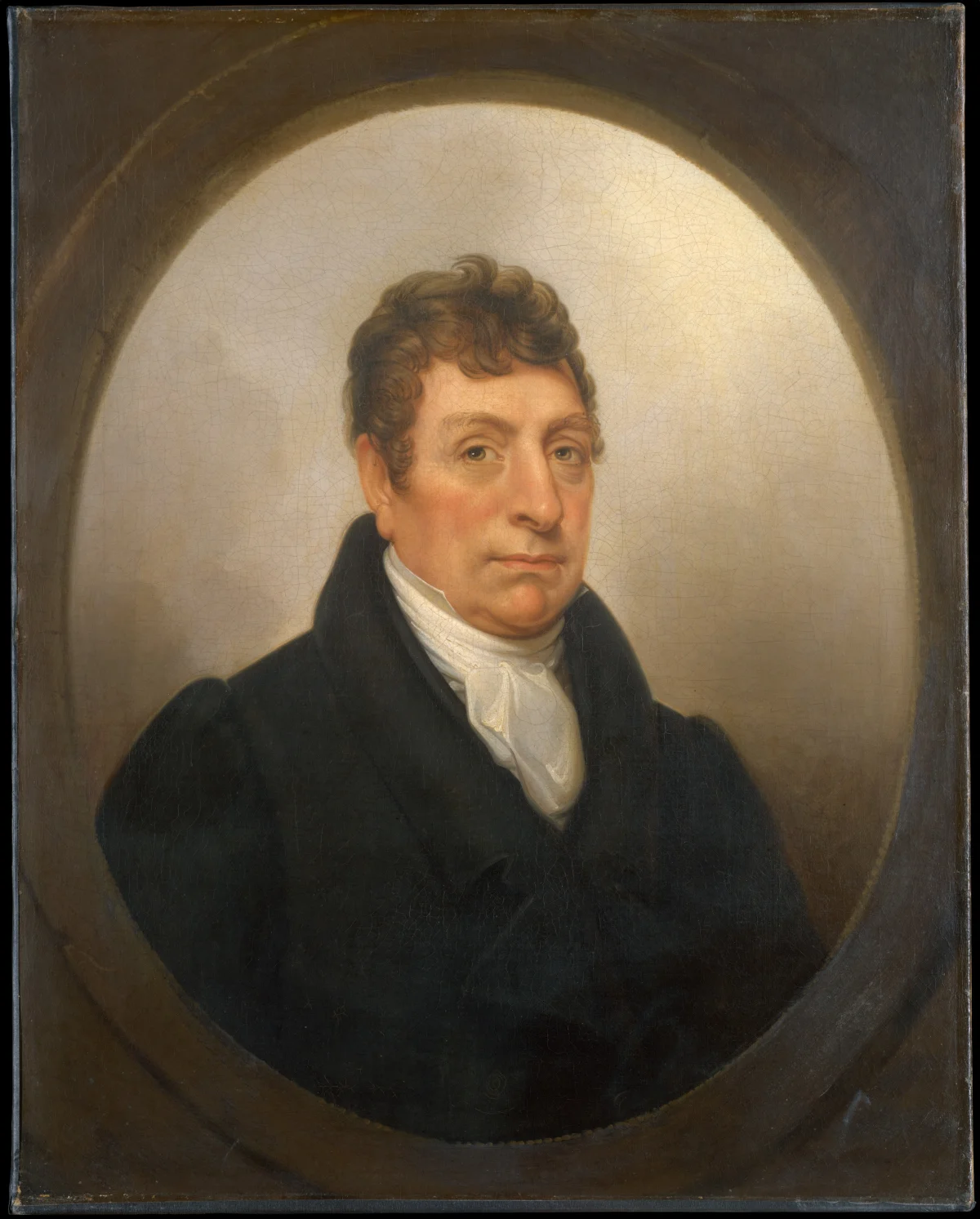
Rembrandt Peale’s “Portrait of Margaret Irvine Miller” is a striking example of oil on canvas artistry from the Neo-Classical era. The artist’s meticulous brushwork and attention to detail reveal his mastery and dedication to capturing the true essence of his subject. Collectors of fine art appreciate Peale’s ability to blend realism with classical ideals, much like in “Dr. Noble Wimberly Jones” and “John Johnston,” other notable works within this celebrated movement.
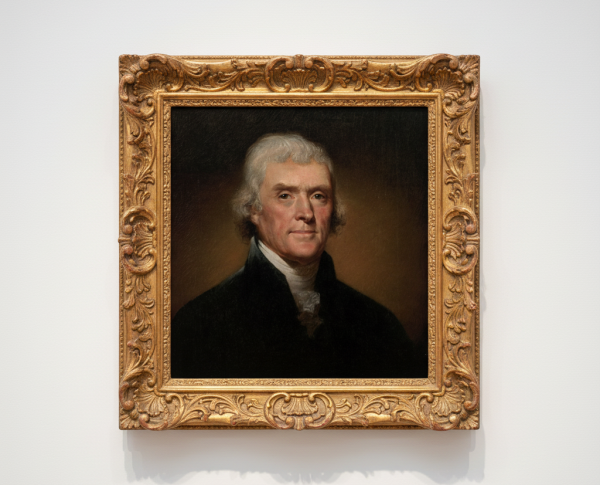
Within the “Portrait of Margaret Irvine Miller,” Rembrandt Peale weaves stories and subtle symbolism that reflect the values of the Neo-Classical movement. This fine art painting for sale is more than just a likeness; it is a narrative crafted in oil, echoing dignity and intellect. Art enthusiasts may also explore related masterpieces like “Portrait of Thomas Jefferson” and “The Marquis de Lafayette,” which similarly blend historical context with artistic finesse.
For those seeking a fine art painting for sale, Rembrandt Peale’s “Portrait of Margaret Irvine Miller” is an exceptional choice. As part of the Neo-Classical movement, this artwork exemplifies quality and historical significance. Collectors often pair such treasures with related paintings, including “Caroline Louisa Pratt Bartlett” and “Rubens Peale with a Geranium,” to create a distinguished and cohesive collection that celebrates the enduring allure of classical portraiture.
When Art Meets History
"Portrait of Margaret Irvine Miller" by Rembrandt Peale stands as a testament to the refined sensibilities of the Neo-Classical movement. Created during an era that valued harmony and classical ideals, this hand-painted oil painting captures both historical significance and timeless beauty. Rembrandt Peale, renowned for his evocative portraits, contributed greatly to this artistic period, as seen in related works like "Calypso's Isle" and "The Sortie Made by the Garrison of Gibraltar, 1789".
Techniques That Speak
Rembrandt Peale masterfully utilized oil on canvas to render lifelike textures and delicate details in "Portrait of Margaret Irvine Miller". The Neo-Classical style is evident in the painting’s crisp lines and balanced composition, reminiscent of works such as "Gorge at Cività Castellana" and "Chasseur Au Pied Du Château De Meudon". Peale’s technique elevates this portrait’s realism, making it a standout example of oil on canvas mastery from the early nineteenth century.
Emotions on Display
The expressive brushwork in "Portrait of Margaret Irvine Miller" allows viewers to connect intimately with the subject’s poised demeanor and subtle emotion. Rembrandt Peale’s ability to convey inner life through portraiture is a hallmark of the Neo-Classical movement, aligning with the emotive qualities found in "The Kelpie" and other fine art painting for sale from the period. The sitter’s gaze invites contemplation, making this artwork a deeply moving visual experience.
Coveted by Collectors
As a prime example of Neo-Classical portraiture, "Portrait of Margaret Irvine Miller" by Rembrandt Peale remains highly sought after by art collectors and enthusiasts. Its historical significance and refined execution increase its desirability, much like related paintings from the same era. Owning a hand-painted oil painting such as this allows collectors to cherish a piece of art history, celebrating the enduring legacy of Peale and his contemporaries.
Related Neo-Classical Hand-Painted Oil Paintings by Other Artists
Other Famous Neo-Classical Artists:
Frequently Asked Questions About Portrait of Margaret Irvine Miller
Who is the subject of the painting "Portrait of Margaret Irvine Miller"?
The subject of the painting is Margaret Irvine Miller, a prominent figure in 19th-century American society, known for her social connections and cultural influence.
What is the significance of Rembrandt Peale as the artist of this portrait?
Rembrandt Peale was a leading American portraitist of the early 19th century, known for his ability to capture the likeness and personality of his subjects, which adds historical value to this work.
What artistic techniques did Rembrandt Peale employ in this portrait?
Peale utilized techniques such as chiaroscuro to create depth and dimension, as well as a meticulous attention to detail in the rendering of fabrics and facial features, showcasing his skill as a portrait artist.
In what year was "Portrait of Margaret Irvine Miller" painted?
The portrait was painted in 1824, a period marked by a growing appreciation for portraiture in American art, reflecting both personal and societal values of the time.
What does the composition of the painting convey about Margaret Irvine Miller?
The composition, featuring a direct gaze and a poised posture, conveys confidence and grace, suggesting her status and the respect she commanded in her social circles.
What symbolic elements are present in "Portrait of Margaret Irvine Miller"?
The use of rich colors and luxurious fabrics symbolizes wealth and sophistication, while the choice of background and props may reflect her personal interests and societal role.
How does this portrait reflect the cultural context of its time?
This portrait reflects the early 19th-century American emphasis on individualism and the importance of social status, as well as the growing role of women in society during this period.
What influence did "Portrait of Margaret Irvine Miller" have on American portraiture?
The painting exemplifies the high standards of portraiture in America, influencing subsequent artists in their approach to capturing the essence of their subjects and the social narratives they represented.
Where can I view "Portrait of Margaret Irvine Miller" today?
The painting is part of the collection at [insert gallery or museum name], where it is preserved and displayed for public appreciation and study.
What is the legacy of Rembrandt Peale in the context of American art history?
Rembrandt Peale's legacy lies in his role as a pioneer of American portraiture, influencing generations of artists and contributing to the establishment of a distinctly American artistic identity.























_GFM_Painting_(1).webp)


 100% Hand-Painted: Finished in 3-6 Weeks

.png)
















_(1).webp)